How To Choose The Right Tomato Type For Arizona Gardens
Tomatoes can be one of the most rewarding crops to grow, but Arizona has a way of making the wrong choice obvious fast. Some varieties struggle the moment temperatures climb, while others race through the season before the plant has a real chance to stay productive.
That is why picking a tomato is not just about size, color, or what sounds good at the garden center. The type matters more here than many gardeners expect.
Heat, dry air, intense sun, and a short window for strong fruit set can all change how well a plant performs.
A tomato that does great somewhere else may be a frustrating pick for an Arizona garden, especially once summer pressure starts building.
Getting better results often starts before planting even begins, with a variety that matches the season, the space, and the way tomatoes actually grow in desert conditions. The right choice can make the whole experience feel much easier from the start.
1. Choose Heat Tolerant Varieties That Set Fruit In High Temperatures
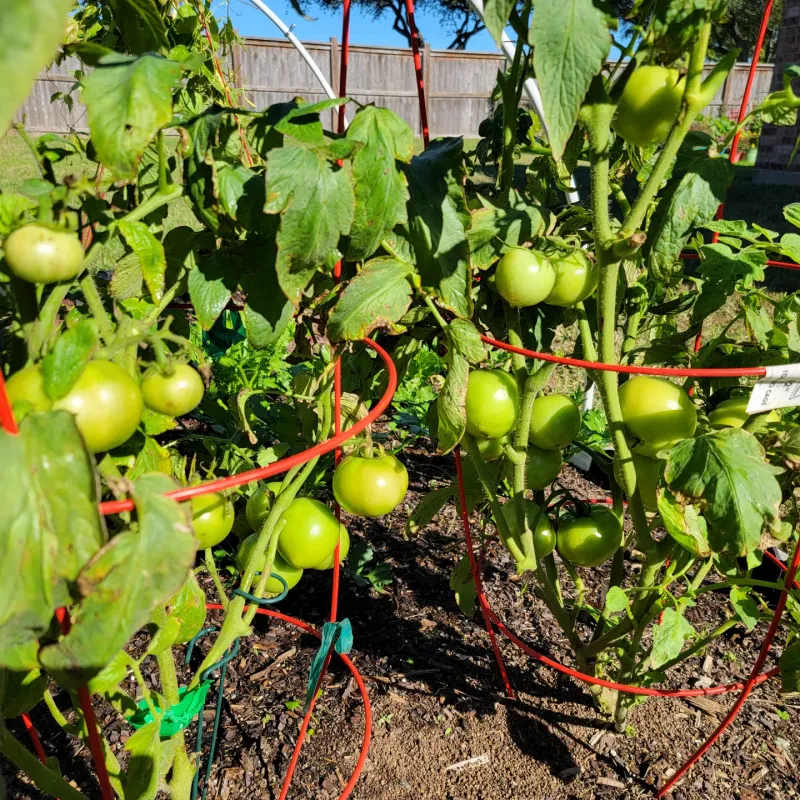
Most tomatoes simply stop setting fruit when temperatures push past 95 degrees Fahrenheit, and in Phoenix or Tucson, that threshold gets crossed almost every single day in summer.
Knowing that upfront changes everything about how you shop for seeds or transplants.
Varieties like Heatmaster and Solar Fire were specifically bred to handle Arizona-style heat.
Heatmaster, in particular, was developed with the low desert in mind and stays productive even when nighttime temps stay above 75 degrees, which is a common problem that causes blossom drop in standard varieties.
Solar Fire holds up well too, with thick skin that handles intense sun exposure without cracking. Celebrity is another reliable choice that many Arizona gardeners keep coming back to, season after season, because it just performs without much fuss.
When you shop at a local nursery in Tucson or Phoenix, ask specifically about heat-set varieties. Staff there usually know what actually works in the regional climate versus what just looks good on a seed packet.
Avoid varieties labeled only as “heat tolerant” without specifics since that term gets thrown around loosely.
Planting in February or early March in the low desert gives these varieties enough cool nights early on to establish strong roots before the real heat arrives. That early foundation makes a huge difference in how long the plant keeps producing before summer shuts things down completely.
2. Look For Early Maturing Types To Beat Extreme Summer Heat
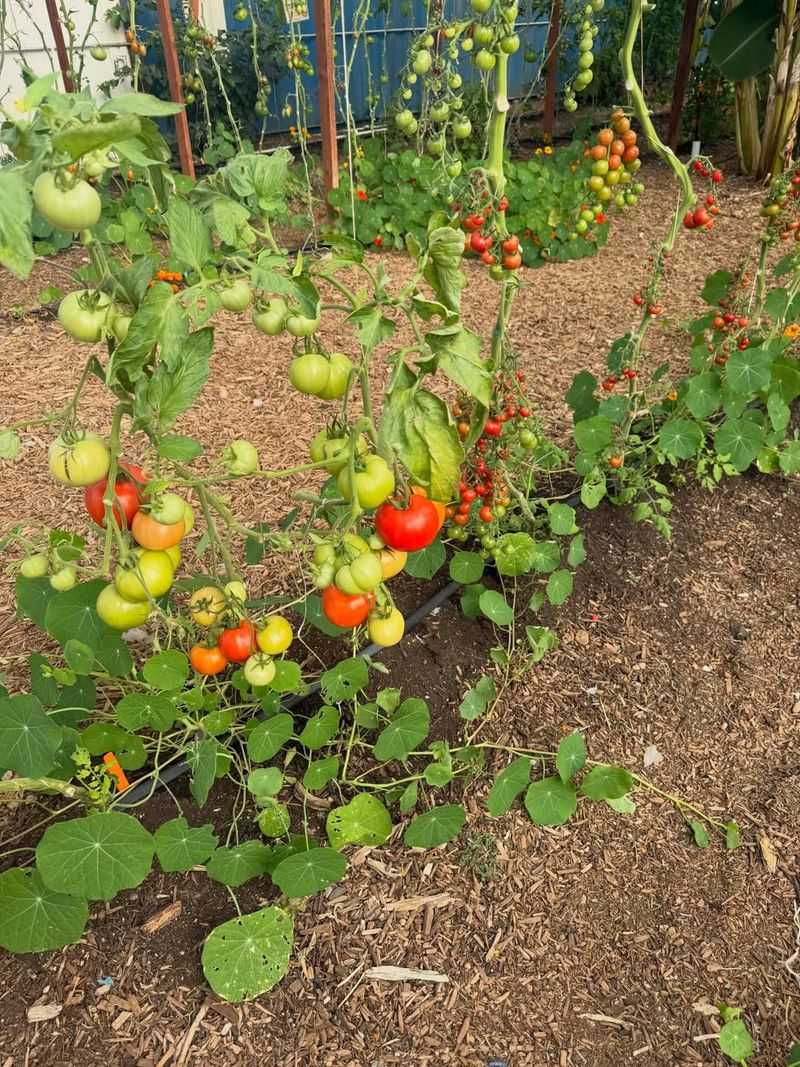
Timing is everything in an Arizona garden. If your tomatoes are not producing by the time June hits in the low desert, you have basically missed your window until fall rolls around.
Early maturing varieties solve that problem by getting fruit on the vine faster, sometimes in as few as 50 to 60 days from transplant. Early Girl is a classic example that many higher elevation gardeners in Flagstaff and Prescott rely on because the season up there is genuinely short.
You plant late, frost comes early, and every day counts.
Stupice is an heirloom variety worth trying at higher elevations. It originates from cooler European climates and handles short seasons naturally, often ripening fruit before other varieties even start to flower.
Your Arizona Garden Changes Every Week. Your Plan Should Too.
Gardening in Arizona changes quickly throughout the season. Every Friday you’ll receive a simple weekly plan showing exactly what to plant, prune, fertilize, harvest, and protect so you never miss the right timing.
Down in the low desert, early types like Celebrity or Celebrity hybrids can finish a full cycle before summer temperatures become impossible.
One practical tip: start seeds indoors four to six weeks before your planned transplant date. In Phoenix or Tucson, that means starting seeds in late December or January for a February outdoor planting.
Getting that head start shaves time off the in-ground growing period and helps you squeeze more production out of each season.
Early maturing does not mean lower quality. Plenty of quick-maturing varieties produce flavorful, meaty fruit.
The goal is simply to align your harvest window with Arizona’s narrow stretch of comfortable growing weather before extreme heat takes over.
3. Determinate Varieties Work Well For Short Growing Windows
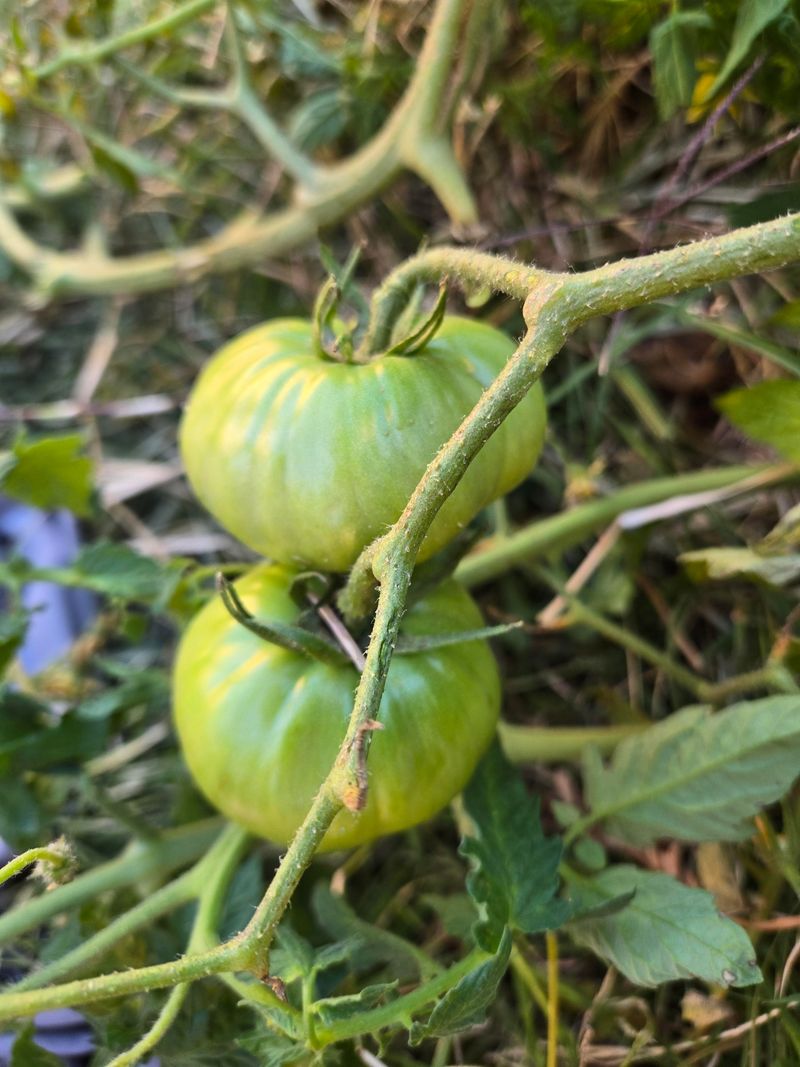
Indeterminate tomatoes keep vining and growing until something stops them, which sounds appealing until you realize Arizona’s extreme summer heat does exactly that, and suddenly you have a massive plant with nothing to show for it.
Determinate varieties take a completely different approach. They grow to a set height, flower heavily all at once, and ripen most of their fruit within a concentrated window.
That predictability is genuinely useful when you are working around a tight Arizona planting calendar.
Roma tomatoes are a great determinate example. They produce a heavy flush of plum-shaped fruit perfect for sauce, salsa, or canning, and they do it fast.
Rutgers is another old-school determinate that holds up well in warm conditions. Both varieties fit neatly into that spring window between last frost and brutal summer temps.
Staking and caging requirements are also simpler with determinate types. Since the plant stays compact, a basic cage handles it without needing the heavy-duty support that large indeterminate vines demand.
For smaller Arizona backyards, that matters.
One thing to keep in mind: because determinates ripen everything at once, you may end up with more tomatoes than you can eat fresh in a short stretch. Plan ahead for preservation or sharing with neighbors.
In Tucson and Phoenix especially, that concentrated harvest window can happen fast, sometimes within two to three weeks, so having a plan for the overflow is genuinely worth thinking through before planting day.
4. Cherry Tomatoes Handle Heat Better Than Large Slicing Types
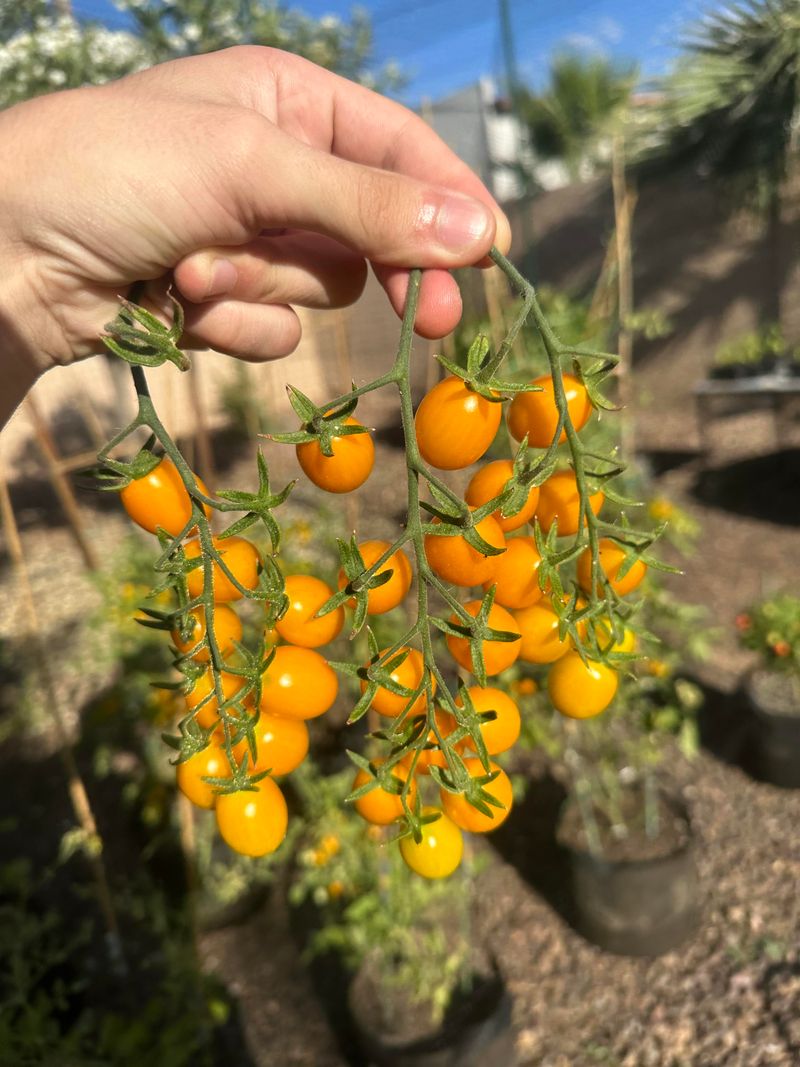
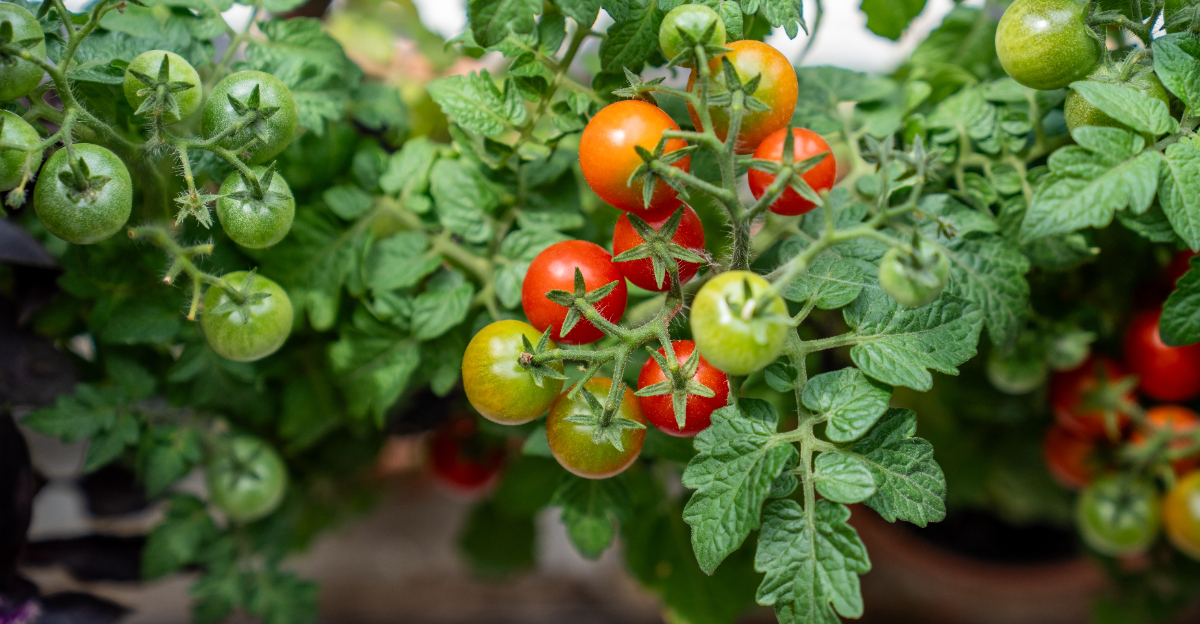
If there is one tomato type that Arizona consistently rewards, it is the cherry tomato. Small fruit size means faster ripening, and faster ripening means the plant finishes its cycle before extreme heat shuts down production entirely.
Sun Gold is a standout variety with a sweet, almost tropical flavor that catches people off guard the first time they try one warm off the vine. Sweet 100 is another crowd favorite that produces massive clusters and keeps going through heat that would stall a beefsteak variety completely.
Large slicing tomatoes like beefsteak types need longer on the vine to develop, and that extended ripening period becomes a serious liability in Phoenix or Tucson summers.
By the time the fruit is sizing up, temperatures are already hammering the plant and preventing new flowers from setting.
Cherry types sidestep that whole issue.
From a flavor standpoint, cherry tomatoes also tend to concentrate their sugars more intensely, especially when grown in Arizona’s full sun. The heat actually works in their favor in that regard, producing fruit with noticeably more sweetness than you would get in a milder climate.
Grape tomatoes are worth mentioning too. Varieties like Juliet have slightly thicker skin, which helps them resist cracking during Arizona’s monsoon season when irrigation levels can fluctuate.
If you have only had lukewarm results with larger tomatoes in your Arizona garden, switching to cherry or grape types for at least one season is genuinely worth trying.
5. Disease Resistant Varieties Perform Better In Stressful Conditions
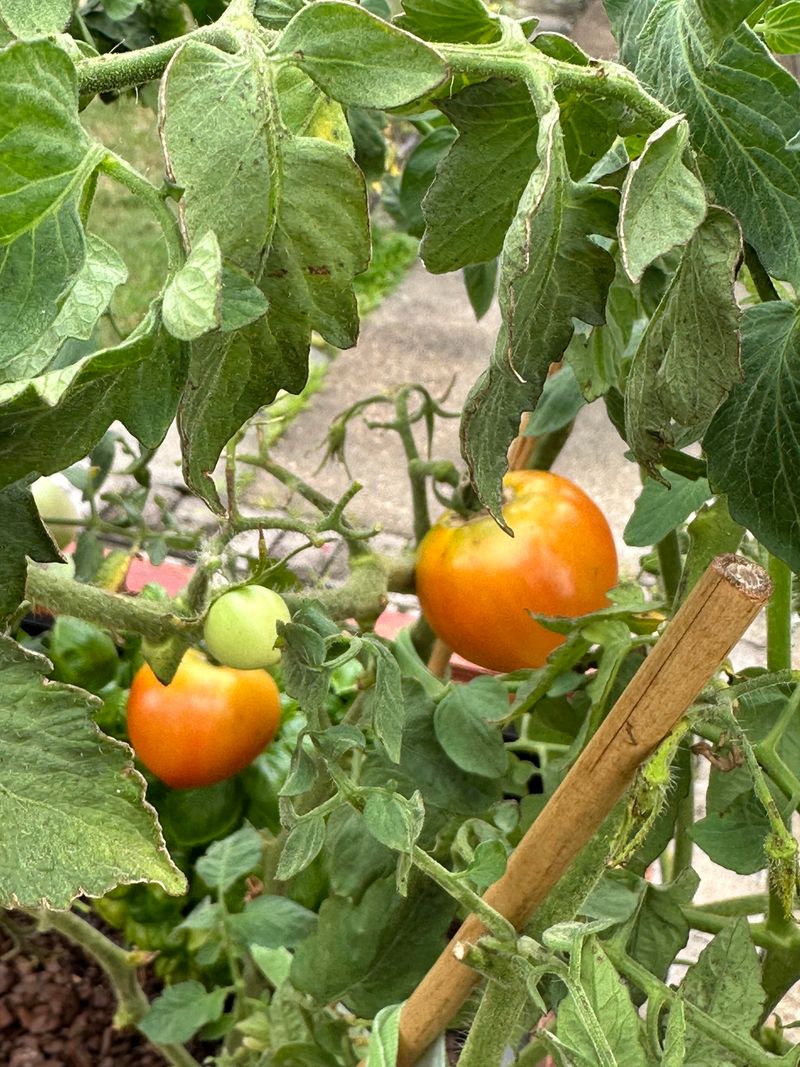
Stressed plants get sick faster. In Arizona, between the intense UV exposure, irregular watering schedules, and monsoon humidity spikes, tomato plants face a lot of environmental pressure that opens the door to disease problems.
Verticillium wilt, fusarium wilt, and nematodes are among the most common issues Arizona gardeners run into. Choosing varieties with built-in resistance to these problems is one of the smartest moves you can make before planting season even starts.
Look for the letters V, F, and N on seed packets or plant tags since those indicate resistance to the most common threats.
Celebrity is one of the most disease-resistant hybrids widely available and performs consistently across Arizona’s different growing zones. Heatmaster also carries strong resistance ratings, making it doubly useful since it handles both heat and disease pressure well.
Rotating where you plant tomatoes each season helps too. Planting in the same spot year after year lets soil-borne pathogens build up to damaging levels.
Even shifting your planting location by a few feet within a raised bed makes a meaningful difference over multiple seasons.
Watering technique plays into disease management as well. Drip irrigation or soaker hoses keep foliage dry, which dramatically reduces fungal issues compared to overhead watering.
In Tucson and Phoenix, where monsoon rains can suddenly increase humidity, keeping leaves as dry as possible during the growing season is a simple but effective way to keep your plants healthier from start to finish.
6. Consider Container Friendly Types For Better Control
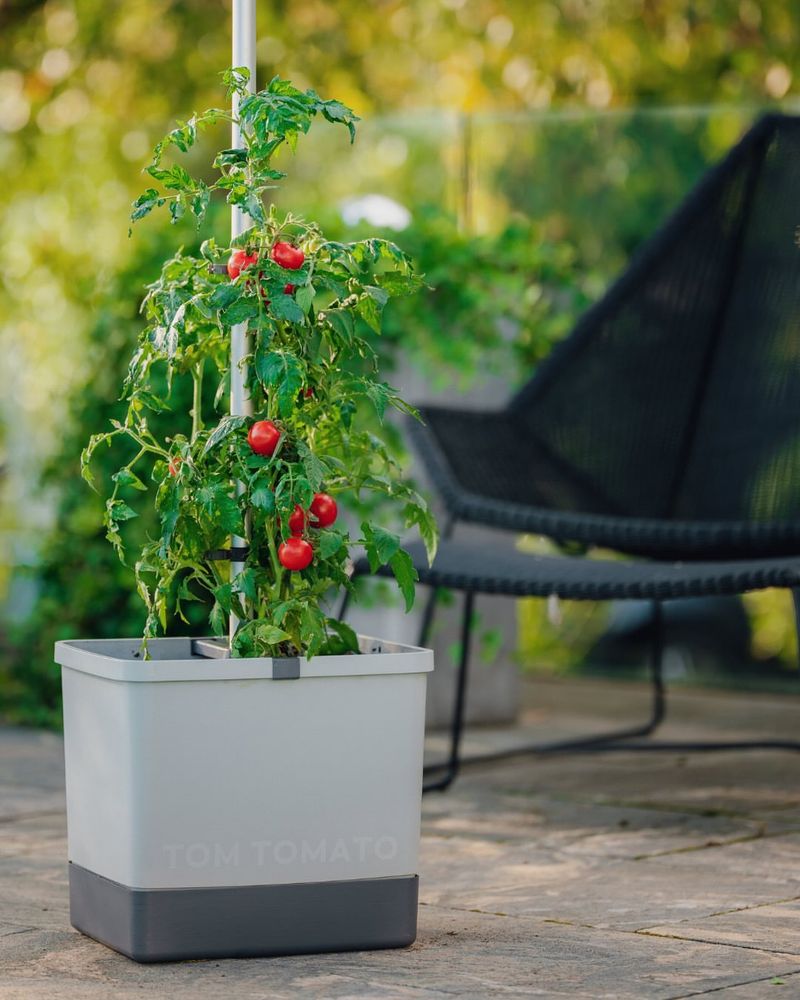
Growing tomatoes in containers in Arizona gives you a level of control that in-ground planting simply cannot match.
You can move pots to chase shade during the worst heat, adjust soil conditions easily, and protect plants from sudden weather swings during monsoon season.
Not every variety works well in a pot, though. Compact determinate types and varieties specifically labeled as patio or container tomatoes are the ones to look for.
Tumbling Tom, Patio, and Bush Early Girl are good examples that stay manageable in a large container without needing deep soil or heavy staking.
Container size matters more than most people expect. A five-gallon pot is the absolute minimum for most tomato varieties, but a ten to fifteen gallon container gives roots enough room to stay cool and access consistent moisture.
In Phoenix and Tucson, where ground soil temperatures can climb to damaging levels, container growing with good-quality potting mix actually protects roots better than in-ground planting in many situations.
Watering frequency increases significantly with containers since pots dry out faster than garden beds. During peak Arizona summer, a large container in full sun may need watering every single day.
Self-watering containers or adding water-retaining crystals to the potting mix can help reduce that burden.
Fertilizing also needs to happen more regularly since nutrients flush out of containers faster with frequent watering.
A balanced slow-release fertilizer at planting, followed by liquid feeding every two weeks, keeps container-grown Arizona tomatoes productive through the full spring growing window.
7. Select Varieties Suited For Spring And Fall Growing Seasons
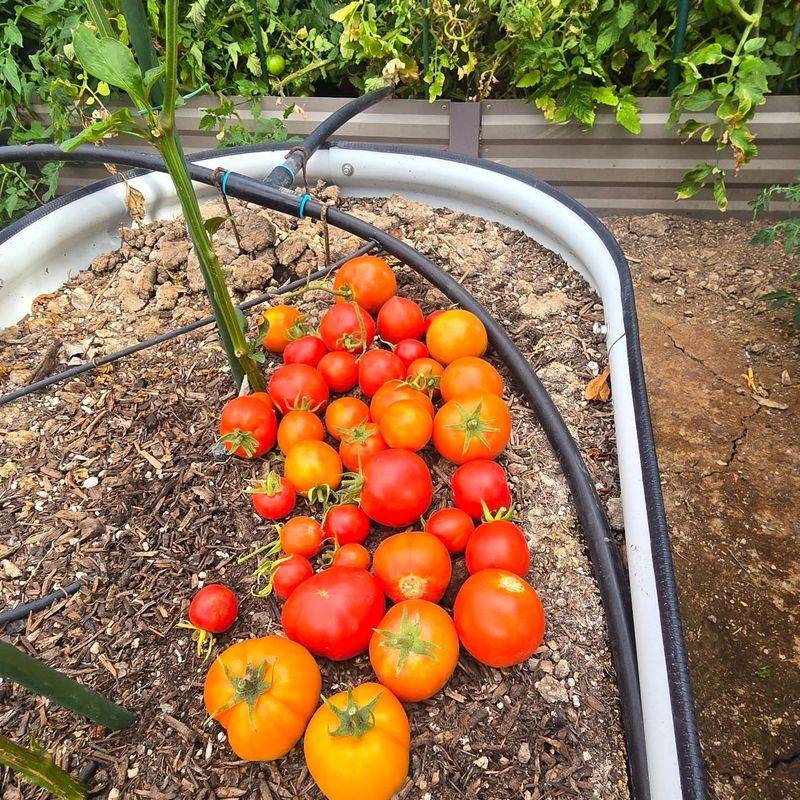
Arizona’s tomato growing calendar is basically flipped compared to most of the country. Instead of one long summer season, low desert gardeners work with two shorter windows: one in spring and one in fall, with brutal summer heat in between forcing a hard pause.
Spring planting in Phoenix and Tucson typically runs from February through March. Fall planting happens in late July through early September, once temperatures start easing off from their peak.
Both windows require varieties that can establish quickly and produce before conditions shift again.
For spring planting, early maturing varieties like Early Girl or Celebrity fit well because they ripen fruit before June heat arrives.
For the fall window, heat-tolerant varieties that can handle warm soil temperatures at transplant time, like Heatmaster or Solar Fire, tend to perform better since the ground is still very warm in late summer even as air temps gradually drop.
Higher elevation gardeners in Flagstaff and Prescott work with a single spring-to-fall window that mirrors more traditional growing regions, but with a shorter frost-free period. Early and mid-season varieties are the priority at those elevations since the season ends abruptly with fall frost.
Keeping a simple garden journal helps a lot over time. Tracking which varieties performed well in each season, and during which planting window, builds up a personalized record specific to your exact Arizona microclimate.
That kind of local knowledge is genuinely more useful than any general growing guide because your specific yard, shade patterns, and soil all influence results in ways no chart can fully predict.