These 13 Trendy Perennials Are Not Worth Planting In California
Some perennials get hyped like they are about to change your whole garden life, then California plants them once and immediately regrets the relationship.
They look amazing in glossy photos, show up everywhere at the nursery, and somehow convince people they are the must-have stars of the season.
Then reality kicks in. Maybe they need more water than your yard can spare, maybe they melt in the heat, or maybe they spread like they are trying to take over the entire zip code.
A trendy plant is not always a smart plant, especially in a state with dry summers, intense sun, and wildly different growing conditions depending on where you live.
California gardeners need beauty, sure, but they also need plants that can actually handle the job.
Some popular perennials simply are not worth the trouble. Before you give one a prime spot in the yard, it helps to know which so-called garden favorites are more hype than help.
1. Delphinium
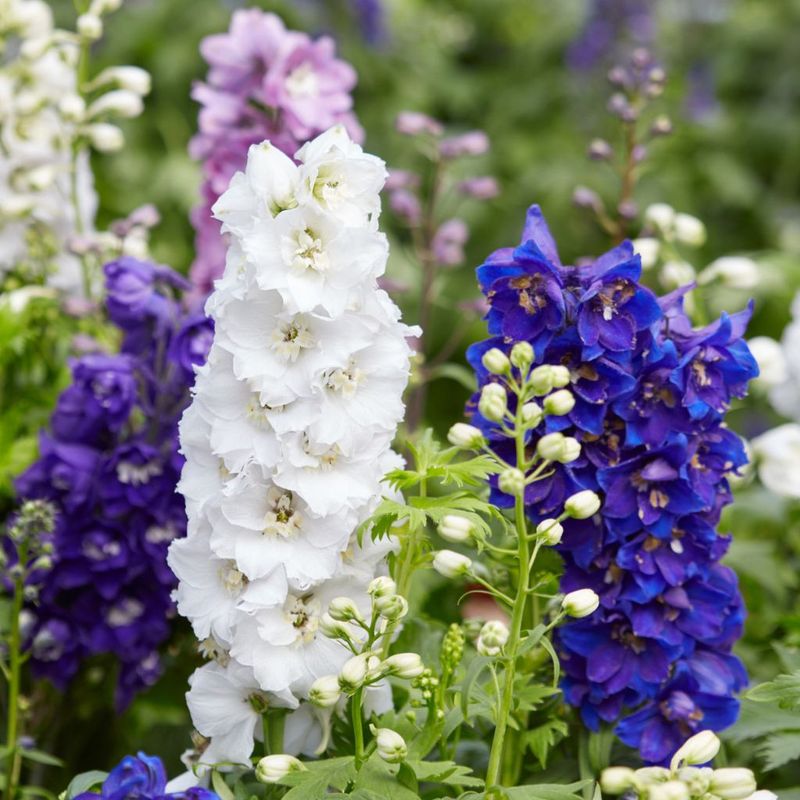
Tall, electric-blue flower spikes make delphiniums look like something out of a fairy tale. It is easy to see why California gardeners are tempted to plant them.
But here is the honest truth: delphiniums are notoriously difficult to grow in California’s warm, dry climate.
These plants come from cool, moist mountain regions. They need cold winters and mild, humid summers to truly perform.
California’s hot, dry summers are basically the opposite of what delphiniums want. The heat causes them to struggle, bolt early, and produce weak, disappointing blooms.
In coastal California, you might get a decent season or two, but inland and Southern California gardeners will find these plants frustrating and short-lived. They also attract slugs and snails, which are already a major problem in many California gardens.
Powdery mildew is another common issue when temperatures swing between warm days and cool nights. All that maintenance for a plant that may only last one season just does not seem worth it.
Better alternatives for California include native salvias or agapanthus, which offer stunning color without the constant struggle.
2. Foxglove
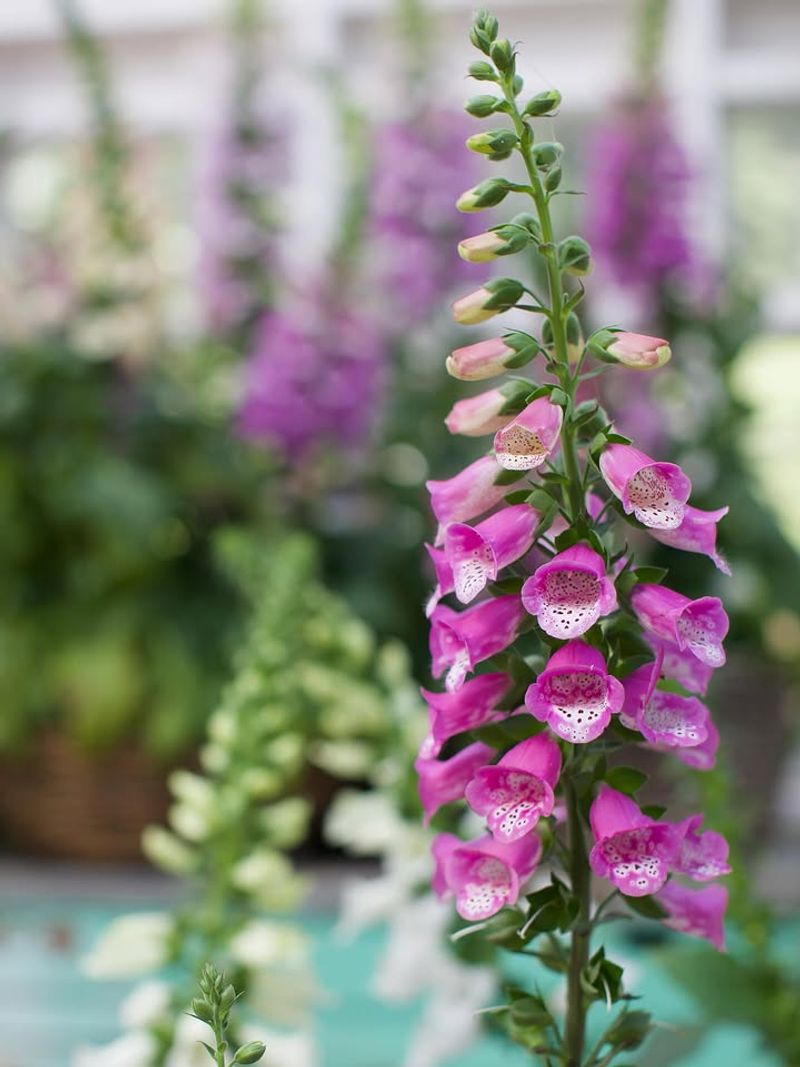
Foxglove is one of those plants that looks absolutely stunning in English cottage garden photos. Those tall spires loaded with tubular, spotted blooms are hard to resist at the nursery.
However, California gardeners quickly find out that foxglove has very specific needs that the state’s climate simply cannot meet consistently.
Foxglove thrives in cool, moist conditions with mild summers. In most of California, summers are too hot and dry for this plant to be happy.
Even with extra watering, the heat causes it to bolt quickly and look ragged before the season is even halfway through.
In Northern California and some coastal areas, foxglove can perform better, but it often behaves more like a biennial than a true perennial, meaning you will be replacing it every couple of years. That adds up in both cost and effort.
There is also a safety concern worth knowing: every part of the foxglove plant is toxic to people and pets, which makes it a risky choice in family-friendly California backyards.
Your California Garden Changes Every Week. Your Plan Should Too.
Gardening in California changes quickly throughout the season. Every Friday you’ll receive a simple weekly plan showing exactly what to plant, prune, fertilize, harvest, and protect so you never miss the right timing.
Native plants like penstemon offer similarly beautiful tubular flowers and are far better suited to California’s conditions.
3. Astilbe
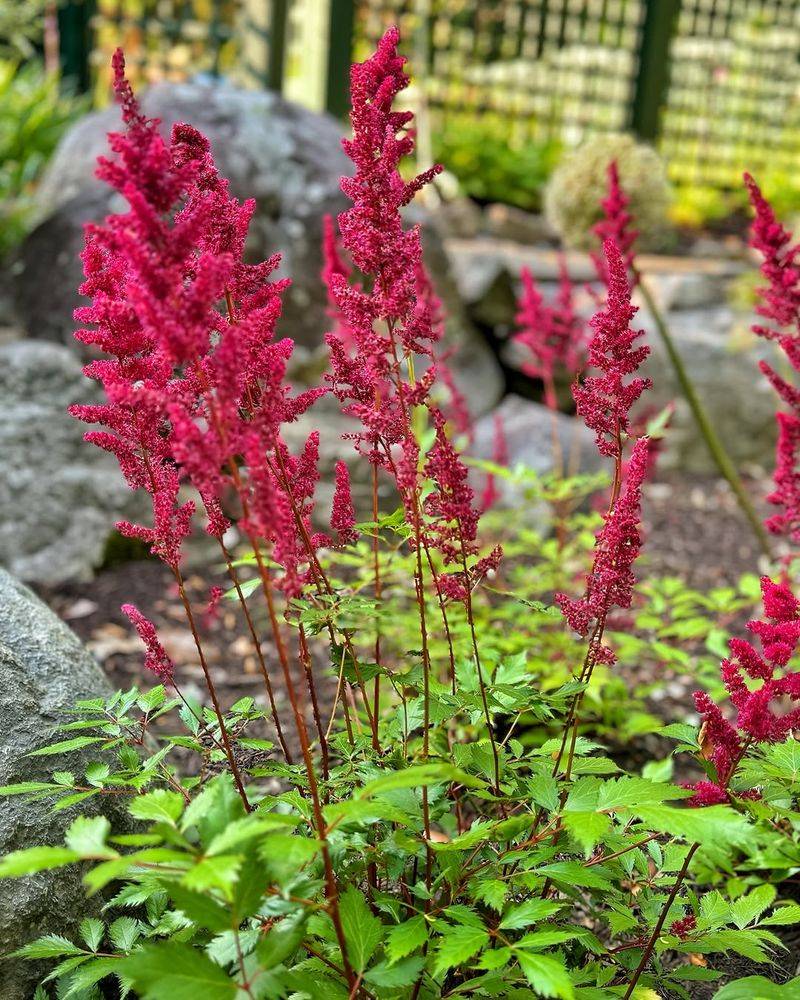
Few perennials are as fluffy and romantic-looking as astilbe. Those feathery plumes in shades of pink, red, white, and purple look amazing in garden design magazines.
But plant one in a typical California garden and you will quickly realize why experienced local gardeners tend to skip it.
Astilbe absolutely needs consistent moisture and shade to look its best. California’s dry summers and intense sun are a tough combination for this plant.
Without regular, deep watering and protection from afternoon heat, astilbe leaves will scorch and turn brown quickly, leaving you with a sad-looking clump instead of those gorgeous plumes.
Even in shadier spots with drip irrigation, astilbe can be a high-maintenance plant in California. Water bills in the state are already a concern for many homeowners, and dedicating extra water to a struggling perennial is not a smart trade-off.
The plant also does not handle alkaline soils well, which are common in many parts of California. If you love that feathery texture, consider planting native ferns or Japanese forest grass instead.
They offer a similar soft, lush look without the constant battle against California’s climate.
4. Bleeding Heart
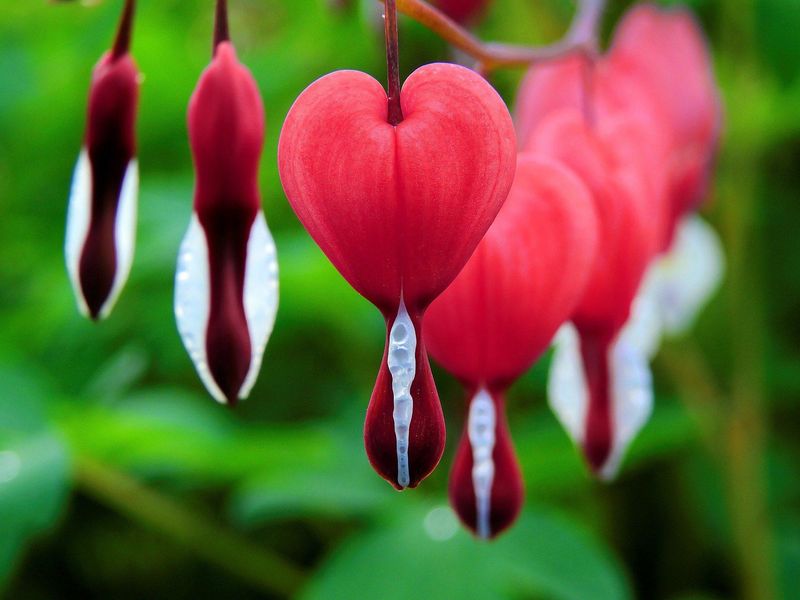
There is something undeniably charming about bleeding heart. Those delicate, heart-shaped flowers dangling from arching stems look like they belong in a storybook.
Gardeners across the country love this plant, but California is not really the right home for it.
Bleeding heart is a woodland native that needs cool, moist, shaded conditions to thrive. It goes dormant in summer, which is fine in cooler climates where the season is shorter.
But in California, summer arrives early and stays late, which means bleeding heart disappears from your garden for a very long time, leaving a big bare gap in your planting beds.
The heat also causes the plant to fade out faster than in cooler regions. Even with shade cloth and consistent irrigation, most California gardeners find it hard to keep bleeding heart looking good past spring.
It is a high-effort, low-reward plant for most of the state. If you want that soft, graceful look in your California garden, try coral bells or native columbines instead.
Both handle the California climate much better and offer beautiful, delicate flowers without requiring you to fight the weather all season long.
5. Hosta
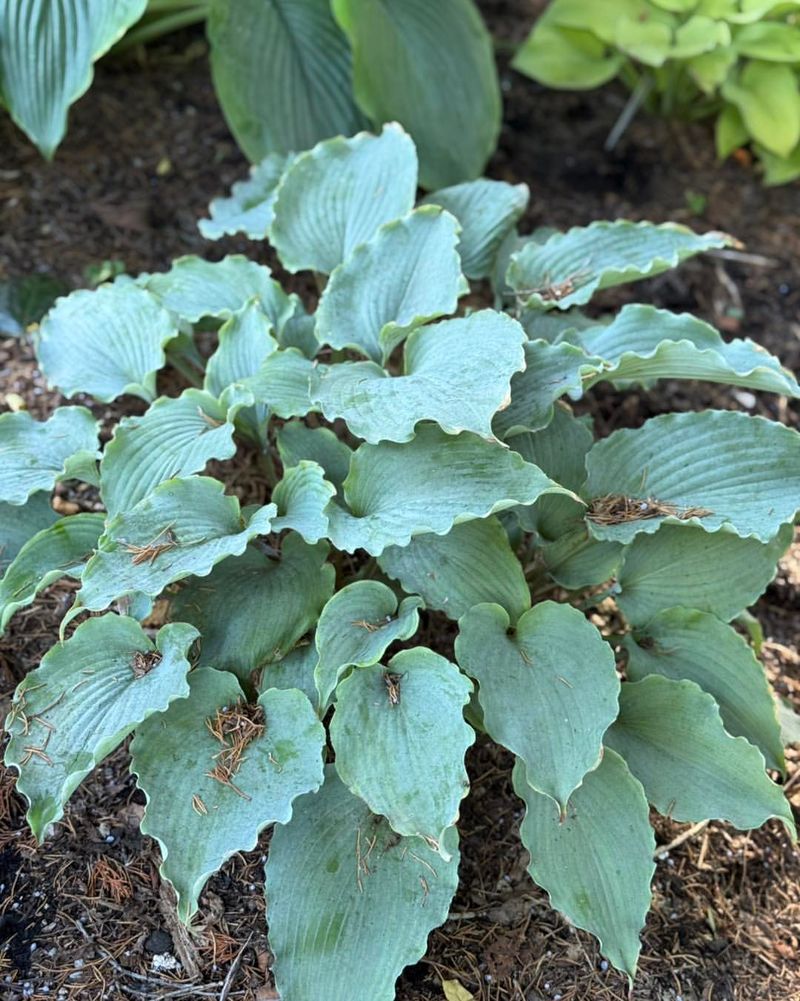
Walk into almost any garden center and you will find hostas front and center. They are wildly popular across the United States, and it is easy to understand why.
Those big, bold leaves in shades of green, blue, and gold create a lush, dramatic look. But in California, hostas rarely live up to their reputation.
Hostas are built for cool, shaded, humid environments. They come from parts of Asia where summers are cooler and moisture is plentiful.
California’s dry heat, especially in summer, is rough on hosta leaves. Even in shaded spots, the dry air causes the leaf edges to brown and crisp up, which ruins their whole visual appeal.
Slugs and snails, which are common in many California gardens, absolutely love hostas. You can spend a lot of time and energy protecting your plants from pests, only to still end up with tattered foliage.
Additionally, hostas need a cold winter dormancy period that many parts of California simply cannot provide. Without that chill time, the plants tend to decline over the years.
For a bold, leafy look in a California garden, elephant ears or native coral bells are much smarter choices that handle the local conditions far more gracefully.
6. Shasta Daisy
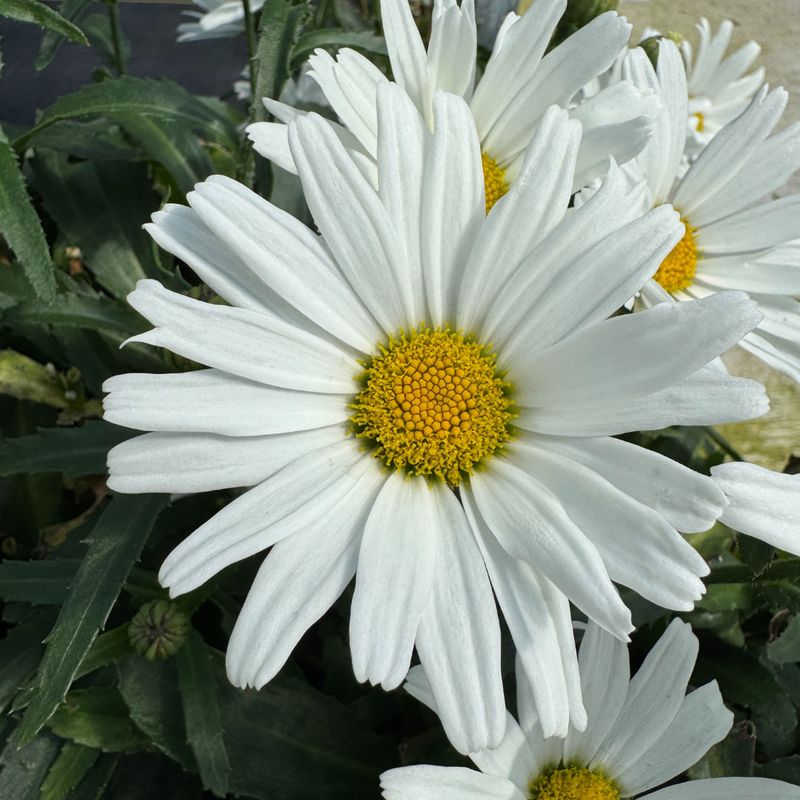
Shasta daisies look cheerful and easygoing, which is exactly why so many California gardeners give them a try. Those classic white petals around a bright yellow center are as classic as it gets.
But looks can be deceiving, and Shasta daisies come with some real downsides in California gardens.
One of the biggest problems is their aggressive reseeding habit. Once established, Shasta daisies spread like crazy, popping up all over your garden beds and even into your lawn.
Keeping them contained takes constant effort. In a state like California where water conservation is already a top priority, spending extra time managing an invasive spreader is not ideal.
Shasta daisies also tend to be short-lived perennials in California’s warmer regions. The combination of heat stress and heavy reseeding means the original plants can look exhausted and patchy within just a few seasons.
They are also prone to powdery mildew when temperatures fluctuate, which is common in many California microclimates. If you love that classic daisy look, consider planting African daisies or native California poppies instead.
They are tough, water-wise, and much better suited to thriving in California without taking over your entire garden space.
7. Russian Sage
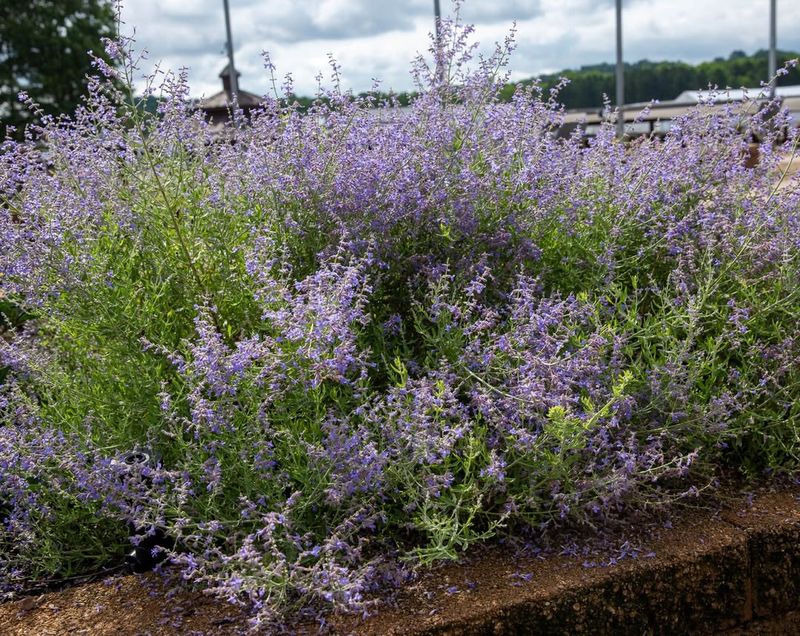
Russian sage gets a lot of love for its silvery stems and hazy blue-purple flowers that look stunning in late summer. It is often marketed as a drought-tolerant, low-maintenance perennial, which sounds perfect for California.
The reality, though, is a bit more complicated for most California gardeners.
While Russian sage does handle dry conditions better than many perennials, it really struggles in California’s heavy clay soils, which are common throughout the state. Poor drainage causes the roots to rot, and the plant quickly declines.
It also needs excellent air circulation to avoid fungal problems, which can be hard to manage in denser garden plantings.
Another issue is that Russian sage tends to get very woody and rangy over time. It requires aggressive cutting back each year to stay attractive, and if you miss that window, you end up with a sprawling, messy plant that looks nothing like the photos on the nursery tag.
In California’s mild winters, the plant may not go dormant properly, which adds to its decline over seasons.
True California-friendly alternatives like native salvia species or lavender offer a similar soft, silvery-blue aesthetic with far less frustration and much better long-term performance.
8. Obedient Plant
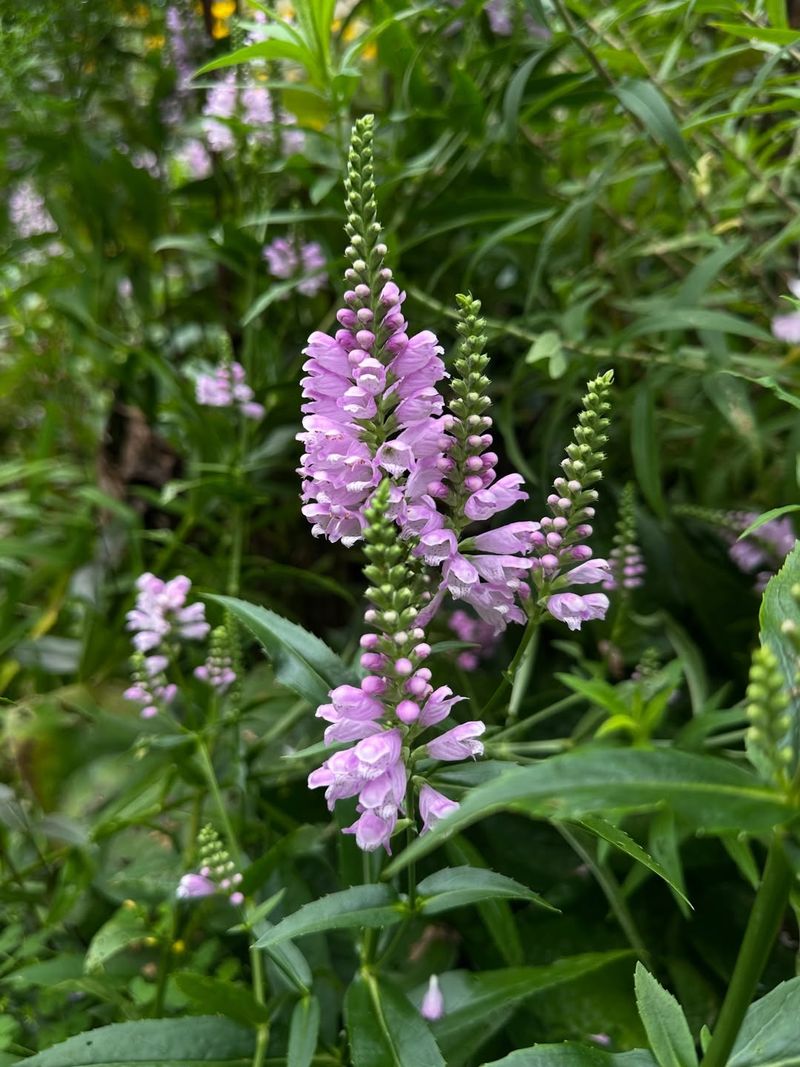
Despite its well-mannered name, the obedient plant is one of the most unruly perennials you can put in a California garden.
It gets its name from the way individual flowers stay in place when you move them along the stem, not from any cooperative behavior in the garden bed.
This plant spreads aggressively through underground rhizomes and can quickly take over a large area if you are not watching closely.
In California’s mild climate, where winters do not freeze the soil hard enough to slow its growth, the obedient plant can spread even faster than it does in colder regions.
Getting rid of it once it is established is a real chore.
Beyond the spreading issue, the obedient plant needs regular moisture to look its best, which goes against California’s push for water-wise gardening.
It also tends to flop over in the heat, requiring staking to keep it upright, which is one more maintenance task on your list. The blooms are pretty, but they are not pretty enough to justify all that work.
Native California plants like penstemon or salvia deliver beautiful, upright flower spikes with a fraction of the effort and none of the invasive spreading that makes the obedient plant such a headache.
9. Evening Primrose (Mexican Evening Primrose)
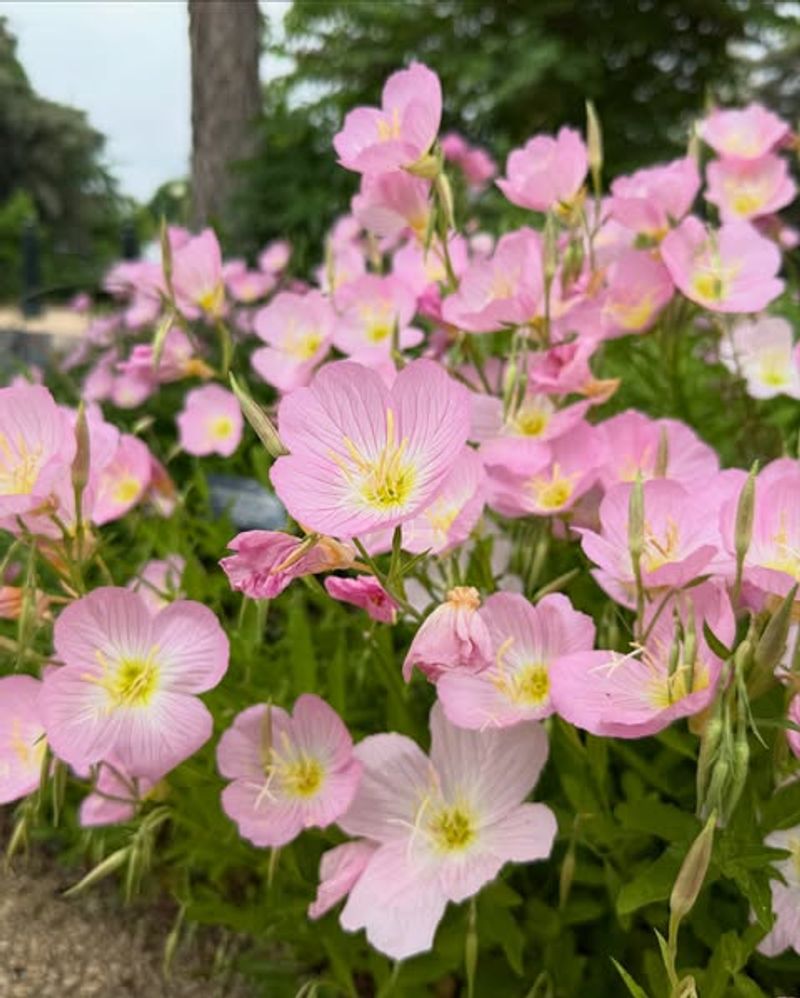
Mexican evening primrose looks absolutely lovely when it is in bloom. Those soft pink, cup-shaped flowers create a pretty carpet effect that catches everyone’s eye.
Sadly, this plant has a dark side that California gardeners need to know about before they bring it home from the nursery.
It is one of the most aggressive spreaders you can put in a California garden. Mexican evening primrose spreads through both underground rhizomes and prolific reseeding, which means it can take over a garden bed incredibly fast.
Once established, it is very difficult to remove completely because any root fragment left in the soil will regrow.
In California’s mild, warm climate, this plant does not experience the winter slowdown that keeps it in check in colder states. It just keeps spreading, crowding out other plants and creeping into areas where you definitely do not want it.
Some counties in California have even flagged it as a plant to watch because of its invasive tendencies. If you love the look of delicate pink flowers spreading across the ground, try native ground covers like woolly thyme or creeping phlox instead.
They offer a similar low-growing, colorful effect without the invasive behavior that makes Mexican evening primrose such a problematic choice for California landscapes.
10. Canterbury Bells
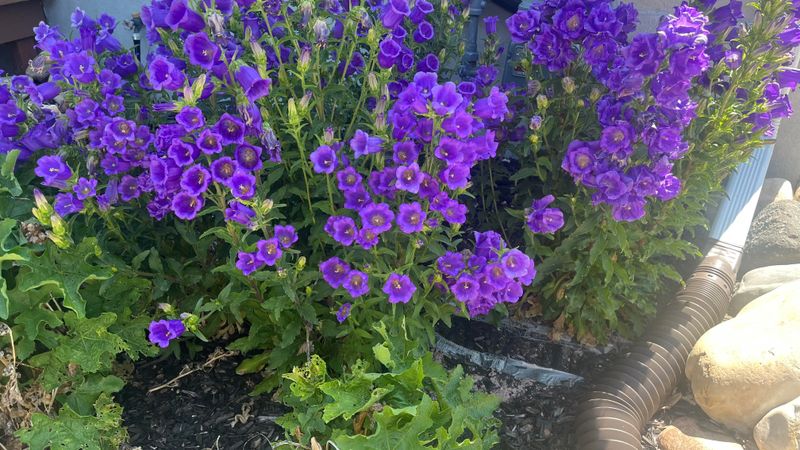
Canterbury bells are a classic cottage garden flower with tall spikes of bell-shaped blooms in shades of purple, blue, pink, and white. They photograph beautifully and look like something from an old English estate garden.
But growing them in California is a different story entirely.
Canterbury bells are technically biennials, meaning they spend their first year growing leaves and their second year blooming before they fade out.
In California’s warm climate, they often skip the cool-season establishment phase they need, which results in weak plants that bloom poorly or not at all.
The heat rushes their development in all the wrong ways.
Even in cooler parts of California like the Bay Area or coastal regions, Canterbury bells can be tricky.
They need well-drained soil, cool temperatures, and consistent moisture to perform well, and California’s dry summers make that combination hard to achieve without a lot of extra effort. They are also prone to aphid infestations, which can quickly ruin the blooms.
For California gardeners who love that tall, spiky flower look, foxglove alternatives like native penstemons or even snapdragons are far more reliable choices that bloom beautifully without requiring you to fight the state’s climate every step of the way.
11. Hollyhock
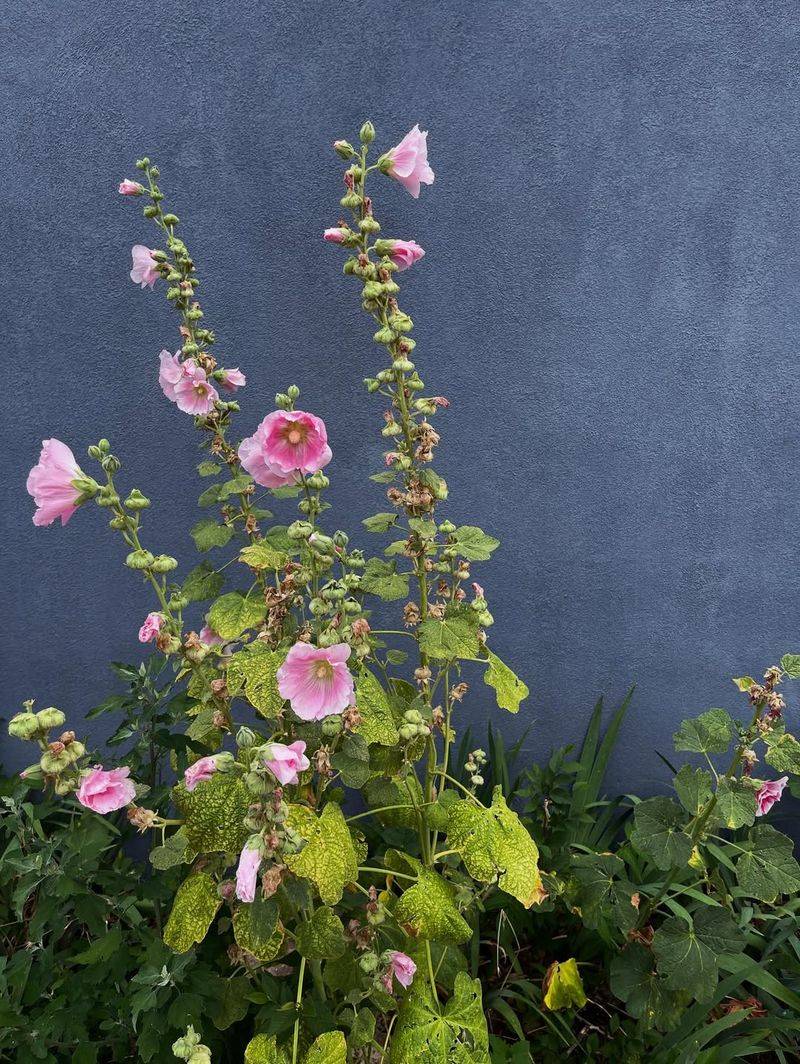
Those tall, stately stems covered in big, showy blooms bring a nostalgic, farmhouse feel to any garden. Many California gardeners fall for them at the nursery, only to find that hollyhocks come with a long list of problems once they are in the ground.
Rust fungus is the biggest issue. Hollyhocks are extremely prone to a fungal disease called rust, which shows up as bright orange spots on the leaves and quickly spreads through the plant.
In California’s combination of morning coastal fog and warm afternoons, rust thrives and can completely destroy a hollyhock planting within a season. Once rust takes hold, it is very hard to manage without repeated fungicide treatments.
Hollyhocks are also biennials or short-lived perennials, so you will need to replant them regularly to maintain a display. They reseed, but the seedlings are often weaker than the parent plant and more susceptible to rust from the start.
Staking is usually required because the tall stems flop in wind, which is common in many California locations.
For that tall, dramatic flower spike effect in a California garden, consider native lupines or tower of jewels, which offer incredible vertical impact without the disease management headaches that come with hollyhocks.
12. Sweet William
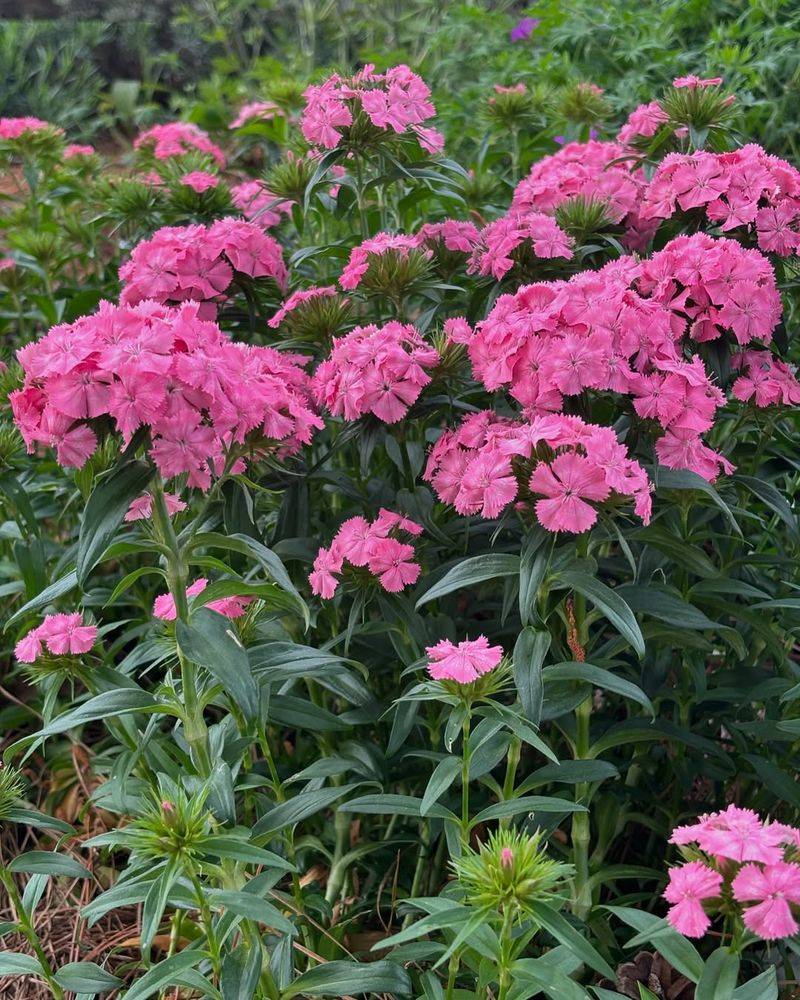
This is one of those charming, old-world flowers that always looks great in seed catalogs. The clustered blooms come in rich shades of red, pink, white, and bicolor patterns, and they have a light, spicy fragrance that gardeners love.
But planting Sweet William in California often leads to disappointment.
Like Canterbury bells, Sweet William is technically a biennial or short-lived perennial. It needs a cool season to establish properly before it can bloom well.
California’s warm, dry climate skips right past the cool, moist conditions this plant needs, which leads to short bloom periods and plants that fade out quickly.
In most inland California locations, Sweet William will struggle to make it through a hot summer even with irrigation. It tends to bolt and look scraggly once temperatures climb above 80 degrees Fahrenheit, which happens early in the season across much of the state.
The fragrance is lovely, but it is just not enough of a payoff for the effort required. California gardeners who want clustered, colorful blooms with fragrance should look at native phlox species or dianthus varieties bred specifically for warm-climate performance.
These alternatives deliver the color and charm of Sweet William without the constant battle against California’s challenging summer conditions.
13. Balloon Flower
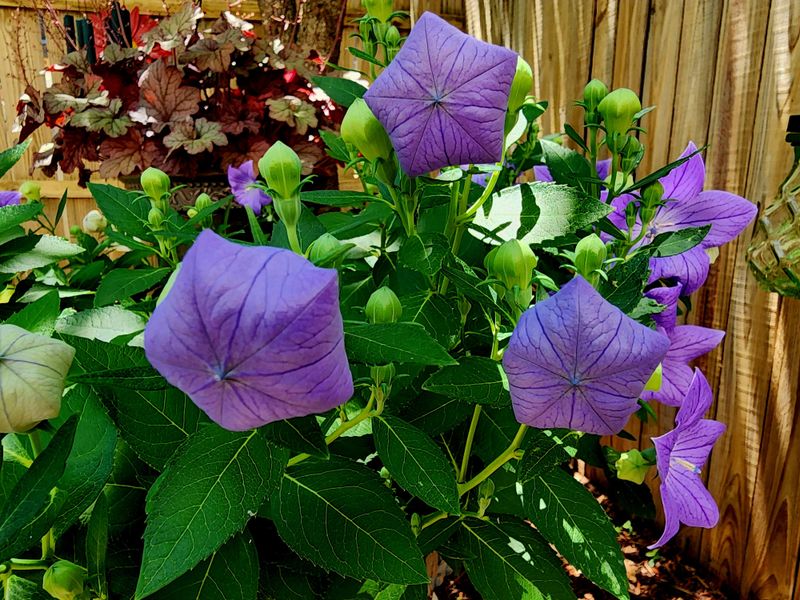
Balloon flowers get their fun name from the puffy, balloon-like buds that pop open into star-shaped blooms. Kids love watching those buds swell and burst open, and the purple, pink, and white flowers are genuinely pretty.
It sounds like a perfect garden plant, but balloon flowers have some real quirks that make them a poor fit for California gardens.
First, balloon flowers are incredibly slow to emerge in spring. They are one of the last perennials to show any growth, which can make you think the plant has not survived the winter.
In California’s mild winters, the plant may not get the cold dormancy period it needs to reset properly, leading to weak growth and fewer blooms each year.
Balloon flowers also have deep, fleshy taproots that make them very difficult to move once established. If you plant one in the wrong spot in your California garden, you are basically stuck with it.
The roots are also brittle and break easily during transplanting, which stresses the plant. They prefer cool, moist summers, which is the opposite of what most of California offers.
For a similar star-shaped, long-blooming flower in a California garden, consider agapanthus or native blue-eyed grass, both of which handle the state’s heat and dry conditions far more successfully.