What Fertilizer Crape Myrtles Really Need In April In North Carolina
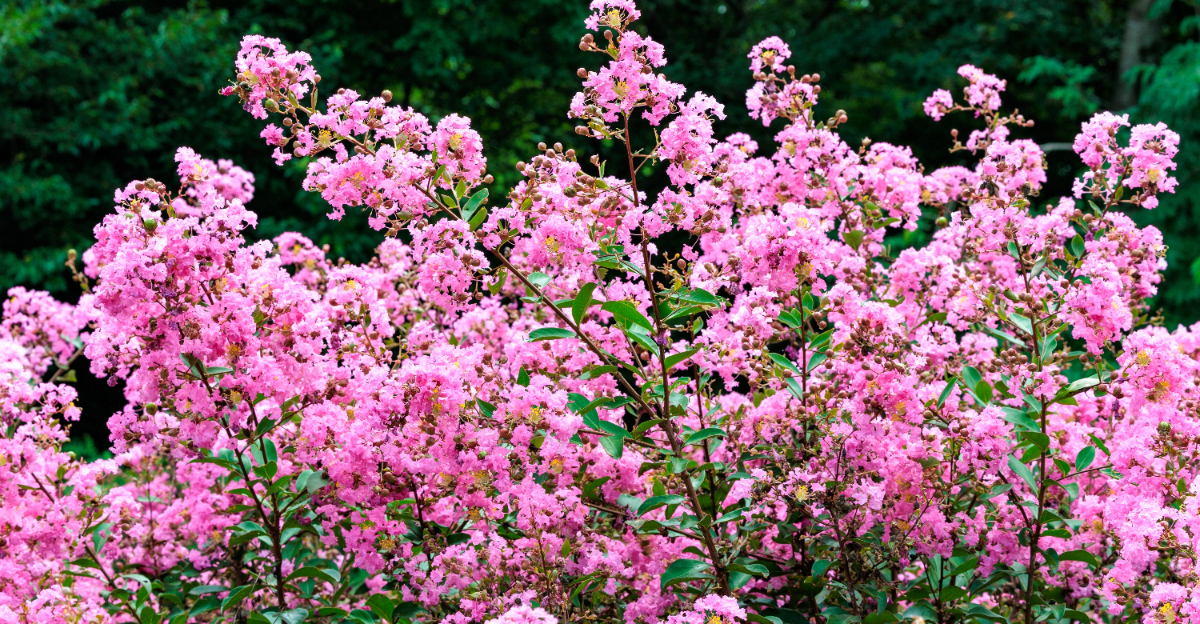
April is when crape myrtles in North Carolina start waking up fast, and that often leads gardeners to reach for fertilizer right away. The problem is that these trees do not need heavy feeding to grow well.
In fact, too much fertilizer can create the exact issues people do not want, including weak stems, excess leafy growth, and fewer flowers later on. What crape myrtles really need in spring is a balanced start, not a rush of extra nitrogen.
Soil condition, timing, and how much the tree actually needs all matter more than simply feeding it because the season has changed. In many yards, less is the smarter move.
A proper spring feeding can support healthy growth and better blooming, but the wrong product or too much of it can throw everything off. For North Carolina gardeners, knowing what crape myrtles truly need in April can prevent a lot of common mistakes.
1. Fertilize As New Growth Begins In Early To Mid April

Timing really is everything when it comes to feeding crape myrtles in North Carolina. Watching for those first tiny green leaves to appear on your tree is the best signal that it is ready to be fertilized.
In the Piedmont and coastal regions of North Carolina, that moment typically arrives in early to mid-April, when soil temperatures begin to warm up enough to support active root function.
If you fertilize before new growth starts, the nutrients just sit in the soil with nowhere useful to go. The roots are not yet actively pulling in water and minerals, so the fertilizer can wash away or break down before the tree ever benefits from it.
Waiting for visible bud break ensures your effort and money actually pay off in a meaningful way.
Gardeners in the North Carolina mountains may need to wait a bit longer, sometimes into late April, since higher elevations stay cooler longer into spring. Paying attention to your specific location matters more than following a rigid calendar date.
Once those fresh leaves start pushing out, that is your green light to grab the fertilizer and get to work.
2. Use A Balanced, Slow-Release Fertilizer For Best Results
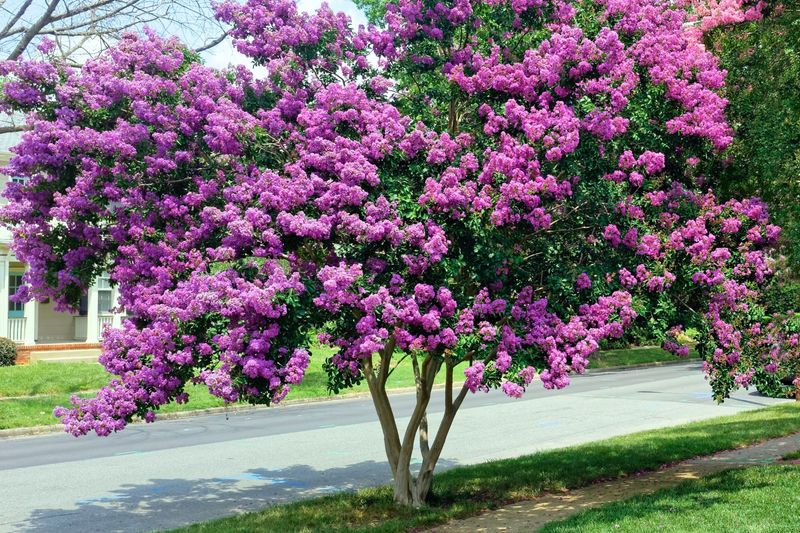
Not all fertilizers are created equal, and crape myrtles in North Carolina have specific needs that a balanced slow-release formula handles really well. Products labeled 10-10-10 or 12-4-8 are popular choices among experienced gardeners in the region.
These numbers represent equal or near-equal amounts of nitrogen, phosphorus, and potassium, which together support healthy roots, strong stems, and vibrant blooms.
Slow-release fertilizers are especially helpful because they feed the tree gradually over several weeks rather than all at once.
This steady supply of nutrients encourages consistent, manageable growth without shocking the plant or pushing it to grow too fast in one direction.
Fast-release fertilizers can cause a burst of leafy growth that actually takes energy away from flower production.
When shopping at your local North Carolina garden center, look for granular slow-release options that clearly state a balanced nutrient ratio on the bag.
Your North Carolina Garden Changes Every Week. Your Plan Should Too.
Gardening in North Carolina changes quickly throughout the season. Every Friday you’ll receive a simple weekly plan showing exactly what to plant, prune, fertilize, harvest, and protect so you never miss the right timing.
Organic slow-release fertilizers, like those based on feather meal or bone meal blends, are also worth considering if you prefer a more natural approach.
Either way, balanced and slow is the winning strategy for getting those gorgeous summer blooms to show up reliably every year on your crape myrtles.
3. High Nitrogen Fertilizers Do More Harm Than Good
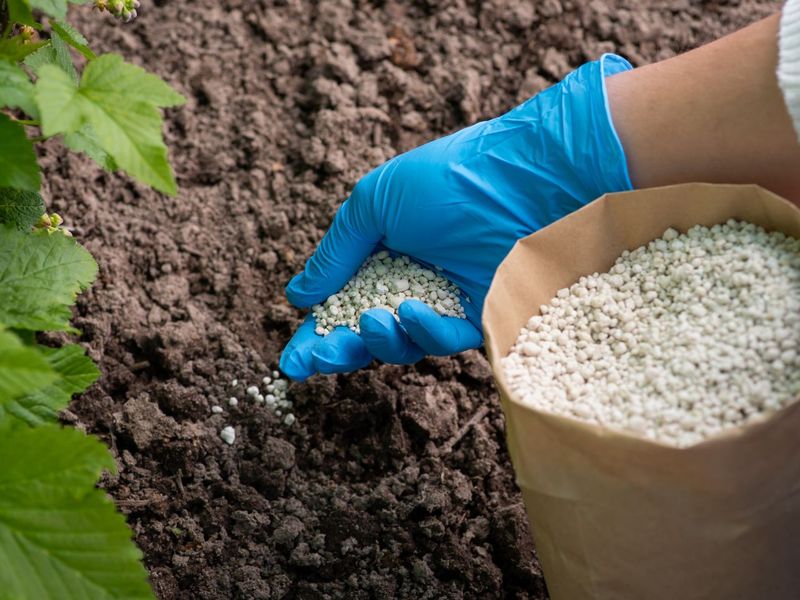
Picture a crape myrtle so full of dark green leaves that you can barely see through it, yet barely a single bloom in sight all summer long. That is exactly what happens when someone feeds their tree a high-nitrogen fertilizer, like the kind typically used on lawns.
Nitrogen is great for pushing leafy green growth, but crape myrtles need a careful balance to channel their energy into producing flowers.
Lawn fertilizers often carry nitrogen ratios as high as 30-0-4 or similar, and spreading that around a crape myrtle is a very common mistake in North Carolina landscapes.
The tree responds by growing lots of lush foliage, which looks healthy at first glance but actually signals that flowering will be reduced or delayed.
Blooms are what most people grow crape myrtles for, so this trade-off is definitely not worth it.
Always check the label before applying any fertilizer near your crape myrtles and stay away from products clearly designed for turf grass. The middle and last numbers on the fertilizer label, representing phosphorus and potassium, should not be close to zero.
Keeping nitrogen in check while supporting phosphorus levels is the smart move for anyone who wants those famous crape myrtle blooms to arrive in full force across North Carolina gardens.
4. Apply The Right Amount Based On Your Plant Size
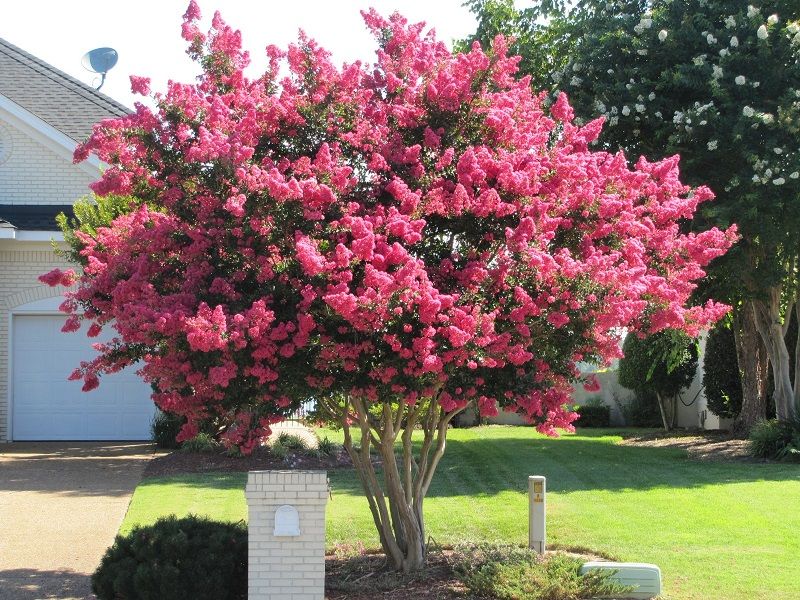
More fertilizer does not mean better results, and crape myrtles prove that point every spring across North Carolina. A general guideline that works well for established plants is about one pound of fertilizer per 100 square feet of root zone area.
For a smaller crape myrtle shrub, that means a fairly light and measured application, not a heavy handful tossed around the base.
Newer or recently planted crape myrtles need even less. Some extension experts recommend starting with just one teaspoon of fertilizer per application for young plants, applied monthly from early spring through summer.
Giving a young root system too much too soon can stress the plant and interfere with its ability to establish itself properly in North Carolina soil.
Over-fertilizing crape myrtles can lead to soft, weak growth that is more vulnerable to pests and disease. It can also cause a buildup of salts in the soil over time, which makes it harder for roots to absorb water efficiently.
Reading the product label carefully and sticking to the recommended rates is always the smartest approach. When in doubt, apply a little less than you think you need.
Your crape myrtle will reward your restraint with a stronger, more natural growth pattern and a better bloom display all season long.
5. Spread Fertilizer Over The Root Zone, Not At The Trunk

Here is something that surprises a lot of North Carolina gardeners: the roots that actually absorb nutrients are not right next to the trunk. Crape myrtle roots spread outward, often extending as far as the branches reach and sometimes even further.
That outer area, known as the drip line, is where feeding does the most good.
Piling fertilizer right up against the trunk is not only ineffective but can actually cause problems for the bark over time. Concentrated fertilizer near the base of the tree can create a harsh chemical environment that irritates the lower trunk and invites moisture-related issues.
Spreading it evenly across the root zone gives the feeder roots access to nutrients right where they need them most.
A simple way to visualize the correct application zone is to look at where the outermost branches hang and imagine a circle on the ground beneath them. Broadcast your fertilizer evenly across that entire area rather than focusing it in one spot.
For larger crape myrtles in North Carolina landscapes, this zone can be surprisingly wide, so taking a few extra minutes to spread the fertilizer properly makes a real difference.
Good placement leads to better nutrient uptake, stronger growth, and a more impressive bloom season from spring through late summer.
6. Always Water After Fertilizing For The Best Outcome
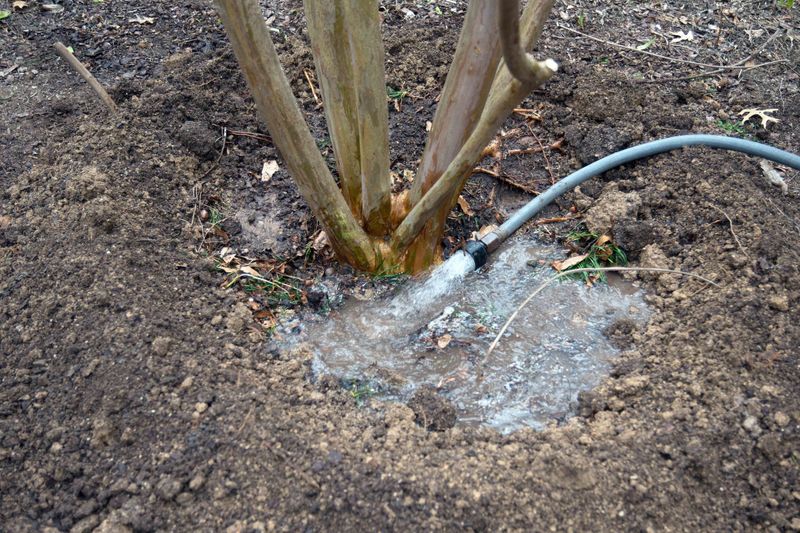
Fertilizing your crape myrtle is only half the job. Watering thoroughly right after applying fertilizer is just as important, and skipping this step can actually cause more harm than good.
Water helps carry the nutrients down through the soil where the roots can reach them, turning those granules into something the plant can actually use.
North Carolina has a mix of soil types across the state, and some areas, especially in the coastal plain, have sandy or fast-draining soils that allow nutrients to move through quickly.
In these conditions, watering right away after fertilizing is especially critical to make sure the nutrients do not wash past the root zone before the tree gets a chance to absorb them.
Even in the red clay soils common to the Piedmont, watering helps the fertilizer break down and become available faster.
Another reason to water after fertilizing is to reduce the risk of fertilizer burn, which happens when concentrated nutrients sit on dry soil too close to roots or foliage.
A good deep watering, not just a quick sprinkle, moves the fertilizer into the soil properly and protects the plant.
April in North Carolina can be unpredictable weather-wise, so if rain is not in the forecast for a day or two, grab the hose and water manually right after you apply fertilizer.
7. One Spring Feeding Is Usually All Your Crape Myrtle Needs
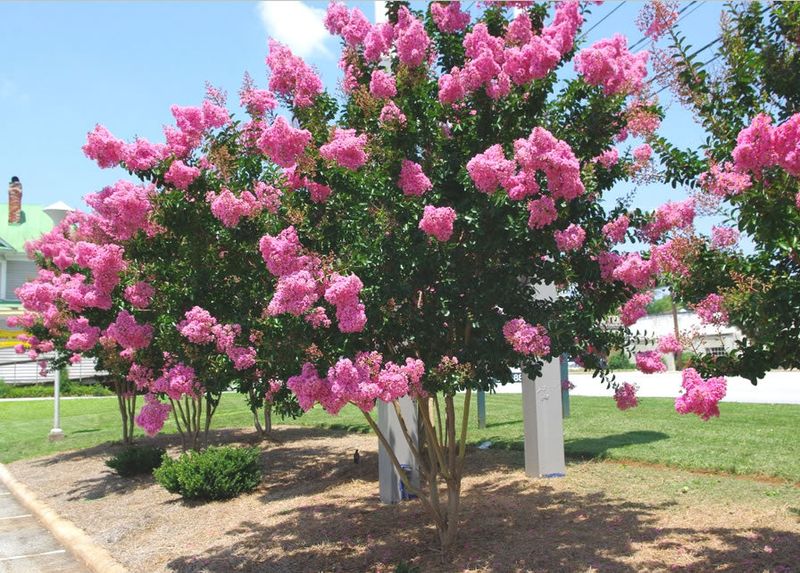
Believe it or not, most crape myrtles growing in North Carolina only need one fertilizer application per year, and April is the perfect time to give it.
Unlike some plants that benefit from multiple feedings throughout the season, crape myrtles are fairly efficient at using nutrients and do not need constant supplementing.
One well-timed spring feeding sets them up for a full season of healthy growth and flowering.
Adding more fertilizer later in the summer can actually work against you. Extra feeding in late summer or fall pushes new soft growth that does not have enough time to toughen up before cooler temperatures arrive.
That tender growth is more vulnerable to cold damage, which can set the tree back significantly going into the next season, especially in the North Carolina mountains or Piedmont where autumn temperatures drop faster.
If your crape myrtle is already growing in healthy, well-amended soil, it may need even less fertilizer than you think. A soil test from your local North Carolina Cooperative Extension office can tell you exactly what nutrients are already present and what might be missing.
This simple step takes the guesswork out of the process entirely. One smart April feeding, placed correctly and watered in well, is genuinely all most crape myrtles need to put on a breathtaking show from June through September.