What Squirrels Dig Up In Michigan Gardens In Early Spring And Why They Do It
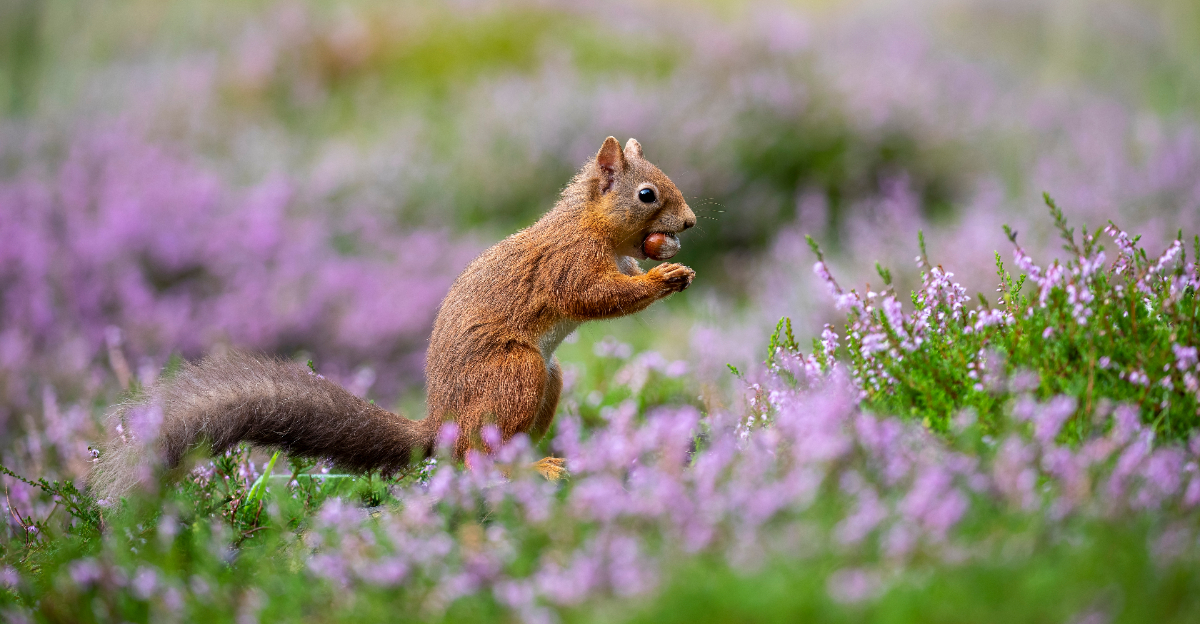
Early spring can turn a peaceful Michigan garden into a digging zone almost overnight. Just when the soil softens and plants begin waking up, squirrels start showing up with a mission.
Small holes appear in beds, mulch gets tossed aside, and gardeners are left wondering what keeps drawing them back. In many cases, squirrels are not digging at random.
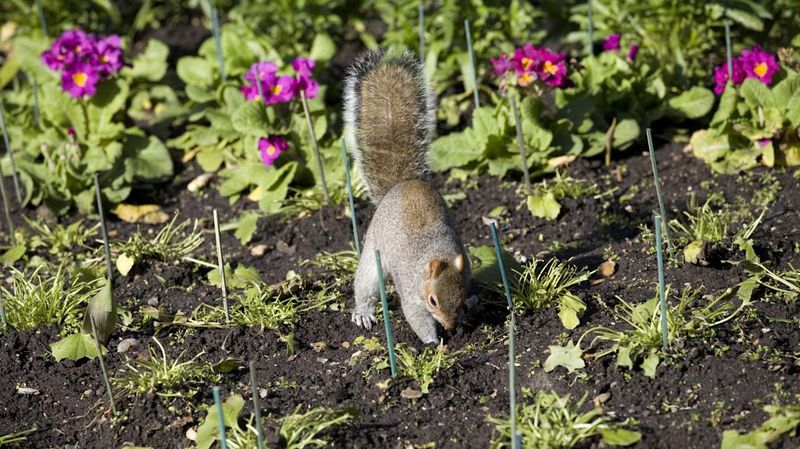
They are searching for bulbs, buried nuts, tender new shoots, and spots where they once hid food during colder months. Freshly worked soil makes that job even easier, which is why garden beds often become a favorite target.
The damage can look worse than it is, but it still feels frustrating when spring growth gets disturbed before it has a chance to take off.
In Michigan, this early season digging is common, and knowing what squirrels are after helps explain why your garden suddenly has their full attention.
1. Newly Planted Bulbs Are A Top Target
Tulips are one of the most popular flowers in Michigan gardens, but squirrels treat them like a buffet. Bulbs like Tulipa spp. are packed with energy-rich starch and nutrients, making them extremely attractive to squirrels looking for a quick meal.
The moment you plant them, the clock starts ticking. Squirrels have an incredible sense of smell, and freshly planted bulbs release a strong scent that travels through loose soil surprisingly fast.
Whether you plant in fall or early spring, a squirrel can detect that something edible is just below the surface and will start digging almost immediately. It is honestly impressive how quickly they find them.
Protecting your bulbs does not have to be complicated. Placing a layer of wire mesh just below the soil surface over your bulb beds creates a simple but very effective barrier.
You can also try planting daffodils, which squirrels tend to avoid because of their bitter taste. Mixing deterrent bulbs with your tulips is a smart strategy that many Michigan gardeners swear by.
Sprinkling cayenne pepper around planting areas can also discourage digging without harming your plants or the squirrels themselves.
2. They Search For Nuts They Buried In Fall
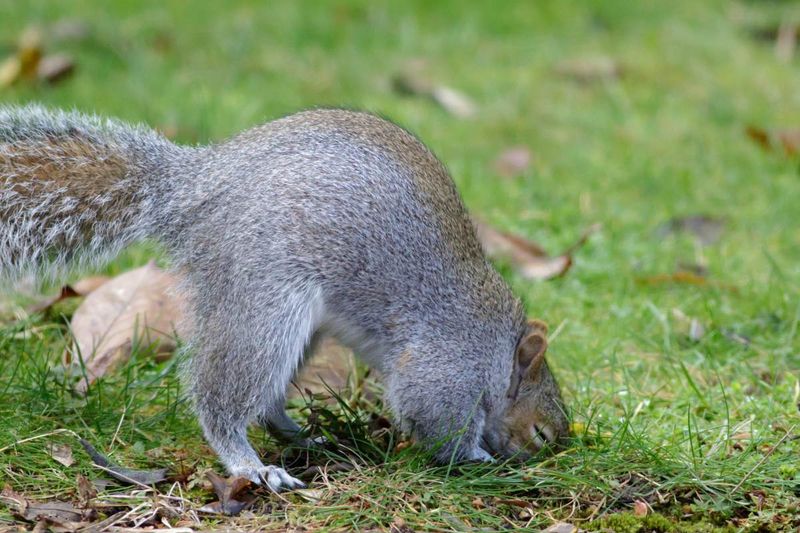
Every fall, Michigan squirrels go into overdrive burying thousands of nuts and seeds across yards, parks, and garden beds. This behavior, called scatter caching, is how they store food for colder months when natural sources run low.
By spring, they are ready to cash in on all that hard work.
Here is the fascinating part: squirrels do not always remember exactly where they buried everything. They rely on a combination of memory and smell to relocate their stashes, which means they dig in multiple spots before finding what they want.
Your freshly prepared garden bed might get several exploratory holes even if nothing was ever buried there.
Research shows that squirrels can relocate a surprising percentage of their caches, but the ones they miss often sprout into seedlings, which is actually how many oak trees spread naturally across Michigan landscapes.
So while the digging can feel frustrating, there is a bigger ecological story happening right in your backyard.
Your Michigan Garden Changes Every Week. Your Plan Should Too.
Gardening in Michigan changes quickly throughout the season. Every Friday you’ll receive a simple weekly plan showing exactly what to plant, prune, fertilize, harvest, and protect so you never miss the right timing.
Covering newly prepared beds with hardware cloth or a layer of chicken wire held down with stakes can reduce the random digging significantly.
Removing the cover once your plants are established is easy and keeps your garden looking tidy while protecting it during the most vulnerable early weeks of the growing season.
3. Freshly Turned Soil Attracts Digging
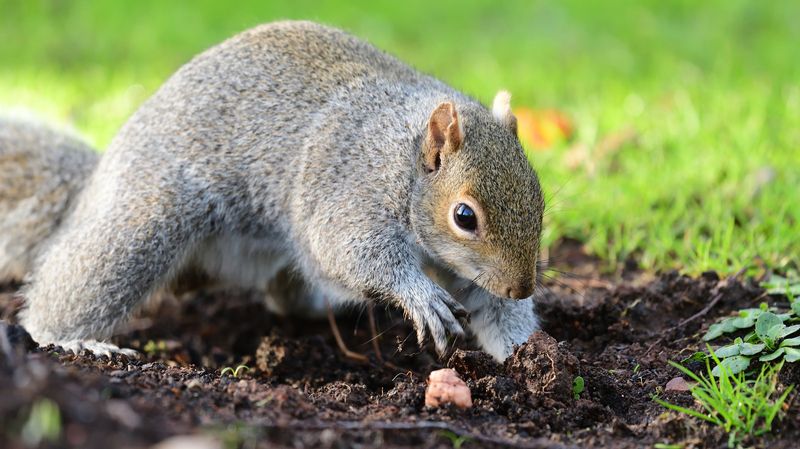
Something about freshly worked garden soil seems almost irresistible to squirrels. Loose, soft soil is far easier to dig through than compacted ground, and squirrels quickly learn that recently disturbed areas are worth investigating.
Raised beds and newly tilled plots in Michigan gardens are especially vulnerable for this reason.
When soil is turned over, it releases scents from organic matter, decomposing plant material, and any seeds or bulbs nearby. To a squirrel, those smells signal that food might be hidden just below the surface.
Even if nothing is actually buried there, the combination of easy digging and interesting smells is enough to bring them over for a closer look every single time.
One practical way to discourage this behavior is to avoid leaving freshly turned beds exposed for long periods before planting. Covering the soil with a layer of mulch right after working it can reduce the scent signals that attract squirrels in the first place.
Heavy mulch also makes digging slightly less appealing because it adds resistance at the surface. Many Michigan gardeners have found that placing smooth decorative stones across bare soil sections works surprisingly well as a deterrent too.
The goal is simply to make your garden bed look and smell less like a treasure hunt waiting to happen, which keeps the squirrels moving along to easier targets elsewhere in the yard.
4. Early Seedlings And Seeds Get Disturbed
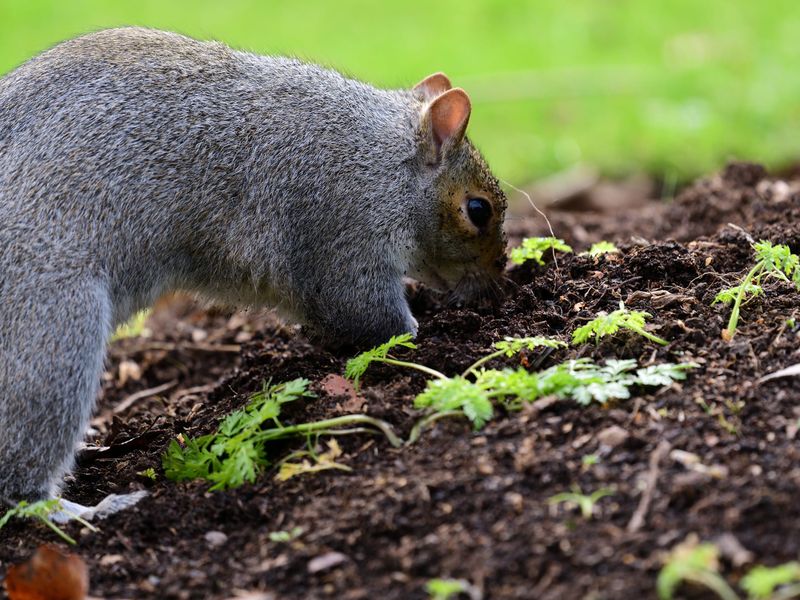
Peas are one of the first vegetables Michigan gardeners plant each spring, but squirrels seem to have a particular fondness for them.
Seeds like Pisum sativum are plump, nutrient-dense, and easy to carry, making them an attractive snack for a squirrel that just came through a long winter.
Beans and sunflower seeds face the same problem once they go into the ground.
What makes this especially tricky is that squirrels sometimes eat the seeds outright and other times they accidentally uproot tiny seedlings while searching around for something else entirely.
Either way, the result is the same: your carefully planted rows end up disturbed, and you find yourself replanting sections you already finished. It can feel like a never-ending cycle in those early spring weeks.
Row covers made from lightweight fabric are one of the best solutions available to Michigan gardeners dealing with this issue. They allow sunlight and rain through while physically blocking squirrels from reaching the soil beneath.
You can also try starting seeds indoors and transplanting slightly larger seedlings outside, since established plants with visible stems are less appealing targets than freshly buried seeds.
Sprinkling used coffee grounds along the edges of your planting rows adds an extra layer of scent-based deterrence.
Small, consistent steps like these make a noticeable difference over the course of the spring gardening season.
5. They Need Extra Food After Winter
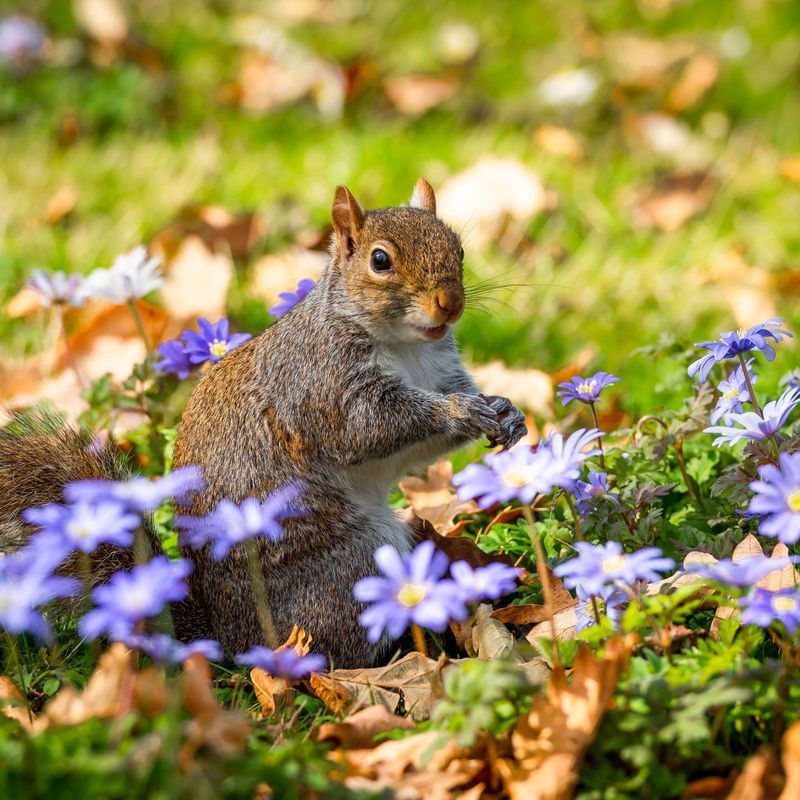
Winter in Michigan is tough on wildlife, and squirrels feel the pressure just like everything else.
By the time early spring arrives, their fat reserves are lower, many of their buried caches have already been eaten, and natural food sources like berries, fungi, and fresh nuts are still weeks away from being available.
That combination creates a squirrel that is highly motivated to find food anywhere it can.
Gardens become prime foraging territory during this hungry gap. Squirrels will investigate bulbs, leftover seeds, dried plant stems, and even decomposing organic material in search of calories.
The desperation of early spring drives them to take risks and explore areas they might normally avoid, including raised beds close to your back door and containers on your porch or patio.
Understanding this seasonal hunger pattern actually makes it easier to manage the problem. Providing a small squirrel feeder stocked with corn or sunflower seeds at the edge of your yard can redirect their energy away from your garden beds.
Many Michigan gardeners find this strategy surprisingly effective because it gives squirrels an easy food source that requires no digging at all.
Positioning the feeder as far from your garden as possible encourages squirrels to stay on the perimeter rather than wandering through your planted areas.
A little generosity during the lean weeks of March can save a lot of replanting headaches later on in the season.
6. They May Be Creating Or Expanding Nest Areas
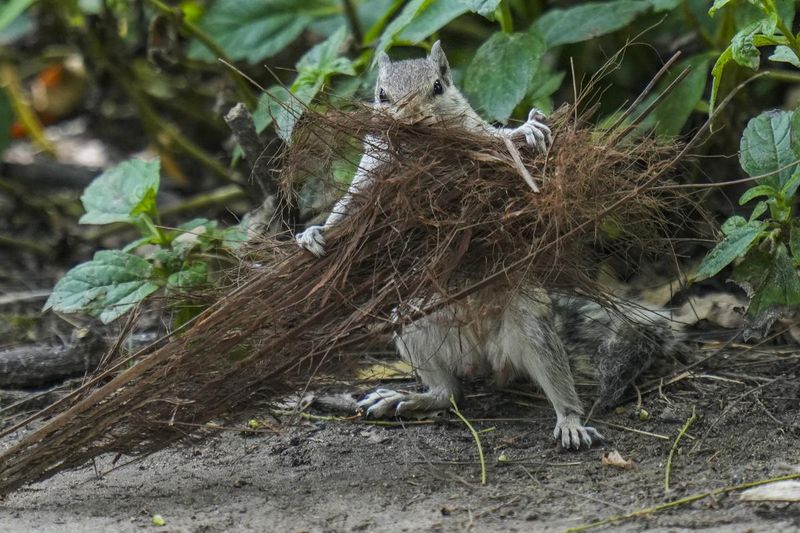
Not every hole in your garden is about food. Early spring is breeding season for Michigan squirrels, and that means they are also scouting locations, expanding territory, and sometimes preparing nesting areas.
Shallow, exploratory digging near shrubs, tree bases, or dense garden borders can be part of this nesting behavior rather than a food search.
Eastern gray squirrels and fox squirrels, both common throughout Michigan, become noticeably more active and bold during late winter and early spring as breeding activity picks up.
Increased movement across yards and gardens is completely normal during this period, and some of that movement involves investigating ground-level spots that might work as temporary shelter or secondary nesting sites alongside their tree cavities and leaf nests.
While nesting-related digging tends to cause less damage than food-related digging, it can still disturb young plants and disrupt garden layouts.
Placing physical barriers like decorative fencing or thorny branch clippings around sensitive planting areas discourages squirrels from settling in too close.
Strong-smelling repellents made from peppermint oil or predator urine, available at most Michigan garden centers, can also make an area feel less welcoming.
The key is applying these deterrents consistently at the start of the season before habits form, because squirrels that find a comfortable spot early tend to return to it repeatedly throughout the spring and into summer months.
7. Most Damage Happens In March And April
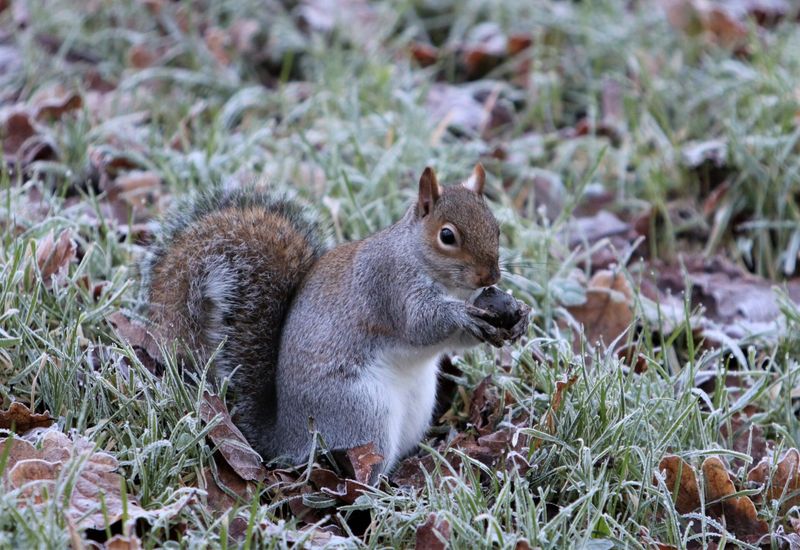
Mark your calendar, because March and April are the months when squirrel activity in Michigan gardens reaches its peak.
Soil thaws quickly once temperatures start climbing, and gardeners across the state begin planting at almost exactly the same time that squirrels become most active and hungry.
The timing could not be more perfectly inconvenient for anyone trying to grow something beautiful.
During these two months, squirrels are simultaneously recovering cached food, searching for fresh calories after winter, and ramping up activity for breeding season.
All three of those drives push them toward freshly disturbed garden soil, newly planted seeds, and exposed bulbs.
The overlap between peak gardening preparation and peak squirrel foraging is what makes early spring protection so important for Michigan gardeners.
Starting protective measures before you even begin planting gives you the best results. Laying wire mesh over beds before adding seeds or bulbs, applying repellent sprays weekly, and setting up perimeter feeders are all strategies worth starting in late February before the soil fully thaws.
Many experienced Michigan gardeners treat squirrel management as a regular part of their spring planting routine rather than a reactive problem to solve after damage appears.
Taking even a few small steps early in the season can protect weeks of careful planting work and keep your garden looking exactly the way you imagined it when you first drew out your spring garden plan.