9 Rain Garden Plants That Make Sense For Ohio Clay Soil
Ohio clay can make planting feel like an uphill battle, especially in spots where rain lingers and roots struggle to breathe. Add runoff, soggy patches, and long dry stretches between storms, and many plants simply fail to keep up.
That is exactly why the right rain garden plants matter so much. The best choices do more than survive wet soil.
They handle heavy ground, settle in with strength, and bring real beauty to areas that often get written off as problem spots. Some offer bold summer color.
Some add texture, movement, and structure that make a rain garden feel intentional instead of purely practical. The real win comes from using plants that can work with Ohio clay instead of fighting it.
Get that mix right, and a tricky low area can become one of the most attractive, resilient, and useful parts of the yard.
1. Blue Flag Iris Brings Rain Garden Color Without The Fuss
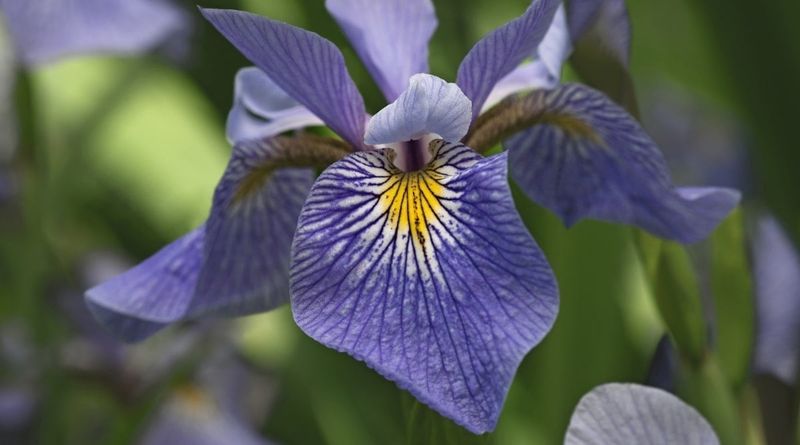
Few sights in a spring garden match the electric blue-violet blooms of Blue Flag Iris catching the morning light. Native to wetlands and moist meadows across the eastern United States, this iris is a natural fit for the wetter zones of an Ohio rain garden, especially where clay soil tends to hold water longest after a storm.
Blue Flag Iris, known botanically as Iris versicolor, typically reaches two to three feet tall and blooms from late spring into early summer. The flowers are intricate and showy, with deep veining and yellow markings at the base of each petal that guide bees straight to the nectar.
It earns its keep visually even before and after bloom, with upright sword-shaped foliage that adds clean vertical structure throughout the growing season.
Plant it toward the lower or middle zone of the rain garden where moisture lingers. It handles periodic flooding well but does not need standing water around the roots at all times.
Once settled into clay-heavy soil, it spreads slowly into tidy clumps that can be divided every few years. It pairs beautifully with Swamp Milkweed and Cardinal Flower for a layered, naturalistic look that Ohio pollinators will notice immediately.
2. Joe Pye Weed Gives Ohio Rain Gardens Big Height And Pollinator Power
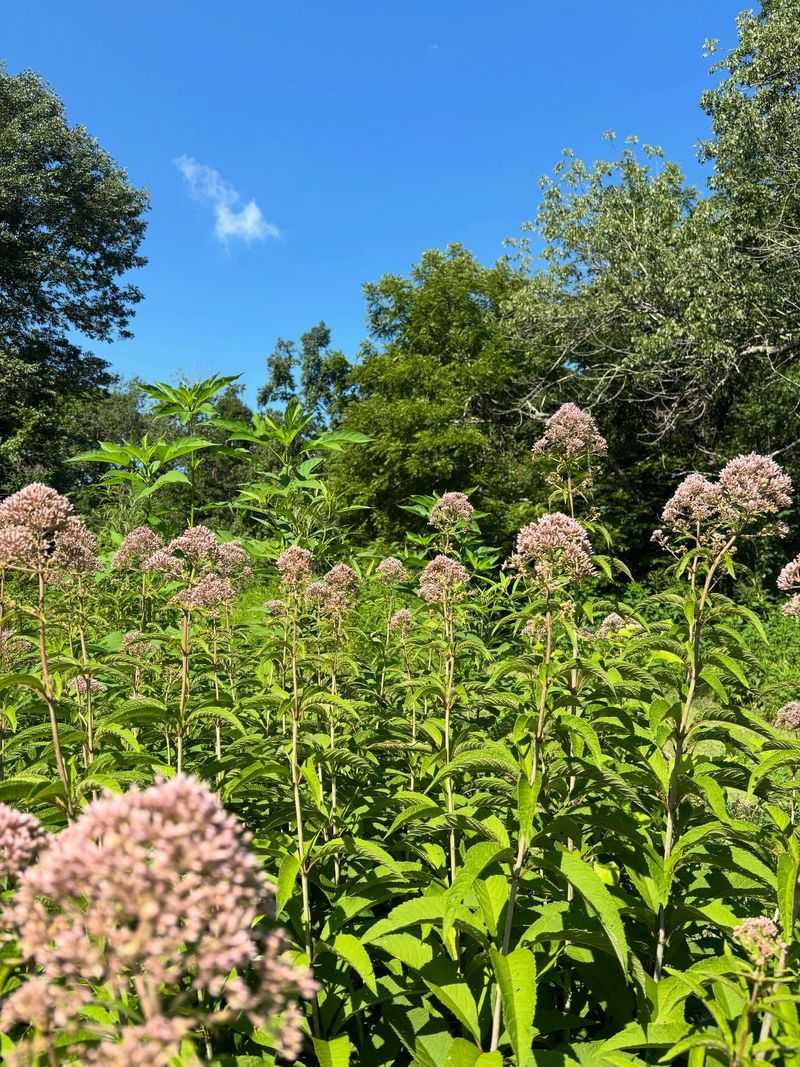
Butterflies seem to find Joe Pye Weed from across the yard. The large, domed flower clusters in dusty pink to mauve bloom from midsummer into early fall, and on a warm August afternoon the plant can feel like a pollinator landing strip.
For Ohio rain gardens where there is room to go big, this native perennial earns serious respect.
Eutrochium purpureum, the sweet Joe Pye Weed, can reach five to seven feet tall in a moisture-rich clay site. That height is a feature, not a problem.
Planted toward the back or center of a larger rain garden, it anchors the planting visually and gives butterflies, especially swallowtails and fritillaries, a reliable late-season food source when many other flowers have faded.
It grows best in full sun to part shade and handles moist to wet clay soils without complaint. The soil between rain events does not need to stay constantly saturated, but Joe Pye Weed appreciates sites that stay reliably moist rather than drying out completely.
Your Ohio Garden Changes Every Week. Your Plan Should Too.
Gardening in Ohio changes quickly throughout the season. Every Friday you’ll receive a simple weekly plan showing exactly what to plant, prune, fertilize, harvest, and protect so you never miss the right timing.
Stems remain attractive through winter, providing seed for birds and structural interest long after the blooms are gone. Shorter cultivars like ‘Baby Joe’ work well in smaller spaces without sacrificing the plant’s ecological value.
3. Swamp Milkweed Adds Summer Color In Heavy Soil
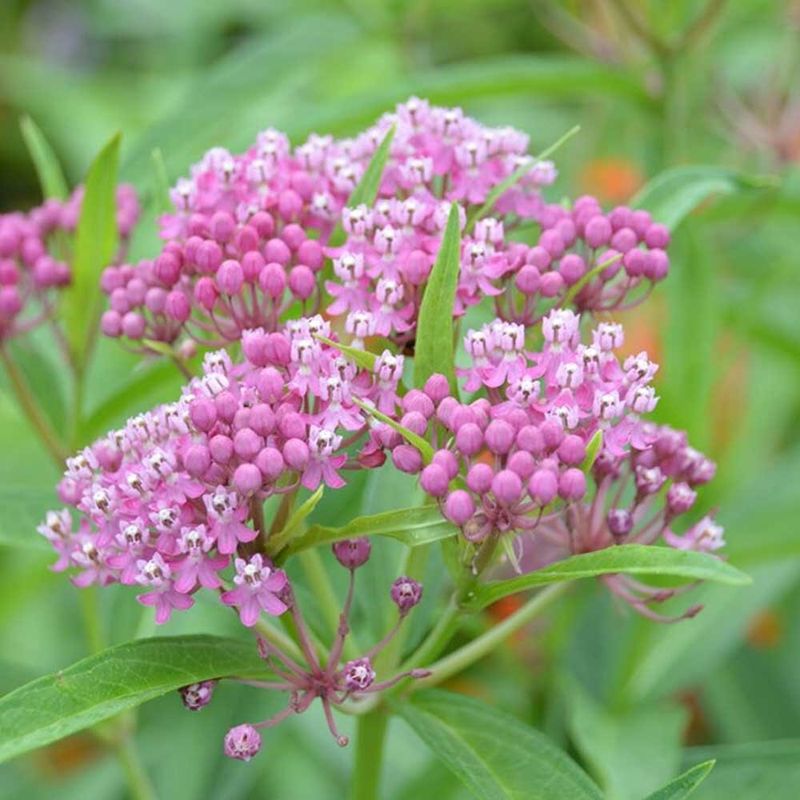
Monarch butterflies need milkweed, and Swamp Milkweed is the species that actually thrives where Ohio clay soils stay moist. While many gardeners reach for Butterfly Weed first, that species prefers dry, well-drained ground and tends to struggle in the wetter zones of a rain garden.
Swamp Milkweed is the better choice when the site holds moisture after heavy rains.
Asclepias incarnata produces clusters of rosy pink flowers from late June through August, reaching three to four feet tall in full sun. Monarchs use it as a host plant, laying eggs on the foliage so caterpillars can feed as they develop.
Bees, skippers, and other pollinators also visit the blooms regularly, making it one of the hardest-working plants you can add to an Ohio rain garden.
It performs best in the middle to lower zones of the rain garden where moisture is most consistent. Clay soil suits it well since it naturally grows along stream banks and wet meadows across Ohio.
The seed pods that form in late summer split open to release silky-tailed seeds, which adds a brief but beautiful textural moment before the plant goes dormant. Plant it in groups of three or more for the strongest visual and ecological impact throughout the summer months.
4. Cardinal Flower Turns Wet Spots Into A Showstopper
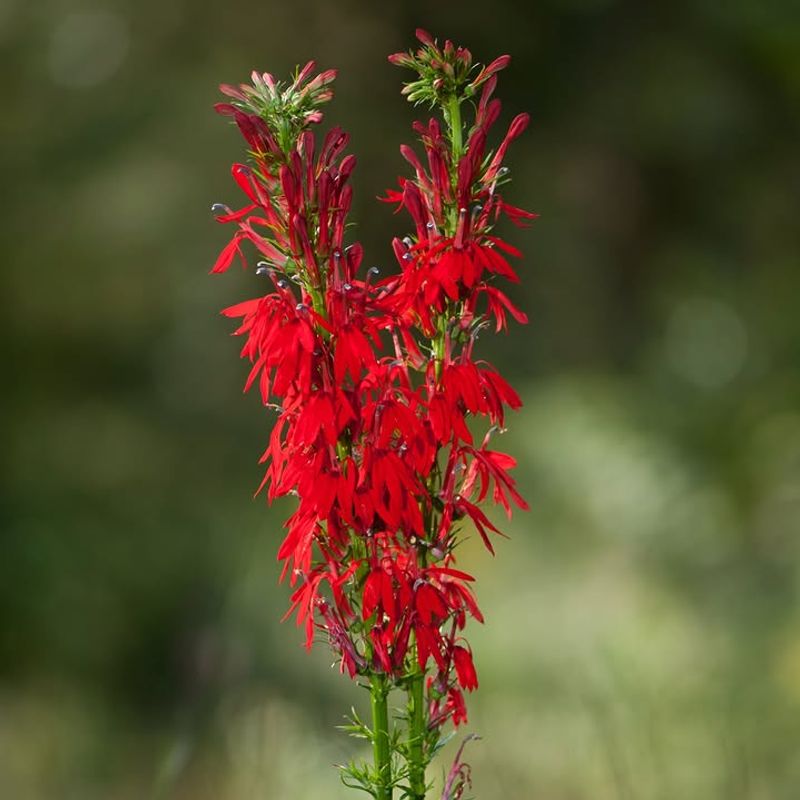
Nothing in a summer rain garden stops people in their tracks quite like a spike of Cardinal Flower in full bloom. The red is not subtle.
It is the kind of saturated, fire-engine scarlet that reads from across the yard, and ruby-throated hummingbirds find it just as irresistible as people do.
Lobelia cardinalis is a native perennial that grows naturally along stream banks, wet meadows, and moist woodland edges throughout Ohio. In a rain garden it thrives in the wetter zones where clay holds moisture after storms.
Reaching two to four feet tall, it blooms from midsummer into early fall, bridging the gap between early-season plants and the late-season asters and Joe Pye Weed.
Consistent moisture is the key to keeping Cardinal Flower looking its best. It can handle periodic flooding in the low zone, but it does not want to dry out completely between rain events.
Part shade to full sun both work, though some afternoon shade in hot, exposed sites helps the plant stay vigorous through the hottest weeks of summer. It self-seeds modestly in moist soil, meaning new plants often appear nearby each year to replace older crowns.
Pair it with Blue Flag Iris and Swamp Milkweed for a bold, wildlife-friendly combination that covers most of the growing season with color.
5. Turtlehead Feels Right At Home In A Clay Rain Garden
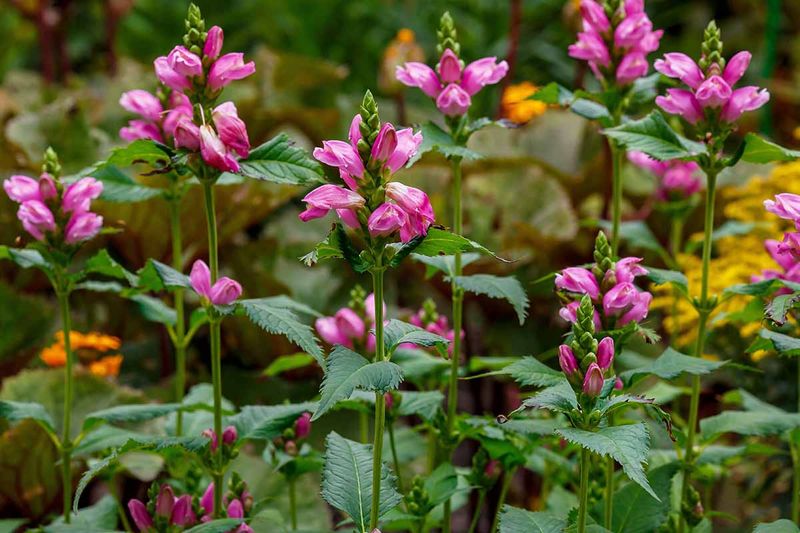
Pick up a Turtlehead flower and you will immediately understand the name. The blooms are puffy, tubular, and pinched at the tip in a way that genuinely resembles the head of a turtle peeking out of its shell.
It is one of those native plants that rewards a closer look, and it brings something genuinely fresh to a rain garden palette that can start to feel predictable.
Chelone glabra is native to moist woodlands, stream edges, and wet meadows across Ohio, which makes it a naturally good fit for clay rain gardens that hold water after heavy rains. It reaches two to three feet tall and blooms in late summer to early fall, a timing that helps extend interest when many spring and summer plants have finished their show.
The white to pale pink flowers attract bumblebees, which are strong enough to push through the tightly closed petals to reach the nectar inside.
Plant Turtlehead in the middle zone of the rain garden where soil stays consistently moist but does not stay flooded for extended periods. It handles part shade to full sun and is a reliable performer in heavy Ohio clay once established.
The glossy, deep green foliage looks tidy all season, and the plant spreads slowly into manageable clumps that rarely need aggressive division. Baltimore checkerspot butterfly caterpillars also use it as a host plant, adding another layer of ecological value.
6. Soft Sedge Handles Moist Soil With A Much Softer Look
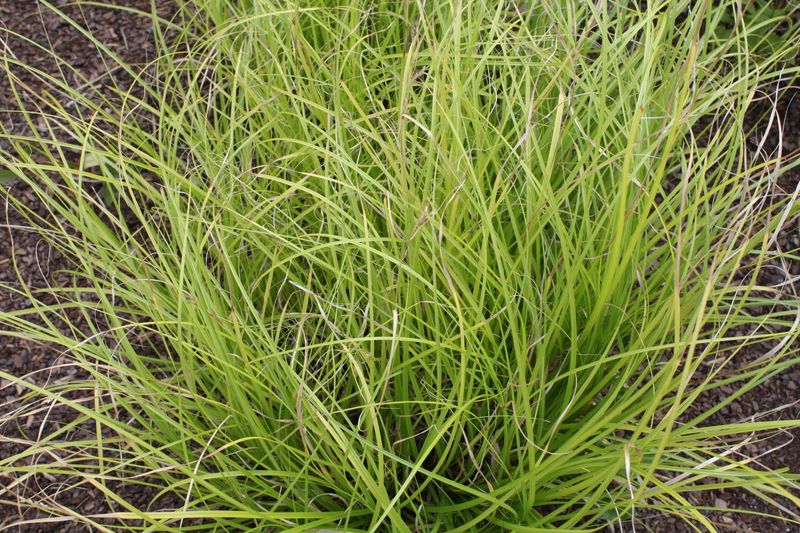
Not every rain garden plant needs to announce itself with showy blooms. Sometimes the most useful thing you can add is a plant that softens edges, fills transitions between zones, and keeps the planting from looking too stiff or formal.
That is exactly what sedges do, and Ohio native sedges deserve far more attention than they typically get.
Soft Sedge, including species like Carex lurida and Carex comosa, offers arching, grassy foliage that brings a relaxed, naturalistic texture to rain garden edges and middle zones. Growing roughly one to two and a half feet tall depending on the species, these sedges fill in beautifully around showier flowering plants without competing for attention.
The foliage stays green well into fall, adding season-long structure even after nearby perennials have gone dormant.
Clay soil suits them well because they naturally grow along stream margins, wet meadows, and pond edges across Ohio. They handle periodic flooding in the lower zones and also perform in the middle zone where moisture is more variable.
Unlike ornamental grasses that can spread aggressively, native sedges stay in manageable clumps and rarely create maintenance headaches. Use them along the edges of the rain garden to create a natural transition to surrounding lawn or garden beds, and pair them with Cardinal Flower or Blue Flag Iris for a pleasing contrast between bold blooms and soft, flowing texture.
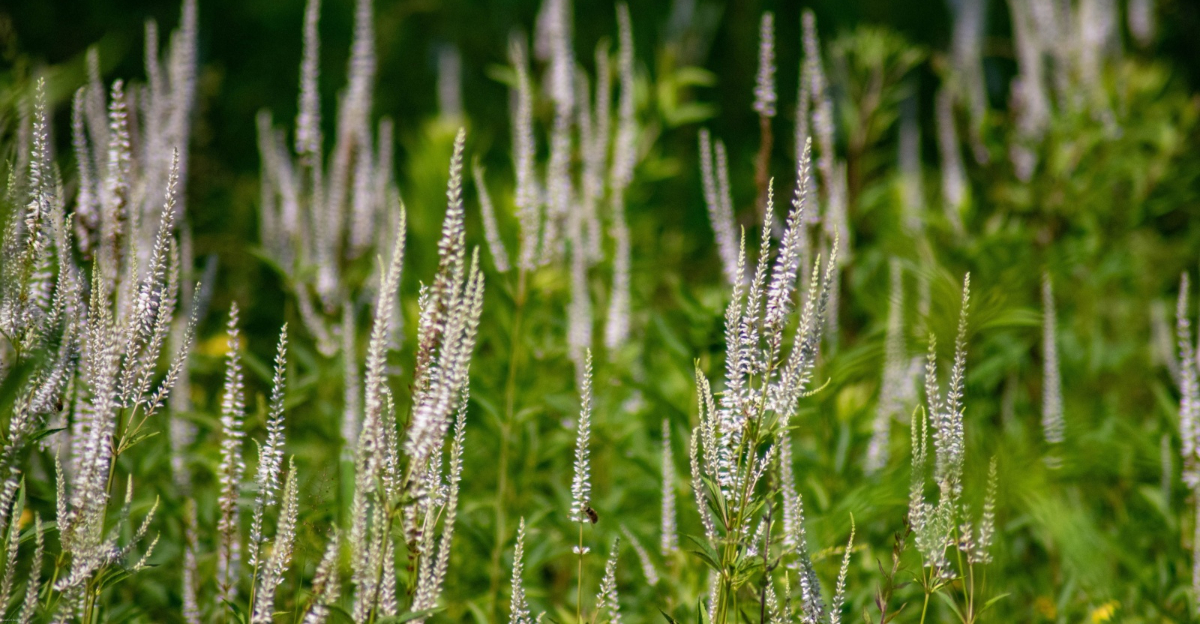
7. Culver’s Root Brings Elegant Height To Rain Garden Plantings
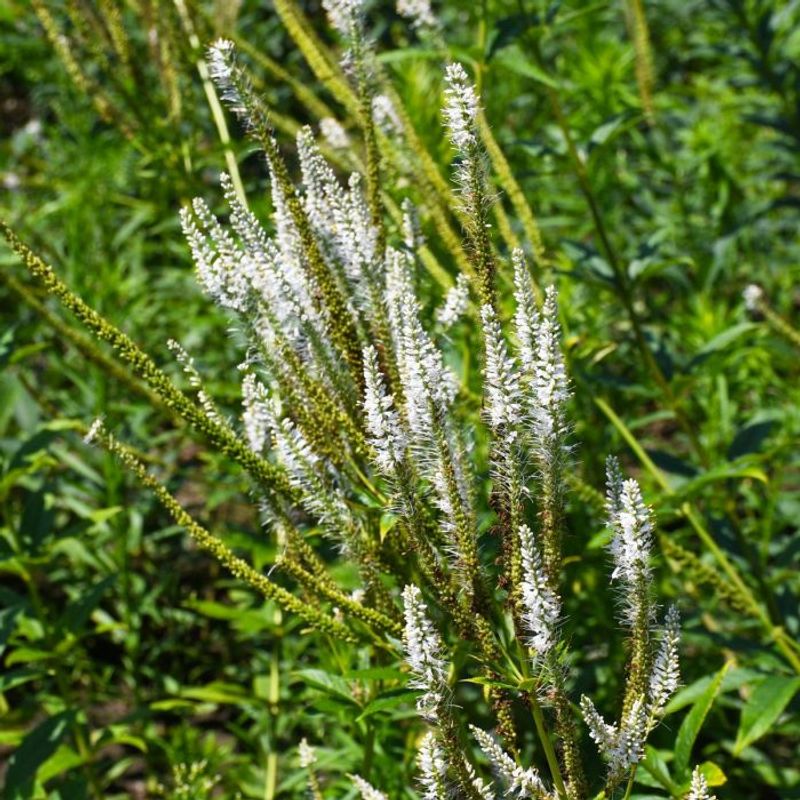
There is something genuinely refined about a plant that sends up long, candelabra-like spikes of white flowers above a crowd of other perennials. Culver’s Root has that quality in abundance, and it brings a kind of structured elegance that rain gardens often lack when the planting is heavy on mounded or spreading plants.
Veronicastrum virginicum is a tall Ohio native perennial, reaching four to six feet in good conditions, with whorls of lance-shaped leaves arranged neatly along upright stems. The slender white flower spikes bloom from midsummer into late summer and attract a wide range of native bees, wasps, and butterflies looking for nectar.
It is both beautiful and ecologically productive, which is a combination worth seeking out in any pollinator-friendly garden design.
Culver’s Root is best suited for the middle to upper zones of a rain garden rather than the lowest, wettest area. It tolerates moist clay soils very well but does not want to sit in standing water for extended periods after heavy storms.
Full sun brings out the best growth and most reliable blooming, though it can manage in part shade with somewhat looser stems. Established plants are long-lived and low-maintenance, rarely needing division or much attention beyond cutting back in late winter.
Its vertical form pairs especially well with the rounded mounds of New England Aster and the feathery plumes of Switchgrass.
8. Switchgrass Adds Structure That Ohio Rain Gardens Actually Need
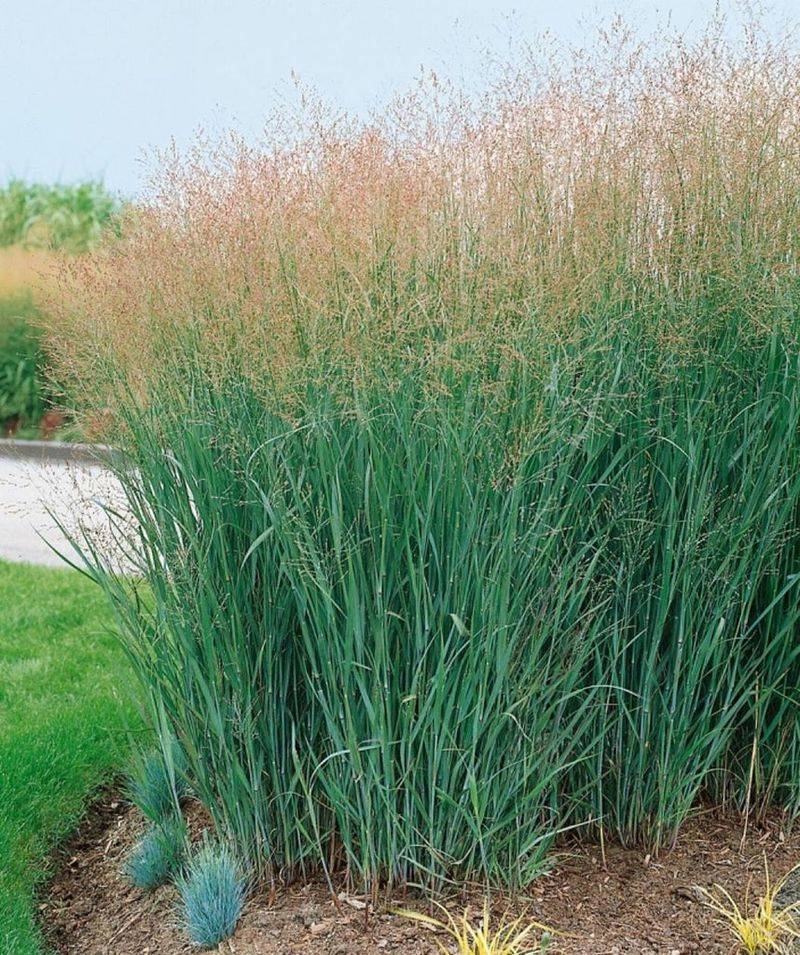
A rain garden without grasses can start to feel like a collection of plants rather than a cohesive planting. Switchgrass is the native grass that ties everything together, providing upright structure, seasonal movement, and year-round visual interest that flowering perennials simply cannot offer on their own.
Panicum virgatum is a warm-season native grass that grows naturally in prairies, roadsides, and open areas across Ohio. In a rain garden it handles the variable moisture that clay soils create, tolerating wet periods after storms and drier spells between rains with equal composure once it is established.
Depending on the cultivar, it reaches three to six feet tall, with airy seed heads appearing in late summer that catch the light beautifully and persist well into winter.
The foliage turns striking shades of gold, orange, and red in fall, extending the visual season long after most flowering plants have gone quiet. Birds feed on the seeds through winter, so resisting the urge to cut it back too early is worthwhile.
Switchgrass works well in the middle to upper zones of the rain garden where moisture is variable rather than consistently saturated. Cultivars like ‘Shenandoah’ and ‘Northwind’ are popular for their reliable fall color and upright habit in managed garden settings, both of which are widely available at Ohio native plant nurseries.
9. New England Aster Keeps The Color Going Late In The Season
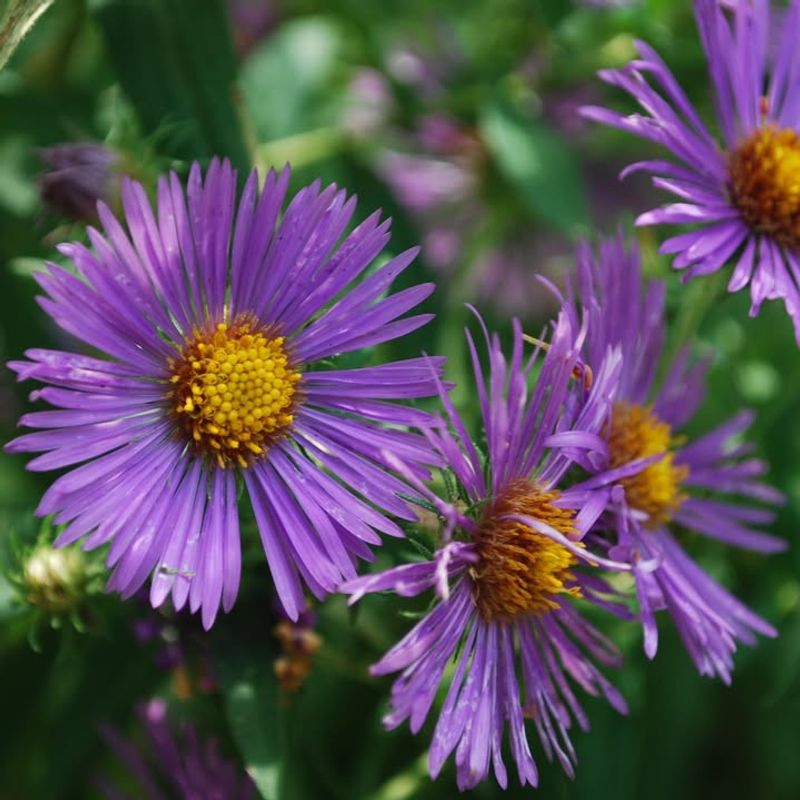
By late September, most Ohio gardens are winding down fast. Foliage is fading, seed heads are browning, and the color palette gets quieter by the week.
New England Aster is the plant that pushes back against all of that, exploding into clouds of purple, violet, or deep pink daisy-like flowers right when the garden needs them most.
Symphyotrichum novae-angliae is one of the tallest and most impressive native asters in the Ohio landscape, reaching three to six feet tall in full sun with moist soil. It blooms heavily from September into October, providing a critical late-season nectar source for migrating monarchs, native bees stocking up for winter, and a wide range of other pollinators making their final rounds before cold weather sets in.
In a rain garden, New England Aster performs best in the middle to upper zones where the soil is moist but not constantly waterlogged. Full sun is important for compact, bushy growth and the most abundant flowering.
In shadier spots or overly rich soil, the stems tend to flop and may need support. Pinching stems back by about half in late spring helps encourage bushier plants with more blooms and less flopping.
The dried seed heads offer winter texture and food for small birds, so leaving stems standing until late winter is a low-effort way to extend the plant’s value well past its bloom season.