8 Plants You Can Grow Year-Round In Pennsylvania
In Pennsylvania, the growing season can feel like a rollercoaster ride. One minute the weather is perfect for planting, and the next, it’s snowing again.
But what if your garden could keep going, no matter the season? The good news is that certain plants can handle the unpredictable weather and thrive year-round.
These hardy varieties don’t need constant attention to stay vibrant, and they can give you color, texture, and life even when the temperatures dip or rise.
Whether you’re dealing with chilly winters or hot summers, there are plants that can weather it all. They bring lasting beauty to your garden, with blooms, greenery, or texture that doesn’t fade with the changing seasons.
Best of all, once established, many of these plants are low-maintenance and easy to care for, allowing you to enjoy a lush garden without the stress. For gardeners in Pennsylvania looking for year-round success, these plants are the way to go.
1. Kale
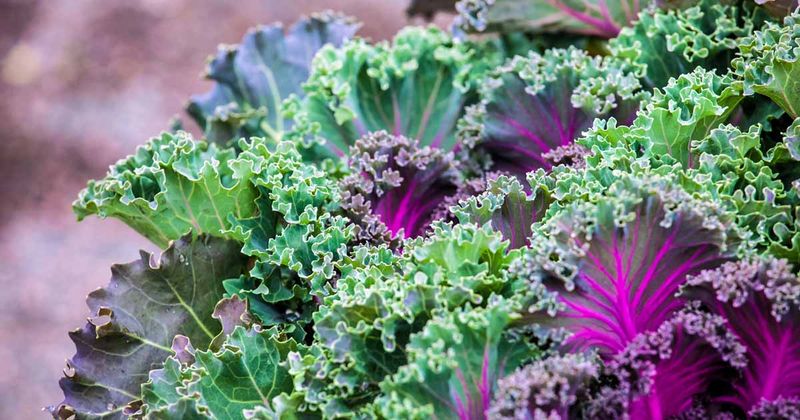
Frost does not scare kale one bit. In fact, kale is one of those rare vegetables that actually gets sweeter after temperatures drop below freezing.
The cold causes the plant to convert its starches into sugars, giving the leaves a milder, almost nutty flavor that many gardeners love. It is one of the most dependable year-round crops you can grow in Pennsylvania.
Kale belongs to the brassica family, which also includes broccoli and cabbage. It comes in several varieties, including curly kale, Lacinato (also called dinosaur kale), and Red Russian kale.
All of them handle cold weather well, but Lacinato and Red Russian tend to be especially tough in harsh Pennsylvania winters.
Plant kale in early spring or late summer for a fall and winter harvest. It grows best in full sun but can handle partial shade.
Well-drained soil with plenty of compost gives it the best start. You can harvest outer leaves as the plant grows, which keeps it producing longer.
In mild Pennsylvania winters, kale can stay in the ground and keep producing well into January or February. Cover it with a row cover or cold frame during extreme cold snaps to extend the season even further.
Kale is packed with vitamins and minerals, making it a smart and healthy addition to any garden in the state.
2. Spinach
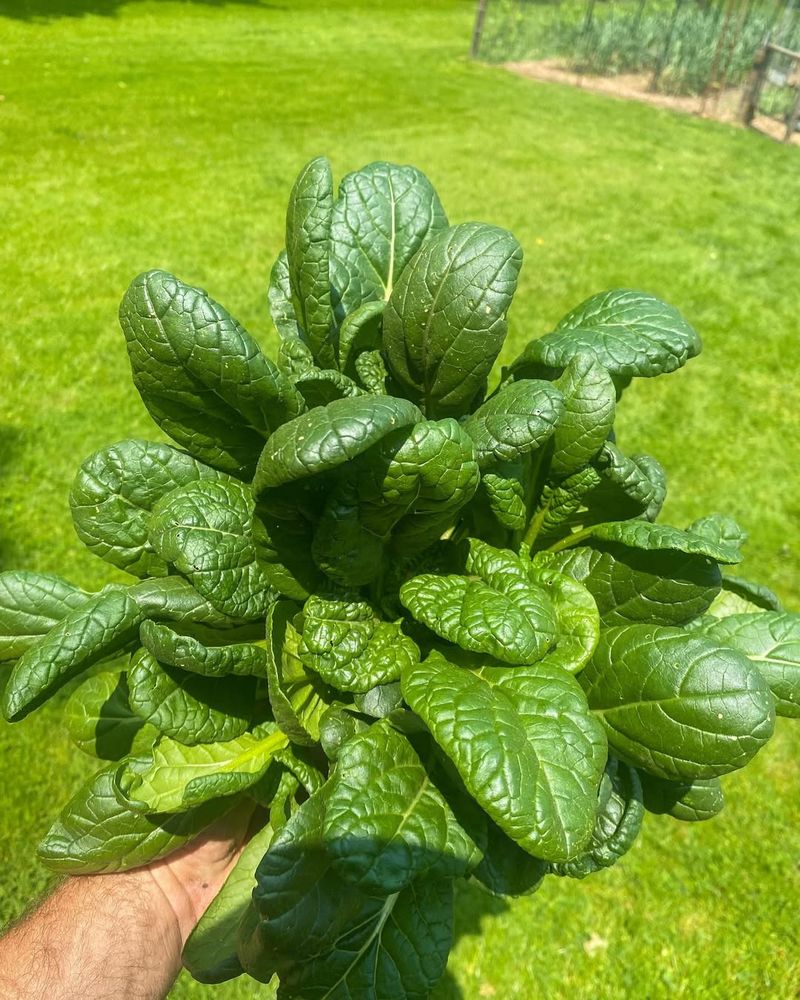
Cool weather is where spinach truly shines. Unlike warm-season vegetables that wilt at the first sign of cold, spinach actually prefers temperatures between 35 and 65 degrees Fahrenheit.
That makes Pennsylvania’s spring and fall seasons nearly perfect for growing it. With a little help from a cold frame or row cover, spinach can even survive through winter and be ready for harvest before most other vegetables wake up.
Spinach grows fast. You can go from seed to harvest in as little as six weeks, which means you can squeeze in multiple plantings throughout the year.
Try planting in late August or September for a fall crop, then again in early March for a spring harvest. Pennsylvania gardeners who use cold frames can often harvest fresh spinach leaves even in January and February.
Your Pennsylvania Garden Changes Every Week. Your Plan Should Too.
Gardening in Pennsylvania changes quickly throughout the season. Every Friday you’ll receive a simple weekly plan showing exactly what to plant, prune, fertilize, harvest, and protect so you never miss the right timing.
This leafy green prefers loose, well-drained soil with plenty of nitrogen. Adding compost before planting gives it a strong boost.
Make sure to water consistently, but avoid waterlogged soil, which can cause root problems.
Spinach is also incredibly versatile in the kitchen. Use it fresh in salads, saute it with garlic, blend it into smoothies, or toss it into soups and pasta dishes.
Growing your own in Pennsylvania means you always have a fresh, nutritious green close at hand, no matter the season.
3. Garlic
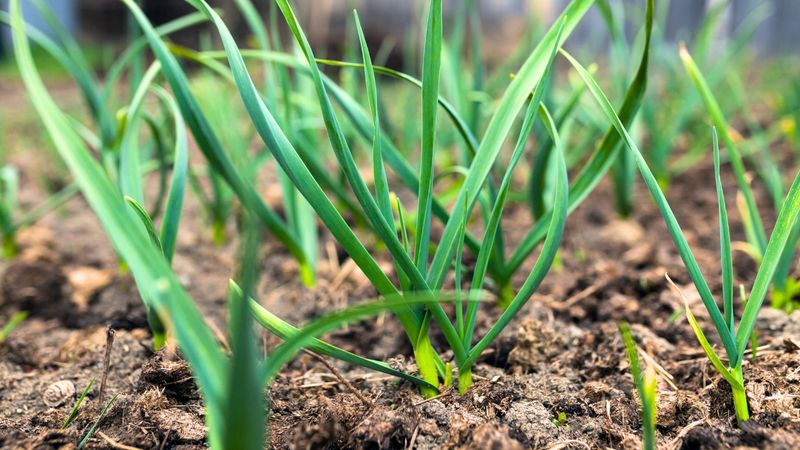
Garlic is the ultimate set-it-and-forget-it crop. You plant it in the fall, it quietly spends the winter underground, and then by early summer, you are pulling up full, fragrant bulbs.
Pennsylvania’s cold winters are actually great for garlic because the plant needs a period of cold temperatures to develop properly. Gardeners call this process vernalization, and it is what gives garlic its full, robust flavor.
Plant garlic cloves in October or early November, about two inches deep and six inches apart. Choose hardneck varieties like Rocambole or Porcelain for best results in Pennsylvania’s climate.
These types handle cold winters better than softneck varieties and often produce larger, more flavorful bulbs.
After planting, cover the bed with a thick layer of straw or shredded leaves. This mulch protects the cloves from extreme cold and keeps moisture in the soil.
In early spring, you will see green shoots poking through the mulch, which is a satisfying sign that your garlic survived winter just fine.
Harvest time arrives in late June or July when the lower leaves start to turn brown. Cure the bulbs by hanging them in a dry, well-ventilated space for a few weeks before storing.
Pennsylvania gardeners love garlic because it requires almost no attention between planting and harvest, making it one of the most rewarding crops in the garden.
4. Chives
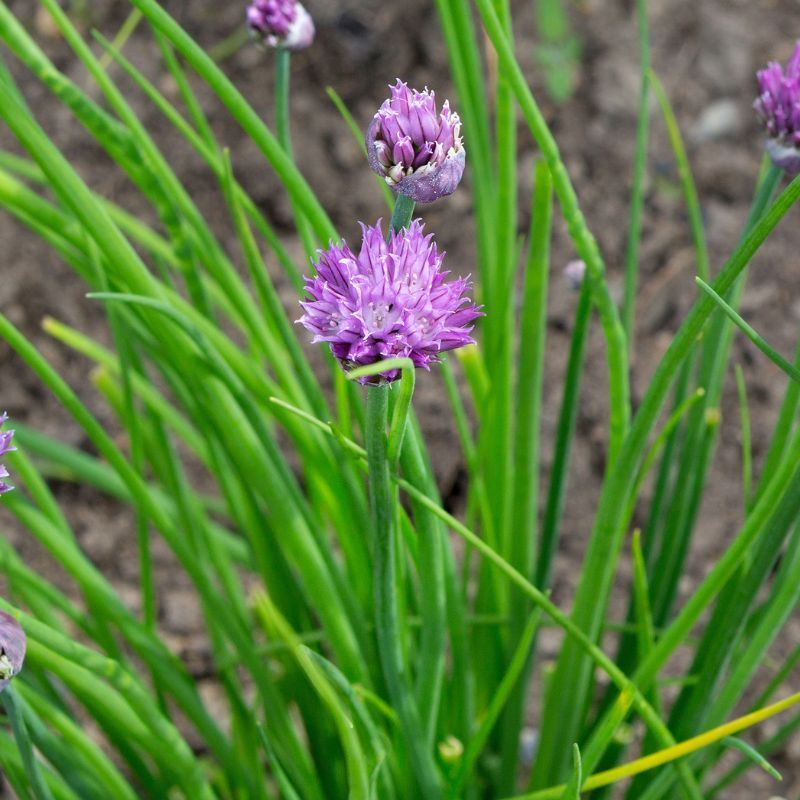
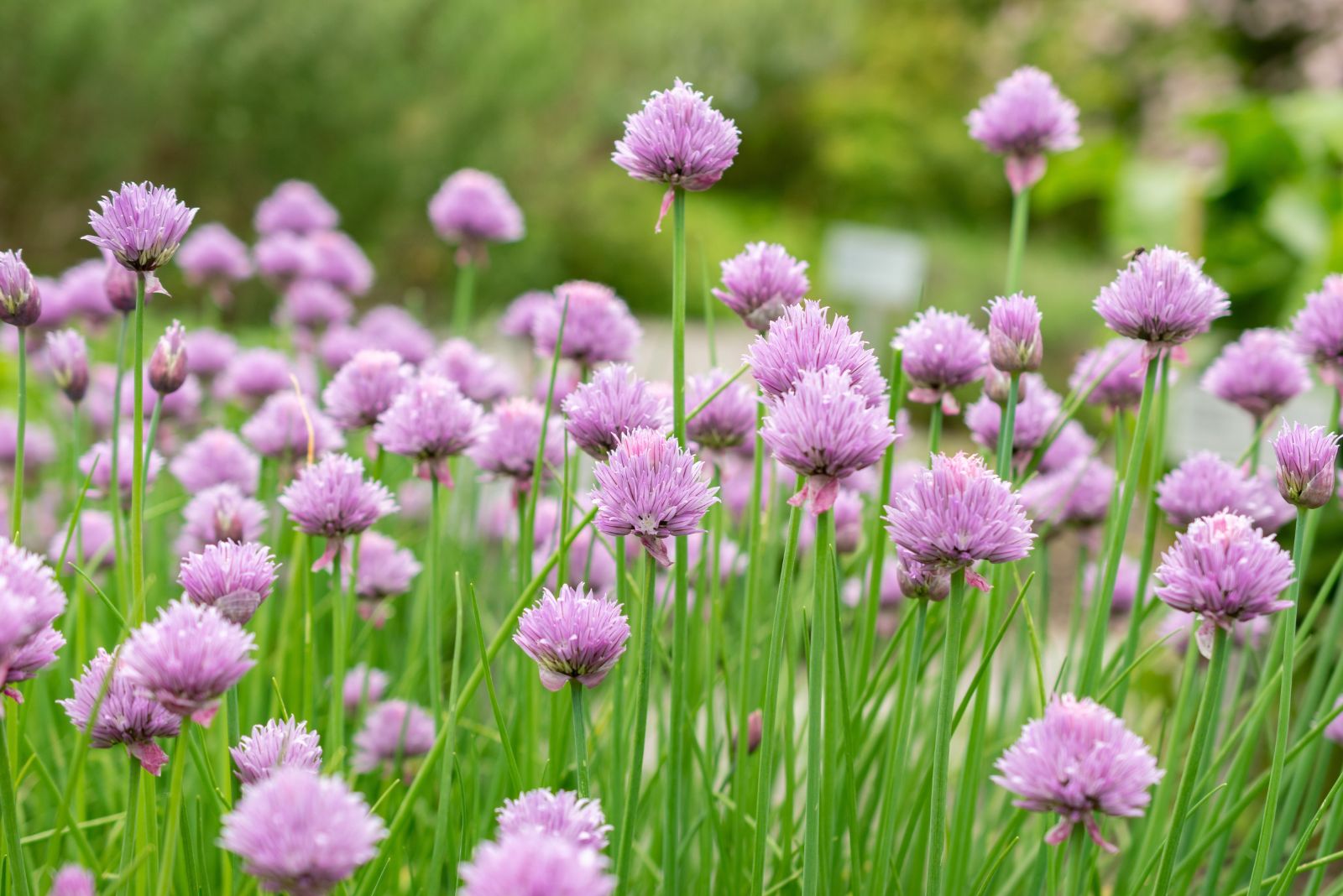
Every spring, like clockwork, chives push up through the soil before almost anything else in the garden. This perennial herb is one of the most reliable plants you can grow in Pennsylvania.
It may look like it has completely gone away during winter, but it is simply resting underground, waiting for warmer days to return. Once temperatures start to climb in late winter or early spring, chives come roaring back with minimal effort on your part.
Chives belong to the onion family and have a mild, pleasant flavor that works well in so many dishes. Sprinkle them over scrambled eggs, mix them into cream cheese, top a baked potato, or add them fresh to soups and salads.
Their hollow, grass-like leaves are easy to snip with scissors right from the garden whenever you need them. Growing chives in Pennsylvania is simple. They prefer full sun but tolerate partial shade.
Plant them in well-drained soil and water regularly during dry spells. You can start chives from seed or buy small transplants from a local nursery.
Once established, they spread slowly into larger clumps that you can divide every few years to keep them healthy and vigorous.
In late spring, chives produce pretty purple flowers that are also edible. Toss them in salads for a mild onion flavor and a pop of color.
These hardy little plants are a smart, low-maintenance addition to any Pennsylvania herb garden.
5. Thyme
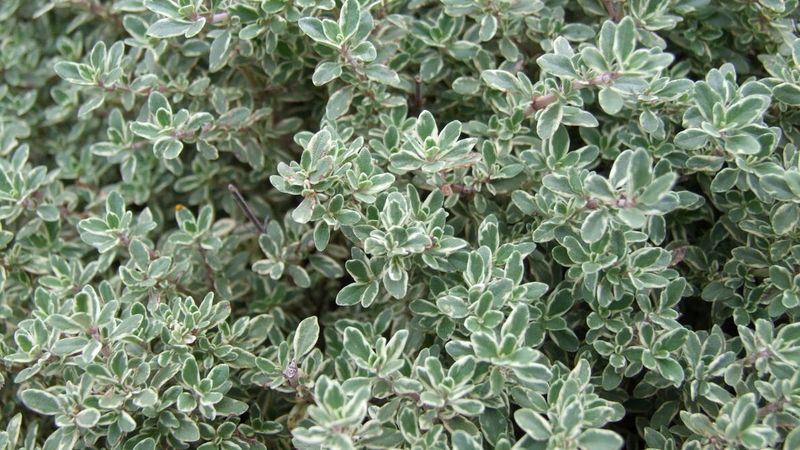
Tough, fragrant, and surprisingly resilient, thyme is one of the best perennial herbs for Pennsylvania gardens. While many herbs struggle through the state’s cold winters, thyme handles it with ease, especially when planted in well-drained soil.
Soggy roots are thyme’s biggest weakness, so raised beds or slightly sandy soil can make a huge difference in keeping it healthy through the colder months.
Thyme is a Mediterranean herb, which means it loves warmth and sunshine. In Pennsylvania, it thrives during the long summer months and continues growing well into fall.
Once temperatures drop, the plant slows down and may look a little ragged, but it almost always bounces back when spring arrives. Common thyme and lemon thyme are both excellent choices for Pennsylvania gardens.
Plant thyme in a sunny spot with good drainage. It does not need much fertilizer or water once it is established.
In fact, overwatering is one of the most common mistakes gardeners make with thyme. Let the soil dry out between waterings for the healthiest plants.
In the kitchen, thyme is endlessly useful. Add it to roasted chicken, soups, stews, marinades, and vegetable dishes.
Its earthy, slightly floral flavor deepens when cooked. Growing your own thyme in Pennsylvania means you always have fresh herbs ready to go, and you will never have to reach for a dried spice jar when fresh is so much better.
6. Mint
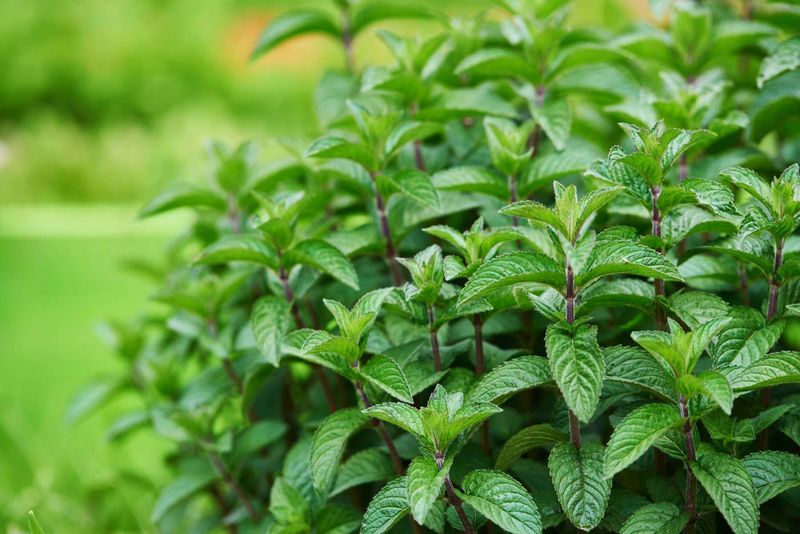
If there is one plant that refuses to give up, it is mint. This herb is almost impossible to stop once it gets going, and for Pennsylvania gardeners, that is mostly a good thing.
Mint dries back to the ground when temperatures drop in late fall, but every single spring, it returns with full force. No replanting, no special care, no worries. It just comes back, often spreading even wider than the year before.
Because mint spreads so aggressively through underground runners, most experienced gardeners recommend planting it in containers or using a buried pot to contain its roots. If you let it roam freely in a garden bed, it can quickly take over.
A simple solution is to sink a large pot into the ground and plant your mint inside it. This keeps the roots from spreading while still allowing the plant to look natural in your garden.
Mint thrives in partial shade and moist soil, which makes it a great option for spots in your Pennsylvania yard that do not get full sun all day. Water it regularly, especially during dry summer months, and it will reward you with an abundance of aromatic leaves.
Fresh mint is wonderful in iced tea, lemonade, mojitos, salads, and desserts. It also works great as a garnish or blended into sauces.
Growing mint in Pennsylvania is one of the easiest wins a gardener can have, season after season.
7. Oregano
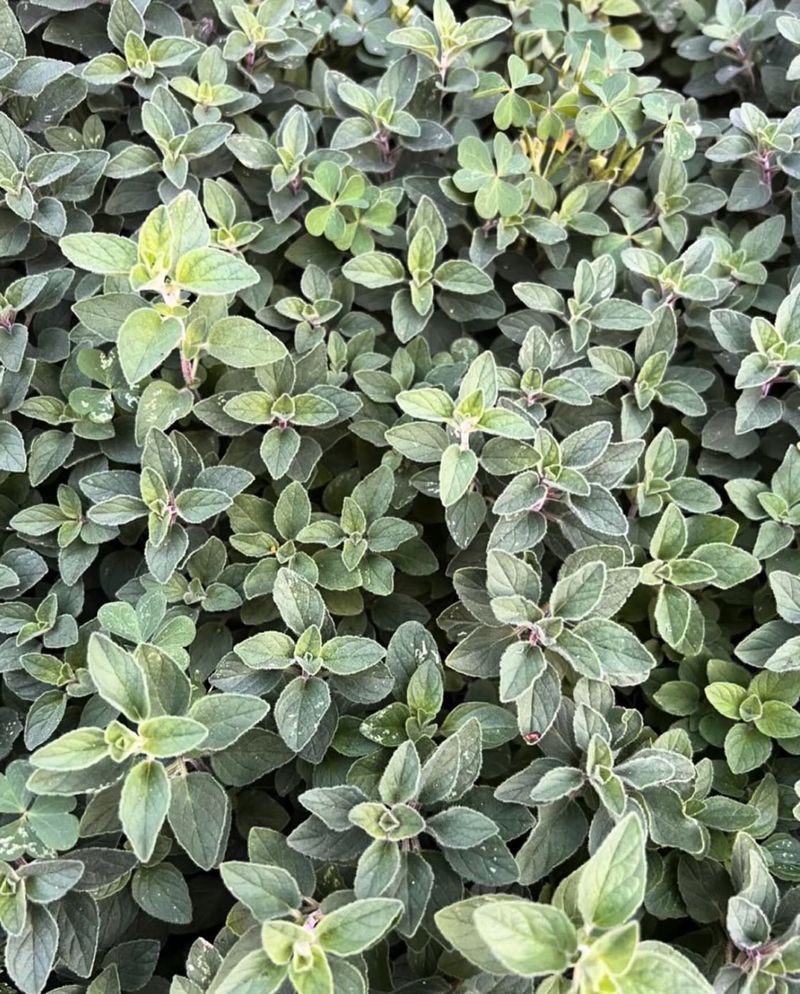
Ask any home cook in Pennsylvania what herb they use most, and oregano is likely near the top of the list. The good news is that this flavorful herb is also one of the most dependable perennials you can grow in the state.
Once oregano is established in your garden, it comes back every year without any fuss. It handles Pennsylvania winters well, especially in spots with good drainage and some shelter from harsh winds.
Greek oregano is the variety most commonly used in cooking and is also one of the hardiest options for Pennsylvania gardens. Its flavor is bold and aromatic, far more intense than the dried version you find in a grocery store.
Italian oregano is another solid choice with a slightly milder taste that works well in pasta sauces, pizzas, and grilled meats.
Plant oregano in a sunny location with well-drained soil. It does not need much water or fertilizer once it gets going.
In fact, oregano grown in leaner soil often develops a stronger, more concentrated flavor. Trim it back regularly during the growing season to keep the plant bushy and productive.
Before the first frost hits Pennsylvania each fall, give your oregano a light pruning and mulch around the base to protect the roots.
Come spring, new growth will appear from the base of the plant. Harvest leaves throughout the growing season and dry any extras to enjoy all winter long.
8. Rhubarb
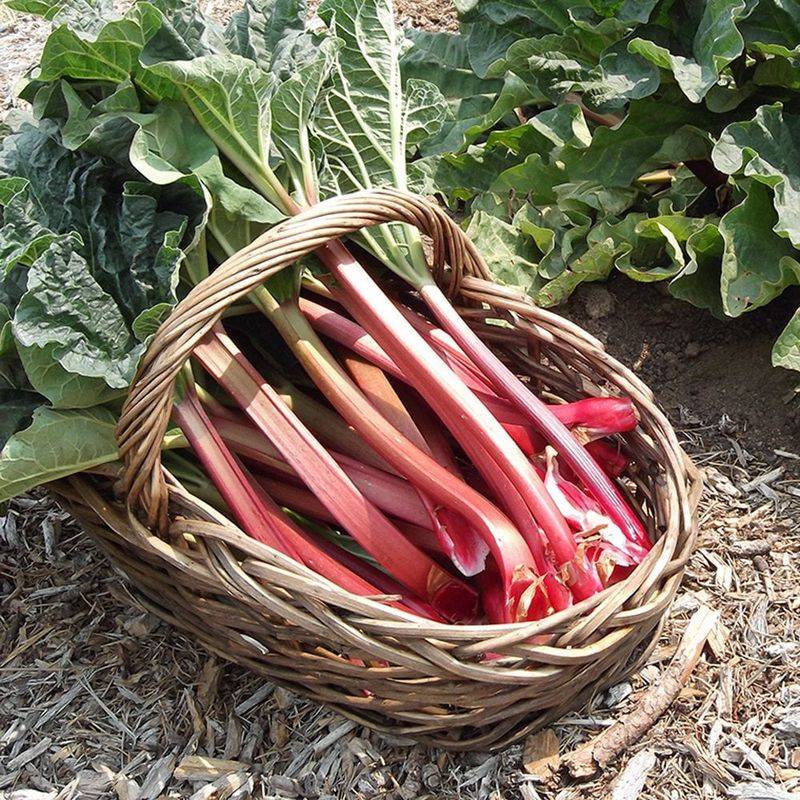
Rhubarb has been a staple in Pennsylvania gardens for generations, and for good reason. This cold-hardy perennial thrives in climates like Pennsylvania’s, where winters are cold enough to give the plant the dormancy period it needs to recharge.
Once established, a single rhubarb plant can keep producing for 10 to 15 years with very little attention. It is the kind of plant that rewards patient gardeners year after year.
Plant rhubarb crowns in early spring in a spot that gets full sun to partial shade. Give each plant plenty of room since they can spread two to four feet wide.
Rhubarb loves rich, well-composted soil and benefits from a layer of mulch to keep moisture in and weeds out. Water deeply but not too frequently, especially during dry Pennsylvania summers.
One important thing to know about rhubarb: only the stalks are edible. The leaves contain oxalic acid and should never be eaten.
Stick to the bright red or pink stalks, which have a tart, tangy flavor that pairs beautifully with sugar in pies, crumbles, jams, and sauces.
Do not harvest any stalks during the first year. Let the plant build up its root system so it can produce strong growth in the following seasons.
By year two or three, you will have a generous harvest every spring. Rhubarb is truly one of Pennsylvania’s most rewarding long-term garden plants.