Vegetables That Handle Piedmont Humidity Better Than Most In North Carolina
North Carolina’s Piedmont can make vegetable gardening feel like a battle once heat and humidity settle in. Some crops start strong in spring, then quickly run into trouble as the air turns heavy and diseases spread fast.
Leaves spot, vines wilt, and healthy plants can go downhill before harvest really gets going. That is why choosing vegetables that handle Piedmont conditions better than most can make such a big difference.
The toughest picks are often the ones that keep growing even when the weather feels sticky, wet, and hard on the garden. They are less likely to fall apart under pressure and more likely to keep producing when other crops struggle.
For gardeners who want better results without constant stress, this matters. The right vegetables can help a summer garden stay productive, healthier, and much more rewarding even during North Carolina’s most uncomfortable growing weather.
1. Okra Loves Heat And Humidity
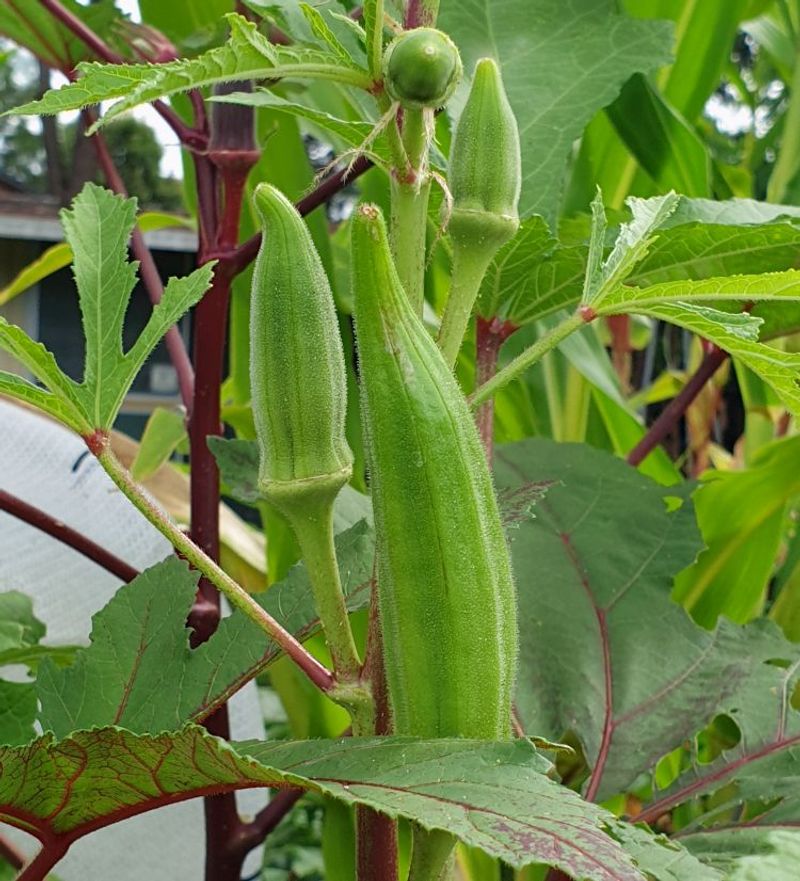
Few vegetables are as perfectly matched to North Carolina’s Piedmont summers as okra. While other plants slow down or struggle when July heat rolls in, okra just keeps going.
It almost seems to enjoy the punishment that sends other crops into survival mode.
Okra, known scientifically as Abelmoschus esculentus, originally comes from Africa and thrives in tropical and subtropical climates. That heritage makes it naturally comfortable in the Piedmont’s hot, humid air.
Once soil temperatures reach above 65 degrees Fahrenheit, okra takes off fast, growing several inches per week under the right conditions.
Plant okra in full sun and make sure your soil is warm before you put seeds in the ground. It does not like cold feet, and planting too early will slow its growth significantly.
Wait until late April or early May in the Piedmont for the best results.
One of the biggest advantages of growing okra here is its consistent production. Even when afternoon humidity feels unbearable, okra keeps pushing out pods every few days.
Harvest them when they are about three to four inches long for the best flavor and texture. Leave them too long and they get tough quickly.
For gardeners in the Piedmont who want a low-maintenance, high-reward crop, okra is a reliable choice that rarely disappoints through the hottest months.
2. Southern Peas Thrive In Hot, Humid Conditions
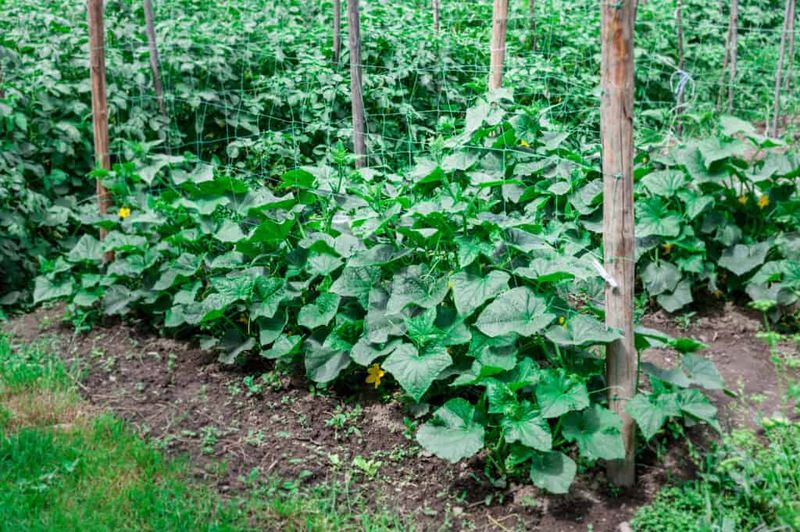
Southern peas have been feeding families across the American South for centuries, and there is a very good reason for that long history.
These tough, reliable plants were practically designed for the kind of sticky, hot summers that North Carolina’s Piedmont delivers year after year.
Scientifically called Vigna unguiculata, Southern peas include popular varieties like Black-Eyed Peas, Crowder Peas, and Cream Peas. All of them share an impressive ability to handle high heat and humidity without missing a beat.
While many other vegetables slow their production when temperatures climb into the 90s, Southern peas keep right on growing.
One of the most impressive things about this crop is how little water it needs compared to other vegetables.
Your North Carolina Garden Changes Every Week. Your Plan Should Too.
Gardening in North Carolina changes quickly throughout the season. Every Friday you’ll receive a simple weekly plan showing exactly what to plant, prune, fertilize, harvest, and protect so you never miss the right timing.
Southern peas have deep root systems that seek out moisture even during dry spells, making them great for Piedmont summers that sometimes swing between humid stretches and brief dry periods.
Beyond their toughness, Southern peas actually improve your garden soil over time. As legumes, they fix nitrogen from the air into the ground, naturally fertilizing the area for future plantings.
That means growing them is a double win for any Piedmont gardener.
Plant them in full sun after the last frost, give them some space to spread, and they will reward you with steady harvests well into late summer. They are one of the most dependable crops you can grow in this region.
3. Sweet Potatoes Handle Heat Better Than Most Crops
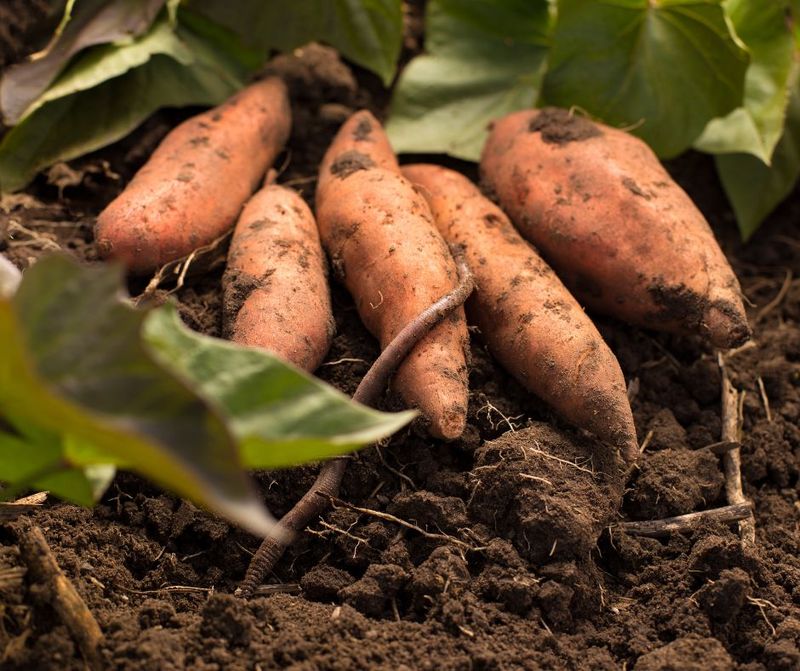
North Carolina is the number one sweet potato producing state in the entire country, and that title is no accident. Sweet potatoes absolutely love the long, hot, humid summers that the Piedmont region serves up from June through September.
Ipomoea batatas, the sweet potato, traces its roots back to tropical regions of Central and South America. That warm-weather heritage means it naturally thrives when conditions get hot and steamy.
Unlike many vegetables that start to struggle when humidity spikes, sweet potatoes use that warmth and moisture to fuel steady underground growth.
The Piedmont’s sandy loam soils, especially in areas transitioning toward the Coastal Plain, suit sweet potatoes beautifully. They prefer loose, well-drained soil that allows their roots to expand freely without rotting.
Avoid heavy clay without amendment, as compacted soil can restrict tuber development and reduce your harvest.
One practical tip for Piedmont gardeners is to plant sweet potato slips, not seeds, after soil temperatures reach at least 60 degrees Fahrenheit. This usually falls around mid-May in the region.
Give the vines room to spread because they will take over a bed quickly, which is actually a good sign of healthy growth.
By fall harvest time, usually around October, you will pull up beautifully formed tubers that stored all that summer energy underground. Few crops reward patience quite as generously as the sweet potato does in North Carolina.
4. Eggplant Thrives In Warm, Moist Air
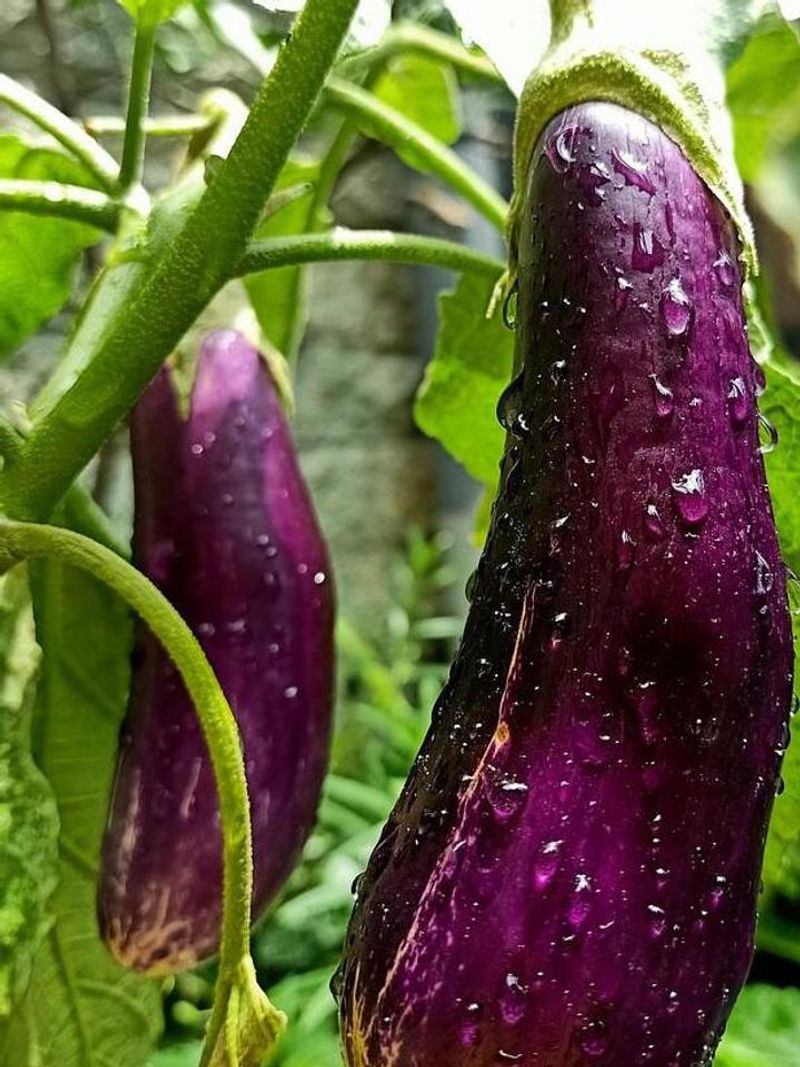
Eggplant is one of those vegetables that genuinely comes alive in the Piedmont’s summer weather. While tomatoes sometimes sulk when nights stay warm and humid, eggplant treats those same conditions like a welcome gift.
It is a vegetable that rewards gardeners who stick with warm-season growing in North Carolina.
Solanum melongena originally comes from South Asia and Southeast Asia, regions known for hot, wet, and humid climates.
That background gives eggplant a natural edge in the Piedmont, where summer nights rarely cool down much and daytime humidity can feel tropical.
Instead of stressing the plant, those conditions encourage strong, consistent fruit production.
One thing that sets eggplant apart from some other summer vegetables is its tolerance for warm nighttime temperatures. Tomatoes, for example, often drop their blossoms when nights stay above 75 degrees.
Eggplant handles those same warm nights without losing productivity, making it more reliable during peak Piedmont summer heat.
For best results, plant eggplant transplants in full sun after all frost risk has passed, typically around late April in the Piedmont.
Consistent moisture helps prevent bitter flavor in the fruit, so mulching around the base of the plant keeps soil from drying out too quickly between waterings.
Popular varieties like Black Beauty, Ichiban, and Fairy Tale all perform well in North Carolina. With a little attention to watering and fertilizing, eggplant will keep producing beautiful, glossy fruits well into September.
5. Hot Peppers Tolerate Heat And Humidity Well
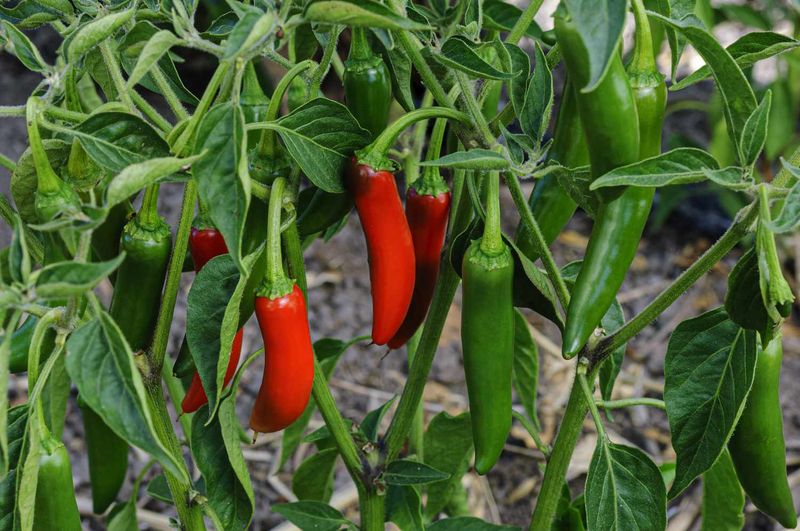
Hot peppers are one of the most heat-tolerant vegetables you can grow anywhere in the Piedmont, and they prove it every summer.
While the thick, sticky air slows down or stresses many other plants, hot peppers seem to find their stride right when conditions get uncomfortable for everything else.
Capsicum annuum includes a huge range of varieties, from mild Anaheims to blazing hot Cayennes and Habaneros.
All of them share a strong preference for warm temperatures and consistent humidity, which the North Carolina Piedmont delivers reliably from June through August. Once established, these plants handle the summer heat with impressive endurance.
One key to success with hot peppers in the Piedmont is getting transplants into the ground early enough to establish before peak summer heat arrives.
Aim for late April to early May, after the last frost date, so plants can build strong root systems before temperatures push into the upper 90s.
Full sun is non-negotiable for hot peppers. They need at least six to eight hours of direct sunlight daily to produce well.
Pair that sun requirement with good drainage, because while they enjoy humidity in the air, soggy roots will cause problems fast in North Carolina’s occasional heavy summer rainstorms.
The reward for meeting those basic needs is impressive. Hot pepper plants in the Piedmont often produce abundantly all the way through early fall, giving you plenty of fresh peppers for cooking, drying, or making your own hot sauce right at home.
6. Malabar Spinach Is Built For Humid Summers
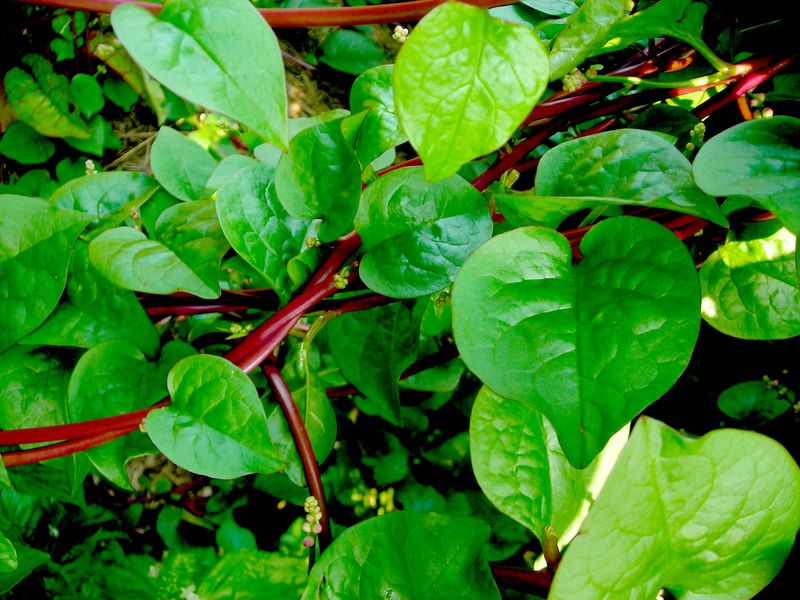
Regular spinach and North Carolina’s Piedmont summer do not get along well. Traditional spinach bolts quickly when temperatures rise, leaving gardeners without leafy greens just when salads sound most refreshing.
Malabar spinach solves that problem beautifully, thriving in exactly the conditions that send regular spinach running.
Basella alba, commonly called Malabar spinach, is actually not related to true spinach at all. It is a vigorous climbing vine that originates from tropical Asia and Africa.
That tropical background makes it perfectly suited for the Piedmont’s steamy summers, where heat and humidity fuel fast, lush growth rather than slowing the plant down.
The leaves are thick, glossy, and slightly succulent, which helps the plant retain moisture and stay productive even during hot stretches. They taste mild and slightly mucilaginous, similar to regular spinach, making them great for stir-fries, soups, and salads.
The texture holds up better in cooked dishes than traditional spinach does.
Growing Malabar spinach in the Piedmont is straightforward. Give it a trellis, fence, or other support to climb, full sun or partial shade, and consistent moisture.
It grows quickly once warm weather arrives, sometimes reaching six feet or more in a single season. Starting seeds indoors about four weeks before the last frost gives it a head start.
For anyone who loves fresh greens but struggles to grow them in summer, Malabar spinach is a revelation. North Carolina’s heat is its superpower, not its weakness.
7. Lima Beans Prefer Warm, Humid Conditions
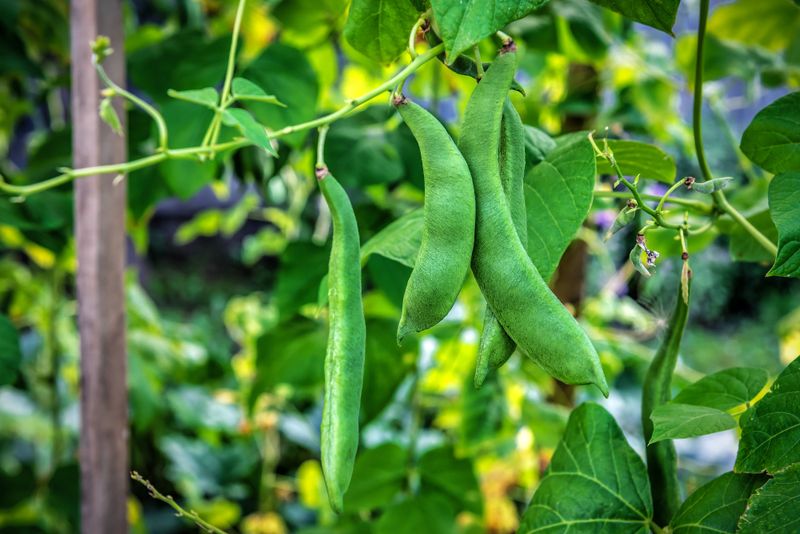
Lima beans have a reputation for being fussy, but in North Carolina’s Piedmont, they actually find conditions close to ideal. The warm soil, humid air, and long summer growing season line up almost perfectly with what this crop needs to produce a satisfying harvest.
Phaseolus lunatus, the lima bean, traces its origins to tropical regions of Central America, where warm and humid growing conditions are the norm. That background helps explain why lima beans do better in the Piedmont than in cooler, drier climates further north.
They genuinely prefer the warmth that North Carolina summers bring.
Soil temperature is one of the most important factors for lima bean success. Seeds planted in cold soil will rot before they sprout, so waiting until soil reaches at least 65 degrees Fahrenheit is essential.
In the Piedmont, that usually means planting from mid-May through early June for the best germination rates.
Unlike green beans, lima beans need a longer growing season to fully develop their pods. Bush varieties typically mature in about 65 to 75 days, while pole varieties take a bit longer but produce more over time.
Both types perform well in Piedmont gardens when given full sun and well-drained soil.
Humidity actually helps lima beans set pods more reliably than in dry climates, where heat stress can cause blossom drop.
That means the Piedmont’s thick summer air works in your favor here, giving you more consistent production from midsummer all the way through early fall harvests.