10 Simple Steps To Grow Basil From Seed In Virginia
Basil changes everything. One handful can take a simple dish and make it feel intentional, fresh, and a little bit addictive.
In Virginia, it thrives like it belongs here. Warm days, steady sun, and just enough humidity give basil exactly what it wants.
Start from seed, and it doesn’t take long, those tiny sprouts push up fast and turn into full, leafy plants before you know it.
There’s something different about cutting basil you grew yourself. It’s stronger, more fragrant, and always within reach.
It keeps producing all summer if you keep picking it.
Basil is low effort, high reward. A little attention goes a long way, and once it gets going, basil doesn’t hold back.
Here is how to do it step by step and enjoy a steady, flavorful harvest all season long.
1. Choose The Right Basil Variety For Virginia’s Climate
Not all basil is the same, and picking the right variety can make a huge difference in how well your plants grow. Sweet basil is the most popular choice and thrives beautifully in Virginia’s warm, humid summers.
Genovese basil is another fan favorite, known for its large, fragrant leaves that are perfect for making pesto.
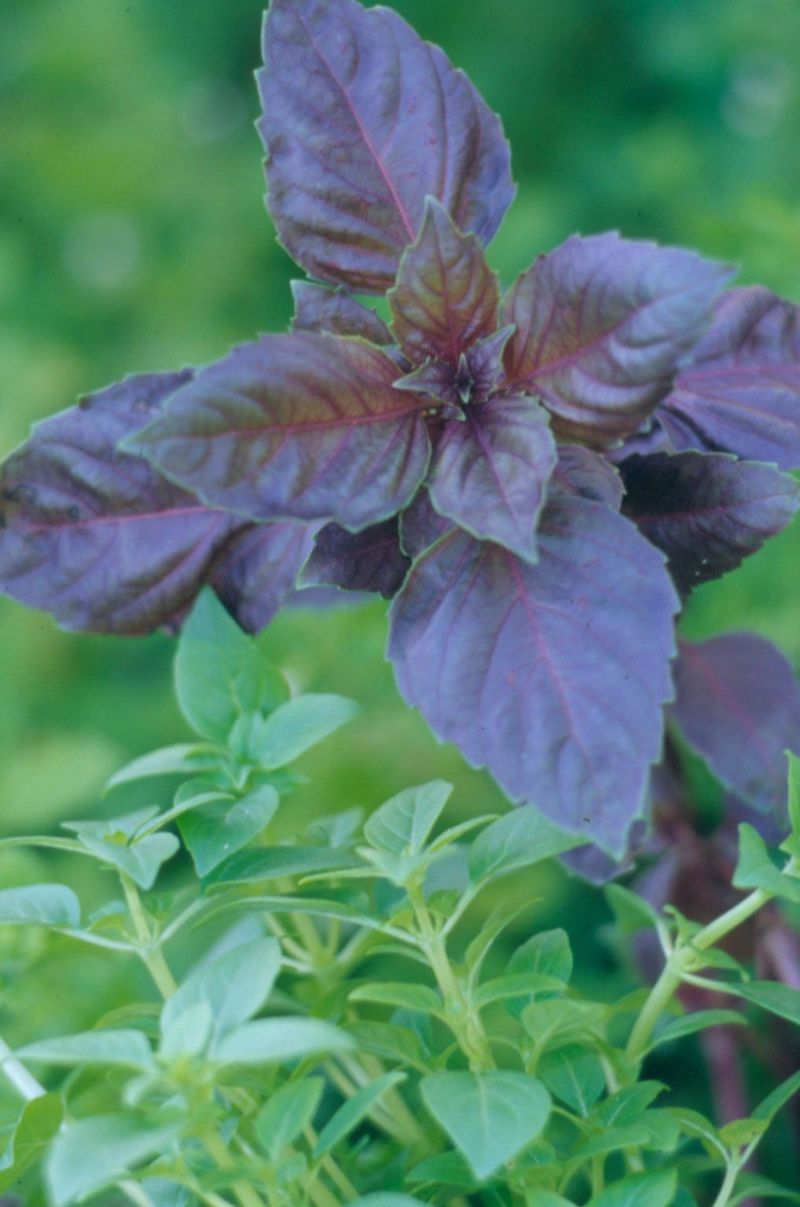
Thai basil handles heat really well, which is great for Virginia’s mid-summer temperature spikes. Purple basil adds a gorgeous pop of color to your garden while still delivering that classic basil flavor.
Lemon basil is a fun, citrusy option that pollinators absolutely love.
Virginia’s growing season runs roughly from late spring through early fall, giving most basil varieties plenty of time to mature. Checking your local nursery or seed catalog for varieties labeled as heat-tolerant is a smart move.
Starting with the right variety means less work later and a much bigger harvest for your kitchen.
2. Gather Your Seed-Starting Supplies Before You Begin
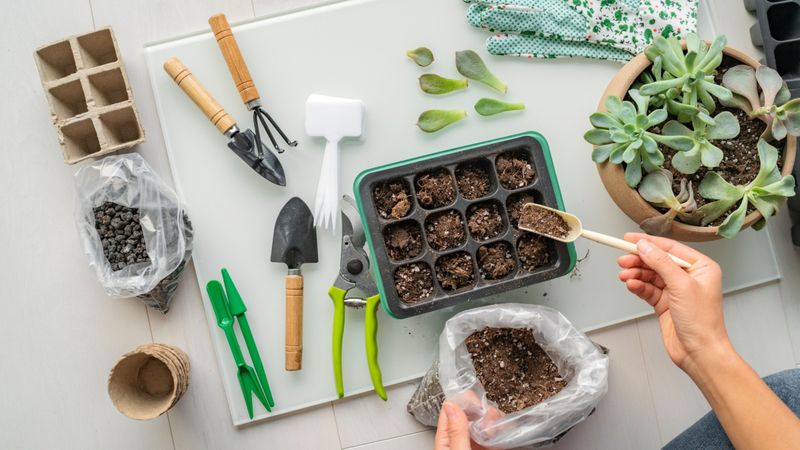
Before you plant a single seed, having the right supplies ready will save you a lot of headaches down the road.
You will need seed-starting trays or small pots, a high-quality seed-starting mix, basil seeds, a spray bottle or gentle watering can, and clear plastic wrap or a humidity dome.
Seed-starting mix is lighter and drains better than regular garden soil, which is exactly what tiny basil seedlings need to sprout successfully. Avoid using heavy potting soil or outdoor garden soil for starting seeds indoors, as it tends to compact and suffocate young roots.
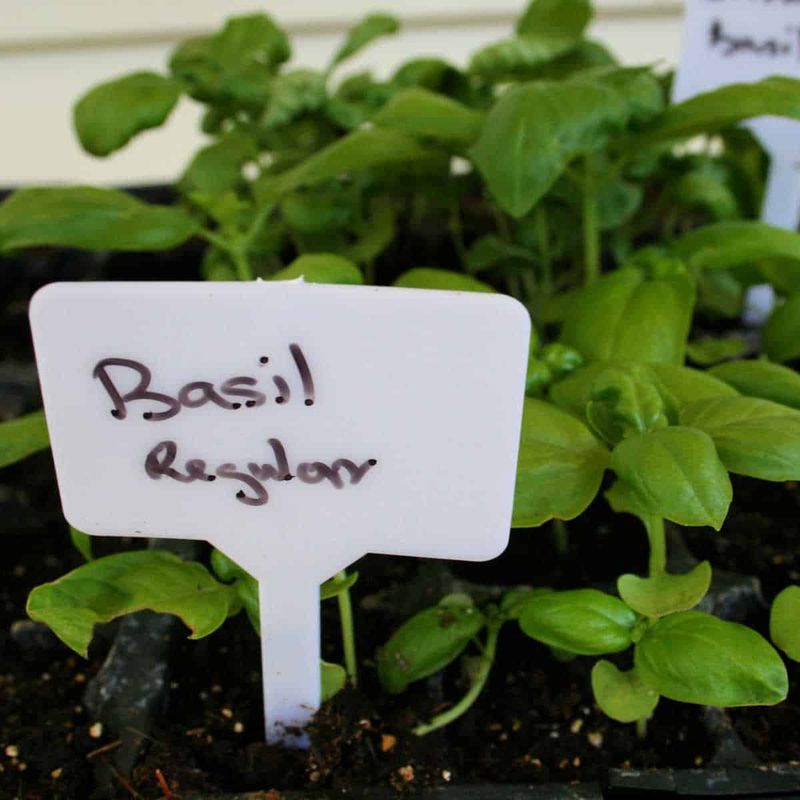
Labels are also a handy tool, especially if you plan to grow multiple basil varieties at once. It is easy to forget which tray holds which variety once the seedlings start sprouting and looking alike.
A simple permanent marker and a plastic label stick can save a lot of confusion later. Getting organized before you start makes the whole process smoother and more enjoyable from day one.
3. Time Your Planting Around Virginia’s Last Frost Date
Timing is everything when it comes to growing basil from seed. Basil is extremely sensitive to cold temperatures and will struggle if exposed to frost or even cool nights below 50 degrees Fahrenheit.
Your Virginia Garden Changes Every Week. Your Plan Should Too.
Gardening in Virginia changes quickly throughout the season. Every Friday you’ll receive a simple weekly plan showing exactly what to plant, prune, fertilize, harvest, and protect so you never miss the right timing.
Virginia’s last frost date varies by region, typically falling between late March and mid-May depending on where you live in the state.
In northern part of the state, the last frost often comes in mid-April, while gardeners in the southwestern mountains near the Appalachians may need to wait until mid-May. Coastal areas closer to the Chesapeake Bay tend to warm up faster, giving those gardeners a head start.
Starting your basil seeds indoors about four to six weeks before your last expected frost date is the safest approach. This gives your seedlings time to develop strong roots before they ever face the outdoor elements.
The Old Farmer’s Almanac and the Virginia Cooperative Extension both offer free frost date tools by zip code. Planning around your local frost date is one of the most important steps to getting a strong, healthy basil crop.
4. Plant Your Seeds At The Correct Depth And Spacing
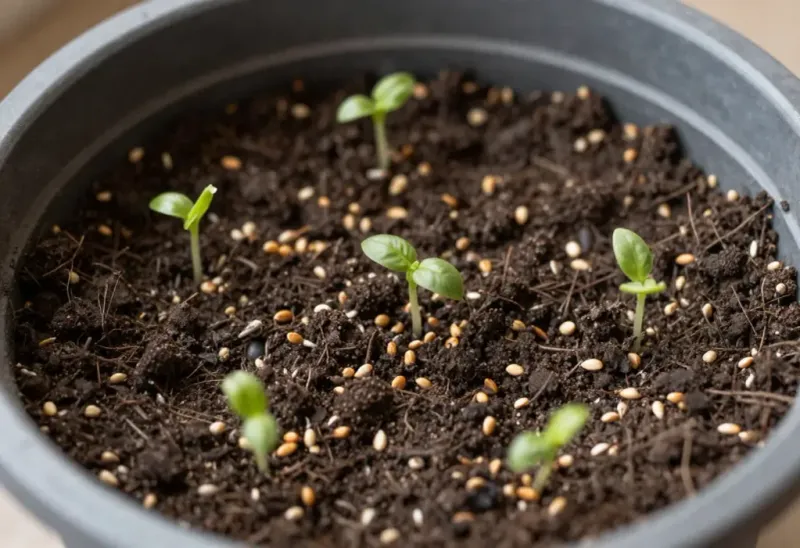
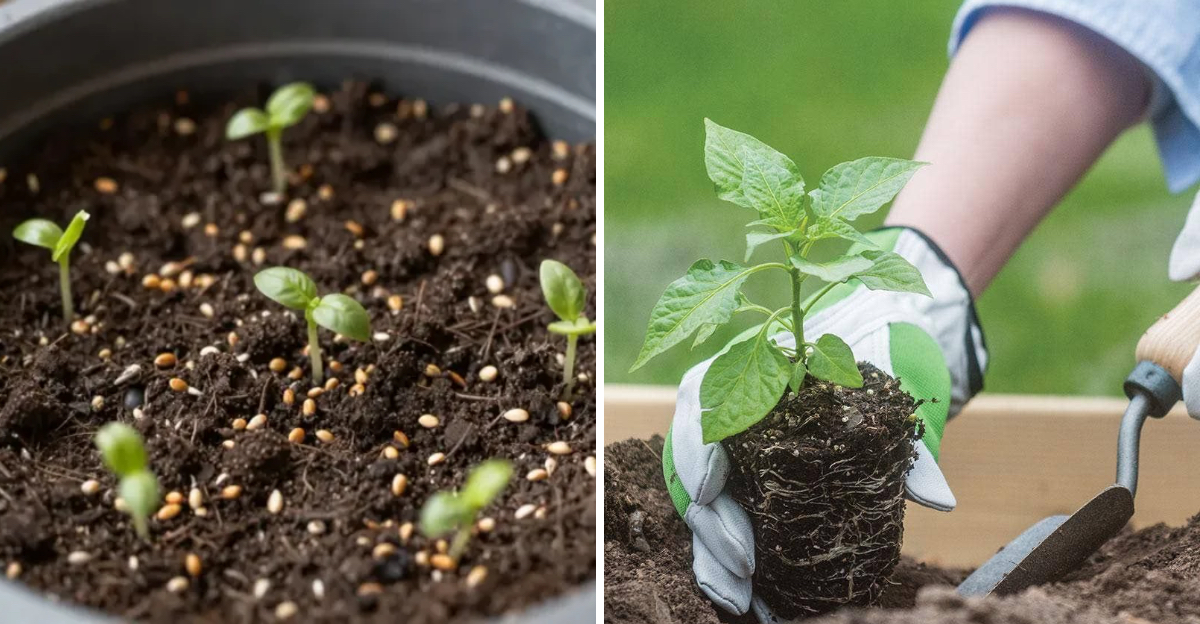
Planting depth might seem like a small detail, but it plays a big role in how quickly and reliably your basil seeds sprout. Basil seeds are tiny and should only be planted about one-quarter inch deep in your seed-starting mix.
Planting too deep can prevent the seeds from getting the light they need to germinate properly.
Place two to three seeds per cell or small pot to increase your chances of getting at least one strong seedling per spot.
Once the seedlings sprout and grow their first true leaves, you can thin them down to one healthy plant per cell by snipping the extras with small scissors rather than pulling them out.
Spacing matters even at the seed-starting stage because overcrowded seedlings compete for light and air circulation, which can lead to weak growth.
Gently pressing the seeds into the surface of the mix and then covering them lightly with a thin layer of additional mix works really well.
In Virginia’s warm indoor environments during spring, basil seeds often sprout within five to ten days when conditions are right.
5. Provide Warmth And Moisture For Fast Germination
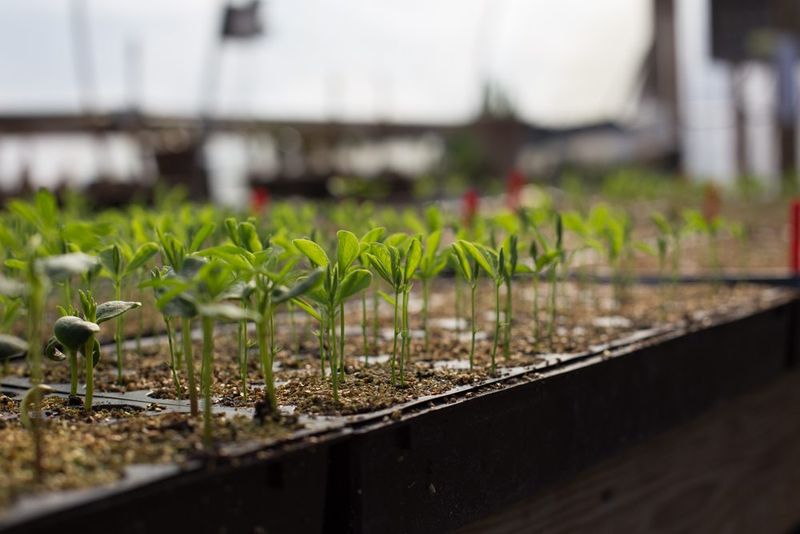
Basil seeds are drama queens when it comes to temperature. They absolutely love warmth and will sprout much faster when the soil temperature stays between 70 and 80 degrees Fahrenheit.
A seedling heat mat placed under your seed tray is one of the best investments a gardener can make for starting basil indoors.
Covering your tray with a clear plastic humidity dome or even plastic wrap traps heat and moisture, creating a mini greenhouse environment that speeds up germination. Check the tray daily and mist the surface with a spray bottle whenever the top of the soil feels dry to the touch.
Avoid letting the soil dry out completely, but also avoid waterlogging it, as soggy soil can cause seeds to rot before they even get a chance to sprout. Once you see tiny green sprouts poking through the surface, remove the dome to allow air circulation.
Keeping the seedlings warm and moist during this early stage sets the foundation for vigorous, healthy basil plants that will thrive in summer garden.
6. Give Your Seedlings Plenty Of Light To Grow Strong
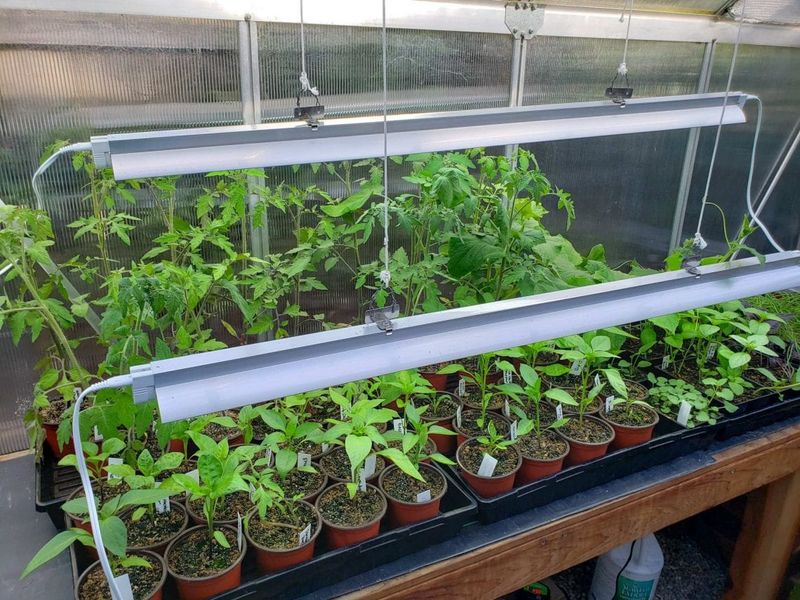
Light is the secret weapon behind strong, compact basil seedlings. Without enough light, young basil plants stretch out and become leggy, which means they grow tall and spindly instead of short and bushy.
A south-facing window in your Virginia home can work well, but adding a grow light makes an enormous difference in seedling quality.
LED grow lights are energy-efficient, affordable, and easy to set up, making them a popular choice among home gardeners across Virginia. Aim to give your basil seedlings at least fourteen to sixteen hours of light per day during the indoor growing phase.
Setting a timer for your grow light takes the guesswork out of the process completely.
Keep the light source close to the seedlings, about two to four inches above the tops of the plants, to prevent stretching. As the seedlings grow, raise the light to maintain that distance.
Rotating your trays every couple of days also helps ensure all sides of the seedlings receive even light exposure. Strong, well-lit seedlings transplant much more successfully when it is time to move them outdoors into warm spring garden.
7. Water Properly To Keep Your Basil Healthy And Happy
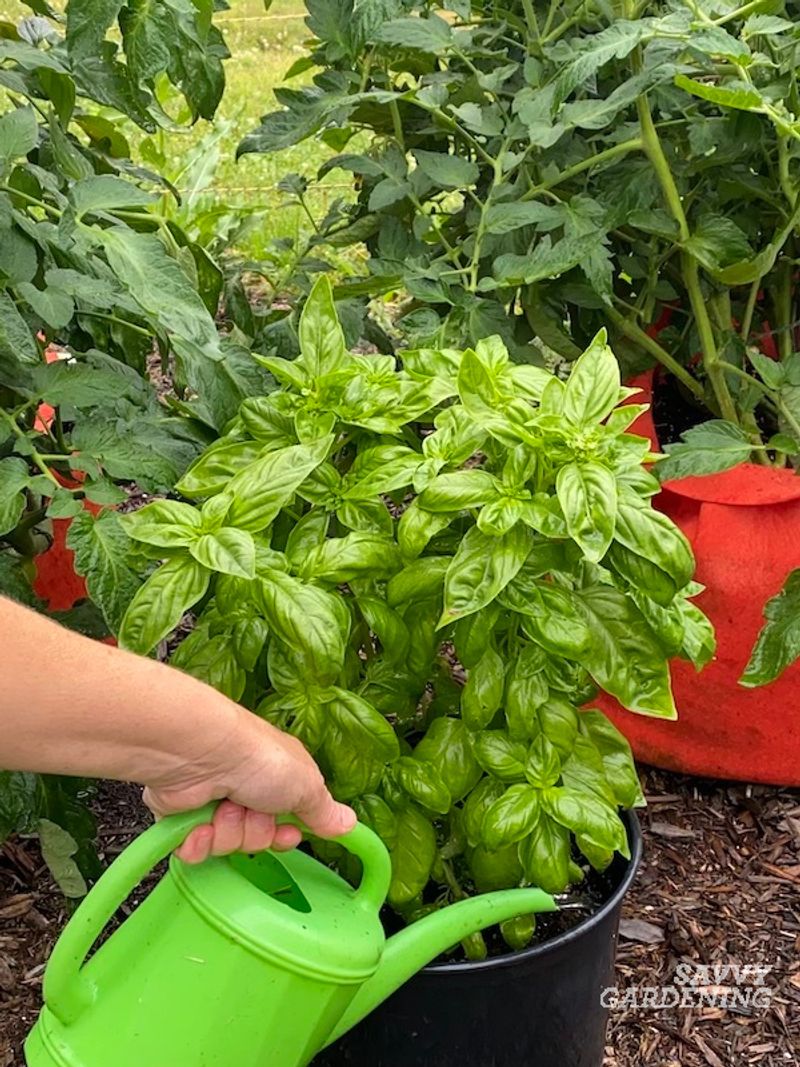
Watering basil correctly is one of those skills that sounds simple but takes a little practice to get just right. Basil likes consistently moist soil, but it absolutely cannot tolerate sitting in waterlogged conditions for long periods of time.
Overwatering is actually one of the most common mistakes new gardeners make with basil, both indoors and outdoors.
Water your basil at the base of the plant rather than from overhead to keep the leaves dry and reduce the risk of fungal issues. In Virginia’s hot and humid summers, checking your basil every day or two is a good habit, especially during dry spells.
Stick your finger about an inch into the soil. If it feels dry, it is time to water.
Using a watering can with a gentle rose head attachment helps deliver water slowly and evenly without disturbing the roots or splashing soil onto the leaves. Mulching around outdoor basil plants with straw or wood chips helps the soil retain moisture between watering sessions.
Good watering habits from the start will reward you with lush, productive basil plants all through Virginia’s growing season.
8. Harden Off Your Seedlings Before Moving Them Outside
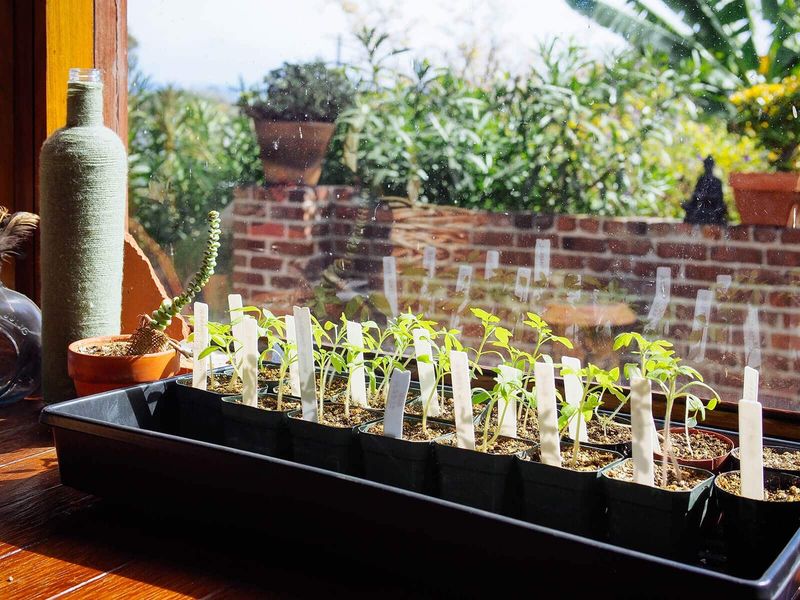
One of the biggest mistakes gardeners make is moving their seedlings directly from a cozy indoor environment to the full outdoor conditions without any transition period.
Basil seedlings that skip hardening off often go into shock, turning yellow or wilting dramatically within the first day or two outside.
Hardening off simply means gradually introducing your plants to outdoor conditions over one to two weeks.
Start by placing your seedlings outside in a sheltered spot with indirect light for just an hour or two on the first day. Each day, increase the time outdoors and slowly expose them to more direct sunlight.
Bring them back inside at night if temperatures in Virginia are still dipping below 55 degrees Fahrenheit.
By the end of the hardening-off period, your basil seedlings should be spending full days outside and tolerating direct sun without any signs of stress. This gradual process builds up the plant’s tolerance for wind, temperature changes, and intense sunlight.
Taking this extra step pays off hugely once your basil is finally planted in the ground, making for a much smoother and more successful transition into Virginia’s outdoor garden.
9. Transplant Your Basil Into The Garden Or Containers
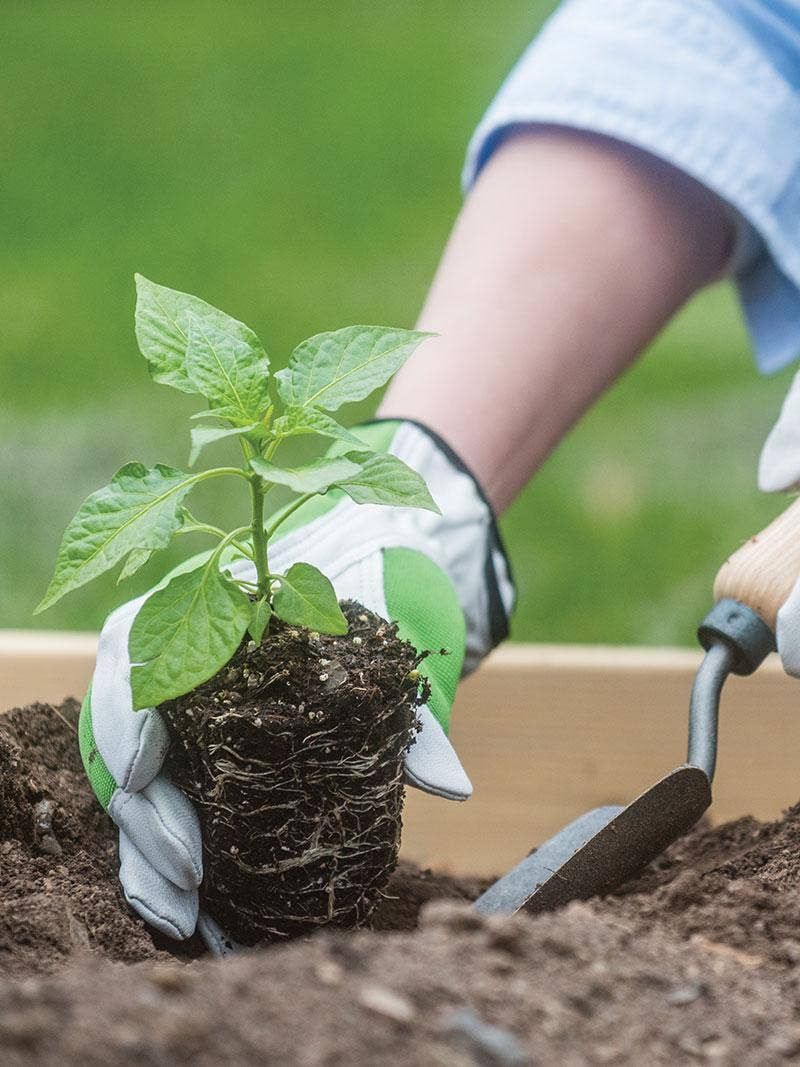
Transplanting day is genuinely exciting because it means your basil is one big step closer to your dinner plate. Wait until nighttime temperatures are consistently above 55 degrees Fahrenheit before moving your seedlings into the garden, which is usually safe from late May onward in most parts of the state.
Choose a spot that receives at least six to eight hours of full sun per day, as basil is a sun-loving herb that performs best with plenty of direct light. Amend your garden bed with compost before planting to give your basil a nutrient-rich start.
Space your transplants about twelve to eighteen inches apart to allow for good air circulation as the plants mature.
Containers work just as well as garden beds for growing basil in Virginia, making it a flexible option for gardeners with limited space. Use a pot that is at least eight to twelve inches deep with drainage holes at the bottom.
Water your transplants gently after planting and keep the soil evenly moist for the first week or two while the roots settle into their new home. A good start at transplanting means faster growth and bigger harvests ahead.
10. Harvest Often To Keep Your Basil Bushy And Productive
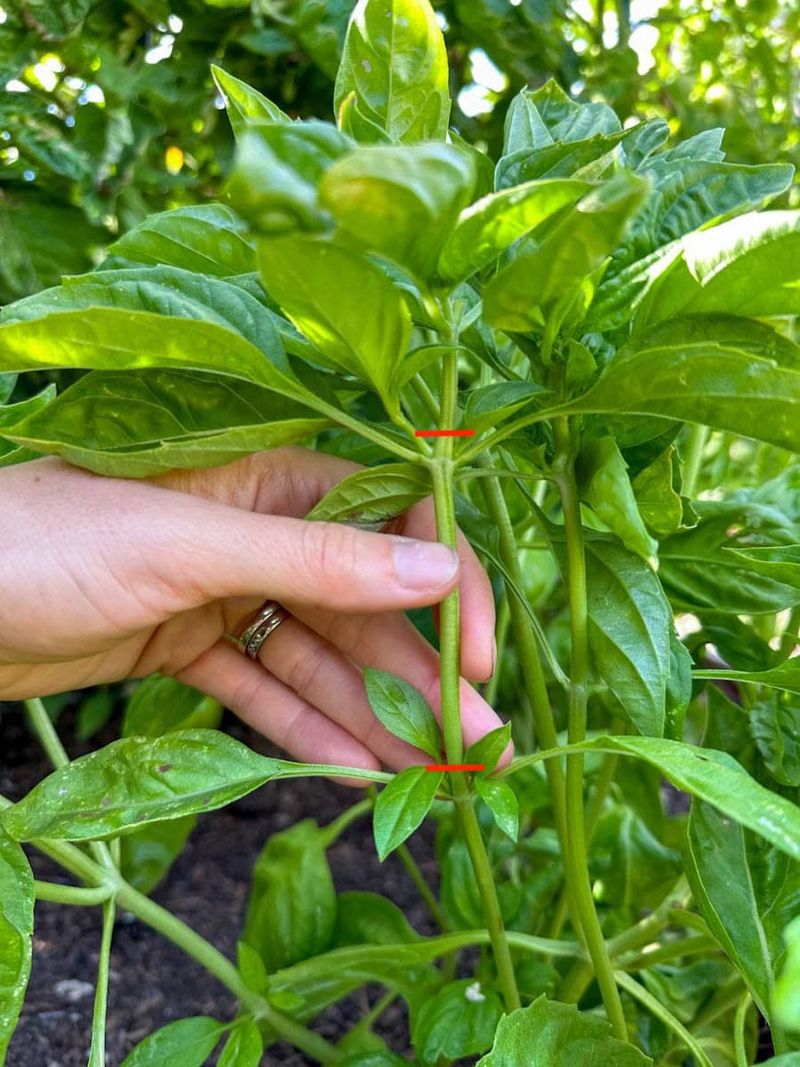
Here is something that surprises a lot of new gardeners: the more you harvest basil, the more it grows. Regular harvesting encourages the plant to branch out and produce more leaves instead of putting all its energy into flowering.
Once your basil plant reaches about six to eight inches tall, it is ready for its first harvest.
Always pinch or cut stems just above a pair of leaves rather than pulling leaves off randomly. This technique encourages two new stems to grow from that spot, doubling your future harvest with every cut.
If you notice flower buds forming at the tops of your plants, pinch those off right away to keep the plant focused on leaf production.
In long, warm summers, a well-maintained basil plant can produce fresh leaves from late spring all the way through September or even October in warmer years. Harvesting in the morning after the dew has dried is the best time, as the leaves are at their most flavorful then.
Fresh Virginia-grown basil can be used immediately, stored in a glass of water on your counter, or preserved by freezing or making pesto for year-round enjoyment.