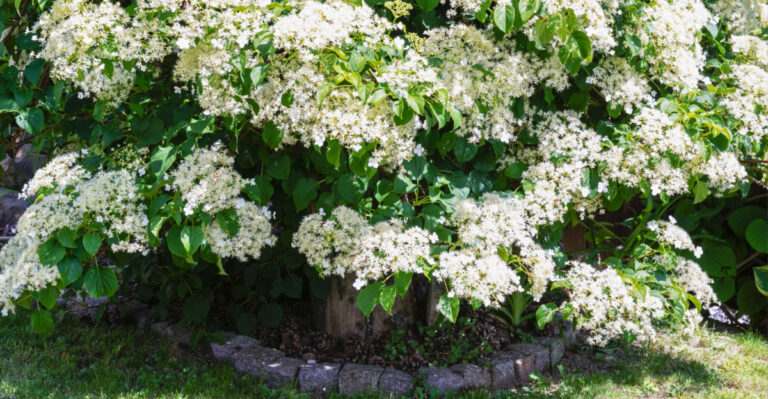
How To Identify Winter Damage On Crape Myrtles In North Carolina Gardens

Crape myrtles are a favorite in many North Carolina gardens, known for their bright blooms and smooth bark that stands out in every season. When winter passes, it is exciting to look for new growth, but sometimes these trees do not bounce back as expected.
Cold weather can leave behind signs that are easy to miss if you are not sure what to look for. Some branches may stay bare longer than usual, while others might look dry or discolored.
It can be confusing to tell the difference between a plant that is just slow to wake up and one that has been affected by winter conditions. Taking a closer look at the bark, buds, and stems can reveal important clues.
Once you know how to spot these signs, you can take the right steps to help your crape myrtles stay healthy and strong through the seasons.
1. Delayed Or Uneven Leaf-Out In Early Spring
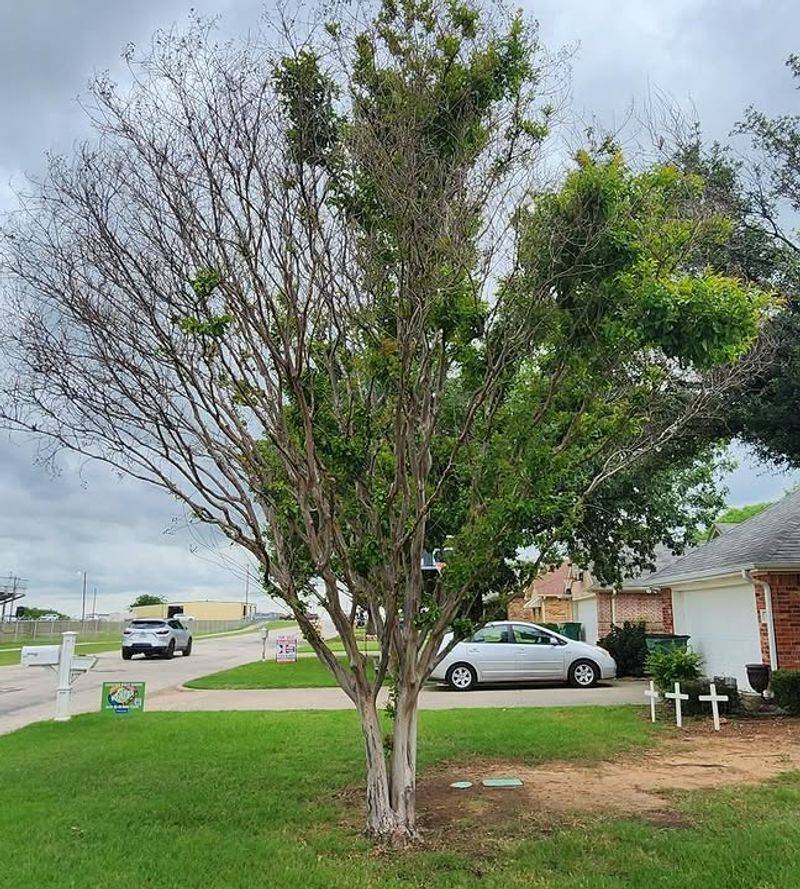
Something feels off when your neighbor’s crape myrtle is already bursting with fresh green leaves and yours is still sitting bare in April.
In North Carolina, healthy crape myrtles typically begin leafing out sometime in mid to late April, especially in the warmer Piedmont and Coastal Plain regions.
When some branches leaf out while others stay bare, that unevenness is one of the clearest early signals of cold stress.
Walk around your tree slowly and look at every major branch. Notice whether new growth appears at the tips or only near the base.
Branches that remain bare weeks after surrounding ones have leafed out are likely struggling to recover from winter injury, and that pattern tells you exactly where the damage is concentrated.
In the Mountains and northern Piedmont areas of North Carolina, delayed leaf-out is even more common after harsh winters with repeated freeze-thaw cycles.
Do not rush to conclusions in early April, though, since crape myrtles are naturally among the last trees to wake up in spring.
Give it until early May before making any firm decisions. Comparing your tree to others in the neighborhood is a smart and practical way to gauge whether the delay is normal or something worth investigating further.
2. Brittle Or Dry Branch Tips That No Longer Show Growth
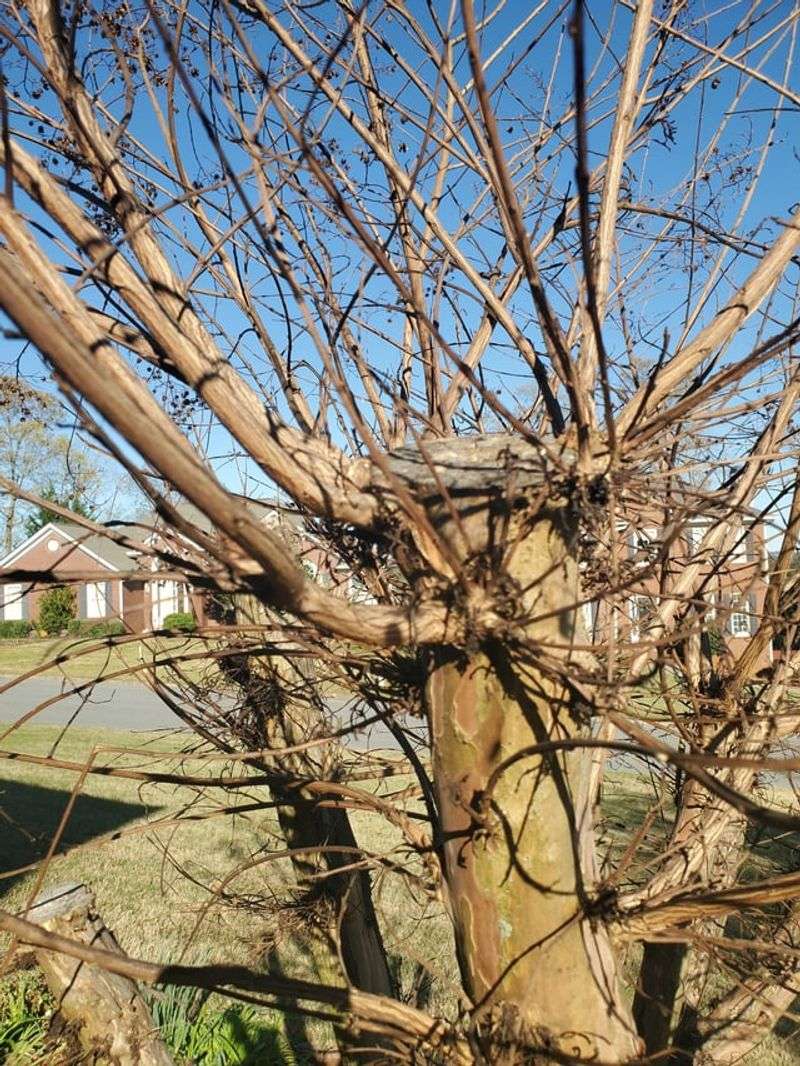
Snap a small branch tip between your fingers and pay close attention to what happens next. A healthy crape myrtle branch bends slightly before breaking, and the inside looks moist and pale green or cream-colored.
A branch tip damaged by winter cold will snap cleanly and quickly, with dry, tan, or grayish wood inside that crumbles rather than bends.
North Carolina winters can bring sudden hard freezes following warm spells in January and February, and that fluctuation is especially rough on tender branch tips.
The outermost growth on crape myrtles is the most vulnerable because it has the least protection from bark tissue.
After a rough winter, you may find that the top third of your tree feels completely rigid and dry when you try to flex it.
Your North Carolina Garden Changes Every Week. Your Plan Should Too.
Gardening in North Carolina changes quickly throughout the season. Every Friday you’ll receive a simple weekly plan showing exactly what to plant, prune, fertilize, harvest, and protect so you never miss the right timing.
Before you start removing branches, wait patiently through April and into early May. Sometimes a branch that looks completely unproductive will surprise you with a small bud pushing through near a node.
Check multiple spots along each branch rather than judging the whole thing by its tip. Working from the outer ends inward, you can gradually identify exactly how far back the viable growth starts.
This careful approach helps you avoid removing sections that might still contribute to the tree’s recovery this season.
3. Bark Splitting Or Cracking After Temperature Swings
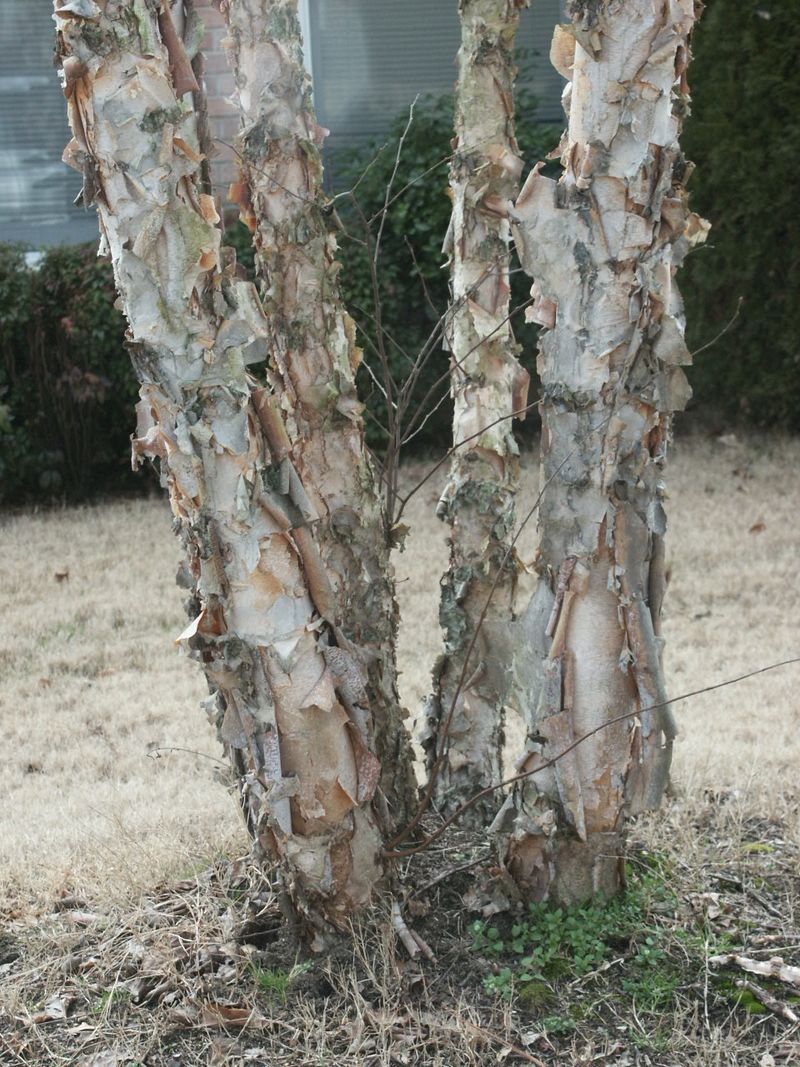
Picture this: overnight temperatures drop below 20 degrees Fahrenheit, then climb back into the 50s by midday two days later. That kind of dramatic swing is not unusual in North Carolina, and it puts serious mechanical stress on the bark of crape myrtles.
As the wood inside the trunk expands and contracts rapidly, the outer bark cannot always keep up, causing it to crack or split along the surface.
Bark splitting most often appears on the lower trunk and main scaffold branches, where the wood is thicker and holds more moisture. Look for long vertical cracks running up the trunk or places where the bark seems to be pulling away from the wood beneath it.
In some cases, you might also notice areas where the bark looks slightly sunken or discolored compared to the healthy sections nearby.
This kind of damage is more common in younger crape myrtles and in trees planted in open, exposed areas of North Carolina gardens where wind chill adds extra stress. While bark splits can look alarming, many trees recover well if the damage is not too deep.
Avoid peeling back loose bark, since the tree will naturally work to seal the wound over time. Keeping the tree well-watered during spring and avoiding fertilizer until new growth is established helps support that healing process.
4. Lack Of New Growth On Upper Branches
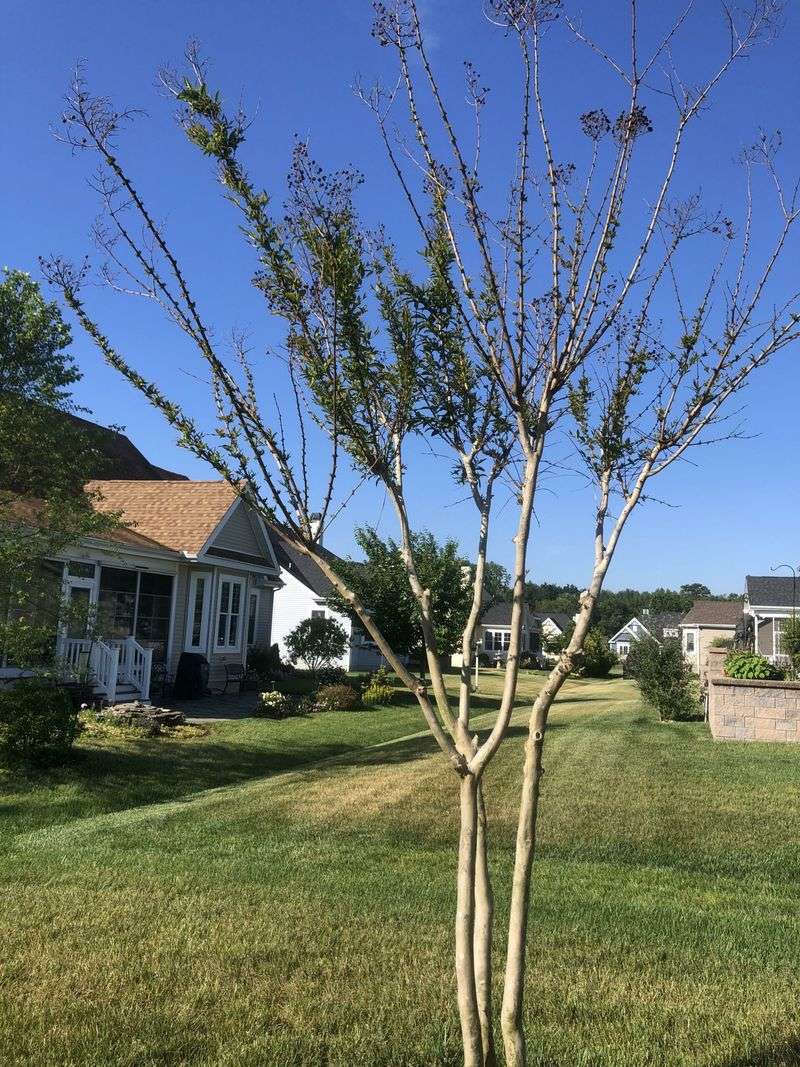
Cold air sinks, but wind and exposure at the top of a tree can create a very different kind of problem for crape myrtles.
In open Piedmont landscapes and higher elevations in the North Carolina Mountains, the upper canopy of a crape myrtle takes the hardest hits from freezing winds and low overnight temperatures.
By late April, the difference between healthy upper growth and cold-stressed upper branches becomes very obvious.
Stand back and look at your tree from a distance first. If the lower half looks full and green while the upper branches look gray, bare, and stiff, that visual contrast is a strong indicator that winter cold worked its way into the most exposed sections.
Upper branch dieback is one of the most common patterns gardeners across North Carolina notice after winters with extended cold snaps.
Keep a close eye on those upper branches through the first two weeks of May before deciding what to do. New buds can emerge from unexpected spots on branches that looked completely unproductive just weeks earlier.
If growth does not appear by mid-May, those sections likely will not recover on their own this season.
Removing unproductive upper branches at that point encourages the tree to channel its energy into the healthy lower growth, which sets up a stronger and fuller canopy by summer blooming season.
5. Soft Or Discolored Wood Beneath The Bark
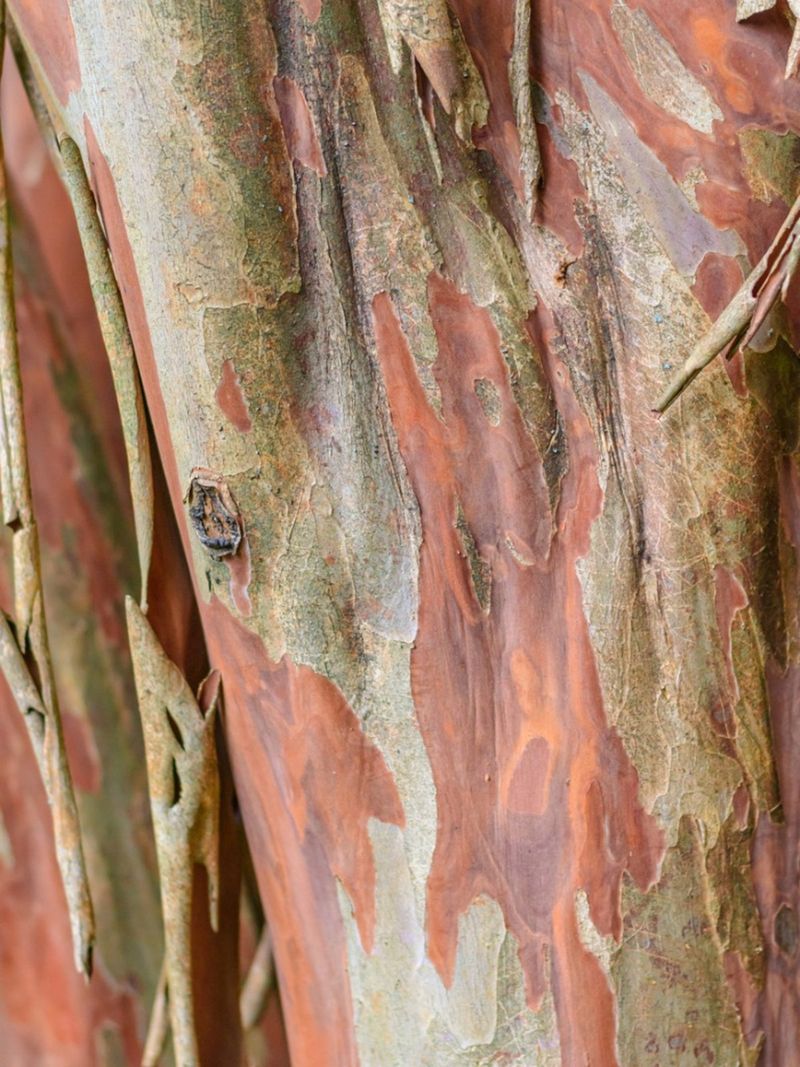
One of the most reliable tricks experienced North Carolina gardeners use is the simple scratch test. Take your fingernail or a small pocket knife and lightly scratch the surface of a branch, just enough to expose the thin layer of tissue directly beneath the bark.
What you find there tells you almost everything you need to know about whether that part of the tree survived the winter.
Healthy tissue shows up as a bright, clean green or pale cream color with a slightly moist feel. Damaged tissue from winter cold looks brown, tan, or even grayish, and it tends to feel dry and slightly spongy at the same time.
The color difference is usually immediate and unmistakable once you know what you are comparing. Work your way from the branch tips toward the trunk, scratching at intervals of six to eight inches, to find exactly where the healthy tissue begins.
In North Carolina, the scratch test works best when performed in late April or early May, after temperatures have stabilized and the tree has had enough warmth to show its true condition.
Performing it too early in March can give misleading results since dormant but healthy tissue can look dull at that stage.
Always use a clean tool to avoid introducing any pathogens, and keep the scratch small and shallow to minimize unnecessary stress on the tree.
6. Shoots Emerging Only From The Base Of The Plant
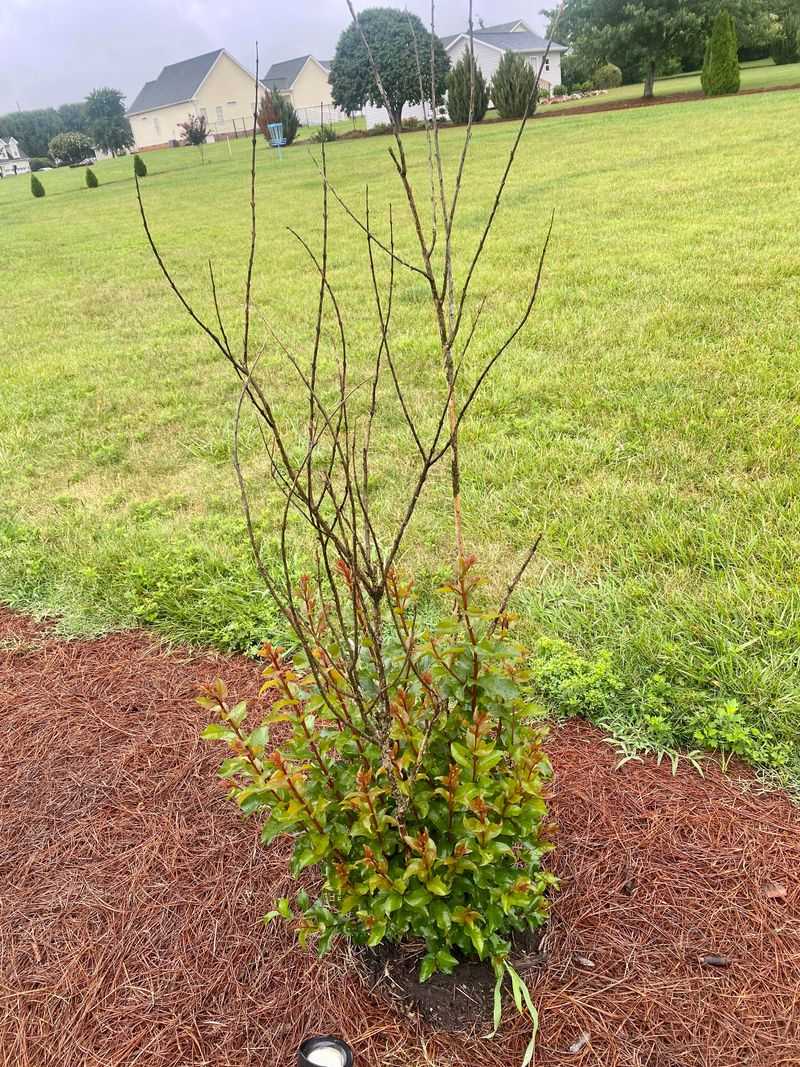
When a crape myrtle pushes out a cluster of fresh green shoots right at the base of the trunk while the upper branches sit completely still, that is the tree talking to you. It is redirecting its stored energy toward the safest, most protected part of itself after a damaging winter.
This pattern shows up regularly in North Carolina gardens following winters with prolonged cold or unexpected late-season freezes in March.
Basal shoots are vigorous and full of life, growing quickly once warm weather arrives in spring. They can look encouraging at first glance, but they also signal that the upper structure of the tree took a serious hit from cold temperatures.
In some cases, the shoots emerge because the root system is completely healthy while everything above ground suffered significant cold stress through the winter months.
Managing these new shoots carefully makes a real difference in how the tree recovers. Select two or three of the strongest, most upright shoots and allow them to develop into the new framework of the tree if the upper branches do not recover by mid-May.
Remove the weaker, crowded shoots at the base to avoid competition. North Carolina gardeners who are patient through this process often end up with a well-shaped, productive crape myrtle that blooms beautifully again within one or two growing seasons.
7. Slow Overall Growth Compared To Previous Years
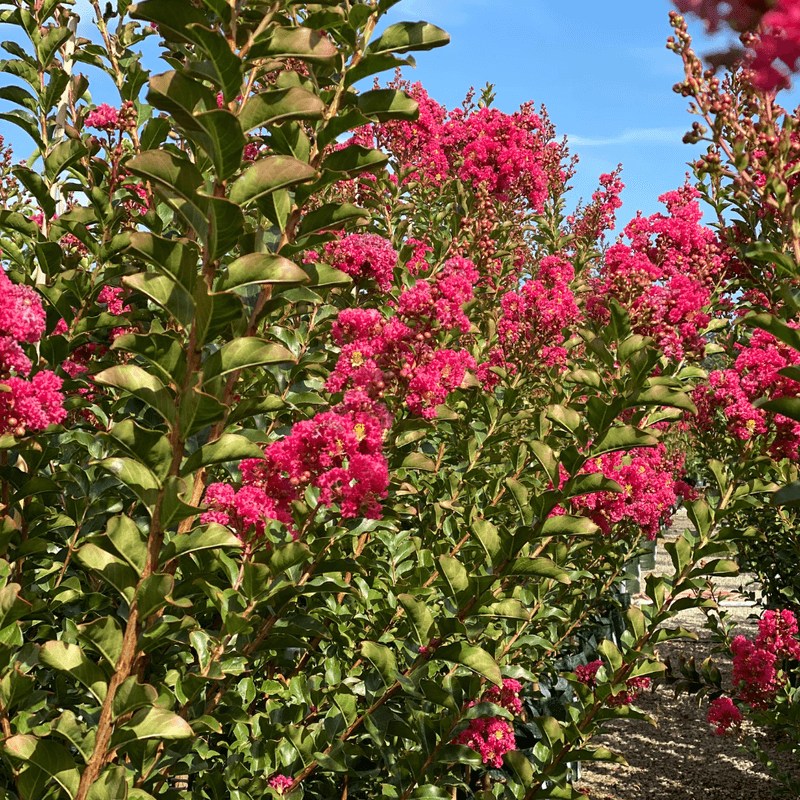
Sometimes winter damage does not announce itself with dramatic cracking bark or bare branches. Instead, it shows up quietly as a tree that just seems tired, growing slower than usual and producing fewer leaves and flower buds than it did in previous years.
If your crape myrtle was a reliable bloomer last summer but looks underwhelming this spring, reduced vigor after a tough North Carolina winter is a very real possibility worth considering.
Think back to what the tree looked like by late May last year. Was it already full and leafy with strong upright branches?
Comparing that mental picture to what you are seeing now is one of the most practical ways to catch slow-growth damage early. A crape myrtle that is running noticeably behind its own usual timeline often has some level of cold stress working against it beneath the surface.
Recovery is absolutely possible with the right seasonal care. Hold off on heavy fertilizing until the tree shows consistent new growth, since pushing nutrients into a stressed plant too early can backfire.
A light application of a balanced slow-release fertilizer in late April or early May works well for most North Carolina gardens. Keep the soil consistently moist but not waterlogged, and add a layer of mulch around the base to regulate soil temperature.
Most crape myrtles with mild to moderate winter stress bounce back fully within a single growing season.