Why Bougainvillea Won’t Bloom In Arizona (And What Actually Works)
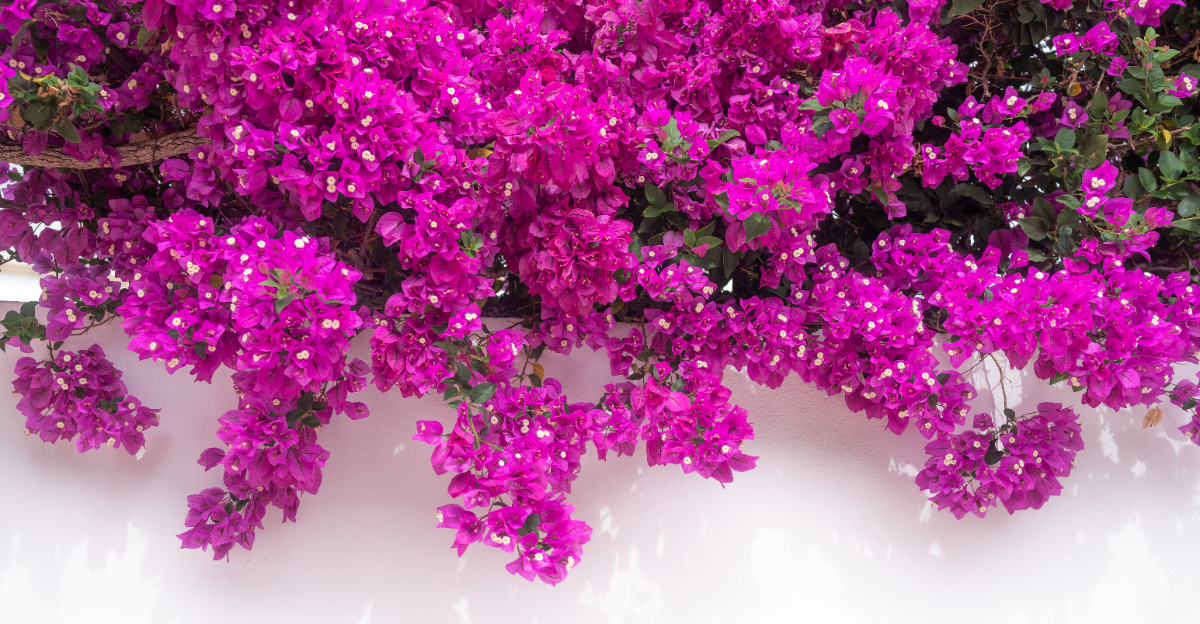
Bougainvillea looks like it should be effortless in Arizona, yet it can sit there full of leaves and still refuse to bloom. That’s the frustrating part no one really talks about.
Everything seems right at first glance, but something small is quietly holding it back. It can leave any gardener wondering what’s missing and why the color just won’t show up.
In Arizona, a few common habits can completely change how this plant behaves, especially once spring starts warming things up. The tricky part is that what feels like good care can actually slow blooming down instead of helping it.
Getting it to flower is less about doing more and more about doing the right things at the right time.
Once those small shifts click into place, bougainvillea starts acting very differently.
1. Too Much Water Is The Main Reason Bougainvillea Won’t Bloom In Arizona
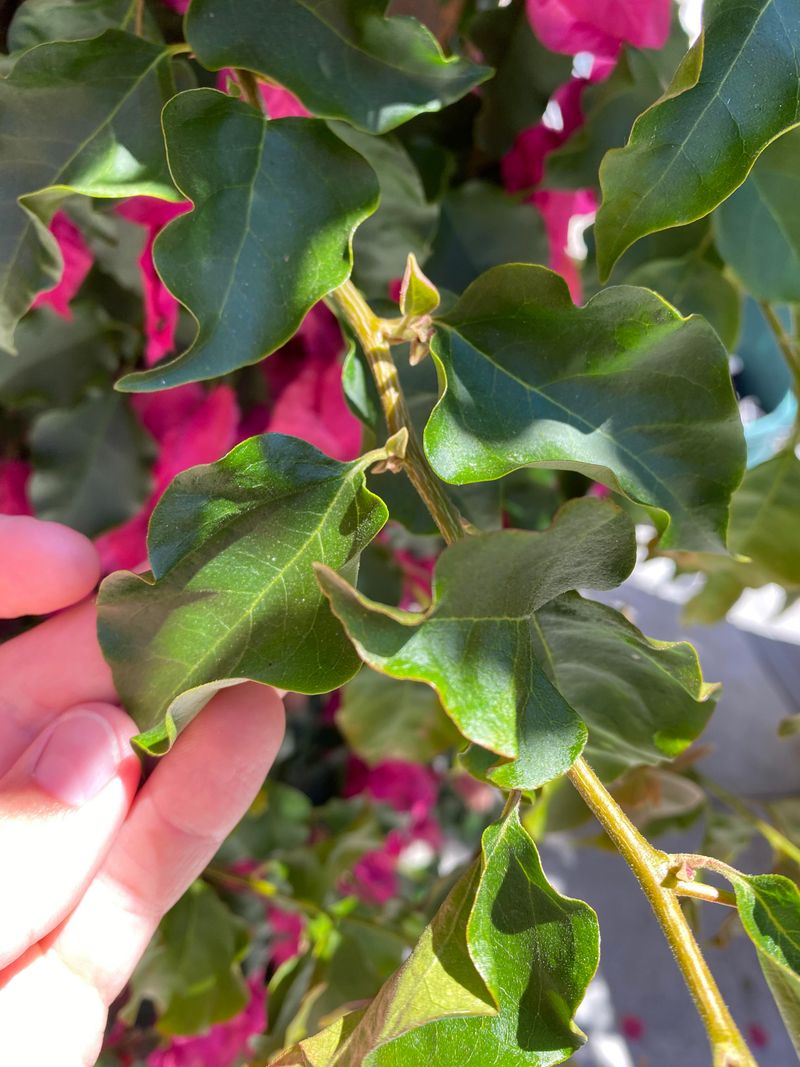
Watering your bougainvillea like it’s a tomato plant is probably the single fastest way to shut down all flower production. Arizona gardeners are used to battling heat, so the instinct to water more makes sense, but bougainvillea does not think like most plants.
It actually needs stress to bloom, and too much water removes that stress completely.
When roots sit in consistently moist soil, the plant gets comfortable. A comfortable bougainvillea puts all its energy into pushing out new green growth instead of flowers.
Root rot also becomes a real risk, and once roots are damaged, blooms are the last thing on the plant’s agenda.
In Phoenix and Scottsdale, even during peak summer, bougainvillea planted in the ground often needs water only once every seven to ten days. Container plants dry out faster, but even those should not be watered until the top two inches of soil feel completely dry.
Stick your finger in the soil before you reach for the hose.
Switching to a deep, infrequent watering schedule is usually the first thing that triggers a bloom response. When the soil dries out between cycles, the plant senses a mild drought and responds by producing flowers.
That’s not a coincidence. That’s exactly how bougainvillea is wired to work.
Cut back on water first before trying anything else, and give it two to three weeks to respond before making other changes.
2. Let Soil Dry Out Deeply Between Watering Cycles
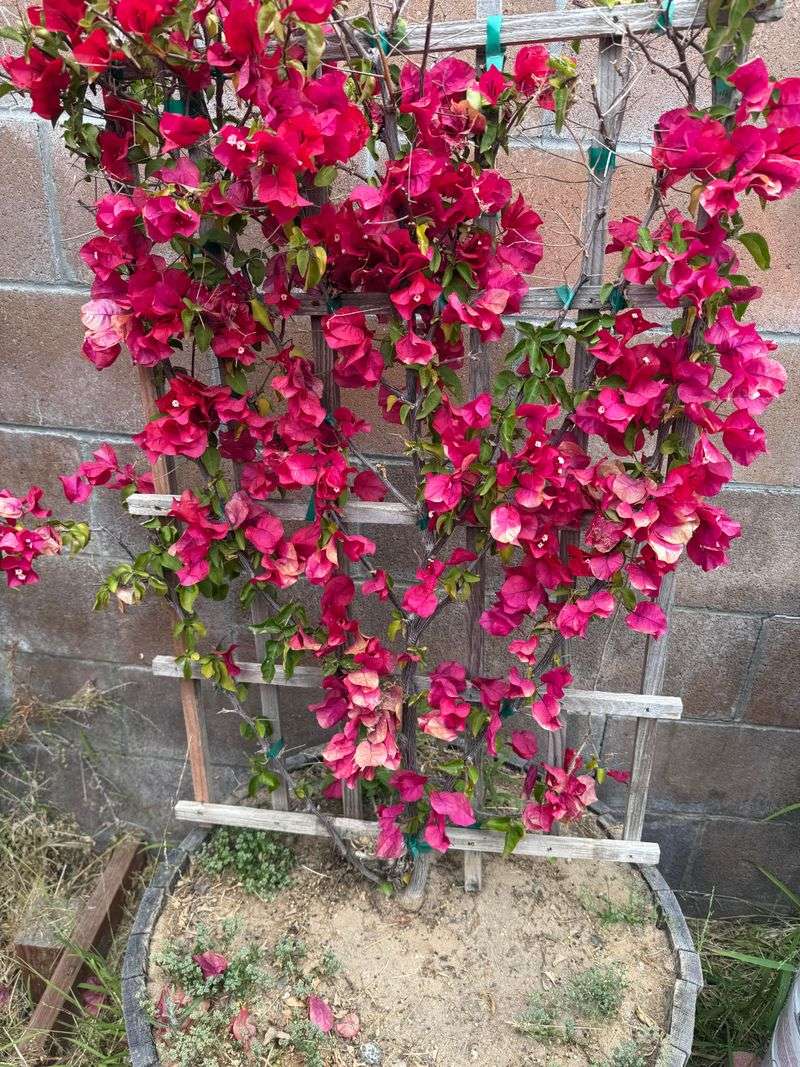
Dry soil is not a warning sign with bougainvillea. It’s actually the goal.
Gardeners in Tucson and Mesa who learn to read their soil instead of following a fixed watering schedule tend to get far better bloom results than those who water on autopilot.
Deep drying means the soil is dry several inches down, not just at the surface. Surface dryness can happen quickly in Arizona’s heat, but that doesn’t always mean the root zone is ready for more water.
Push a wooden skewer or your finger about three inches into the soil. If it comes out with any moisture clinging to it, wait another day or two.
Your Arizona Garden Changes Every Week. Your Plan Should Too.
Gardening in Arizona changes quickly throughout the season. Every Friday you’ll receive a simple weekly plan showing exactly what to plant, prune, fertilize, harvest, and protect so you never miss the right timing.
Sandy, well-draining soil speeds up this drying cycle, which is actually a good thing for bougainvillea. Heavy clay soil holds moisture too long and can keep roots wet even when the surface looks bone dry.
If your soil drains slowly, mixing in coarse sand or perlite will help significantly. Raised beds work well for the same reason.
One practical trick is to water deeply but less often. Give the plant a good long soak that reaches the entire root zone, then walk away and let it dry completely.
Shallow, frequent watering is worse than no watering at all because it keeps the upper root zone perpetually damp without ever encouraging deep root development.
Bougainvillea roots that reach down deep become much more resilient and much more likely to produce consistent, heavy blooms throughout the Arizona growing season.
3. Keep Bougainvillea Slightly Root Bound In Containers
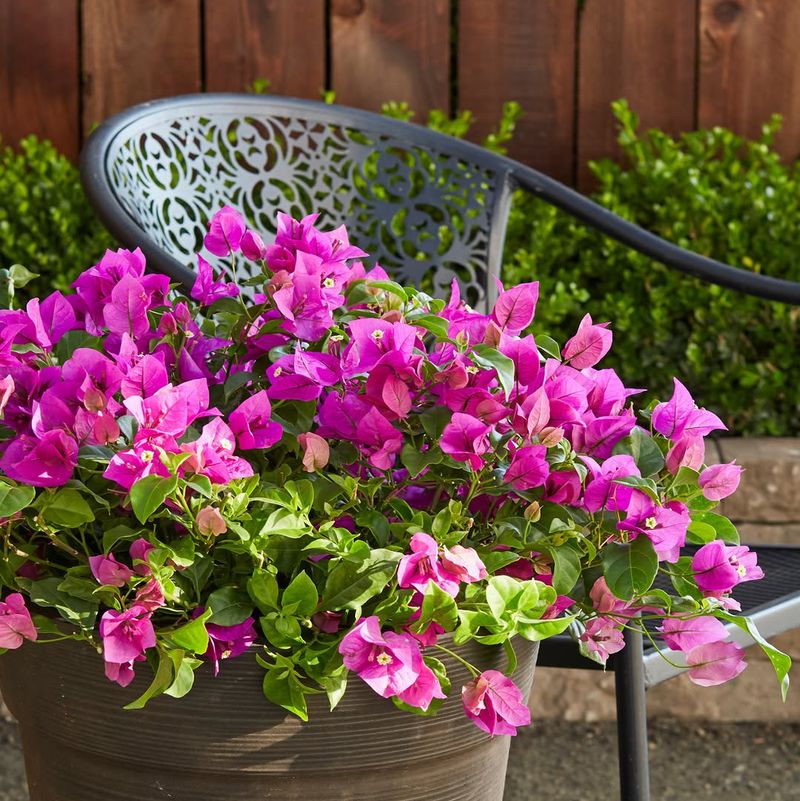
Root-bound bougainvillea blooms better. That might sound counterintuitive, but it’s one of the most consistent observations from Arizona container gardeners who have been growing this plant for years.
When roots have just enough room and no more, the plant shifts its focus from growing bigger to producing flowers.
Grabbing the biggest pot you can find actually backfires with bougainvillea. A large pot holds more soil, which holds more moisture, which keeps roots comfortable and well-fed.
A comfortable root system means the plant keeps expanding rather than flowering. Stick with a container that fits the current root ball with only a couple of inches of extra space on the sides.
Terracotta pots work especially well in Arizona because they breathe and dry out faster than plastic or glazed ceramic. That faster drying cycle reinforces the stress-blooming response that bougainvillea needs.
Make sure every container has drainage holes at the bottom, and never use a saucer that lets the pot sit in standing water.
Repotting should happen only when roots are genuinely bursting out of the drainage holes and the plant shows signs of slowing down significantly. Even then, go up just one pot size at a time.
Some Tucson gardeners report their best bloom seasons happen in the same container two or three years running without any repotting at all.
Letting the plant feel a little crowded is a deliberate strategy, not neglect, and it works remarkably well in Arizona’s climate.
4. Use Low Nitrogen Fertilizer To Push More Blooms
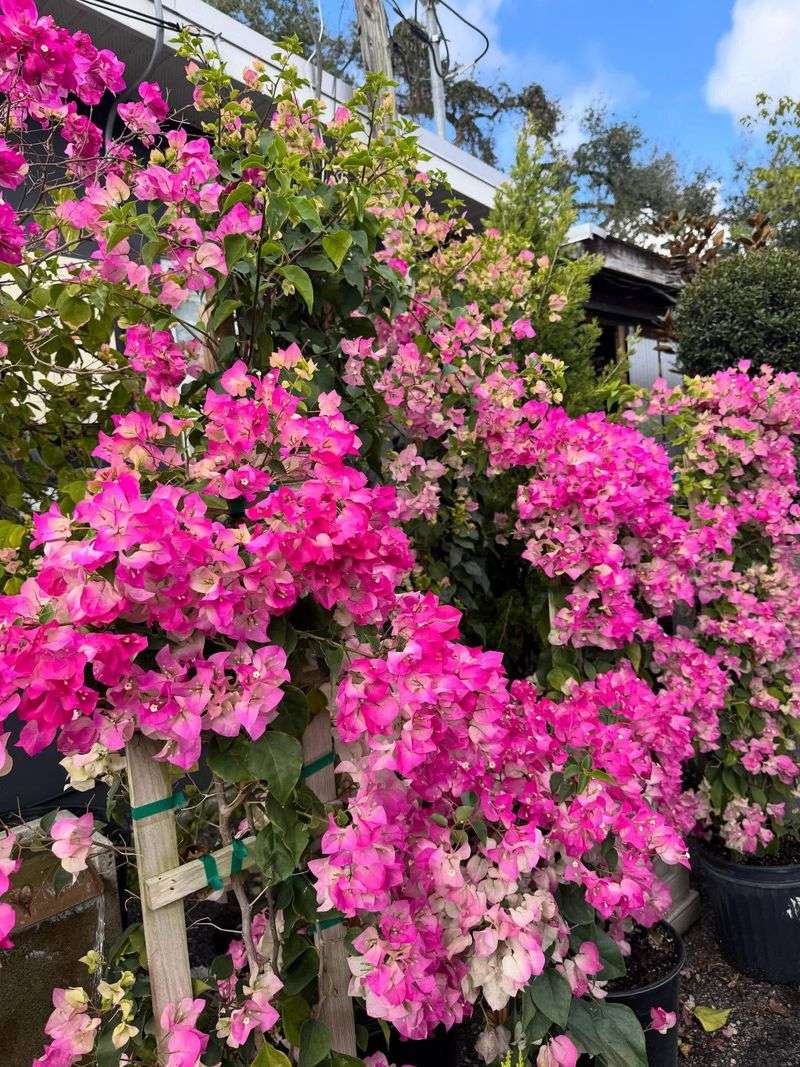
Nitrogen is a growth hormone for plants, and bougainvillea does not need more growth. It needs flowers.
Reaching for a standard all-purpose fertilizer with high nitrogen numbers is a common mistake that Arizona gardeners make, and it almost always results in lush, dark green foliage with absolutely no color.
Look for a fertilizer labeled for blooming plants or flowering vines. The numbers on the bag represent nitrogen, phosphorus, and potassium in that order.
For bougainvillea, you want the middle number (phosphorus) to be equal to or higher than the first number (nitrogen).
Something like a 6-8-10 or a 5-10-5 blend works well and encourages flower production without pushing excessive leafy growth.
Slow-release granular fertilizers applied every six to eight weeks during the growing season work better than frequent liquid feeding. Liquid fertilizers can spike nutrient levels quickly, which sometimes causes a burst of green growth rather than blooms.
Granular formulas feed gradually, which keeps the plant in a steadier, more bloom-friendly state.
In Arizona, the main growing and blooming window runs roughly from March through October, with some plants cycling through multiple bloom flushes during that period. Fertilize lightly at the start of each expected bloom cycle and then hold back.
Over-fertilizing is just as problematic as using the wrong formula. Less feeding with the right product will almost always outperform heavy feeding with the wrong one.
Give bougainvillea room to feel a little hungry, and it will reward you with color.
5. Place Bougainvillea In Full Sun All Day For Strong Flowering
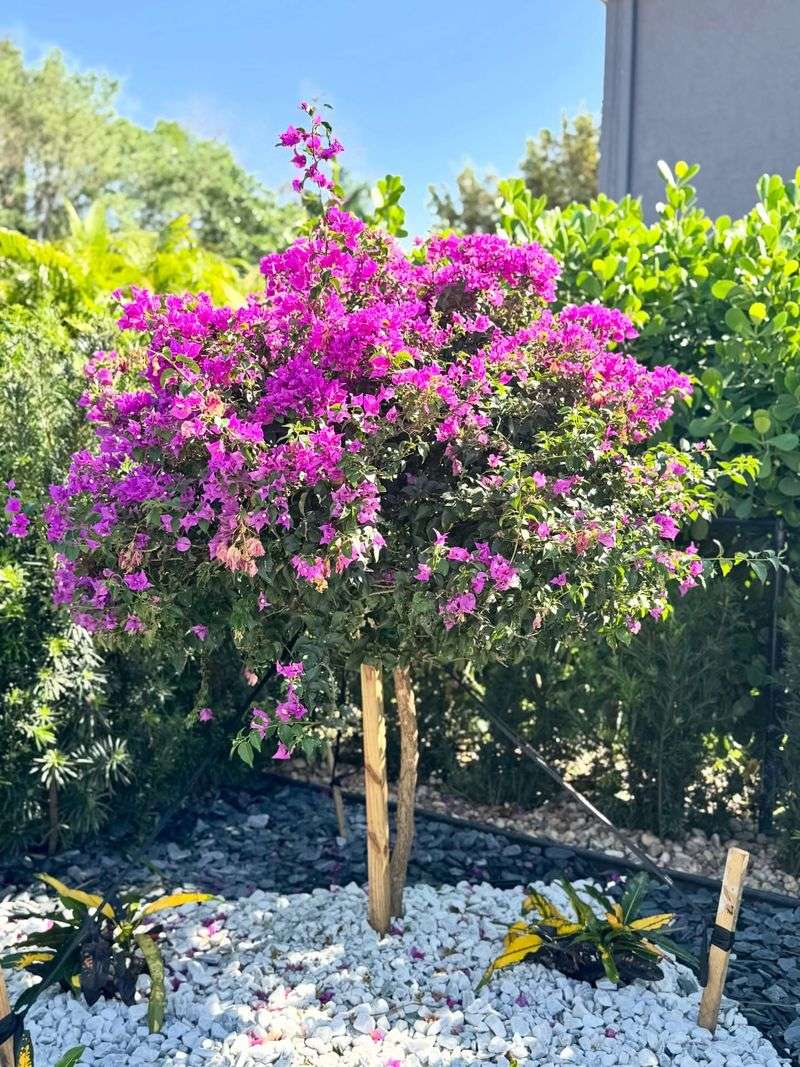
Six hours of sun is the bare minimum. Bougainvillea in Arizona really wants eight to ten hours of direct sun daily to produce the kind of color that stops people in their tracks.
Anything less and you’ll get a healthy-looking plant that simply refuses to flower with any real intensity.
South-facing and west-facing walls are prime spots in Arizona because they get strong sun exposure throughout the day and often reflect extra heat from the wall surface.
Bougainvillea planted against a light-colored stucco wall in Phoenix or Chandler tends to bloom more aggressively than the same plant growing in a partially shaded spot just a few feet away.
Afternoon shade sounds appealing during Arizona summers, but it usually hurts bloom production more than it helps. Bougainvillea is genuinely heat-tolerant and handles full desert sun better than most people expect.
Problems from excessive heat are far less common than problems from too little light. If your plant is currently in a shaded or partially shaded location, moving it to a sunnier spot is one of the most impactful changes you can make.
Container plants have an advantage here because you can reposition them as the seasons change. During spring and fall, full sun all day is ideal.
In summer, a spot with unobstructed morning and midday sun still delivers excellent results. Pay attention to how your yard’s sun patterns shift throughout the year and position your bougainvillea where it captures the most direct light possible.
Consistent sun equals consistent blooms in Arizona’s climate.
6. Prune After Bloom Cycles Instead Of Before Growth Starts
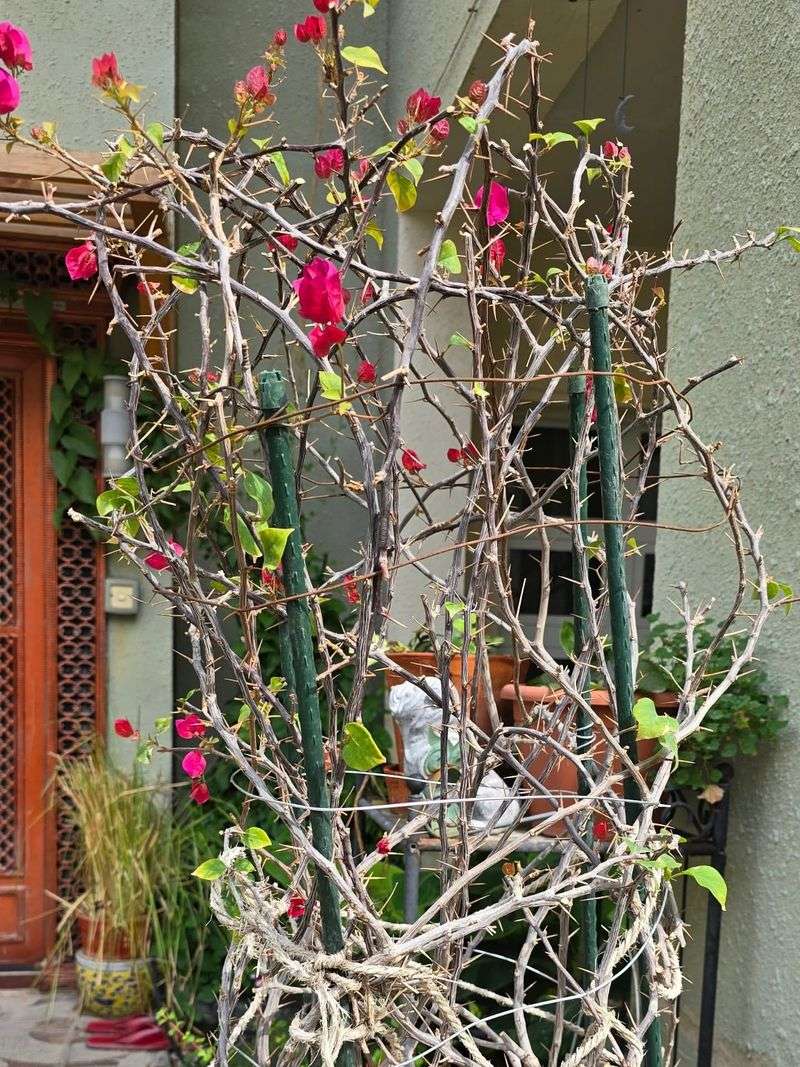
Pruning at the wrong time is one of the quieter reasons bougainvillea stops blooming, and most people never connect the dots. Cutting back the plant in late winter or early spring, right before growth kicks in, removes the very stems that were about to produce flowers.
You end up with a freshly trimmed plant that spends months just recovering instead of blooming.
Bougainvillea blooms on new growth that develops from older wood. After a bloom flush finishes and the bracts start to fade, that’s the right moment to prune.
Light trimming right after a bloom cycle signals the plant to push out fresh growth, and that new growth becomes the next round of flower-bearing stems. Timing is everything with this plant.
In Arizona, bougainvillea often cycles through two or three bloom flushes between spring and fall. Pruning lightly after each flush, rather than doing one heavy annual cutback, keeps the plant in a continuous cycle of blooming and recovering.
Heavy pruning once a year tends to produce one strong bloom period followed by a long stretch of just green growth.
Sharp, clean bypass pruners make a real difference. Ragged cuts heal slowly and can invite problems that set the plant back.
Cut just above a leaf node and remove no more than one-third of the plant at any single pruning session. Removing spent blooms and crossing branches is usually enough to encourage the next flush.
Let the plant tell you when it’s done blooming before you reach for the pruners.
7. Reduce Care Slightly To Encourage Stress Driven Blooming
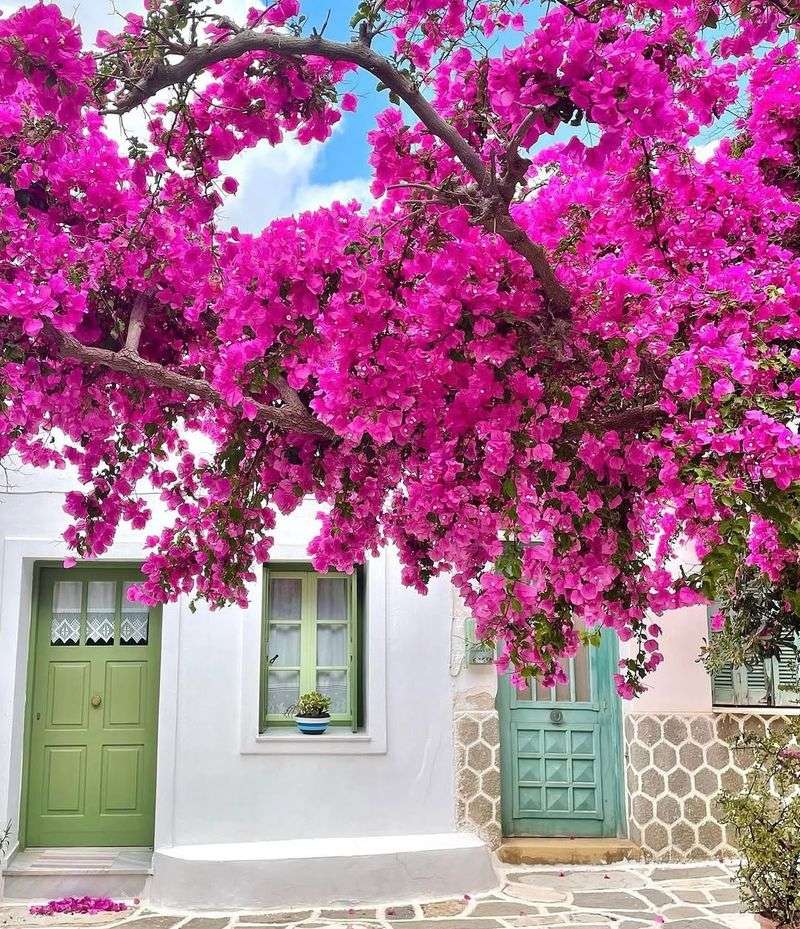
Bougainvillea is not a plant that rewards pampering. Some of the most spectacular displays in Arizona yards belong to plants that are basically left alone for weeks at a time.
Backing off on water, fertilizer, and fussing is sometimes the most effective thing you can do to trigger a bloom response.
Mild stress pushes bougainvillea into survival mode, and in survival mode, it produces seeds. To produce seeds, it needs flowers.
That’s the biological trigger behind stress-driven blooming, and it’s why plants in tough spots often outbloom plants in ideal conditions. A little hardship, carefully applied, produces remarkable results with this particular plant.
Cutting watering frequency by about thirty percent for two to three weeks before a bloom cycle is expected can be enough to flip the switch. Skipping a round of fertilizer during this same period reinforces the effect.
You’re not neglecting the plant. You’re working with how it naturally responds to its environment, which in Arizona already leans toward dry and demanding.
Watch the plant closely during this period. Slight leaf curl or mild drooping in the late afternoon is normal and acceptable.
Severe wilting that doesn’t recover overnight means the plant needs water sooner. Once blooms start appearing, you can ease back into a normal care routine without disrupting the flowering cycle.
Arizona’s naturally dry climate actually makes it easier to use this strategy than in humid states where reducing water is harder to control. Trust the process and resist the urge to water every time the temperature climbs.