The Best Plants To Start In March Before Georgia Heat Sets In
March in Georgia always feels like a small window that matters more than it seems. The weather is just right for a moment, the soil is workable, and everything starts lining up for a strong start.
It is that in between time where what gets planted now can shape how a yard looks once the heat settles in.
It is easy to miss that timing or assume there is more time later, but Georgia summers have a way of changing the pace fast. Some plants handle that shift without trouble, while others struggle if they are not established early enough.
That difference usually shows up when it is already too late to fix it.
Getting things in at the right moment makes everything feel easier down the line. Growth looks steadier, plants settle in faster, and the whole yard holds up better once the real heat arrives.
1. Zinnias Grow Fast From Seed And Handle Rising Heat
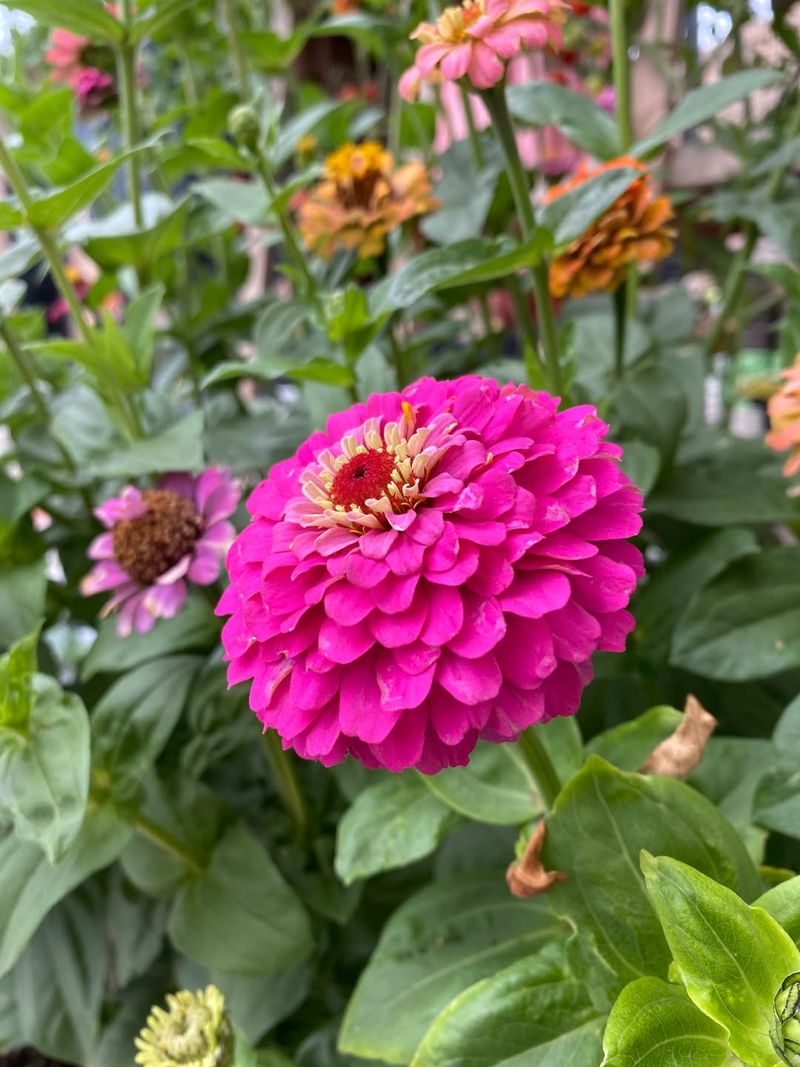
Zinnias might just be the most rewarding flower you can direct sow in a Georgia garden. Drop seeds in March, and you will have blooms before most people have even thought about their summer garden.
They sprout fast, grow without much fuss, and keep producing flowers all the way through the brutal Georgia summer heat.
Soil temperature matters here. Aim for at least 60 degrees Fahrenheit before sowing, which March in Georgia usually delivers without a problem.
Plant seeds about a quarter inch deep and thin seedlings to around 6 inches apart once they get going. Good drainage makes a real difference with zinnias.
Deadheading spent flowers keeps new blooms coming. Skip that step and production slows down noticeably.
Cutting fresh flowers for bouquets actually does the same job, so your indoor vases and outdoor garden both benefit at the same time.
Varieties like Benary’s Giant and Profusion are solid choices for Georgia conditions. They handle humidity and heat without missing a beat.
Plant in full sun and water at the base to reduce any chance of powdery mildew, which can show up during humid stretches. Zinnias planted in March will be well rooted and ready to perform all summer long without much help from you.
Pinching young plants once they reach several inches tall can also help zinnias branch more and produce even more flowers over the season.
2. Cosmos Establish Easily In March And Keep Blooming Into Summer
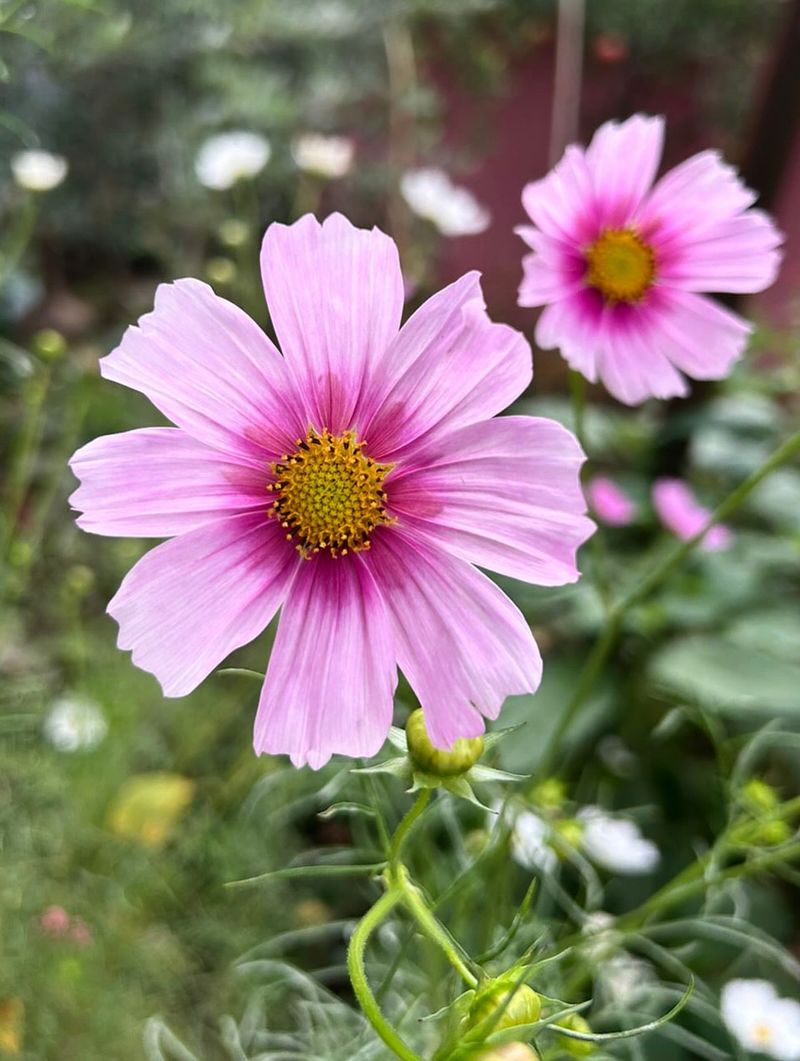
Cosmos seeds hit the soil and take off like they have somewhere to be. In Georgia, March planting means you get flowers by late spring and a plant that keeps going strong even as temperatures climb toward the 90s.
Not many annuals pull that off as effortlessly.
Direct sow cosmos after your last frost date, which in most of Georgia falls in mid to late March. Press seeds lightly into the surface since they need some light to germinate.
Germination usually happens within 7 to 10 days when conditions are right. Thin plants to about 12 inches apart once they reach a few inches tall.
Your Georgia Garden Changes Every Week. Your Plan Should Too.
Gardening in Georgia changes quickly throughout the season. Every Friday you’ll receive a simple weekly plan showing exactly what to plant, prune, fertilize, harvest, and protect so you never miss the right timing.
Here is something worth knowing: cosmos actually prefer poor to average soil. Rich, heavily fertilized soil pushes leafy growth at the expense of flowers.
Skip the heavy feeding and let them do their thing in leaner ground. They are one of the few plants that genuinely perform better when you leave them alone.
Tall varieties like Sensation Mix can reach 3 to 4 feet and make a stunning backdrop in any Georgia garden bed. Dwarf types work well in containers on patios or along pathways.
Either way, keep them in full sun and water consistently but not excessively. March-started cosmos will reward you with months of cheerful blooms before the summer winds down.
3. Marigolds Start Quickly And Thrive As Temperatures Warm
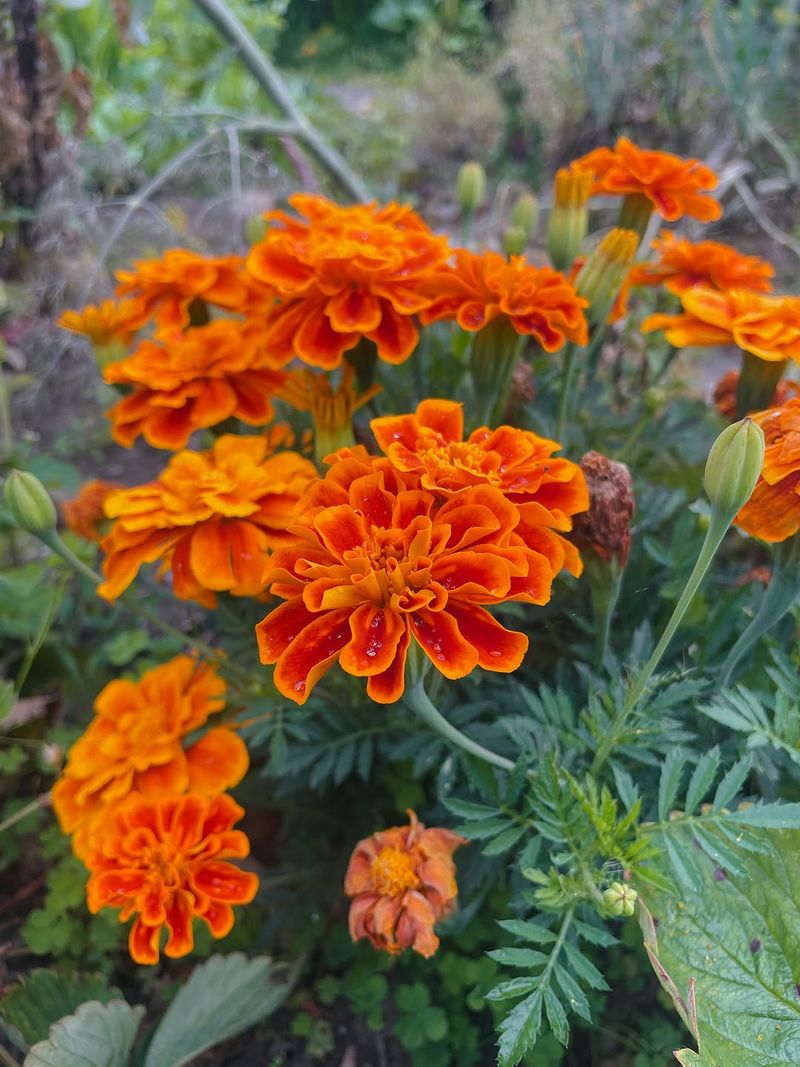
Planting marigolds in March in Georgia is one of those moves that just pays off in every direction. They establish fast, hold up in heat, and pull double duty by keeping certain garden pests away from nearby vegetables.
Few flowers work as hard for as little effort.
Start seeds indoors 4 to 6 weeks before your last frost date or direct sow once soil temps are reliably above 55 degrees. Transplants go in the ground in March with no drama.
Space French marigold types about 8 to 10 inches apart and African types a bit wider since they grow larger and bushier.
Full sun is non-negotiable with marigolds. Put them in a shady spot and they stretch out, get leggy, and produce far fewer blooms.
In Georgia’s sunny spring conditions, they settle in quickly and start flowering within weeks of planting.
Interplanting marigolds alongside tomatoes, peppers, or cucumbers is a common practice in Georgia gardens for good reason. They are thought to deter aphids, whiteflies, and even nematodes in the soil.
Whether you are growing them for looks or pest management, the bright orange and yellow blooms add a punch of color that holds up even when summer temperatures start pushing into the upper 80s and beyond. March is the right time to get them going.
4. Sunflowers Develop Strong Roots When Planted Early
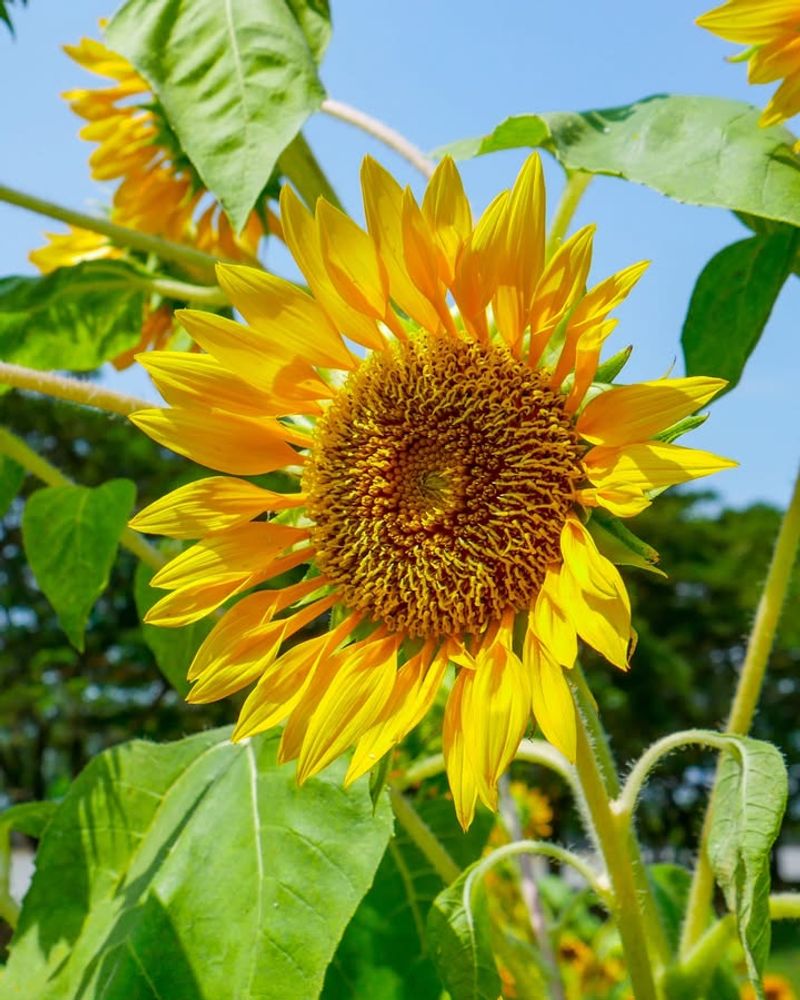
Sunflowers planted in March in Georgia get something that later plantings miss: time to push deep roots before the heat arrives.
A plant with a strong root system going into summer handles dry spells and scorching afternoons far better than one rushed into the ground in May.
Direct sowing is the way to go with sunflowers. They do not love having their roots disturbed, so transplanting can set them back.
Press seeds about an inch deep into prepared soil once nighttime temperatures are consistently above 50 degrees. In most Georgia regions, mid to late March checks that box.
Space standard varieties at least 12 to 18 inches apart. Crowded sunflowers compete for resources and produce smaller heads.
Give them room and they reward you with thick stalks and big blooms. Full sun all day is ideal, and well-drained soil keeps roots healthy.
Branching varieties like Autumn Beauty or Moulin Rouge produce multiple blooms per plant, which stretches your cutting garden harvest well into summer. Single-stem types like Mammoth Russian grow tall and bold but produce one large head per plant.
Either way, March planting in Georgia lines up perfectly with the natural growth cycle of sunflowers, giving you blooms right as spring shifts into early summer before peak heat puts stress on late-planted crops.
5. Cucumbers Establish Early And Produce Before Peak Heat
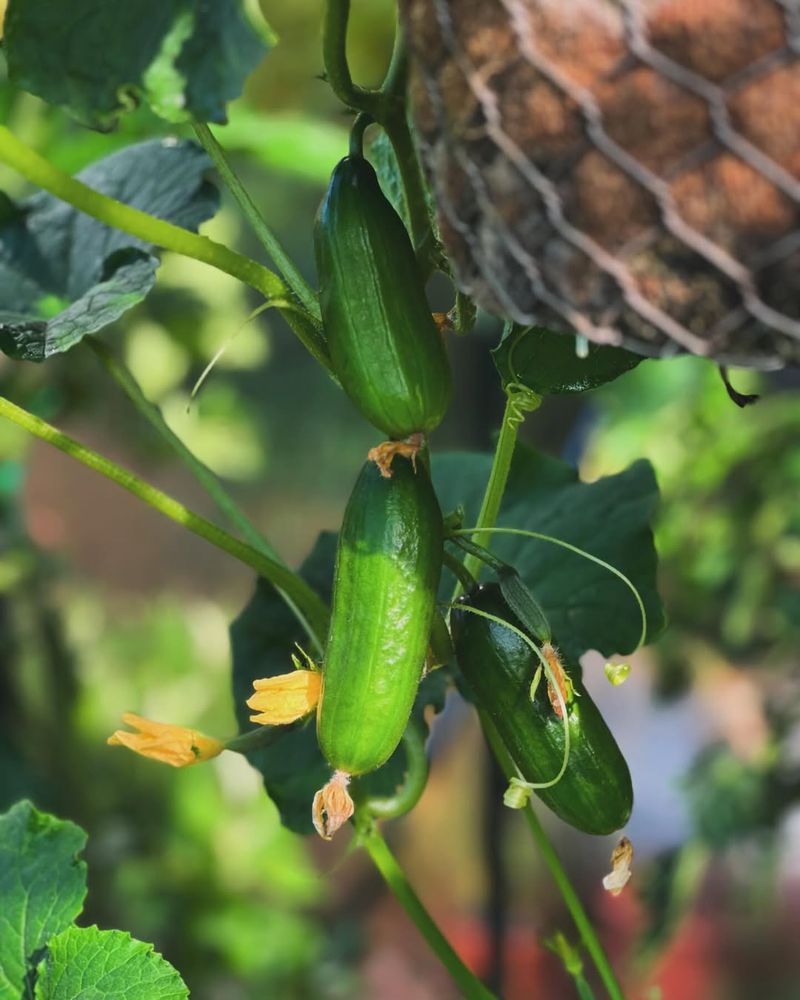
Cucumbers and Georgia heat do not get along forever. Past a certain point in summer, cucumber plants slow down, get bitter fruit, and struggle to set new blooms.
Starting them in March gives you a full production window before that wall hits.
Wait until soil temperature reaches at least 60 degrees before planting cucumber seeds directly in the ground. In most parts of Georgia, that lines up with late March.
Sow seeds about an inch deep and 6 inches apart, then thin to 12 inches once seedlings are established. Raised beds warm up faster and work especially well for cucumbers.
Trellising cucumbers vertically saves space and improves air circulation around the foliage. Better airflow means less fungal pressure, which is a real concern in Georgia’s humid spring and early summer conditions.
Slicing varieties like Straight Eight and pickling types like National Pickling both perform well when started in March.
Consistent watering is critical once fruits start forming. Inconsistent moisture leads to bitter cucumbers and blossom drop.
Mulching the soil surface helps hold moisture and keeps roots cooler as temperatures climb. A March planting in Georgia can start producing cucumbers by late May or early June, well ahead of the most intense summer heat.
That early harvest window is exactly what you want when growing cucumbers in the South.
6. Squash Grows Rapidly Once Soil Warms In Spring
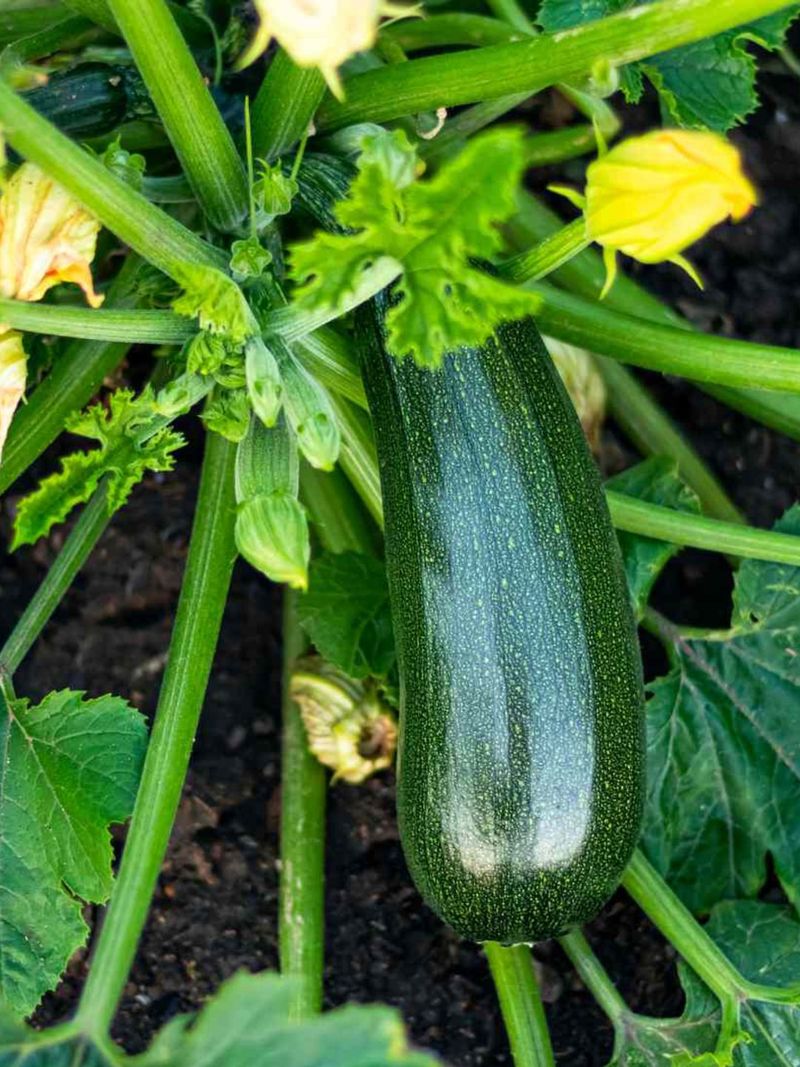
Few vegetables move as fast as squash once conditions click into place. In Georgia, March planting puts you right in that sweet spot where soil is warm enough to trigger fast germination but cool enough that the plants do not immediately face summer stress.
You get speed and comfort at the same time.
Both summer squash and zucchini do well starting in March across most of Georgia. Sow seeds directly about an inch deep after soil reaches 60 degrees.
Plant two or three seeds per hill and thin to the strongest one or two plants once they sprout. Hills should be spaced about 3 feet apart to give plants enough room to spread.
Squash plants are heavy feeders. Work compost into the soil before planting and side-dress with a balanced fertilizer once plants start flowering.
Consistent feeding keeps production strong through the harvest window. Avoid overhead watering when possible since wet foliage invites powdery mildew, a common issue in Georgia’s humid conditions.
Squash vine borers are a real threat in Georgia, usually showing up in summer. Starting in March means your plants are already producing well before borer populations peak.
Row covers early in the season can offer some protection too. Getting squash in the ground in March is genuinely one of the smartest moves a Georgia gardener can make for a productive spring and early summer harvest.
7. Green Beans Sprout Fast And Produce With Early Planting
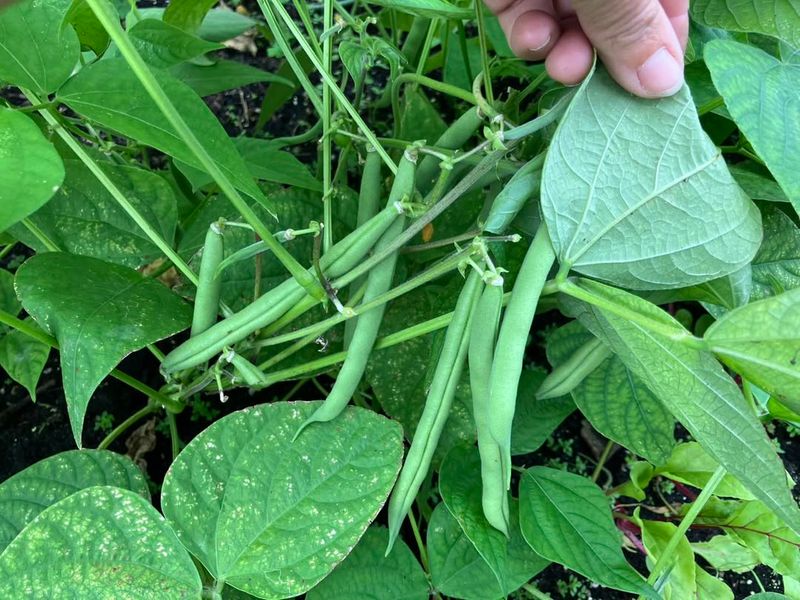
Green beans are one of the most satisfying vegetables to grow in Georgia because they move quickly from seed to harvest. Plant them in March and you can be picking fresh beans in 50 to 60 days, long before the peak of summer shows up and complicates things.
Soil temperature should be at least 60 degrees before direct sowing green bean seeds. Colder soil leads to poor germination and rotting seeds.
In Georgia, late March usually delivers the right conditions without much guesswork. Sow seeds about an inch deep and 3 to 4 inches apart in rows, then thin or leave them depending on your variety.
Bush bean varieties like Provider or Contender are reliable performers across Georgia. They do not need staking, mature quickly, and tolerate some heat better than many other bean types.
Pole bean varieties need support but produce over a longer stretch, which works well if you want a continuous harvest rather than one big flush.
Water regularly but avoid soaking the soil. Green beans do not like sitting in waterlogged conditions.
A light layer of mulch around the base of plants helps maintain soil moisture without overdoing it. In Georgia, a March planting can wrap up its main harvest before the hottest weeks arrive, and many gardeners follow up with a second planting in late summer for a fall crop.
Early planting is the key to making it work.
8. Okra Benefits From An Early Start Before Hot Weather Sets In
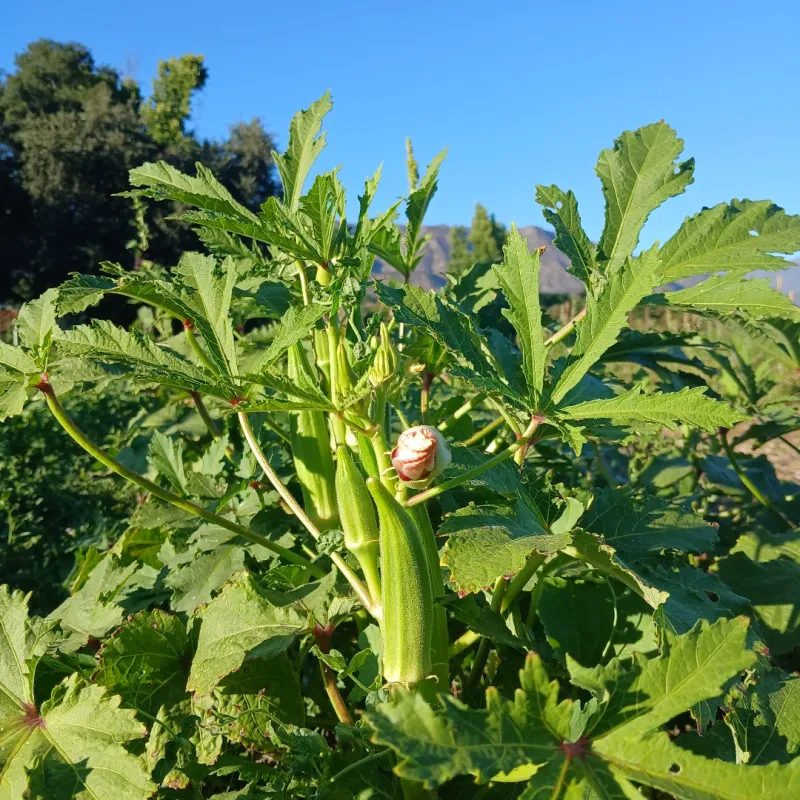
Okra is practically Georgia’s official summer vegetable, but most people wait too long to plant it. Starting in March gives okra a crucial head start so plants are already strong and rooted when the real heat of summer arrives.
A mature okra plant handles 95-degree days without flinching. A young one just planted into that heat struggles to get going.
Soaking okra seeds overnight before planting speeds up germination significantly. Plant them about an inch deep once soil temperatures hit 65 degrees, which in south Georgia can happen by mid-March and in the northern parts of the state by late March.
Space plants 12 to 18 inches apart in rows since they get tall and need good airflow.
Full sun is essential. Okra planted in partial shade produces fewer pods and takes longer to mature.
Rich, well-drained soil and a dose of balanced fertilizer at planting gives young plants a strong foundation. Once pods start forming, check plants every single day.
Okra goes from tender to woody fast in Georgia’s warmth.
Varieties like Clemson Spineless are a classic choice and perform reliably across Georgia. Burgundy okra is another option that adds visual interest to the garden.
Either way, pods harvested at 3 to 4 inches are the most tender and flavorful. An early March start means your okra plants are hitting peak production right when summer heat is building, not struggling to catch up with it.