How To Pick The Right Tomato Variety For Georgia Gardens
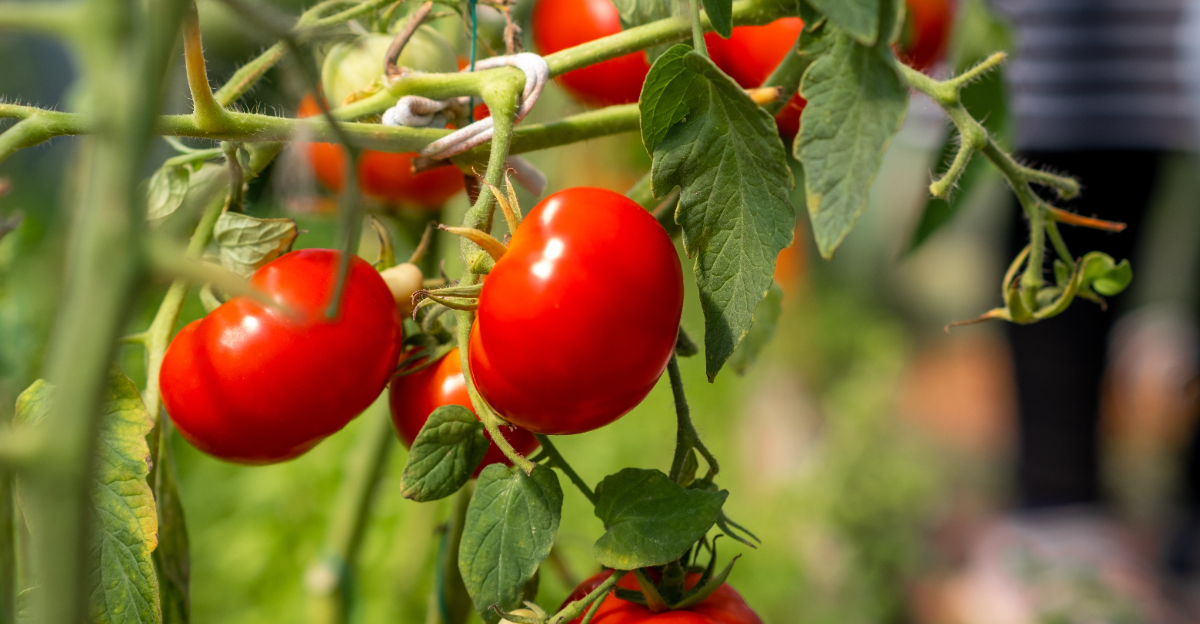
Tomatoes sound simple until they are not. In Georgia, it often starts with high hopes and healthy plants, then something shifts once the season moves forward.
Growth slows, fruit stays small, or the plant just does not perform the way it should. That is usually when the question comes up about what went wrong.
The truth is, not every tomato handles Georgia conditions the same way. Heat, humidity, and timing all play a bigger role than most expect, and the variety itself can quietly decide how the whole season turns out.
What looks like a strong plant early on does not always carry through once things get tougher.
Choosing the right one from the start makes a noticeable difference. It sets the pace for how the plant grows, how it produces, and how well it holds up when the season really pushes back.
1. Pick Heat-Tolerant And Disease-Resistant Varieties For Best Results
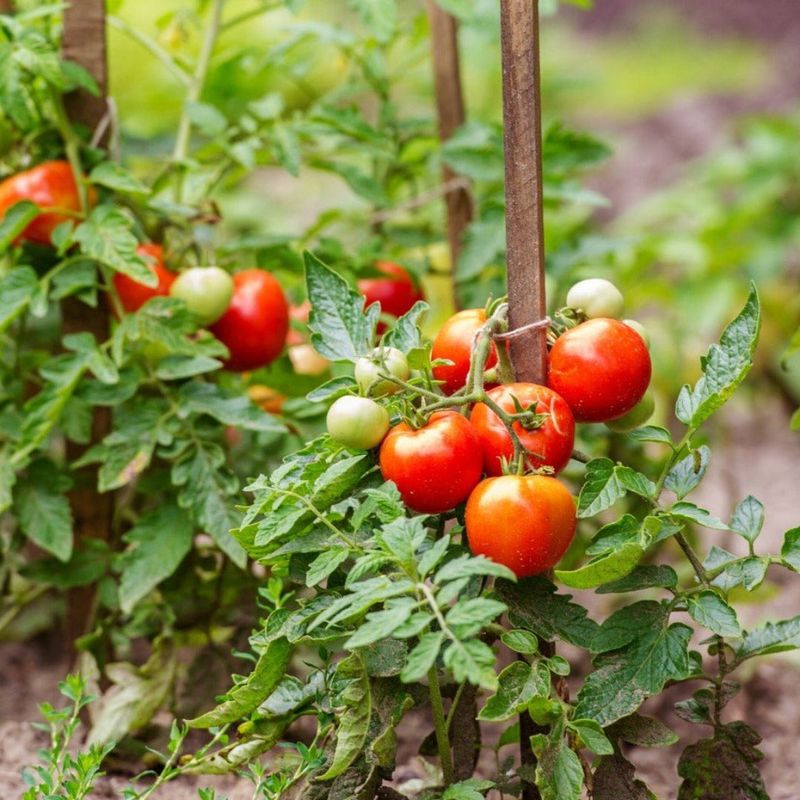
Celebrity tomatoes have earned a serious reputation among Georgia gardeners, and there’s a solid reason for that. Georgia summers are brutal.
Temperatures push past 90 degrees for weeks, humidity sits heavy, and soil diseases spread fast when conditions get wet. A variety that can’t handle those pressures will stall out before August even arrives.
Celebrity is a determinate hybrid that checks nearly every box for Southern growing. It carries resistance to verticillium wilt, fusarium wilt, nematodes, and tobacco mosaic virus.
Those four threats alone wipe out a lot of tomato crops across Georgia every single year. Having built-in protection means you’re not scrambling to fix problems after they start.
Beyond disease resistance, Celebrity also handles heat stress better than many other varieties. It still sets fruit even when nighttime temperatures stay warm, which is a real challenge for tomatoes in Georgia’s long summers.
Fruit size runs medium to large, flavor is solid, and the plants stay compact enough for most backyard spaces.
When shopping for transplants or seeds, look for varieties labeled with multiple disease resistance codes on the tag. VFN or VFNT codes are a good sign.
Planting in late March or early April gives Celebrity enough time to establish before peak summer stress kicks in. Pair it with consistent watering and a thick layer of mulch, and this variety gives you a dependable harvest through June and into July across most of Georgia.
2. Determinate Or Indeterminate Types Change How Harvest Happens
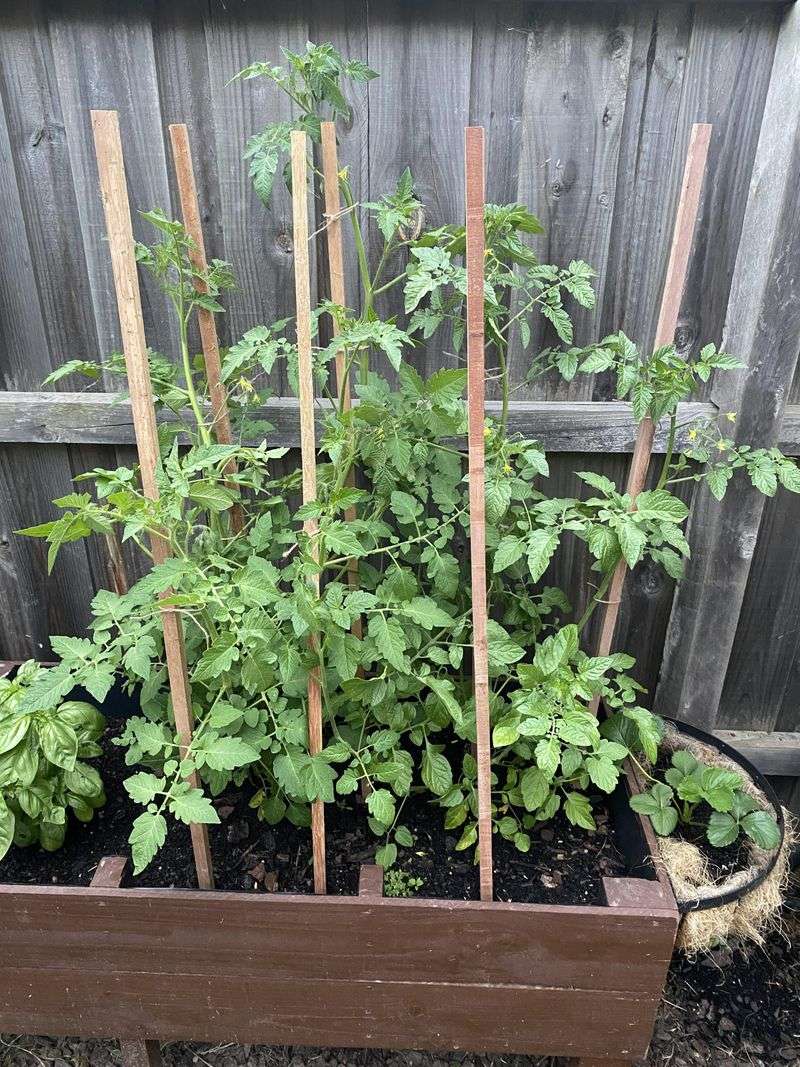
Not all tomato plants grow the same way, and that difference matters a lot depending on your setup. Determinate varieties grow to a fixed height, usually two to four feet, set all their fruit at roughly the same time, and then slow down.
Indeterminate varieties keep climbing, keep flowering, and keep producing fruit until cold weather stops them.
If you want a big harvest all at once for canning or making sauce, determinate types like Roma or Celebrity are your best bet. You get a concentrated flush of ripe fruit over a few weeks, which makes processing a lot easier.
Your Georgia Garden Changes Every Week. Your Plan Should Too.
Gardening in Georgia changes quickly throughout the season. Every Friday you’ll receive a simple weekly plan showing exactly what to plant, prune, fertilize, harvest, and protect so you never miss the right timing.
Cage them or let them sprawl with some support, and they handle themselves without much fuss.
Indeterminate varieties like Better Boy or Cherokee Purple work differently. They need strong caging or staking because they can reach six feet or more by midsummer in Georgia’s growing season.
The upside is a steady supply of fresh tomatoes from late spring all the way into fall if the weather cooperates.
Space matters too. Determinate plants fit well in raised beds and smaller garden plots.
Indeterminate types need room and something sturdy to climb. A flimsy wire cage won’t hold a full-grown Better Boy plant through a Georgia summer storm.
Plan your support system before you plant, not after the vines are already three feet tall. Knowing which type you’re planting from the start saves you a lot of rework mid-season.
3. Early Maturing Varieties Produce Before Summer Stress Hits
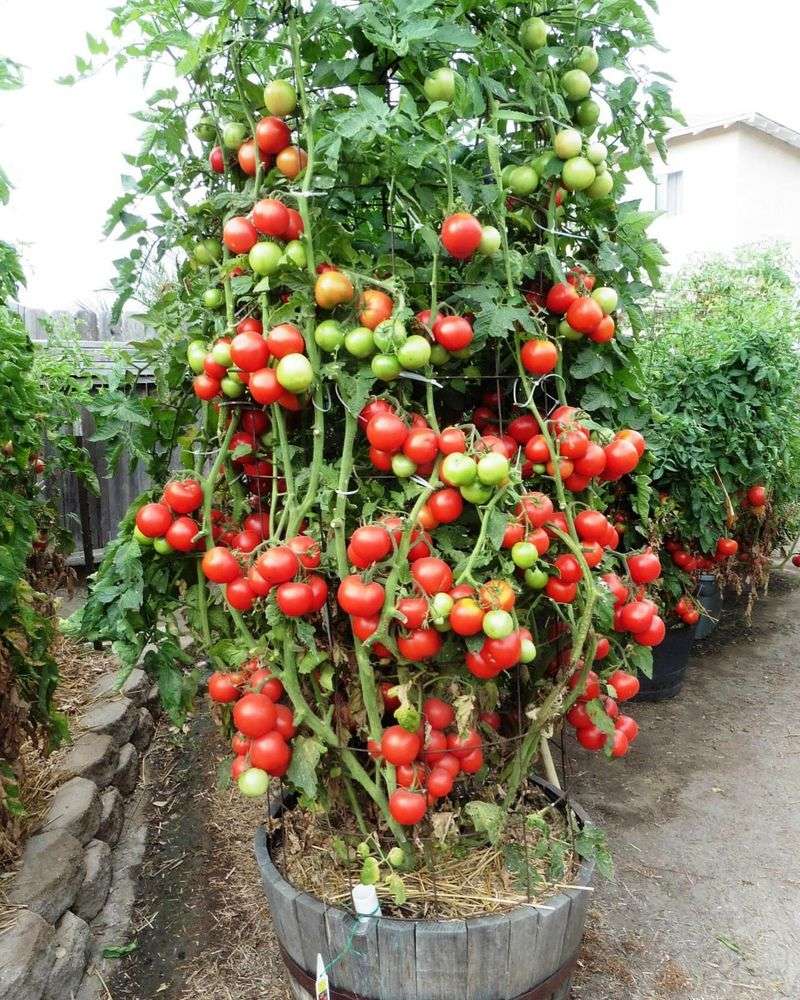
Getting tomatoes on the table before Georgia’s peak summer heat arrives is a real advantage, and early maturing varieties make that possible. Early Girl is one of the most reliable options for this strategy.
It reaches full ripeness in around 52 to 57 days from transplant, which means fruit is ready before the worst heat weeks even begin.
Planting in late March after frost risk passes gives Early Girl enough runway to produce a good harvest in May and early June. By the time temperatures are consistently hitting the upper 90s, you’ve already pulled multiple rounds of ripe tomatoes.
That timing alone makes a huge difference in how much fruit you actually get per plant.
Early maturing doesn’t mean sacrificing flavor. Early Girl produces medium-sized fruit with bright, tangy taste that works well fresh or cooked.
It’s an indeterminate variety, so it keeps flowering and setting fruit, but the real value is that first early wave of production before heat stress causes blossom drop.
Blossom drop is a common problem across Georgia when daytime temps climb above 95 degrees and nights stay above 75. Tomatoes simply stop setting fruit under those conditions.
Early varieties sidestep that issue by finishing their main production push before the heat peaks.
Planting two or three Early Girl transplants alongside a later variety gives you fresh tomatoes early and keeps production going deeper into the season without putting all your eggs in one basket.
4. Smaller Varieties Handle Humidity And Cracking Better
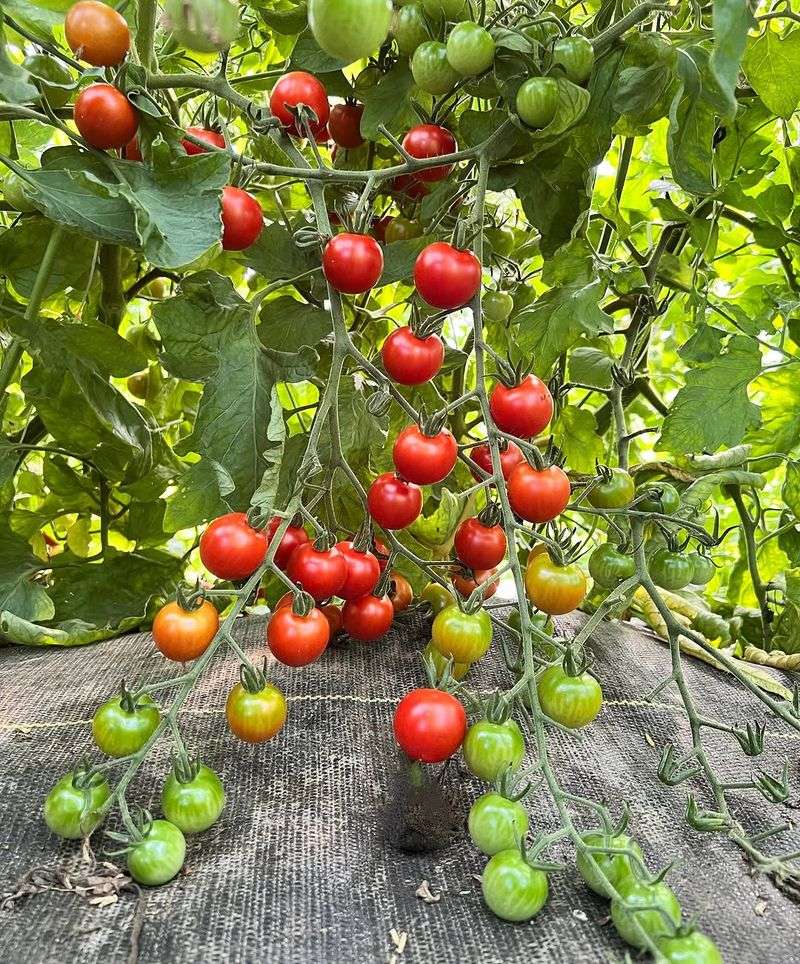
Smaller tomatoes just hold up better in Georgia’s humidity, and experienced gardeners here will tell you that straight up. Cherry and grape varieties have thicker skin relative to their size, which makes them far less prone to splitting after heavy rain.
When you’re dealing with Georgia’s summer downpours, that matters more than people realize.
Varieties like Juliet, Sweet 100, and Sun Gold produce clusters of small fruit that ripen fast and resist cracking even when soil moisture swings wildly between dry spells and soaking rains.
Sun Gold in particular is an orange cherry type with outstanding sweetness, and it keeps producing through heat that would shut down larger varieties entirely.
Humidity also encourages fungal diseases on tomato foliage, and smaller plants tend to stay a bit more manageable when it comes to airflow.
Pruning suckers on cherry tomato indeterminate plants helps keep the canopy open, which reduces moisture sitting on leaves overnight.
That simple habit cuts down on early blight and septoria leaf spot, two diseases that spread fast across Georgia gardens every summer.
Another practical bonus is that small-fruited varieties often ripen more evenly. Large beefsteak-type tomatoes can develop green shoulders or uneven color in intense heat.
Cherry types color up fully and consistently. If you have kids helping in the garden, they love picking cherry tomatoes straight off the vine.
Growing smaller varieties alongside one or two larger types gives you reliable production no matter what Georgia’s weather throws at you.
5. Match The Variety To How The Tomatoes Will Be Used
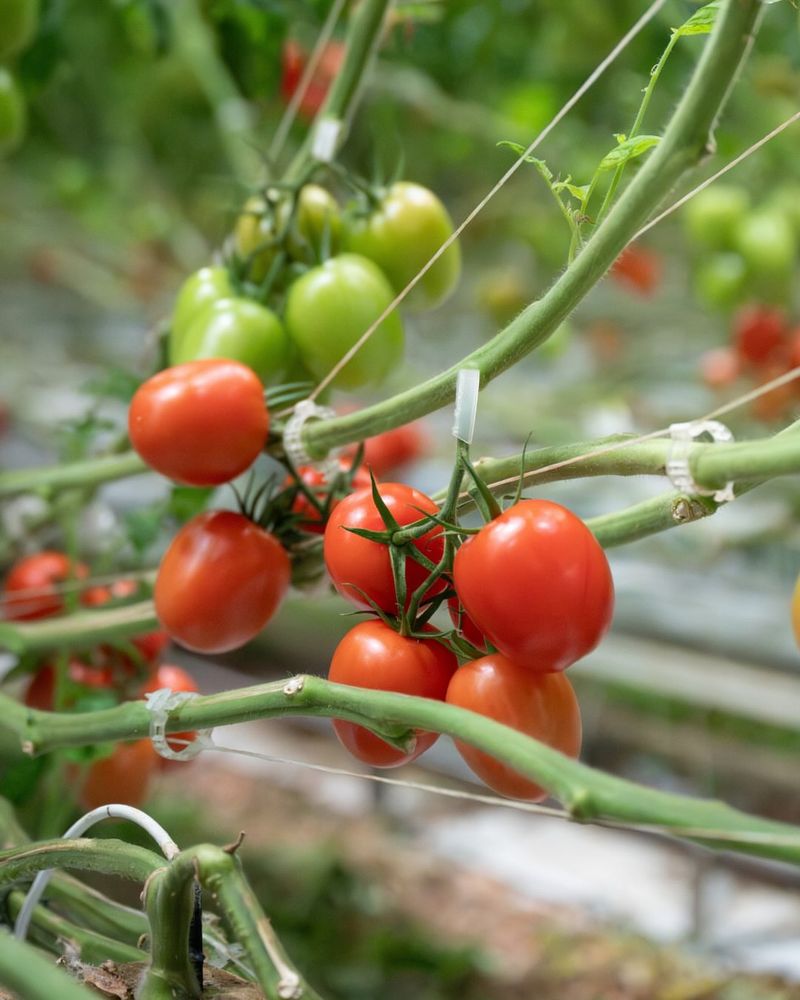
Picking a tomato variety without thinking about how you’ll actually use it is like buying shoes without knowing what you’ll be doing in them. Roma tomatoes are built for sauce and canning.
Their thick flesh, low moisture content, and dense texture mean less cooking time and a richer final product. If you’re putting up quarts of tomato sauce every summer, Roma is one of the most practical choices for Georgia gardens.
Slicing tomatoes like Better Boy or Mortgage Lifter are bred for fresh eating. Cut them thick, put them on a sandwich, or serve them with salt and olive oil.
They’re juicy, flavorful, and satisfying in a way that paste tomatoes simply aren’t. Mortgage Lifter is an old heirloom variety with massive fruit and a mild, sweet flavor that works beautifully on a plate without any cooking at all.
Cherokee Purple falls into a different category entirely. It’s an heirloom with dark reddish-purple flesh and a complex, earthy flavor that tastes unlike any standard grocery store tomato.
It’s not the most productive plant, and it needs some extra attention in Georgia’s humidity, but the flavor payoff is real for gardeners who want something unique at the table.
Thinking through your actual use before buying transplants saves money and garden space. A family that mostly eats fresh tomatoes doesn’t need six Roma plants.
A home canner doesn’t need six slicing varieties. Match the variety to the meal, and you’ll get far more value from every square foot of your Georgia garden.
6. Full Sun Supports Strong Growth And Better Fruit Set
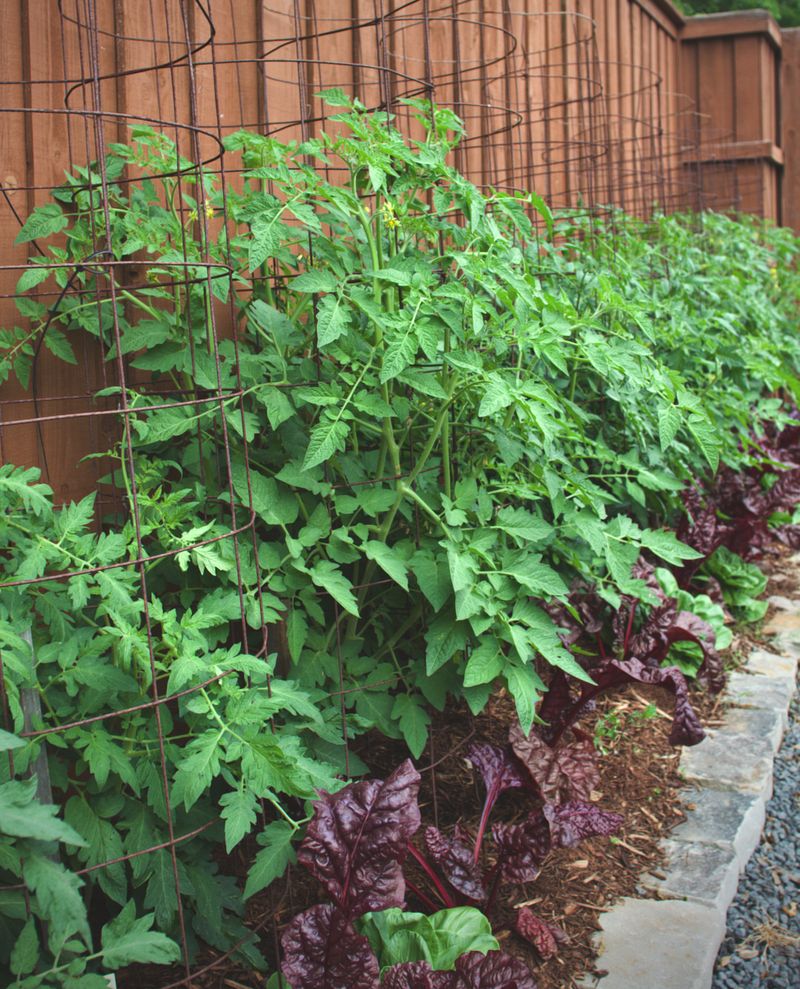
Tomatoes are sun-hungry plants, and in Georgia, that works in your favor most of the year. Eight hours of direct sunlight per day is the baseline for solid production.
Less than that and you’ll notice slower growth, fewer flowers, and fruit that takes forever to ripen. If your garden spot gets shaded by trees or a fence for part of the day, rethink the location before planting.
Morning sun is especially valuable. It dries dew off leaves quickly, which cuts down on fungal problems that thrive in moisture.
Afternoon shade isn’t ideal, but it’s more forgivable than morning shade in terms of disease pressure. South-facing garden beds in Georgia tend to get the most consistent sun exposure through the season.
Strong light also supports better fruit set. Tomato flowers need warmth and light to pollinate effectively, and plants grown in partial shade often produce fewer flowers and drop them more easily.
Bees and other pollinators are also more active in sunny open spaces, which helps fruit set along naturally.
Soil preparation matters just as much as placement. Georgia’s native clay soil drains poorly and can compact around roots, limiting how well plants absorb nutrients and water.
Work in compost before planting to loosen the soil and improve drainage. A soil pH between 6.0 and 6.8 keeps nutrients available and plants productive.
Get a basic soil test through your local UGA Extension office if you’re unsure where your garden stands. That one small step can completely change how your plants perform all season.
7. Consistent Watering Helps Prevent Cracking And Blossom End Rot
Irregular watering is one of the fastest ways to ruin a tomato crop in Georgia, and it’s also one of the most preventable problems. Blossom end rot, that ugly black sunken spot on the bottom of the fruit, comes from calcium deficiency caused by uneven soil moisture.
The plant can’t move calcium properly when water availability bounces up and down, and the fruit pays the price.
Cracking happens for the same reason. A dry stretch followed by a heavy rain causes the inside of the tomato to grow faster than the skin can stretch.
You end up with split fruit that rots quickly in Georgia’s heat. Keeping soil moisture consistent through the season is the best defense against both problems.
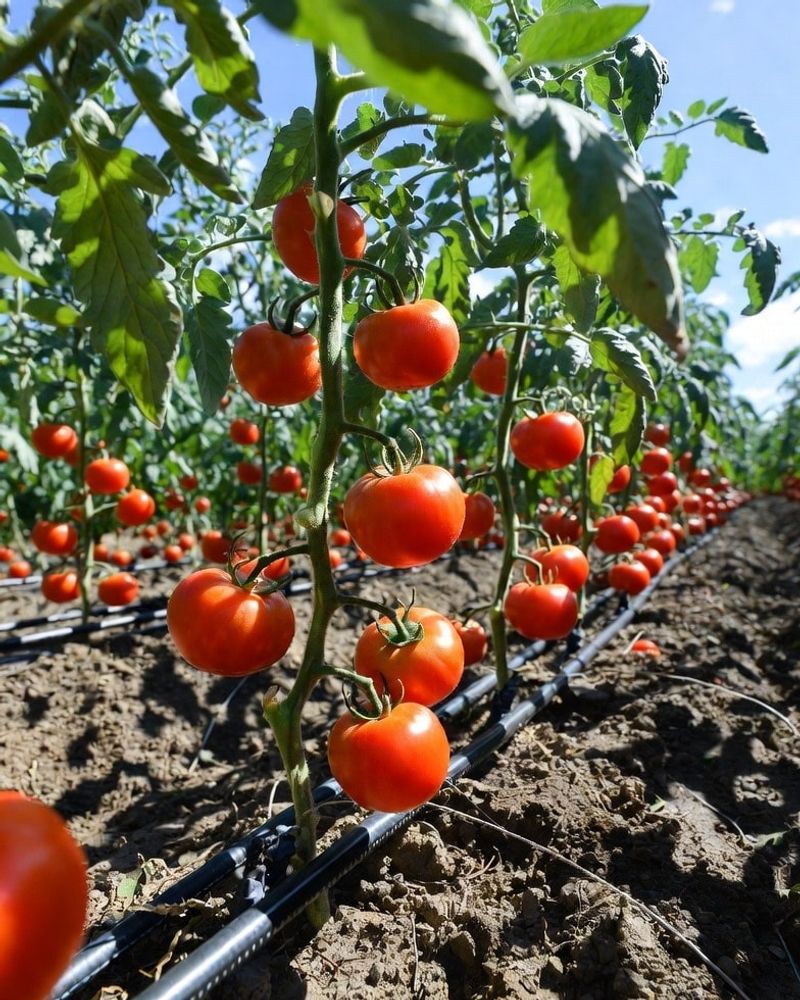
Drip irrigation is worth every penny if you’re serious about your garden. It delivers water directly to the root zone, keeps foliage dry, and can be set on a timer so plants get steady moisture even when you’re busy.
Soaker hoses work well too and cost less to set up. Overhead watering with a sprinkler is the least ideal method because wet leaves in Georgia’s humidity invite disease.
Mulching around the base of each plant helps hold soil moisture between watering sessions. Straw, pine straw, or shredded leaves all work well.
Aim for two to three inches of mulch and keep it pulled back slightly from the main stem to prevent rot. Water deeply two to three times per week rather than shallow watering daily, and your Georgia tomato plants will reward you with cleaner, healthier fruit all season long.