5 Plants Oregon Gardeners Should Prune In April And 3 They Should Leave Alone
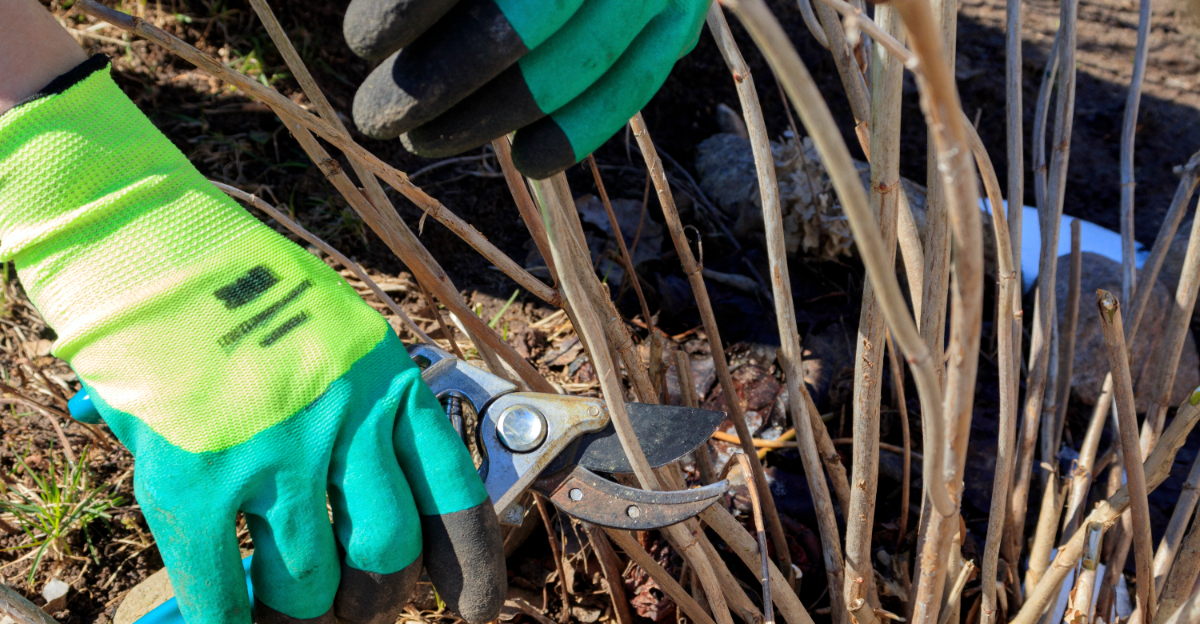
April has a way of making Oregon gardens feel full of momentum. New growth is popping up everywhere, shrubs are filling out, and suddenly everything looks like it needs attention.
Reaching for the pruners feels like the obvious next step, but spring trimming isn’t as straightforward as it seems.
Some plants respond beautifully to an April cut, sending out stronger growth and shaping up nicely for the months ahead.
Others are already gearing up to bloom, and a quick trim now can quietly remove the very flowers you’ve been waiting for.
A little strategy goes a long way. Knowing when to step in and when to hold back can make the difference between a garden that looks full and vibrant and one that feels like it missed its moment.
1. Roses
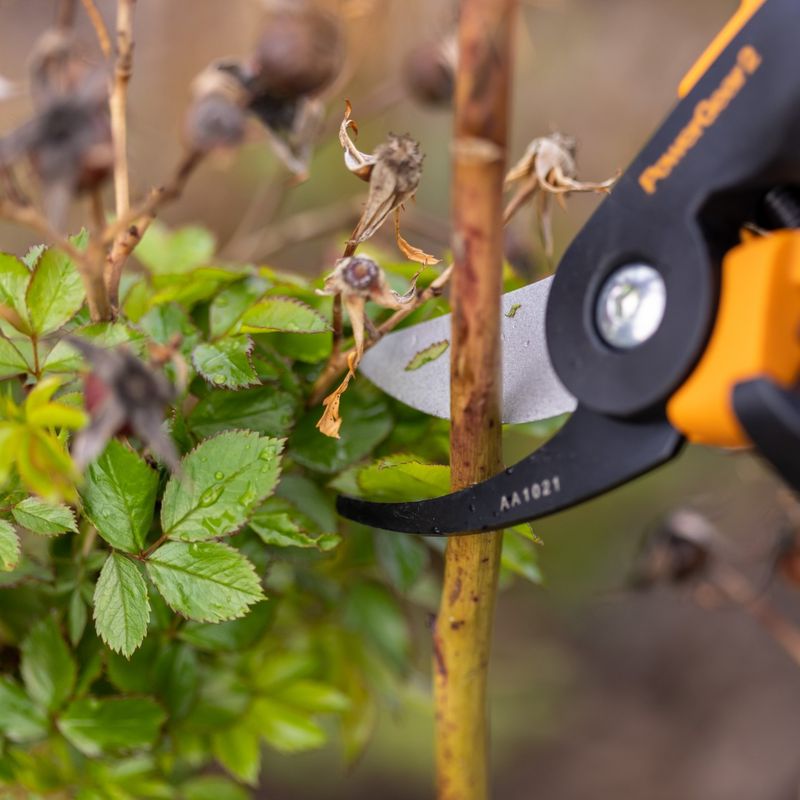
Few plants reward a good spring pruning quite like roses. April is prime time for Oregon gardeners to get in there and shape up their rose bushes before the growing season really takes off.
If you wait too long, the plant puts energy into weak or crossing stems that won’t produce strong blooms.
Start by removing any dead or damaged canes first. Look for canes that are thin, discolored, or clearly not showing any green growth.
Cut them all the way down to the base. Then look at the remaining canes and trim them back to an outward-facing bud.
This helps the plant grow in an open shape, which improves air circulation and reduces disease problems.
In Oregon’s damp climate, good airflow around roses is especially important. Too much moisture sitting on leaves can lead to fungal issues.
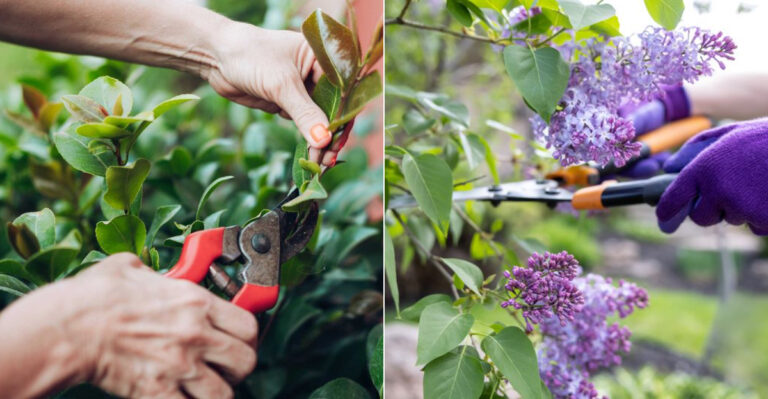
Aim to cut healthy canes back by about one-third to one-half their length. Use clean, sharp bypass pruners to make smooth cuts at a slight angle.
Wipe your blades with rubbing alcohol between plants to avoid spreading any disease. After pruning, add a layer of compost around the base to give your roses a strong nutritional boost heading into spring.
2. Hydrangeas (Panicle And Smooth Types)
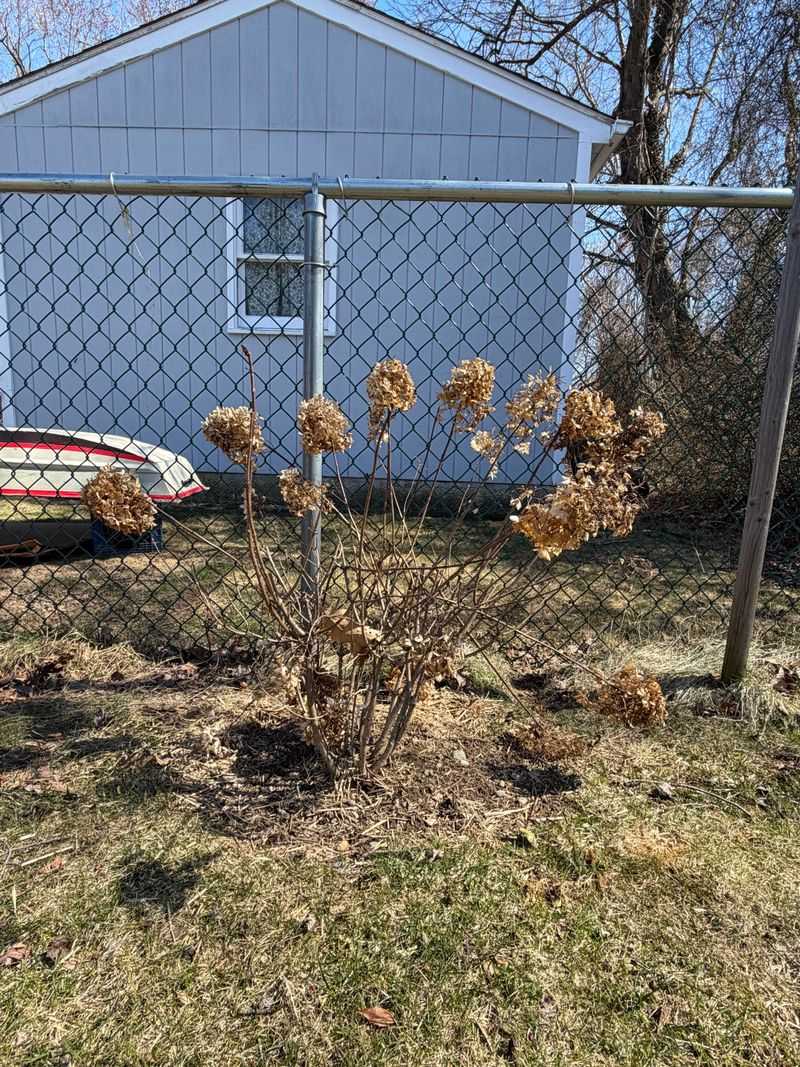
Not all hydrangeas are the same, and that matters a lot when it comes to pruning. Panicle hydrangeas, like Limelight, and smooth hydrangeas, like Annabelle, bloom on new wood.
That means they grow their flower buds on the fresh stems they put out each spring. Pruning them in April actually encourages bigger, stronger blooms.
For panicle types, cut stems back by about one-third. You can be a bit more aggressive with smooth hydrangeas, cutting them down to just 12 to 18 inches from the ground.
Both types respond really well to this kind of pruning and will reward you with full, lush flowers by summer.
One thing Oregon gardeners often get wrong is pruning the wrong type of hydrangea. Bigleaf hydrangeas, also known as mophead or lacecap types, bloom on old wood and should NOT be pruned in April.
Stick to panicle and smooth varieties for your spring pruning session. Always look for the swelling green buds before you cut so you know the plant is healthy and active.
Your Oregon Garden Changes Every Week. Your Plan Should Too.
Gardening in Oregon changes quickly throughout the season. Every Friday you’ll receive a simple weekly plan showing exactly what to plant, prune, fertilize, harvest, and protect so you never miss the right timing.
Sharp, clean shears make a real difference here. After pruning, water well and consider a slow-release fertilizer to support the new growth coming in.
3. Lavender (Light Prune)
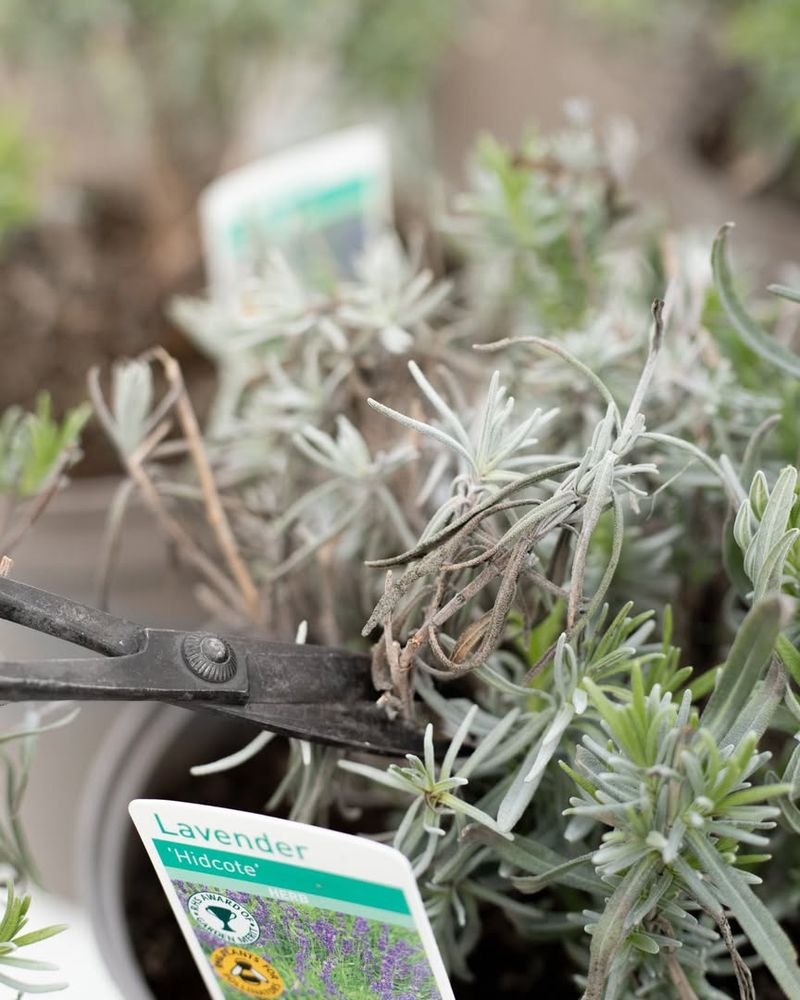
Lavender is one of those plants that needs a careful hand in April. Oregon’s cool, wet springs can be tough on lavender, and pruning too hard at this time of year can really set the plant back.
The key word here is light. You are not doing a major haircut right now.
Look closely at the base of each stem. You should start to see small green shoots pushing out from the woody parts.
Those little shoots are your guide. Only cut above where you see new green growth.
Never cut into the old woody stems that show no signs of life, as those sections won’t sprout back.
A light shaping trim in April helps encourage bushier growth and prevents the plant from getting too leggy. Remove any stems that look clearly dead or damaged from winter.
Beyond that, hold off on a heavy pruning until late spring or early summer when the plant is more established and the weather has fully warmed up. Lavender actually thrives in the drier, sunnier parts of Oregon like the Rogue Valley.
In wetter western Oregon areas, make sure your lavender is planted in well-drained soil to avoid root problems. Less is more with April lavender pruning.
4. Fruit Trees (Apple And Pear, Late Touch-Up)
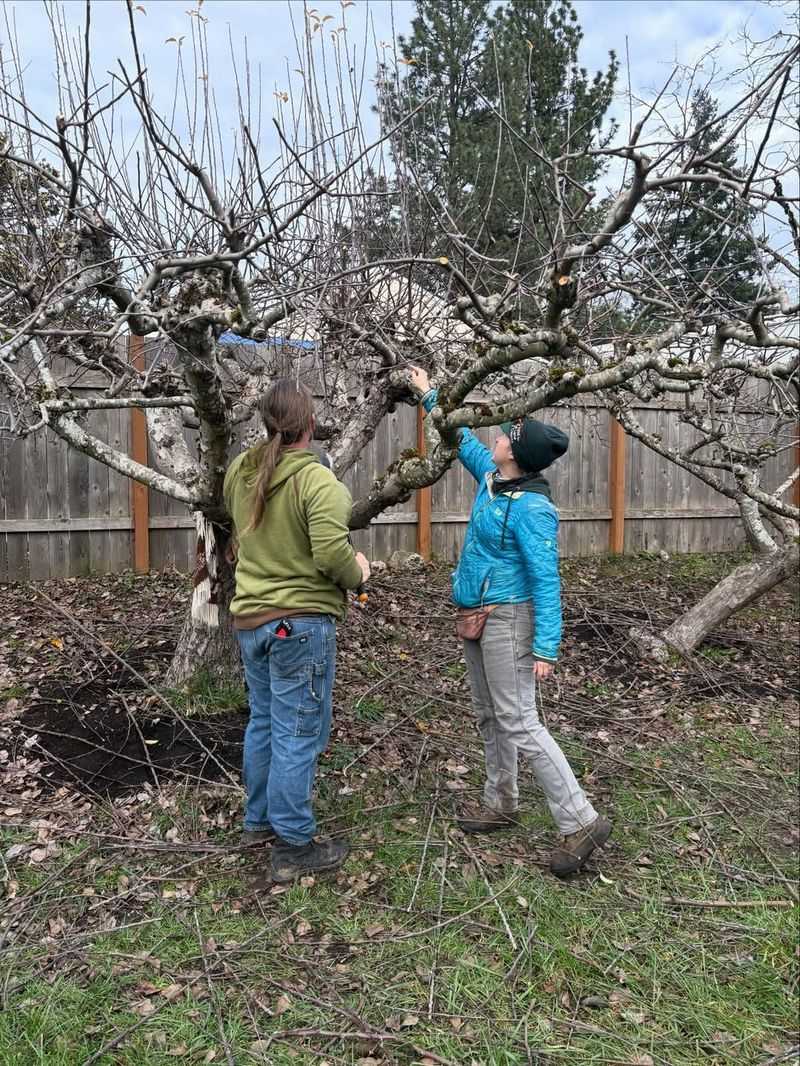
Most fruit tree pruning in Oregon happens in late winter, but April still gives you a chance for a quick clean-up pass on apples and pears. By now, buds are swelling and you can clearly see which branches are healthy, which ones are crossing, and where water sprouts have popped up.
Water sprouts are those fast-growing, straight vertical shoots that shoot up from main branches. They look energetic, but they don’t produce fruit and they crowd the tree’s canopy.
Snip them off as close to the base as possible. Also remove any suckers growing up from the roots or base of the trunk.
Look for branches that are rubbing against each other and remove the weaker one. Good airflow through the canopy is really important in Oregon’s wet spring climate because it helps prevent fungal diseases like apple scab.
Keep your cuts clean and avoid leaving stubs. If you missed your main dormant pruning window earlier this year, don’t try to make up for it all in April.
Heavy pruning once the tree is already leafing out puts real stress on the plant. Stick to light corrective cuts this month and plan for a more thorough session next late winter.
5. Spirea
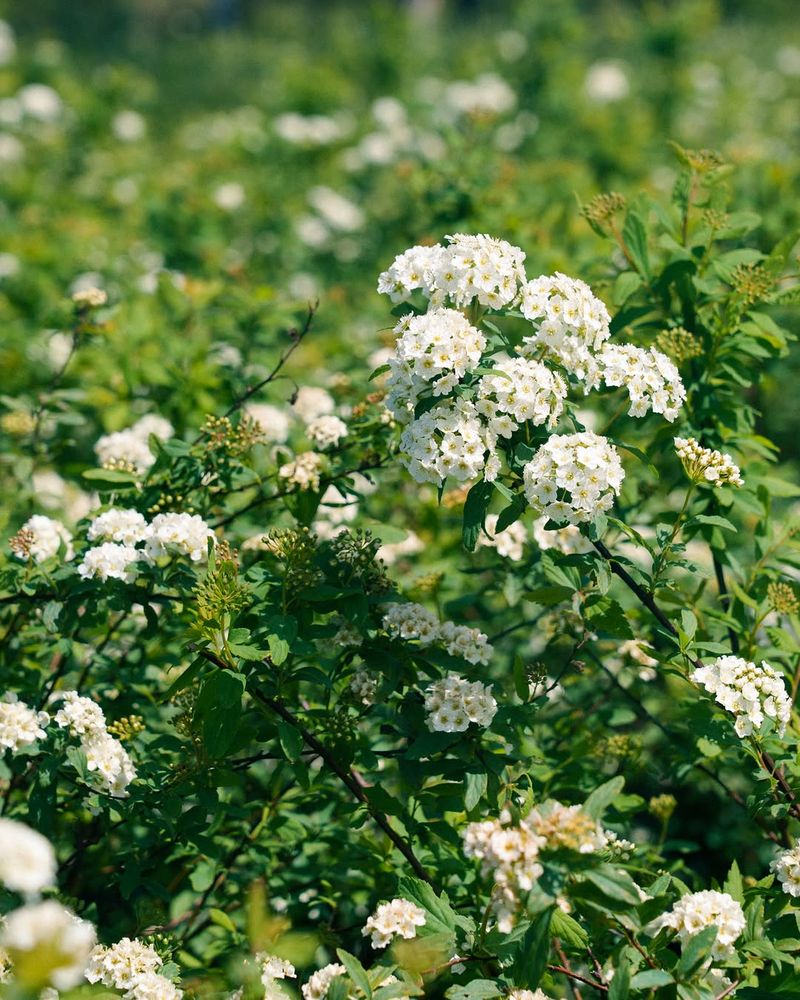
Spirea is one of the hardest-working shrubs in Oregon gardens, and it loves a good spring pruning. Summer-blooming spirea varieties, like Anthony Waterer or Goldflame, bloom on new wood.
Cutting them back in April sets them up for a strong, colorful summer show.
Go ahead and cut summer-blooming spirea back hard, removing about one-half to two-thirds of the plant’s height. This sounds dramatic, but spirea bounces back fast and the new growth it puts out will be full of flower buds.
You’ll also notice the foliage looks much fresher and more vibrant after a good trim.
One thing to watch out for is spring-blooming spirea, like Bridal Wreath. Those varieties bloom on old wood, just like lilacs and rhododendrons.
Pruning them in April will remove this season’s flower buds. If you’re not sure which type you have, check whether it bloomed in spring last year.
If it did, leave it alone until after it finishes flowering. Oregon gardeners with mixed borders often have both types, so it’s worth taking a moment to identify what you’ve got before you start cutting.
A little homework now saves a whole season of missed blooms later.
6. Lilac
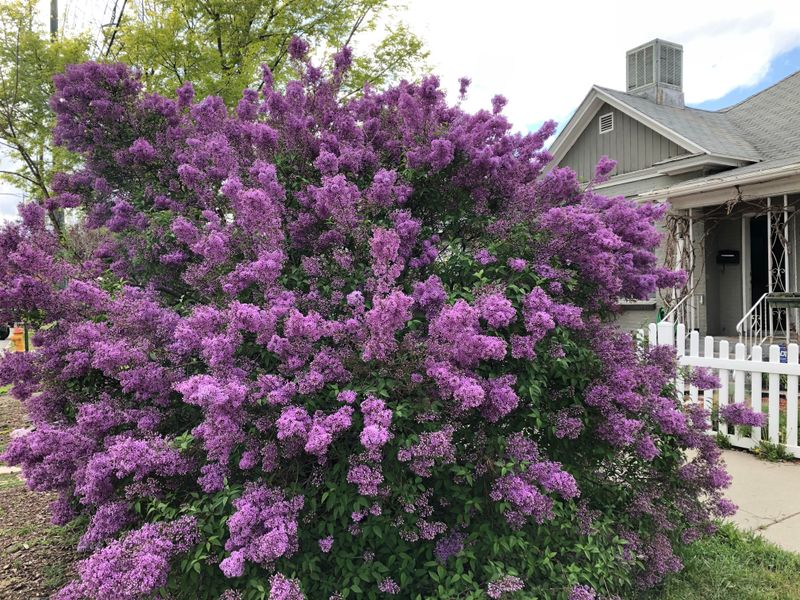
Put the pruning shears away when it comes to lilacs in April. Lilacs are classic spring bloomers that set their flower buds on old wood, meaning the buds were actually formed back in the summer and fall of last year.
If you prune now, you are cutting off the exact buds that are about to open into those gorgeous, fragrant clusters.
Across Oregon, lilacs are a beloved fixture in older neighborhoods and cottage gardens. The temptation to tidy them up in spring is real, but patience pays off here.
Wait until the flowers have completely finished blooming, usually by late May or early June, then do your pruning right away.
Pruning immediately after bloom gives the plant the rest of the growing season to develop new shoots and set next year’s flower buds. If you wait too long after bloom, you risk cutting into those forming buds again.
For overgrown lilacs, you can remove a few of the oldest, thickest stems at the base each year to slowly rejuvenate the shrub without losing too many blooms at once. This gradual approach works really well in the Pacific Northwest climate.
For now, in April, just enjoy the show that lilacs are putting on in your Oregon garden.
7. Azalea
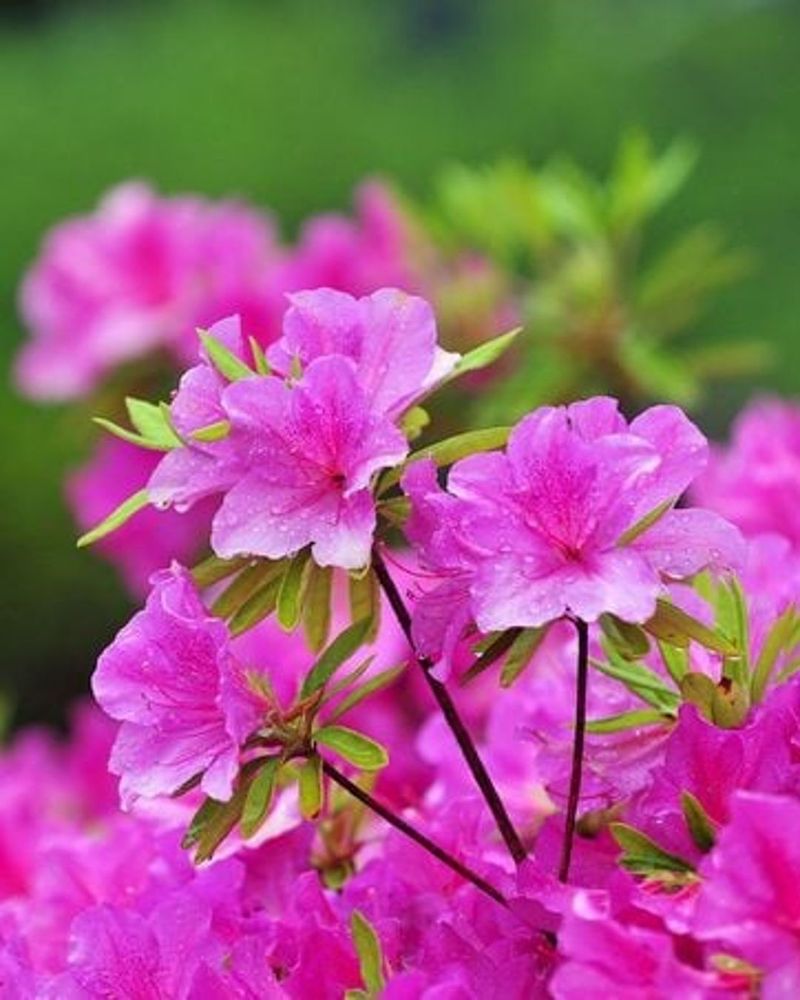
Azaleas are one of the most stunning sights in Oregon gardens every spring. Drive through any neighborhood in the Portland metro area or the Willamette Valley in April and you’ll see them absolutely covered in blooms ranging from soft pink to deep red and bright orange.
They are showstoppers, and that’s exactly why you should not prune them this month.
Like lilacs, azaleas bloom on old wood. The flower buds you’re enjoying right now were set last summer.
Pruning in April means removing those buds mid-show or just before they open, and you’ll end up with a bare, leafy shrub where there should be flowers.
The right time to prune azaleas is right after they finish blooming, typically in May. At that point, you can shape the plant, remove any crossing or awkward branches, and cut back any stems that are getting too long.
Avoid pruning after midsummer because the plant will have already started forming buds for the following spring. Oregon’s mild climate is actually ideal for azaleas, and with the right timing, these shrubs can look incredible year after year.
Resist the urge to cut in April and let them do what they do best: bloom beautifully.
8. Rhododendron
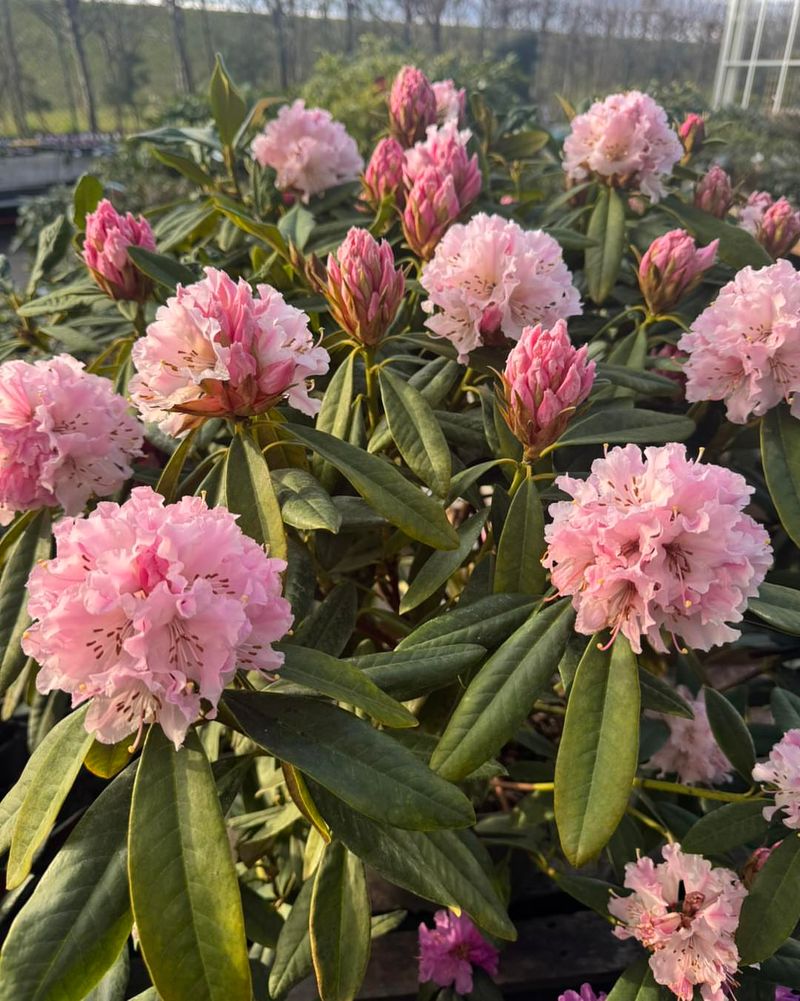
Oregon is basically rhododendron country. These big, bold shrubs thrive in the Pacific Northwest’s mild, rainy climate, and they put on one of the most dramatic floral displays of the entire spring season.
But April is absolutely the wrong time to prune them, and here’s why.
Rhododendrons, like azaleas, bloom on old wood. The flower buds you see swelling and opening right now have been developing since last summer.
Cutting into the plant in April removes those buds and you lose the bloom entirely for this year. It’s a frustrating mistake that’s easy to avoid once you know the rule.
Wait until the flowers have fully faded before doing any shaping or size control. Deadheading the spent blooms right after they finish is actually a great habit that encourages the plant to put energy into new growth rather than seed production.
When you do prune, make your cuts just above a leaf whorl to encourage branching. Avoid cutting back into bare, old wood with no leaves, as rhododendrons can struggle to regenerate from those areas.
In Oregon’s lush garden landscapes, a well-timed pruning after bloom keeps rhododendrons healthy, shapely, and ready to deliver another jaw-dropping display next April.