This Is How To Improve Ohio Clay Soil This April
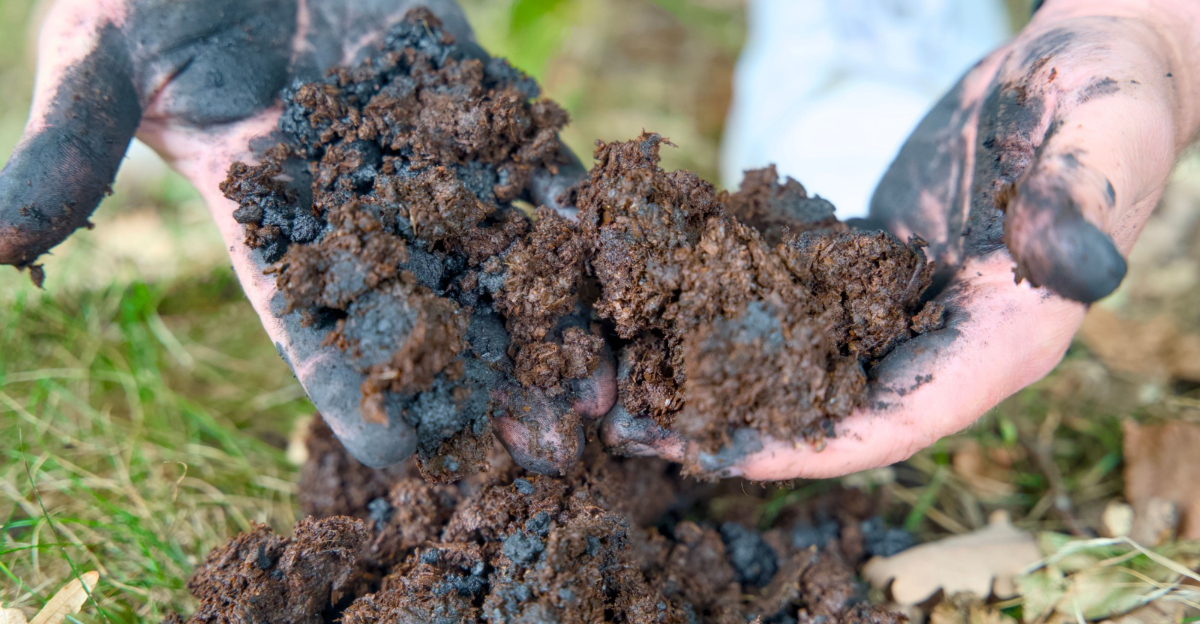
Ever feel like your soil is working against you no matter what you plant? In many Ohio yards, April reveals the truth.
That heavy clay holds water too long, dries into hard chunks, and makes roots fight for every inch of space. It can turn even the simplest planting plans into a frustrating cycle of slow growth and disappointing results.
But April also brings a window of opportunity. As the soil begins to warm and loosen, small changes can make a big impact before the growing season takes off.
Working with clay instead of trying to overpower it is the shift that changes everything. With the right approach, that dense ground can become richer, more workable, and far more plant-friendly over time.
A few smart moves now can set up stronger roots, better drainage, and a garden that finally starts to cooperate.
1. Add Compost To Break Up Clay And Boost Soil Life Fast
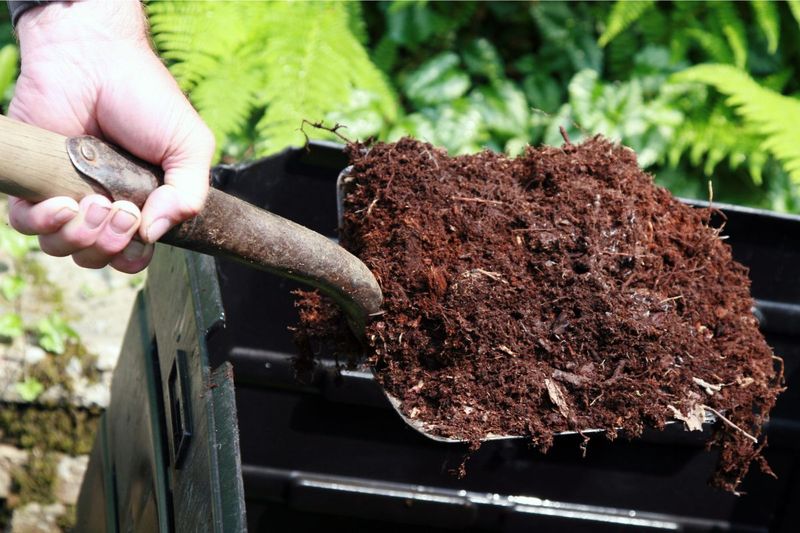
Walk into almost any Ohio State University Extension office and ask about clay soil, and the first thing they will tell you is to add compost. Compost is hands-down the most reliable way to improve heavy clay soil, and April is a perfect time to start.
When you work organic matter into clay, the tiny compost particles help separate the tightly packed clay particles, creating small pockets where air and water can move more freely.
Spread a 2 to 3 inch layer of finished compost over your garden bed and work it into the top 6 to 8 inches of soil using a garden fork or tiller. This improves drainage, softens the texture, and feeds the billions of microbes that help break down more organic matter over time.
One application will make a noticeable difference, but repeated additions each spring and fall are what really transform Ohio clay into rich, workable soil.
Avoid using unfinished or “hot” compost directly in planting beds, as it can temporarily rob nitrogen from your soil. Stick with fully aged compost for the best results.
Even a single season of consistent composting can make your Ohio clay noticeably easier to manage.
2. Avoid Working Wet Soil To Prevent Hard Compaction Problems
April in Ohio means one thing above almost anything else: rain. Lots of it.
And while that moisture is great for waking up seeds and filling rain barrels, it creates a serious trap for eager gardeners who just cannot wait to get outside and start digging. Working clay soil when it is too wet is one of the most damaging things you can do to your garden, and the effects can last for years.
When you dig, till, or walk on wet clay, you crush the soil particles together into a dense, airless mass. Once that happens, roots struggle to penetrate, water pools on the surface, and the soil can actually become harder than before you started.
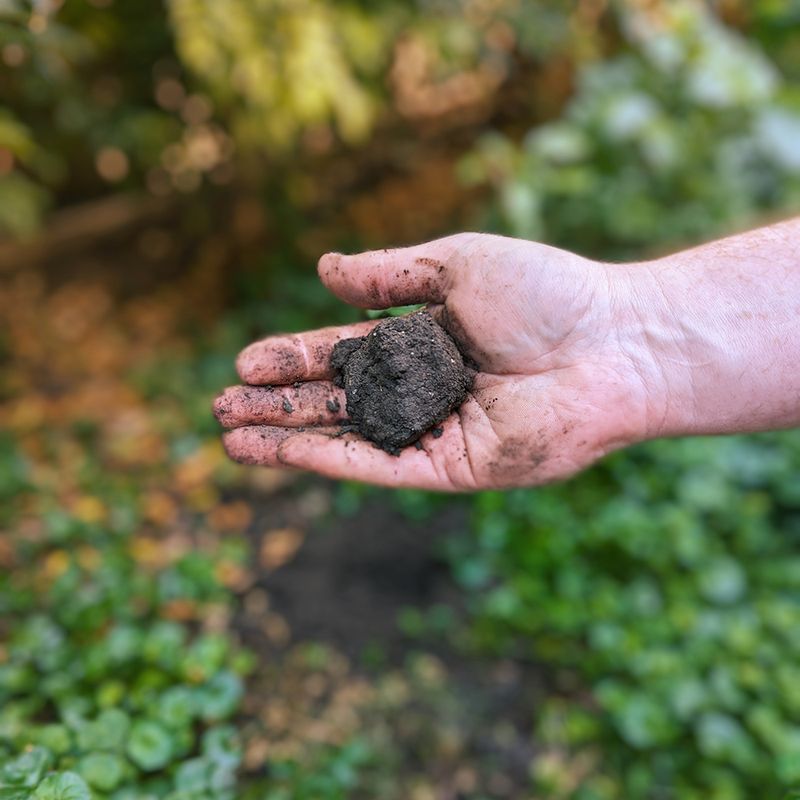
Ohio State University Extension recommends the “soil ball test” before doing any work: grab a handful of soil and squeeze it into a ball, then poke it with your finger. If it crumbles, you are good to go.
Your Ohio Garden Changes Every Week. Your Plan Should Too.
Gardening in Ohio changes quickly throughout the season. Every Friday you’ll receive a simple weekly plan showing exactly what to plant, prune, fertilize, harvest, and protect so you never miss the right timing.
If it smears or stays in a sticky lump, wait a few more days.
Laying down boards or stepping stones as pathways also helps distribute your weight and protect soil structure while you work around your beds this spring.
3. Mix In Organic Matter Instead Of Sand For Better Structure
Here is something that surprises a lot of Ohio gardeners: adding sand to clay soil is almost never a good idea. It sounds logical, mixing gritty sand into sticky clay to loosen it up, but the math just does not work in your favor.
Unless you add an enormous amount of sand, like nearly 50 percent of the total soil volume, you end up with something closer to concrete than garden soil. The clay and sand particles lock together and create a structure that drains even worse than the original clay.
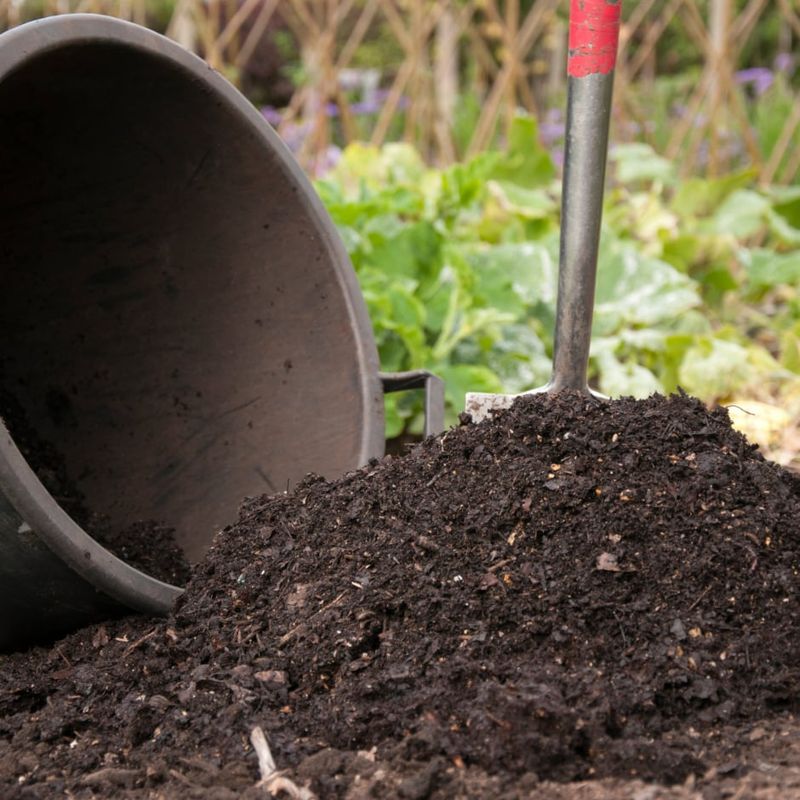
Instead, reach for organic materials like compost, leaf mold, or well-aged manure. These amendments work with clay’s natural chemistry rather than against it.
Leaf mold, which is simply decomposed leaves, is especially popular in Ohio because fall leaf cleanup gives you a free and abundant supply every year. Aged manure from local farms is another excellent option widely available across rural Ohio counties.
Work your chosen organic matter into the top 8 to 10 inches of soil for the best results. Aim to improve a little more depth each season.
Over two or three years of consistent organic additions, Ohio clay soil becomes genuinely productive, crumbly, and easier to manage without resorting to shortcuts that backfire.
4. Use Mulch To Protect Soil And Improve Texture Over Time
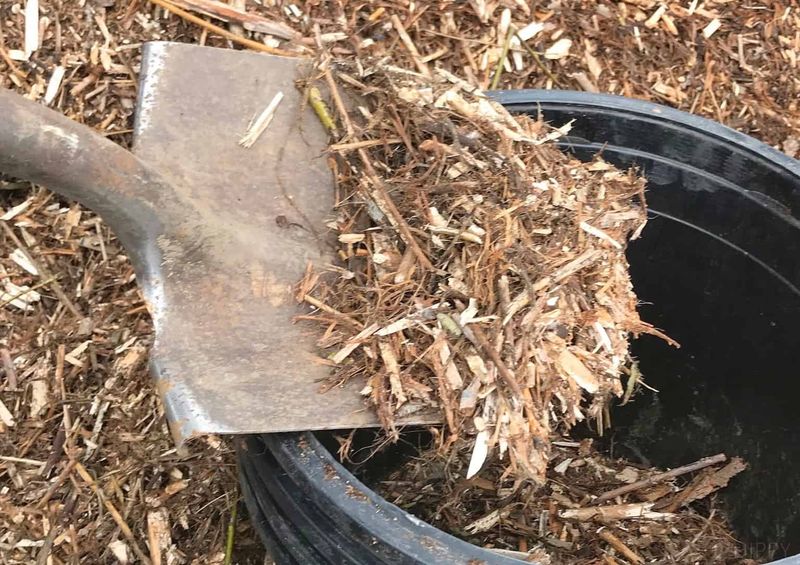
Mulching might seem like a finishing touch, but for Ohio clay soil it is actually a working tool. Spread a few inches of organic mulch over your garden beds this April and you set off a slow, steady process of soil improvement that keeps working all season long.
As mulch breaks down, it feeds earthworms, encourages beneficial fungi, and gradually adds organic matter to the clay layer beneath it.
Shredded wood chips, straw, and shredded leaves all work well as mulch for Ohio gardens. Aim for a layer about 2 to 3 inches deep, keeping it a few inches away from plant stems to prevent moisture buildup against them.
Mulch also acts as a shield during Ohio’s heavy April and May rains, preventing the surface of your clay soil from crusting over and becoming almost impossible to penetrate.
Surface crusting is a real problem with Ohio clay. When bare clay gets hit by heavy rain and then bakes in the sun, it forms a hard cap that blocks water and air from reaching roots.
Mulch prevents that cycle entirely. Refresh your mulch layer mid-season if it thins out, and by fall you will notice the soil beneath it has become noticeably softer and darker than untreated areas nearby.
5. Plant Cover Crops To Loosen And Feed Clay Soil Naturally
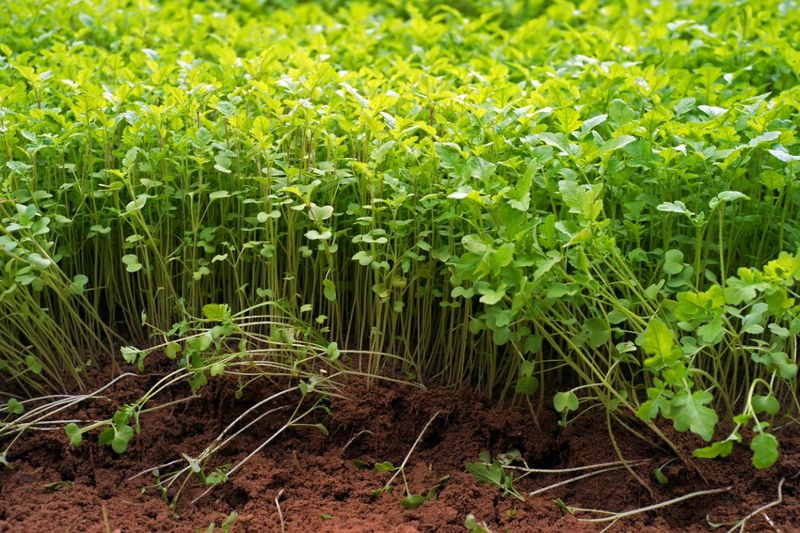
Cover crops are one of the most underused tools in the Ohio home gardener’s toolkit, and April is a great time to think ahead about planting them. The idea is simple: you grow a crop not to harvest but to improve the soil itself.
The roots of cover crops push down through compacted clay layers, creating tiny channels that improve drainage and aeration long after the plants are gone.
Crimson clover and annual ryegrass are two excellent choices for Ohio conditions. Clover is especially valuable because it fixes nitrogen from the air and deposits it into the soil through its root nodules, essentially fertilizing your garden for free.
Annual ryegrass grows quickly, produces a thick root system, and is easy to turn under before it goes to seed. Both are widely available at Ohio garden centers and farm supply stores.
When you are ready to plant your main garden crops, simply till the cover crop into the top several inches of soil and let it decompose for a week or two before planting. Ohio State University Extension recommends cover cropping as one of the most effective long-term strategies for improving heavy clay soils across the state.
Even one season makes a measurable difference in soil structure and organic matter levels.
6. Core Aerate Lawns To Relieve Compaction And Improve Drainage
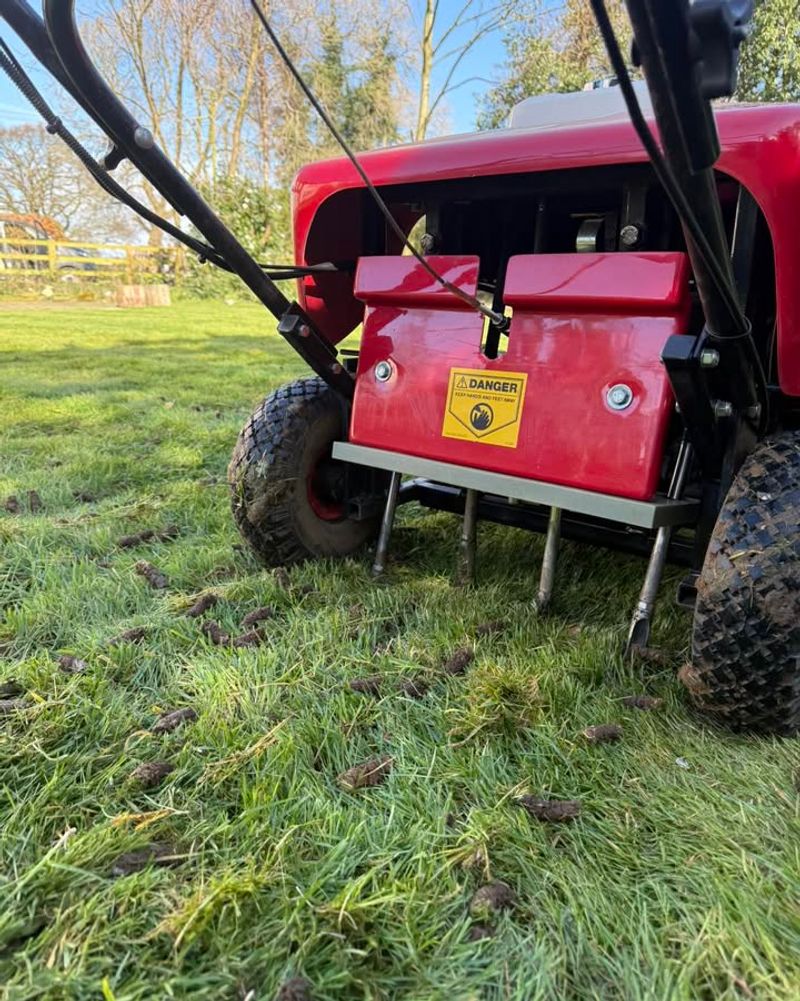
Ohio lawns built on clay soil take a beating every year. Foot traffic, heavy spring rains, and the natural tendency of clay to compact over time all work against a healthy lawn.
Core aeration is one of the most effective ways to fight back, and spring is one of the two best times of year to do it in Ohio, along with early fall.
Core aeration works by pulling small plugs of soil out of the ground, creating open channels where air, water, and fertilizer can actually reach the root zone. This is very different from spike aeration, which simply pushes holes into the ground and can actually increase compaction around each spike.
Always choose core aeration for Ohio clay lawns. Rental machines are available at most Ohio home improvement stores, or you can hire a local lawn care company to handle it.
After aerating, leave the soil plugs on the surface to break down naturally. This is a great time to follow up with a top dressing of compost raked lightly across the lawn, which works down into the aeration holes and begins improving soil structure from the inside out.
Do not aerate when the soil is either bone dry or soaking wet, since both conditions reduce how effectively the machine pulls plugs.
7. Build Raised Beds Where Clay Soil Drains Poorly
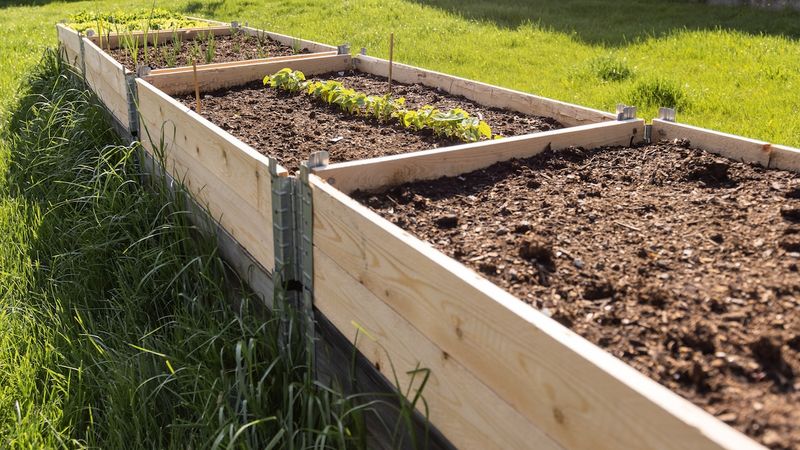
Sometimes the most practical solution to Ohio clay is simply to build above it. Raised beds let you bypass the worst drainage problems entirely by giving your plants a deep reservoir of well-structured soil to grow in, completely independent of whatever dense clay sits underneath.
For Ohio gardeners who have struggled with waterlogged vegetable gardens or flower beds year after year, raised beds can feel like a genuine breakthrough.
Build your raised beds at least 10 to 12 inches deep to give plant roots enough room to develop fully without hitting the clay layer below. A good fill mix for Ohio raised beds includes roughly equal parts quality topsoil, compost, and a porous material like aged wood chips or perlite.
Avoid filling beds with pure topsoil or pure compost alone, as both can settle and compact over time.
Cedar and untreated pine are popular lumber choices for Ohio raised bed frames because they resist moisture and hold up well through Ohio’s freeze-thaw winters. Place your beds in a spot that receives at least 6 to 8 hours of sunlight and, if possible, slightly elevated ground so that any overflow during heavy rains drains away naturally.
Raised beds also warm up faster in spring, giving Ohio gardeners a welcome head start on the growing season.
8. Test Your Soil First To Guide Smarter Improvements
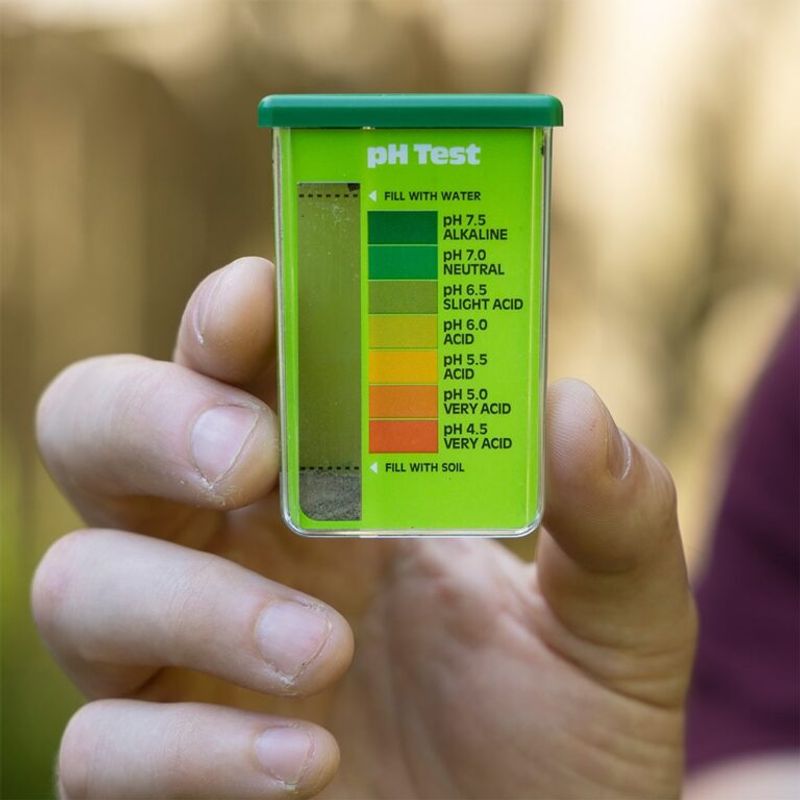
Before spending money on amendments or putting in hours of work, it pays to actually know what your Ohio soil needs. Clay soils across Ohio vary more than most people expect.
A garden bed in Columbus might need lime to raise its pH, while a plot in northeast Ohio near the lake could have completely different nutrient gaps. A soil test takes the guesswork out of the entire process and points you toward improvements that will actually make a difference for your specific conditions.
Ohio State University Extension offers affordable soil testing through its lab at Ohio State. You can also find basic test kits at local garden centers.
A standard test measures pH, phosphorus, potassium, and organic matter levels, giving you a clear starting point. Most Ohio clay soils have a pH between 6.0 and 7.0, but the ideal range for most vegetables and flowers is closer to 6.3 to 6.8.
If your pH is off, even well-amended soil will not perform the way you expect.
Collect soil samples from several spots around your garden and mix them together before sending them in for the most accurate reading. Test results typically come with specific amendment recommendations tailored to what you want to grow, saving you both time and money throughout the Ohio growing season.