This Tiny Pennsylvania Bug Is One Of Nature’s Best Pest Controllers
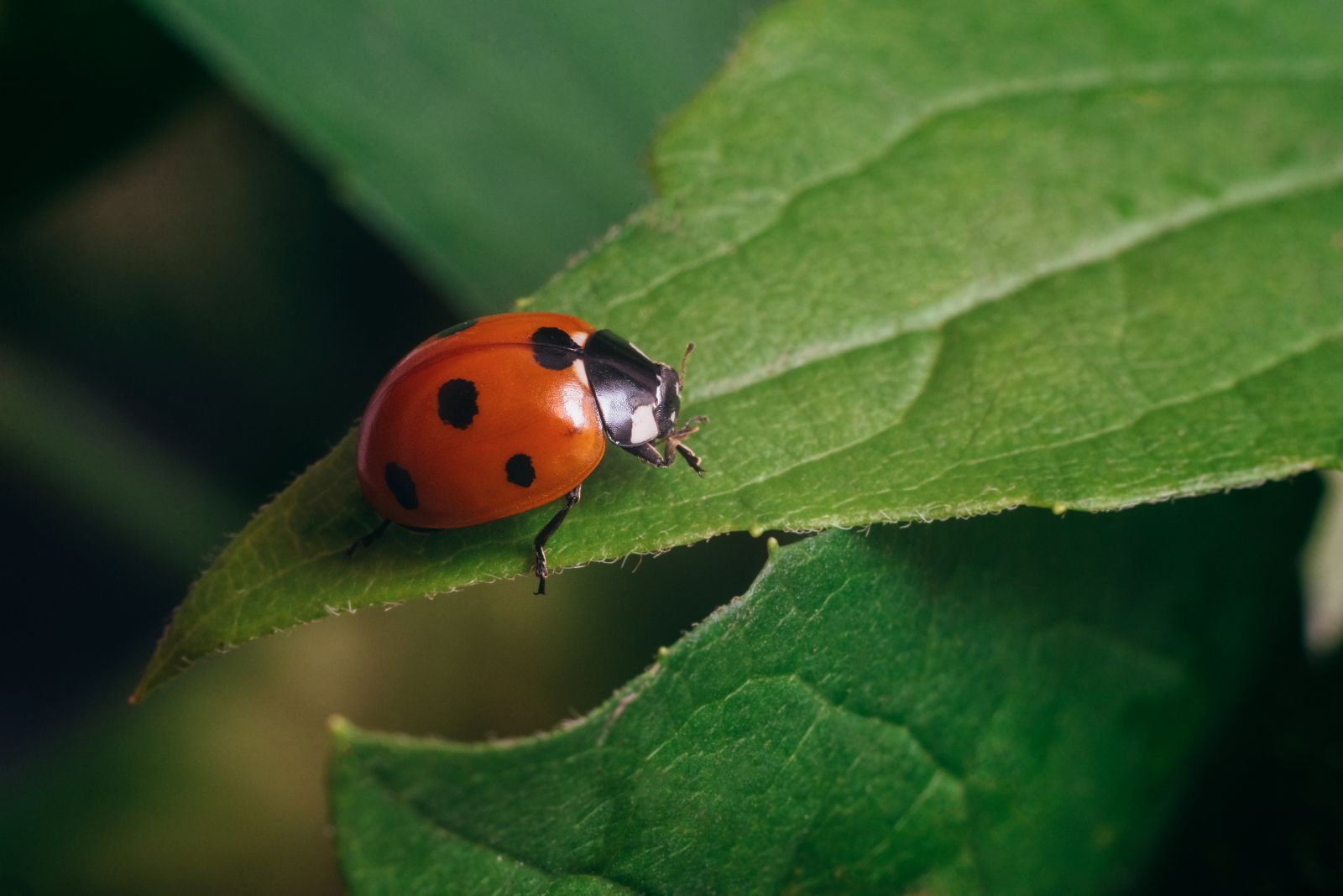
Some of the best help in the garden comes in a very small package. Tucked among leaves, flowers, and stems is a bright little insect that works harder than most people realize, quietly taking on the pests that love to chew, suck, and damage healthy plants.
In Pennsylvania gardens, that kind of natural backup can make a big difference, especially when aphids and other troublemakers start showing up in large numbers.
Gardeners often spend a lot of time looking for safe ways to protect their plants without upsetting the balance of the yard. That is why this tiny bug stands out.
It is not just cute or easy to recognize. It is also one of nature’s most effective pest controllers, helping reduce problem insects without asking for much in return.
Once you know how helpful ladybugs really are, it is hard not to appreciate every one you spot crawling across a leaf. They may be small, but in the garden, they pull far more than their weight.
Ladybugs May Be Small, But They Do A Big Job In Pennsylvania Gardens
Most people think of ladybugs as cute little decorations on a garden plant. But these tiny red beetles are actually working hard every single day.
In Pennsylvania, they are considered one of the most valuable beneficial insects a gardener can have.
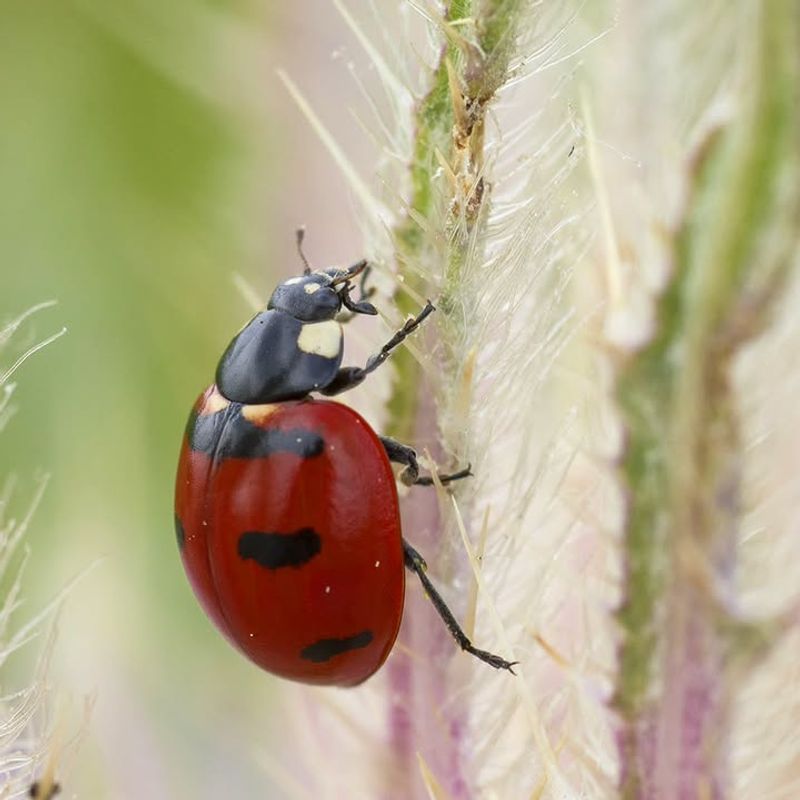
Ladybugs belong to the beetle family Coccinellidae. There are actually thousands of species worldwide, and many of them call Pennsylvania home.
The most common ones you will spot are red with black spots, but some can be orange or even yellow.
What makes ladybugs so special is their appetite. A single adult ladybug can eat up to 50 to 60 aphids in one day.
Over a lifetime, one ladybug may consume thousands of harmful insects. That kind of natural pest control is hard to beat.
Pennsylvania gardeners deal with a wide range of pest problems every growing season. Aphids, mites, and scale insects can show up fast and cause a lot of damage in a short amount of time.
Having ladybugs present means you have a built-in defense system already working for you.
Unlike chemical sprays, ladybugs do not harm the soil, the water supply, or other helpful creatures in your yard. They are a completely natural solution that fits perfectly into any backyard garden ecosystem. The best part is that they do all this work for free.
So next time you see a ladybug crawling across your tomato plant or rose bush in Pennsylvania, do not brush it away. That tiny bug is one of your garden’s greatest allies, quietly doing a very big job every single day.
Why Ladybugs Are So Helpful To Gardeners
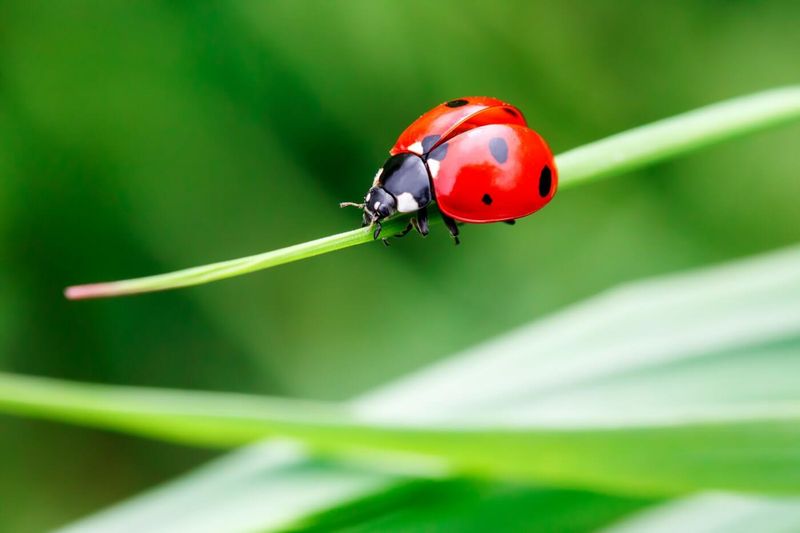
Ask any experienced Pennsylvania gardener what their biggest frustration is, and aphids will almost always come up. These tiny, soft-bodied insects multiply fast and can cover a plant in just a few days.
That is exactly where ladybugs come in. Ladybugs are natural predators of aphids. They seek them out on stems, leaves, and flower buds.
Your Pennsylvania Garden Changes Every Week. Your Plan Should Too.
Gardening in Pennsylvania changes quickly throughout the season. Every Friday you’ll receive a simple weekly plan showing exactly what to plant, prune, fertilize, harvest, and protect so you never miss the right timing.
Once a ladybug finds a colony of aphids, it will stay and feed until the food source is gone. This behavior makes them incredibly useful in vegetable gardens and flower beds across Pennsylvania.
Beyond aphids, ladybugs also go after other soft-bodied pests that commonly attack garden plants. Scale insects, mealybugs, and spider mites are all on the menu.
Having a healthy population of ladybugs means your plants have a much better chance of staying strong and healthy through the growing season.
Vegetable gardens benefit especially from ladybug activity. Crops like tomatoes, peppers, beans, and squash are all frequent targets for aphid outbreaks.
When ladybugs are present, these outbreaks are kept in check before they have a chance to cause serious plant damage.
Flower beds also benefit in a big way. Roses, in particular, are known for attracting aphids, and Pennsylvania gardeners who grow them know the struggle well.
Ladybugs naturally patrol these plants and keep aphid numbers low without any extra effort from the gardener.
The beauty of relying on ladybugs is that they work on their own schedule, without any input from you. They are low-maintenance, effective, and completely safe for the environment.
For Pennsylvania gardeners looking for natural solutions, these little beetles are truly a dream come true.
The Pests Ladybugs Help Control
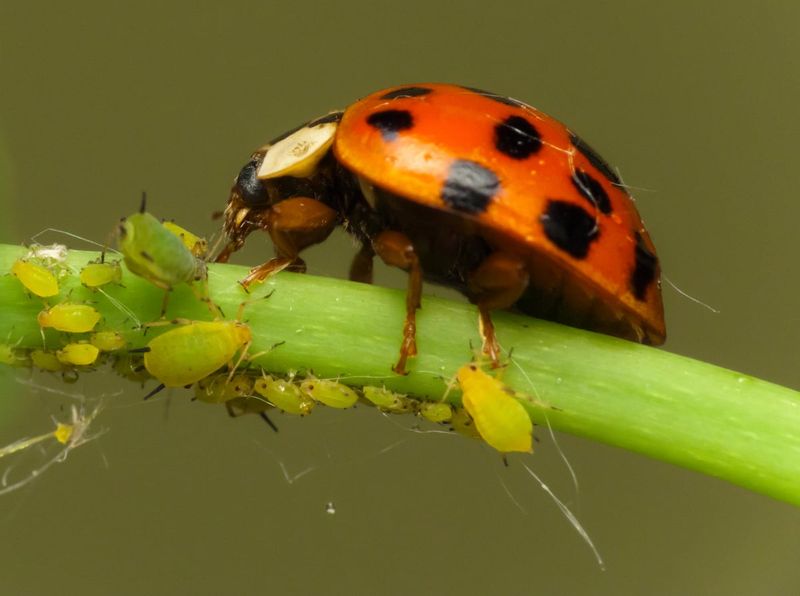
You might be surprised by just how many different pests a single ladybug can tackle. Most people only know about aphids, but ladybugs have a much broader diet than that.
In Pennsylvania gardens, they go after several types of plant-damaging insects throughout the growing season.
Aphids are the number one target. These pear-shaped, soft-bodied insects cluster on new plant growth and suck out the sap.
They reproduce incredibly fast, so a small problem can turn into a big one almost overnight. Ladybugs help stop that cycle before it gets out of hand.
Scale insects are another common problem in Pennsylvania. They attach themselves to plant stems and leaves, feeding on the plant’s fluids.
They can be hard to spot because they look like bumps on a stem. Ladybugs pry them off and eat them, helping to protect trees, shrubs, and garden plants.
Mealybugs are soft, waxy insects that tend to gather in the joints of plant stems. They are slow-moving and easy for ladybugs to catch.
These pests can weaken plants significantly over time, but regular ladybug activity helps keep their numbers manageable.
Spider mites are tiny and hard to see with the naked eye, but they cause real damage to garden plants by creating a dusty, speckled appearance on leaves. Ladybugs feed on spider mites too, adding another layer of protection for your Pennsylvania garden plants.
With all of these pests on their menu, ladybugs help reduce the need for chemical sprays. Fewer chemicals mean a healthier garden environment for pollinators, birds, and other beneficial creatures.
That is a win for every Pennsylvania gardener who cares about their yard.
Ladybug Larvae Are Even Better Pest Hunters Than Adults
Here is something most Pennsylvania gardeners do not know: the baby version of a ladybug is actually a more aggressive pest hunter than the adult.
Ladybug larvae look nothing like the round, spotted beetles you are used to seeing. They are dark, spiky, and a little strange-looking, almost like a tiny alligator.
Because of their unusual appearance, many gardeners mistake them for harmful bugs and remove them from their plants. That is a big mistake. These larvae are incredibly effective predators and should be left alone to do their work.
A single ladybug larva can eat hundreds of aphids during its development stage. They are constantly on the move, searching for food across leaves and stems.
Since they are always hungry and always hunting, they can clear a pest problem faster than adult ladybugs in many cases.
The larval stage lasts about two to three weeks, depending on the temperature and food availability. During that time, the larva goes through several growth stages.
Each stage brings a bigger appetite and more pest-eating activity, which is great news for your Pennsylvania garden plants.
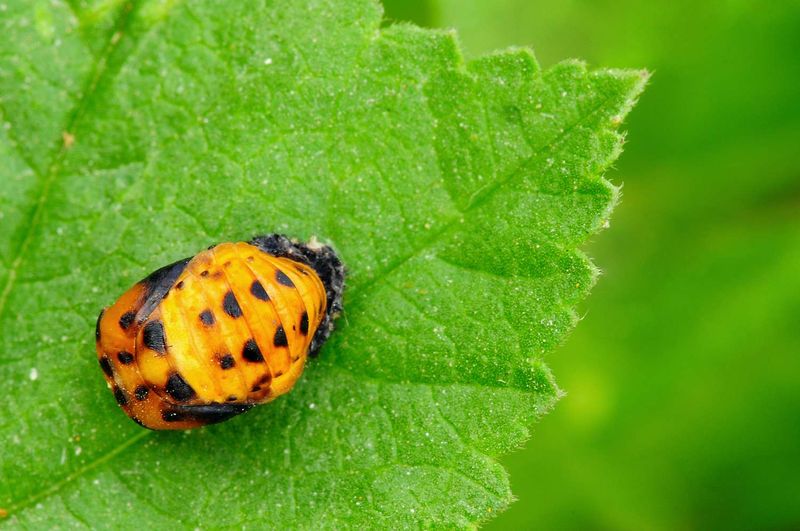
After the larval stage, the ladybug enters a pupal stage before becoming an adult. The pupa also looks unusual, kind of like a small, spotted orange blob attached to a leaf. Both the larva and the pupa should be left undisturbed whenever possible.
Learning to recognize ladybug larvae is one of the most practical things a Pennsylvania gardener can do.
When you know what they look like, you stop seeing them as threats and start seeing them as the powerful little pest controllers they truly are. Your plants will thank you for it.
Why Pennsylvania Gardens Need More Beneficial Bugs Like Ladybugs
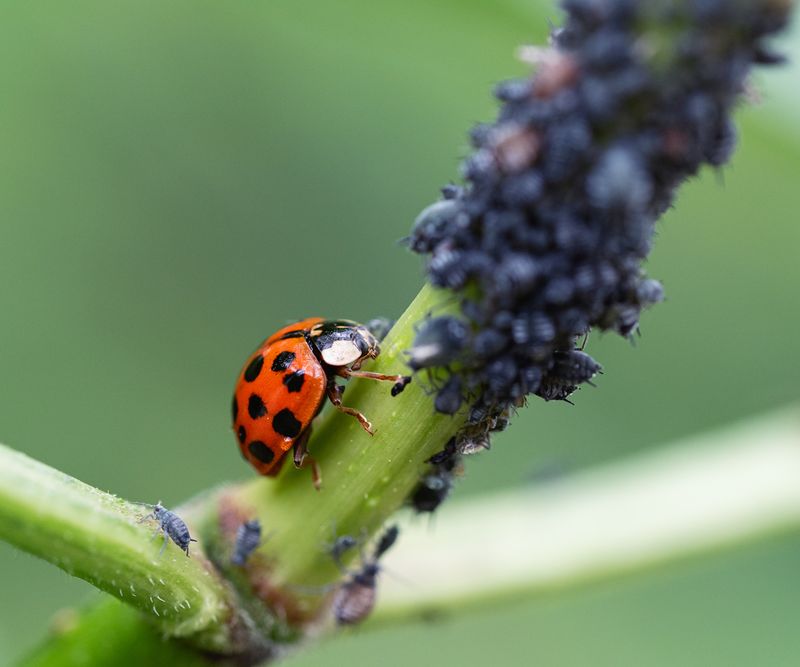
A garden is more than just plants. It is a living ecosystem made up of insects, soil organisms, birds, and countless other creatures all working together.
In Pennsylvania, keeping that system balanced is the key to a thriving, healthy yard year after year.
Ladybugs play an important role in that balance. By keeping pest populations in check, they allow plants to grow strong without the need for constant human intervention. A garden with a healthy ladybug population tends to have fewer pest outbreaks overall.
One of the biggest benefits of supporting beneficial insects like ladybugs is that they do not harm pollinators.
Bees, butterflies, and other helpful insects continue to do their jobs safely when ladybugs are present. Chemical pesticides, on the other hand, often harm these pollinators along with the pests.
Pennsylvania has a rich variety of native plants, flowers, and wildlife that all depend on a balanced insect population. When one type of pest gets out of control, it can throw the whole system off.
Ladybugs act as a natural regulator, helping prevent those kinds of imbalances from happening.
Encouraging more beneficial insects in your Pennsylvania garden also reduces your long-term gardening costs. Fewer pest problems mean less money spent on treatments, sprays, or replacement plants.
Over time, a garden that supports natural predators like ladybugs becomes easier and cheaper to maintain.
Beyond the practical benefits, there is something genuinely satisfying about watching nature handle its own problems.
Seeing a ladybug patrol your garden plants is a sign that your yard is healthy and functioning the way it should. That is a goal every Pennsylvania gardener can feel good about working toward.
What Attracts Ladybugs To A Pennsylvania Garden
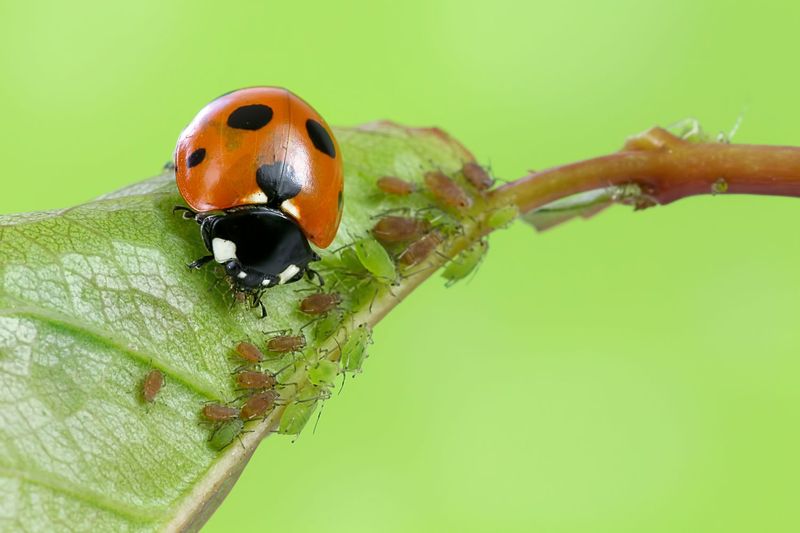
Want more ladybugs in your Pennsylvania garden? The good news is that attracting them is not complicated.
A few simple changes to your garden setup can make a big difference in how many of these helpful beetles decide to stick around.
Food is the first thing ladybugs look for. If you have aphids or other soft-bodied pests on your plants, ladybugs will naturally come to feed.
This might sound strange, but a small, manageable pest population actually helps attract and keep ladybugs in your garden long-term. Planting nectar-rich flowers is another great strategy. Ladybugs do not only eat insects.
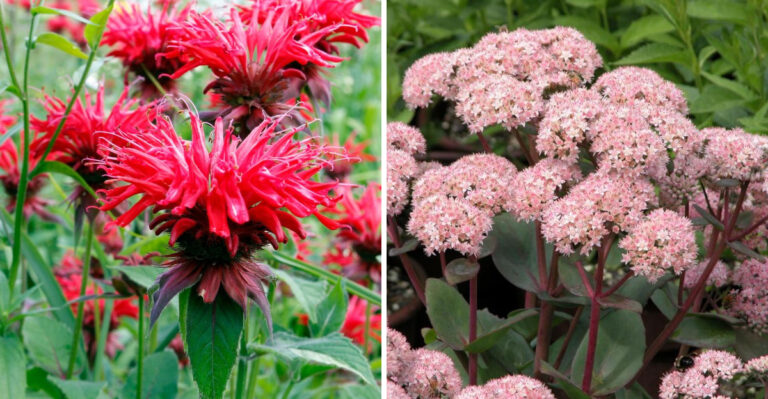
They also feed on pollen and nectar, especially when pest numbers are low. Plants like dill, fennel, marigolds, and yarrow are excellent choices for drawing ladybugs to a Pennsylvania yard.
Flat-topped flowers are especially attractive to ladybugs because they are easy to land on and feed from. Native Pennsylvania wildflowers are a fantastic option because they are already adapted to the local climate and tend to bloom across a long season.
One of the most important things you can do is avoid broad-spectrum pesticides. These chemicals do not just affect the pests you are targeting.
They also harm ladybugs and other beneficial insects. If you want a thriving ladybug population, switching to targeted or organic pest management is a smart move.
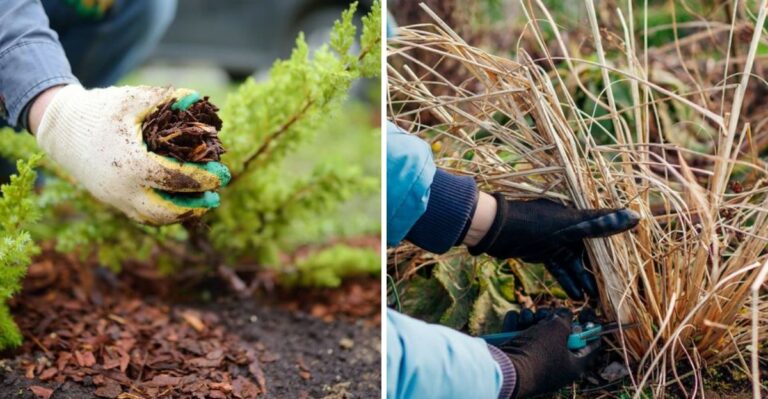
Providing shelter also helps. Leaving some leaf litter, mulch, or ground cover in your garden gives ladybugs a place to hide and overwinter.
Pennsylvania winters can be cold, and ladybugs need safe spots to survive until spring. A garden that offers both food and shelter will keep these incredible little pest controllers coming back season after season.