What Pennsylvania Azaleas Need In Early Spring For A Stunning Bloom Display
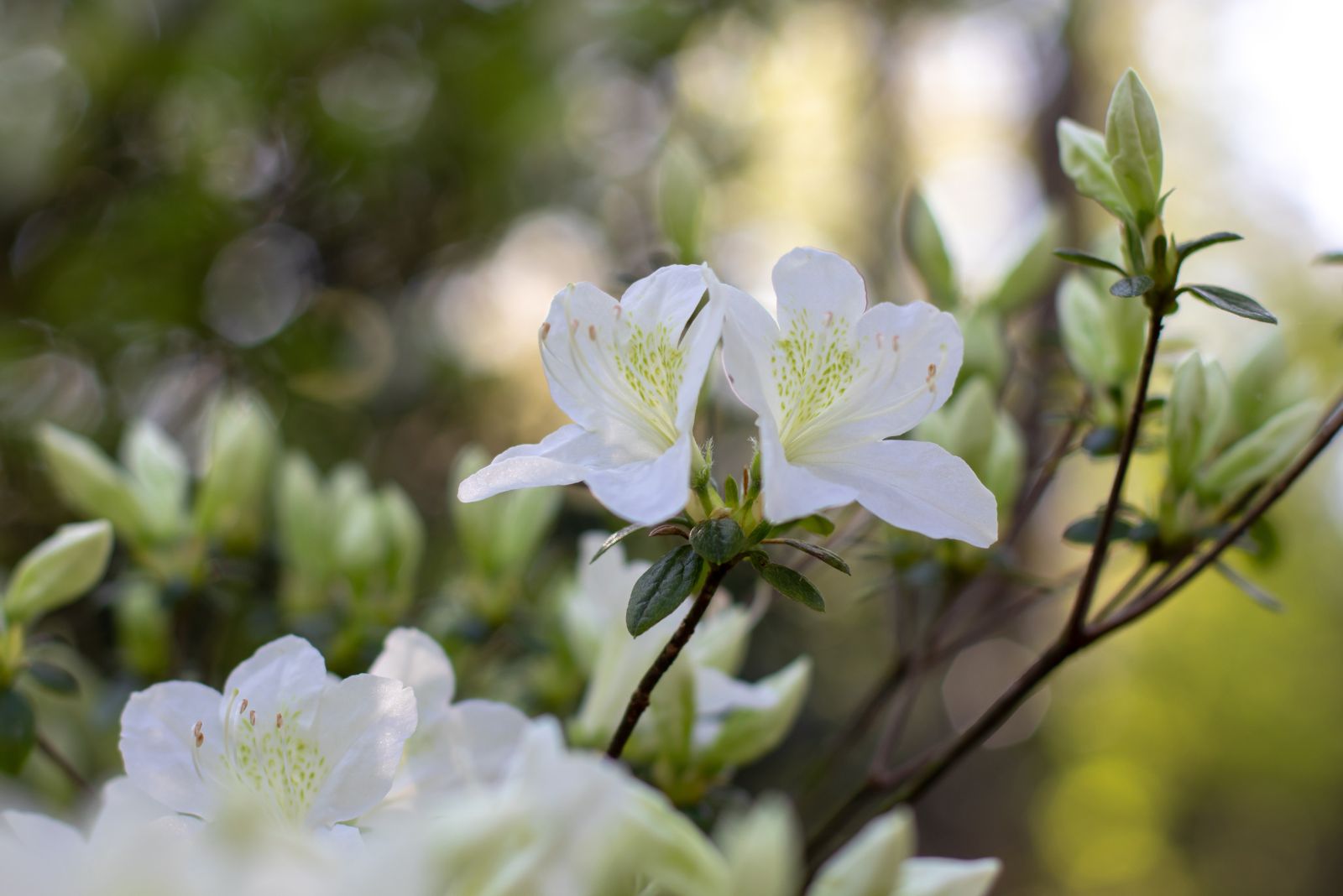
Azaleas can put on one of the prettiest spring shows in Pennsylvania, but they do not get there by accident. When those shrubs are covered in bright, full blooms, it is usually because they got the right care at the right time.
Early spring is when that care really matters. After a long winter, azaleas are waking up, getting ready to grow, and setting the stage for the kind of display that makes the whole yard feel brighter.
This is also when small mistakes can lead to disappointing results. Too much fuss, poor timing, or missing a basic need can leave azaleas looking thin, dull, or much less impressive than expected.
The good news is that they are not nearly as difficult as they sometimes seem. A few simple steps in early spring can help them grow stronger, hold onto their buds, and bloom with much more color and impact.
If you want your Pennsylvania azaleas to look full, healthy, and hard to ignore this season, knowing what they need now can make all the difference.
1. Even Moisture While Buds Are Swelling
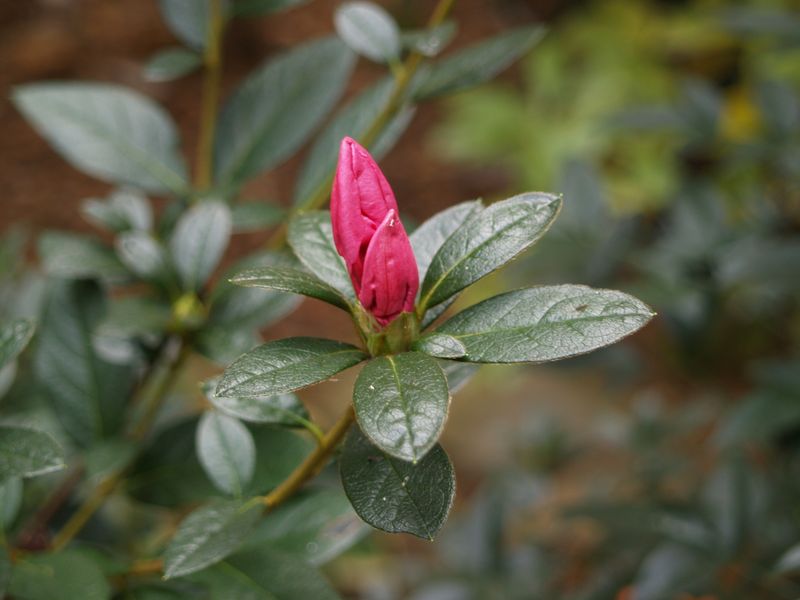
Watching azalea buds swell in early spring is one of the most exciting moments for Pennsylvania gardeners. Those tiny buds hold all the promise of the season, and keeping them healthy starts with one simple thing: consistent soil moisture.
If the soil dries out too much while buds are developing, the plant gets stressed and may not bloom as fully as it should.
Pennsylvania springs can be unpredictable. Some years bring steady rain, while other years feel surprisingly dry in March and April.
When rainfall is light, you should water your azaleas at the base of the plant rather than from overhead. Overhead watering can encourage fungal problems and does not get water to the roots as effectively.
The goal is soil that stays evenly moist, not soggy. Stick your finger a couple of inches into the soil near the plant.
If it feels dry, it is time to water. If it feels wet and heavy, hold off and let it drain a bit before watering again.
Soggy soil is hard on azalea roots and can lead to serious root problems that affect the whole plant.
Azaleas have shallow root systems, which means they dry out faster than deeper-rooted plants. This makes regular checking even more important during bud swell.
A quick look every few days during dry stretches can save your bloom display from being cut short. Pennsylvania gardeners who pay attention to soil moisture in early spring tend to enjoy the fullest, most colorful blooms when flowering time finally arrives.
2. Acidic Soil That Actually Supports Healthy Growth
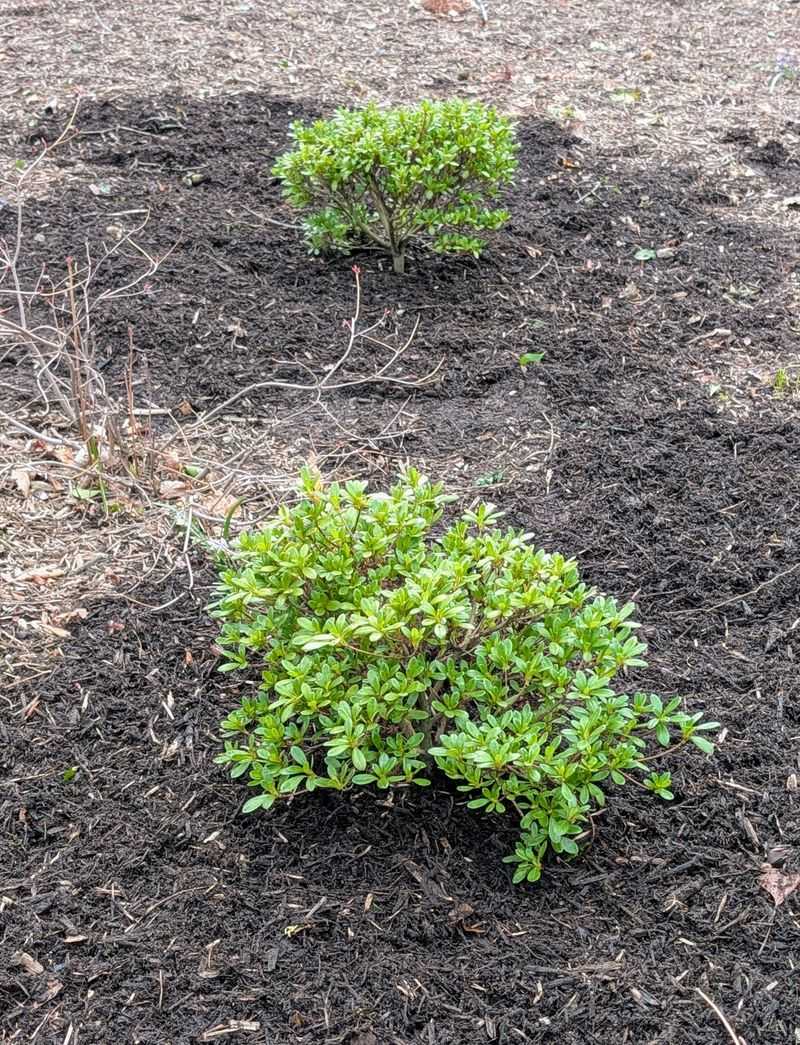
Soil pH might sound like something only scientists care about, but for azaleas in Pennsylvania, it matters more than almost anything else. Azaleas are acid-loving plants, which means they grow and bloom best when the soil pH is between 4.5 and 6.0.
When the pH is too high, the plant cannot absorb the nutrients it needs, even if those nutrients are already in the ground.
Your Pennsylvania Garden Changes Every Week. Your Plan Should Too.
Gardening in Pennsylvania changes quickly throughout the season. Every Friday you’ll receive a simple weekly plan showing exactly what to plant, prune, fertilize, harvest, and protect so you never miss the right timing.
A lot of Pennsylvania gardeners assume their soil is acidic enough just because azaleas grow in the area. That is not always a safe assumption.
Soil conditions vary a lot depending on your specific location, your yard history, and what has been done to the soil over the years. Lime applications, concrete foundations, and even certain mulches can raise soil pH over time without you noticing.
The smartest move is to do a soil test before making any changes. Pennsylvania State University Extension offers affordable soil testing services, and many local garden centers carry at-home test kits.
A soil test tells you the actual pH and nutrient levels so you can make informed decisions rather than guessing. Adding sulfur or acidifying amendments without testing first can actually cause more harm than good.
Once you know your soil pH, you can adjust it carefully if needed. Acidifying fertilizers and elemental sulfur are common options, but they work slowly and should be applied based on test results.
Healthy, acidic soil gives your azaleas the foundation they need to absorb nutrients, support strong root development, and push out the kind of vibrant blooms that make Pennsylvania spring gardens unforgettable.
3. Light Feeding Only If The Plant Truly Needs It
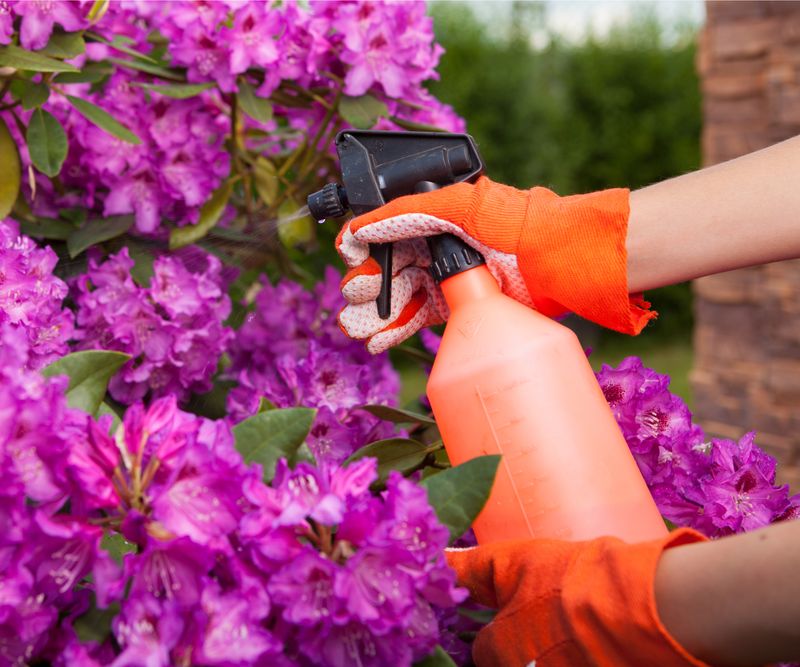
Here is something that surprises a lot of Pennsylvania gardeners: azaleas do not need to be fertilized every single spring.
Many people assume that feeding plants in early spring is just part of routine garden care, but with azaleas, unnecessary fertilizer can actually cause problems rather than solving them.
Pushing too much new leafy growth in early spring can pull energy away from the flower buds that are already set and ready to open.
Fertilizer is most useful when a soil test shows that specific nutrients are actually low. If your soil test comes back showing adequate nutrient levels, there is no reason to feed your azaleas at all that season.
Skipping unnecessary fertilizer is not neglect. It is smart, targeted care that respects how azaleas actually grow.
If a soil test does reveal a nutrient deficiency, early spring is one acceptable window for feeding, provided the timing is right. Use a fertilizer formulated for acid-loving plants and apply it at the recommended rate, not more.
More fertilizer does not mean better blooms. It often means more leaves and fewer flowers, which is the opposite of what most Pennsylvania gardeners are hoping for.
One more thing to keep in mind: azaleas form their flower buds the previous season. That means the potential for your spring bloom display was already set last summer and fall.
Fertilizing heavily in early spring will not create more flowers for this year. It will mostly fuel new vegetative growth.
Feeding only when needed, and only at proper rates, keeps your azaleas balanced, healthy, and ready to deliver their best bloom season possible.
4. Mulch That Keeps Roots Cool And Moist
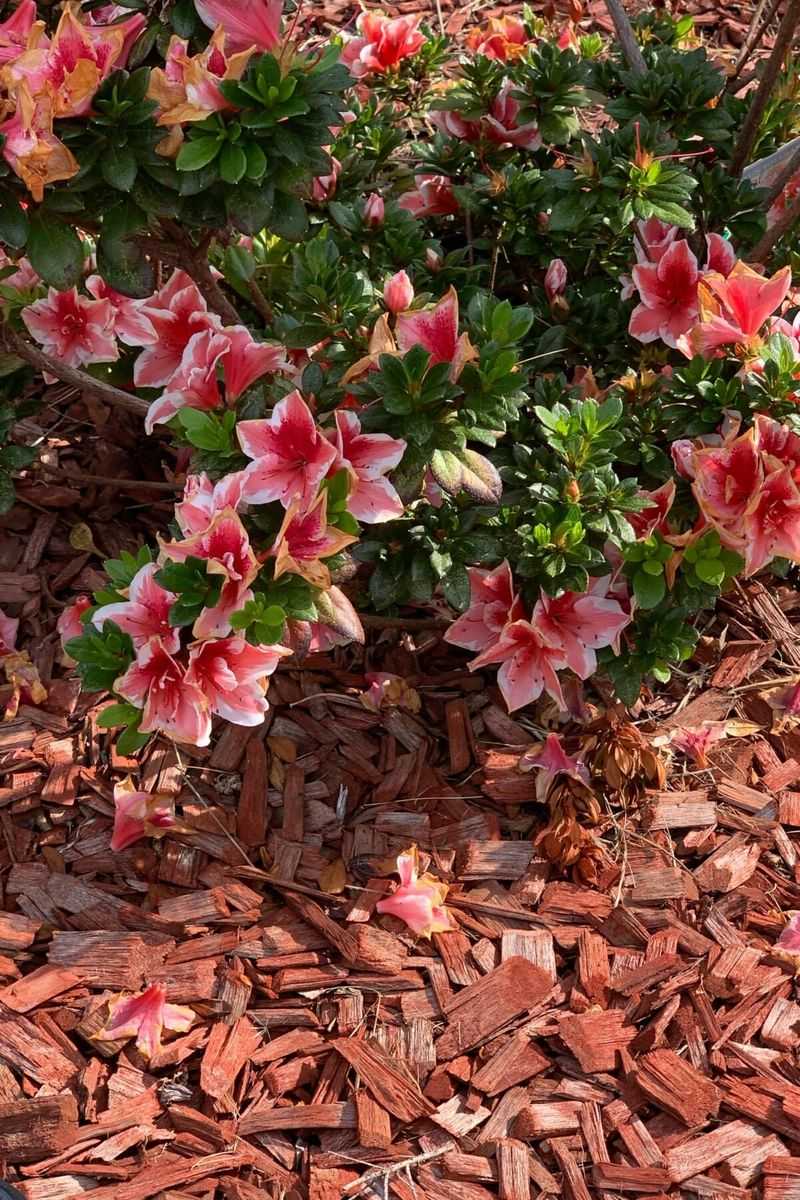
Mulch might be the most underrated tool in the Pennsylvania azalea gardener’s toolkit. A good layer of organic mulch around your azaleas does several helpful things at once, and it is one of the easiest steps you can take in early spring to set your plants up for a strong bloom season.
Pine bark, pine needles, and shredded leaves are all excellent choices that also help keep the soil slightly acidic over time.
Early spring in Pennsylvania can be a roller coaster of warm days and cold snaps. That kind of temperature swing is stressful for shallow-rooted plants like azaleas.
Mulch acts as a buffer, helping to moderate soil temperature and protect roots from sudden changes. It also holds moisture in the soil, which is especially helpful during dry stretches when you might not be able to water as consistently as you would like.
Apply a layer that is about two to three inches deep around the base of each plant. Keep the mulch pulled back a few inches from the main stems so it does not sit directly against the bark.
Mulch piled against the trunk can trap moisture and encourage rot, which is the last thing you want heading into bloom season.
Beyond moisture and temperature benefits, mulch also reduces weed competition. Weeds pull nutrients and water away from your azaleas, so keeping them under control is part of good plant care.
Pennsylvania gardeners who mulch their azaleas consistently tend to see stronger, more resilient plants that hold up better through the ups and downs of a typical spring season and reward them with fuller, more vivid blooms.
5. No Early Spring Pruning If You Want Flowers
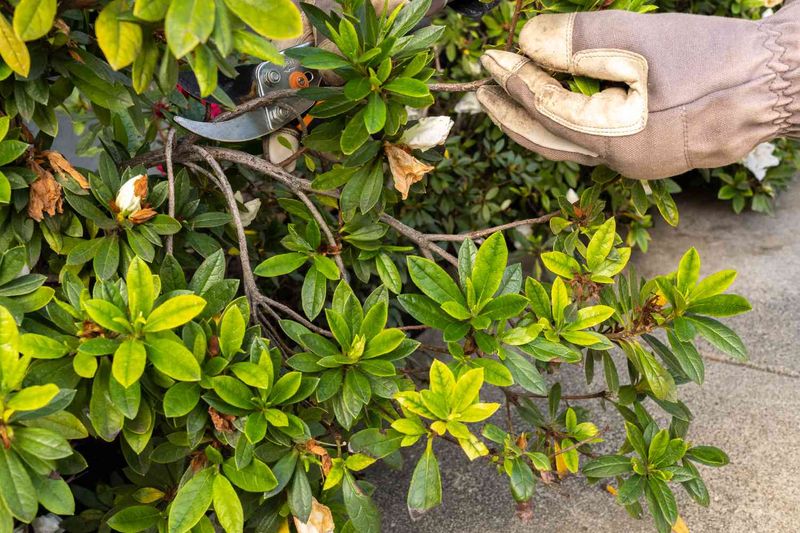
Grabbing the pruning shears in early spring feels productive. The yard is waking up, everything looks a little wild from winter, and it is tempting to tidy everything up all at once.
But for Pennsylvania azaleas, early spring pruning is one of the fastest ways to lose your entire bloom display before it even starts. Understanding why this happens makes it easy to avoid.
Azaleas are spring-blooming shrubs, which means the flower buds you are hoping to see open in April and May were actually set on the plant last summer and fall.
Those buds are already sitting on the branches right now, waiting for warmer temperatures to trigger them into bloom.
When you prune in early spring, you are cutting off those buds. No buds means no flowers, and no flowers means a very disappointing spring season.
The right time to prune azaleas in Pennsylvania is soon after they finish blooming. That window, usually sometime in late spring depending on your location and the specific variety, gives the plant time to recover and set new buds for the following year.
Pruning at the right time keeps the plant shapely without sacrificing next season’s bloom potential.
If you notice any clearly broken, crossed, or damaged branches in early spring, those can be removed carefully without doing major harm. But save any real shaping or size reduction for after flowering.
It is a simple timing adjustment that costs nothing and preserves everything you have been working toward. Pennsylvania gardeners who learn this one rule often say it was the single biggest improvement they made to their azalea care routine.
6. A Quick Check For Disease And Winter Damage Before Bloom Time
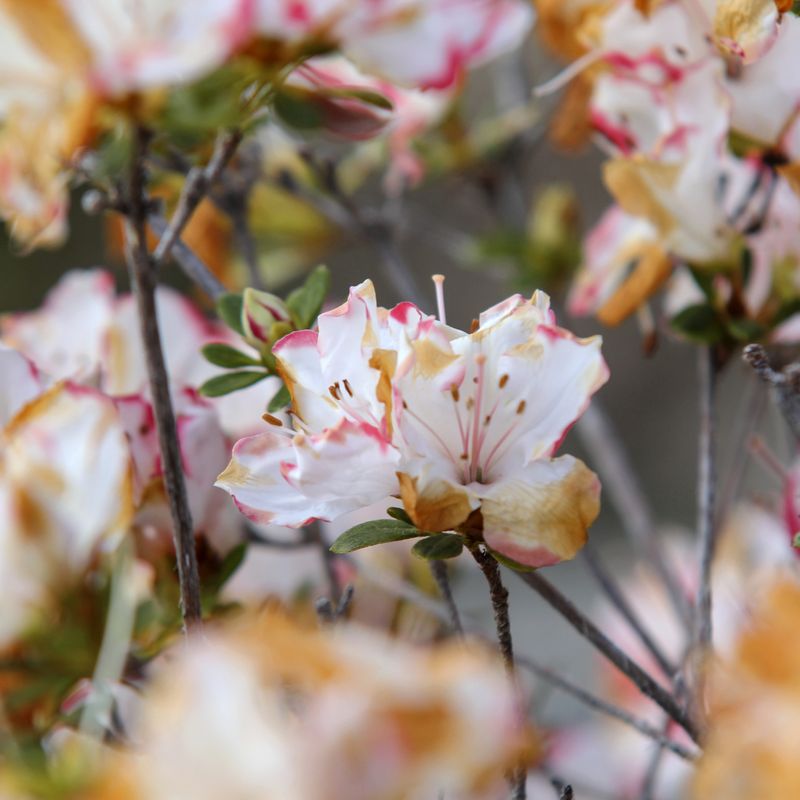
Before your Pennsylvania azaleas burst into bloom, take a few minutes to walk around each plant and give it a careful look.
Early spring is the perfect time for a quick inspection because the plant is just waking up and any problems are easier to spot before new growth covers everything.
A little attention now can prevent bigger issues from developing through the bloom season.
Start by looking at the branches. Any stems that look shriveled, darkened, or brittle may have suffered winter damage.
Gently scratch the surface of a suspicious branch with your fingernail. If you see green underneath, the branch is alive and recovering.
If it is brown all the way through, that section did not make it through the winter and can be removed cleanly with a pair of sharp pruning shears.
Next, check the leaves for any spots, discoloration, or unusual coating. Fungal diseases can show up as dark spots or powdery patches.
Lace bugs, a common azalea pest in Pennsylvania, leave a stippled, washed-out look on the upper leaf surface. Catching these issues early gives you more options for managing them before they spread.
One thing worth paying close attention to is the soil and drainage situation around each plant.
Soggy, poorly drained soil is one of the leading causes of root problems in Pennsylvania azaleas, and those problems often show up as yellowing leaves or weak, sparse growth.
Poor growing conditions tend to cause more trouble than pests alone. Looking at the whole picture, roots, branches, leaves, and soil, gives you the clearest sense of what your plants need heading into bloom season.