Plant These 11 Flowers In Oregon Before April Ends For Stronger Growth
April is when Oregon gardens start to feel exciting again. The soil is workable, the rain is doing you a favor, and everything is finally ready to grow.
It’s that moment where a few good planting decisions can set the tone for your entire season.
Some flowers really take advantage of this timing. They settle in fast, build strong roots, and then explode with color once warmer days roll in.
It might not look dramatic right away, but give it a few weeks and you’ll see the payoff. Wait too long and you’ll spend summer trying to keep plants alive instead of enjoying them.
Get them in now and your garden gets a head start, filling out quicker, blooming longer, and looking like you planned it all perfectly from the start.
1. Lupine
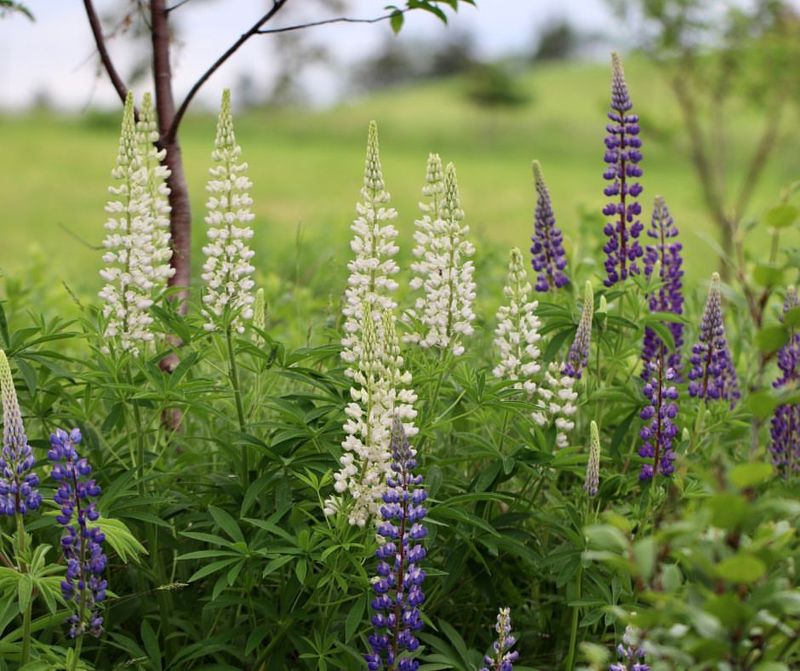
Few flowers make a statement quite like lupine. Those tall, colorful spikes of blooms shooting up from the ground look like something out of a storybook, and Oregon gardeners absolutely love them.
Lupine thrives in the cool, slightly acidic soils found across much of the Pacific Northwest, making it a natural fit for this region.
Plant lupine seeds or transplants before April ends to give the roots time to anchor before warmer weather arrives. They prefer full sun but can handle partial shade, especially in the drier parts of Southern Oregon.
Loose, well-draining soil works best since lupine does not like sitting in soggy ground.
One fun fact: lupine actually pulls nitrogen from the air and deposits it into the soil, which helps neighboring plants grow stronger. This makes it a smart companion plant in any Oregon garden bed.
Water young plants regularly but avoid overwatering once they are established. Expect blooms in shades of purple, pink, white, and yellow.
Lupine also attracts bumblebees and hummingbirds, adding even more life to your outdoor space throughout the growing season.
2. Camas
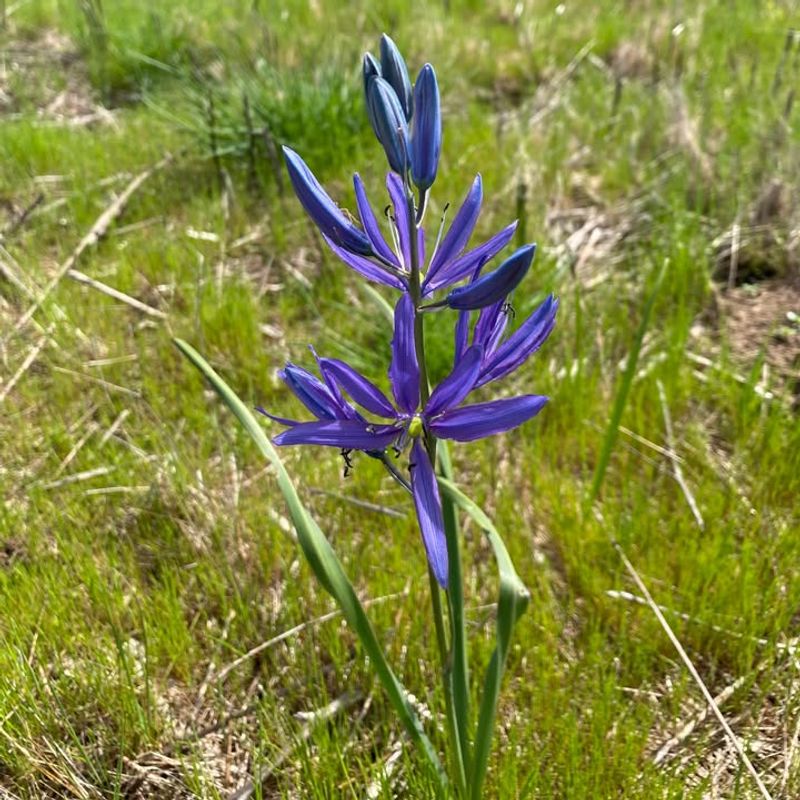
Camas is one of Oregon’s most iconic native wildflowers, and planting it before April ends is one of the smartest moves you can make for your spring garden. The deep blue-violet blooms are striking, and they spread beautifully across garden beds and meadow-style landscapes over time.
Historically, camas bulbs were an important food source for Indigenous peoples throughout the Pacific Northwest, including Oregon. That rich history makes growing this flower feel like more than just gardening.
It feels like connecting with the land itself.
Plant camas bulbs in fall ideally, but early spring planting before the soil warms too much can still yield solid results. Choose a sunny to partly shaded spot with moist, well-draining soil.
The Willamette Valley is especially well-suited for camas since it mirrors the flower’s natural habitat. Avoid planting near death camas, which looks similar but is toxic.
Water consistently during the growing period and let the foliage fade naturally after blooming. Over time, camas will naturalize and spread, creating a stunning low-maintenance display year after year in your Oregon garden.
3. Oregon Iris
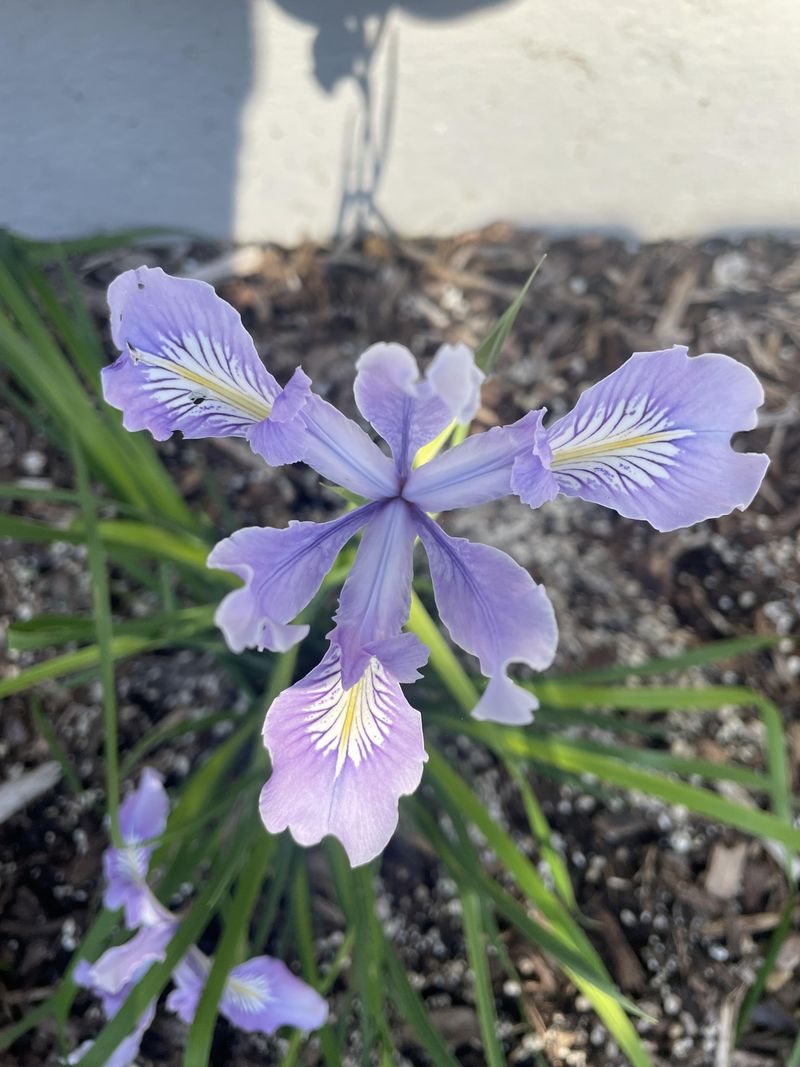
Oregon iris, also known as Iris tenax, is a tough little wildflower that truly belongs here. Native to the Pacific Northwest, it grows naturally along roadsides, forest edges, and open meadows from the coast all the way into the Cascades.
Your Oregon Garden Changes Every Week. Your Plan Should Too.
Gardening in Oregon changes quickly throughout the season. Every Friday you’ll receive a simple weekly plan showing exactly what to plant, prune, fertilize, harvest, and protect so you never miss the right timing.
Planting it before April ends gives it the cool, moist conditions it loves most.
The blooms range from deep purple to pale lavender and even white, with delicate veining that makes each flower look hand-painted. Oregon iris is surprisingly resilient once established.
It handles drought, clay soil, and even some foot traffic better than most ornamental irises.
For best results, plant rhizomes or divisions in a sunny to lightly shaded spot with good drainage. Avoid heavy clay without amendment, as standing water can cause root rot.
Western Oregon gardeners near Portland or the coast will find this plant grows almost effortlessly. Eastern Oregon gardeners should water more consistently during the first season.
Oregon iris also pairs beautifully with native grasses and camas, creating a naturalistic look that supports local pollinators. It is low-maintenance, long-lived, and proudly Oregon-grown in every sense.
4. Columbine
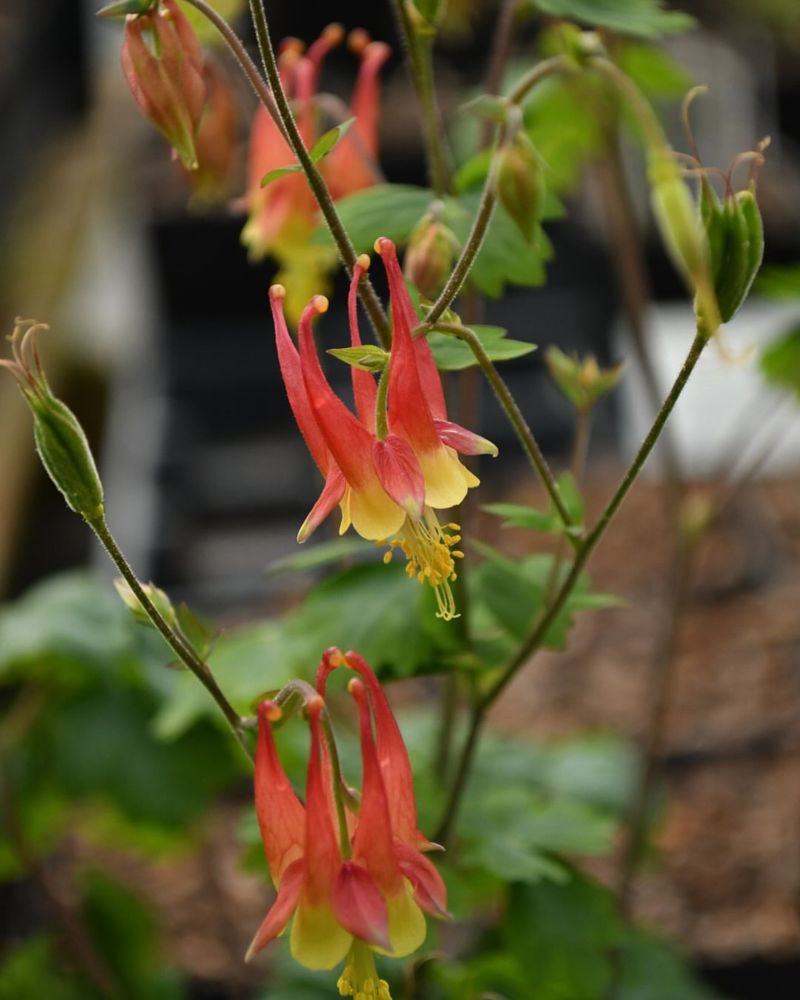
Columbine has one of the most unusual and beautiful flower shapes in the garden world. Those spurred, nodding blooms look almost like tiny dancing figures, and hummingbirds absolutely cannot resist them.
Planting columbine in Oregon before April ends gives the roots time to establish during the cool, rainy season.
Both native and hybrid varieties perform well across Oregon. The native western columbine, Aquilegia formosa, produces red and yellow blooms and thrives in woodland-style gardens from the coast to the Cascades.
Hybrid varieties offer a wider range of colors, from deep purple to soft pink and creamy white.
Columbine prefers partial shade, especially in warmer parts of Southern Oregon and Central Oregon where summer sun can be intense. Plant in rich, well-draining soil and water regularly until established.
One of the best things about columbine is that it self-seeds freely. Once you plant it, you may find cheerful little seedlings popping up around your garden for years to come.
Deadhead spent blooms to encourage more flowers, or let them go to seed for a naturalized effect. Columbine is a reliable, low-fuss plant that rewards Oregon gardeners season after season.
5. Bleeding Heart
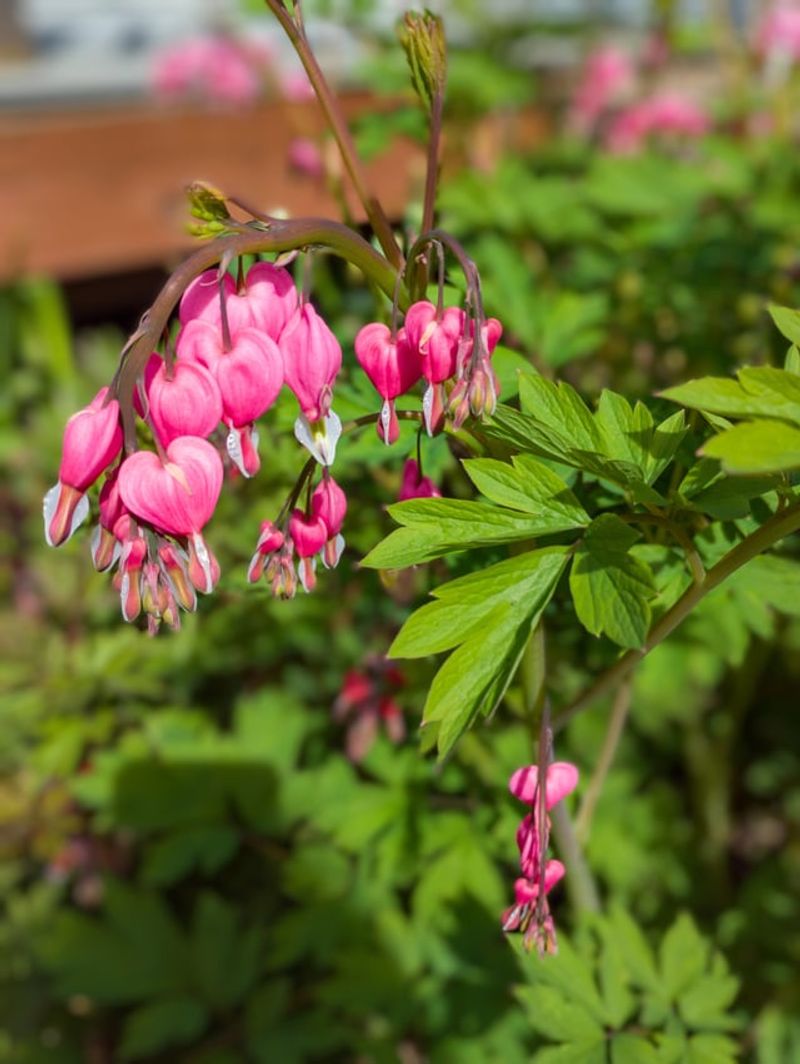
There is something undeniably romantic about bleeding heart. Those perfectly heart-shaped pink or white blooms hang in graceful rows along arching stems, creating a soft, dreamy look that works beautifully in shaded garden spots.
Oregon’s cool, moist spring weather is practically tailor-made for this flower.
Bleeding heart is a perennial, which means it comes back year after year with very little effort on your part. Planting it before April ends allows the roots to settle in while the soil is still cool and moist, which is exactly what this plant prefers.
It grows best in partial to full shade with rich, humus-rich soil.
The Pacific Northwest’s natural forest gardens are a perfect match for bleeding heart, especially in Western Oregon where filtered light under trees is common. Water consistently during the growing season, but be careful not to overwater.
Once summer temperatures rise, the foliage will naturally die back, which is completely normal. Mark the spot so you do not accidentally disturb the roots.
Pair bleeding heart with ferns, hostas, or astilbe for a lush, layered shade garden look that feels both wild and intentional throughout the Oregon growing season.
6. Phlox
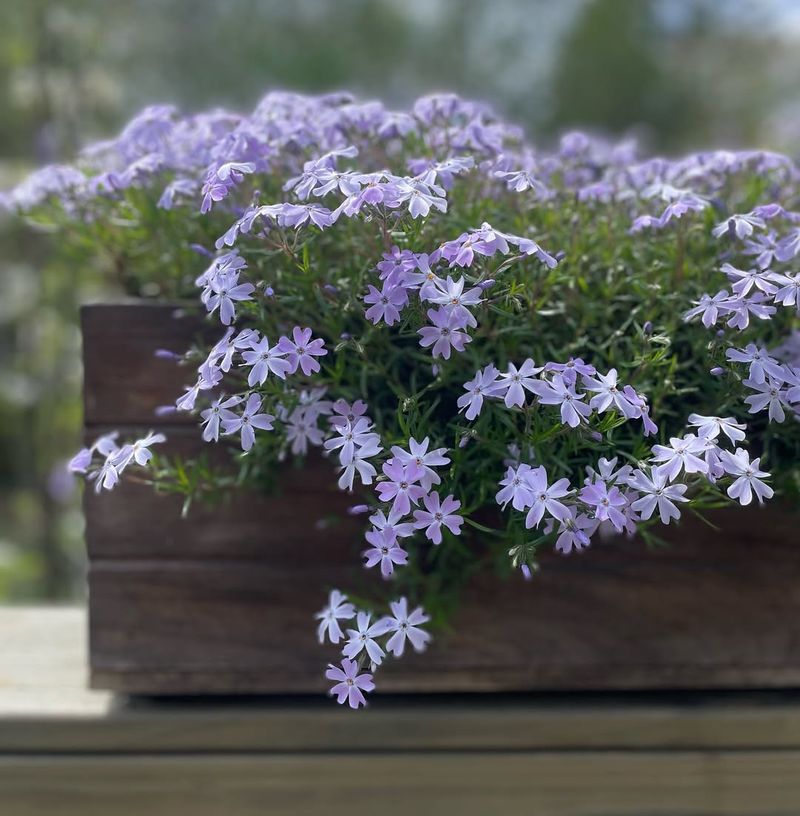
Phlox is one of those plants that makes you stop and stare. A mat of creeping phlox in full bloom looks like someone spilled a bucket of color across the ground, and it happens right when Oregon gardeners need that pop of spring cheer most.
Getting it in the ground before April ends means more blooms and a stronger root system heading into summer.
Creeping phlox works brilliantly along rock walls, garden borders, and sloped areas where it can cascade and spread. Tall garden phlox is another option for the back of borders, offering fragrant clusters of flowers later in summer.
Both types do well in Oregon’s varied climate zones.
Full sun is ideal for phlox, and it handles the dry summers of Eastern and Central Oregon surprisingly well once established. In Western Oregon, the naturally moist spring soil gives it an excellent start.
Plant in well-draining soil and avoid letting water pool around the base. Phlox attracts butterflies and moths, making it a great choice for pollinator-friendly gardens.
Trim it back lightly after blooming to encourage fresh growth and a tidy appearance. It is a tough, cheerful, and rewarding flower for any Oregon yard.
7. Sweet Pea
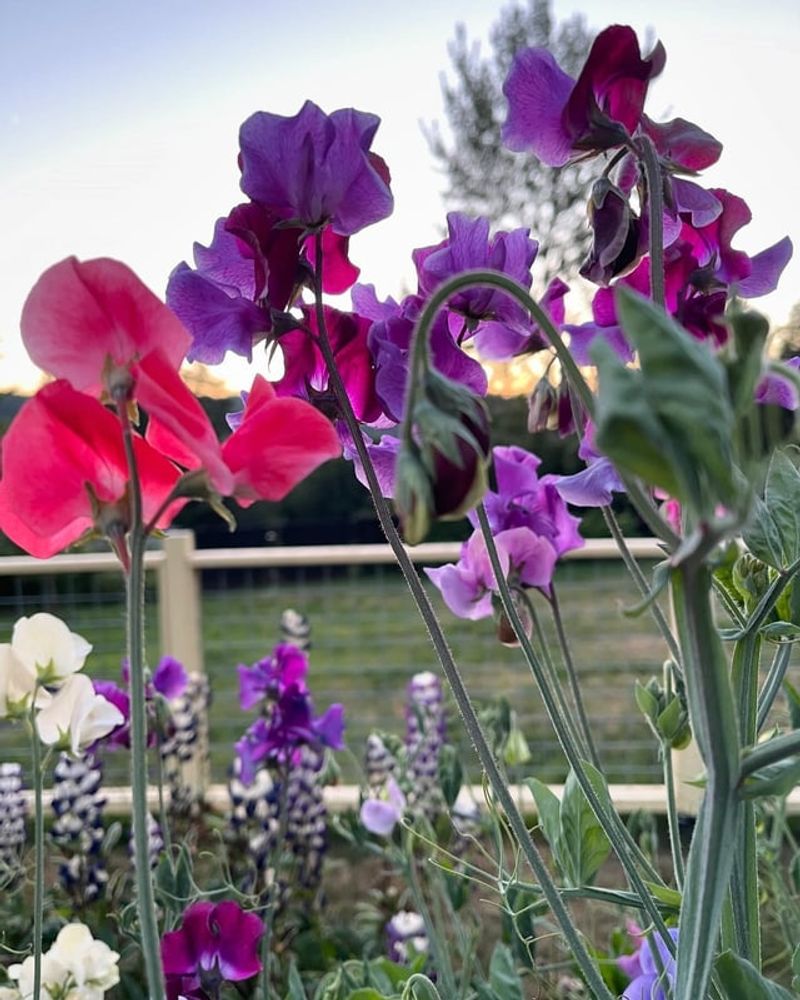
Sweet peas are the kind of flower that makes your whole garden smell incredible. The fragrance alone is worth planting them, but the delicate, ruffled blooms in shades of pink, purple, red, and white make them visually stunning too.
Oregon’s cool, damp spring weather is genuinely ideal for sweet peas, which struggle in heat but flourish in cooler conditions.
Sow sweet pea seeds directly into the ground before April ends for the best results. They prefer to be direct-seeded rather than transplanted, so get them in the soil as soon as possible.
Soak seeds overnight before planting to speed up germination. Choose a sunny spot with a trellis, fence, or support structure since sweet peas are climbers and need something to grab onto as they grow.
Rich, well-draining soil and consistent moisture are key to keeping sweet peas happy. In the Willamette Valley and along the Oregon coast, natural rainfall often does much of the watering work for you in spring.
Pick blooms regularly to encourage more flowers throughout the season. Letting pods form will signal the plant to stop producing new blooms.
Sweet peas make gorgeous cut flowers, filling your home with a fresh, natural fragrance that feels like bottled springtime.
8. Calendula
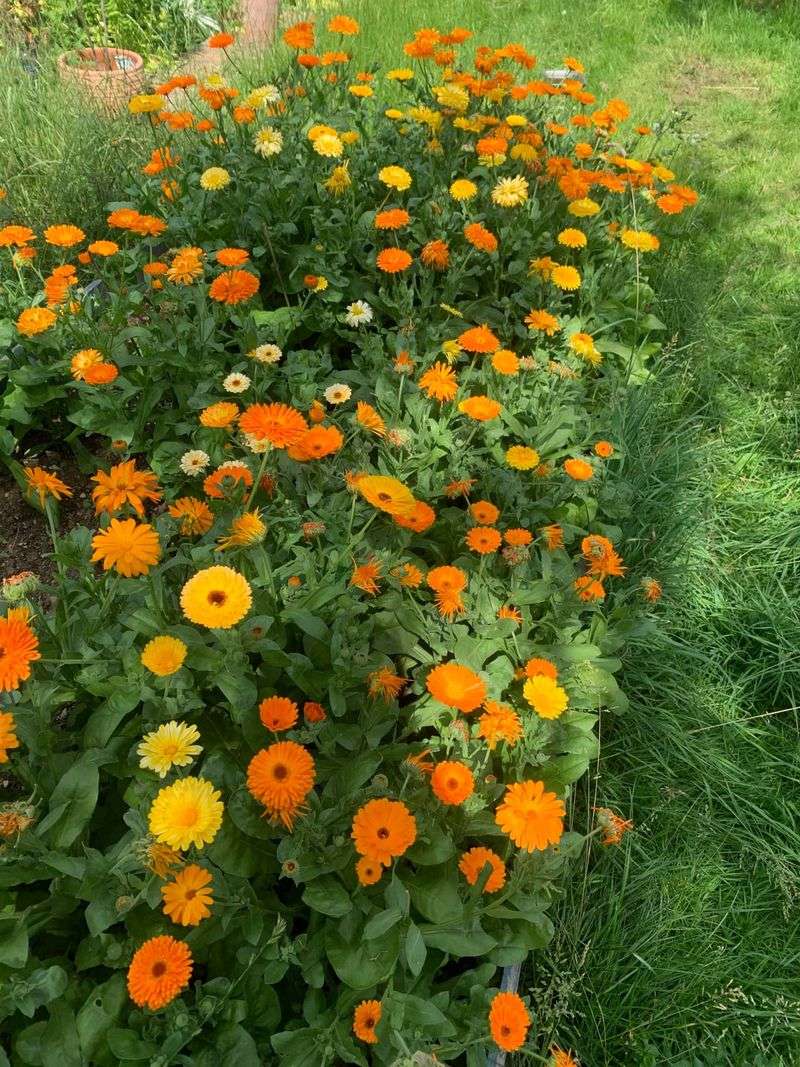
Calendula is one of the hardest-working flowers you can grow in an Oregon garden. The cheerful orange and yellow blooms are beautiful on their own, but calendula also has a long history of use in herbal remedies and skin care products.
Planting it before April ends gives you a long blooming season that stretches well into fall.
Also called pot marigold, calendula is a cool-season flower that actually prefers the kind of mild, slightly chilly weather Oregon delivers in spring. It tolerates light frost, which makes it a reliable choice even for higher-elevation gardeners in Central Oregon or the Cascades foothills.
Direct sow seeds or transplant starts into a sunny spot with average, well-draining soil.
One of the best things about calendula is that it repels certain garden pests while attracting beneficial insects like hoverflies and lacewings. This makes it an excellent companion plant in vegetable gardens across Oregon.
Water regularly but avoid soggy soil. Deadhead spent blooms consistently to keep the plant producing new flowers.
Calendula is also edible, and the petals can be tossed into salads or used as a garnish. It is colorful, useful, and genuinely easy to grow for gardeners of all skill levels.
9. Alyssum
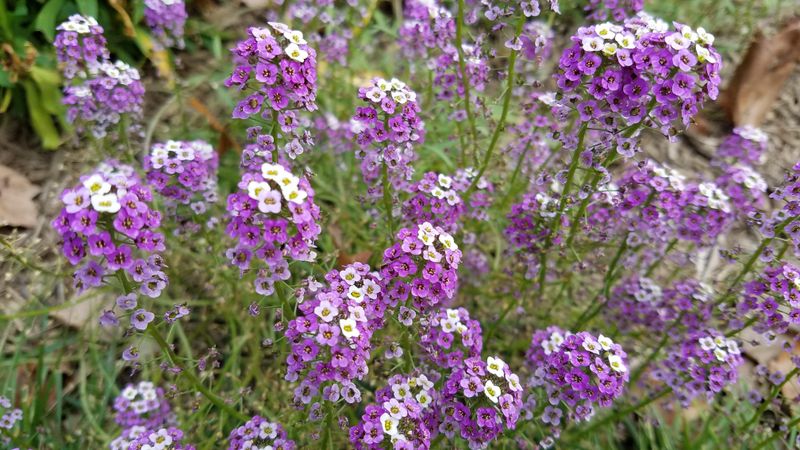
If you want a flower that practically takes care of itself, alyssum is the answer. This low-growing, honey-scented plant forms a soft carpet of tiny white, pink, or purple blooms that spills beautifully over garden borders, containers, and raised beds.
In Oregon, alyssum can be planted as early as late March in Western zones and by mid-April in cooler inland areas.
Alyssum is a cool-season annual that actually slows down in peak summer heat and then bounces back with fresh blooms in fall. That makes it a fantastic choice for Oregon gardeners who want color in both spring and autumn.
It is also one of the best plants for attracting beneficial insects, especially tiny parasitic wasps that help control aphid populations naturally.
Scatter seeds directly onto prepared soil or set out transplants in a sunny to partly shaded location. Alyssum is not picky about soil quality, which makes it forgiving for beginner gardeners.
Water lightly and consistently until established. Along the Oregon coast, the cool marine climate keeps alyssum blooming longer than almost anywhere else.
Trim plants back by about one-third after the first heavy bloom flush to encourage a second wave of flowers later in the season.
10. Nemesia
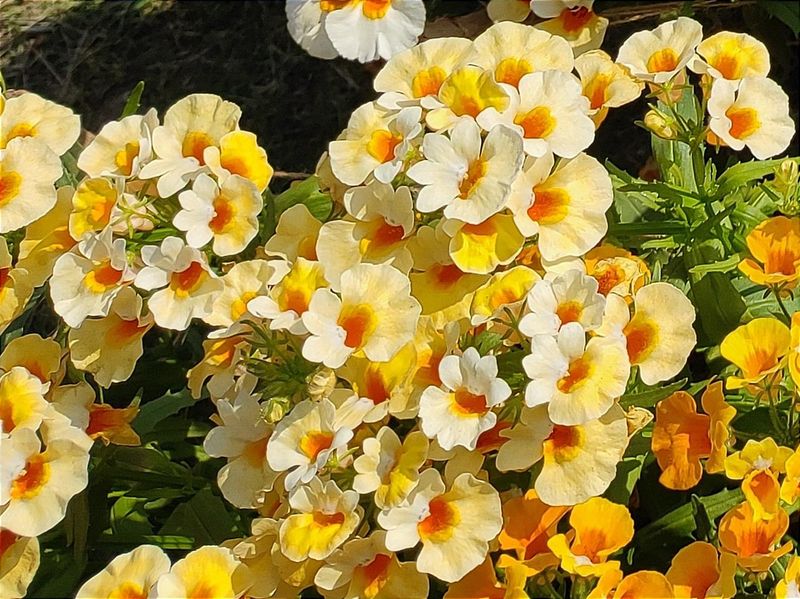
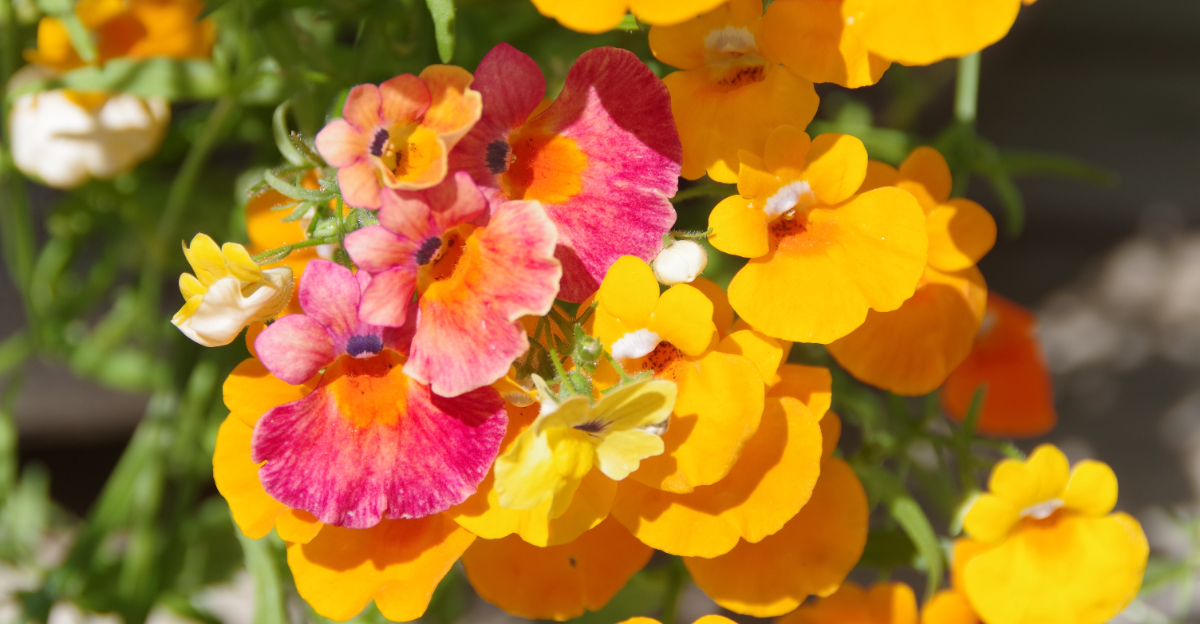
Nemesia is a flower that does not always get the attention it deserves, but Oregon gardeners who discover it tend to become instant fans. The blooms are small but incredibly colorful, often featuring two-toned petals in combinations of orange and white, purple and yellow, or pink and cream.
They look almost like tiny orchids packed together in cheerful clusters.
Cool, mild weather is where nemesia truly shines, which is great news for spring planting across Oregon. Western Oregon gardeners in the Portland metro area and the Willamette Valley can plant nemesia transplants from mid-March onward.
Those in Eastern Oregon should wait until mid-April when frost risk drops significantly.
Plant in full sun to light shade with rich, well-draining soil. Nemesia performs beautifully in containers, hanging baskets, and front-of-border plantings where its compact size can really stand out.
Water regularly and feed with a balanced fertilizer every two to three weeks for the most prolific blooms. When summer heat peaks, nemesia may slow down, but cutting it back by half and watering deeply will often revive it for a strong fall showing.
It is a vibrant, underrated gem worth adding to any Oregon garden this spring.
11. California Poppy
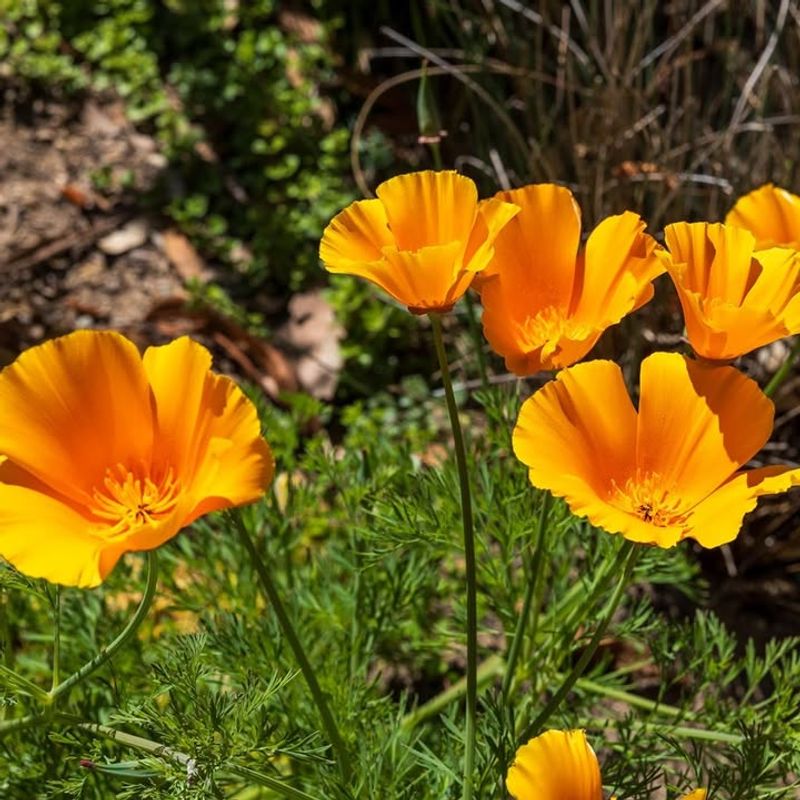
Do not let the name fool you. California poppy grows just as happily in Oregon as it does south of the border.
In fact, it naturalizes so well in Southern Oregon and the Rogue Valley that it often reseeds itself year after year without any help at all. Those silky, cup-shaped orange blooms are one of spring’s most cheerful sights.
Scatter seeds directly onto the soil surface before April ends since California poppy does not transplant well. It prefers to grow where it is sown.
Choose a sunny spot with poor to average, well-draining soil. Surprisingly, this plant actually performs better in lean soil than in rich, heavily amended beds.
Too much fertilizer leads to more foliage and fewer flowers.
California poppy is drought-tolerant once established, making it an excellent choice for Eastern Oregon and other drier parts of the state where summer water can be limited. It requires almost no maintenance beyond the initial sowing.
Blooms close at night and on cloudy days, which gives the plant an almost magical quality in the garden. Let a few seed pods mature at the end of the season, and your poppy patch will likely return on its own next spring, creating a reliable annual display across your Oregon landscape.