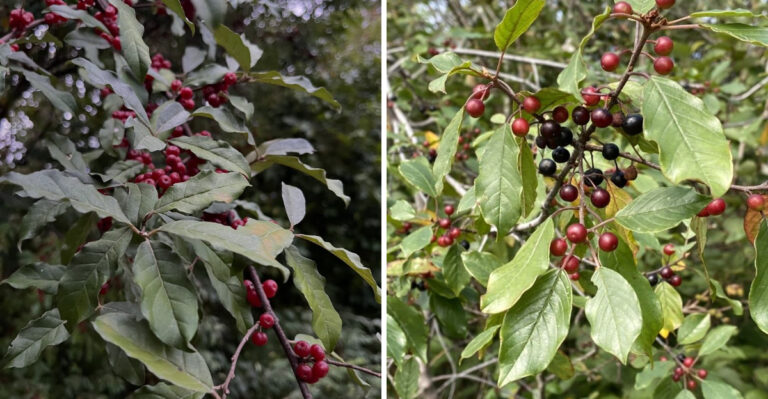
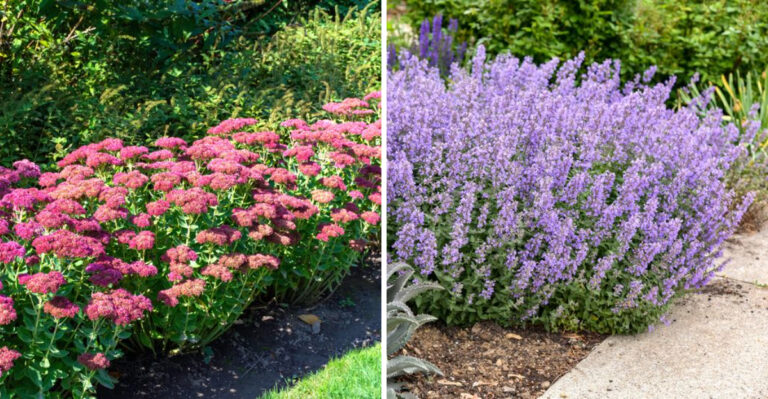
6 ‘It’ Plants Pennsylvania Gardeners Are Loving For Low-Maintenance Yards In 2026
In 2026, Pennsylvania gardeners are getting a lot pickier about what earns a spot in the yard. Pretty still matters, of course, but plants that need endless pruning, constant watering, or round-the-clock attention are losing their appeal.
The real favorites now are the ones that look good, handle local conditions, and do not turn every weekend into a list of chores.
That shift lines up with broader gardening interest in native plants, pollinator support, and lower-effort landscapes. That is exactly why certain plants have become the ones everyone seems to want.
They bring color, texture, and seasonal interest, but they also fit the way people actually want to garden now. Less fuss, more payoff, and a yard that still looks like someone cares.
If your dream landscape is attractive without being needy, these “it” plants make a lot of sense. They are stylish, practical, and perfectly suited to a Pennsylvania yard that is meant to be enjoyed, not constantly managed.
1. Pennsylvania Sedge
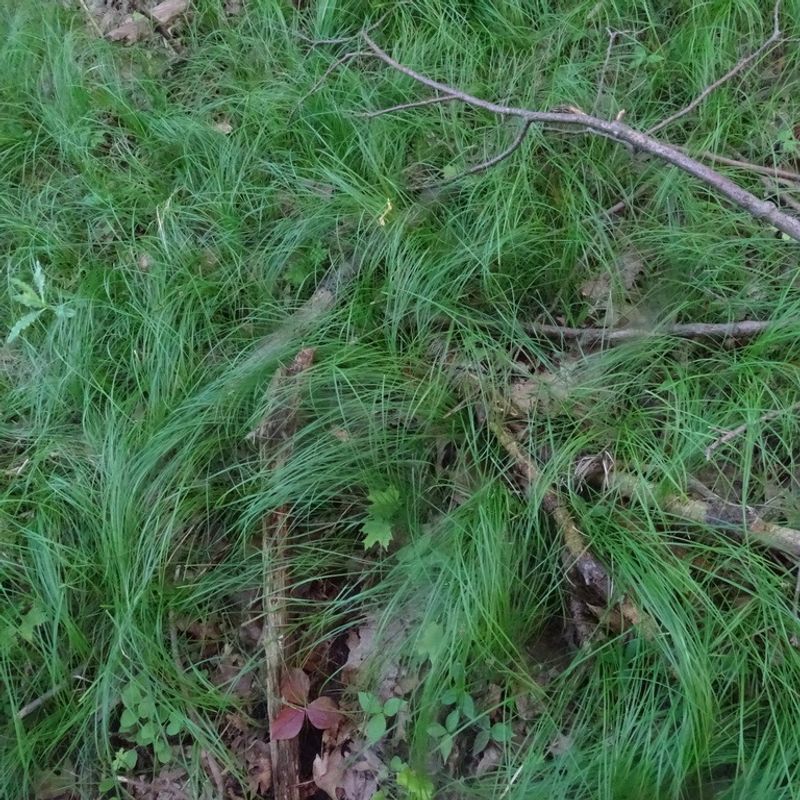
Forget spending every weekend pushing a mower around your yard. Pennsylvania sedge, known scientifically as Carex pensylvanica, is quietly becoming one of the most talked-about lawn alternatives across the state in 2026.
It grows low, stays tidy, and handles shade like a champ. Most traditional grasses struggle under tree canopies, leaving Pennsylvania homeowners with patchy, sad-looking lawns. Pennsylvania sedge thrives in exactly those spots.
It forms a soft, fine-textured carpet that looks almost like a classic lawn but needs a fraction of the upkeep. You might mow it once or twice a year, or skip mowing altogether if you prefer a more relaxed, natural look.
This plant is also a true Pennsylvania native, which means it evolved right here in this region’s soil and climate. It does not need fertilizer, rarely needs watering once established, and generally ignores most pests.
That makes it a dream for anyone trying to simplify their yard routine. Planting Pennsylvania sedge is straightforward. You can start from plugs or divisions in spring or fall.
Space them about six to twelve inches apart, water them in well during the first season, and then mostly leave them alone. They spread gradually over time, filling in bare ground without becoming aggressive or invasive.
Beyond the practical benefits, there is something genuinely beautiful about a sedge lawn. It moves gently in the breeze and has a soft, meadow-like quality that traditional turf just cannot match.
For Pennsylvania gardeners ready to rethink their lawns, this native sedge is a fantastic and rewarding starting point.
2. Mountain Mint
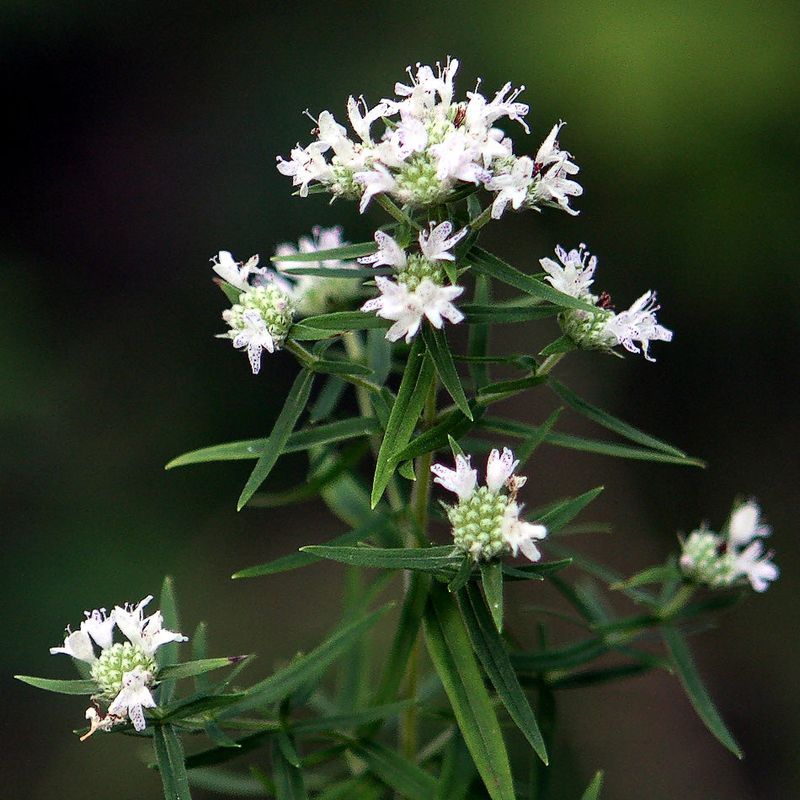
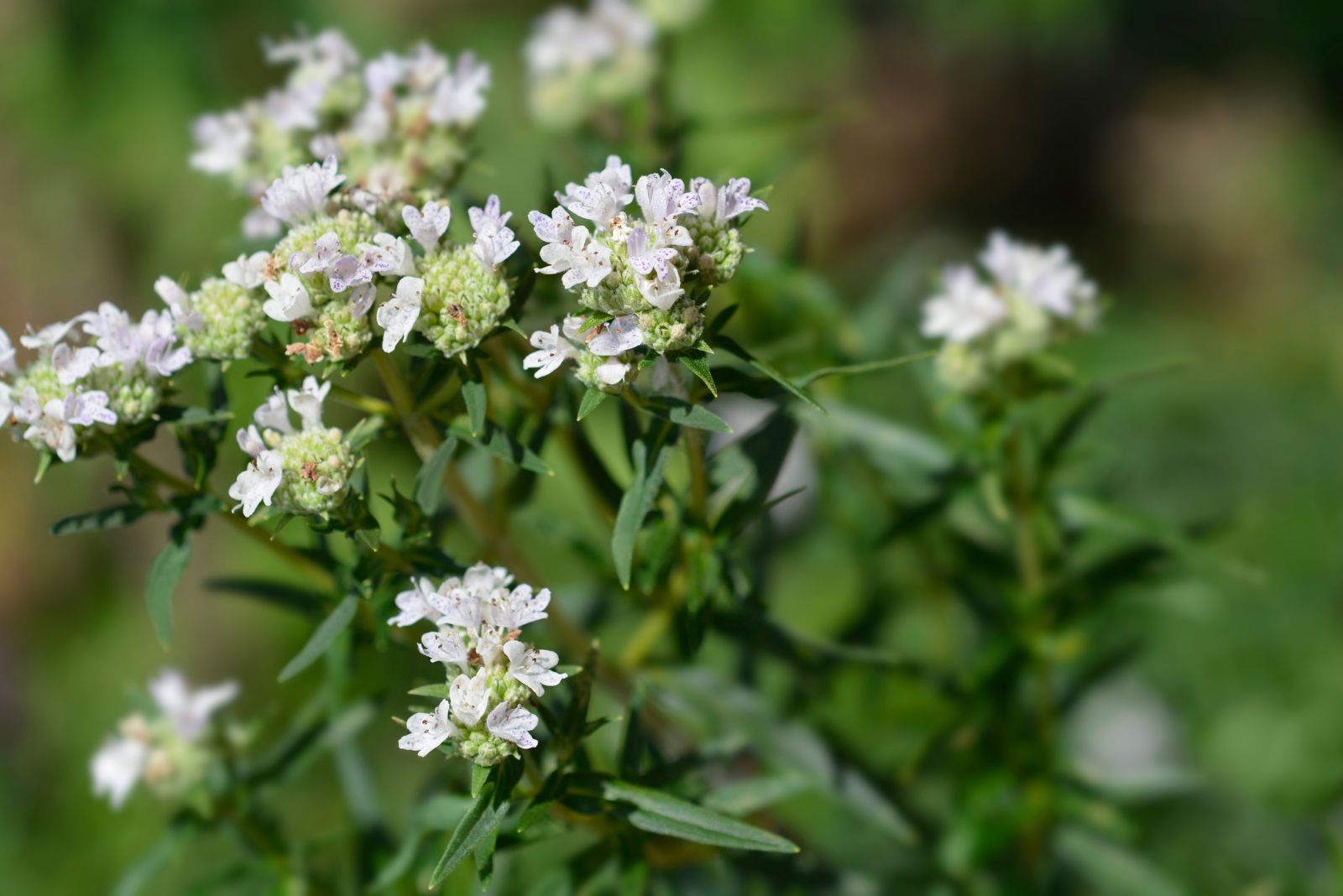
Walk past a patch of mountain mint on a warm Pennsylvania summer day and you will immediately notice two things: the crisp, cool scent that fills the air, and the absolute frenzy of bees, butterflies, and other pollinators covering every flower. Few plants deliver this kind of wildlife action with so little effort from the gardener.
Mountain mint, or Pycnanthemum virginianum, is a native perennial that fits perfectly into the 2026 rewilding and pollinator-garden movement sweeping across Pennsylvania.
Gardeners from Lancaster County to the Lehigh Valley are planting it in borders, meadow patches, and rain gardens.
Your Pennsylvania Garden Changes Every Week. Your Plan Should Too.
Gardening in Pennsylvania changes quickly throughout the season. Every Friday you’ll receive a simple weekly plan showing exactly what to plant, prune, fertilize, harvest, and protect so you never miss the right timing.
Once it settles in, it spreads steadily and fills space beautifully without needing much attention at all.
Growing mountain mint is genuinely easy. It tolerates a wide range of soil types, handles both full sun and light shade, and survives dry spells without drama.
You do not need to deadhead it, fertilize it, or fuss over it through the seasons. Cut it back in late fall or early spring, and it bounces right back stronger than before.
One thing to know before planting: mountain mint does spread by underground runners. In a small, formal garden bed, that could mean some occasional editing.
But in a naturalistic yard or a larger mixed border, that spreading habit is actually a feature, not a problem. It fills gaps, crowds out weeds, and creates a dense, low-maintenance ground layer.
For Pennsylvania gardeners who want a plant that actively supports local ecosystems while asking almost nothing in return, mountain mint is genuinely hard to beat in 2026.
3. Butterfly Milkweed
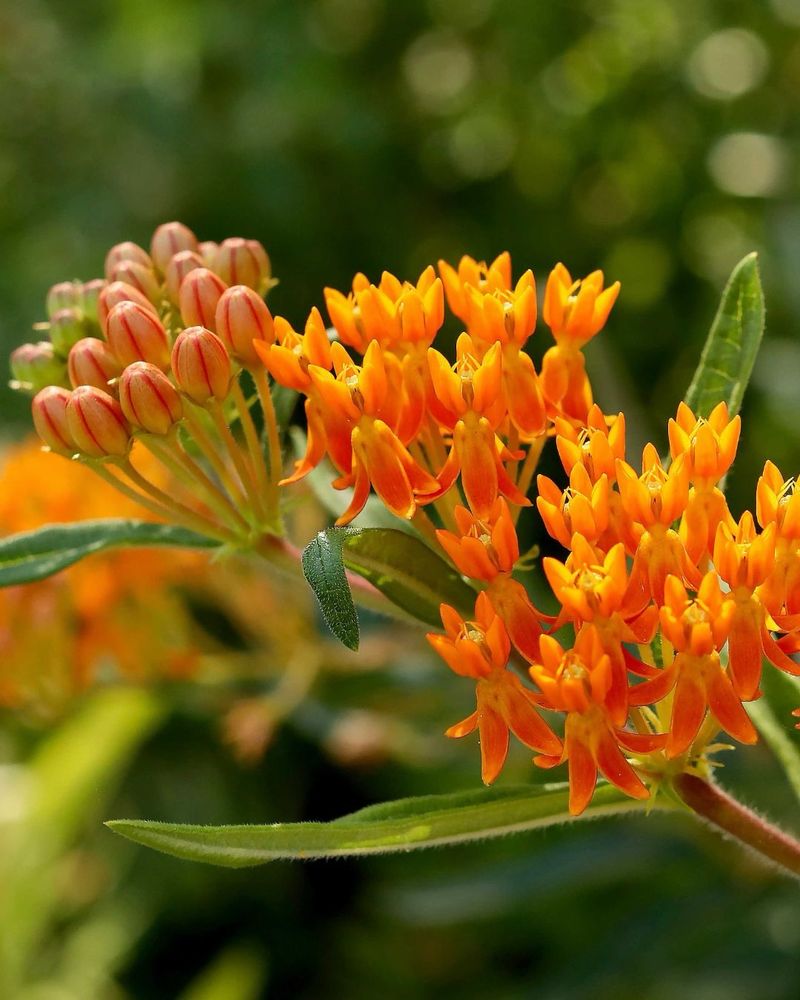
There is no other plant in Pennsylvania gardens right now that carries as much buzz as butterfly milkweed.
Bright orange flower clusters, monarch butterflies landing on every stem, and almost zero maintenance required? It sounds too good to be true, but Asclepias tuberosa delivers every single time.
Butterfly milkweed has become the poster plant for the 2026 pollinator-friendly gardening trend. Monarch butterfly populations have been struggling for years, and planting milkweed is one of the most direct ways Pennsylvania gardeners can help.
This species is not just beautiful; it is ecologically essential. Monarchs need milkweed to complete their life cycle, and butterfly milkweed is one of the best native options available in this region.
Beyond its conservation value, this plant is remarkably tough. It is deeply drought-tolerant once established, thanks to a thick taproot that reaches far into the soil for moisture.
That makes it a smart choice for Pennsylvania yards with dry, sunny spots where other plants tend to struggle. Poor soil?
No problem. Butterfly milkweed actually prefers lean, well-drained conditions over rich garden soil.
One important tip: do not try to move butterfly milkweed once it is planted. That deep taproot does not respond well to transplanting.
Choose your spot carefully, plant it there, and let it settle in for a season or two. It may seem slow to establish at first, but once it roots in, it comes back reliably every year with no coaxing needed.
Across Pennsylvania, from suburban backyards to community gardens, butterfly milkweed is earning its reputation as the most rewarding low-effort native of 2026.
4. Little Bluestem
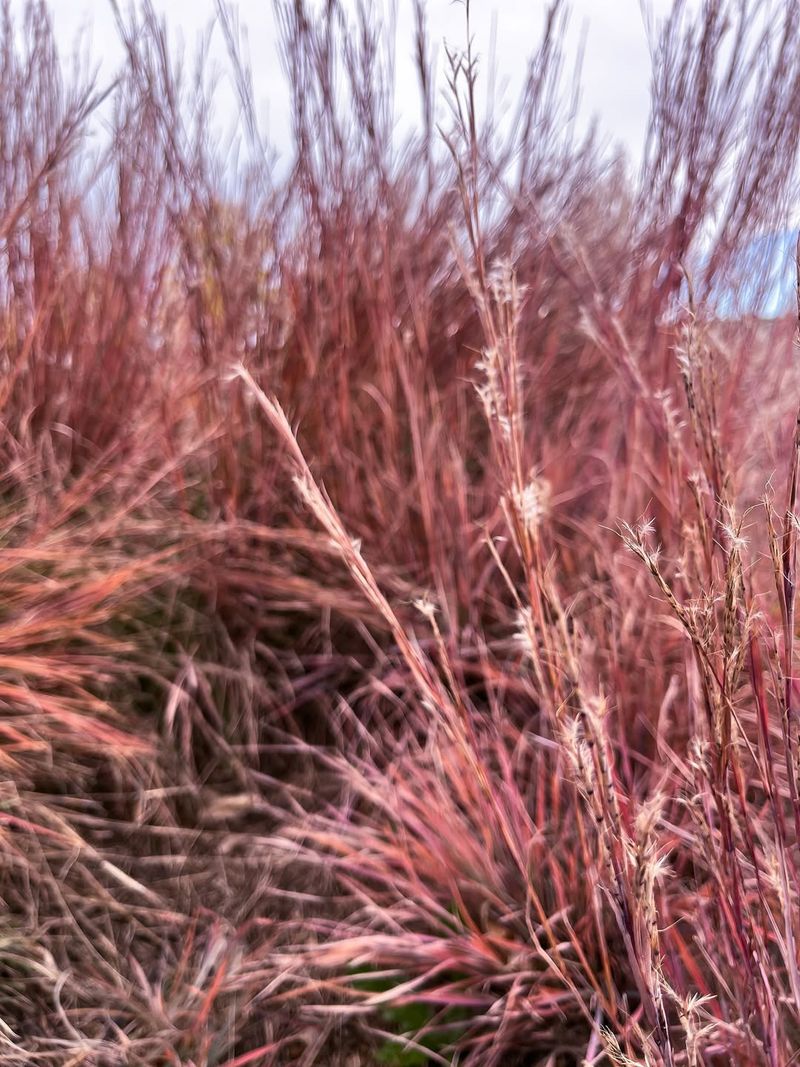
Some plants look their best in spring. Little bluestem looks absolutely stunning in fall, and that is exactly when most Pennsylvania yards need a visual boost.
As temperatures drop and other plants fade, this native warm-season grass transforms into a blaze of reddish-bronze, copper, and russet tones that stop people in their tracks.
Little bluestem, or Schizachyrium scoparium, is a native grass that checks every box on the 2026 low-maintenance wish list. It is drought-tolerant, deer-resistant, and completely at home in Pennsylvania’s varied climate.
Whether you live in the humid eastern part of the state or the drier ridge-and-valley region further west, little bluestem adapts without complaint.
Versatility is one of this grass’s strongest selling points. You can use it as an edging plant along a path, mass it together for a dramatic meadow effect, or plant a single clump as a focal point in a mixed border.
Its upright, architectural form adds structure to garden designs that might otherwise feel too soft or informal.
Caring for little bluestem is refreshingly simple. It thrives in poor to average soil and actually performs better without added fertilizer.
Rich soil causes it to flop over rather than stand upright. Cut the clumps back to a few inches in late winter before new growth begins, and that is basically all the maintenance it needs for the entire year.
Birds love the seed heads too, feeding on them through the colder months. For Pennsylvania gardeners building a yard that looks great and supports wildlife with minimal effort, little bluestem is a genuinely inspired choice for 2026.
5. Red Chokeberry
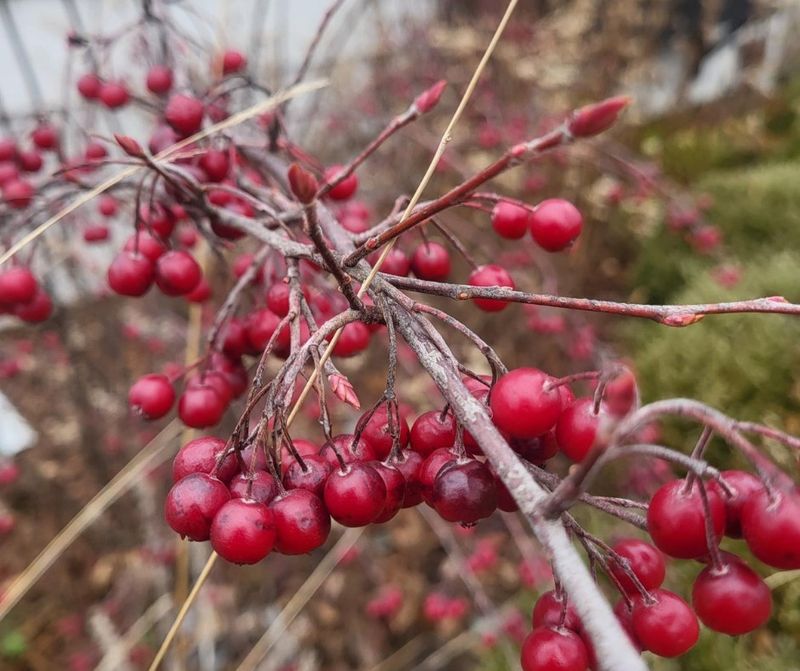
Most shrubs make you choose between looks and practicality. Red chokeberry refuses to make that trade-off.
Known botanically as Aronia arbutifolia, this Pennsylvania native shrub delivers four full seasons of visual interest while tolerating conditions that would send less tough plants into a tailspin.
Spring brings delicate white flower clusters that attract early pollinators. Summer offers glossy green foliage that fills out borders and screens nicely.
Then fall arrives, and red chokeberry absolutely steals the show. The leaves turn a fiery mix of red and orange while the branches become loaded with clusters of bright red berries.
Those berries hang on through winter, feeding birds like cedar waxwings and robins when food is scarce.
What makes red chokeberry especially valuable for Pennsylvania yards in 2026 is its incredible adaptability. It handles wet, poorly drained soils that would rot most other shrubs.
It also tolerates dry conditions, clay soils, and partial shade. Few native shrubs can claim that kind of flexibility.
If you have a low spot in your yard that stays soggy after rain, red chokeberry might be exactly what that problem area needs.
Pruning requirements are minimal. You can cut older stems back every few years to keep the plant looking tidy and to encourage fresh new growth from the base.
Otherwise, this shrub largely manages itself. It does spread slowly by suckering, so give it room to grow naturally or simply remove the suckers if you want a more contained shape.
For ecology-minded Pennsylvania gardeners who want a shrub that truly earns its spot, red chokeberry is a standout performer worth every inch of garden space.
6. Serviceberry
Early spring in Pennsylvania means one thing for gardeners who have planted a serviceberry: a breathtaking cloud of white blossoms appearing before almost any other tree has even thought about leafing out. It is one of those moments that makes the whole neighborhood stop and stare.
Serviceberry, belonging to the Amelanchier genus, is a native large shrub or small tree with an impressive resume. Several species are native to Pennsylvania, including Amelanchier canadensis and Amelanchier laevis.
These plants offer something genuinely rare in the landscape world: year-round beauty combined with genuine ecological value and almost no demanding care requirements.
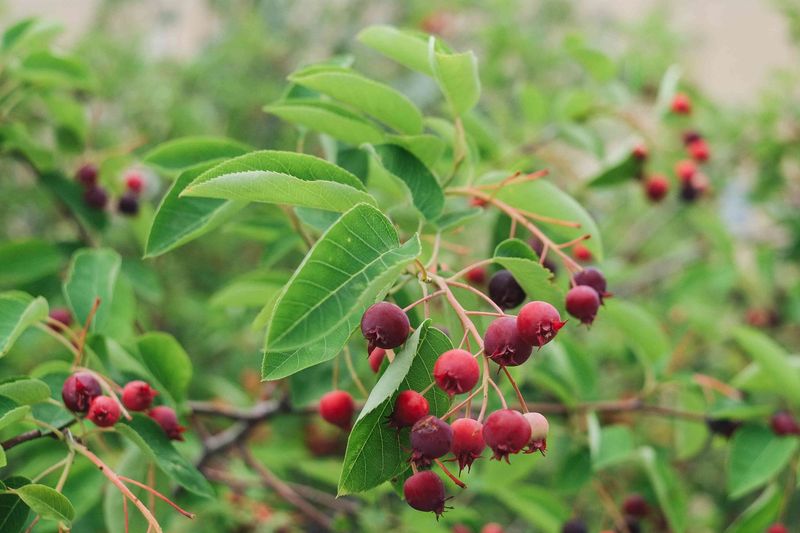
After the spring flowers come small, sweet berries that ripen in early summer. They look a bit like blueberries and taste mildly sweet, making them popular with both birds and humans.
If you want to harvest some for fresh eating, pies, or jam, you absolutely can. But if you would rather just watch the birds feast, that works too. Either way, serviceberry earns its place.
Fall color is another strong feature. Serviceberry leaves turn shades of orange, red, and gold, adding warm seasonal interest before winter sets in.
The smooth gray bark looks elegant through the colder months, giving the tree year-round structure and visual appeal in Pennsylvania yards.
Maintenance needs are refreshingly low. Serviceberry prefers moist, well-drained soil and partial to full sun, but it adapts well to average garden conditions across Pennsylvania.
It rarely needs pruning beyond removing any crossing or damaged branches. For homeowners who want beauty, food for wildlife, and minimal weekend work, serviceberry is the complete package in 2026.