Avoid These Palm Planting Mistakes In California Landscapes
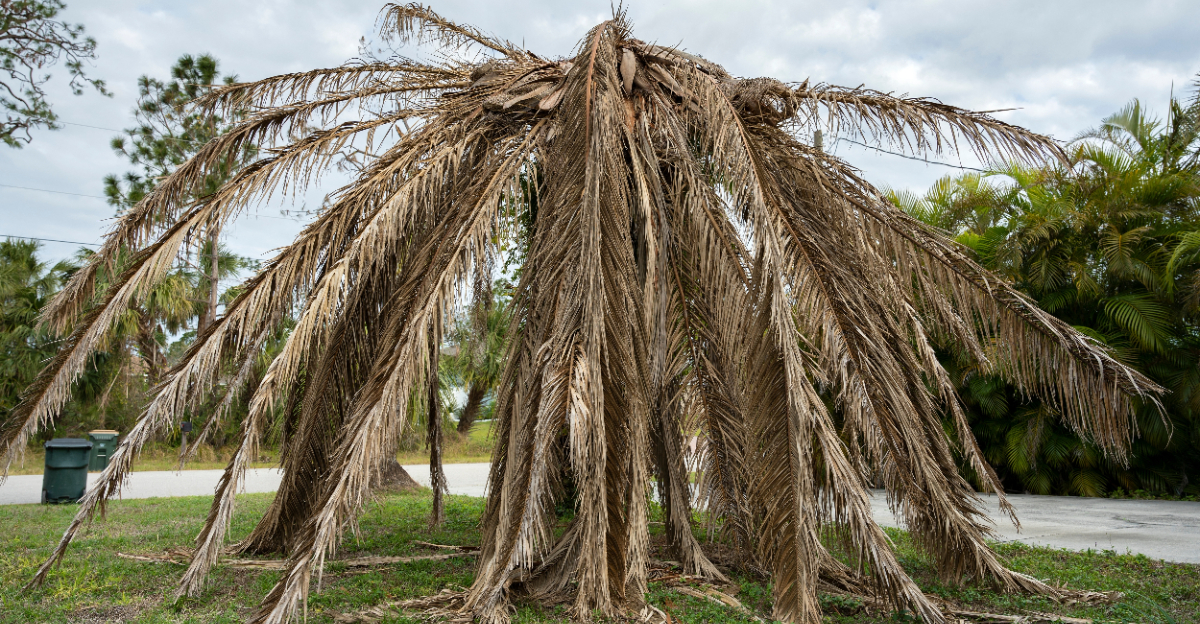
Palm trees can instantly give a California yard that relaxed, resort-style feel, but getting them established the right way is where many homeowners run into trouble.
It is easy to assume palms are low effort once they are in the ground, yet the early planting stage is exactly where small missteps can lead to long-term issues.
California’s mix of sandy soils, clay pockets, coastal influence, and inland heat means planting conditions vary more than most people expect. What works in one neighborhood might struggle just a few miles away.
Planting too deep, choosing the wrong spot, or watering the wrong way can all slow growth or leave palms looking stressed. The good news is that most of these problems are easy to avoid once you know what to watch for.
A few simple adjustments at planting time can make a big difference in how healthy and strong your palms grow.
1. Planting In Poorly Drained Soil
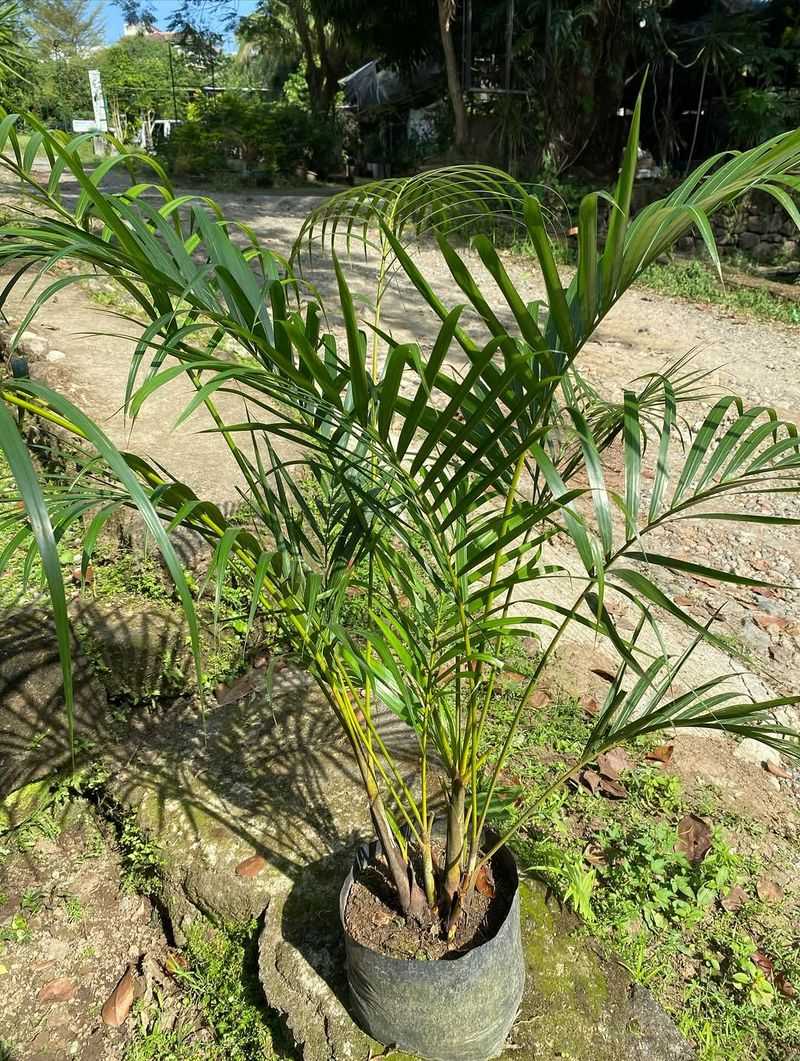
Soggy soil is one of the fastest ways to ruin a perfectly healthy palm. Palms love warmth and sunshine, but they absolutely cannot stand sitting in water for long periods.
When soil stays wet, the roots cannot get enough oxygen, and root rot sets in quickly. This is a very common problem in many parts of California where clay-heavy soils hold moisture for too long.
Before you plant anything, test your soil drainage. Dig a hole about 12 inches deep and fill it with water.
If the water is still sitting there after an hour, you have a drainage problem. You will need to amend the soil with coarse sand or perlite to help water move through more freely.
In some cases, raised planting beds can also solve the issue.
Across California, landscapes vary a lot. Coastal areas often have dense, compacted soils, while inland regions can have hard clay.
No matter where you are in the state, improving drainage before planting is a smart move. Adding organic matter like compost can also help loosen tight soil and create a healthier root environment.
Healthy drainage equals a happy, thriving palm that looks great for years.
2. Choosing The Wrong Palm Species
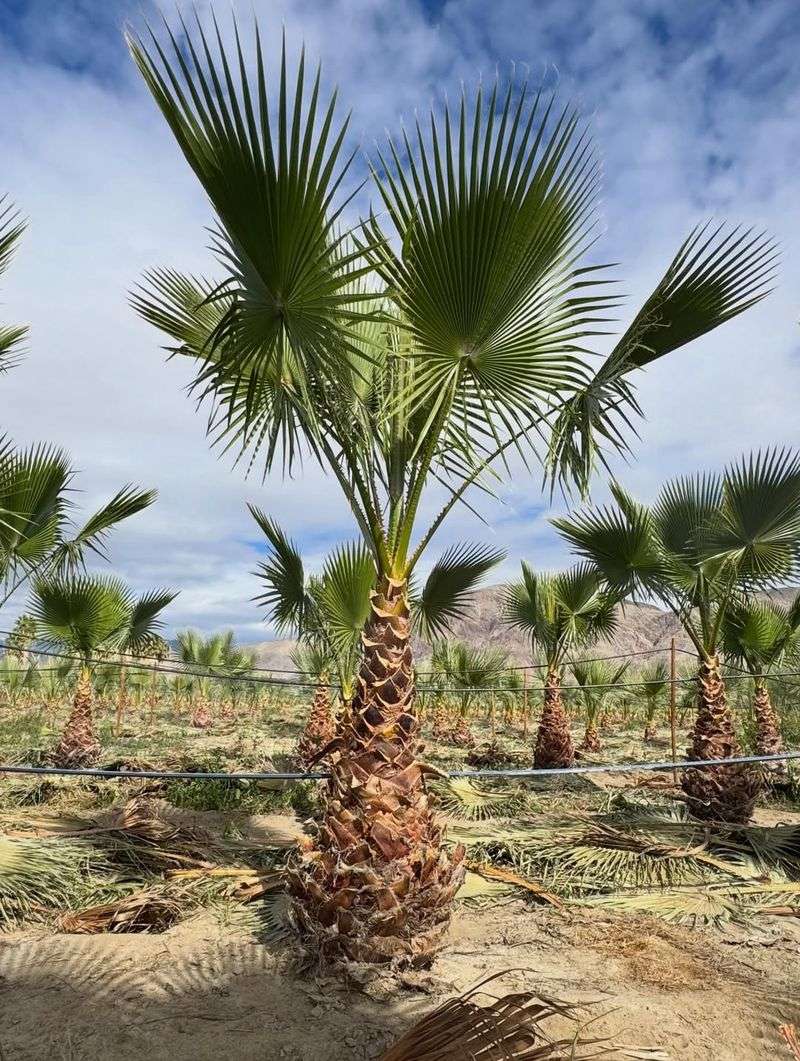
Walk through any nursery in California and you will find dozens of palm species all lined up looking equally beautiful. The problem is that not every palm is built for every part of the state.
California has a surprisingly wide range of climates, from the dry desert heat of Palm Springs to the cool, foggy mornings of San Francisco. Picking the wrong species for your zone is a mistake that is hard to undo.
Some palms, like the Mexican Fan Palm and the Queen Palm, do well in warmer Southern California regions. Others, like the Mediterranean Fan Palm, handle cooler temperatures and can survive in Northern California landscapes.
Choosing a tropical species for a zone that gets cold winters will leave you with a struggling tree that never quite looks right.
Always check the USDA hardiness zone for your specific location before buying a palm. Talk to a local nursery expert who knows California climates well.
Your California Garden Changes Every Week. Your Plan Should Too.
Gardening in California changes quickly throughout the season. Every Friday you’ll receive a simple weekly plan showing exactly what to plant, prune, fertilize, harvest, and protect so you never miss the right timing.
They can point you toward species that are proven to grow well in your area. Research mature height and width too, since some palms grow much taller than expected.
Picking the right species from the start means less work, fewer problems, and a landscape that looks polished and well-planned all year long.
3. Planting Too Deep
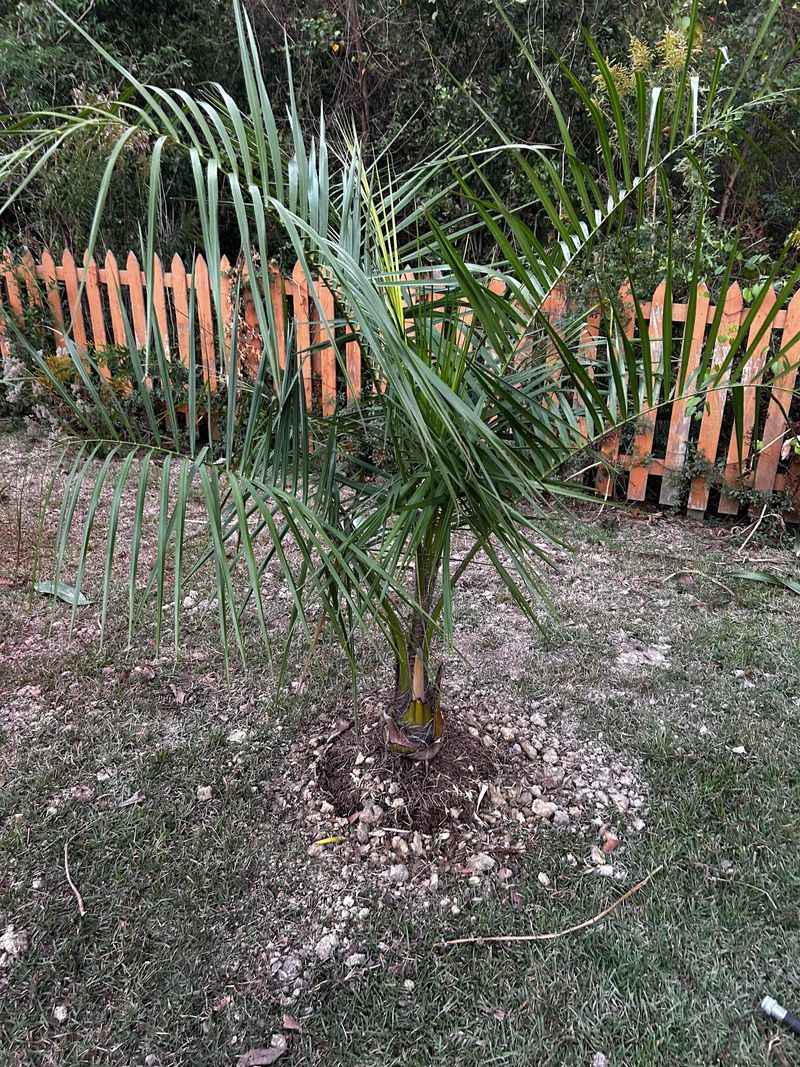
Burying a palm too deep in the ground is one of those mistakes that seems harmless at first but causes serious problems down the road. When the trunk base is covered with too much soil, it traps moisture against the bark and cuts off airflow.
Over time, this leads to trunk rot and a weakened root system that struggles to support the tree as it grows taller.
The correct rule is simple: the top of the root ball should sit right at ground level, not below it. Some people think planting deeper makes the tree more stable, but that is not how palms work.
Their stability comes from a wide, spreading root system, not from being buried deep. Planting at the right depth actually encourages those roots to spread out and anchor properly.
In California landscapes, especially in areas with sandy or loose soils like those found near the coast, getting the depth right matters even more. When you place the palm in the hole, use a straight board or level across the top of the hole to make sure the root ball sits flush with the surrounding ground.
Backfill carefully and avoid piling extra soil around the base of the trunk. A little attention at planting time goes a long way toward keeping your palm healthy and upright for many years.
4. Overwatering Young Palms
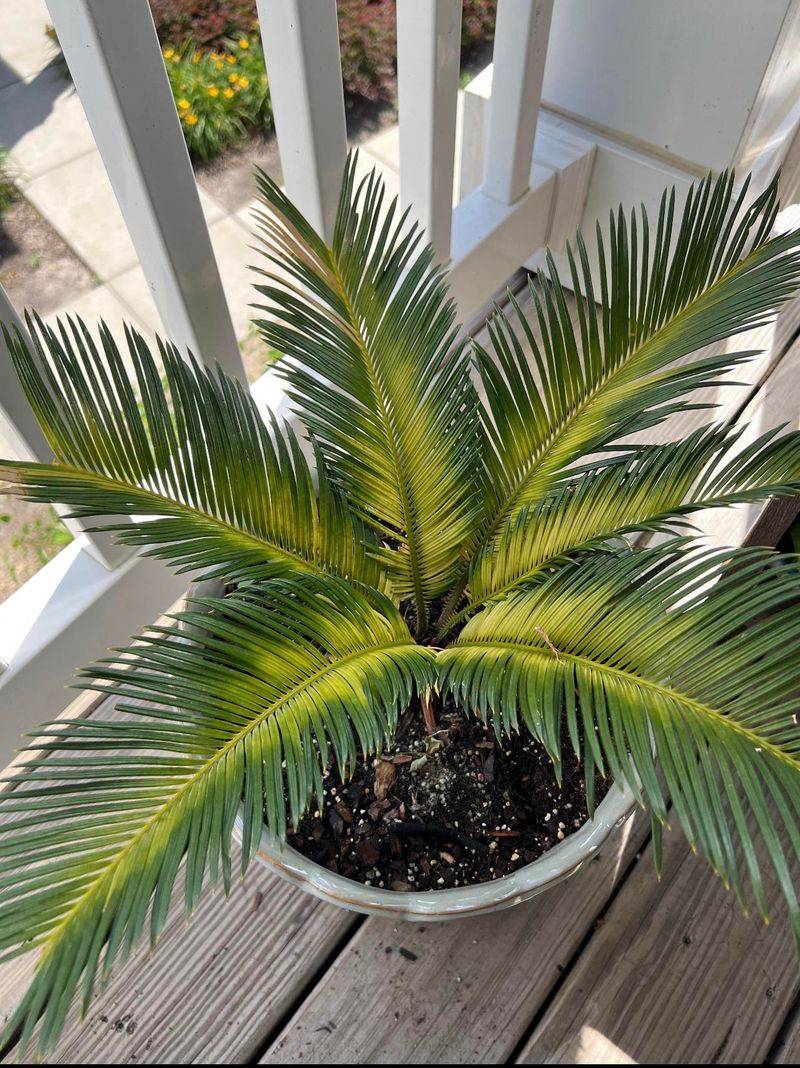
More water does not always mean better growth, especially when it comes to young palms. A lot of new palm owners in California make the mistake of watering their trees every single day, thinking it will help them grow faster.
In reality, too much water drowns the roots and creates the perfect conditions for fungal problems and root rot.
Young palms do need regular watering right after planting, but the goal is deep, infrequent watering rather than constant shallow watering. Water deeply two to three times a week for the first few months, then gradually reduce frequency as the tree establishes itself.
Deep watering encourages roots to grow downward, which makes the tree stronger and more drought-tolerant over time.
California summers can be hot and dry, which sometimes tricks people into watering even more. But most established palms in California landscapes actually do fine with watering once or twice a week during the warm season and even less during cooler months.
Check the soil moisture before watering by sticking your finger about two inches into the ground. If it still feels damp, hold off another day or two.
Installing a drip irrigation system with a timer can take the guesswork out of watering and help you avoid this very common and damaging mistake.
5. Ignoring Cold Sensitivity
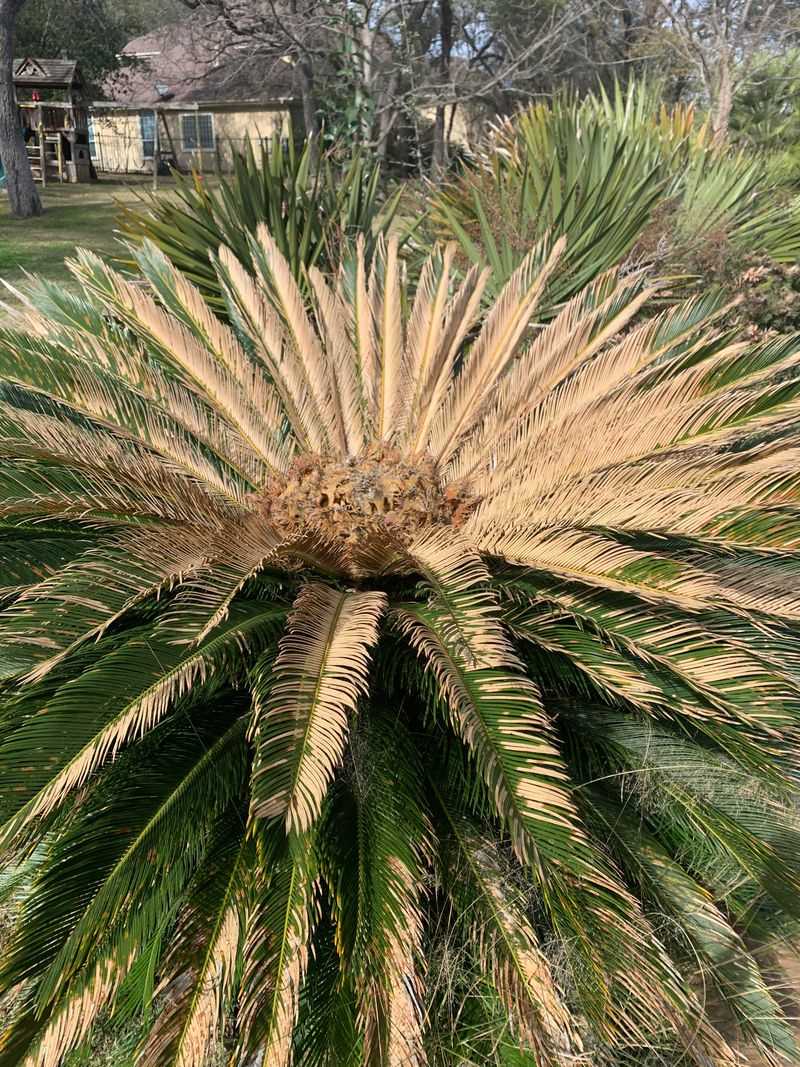
California has a reputation for warm, sunny weather, but that reputation does not tell the whole story. Parts of the state, including the Central Valley, mountain foothills, and even some inland Southern California communities, can experience hard freezes in winter.
Planting a cold-sensitive palm in one of these areas without thinking it through is a recipe for a very bad spring surprise.
Species like the Bismarck Palm and the Foxtail Palm are stunning but highly sensitive to frost. If temperatures drop below 30 degrees Fahrenheit, these palms can suffer serious damage to their fronds and growing tips.
Once the growing tip is damaged by cold, the entire tree may not recover. Always research the cold tolerance of any palm you plan to add to your California landscape.
If you live in a frost-prone area of California but still love a particular cold-sensitive species, there are ways to protect your investment. Wrapping the trunk and fronds with frost cloth before cold nights can help shield the tree.
Planting near a south-facing wall also provides extra warmth by reflecting heat. Mulching around the base helps insulate the roots from temperature swings.
Being proactive about cold protection means you can enjoy more palm variety in your landscape without losing trees every time winter rolls through your neighborhood.
6. Crowding Palms Too Close
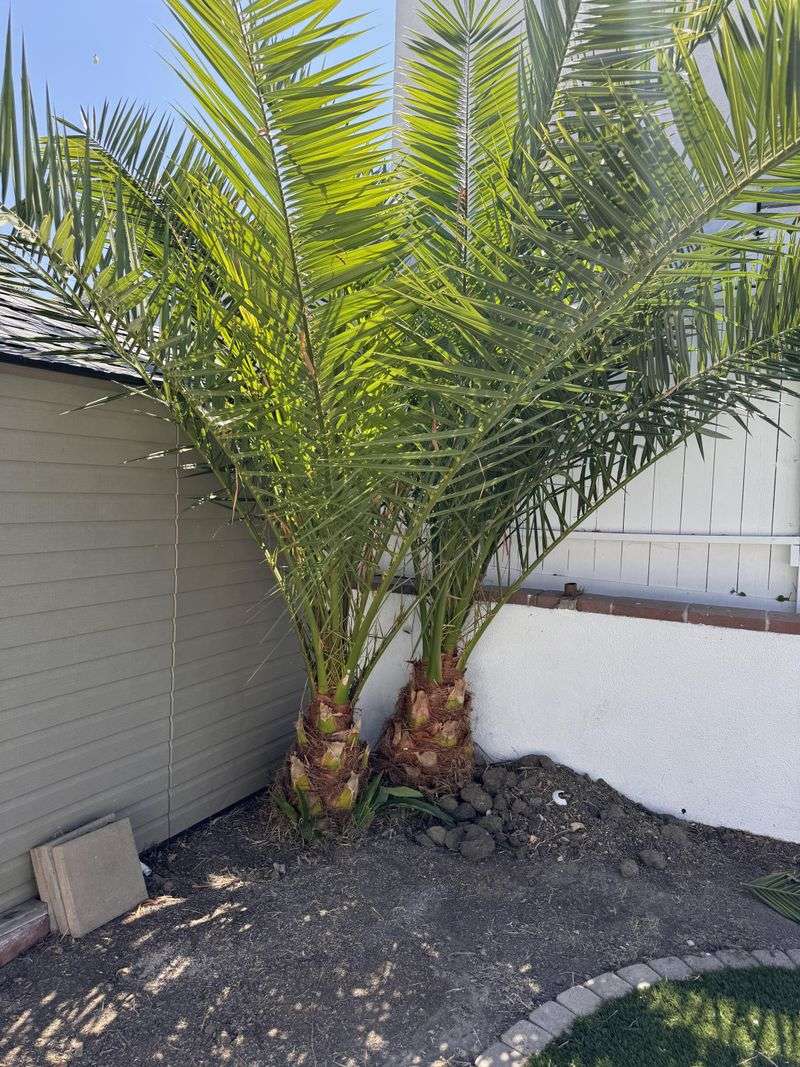
Palms look amazing when grouped together, and many California homeowners love the idea of creating a lush, tropical cluster in their yard. But planting them too close together is a mistake that creates long-term headaches.
When palms are crowded, they compete for water, nutrients, and sunlight, and none of them end up thriving the way they should.
Did you know that some palm species can have root systems that spread several feet in all directions? When you plant palms too close to each other or to structures like walls, driveways, and foundations, those roots can cause damage over time.
They can crack pavement, lift irrigation lines, and even affect the stability of nearby structures. Giving each palm enough room to grow is a practical investment in your property.
As a general guide, most medium to large palm species need at least 10 to 15 feet of space from other trees and structures. Smaller species can be planted a bit closer, but even they need room to breathe.
Before you plant in your California landscape, look up the mature spread of the species you have chosen. Map out your yard on paper first so you can visualize spacing before you start digging.
Proper spacing not only protects your property but also lets each palm grow into its full, natural shape without competition.
7. Skipping Soil Preparation
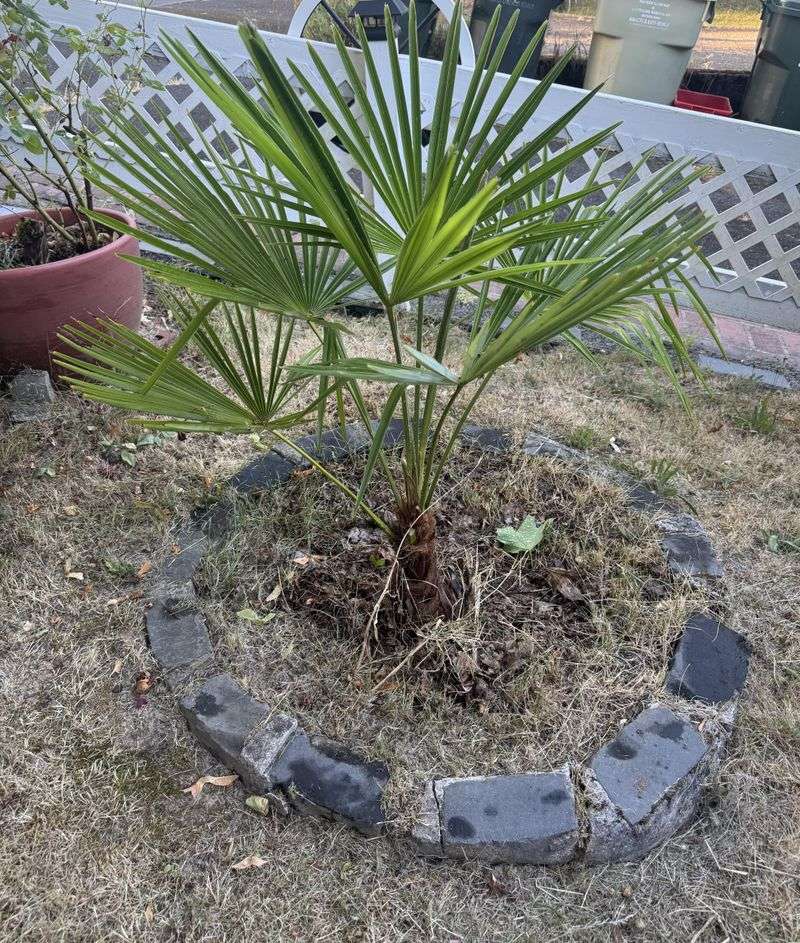
Tossing a palm into unprepared ground and hoping for the best is one of the most common shortcuts people take in California landscapes. It might seem like extra work to prepare the soil ahead of time, but skipping this step almost always leads to slower growth and weaker trees.
Palms planted in well-prepared soil establish faster, grow more vigorously, and look healthier from the start.
Good soil preparation starts with testing what you already have. California soils range from heavy clay in many valley areas to sandy, fast-draining soils near the coast.
Clay soils need to be loosened and amended with organic matter and coarse sand to improve drainage. Sandy soils, on the other hand, benefit from added compost to help retain moisture and nutrients around the roots.
Work your amendments into the soil to a depth of at least 18 inches before planting. This gives the roots a rich, loose environment to spread into right from the beginning.
Adding a layer of mulch around the base of the tree after planting also helps regulate soil temperature and retain moisture, which is especially helpful during California’s hot, dry summers.
Spending an extra hour on soil prep before planting can make a noticeable difference in how quickly and strongly your palm grows over the first few seasons in your landscape.