These Simple Ways Help You Get The Most Out Of Citrus In Arizona
Citrus trees are already part of so many Arizona yards, but most people only use a small part of what they can actually do. It is easy to think of them in just one way, even though they can bring so much more to everyday life around the home.
Spring is when everything starts to feel more active, and citrus trees naturally become part of that shift. There is something satisfying about having them nearby, especially when they start standing out more in the yard.
Still, a lot of their potential often goes unnoticed.
Sometimes it is not about growing better fruit or fixing problems. It is about seeing new ways to use what is already there and making the most of it in simple, practical ways.
Once that shift happens, even a familiar citrus tree can start to feel completely different.
1. Make A Household Cleaner Using Citrus Peels
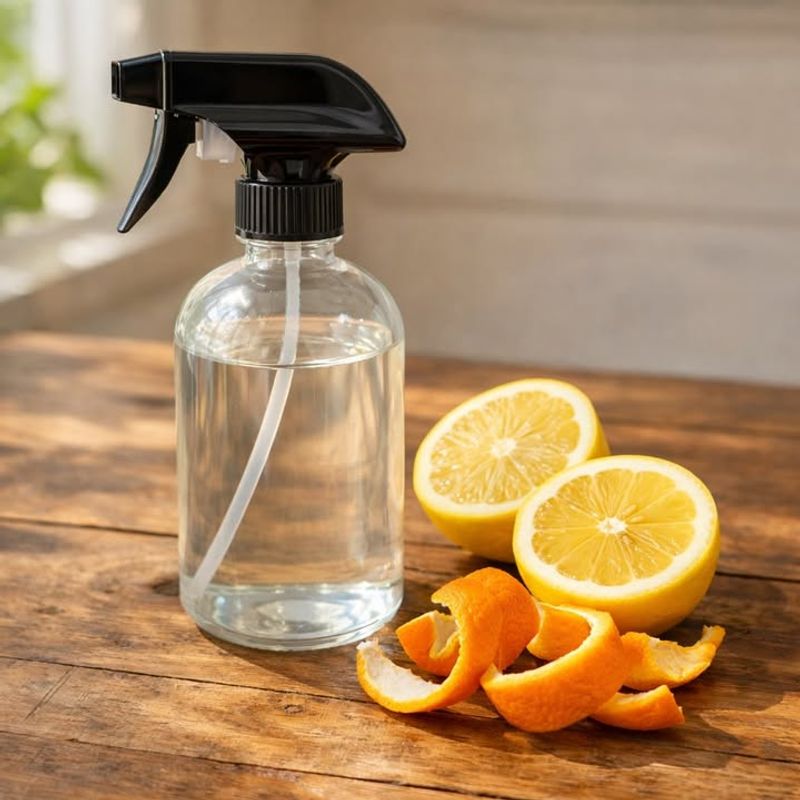
Citrus peels sitting on your counter after breakfast are not trash — they are the start of a genuinely useful all-purpose cleaner. In Arizona, where dust and dry air make messes a daily thing, having a natural cleaner on hand is a real plus.
All you need is a clean glass jar, leftover peels from oranges, lemons, or limes, and plain white vinegar. Pack the peels into the jar, pour vinegar over them until they are fully covered, and let the jar sit in a cool spot for two weeks.
Shake it gently every few days to help things along.
Once the time is up, strain out the peels and pour the liquid into a spray bottle. You can dilute it with a little water if the smell is too strong.
Use it on countertops, stovetops, bathroom surfaces, and even tile floors.
Citrus contains natural compounds called limonene that cut through grease and leave surfaces smelling clean without the harsh chemical smell of store-bought sprays.
Arizona homeowners who have hard water stains on sinks and faucets often find this rinse works surprisingly well on mineral buildup too.
Keep a labeled bottle under the sink and refill it whenever you have a fresh batch ready. It costs almost nothing, reduces kitchen waste, and gets the job done without anything synthetic touching your food prep surfaces.
2. Create A Natural Lemon Freshener For Indoor Spaces
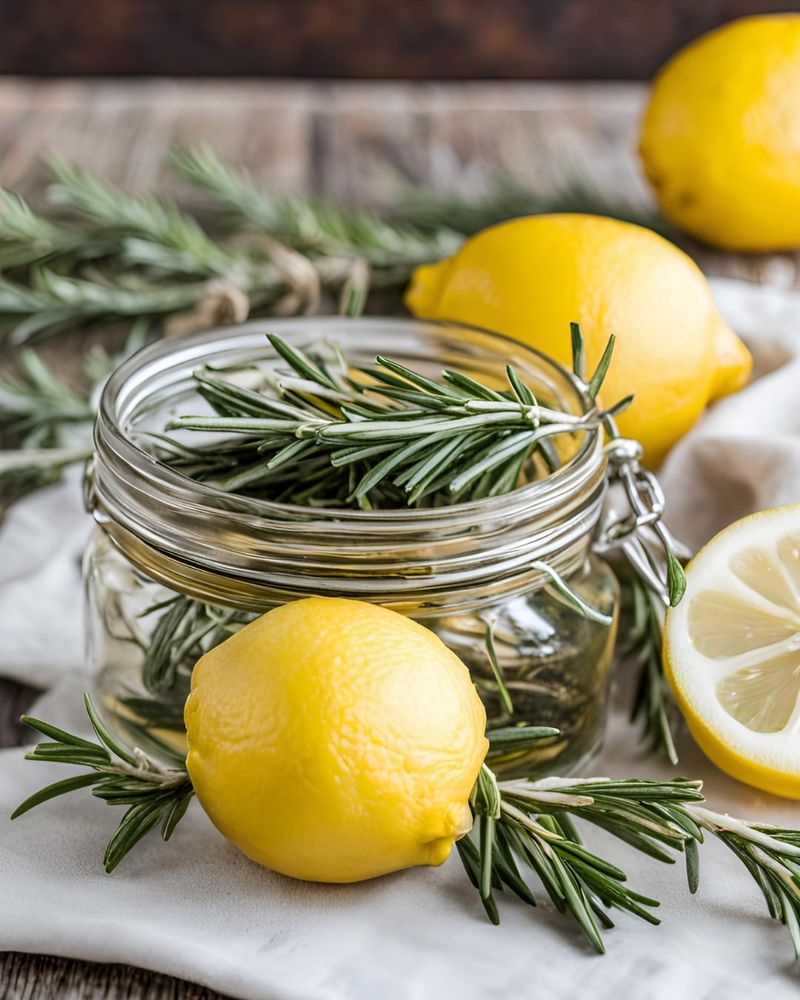
Stuffy rooms in Arizona get old fast, especially during summer when windows stay shut to keep the heat out. Before reaching for a synthetic spray, try something that actually smells like real fruit instead of artificial fragrance.
Cut a lemon in half and set it cut-side up in a small dish. Stick a few whole cloves into the flesh and place the dish in a room that needs freshening.
Lemon naturally absorbs odors rather than just masking them, and the cloves add a warm, subtle scent that is not overwhelming.
Another easy option is simmering citrus peels on the stovetop with a cinnamon stick and a splash of vanilla extract. Let it go on low heat for about an hour, adding water as needed so the pot does not run dry.
Your Arizona Garden Changes Every Week. Your Plan Should Too.
Gardening in Arizona changes quickly throughout the season. Every Friday you’ll receive a simple weekly plan showing exactly what to plant, prune, fertilize, harvest, and protect so you never miss the right timing.
Your kitchen will smell incredible without any candles or plug-ins involved.
You can also dry citrus peels in a low oven at around 200 degrees for an hour or two, then place them in small fabric pouches. Tuck those pouches into closets, drawers, or gym bags.
Arizona heat can make enclosed spaces smell stale quickly, and dried citrus peels absorb that mustiness effectively.
Replacing the lemon halves or refreshing the pouches every week or two keeps things smelling fresh consistently. Simple, inexpensive, and completely free of chemicals that irritate people with allergies or sensitivities.
3. Use Citrus Peels In Small Amounts Around Garden Soil
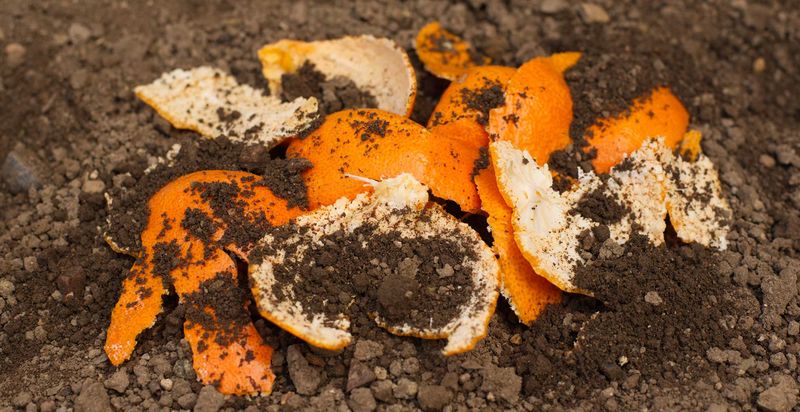
Scattered citrus peels around garden beds might look a little odd at first, but there is a solid reason experienced Arizona gardeners do it. Certain pests, including ants and aphids, are not fans of the strong oils found in citrus skin.
Chop or tear the peels into small pieces before placing them around the soil near your plants.
Smaller pieces break down faster and are less likely to attract mold in humid microclimates created by drip irrigation systems, which are common throughout Arizona yards.
Do not pile them too thick or leave large chunks sitting for weeks. A light scattering refreshed every week or so is more effective than a heavy layer that stays wet and starts to rot.
Rotate where you place them so the oils reach different areas of the garden bed.
Citrus peels also add small amounts of nitrogen, phosphorus, and potassium as they break down, which is a quiet bonus for your soil without needing to pull out a bag of fertilizer.
Arizona soil tends to be alkaline and low in organic matter, so any organic addition helps over time.
Gardeners in the Phoenix and Tucson areas who grow vegetables and herbs alongside citrus trees have found this trick handy during the spring growing season when pest pressure picks up.
Keep it simple, keep it fresh, and your plants will appreciate the extra attention without much effort on your part.
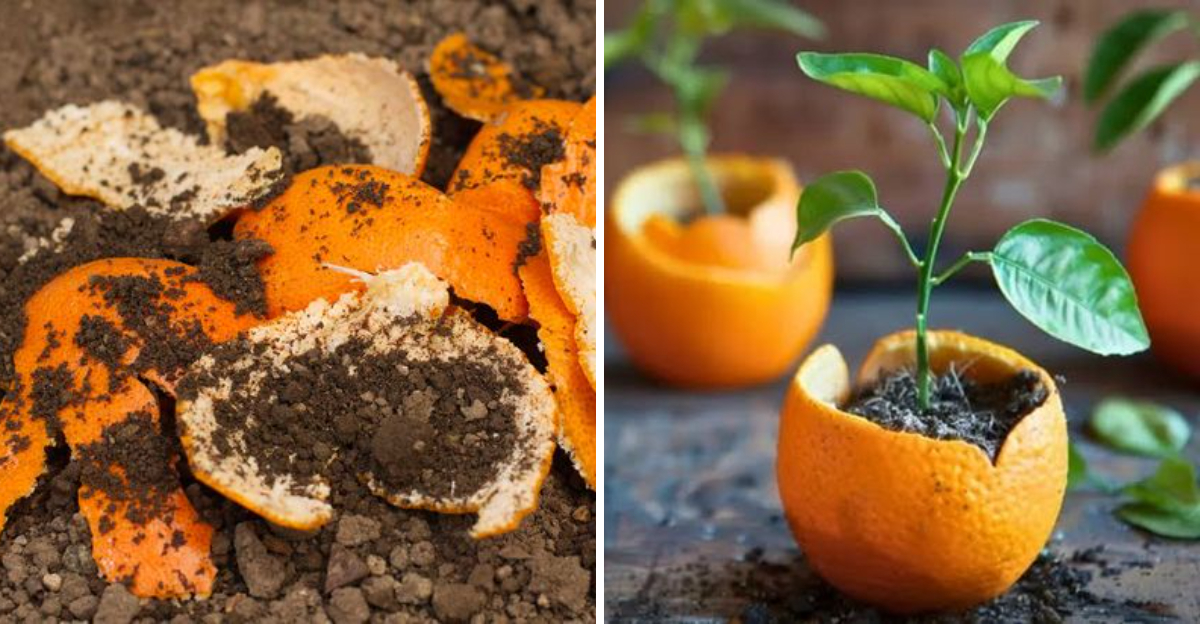
4. Add Citrus Scraps To Compost Instead Of Throwing Them Away
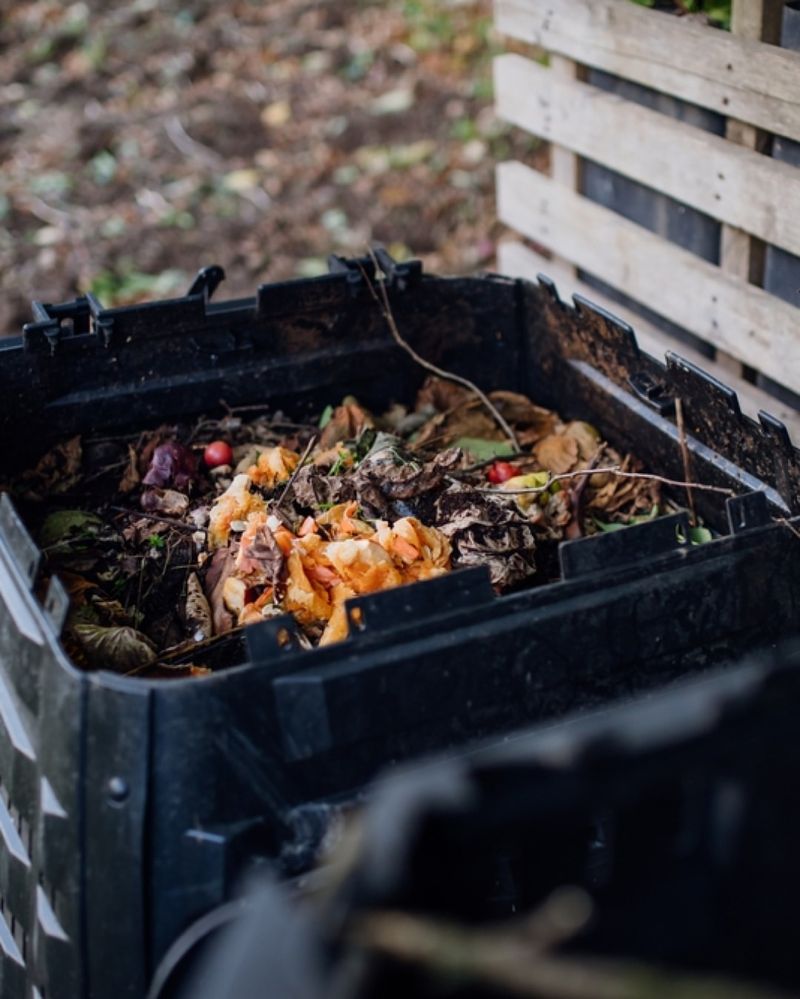
Tossing citrus scraps straight into the trash is one of the easiest habits to change in an Arizona kitchen. Compost bins benefit from citrus additions, and the fruit adds both moisture and nutrients that help the pile stay active.
Cut larger peels into smaller chunks before adding them to your bin. Smaller pieces break down faster, which matters in Arizona where compost can dry out quickly in the heat.
Balancing citrus scraps with dry materials like cardboard or dried leaves keeps the pile from getting too wet or too acidic.
Some people avoid adding citrus to compost because of outdated advice about acidity harming worms. In reasonable amounts, citrus scraps do not cause problems.
The acidity balances out as the material decomposes, and worms generally avoid the citrus while still working the rest of the pile just fine.
Arizona composters dealing with intense summer heat actually have an advantage — high temperatures speed up decomposition significantly. Citrus peels that might take months to break down in cooler climates can process much faster here during July and August.
Turn your pile every week or two to keep things moving.
Finished compost enriched with citrus scraps works well mixed into the sandy, nutrient-poor soil common across much of Arizona. Adding it around citrus trees, vegetable beds, or desert-adapted plants helps improve water retention and soil texture.
It is a genuinely worthwhile loop to close between your kitchen and your garden.
5. Use Citrus Oils To Freshen Up Garden Tools And Surfaces
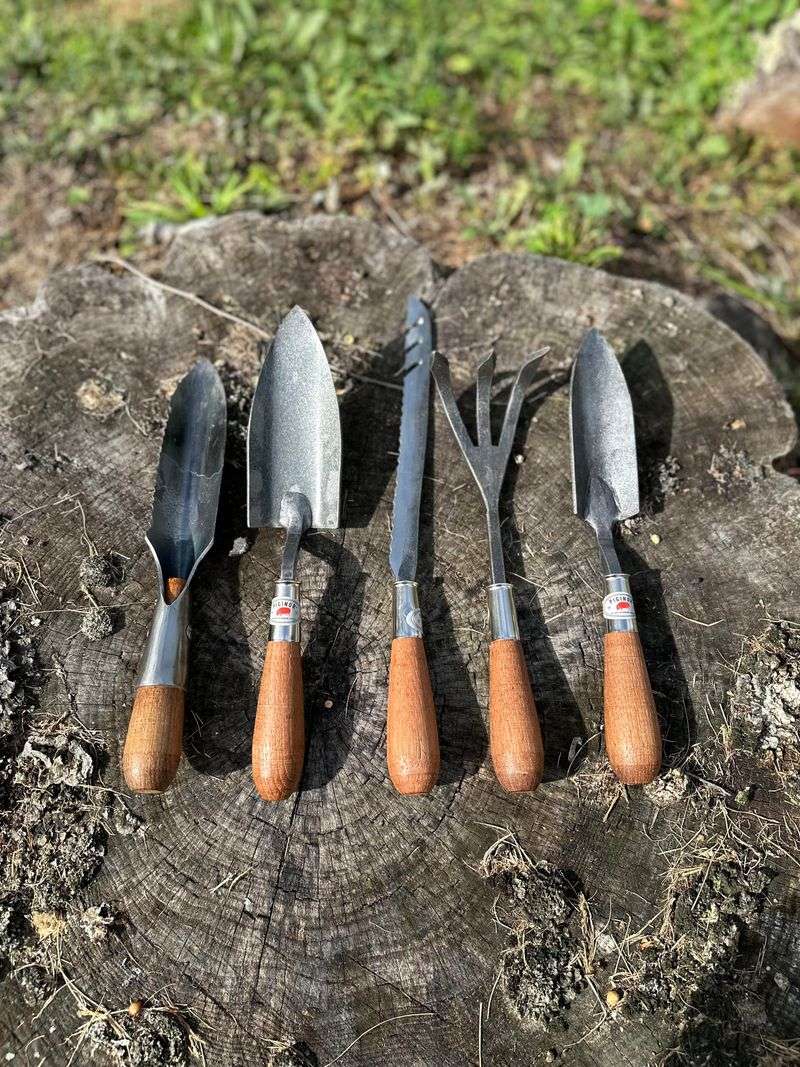
Garden tools left sitting in an Arizona garage between uses can pick up rust, sticky sap, and general grime that makes them harder to work with.
Citrus oil, which you can extract just by rubbing a cut lemon or orange half directly onto metal surfaces, is surprisingly effective at cutting through that buildup.
Rub a cut citrus half along the blades of pruning shears, trowels, or hand cultivators. Let the juice sit for a minute, then wipe it clean with a dry rag.
The natural oils loosen sap and light rust without scratching the metal or leaving a chemical residue behind.
Wooden tool handles also benefit from a light rub of citrus oil. It conditions the wood slightly and leaves a clean scent that makes working in the garden more pleasant.
Arizona sun dries out wooden handles faster than in most other states, so any moisture and conditioning helps extend their life.
Outdoor furniture, potting benches, and plastic planters can get a quick wipe-down with a citrus-soaked cloth to remove mineral deposits left by hard Arizona water. The natural acid in lemon juice breaks down those white crusty spots better than plain water alone.
Keep a few lemon or orange halves wrapped in the refrigerator specifically for this purpose. After squeezing juice for cooking or drinks, the leftover halves still have plenty of oil in the skin and rind to handle a solid round of tool cleaning without wasting anything.
6. Start Seeds In Citrus Halves For Short-Term Use
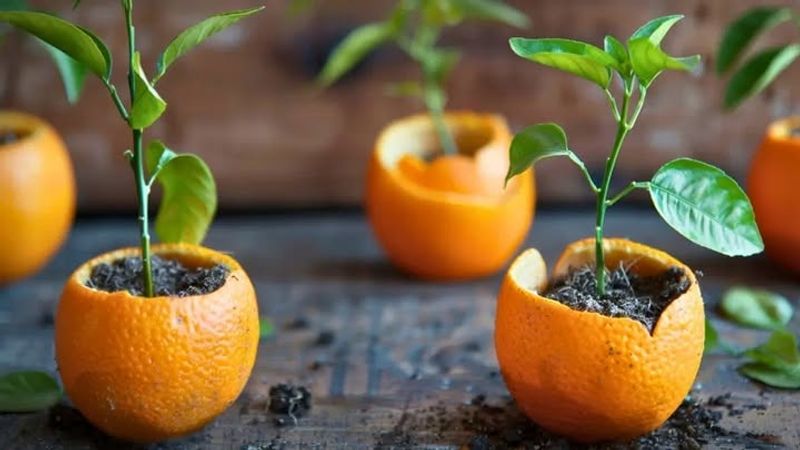
Emptied citrus halves make surprisingly functional seed-starting containers, and Arizona gardeners prepping for the spring or fall planting seasons can put this trick to good use.
Cut a lemon, lime, or orange in half, scoop out the flesh cleanly, and poke a small hole in the bottom for drainage.
Fill each half with a light seed-starting mix and press one or two seeds into the soil. Set them in a sunny spot indoors or on a shaded patio where temperatures stay manageable.
Arizona mornings are ideal for this since they are warm but not scorching, especially from February through April.
Water carefully with a spray bottle to avoid washing the seeds out of the shallow container. Citrus halves hold moisture reasonably well for short periods, making them practical for the first week or two of germination when consistent moisture matters most.
When seedlings are ready to go into the ground, plant the entire citrus half directly into the soil. The rind breaks down gradually and adds small amounts of organic matter as it decomposes.
There is no need to remove the seedling from the container, which means less root disturbance during transplanting.
Herbs like basil, cilantro, and parsley work especially well with this method. Vegetables such as cherry tomatoes and peppers, both popular in Arizona home gardens, also get a solid start this way.
It is a creative reuse that costs nothing and produces real results without any plastic trays involved.
7. Use Citrus Juice And Zest To Add Flavor To Everyday Cooking
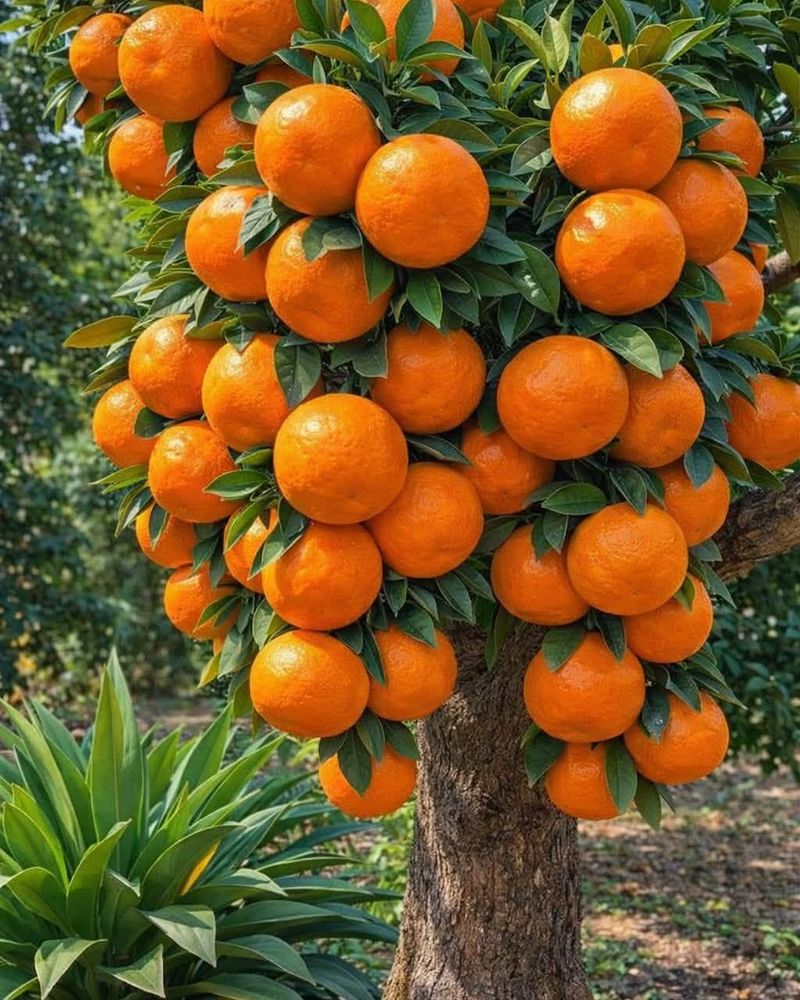
Fresh citrus from Arizona trees tastes noticeably different from store-bought fruit that has traveled hundreds of miles before reaching a kitchen.
Juice squeezed from a backyard lemon or orange has a brightness that bottled juice simply cannot match, and it makes a real difference in everyday cooking.
Zest is where a lot of people leave value on the table. Before cutting into any citrus fruit, run it against a fine grater to collect the outer peel.
That zest is packed with aromatic oils that add flavor to salad dressings, marinades, baked goods, and even plain pasta dishes. A little goes a long way.
Arizona cooks working with fresh citrus often add lemon juice at the end of cooking rather than the beginning. Heat breaks down some of the volatile compounds that give citrus its punch, so a squeeze added right before serving keeps that fresh flavor front and center.
Try it on roasted vegetables, grilled chicken, or a simple bowl of rice.
Orange zest pairs well with chocolate, warm spices, and savory dishes like braised meats. Lime juice brightens up anything from guacamole to cold noodle salads.
Grapefruit juice, common in Arizona kitchens thanks to local
Freeze extra juice in ice cube trays so nothing goes to waste when trees are producing heavily. Citrus cubes dropped into water, soups, or sauces give a quick flavor boost any time of year without any prep work needed.