How To Get More Blooms From Yellow Bells In Arizona This Spring
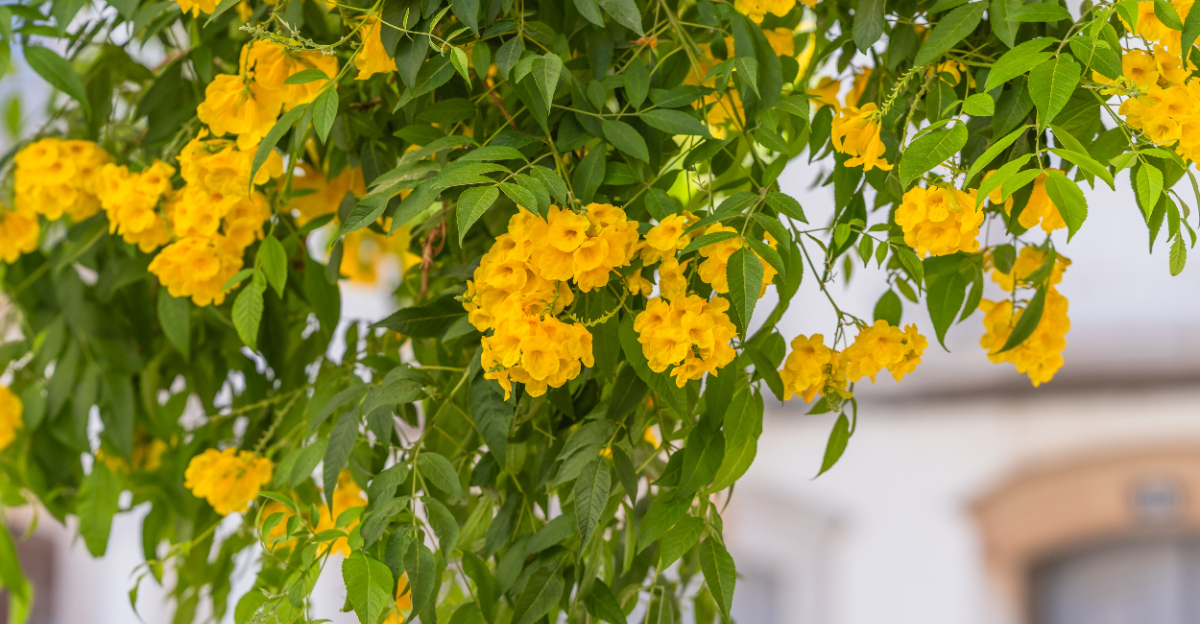
Yellow bells can look fine one week, then suddenly slow down just when they should be putting on a real show. It happens a lot in Arizona, especially right as spring begins to pick up.
Everything looks healthy on the surface, but something still feels a bit off when the blooms do not come in the way they should.
This is the time when small choices start to matter more than expected. What is done now can shape how full and vibrant that plant looks as the season moves forward.
It is not about doing more, it is about doing the right things at the right moment.
Many gardeners miss this window without even realizing it, and the plant never quite reaches its full potential. A few simple shifts can change that completely and bring out the kind of growth that makes yellow bells stand out again.
1. Prune Yellow Bells In Early Spring To Encourage Fresh Growth
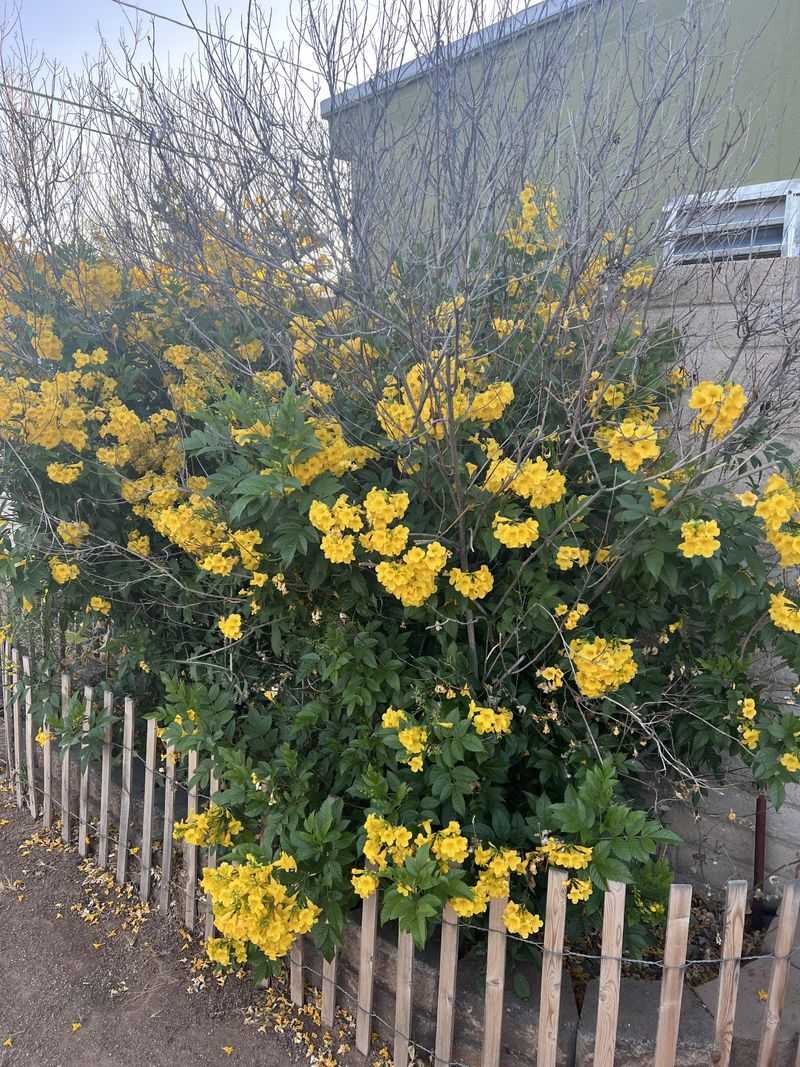
Grab your pruning shears before your Yellow Bells even think about pushing out new leaves. Early spring pruning is one of the most effective things you can do to get more flowers out of your plant this season in Arizona.
Old, woody stems left over from winter rarely produce strong blooms, so cutting them back gives the plant a clean slate to work from.
Aim to cut back about one-third of the plant, focusing on broken, crossing, or overly dense branches first. You want to open up the center of the shrub so air and light can get in.
A crowded plant spends energy just surviving rather than putting out flowers.
Sharp, clean cuts matter more than most people realize. Ragged cuts invite problems and slow down healing, so wipe your blades with rubbing alcohol between plants if you have more than one in your yard.
Clean tools make a real difference in how quickly your Yellow Bells bounce back.
After pruning, do not panic if the plant looks a little bare. Within a few weeks in the warm Arizona climate, you will see fresh green growth pushing out from the cut areas.
That new growth is exactly where your best blooms will show up. Spring pruning essentially tells the plant to redirect its energy from maintaining old wood to producing the flower-covered branches you are hoping for all season long.
2. Plant In Full Sun For The Best Flower Production
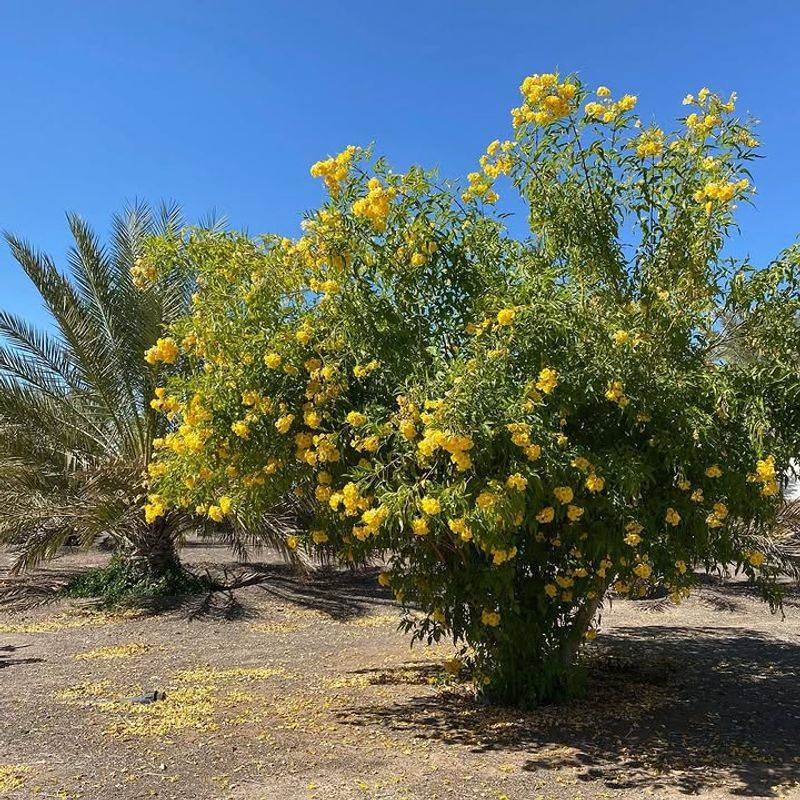
Shade is the enemy of a blooming Yellow Bells plant. If your shrub sits in a spot that gets less than six hours of direct sun each day, you can do everything else perfectly and still end up with a plant that barely flowers.
Full sun is not optional for Tecoma stans in Arizona. It is the foundation everything else is built on.
At least six to eight hours of direct sunlight daily is what these plants are built for. Planted along a south or west-facing wall, they absolutely thrive in the intense Arizona heat.
That warmth bouncing off masonry actually helps extend the blooming window into the cooler months of fall.
Your Arizona Garden Changes Every Week. Your Plan Should Too.
Gardening in Arizona changes quickly throughout the season. Every Friday you’ll receive a simple weekly plan showing exactly what to plant, prune, fertilize, harvest, and protect so you never miss the right timing.
If you are growing Yellow Bells in a container, you have the advantage of being able to move it around. Spend a day or two watching where the sun actually hits your yard before committing to a spot.
What looks sunny in the morning might be surprisingly shaded by afternoon.
Young plants sometimes struggle in their first summer if they were planted in a marginal sun location and the gardener assumed they would adapt. Relocating a struggling plant to a sunnier spot in early spring can completely transform its performance.
Arizona has no shortage of intense sunlight, so take advantage of it. Giving your Yellow Bells a prime sun-drenched location is the single biggest thing you can do to guarantee a heavy flower display from spring through fall.
3. Water Deeply And Let Soil Dry Between Watering
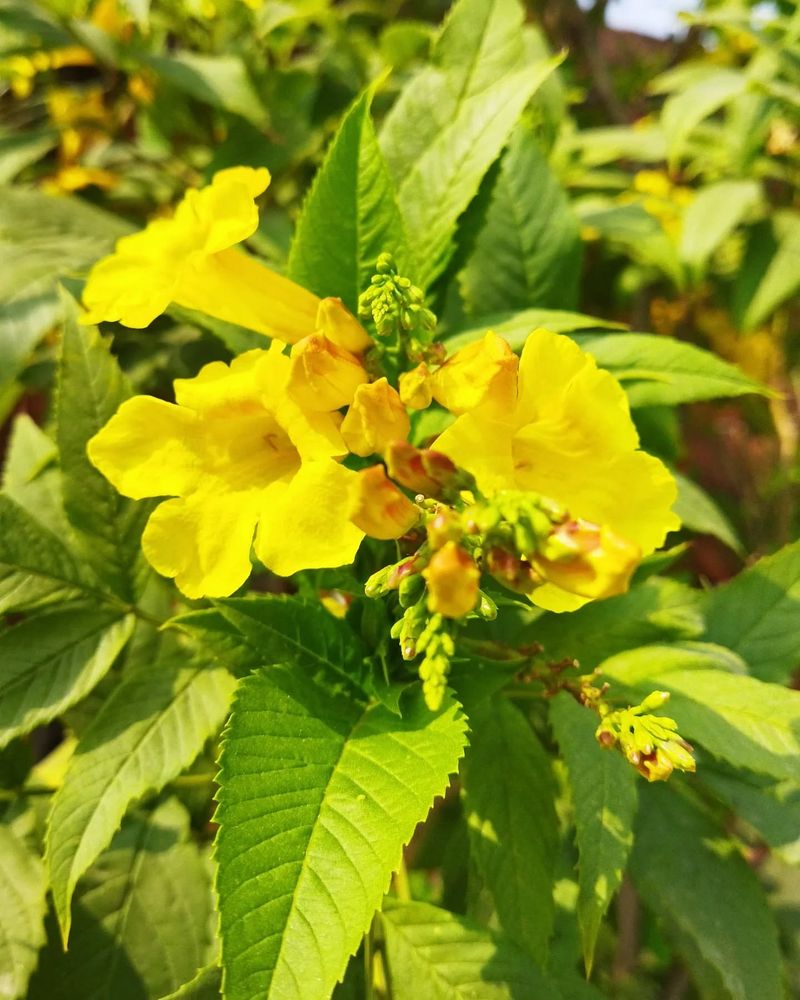
Watering Yellow Bells incorrectly is one of the fastest ways to end up with a plant that looks stressed and refuses to bloom.
Too much water, too often, keeps the roots sitting in moisture and leads to problems below the soil surface that you might not notice until the plant starts looking rough.
Less frequent, deeper watering is the correct approach in Arizona.
When you do water, go slow and go deep. Running water at the base of the plant for a longer period encourages roots to chase moisture downward.
Deep roots make a more resilient plant that can handle the brutal Arizona summer heat without falling apart.
During spring, watering every ten to fourteen days is usually plenty for an established Yellow Bells shrub. Stick your finger a few inches into the soil before you water.
If there is still moisture down there, wait another few days. Consistent overwatering during the cooler spring months can stress roots more than summer heat ever will.
New plantings need more attention in their first season. Water them more frequently until you see strong new growth, then gradually stretch out the intervals.
Once roots are well-established, Yellow Bells handle dry spells surprisingly well. Matching your watering schedule to what the plant actually needs, rather than a rigid calendar, produces healthier plants with far more flowers.
Paying attention to your soil conditions rather than the date on your phone is the smarter approach in Arizona gardening.
4. Use Light Feeding To Support More Blooms
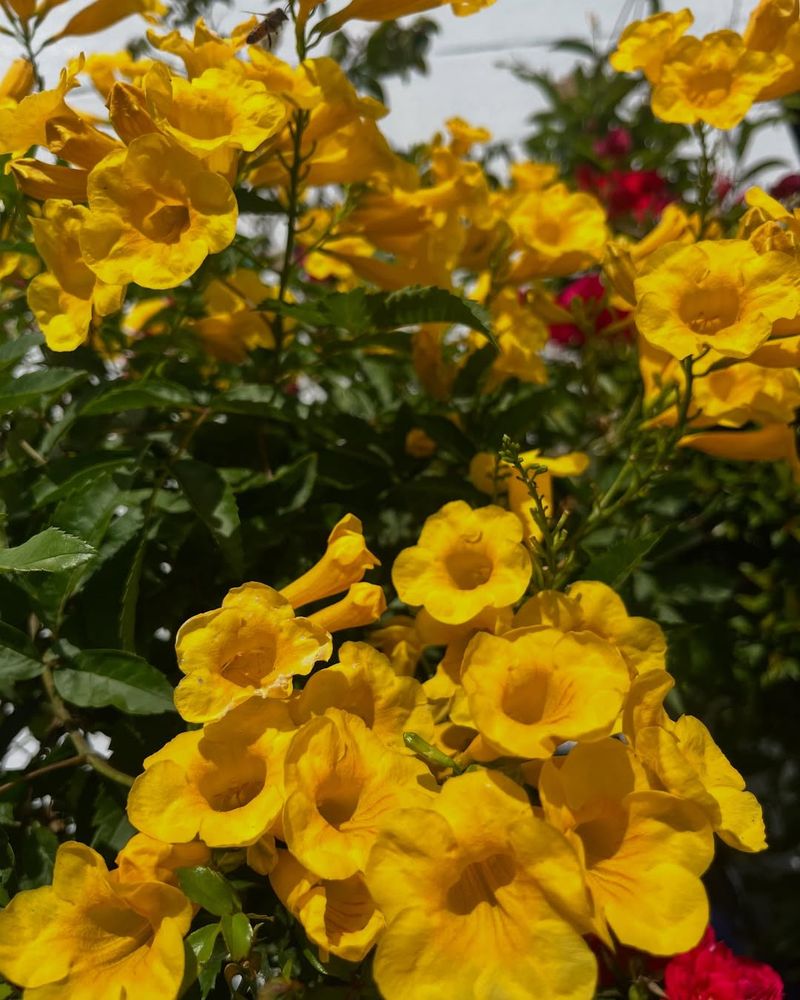
Fertilizer can help your Yellow Bells produce more flowers, but it is easy to overdo it. Heavy feeding pushes the plant into producing lots of lush green leaves at the expense of blooms, which is the opposite of what you want.
Light, targeted feeding is the strategy that actually works for getting more flowers in Arizona gardens.
A balanced slow-release fertilizer with a slightly higher phosphorus number works well for Yellow Bells. Phosphorus supports flower production, while nitrogen encourages leafy growth.
Reading the label matters here. Products labeled for flowering shrubs or desert plants are usually a safe bet.
Apply fertilizer once in early spring just as new growth begins, and if you want to feed again, do it in midsummer before the second flush of blooms. Skip fall feeding entirely.
Pushing new tender growth late in the season can cause problems when cooler Arizona nights arrive unexpectedly.
Granular slow-release products are easier to control than liquid fertilizers for most home gardeners. Scatter them lightly around the drip line of the plant, not right up against the base of the stems, then water it in.
More is not better with Yellow Bells. A plant that is slightly underfed will often bloom better than one that has been pushed too hard with fertilizer.
Restraint pays off here, and your Yellow Bells will reward a light hand with steady, consistent flower production from spring right through the warmest months Arizona has to offer.
5. Trim Back Leggy Growth To Promote Bushier Plants
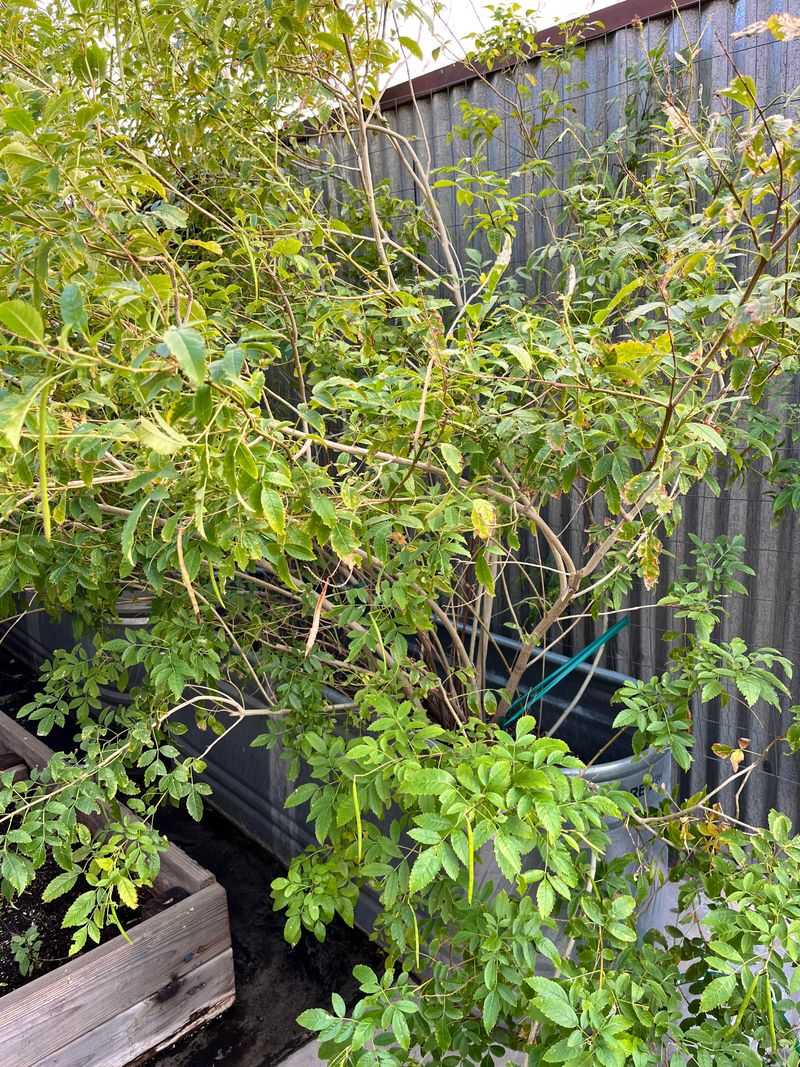
Long, floppy branches with sparse leaves and almost no flowers are a sign your Yellow Bells has gotten leggy. It happens when the plant stretches toward light or simply has not been cut back in a while.
Leggy growth looks weak because it is weak, and trimming it back is the fix that most Arizona gardeners overlook.
Cut leggy stems back by about half, just above a healthy leaf node or branching point. New side shoots will push out from below the cut and those side shoots are where the flowers come from.
Each cut you make is essentially multiplying the number of flowering stems your plant will produce.
Timing matters with this kind of pruning. Spring is ideal because the plant is already gearing up to grow.
A trim in early spring gives Yellow Bells the whole warm season to fill back in with compact, flower-covered growth. Avoid heavy trimming in late summer or fall when the plant should be winding down.
A bushy, compact Yellow Bells plant looks better and blooms far more heavily than a tall, sparse one. If you have a mature plant in your Arizona yard that has never been cut back hard, spring is the season to be bold.
It might look dramatic right after pruning, but the regrowth will be thicker and more flower-productive than anything the old leggy stems were ever going to give you. Commit to the cut and your plant will thank you with weeks of vibrant yellow blooms.
6. Remove Faded Flowers To Keep Blooms Coming
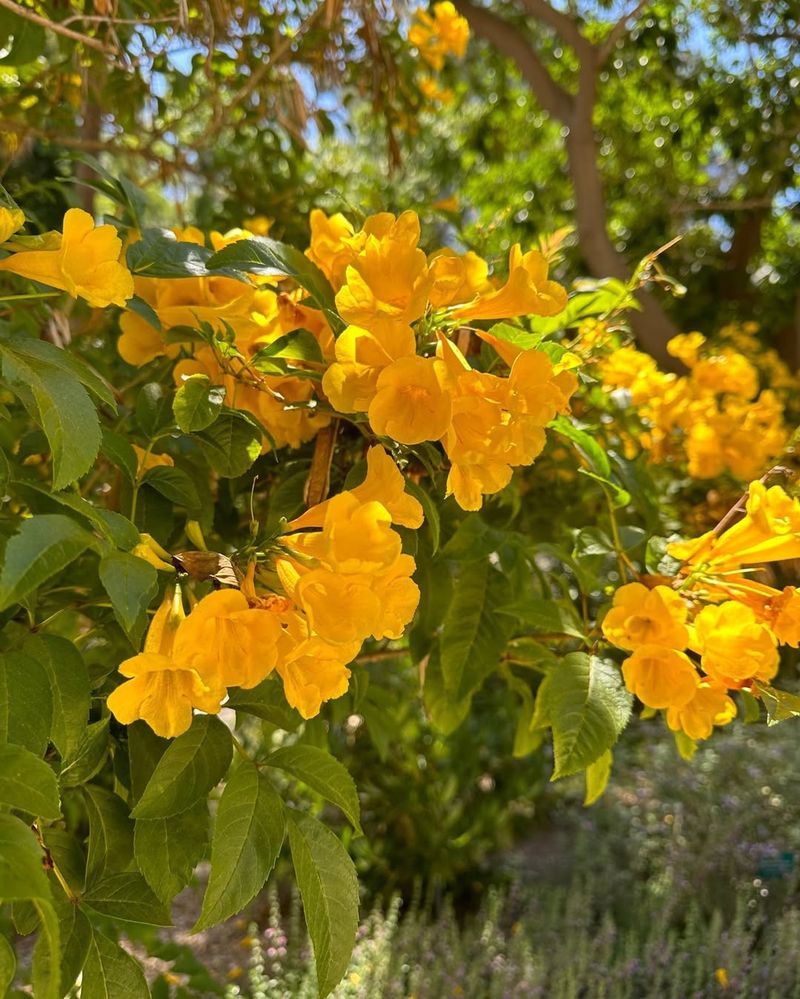
Spent flowers left on the plant send a signal that the job is done for the season.
Yellow Bells will start putting energy into forming seed pods instead of pushing out new blooms, and that is not what you want when you are trying to keep the color going all spring and summer in Arizona.
Deadheading breaks that cycle.
Pinch or snip off faded flowers as soon as the petals drop. You do not need to be surgical about it.
A quick pass through the plant every week or so, removing brown or shriveled flower clusters, is enough to keep the blooming cycle moving forward. It takes maybe ten minutes and the payoff is worth every second.
Seed pods on Yellow Bells are long and narrow, almost like green beans hanging off the branches. If you see those forming, remove them too.
Letting pods develop tells the plant its reproductive work is finished, which slows flower production significantly.
Some Arizona gardeners skip deadheading because they think the plant blooms on its own regardless. It does bloom without help, but not nearly as heavily or as continuously.
Regular removal of spent blooms keeps the plant in a productive state throughout the entire warm season rather than just putting on a short show in spring. If you want a Yellow Bells plant that looks stunning from April through October, make deadheading a regular part of your weekly garden routine.
Small effort, big visual reward.
7. Make Sure Soil Drains Well To Prevent Stress
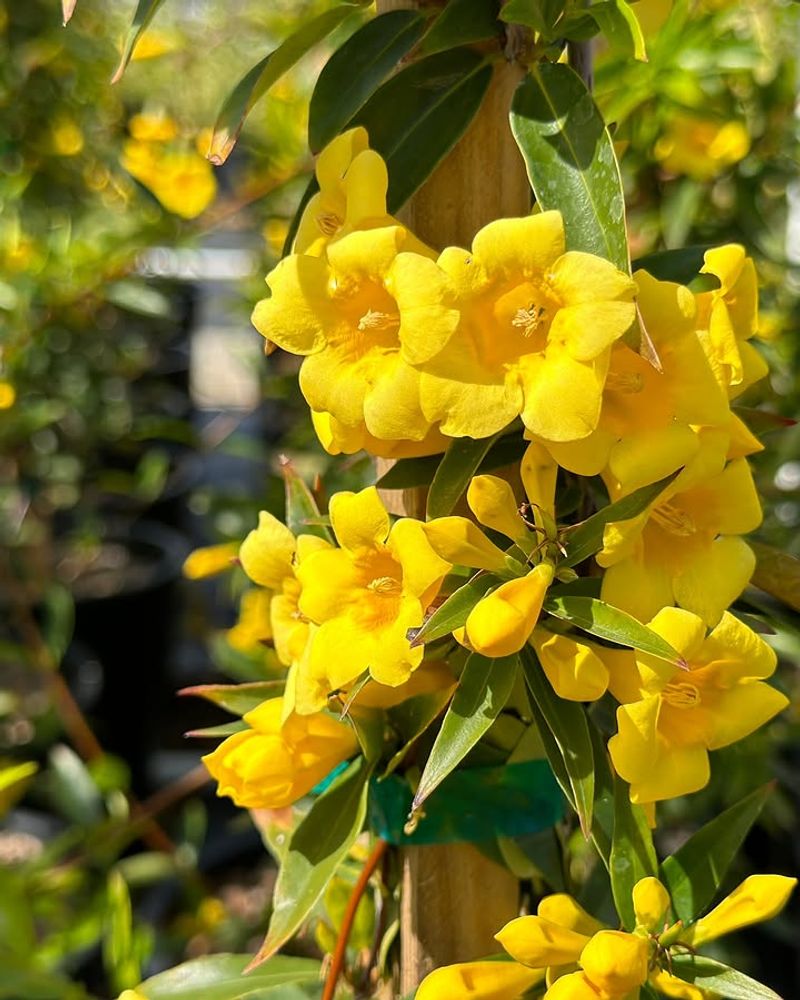
Soil drainage might not sound exciting, but it is one of the most important factors in how well your Yellow Bells performs in Arizona.
Roots sitting in soggy soil cannot absorb nutrients properly, and a plant under that kind of stress puts its limited energy into survival rather than producing flowers.
Good drainage changes everything.
Arizona naturally has a lot of sandy and rocky soil, which actually works in your favor with Yellow Bells. If your yard has denser clay-heavy soil, mix in coarse sand or small gravel when planting to open up the texture.
Raised beds and mounded planting areas also help in spots where water tends to pool after monsoon rains.
Check drainage before you plant by digging a hole about twelve inches deep and filling it with water. If it drains within an hour, you are in good shape.
If water is still sitting there hours later, you need to amend the soil or choose a different spot.
Caliche layers are common in Arizona yards and can block drainage even when the top layer of soil looks perfectly fine. If you hit a hard white layer while digging, break through it with a breaker bar before planting.
Roots need to be able to grow downward freely.
A Yellow Bells plant growing in properly draining soil stays healthier, handles Arizona heat more confidently, and consistently produces the kind of heavy floral display that makes it one of the most eye-catching shrubs in any desert garden.