How To Stop Grass From Growing Between Patio Stones In Georgia
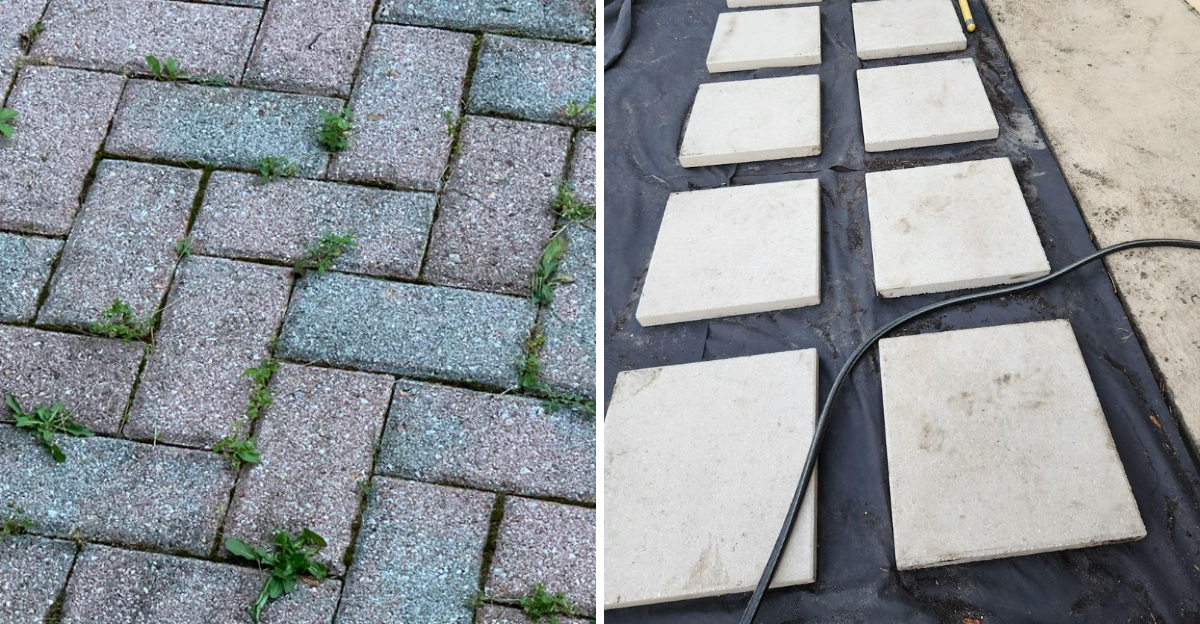
A clean patio in Georgia should stay clean, but grass slipping between the stones can take over before you even notice it happening. One quick fix never seems to hold, and before long those tight lines start looking uneven again.
The good news is this does not have to turn into a constant chore. There are simple ways to shut it down so it stops coming back in the first place, instead of dealing with it again and again.
Once those gaps are handled the right way, the whole patio starts to look sharper and more put together without extra effort. It finally feels like something you can enjoy instead of something you keep having to fix.
That shift makes a bigger difference than expected, especially in Georgia where everything tends to grow fast the moment it gets a chance.
1. Pull Grass Early Before Roots Spread Between Stones
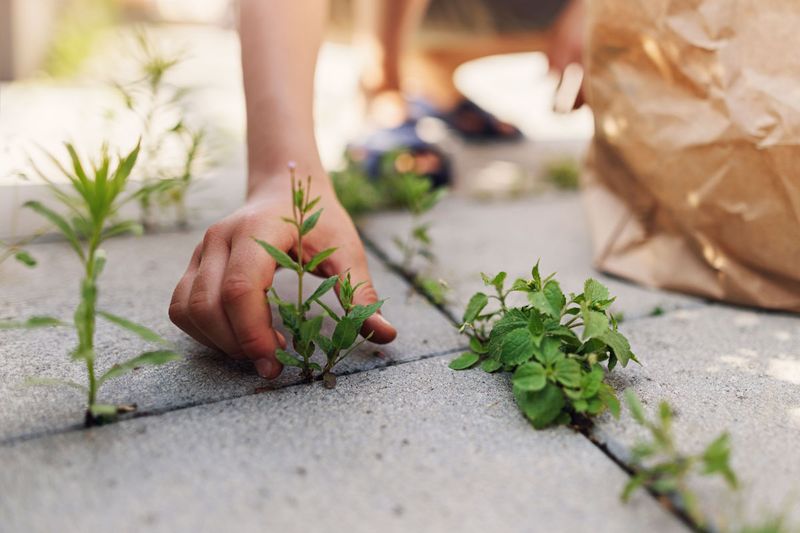
Catching grass early is the single most effective thing you can do for your patio. When blades are still small and the roots have not locked in deep, one good pull gets the whole plant out clean.
Wait too long, and those roots wrap around gravel and sand until removal becomes a real chore.
In Georgia, grass does not slow down much even through fall. Warm-season varieties like Bermuda and zoysia stay aggressive well past what gardeners in cooler states deal with.
Checking your patio every week or two during the growing season keeps small problems from turning into full-on invasions.
A narrow weeding tool or an old butter knife works well for tight joints between stones. Slide it along the crack, loosen the base of the plant, then pull straight up.
Getting the root out matters — snapping the blade off at the surface just means it grows back faster.
After pulling, sweep the joint clear of any loose soil or debris. Seeds can settle into even tiny amounts of leftover dirt and sprout within days in Georgia’s heat.
Keeping the gap clean after weeding buys you more time before the next round of growth starts pushing through.
Hand-pulling takes maybe ten minutes if you stay on top of it regularly. Skipping a few weeks in July or August, though, can mean an hour of work to catch back up.
Staying consistent really does make the whole job easier over time.
2. Pour Boiling Water To Clear Grass From Small Cracks
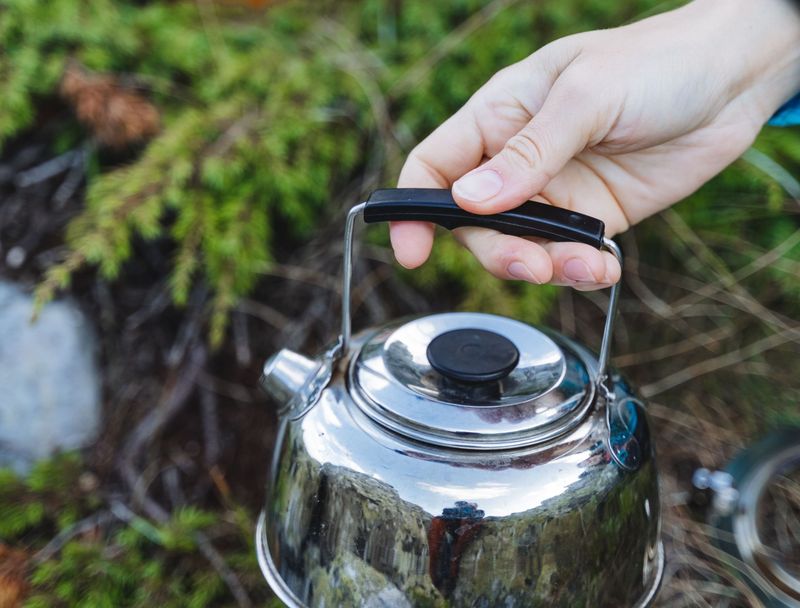
Boiling water sounds almost too simple, but it genuinely works on young grass pushing through narrow cracks.
Heat breaks down plant tissue fast, and since there are no chemicals involved, it is completely safe to use near pets, kids, or garden beds right next to your patio.
Grab a full kettle or pot and pour slowly and directly into the crack where the grass is rooted. Splashing it around wastes the heat and risks scalding nearby plants you actually want to keep.
Aim the stream right at the base of the growth for the best result.
Georgia summers make this method especially useful because the ground stays warm, which speeds up the breakdown of the plant after treatment. You might see wilting within a couple of hours on a hot afternoon.
Your Georgia Garden Changes Every Week. Your Plan Should Too.
Gardening in Georgia changes quickly throughout the season. Every Friday you’ll receive a simple weekly plan showing exactly what to plant, prune, fertilize, harvest, and protect so you never miss the right timing.
Cooler mornings still work, but results take a bit longer to show.
One thing to keep in mind — boiling water does not prevent new seeds from sprouting. It handles what is already there, not what is coming next.
Plan to repeat the treatment every few weeks during peak growing months if you are relying on this method alone.
Combining hot water treatment with regular sweeping and joint maintenance makes it much more effective. Use it as part of a rotation rather than a one-time fix.
Homeowners across Georgia who stay on a simple schedule find that this low-effort method keeps small cracks looking clean without reaching for any sprays or chemicals at all.
3. Apply Vinegar Carefully On Sunny Days For Spot Control
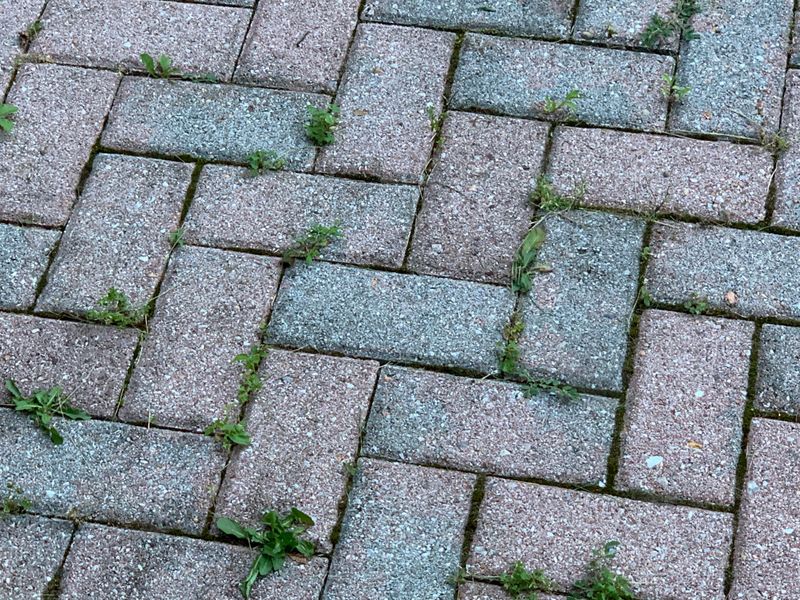
White vinegar is one of those pantry staples that pulls double duty outside. Acetic acid, the active component, draws moisture out of plant tissue rapidly, and on a hot Georgia afternoon, that process happens fast.
A sunny day is not just convenient — it actually boosts how well the vinegar performs.
Standard household vinegar works on young, tender grass shoots. Horticultural vinegar, which runs around 20% acidity compared to the 5% in grocery store bottles, hits harder and handles tougher growth.
Either way, spray directly onto the grass in the crack and avoid overshooting onto nearby lawn or garden plants.
Vinegar does not discriminate between plants you want and plants you do not. Drift from the spray can brown out surrounding grass or damage border plants.
Using a small spray bottle with a narrow nozzle gives you much better control than a wide-spray attachment.
Repeat applications are usually needed in Georgia because the humidity and warmth help seeds germinate quickly after treatment. Clearing out what is there is step one — stopping new growth from taking hold is the ongoing challenge.
Vinegar handles step one well when applied correctly.
Adding a small amount of dish soap to the mix helps the solution stick to leaves instead of beading off. A few drops per cup of vinegar is plenty.
Shake gently before spraying and apply during the warmest, sunniest part of the day for the strongest effect. Avoid treating before rain is expected, since water will rinse the solution away before it has time to work.
4. Use Polymer Sand To Seal Gaps And Block Regrowth
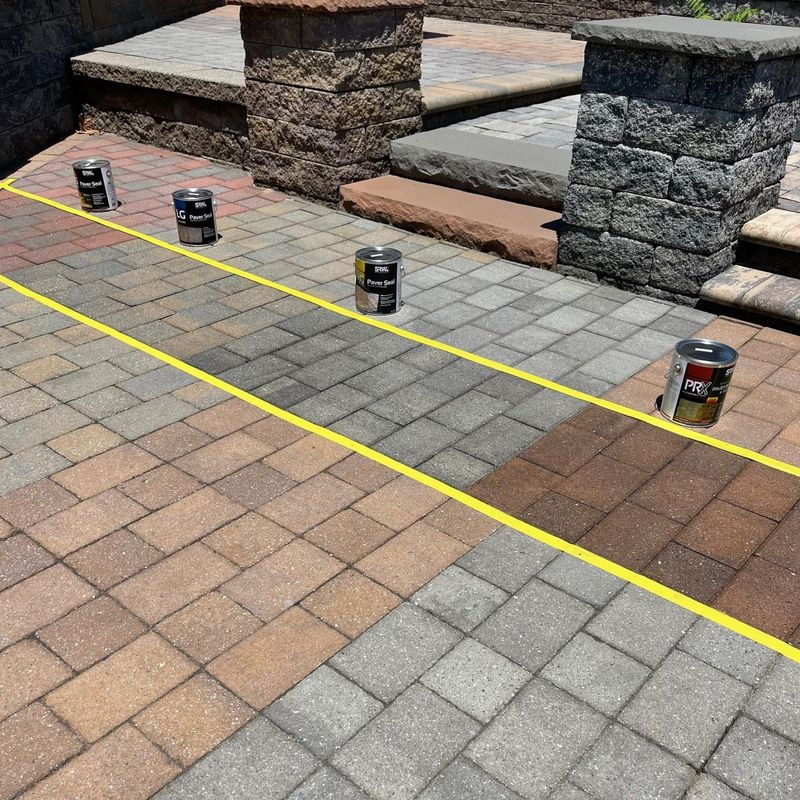
Polymeric sand is one of the most practical upgrades you can make to a patio in Georgia. Unlike regular sand, which stays loose and gives seeds a soft landing spot, polymeric sand hardens when it gets wet.
Once it cures, it forms a firm, semi-flexible bond between stones that grass roots struggle to penetrate.
Application is straightforward. Pour the sand over clean, dry stone joints and sweep it into the gaps until they are filled just below the surface of the stone.
Then lightly mist the entire area with water to activate the binding agents inside the sand. A second light misting after about thirty minutes helps the cure set fully.
Georgia’s rain and humidity mean your patio joints are almost always dealing with moisture. That same moisture works in your favor here because it keeps the polymeric sand activated and firm over time.
Joints that stay packed tight simply leave no room for grass seed to take root.
Before applying new polymeric sand, clear out any existing growth, old sand, or debris from the joints. Applying over contaminated gaps reduces how well it bonds.
A stiff brush or a pressure washer on a low setting handles joint cleaning well without shifting the stones themselves.
Polymeric sand does wear down over years, especially in high-traffic areas. Plan to inspect joints every couple of seasons and refill spots where the sand has thinned.
Staying ahead of those gaps keeps Georgia’s aggressive grass varieties from finding a foothold between your stones again.
5. Install Landscape Fabric Under Stones To Prevent Growth
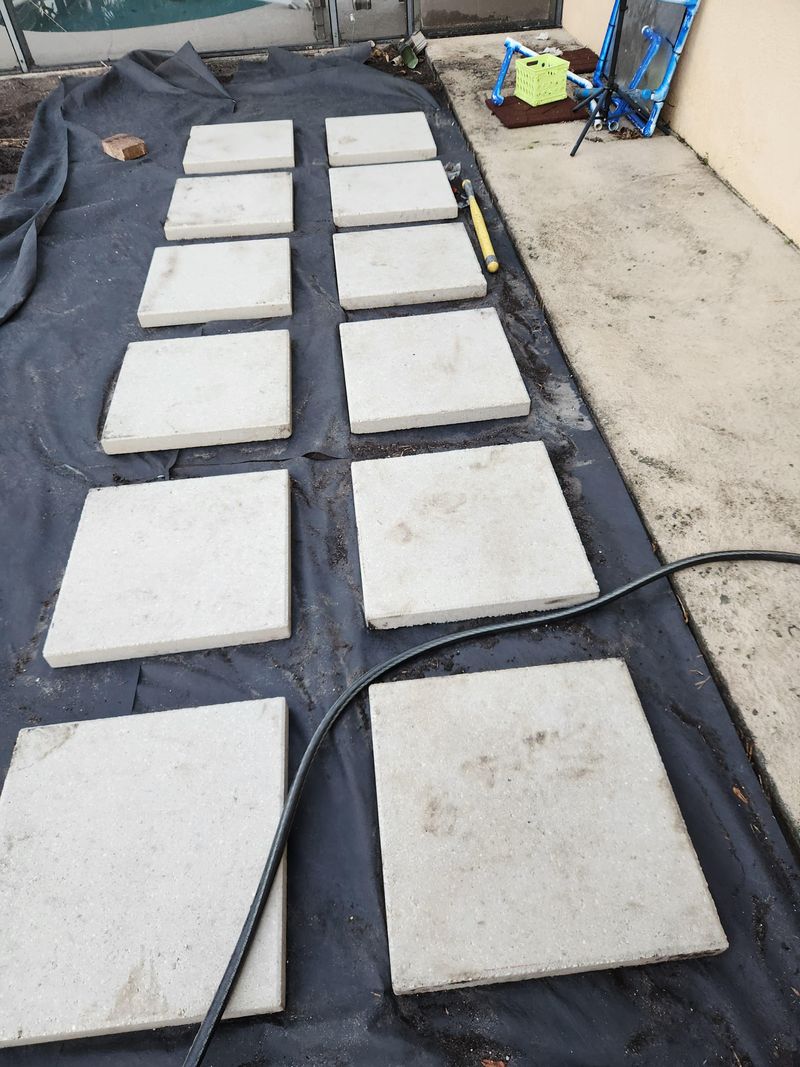
Landscape fabric works best when it goes in before the stones do, which means it is a solution worth thinking about during installation or a major reset of your patio.
Blocking light from reaching the soil underneath is what stops seeds from sprouting in the first place, and fabric does that job well when installed correctly.
Choose a woven, heavy-duty fabric rather than the thin plastic sheeting sold at discount stores. Woven fabric allows water to drain through while still blocking light.
Plastic sheeting traps water, causes erosion underneath your base, and breaks down quickly under Georgia’s intense summer heat.
Cut the fabric to cover the full footprint of your patio area, overlapping seams by at least six inches. Secure edges with landscape staples before adding your base material on top.
Any gaps or folds in the fabric can become entry points for roots over time, so take care to lay it flat and smooth.
Fabric is not a permanent fix on its own. Soil and organic debris accumulate above the fabric over the years, eventually building up enough of a layer for seeds to germinate on top of it.
Regular sweeping and joint cleaning keep that buildup from becoming a problem.
Homeowners in Georgia who are resetting older patios often find it worth pulling up a section of stone to add fabric if none was used during the original build.
It is extra work upfront, but it dramatically reduces the amount of maintenance needed during Georgia’s long and aggressive growing season every year after that.
6. Keep Joints Clean And Refill Gaps Before Weeds Return
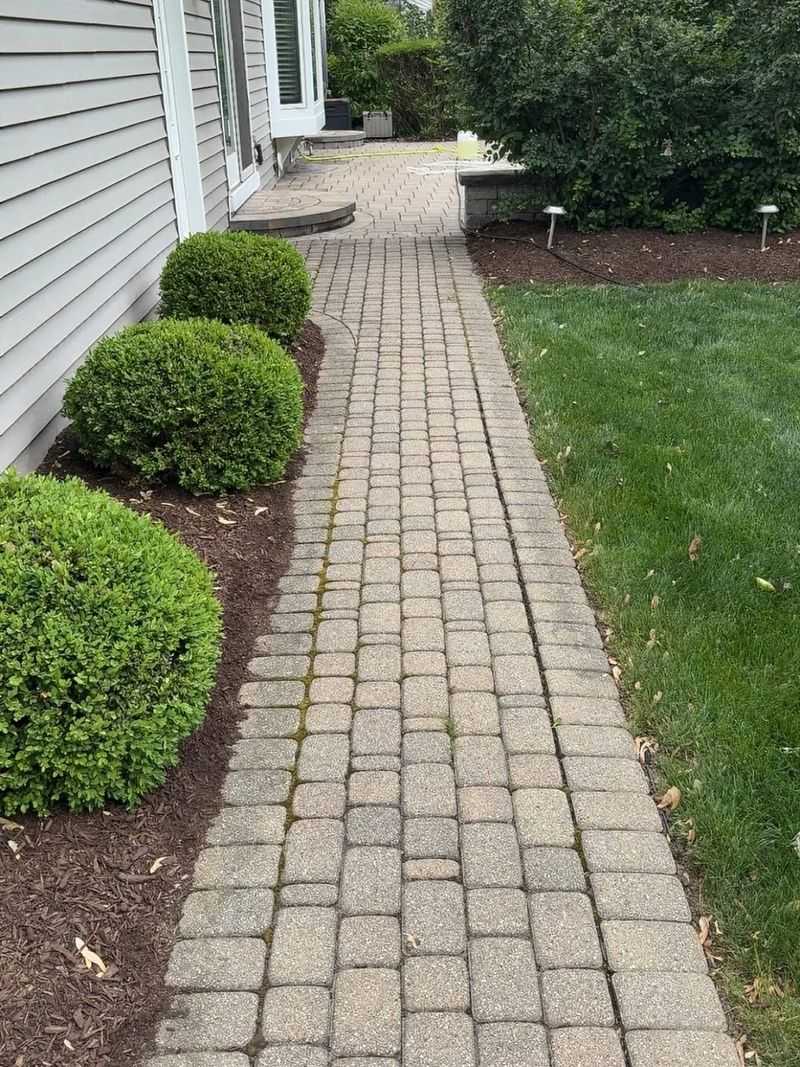
Empty joints are open invitations. Dirt, decomposed leaves, and moisture collect in any unfilled gap, and Georgia’s warm climate turns that mix into a ready-made seed bed.
Staying ahead of joint maintenance is less about fighting weeds and more about removing the conditions that let them start.
Sweeping your patio regularly — even just once a week — makes a noticeable difference. A stiff-bristle push broom pulls debris out of cracks instead of pushing it deeper in.
Blowing everything off with a leaf blower works too, though it can scatter seeds across the patio surface rather than removing them entirely.
After a thorough sweep, check the depth of your joints. Sand or polymeric sand that has washed or settled low leaves a gap that collects organic matter fast.
Topping off low joints with fresh sand and tamping it lightly keeps the surface level and tight.
Georgia gets a lot of rain, which washes joint material out gradually over time. After heavy storms, especially during spring and summer, it is worth doing a quick inspection to see which areas need refilling.
Staying on top of it after rain events prevents the slow creep of grass from getting established between checks.
Cleaning joints also means removing any moss or algae that builds up in shaded areas of your patio. Both create a moist, organic layer that seeds love.
A diluted bleach solution or a patio cleaner spray handles moss without damaging the stones, and keeping those surfaces clean removes yet another foothold for unwanted growth.
7. Use Targeted Herbicide Only When Growth Gets Out Of Control
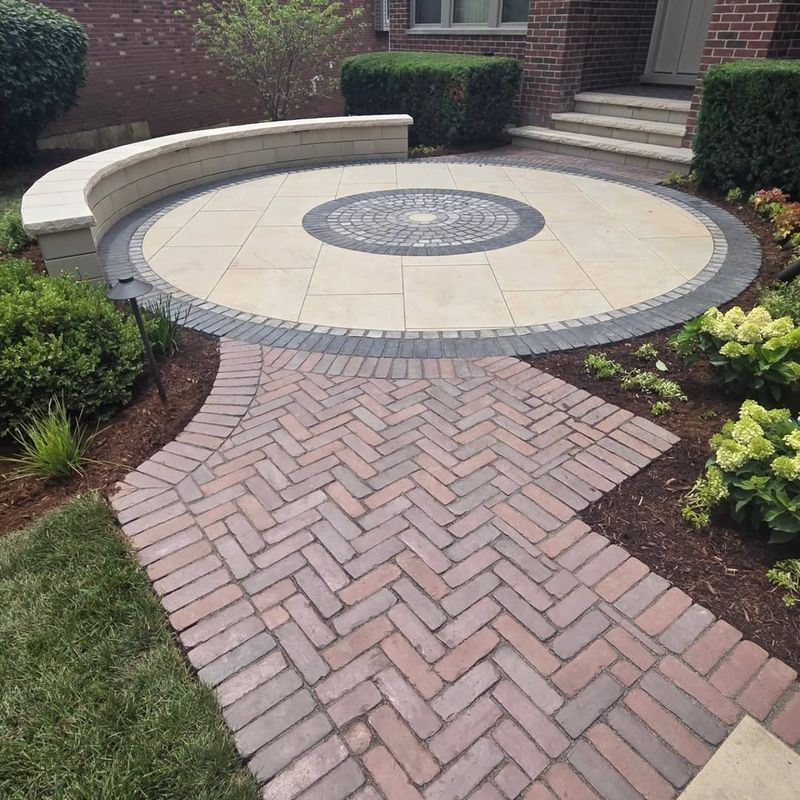
Sometimes hand-pulling and natural treatments are not enough.
Bermuda grass in Georgia is notorious for sending runners under stones and through packed sand, and once it is established deep in the joints, a targeted herbicide may be the only practical way to clear it out fully.
Post-emergent herbicides designed for grassy weeds work well for this situation. Look for products labeled safe for use around hardscaping, and always read the full label before applying.
A brush-on applicator or a precision tip bottle gives you control over exactly where the product goes, which matters a lot when your patio is surrounded by lawn or garden beds.
Pre-emergent herbicides are worth considering in early spring before Georgia’s warm-season grasses start germinating. Applied to clean joints, they create a barrier that stops seedlings from establishing.
Timing is important — applying too late means seeds have already started rooting, and the product loses effectiveness quickly after germination begins.
Avoid broadcast spraying across the entire patio surface. Herbicide drift can reach lawn areas you want to keep and may affect nearby ornamental plants.
Spot treatment only, and only where the problem actually exists, is the smarter approach for patio maintenance.
Herbicide is a reset button, not a long-term solution on its own. After clearing out established growth with a chemical treatment, follow up with polymeric sand, regular sweeping, and joint inspections to keep grass from coming back.
Pairing herbicide with good maintenance habits gives you the best chance of keeping your Georgia patio looking sharp all season long.