Michigan Lawns Need This Spring Fix Before Summer Stress Sets In
After a long Michigan winter, your lawn is finally starting to wake up, but it may not look as strong as you hoped. Patches of thin grass, compacted soil, and leftover debris can all hold it back just as the growing season begins.
With summer heat and dry spells not far away, this is the moment when your lawn needs the most attention. Many homeowners focus on mowing and watering, but the real difference often comes from one simple step early in the season.
Taking care of this now can help your grass grow deeper roots, stay greener, and handle stress much better when temperatures rise. Across Michigan, timing this step correctly can be the key to a lawn that thrives instead of struggles.
Once you know what to do and when to do it, you can set your yard up for a healthier, stronger season ahead.
1. Early Spring Root Growth
April through early May is basically prime time for Michigan lawns, and most homeowners do not realize it.
Cool-season grasses like Kentucky Bluegrass (Poa pratensis) and Tall Fescue (Festuca arundinacea) are actively growing during this window, soaking up nutrients and pushing roots deeper into the soil.
That growth surge is exactly what you want to take advantage of.
When roots grow deep in spring, they are far better prepared to handle the dry, hot weeks that Michigan summers bring. Think of it like building a strong foundation before a storm rolls in.
Shallow roots struggle when temperatures climb, but deep roots can pull moisture from lower soil layers where it stays cooler longer.
Skipping spring care means your grass heads into summer already behind. A few smart steps taken in April can mean the difference between a lush green lawn in July and a patchy, struggling yard that needs constant attention.
Start early, work with the grass growth cycle, and your Michigan lawn will reward you all summer long.
2. Mowing High Helps Prevent Summer Damage
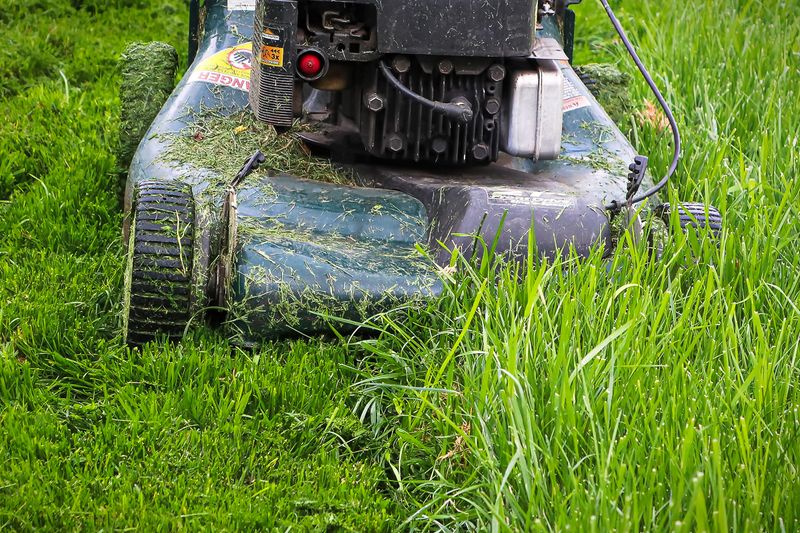
Here is something most Michigan homeowners learn the hard way: cutting grass too short in spring sets the whole lawn up for a rough summer.
Michigan State University recommends keeping your mower blade set between 3 and 4 inches throughout the spring season. That extra height makes a real, measurable difference in how your lawn handles heat.
Taller grass acts like a natural sunshade for the soil underneath. When soil stays shaded, it holds onto moisture much longer, which means less watering and less stress on the roots.
On top of that, taller grass blades block sunlight from reaching weed seeds sitting on the soil surface, making it harder for them to sprout and take over your yard.
A lot of people think short grass looks neater, but in Michigan’s climate, it actually creates more problems than it solves. Scalped lawns dry out faster, invite weeds, and look brown and tired by midsummer.
Raising your mower deck just a couple of inches is one of the easiest changes you can make this spring. It costs nothing extra, takes no additional time, and protects your lawn in a big way. Taller grass truly is stronger grass when Michigan summers get serious.
Your Michigan Garden Changes Every Week. Your Plan Should Too.
Gardening in Michigan changes quickly throughout the season. Every Friday you’ll receive a simple weekly plan showing exactly what to plant, prune, fertilize, harvest, and protect so you never miss the right timing.
3. Light Fertilizing Supports Healthy Growth
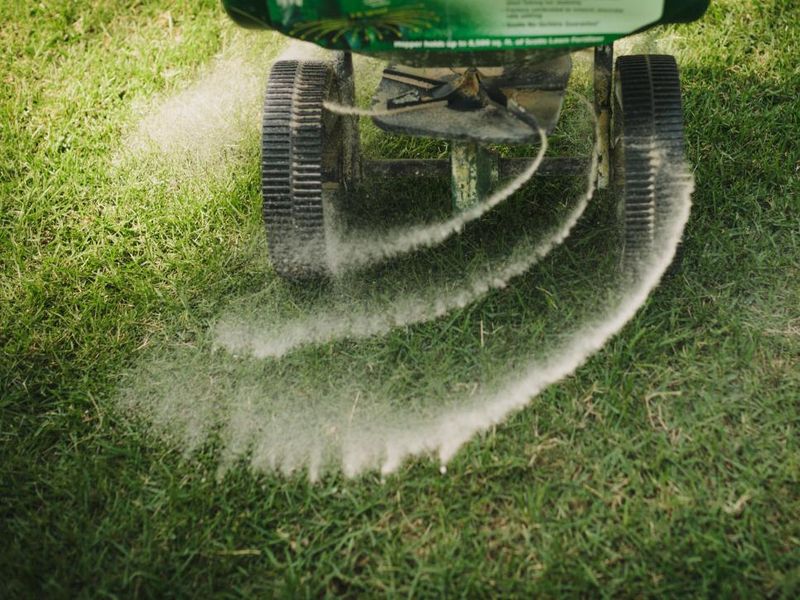
Fertilizer is not a magic fix, but used correctly in spring, it gives Michigan lawns a steady, healthy boost that lasts. The key word here is light.
A single application of a balanced, slow-release fertilizer in early spring feeds the grass gradually, supporting strong growth without pushing the lawn into overdrive. Overdoing it is where most people go wrong.
When you apply too much fertilizer, especially nitrogen-heavy products, grass grows fast and lush on top but the roots stay shallow and weak underneath. That kind of growth looks great for a week or two, then falls apart the moment summer heat and drought show up.
Slow-release formulas work differently, they break down gradually and feed the grass at a pace it can actually use.
Look for fertilizers labeled with an even nutrient ratio, something like 10-10-10 or a product specifically designed for cool-season grasses.
Michigan soils vary quite a bit across the state, so a quick soil test through your local Michigan State University Extension office can tell you exactly what your lawn needs.
Guessing works sometimes, but testing works every time. One light, well-timed fertilizer application this spring keeps your Michigan lawn green, resilient, and ready to handle whatever summer throws at it.
4. Fix Compacted Soil Early
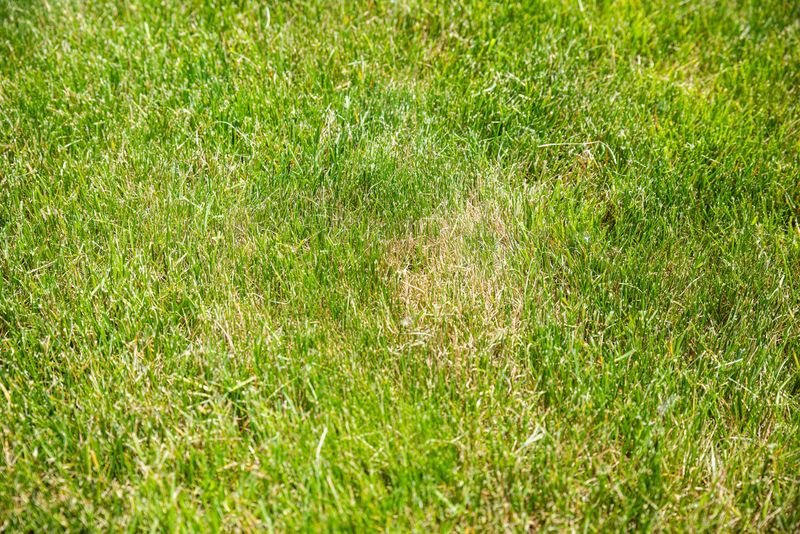
Michigan winters are brutal on soil. Repeated freezing and thawing, heavy snowfall, and months of foot traffic compact the ground in ways you cannot always see from the surface.
Compacted soil stops water and nutrients from reaching grass roots, and that spells serious trouble once summer heat kicks in across the state.
Core aeration is the go-to solution, and spring is a good time to do it if your lawn feels hard underfoot or water puddles up after rain. A core aerator pulls small plugs of soil out of the ground, opening up pathways for air, water, and fertilizer to move deeper into the root zone.
The results are not instant, but within a few weeks, you will notice the grass looking greener and growing more evenly.
You can rent a core aerator from most Michigan hardware or equipment stores, or hire a local lawn care company to handle it. Clay-heavy soils, which are common in many parts of Michigan, benefit the most from regular aeration.
Sandy soils compact less but still benefit from the process. Aim to aerate when the soil is moist but not soaking wet for the best results.
Fix the compaction problem now, and your grass will have a much easier time pushing through the heat of a Michigan summer without missing a beat.
5. Overseeding Fills Thin Areas Before Heat
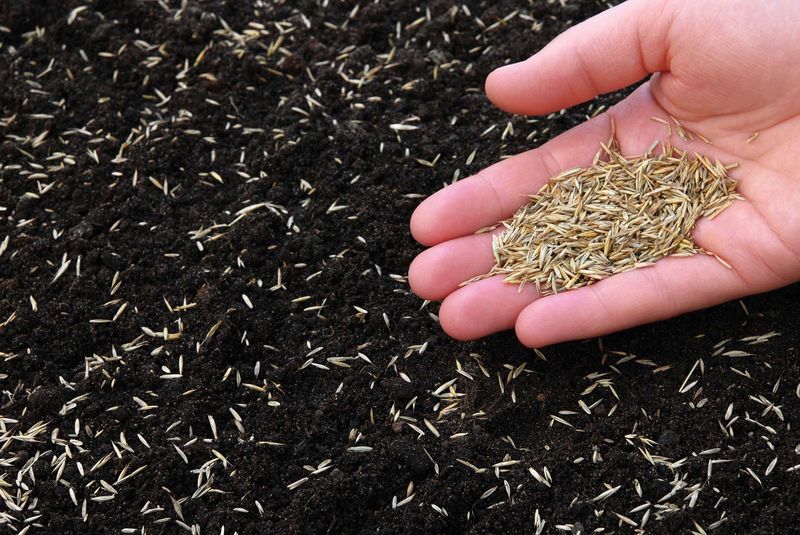
Thin spots in a Michigan lawn are basically open invitations for weeds. Bare patches that sit empty through spring will not stay empty for long, because nature always fills a gap with something, and it is rarely the grass you actually want.
Overseeding those areas in early spring gives desirable grass a head start before the competition shows up.
Early spring works well for overseeding because soil temperatures are warming up, moisture is plentiful, and the cooler air temperatures are perfect for cool-season grass germination.
Kentucky Bluegrass and Tall Fescue both sprout well in Michigan’s spring conditions when soil temps hover around 50 to 65 degrees Fahrenheit.
Seed-to-soil contact is everything, so rake the area lightly before spreading seed and keep it consistently moist until the new grass is about two inches tall.
One of the biggest advantages of overseeding early is that established grass is much harder for weeds to push out. A thick, full lawn going into summer means crabgrass and other common Michigan weeds have far fewer opportunities to take hold.
You do not need to reseed the entire yard, just focus on the thin or bare patches where soil is visible. A little effort now saves a lot of frustration later when Michigan summer heat tests every weak spot in your lawn.
6. Water Deeply But Not Too Often
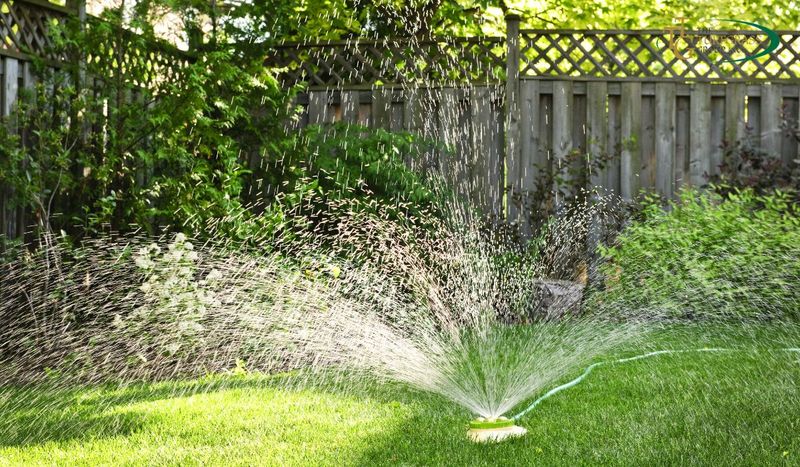
Watering habits in spring set the tone for how well your Michigan lawn handles summer. Most homeowners water too often and not deeply enough, which trains grass roots to stay near the surface where moisture disappears fast.
That is a real problem when July arrives and the heat turns serious across Michigan.
The smarter approach is deep, infrequent watering. Michigan State University Extension suggests aiming for about one inch of water per week, delivered in one or two sessions rather than small daily sprinkles.
Deep watering pushes moisture further down into the soil, which encourages roots to follow it downward. Deeper roots are stronger roots, and stronger roots survive drought and heat far better than shallow ones.
Early morning is the best time to water your Michigan lawn, ideally between 6 and 10 a.m. Watering in the morning gives the grass blades time to dry out before evening, which reduces the risk of fungal issues.
A simple rain gauge placed in your yard helps track how much water your lawn is actually getting, including natural rainfall, so you never over or under-water by accident.
Building this watering habit in spring, before summer stress arrives, gives your Michigan lawn the resilience it needs to stay green and healthy through the hottest months of the year without constant babysitting.
7. Weed Control Works Best Early
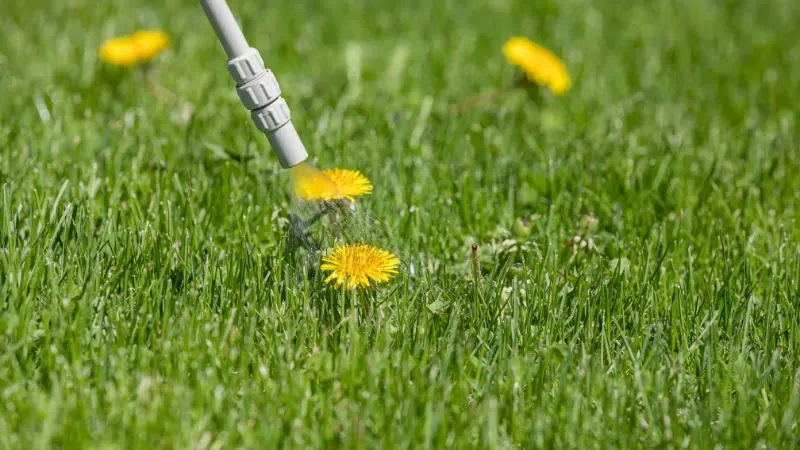
Crabgrass (Digitaria sanguinalis) is one of the most stubborn and common lawn problems across Michigan, and once it sprouts, it is incredibly hard to manage. The good news is that stopping it before it even starts is completely possible with proper pre-emergent herbicide timing.
Early spring, before soil temperatures hit 50 to 55 degrees Fahrenheit, is your window of opportunity.
Pre-emergent herbicides work by creating a chemical barrier in the soil that stops weed seeds from germinating. They do not affect established grass, just the seeds waiting to sprout.
Timing is everything here, because once crabgrass and other Michigan weeds break through the soil surface, pre-emergent products no longer work and you are left dealing with a much bigger problem all summer.
A helpful timing trick Michigan gardeners use is watching for Forsythia bushes to bloom. When those bright yellow flowers open up, soil temperatures are right around the pre-emergent application sweet spot.
Most lawn and garden centers across Michigan carry granular pre-emergent products that are easy to apply with a standard broadcast spreader.
Keeping weeds out of your lawn in spring means your grass does not have to compete for water, nutrients, or sunlight during the hottest part of the year. Fewer weeds now means a fuller, healthier Michigan lawn when it matters most.