6 Native Michigan Trees To Plant Instead Of Crape Myrtle
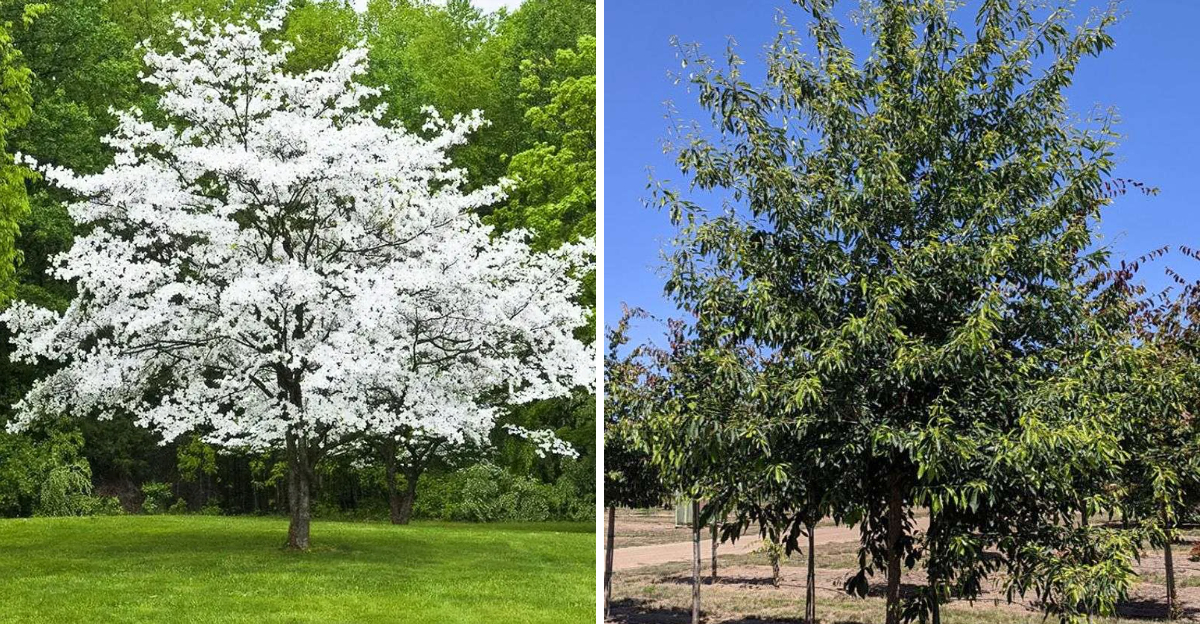
Crape myrtles are known for their bright summer blooms, but they are not always the best fit for Michigan’s climate.
Cold winters and unpredictable weather can make it hard for these trees to thrive, leaving many gardeners searching for better options.
The good news is that Michigan has plenty of native trees that bring just as much beauty, with the added benefit of being well suited to local conditions.
These native choices are built to handle the state’s changing seasons, from chilly springs to humid summers. They also support local wildlife and tend to require less care once established.
Instead of struggling with a tree that may not perform as expected, you can plant something that naturally belongs in the landscape.
Once you explore these native Michigan trees, you may find options that not only match the look you want but also grow stronger and last longer in your yard.
1. Serviceberry
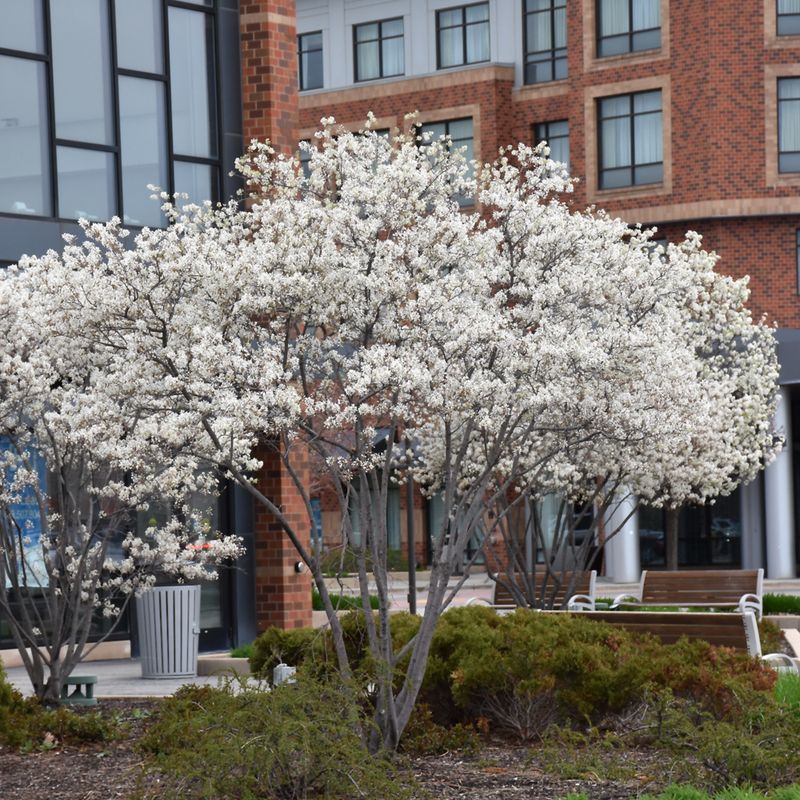
Few trees put on a show quite like serviceberry does in early spring, bursting into clouds of white flowers before most other trees have even woken up for the season.
Known botanically as Amelanchier, this Michigan native is one of the earliest bloomers you will find, making it a standout in any yard when everything else still looks bare.
Gardeners across the state love it for good reason. By summer, those flowers turn into small, sweet berries that ripen to a deep purple-red.
Birds absolutely flock to serviceberry, making it a lively, wildlife-friendly addition to any Michigan landscape.
If you get there before the birds, the berries taste wonderful fresh or baked into pies and jams, which is a fun bonus most ornamental trees simply cannot offer.
Come fall, the foliage shifts into warm shades of orange, red, and gold, giving you three full seasons of visual interest from a single tree.
Serviceberry grows well in both full sun and partial shade, and it adapts to a wide range of soil types found throughout Michigan.
It stays relatively compact, usually reaching 15 to 25 feet tall, making it perfect for smaller residential yards.
Whether you plant it as a focal point or along a property line, serviceberry rewards you with beauty every single season.
2. Eastern Redbud
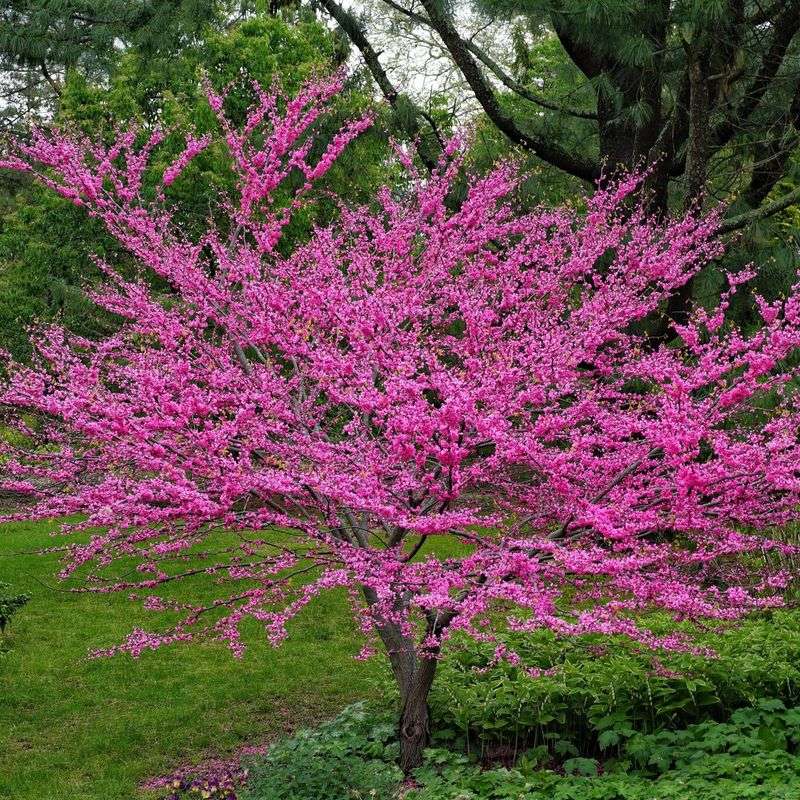
Before the leaves even appear, eastern redbud puts on one of the most eye-catching floral displays of any tree in the Midwest.
Tiny magenta-pink blossoms cover every branch and even the trunk itself in early spring, creating a burst of color that stands out when most other trees are still bare.
It is one of the first signs that spring has truly arrived, and it often draws a lot of attention in neighborhoods across southern Michigan.
Eastern redbud grows best in southern Michigan, where winters are a bit milder and less likely to damage flower buds. It can still grow in other parts of the state, but results are less consistent.
Planting it in a sheltered spot, such as near a building, fence, or other windbreak, helps protect it from cold winds and improves its chances of blooming well each year.
Your Michigan Garden Changes Every Week. Your Plan Should Too.
Gardening in Michigan changes quickly throughout the season. Every Friday you’ll receive a simple weekly plan showing exactly what to plant, prune, fertilize, harvest, and protect so you never miss the right timing.
Well-drained soil and avoiding low, wet areas also make a difference in how well the tree performs over time.
The heart-shaped leaves that follow the blooms are just as appealing, staying a rich green through summer before turning a soft yellow in fall.
Redbud usually grows about 20 to 30 feet tall and wide, making it a great fit for smaller yards or as a focal tree near a patio or walkway.
It also plays an important role in the landscape by providing early nectar for bees and other pollinators coming out of winter.
With the right placement and care, eastern redbud can be a reliable and rewarding choice for Michigan gardeners who want strong spring color without a lot of maintenance.
3. Flowering Dogwood
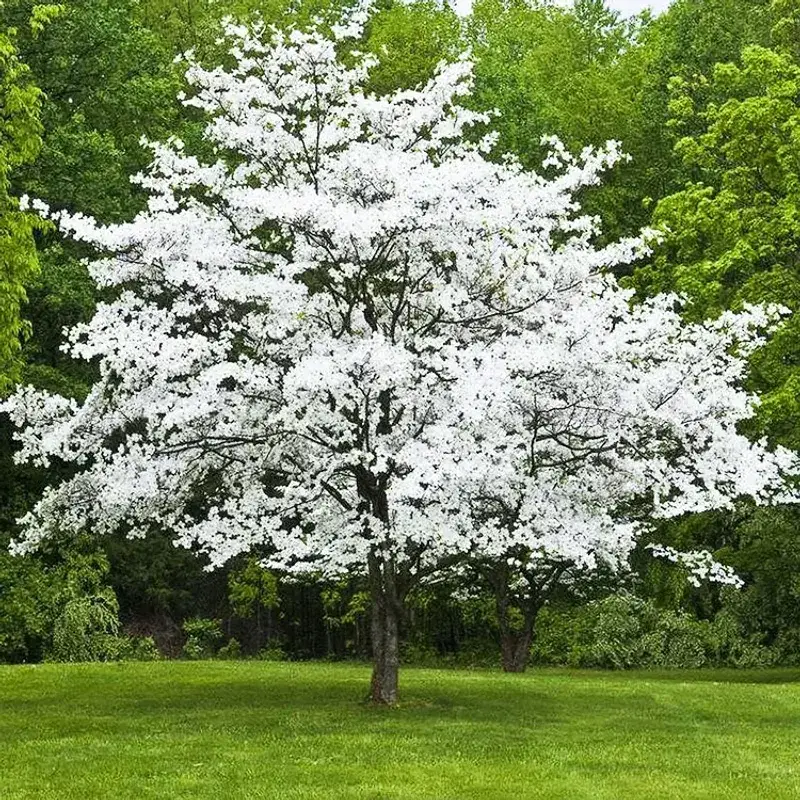
Flowering dogwood has a kind of quiet elegance that is hard to match.
Its large white blooms, which are actually bracts surrounding tiny flowers, open in spring with a grace that feels almost architectural, spreading out in flat, horizontal layers across the canopy.
Gardeners who plant one often say it becomes the centerpiece of the entire yard. In Michigan, flowering dogwood performs best in the southern part of the state, where temperatures stay slightly warmer.
Choosing a sheltered planting site with well-drained, slightly acidic soil gives this tree the best possible start.
It prefers partial shade rather than harsh full sun, which makes it a wonderful choice for planting under taller trees or along woodland edges in Michigan landscapes.
Beyond spring, flowering dogwood keeps delivering. Clusters of bright red berries appear in late summer and attract birds like robins and cedar waxwings.
When fall arrives, the foliage turns a rich burgundy-red that rivals almost any tree for autumn color intensity.
Dogwood stays on the smaller side, usually growing 15 to 30 feet tall, which makes it easy to fit into a typical residential yard. Its layered branching structure looks beautiful even in winter when the leaves are gone.
For Michigan gardeners who want year-round interest with minimal effort, flowering dogwood is a genuinely rewarding choice.
4. American Hornbeam
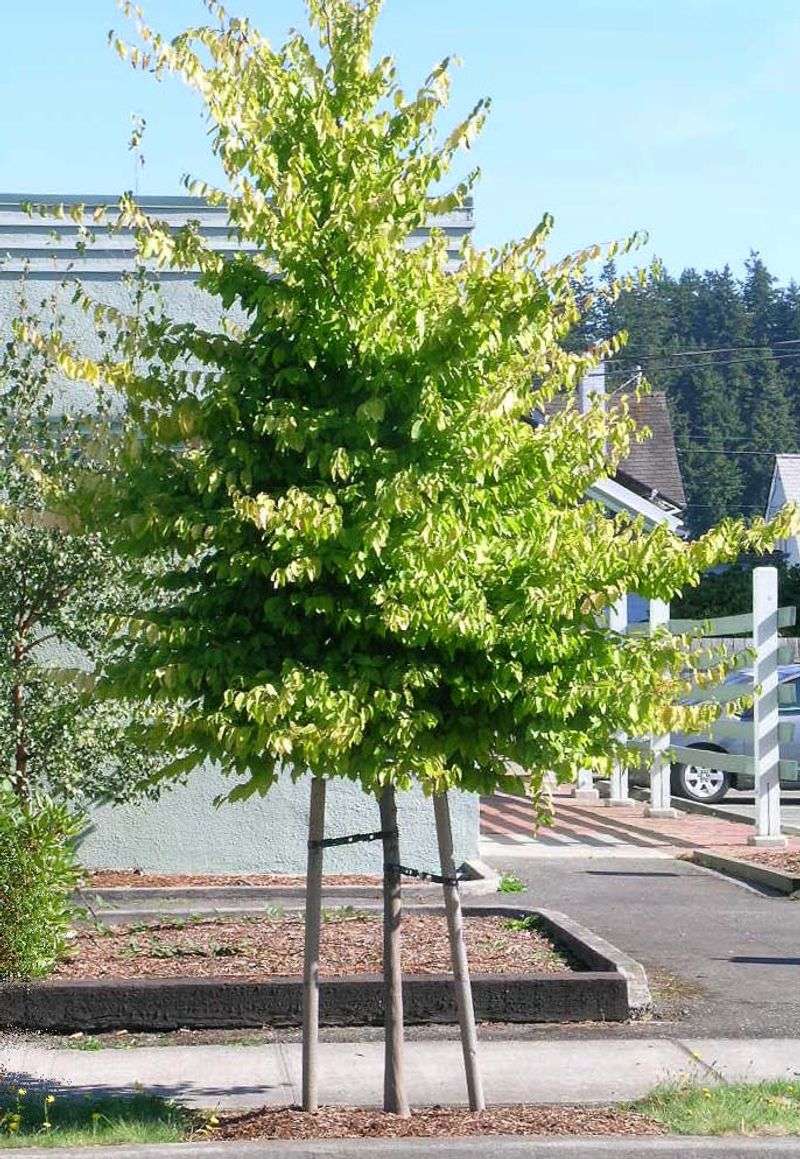
American hornbeam is the kind of tree that makes plant nerds stop and stare. Its bark is smooth and rippled, almost like flexed muscle, giving it a sculptural quality unlike anything else growing in Michigan yards or woodlands.
Botanists call it Carpinus caroliniana, but most people just call it one of the most interesting native trees around.
One of hornbeam’s biggest strengths is its ability to thrive in shady spots where most ornamental trees struggle.
If your yard has areas under a canopy of larger trees, hornbeam fills that space beautifully without complaint.
It grows slowly and steadily, eventually reaching 20 to 35 feet, creating a refined, woodland-style presence that feels natural in Michigan’s landscape.
Michigan winters hold no real threat for this tough native tree. It handles cold temperatures without hesitation and adapts to moist, well-drained soils commonly found along stream banks and woodland edges across the state.
In fall, the leaves turn shades of orange and red, adding seasonal color even in lower-light areas of the garden.
Hornbeam also produces small, hop-like fruit clusters that birds and small mammals enjoy through the colder months.
For a low-maintenance, structurally striking tree that thrives where others cannot, American hornbeam earns a well-deserved spot in any Michigan landscape plan.
5. Black Gum
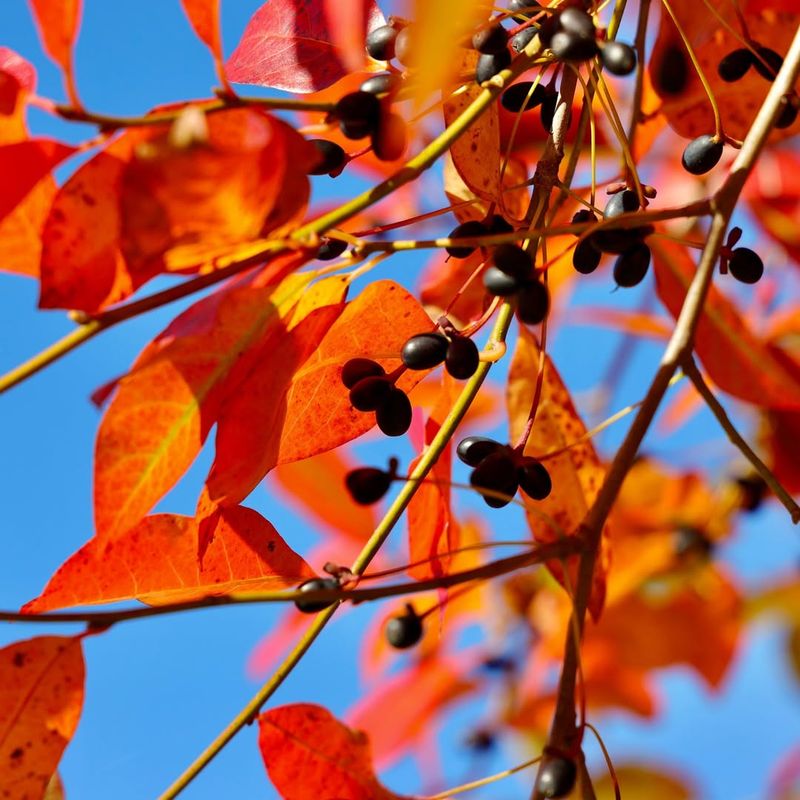
If fall color is what you are after, black gum might just be the most underrated tree in all of Michigan.
Also called black tupelo or Nyssa sylvatica, this native tree turns a stunning shade of scarlet red in autumn, often earlier than most other trees, making it a dramatic seasonal anchor in any yard.
People who grow it tend to become obsessed with it pretty quickly. Black gum thrives in southern Michigan, where it finds the slightly warmer conditions and acidic, well-drained soils it prefers.
It grows at a moderate pace and eventually reaches 30 to 50 feet tall, developing a strong, pyramidal shape that looks clean and structured in a residential landscape.
The glossy green leaves through summer are attractive on their own, making this tree a multi-season performer worth every bit of space it occupies.
Wildlife absolutely love black gum. The small, dark blue fruits that appear in late summer attract songbirds, wild turkeys, and other native wildlife throughout Michigan.
Its flowers, though small and not showy, provide nectar for bees in spring. Black gum is also a notably long-lived tree, meaning once you plant one, it becomes a lasting feature of your property for generations.
For a tree that delivers both ecological value and breathtaking fall color, black gum is an outstanding choice.
6. Chinkapin Oak
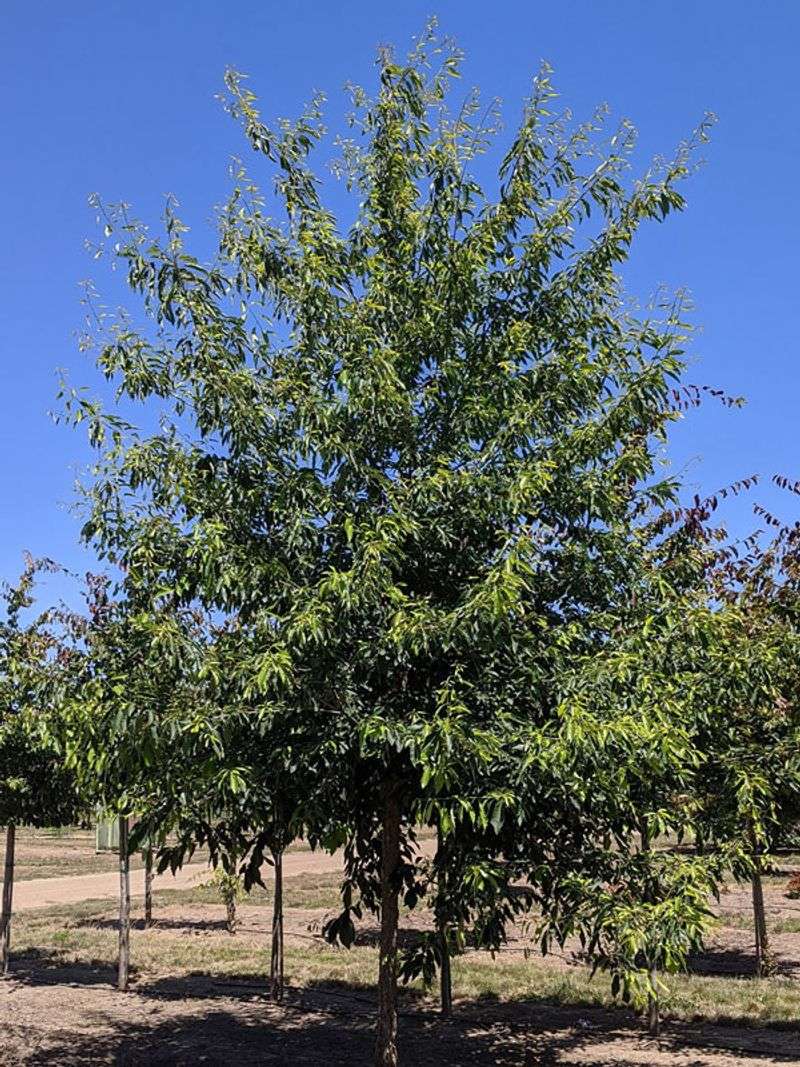
When you need a tree that is built to last generations, chinkapin oak is the answer.
Quercus muehlenbergii is one of Michigan’s most adaptable native oaks, capable of growing in a wide range of soil conditions including alkaline soils where many other trees simply cannot perform.
That kind of flexibility makes it a practical, long-term investment for almost any Michigan property.
Chinkapin oak gets its name from the resemblance of its deeply toothed leaves to those of the chinkapin shrub.
The leaves are attractive through summer and turn shades of yellow, orange, and brown in fall, adding seasonal color to a tree that is primarily valued for its size and strength.
It grows into a large, spreading tree over time, eventually reaching 40 to 70 feet tall with a broad canopy that creates impressive shade. Wildlife value is another major reason to love this tree.
Chinkapin oak produces acorns that white-tailed deer, wild turkeys, squirrels, and many bird species rely on throughout Michigan.
Planting one means contributing meaningfully to the local ecosystem while also adding a structurally dominant, beautiful tree to your landscape.
Unlike crape myrtle, which struggles through Michigan winters, chinkapin oak is completely cold-hardy across the entire state.
For a tree that combines toughness, wildlife support, and lasting landscape presence, chinkapin oak is simply hard to beat.