10 Veggies To Add To Your Ohio Garden Before April Ends
Ever feel like April slips by in a blink, and suddenly you are playing catch-up in the garden? In Ohio, that late-April window carries more weight than most people realize.
Soil is finally warming, daylight is stretching out, and cool-season crops are ready to take off. Miss this moment, and some vegetables never quite reach their full potential before summer heat steps in.
It is not about planting everything at once. It is about choosing the right crops that can handle Ohio’s cool nights, occasional late frosts, and unpredictable spring swings.
Some vegetables thrive in these conditions and reward you with fast growth and early harvests that kickstart the entire season. Get them in the ground before April ends, and your garden starts to build momentum.
Wait too long, and you may spend the rest of the season trying to catch up instead of enjoying steady, satisfying harvests.
1. Lettuce Handles Cool April Weather And Grows Fast In Ohio Soil
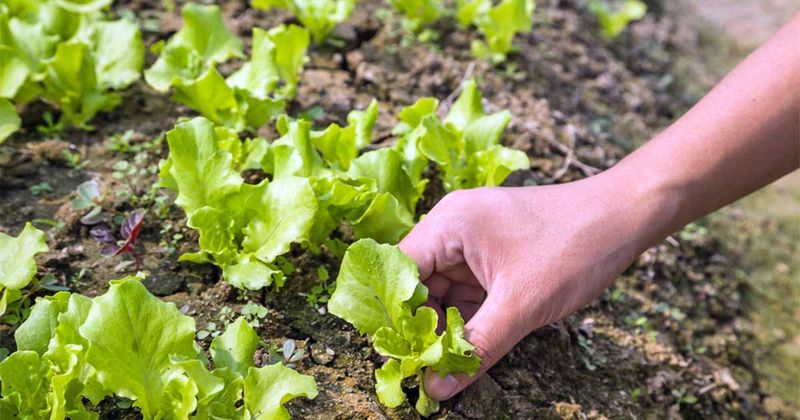
Few crops reward an Ohio gardener as quickly as lettuce does in April. Whether you direct sow seeds or set out transplants you started indoors a few weeks earlier, lettuce settles into cool spring soil with almost no fuss.
It is one of the most frost-tolerant vegetables you can grow, handling temperatures down to the upper 20s Fahrenheit without serious damage.
In northern Ohio, you can safely plant lettuce outdoors from early April onward, even if light frosts are still in the forecast. Southern Ohio gardeners often get a slight head start, sometimes as early as late March.
Soil temperature only needs to be around 40 degrees Fahrenheit for germination, which makes April ideal across the entire state.
Romaine, butterhead, and loose-leaf varieties all perform well in Ohio’s spring conditions. Sow seeds about a quarter inch deep and keep the soil consistently moist.
You can expect to harvest loose leaves in as little as 30 days after sowing, or full heads in 45 to 60 days. Planting in partial shade helps slow bolting as temperatures rise later in spring.
Succession planting every two weeks stretches your harvest window nicely.
2. Spinach Thrives In Early Spring And Prefers Ohio’s Cooler Days
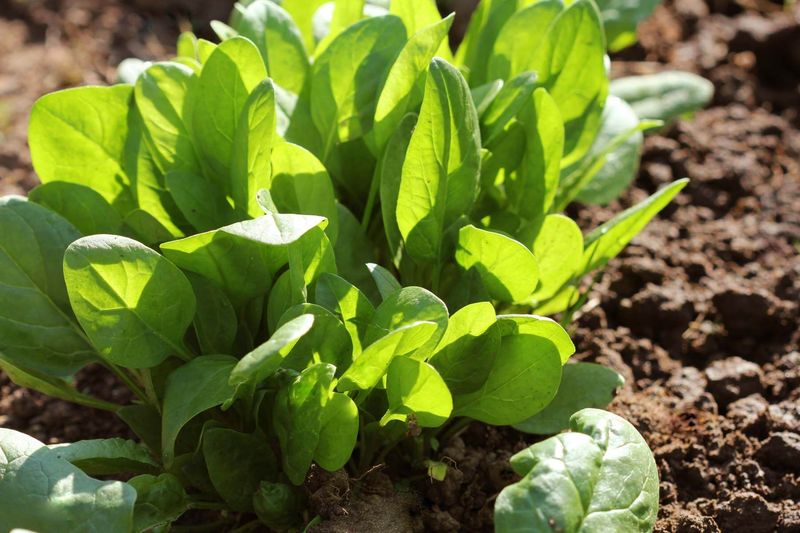
Spinach is one of those vegetables that genuinely loves the cold, and April in Ohio is practically perfect for it. Seeds germinate in soil as cool as 35 degrees Fahrenheit, and young plants can survive frosts that would flatten other crops.
The challenge with spinach is not the cold but the heat, because once temperatures consistently climb above 75 degrees Fahrenheit, it bolts and turns bitter fast.
That is exactly why planting before April ends matters so much in Ohio. Getting seeds in the ground now gives spinach enough cool weeks to produce a real harvest before summer heat rushes in.
In northern Ohio, where cooler temperatures linger longer into spring, you may get a slightly extended harvest window compared to growers in the southern part of the state.
Direct sow spinach seeds about half an inch deep in rows spaced around 12 inches apart. Keep the soil moist but not waterlogged.
Your Ohio Garden Changes Every Week. Your Plan Should Too.
Gardening in Ohio changes quickly throughout the season. Every Friday you’ll receive a simple weekly plan showing exactly what to plant, prune, fertilize, harvest, and protect so you never miss the right timing.
Thin seedlings to about three to four inches apart once they sprout. Harvest outer leaves as soon as plants are a few inches tall to encourage continued production.
Savoy varieties like Bloomsdale Long Standing tend to hold up well in Ohio’s variable spring weather and are worth trying this season.
3. Radishes Grow Quickly And Fit Perfectly Into Short Spring Windows
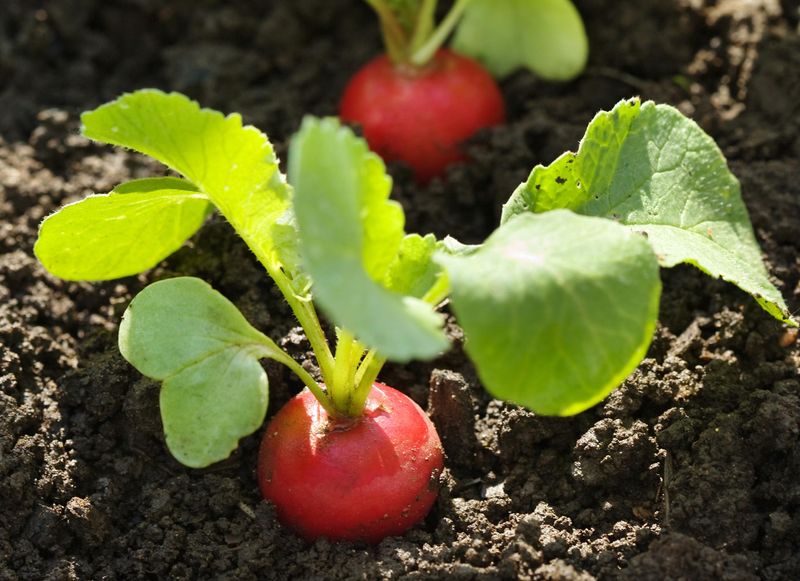
If you have ever wanted a quick gardening win, radishes are your answer. These little roots go from seed to harvest in as little as 21 to 30 days, making them one of the fastest vegetables you can grow in an Ohio spring garden.
They thrive in cool soil, handle light frosts without complaint, and ask for very little in return.
April is genuinely prime time for radishes across Ohio. Soil temperatures only need to reach about 45 degrees Fahrenheit for good germination, and the cool air keeps roots crisp and mild rather than hot and pithy.
In northern Ohio, planting in early to mid-April works well. Southern Ohio gardeners can often squeeze in a planting even a little earlier.
Direct sow radish seeds about half an inch deep and one inch apart in rows. Thin to two inches apart once seedlings appear.
Cherry Belle and French Breakfast are two reliable varieties that do well in Ohio conditions. Because they mature so quickly, you can practice succession planting every 10 to 14 days throughout April to keep harvests coming.
Radishes also work great tucked between slower-growing crops like carrots or beets, making the most of every inch of your garden space this spring.
4. Carrots Develop Best When Planted Early In Loose Spring Soil
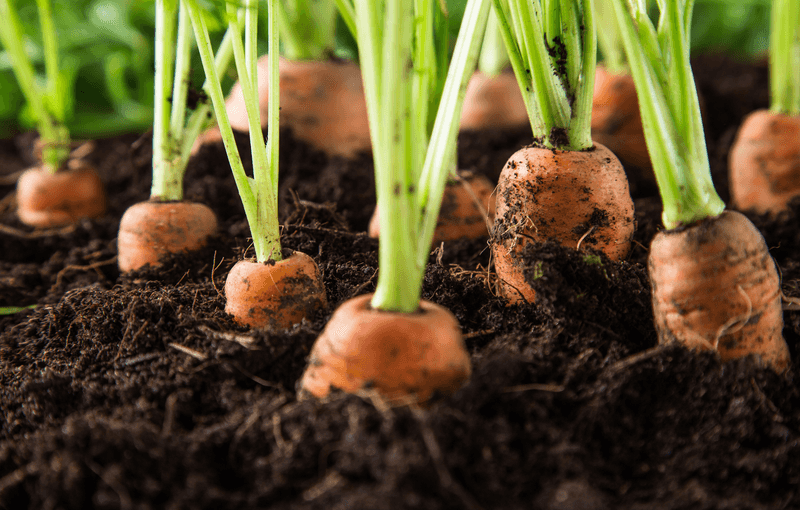
Carrots are worth every bit of patience they require, and April planting sets them up for exactly the kind of slow, steady growth they need. These roots develop best in cool soil, and Ohio’s April temperatures are ideal for getting seeds established before summer heat makes germination harder.
One thing to keep in mind is that carrots can be slow to germinate, sometimes taking 10 to 21 days, especially in heavy clay soils common in parts of Ohio.
Loose, well-amended soil is the key to straight, well-formed roots. If your Ohio garden has heavy clay, work in compost or aged organic matter before sowing to improve drainage and texture.
Direct sow carrot seeds about a quarter inch deep in rows spaced 12 inches apart. Because the seeds are tiny, try mixing them with a little sand to spread them more evenly.
Danvers 126 and Nantes varieties are reliable performers in Ohio growing conditions and handle the state’s variable spring weather well. Thin seedlings to two to three inches apart once they reach about two inches tall.
Crowded carrots produce small, misshapen roots, so thinning is worth the effort. Expect harvest around 70 to 80 days after sowing.
Carrots left in the ground through a light frost often develop a noticeably sweeter flavor, which is a real bonus for Ohio gardeners.
5. Beets Deliver Dual Harvests With Roots And Tender Greens
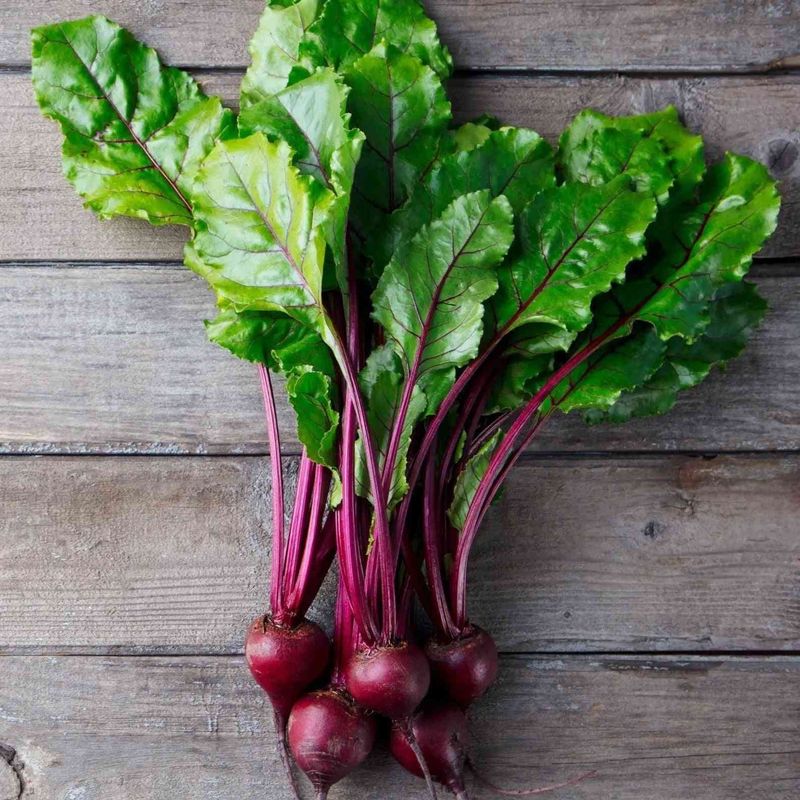
Getting two harvests from one planting is a pretty great deal, and beets deliver exactly that. You can snip the tender young greens for salads while the roots continue developing underground.
Beet greens are nutritious and flavorful, tasting a bit like Swiss chard, which makes them a welcome bonus for any Ohio gardener looking to get more from their garden space.
Beets are frost-tolerant and can handle soil temperatures as low as 40 degrees Fahrenheit for germination, making April a reliable planting window across Ohio. Northern Ohio gardeners should aim for mid-April once the ground is workable and not overly saturated from winter runoff.
Southern Ohio growers can often get seeds in a week or two earlier.
Direct sow beet seeds about half an inch deep and two inches apart. One important detail: what looks like a single beet seed is actually a cluster of seeds, so multiple seedlings will sprout from one spot.
Thin them to about three to four inches apart to give roots room to develop properly. Skipping this step leads to crowded, undersized roots.
Detroit Dark Red and Early Wonder Tall Top are two varieties that perform consistently well in Ohio. Expect roots ready to harvest in about 50 to 70 days after sowing, depending on the variety and growing conditions.
6. Peas Climb Early And Love Ohio’s Mild Spring Temperatures
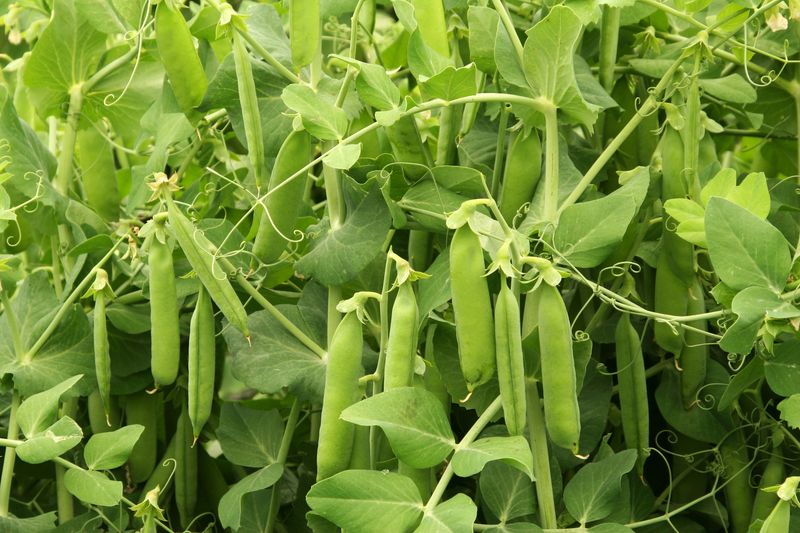
Cool weather is not just tolerated by peas, it is required. These climbing plants genuinely struggle once summer heat arrives, which makes April planting in Ohio absolutely critical.
Peas thrive when soil temperatures are between 45 and 65 degrees Fahrenheit, and they can handle a frost down to around 28 degrees Fahrenheit without major damage once established.
In northern Ohio, where cool conditions stretch further into spring, getting peas in the ground in early to mid-April gives them the best chance at a productive harvest before heat shuts them down. Southern Ohio growers should prioritize getting seeds in as early as possible in April, since warmer temperatures tend to arrive sooner.
Waiting too long means shorter harvest windows and lower yields.
Direct sow pea seeds about one inch deep and two inches apart along a trellis or support structure. Sugar snap and shelling peas both do well in Ohio, with Sugar Snap being especially popular for its sweet, edible pods.
Keep the soil consistently moist during germination. Peas fix nitrogen in the soil as they grow, which is a nice benefit for whatever you plant in that spot next season.
Expect harvest around 60 to 70 days after sowing. Once pods start forming, check plants every day or two because peas go from perfect to overgrown quickly.
7. Kale Keeps Producing Even As Spring Temperatures Fluctuate
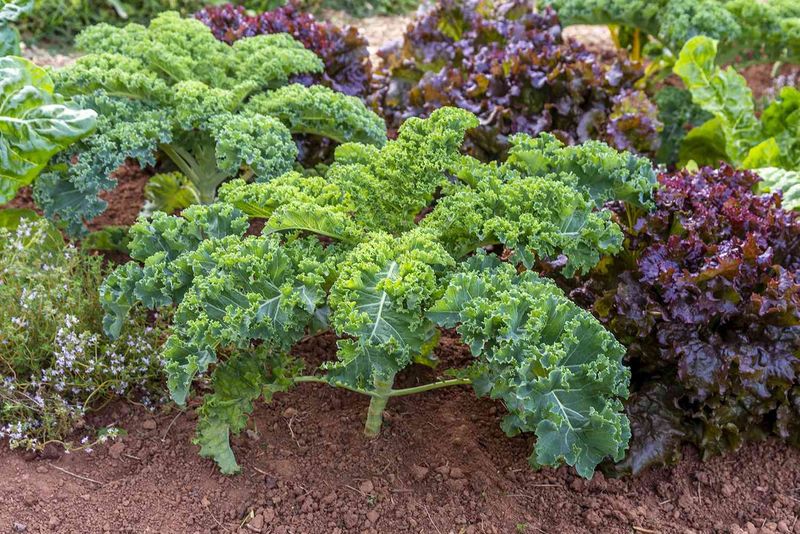
Kale might just be the toughest vegetable you can grow in an Ohio spring garden. It laughs at cold nights, shrugs off light frosts, and keeps putting out leaves even when April weather can not make up its mind.
In fact, a light frost actually improves kale’s flavor by converting some of its starches into natural sugars, giving leaves a slightly sweeter, more mellow taste.
Both direct sowing and transplanting work well for kale in Ohio’s April conditions. If you started seeds indoors three to five weeks ago, transplants can go in the ground now across most of the state.
For direct sowing, push seeds about a quarter inch into the soil and thin seedlings to 12 to 18 inches apart once they are established. Northern Ohio gardeners can plant kale through April with confidence, since it handles cooler conditions better than most crops.
Lacinato kale, also called dinosaur kale, and Dwarf Blue Curled Scotch are two varieties that consistently perform well in Ohio gardens. Both are productive and hold up to variable spring weather.
Harvest outer leaves regularly to encourage the plant to keep producing. Kale can continue growing well into summer and even into fall, making it one of the longest-producing vegetables you can add to your Ohio garden this season.
8. Swiss Chard Handles Cold Nights And Continues Into Summer
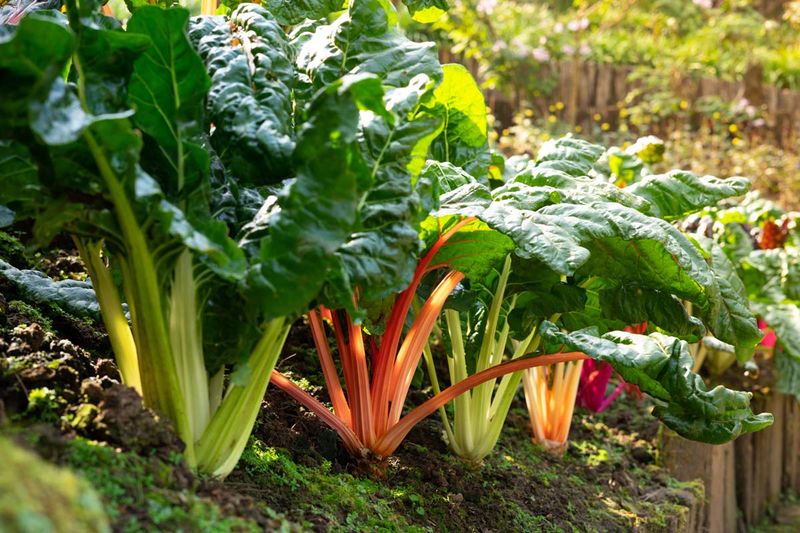
Swiss chard is the kind of vegetable that earns its keep all season long. It tolerates the cool nights of April without flinching, keeps producing through the warmth of June and July, and asks for very little maintenance in between.
For Ohio gardeners who want a reliable leafy green that bridges the gap between spring and summer, chard is one of the smartest choices you can make right now.
You can direct sow Swiss chard seeds about half an inch deep in April once the soil is workable, or set out transplants started indoors a few weeks earlier. Like beets, chard seeds are actually seed clusters, so expect multiple seedlings per planting spot.
Thin them to about six to nine inches apart to give each plant enough room to develop properly. Soil temperatures around 50 degrees Fahrenheit are enough for good germination.
Rainbow chard varieties like Bright Lights add a splash of color to the garden with their vivid red, orange, and yellow stems, and they taste just as good as they look. Harvest outer stalks regularly once plants reach about 8 to 10 inches tall.
This encourages continuous production rather than a single large harvest. Swiss chard is also notably heat-tolerant compared to spinach or lettuce, meaning it will keep going long after those crops have bolted and finished for the season.
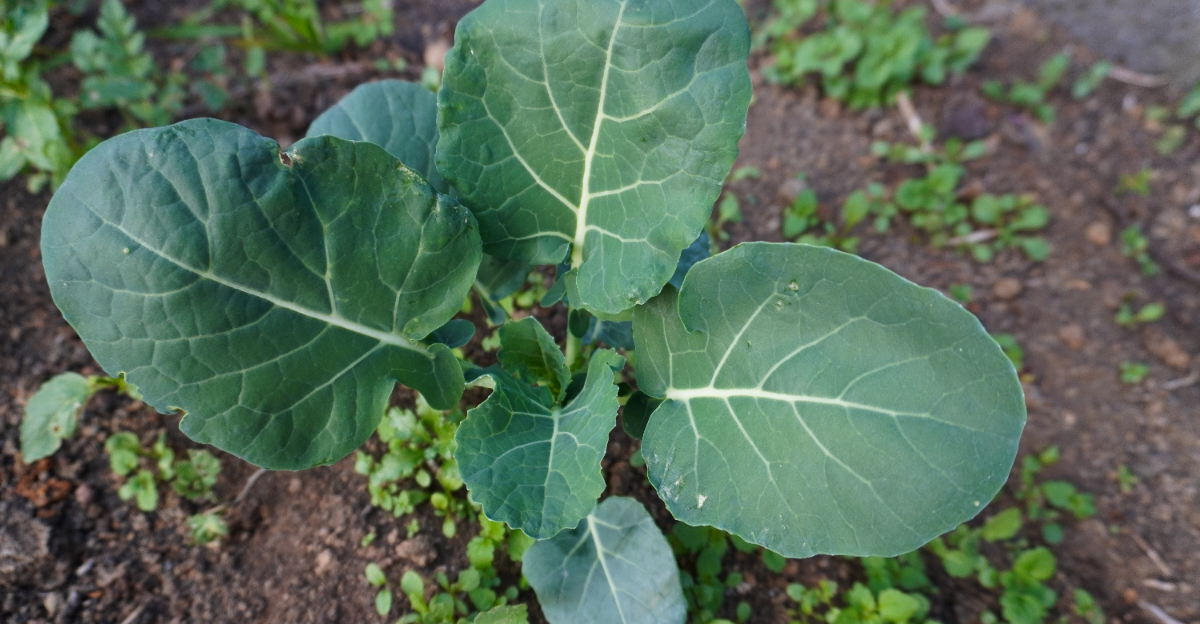
9. Broccoli Transplants Set Up Strong Before Ohio’s Heat Arrives
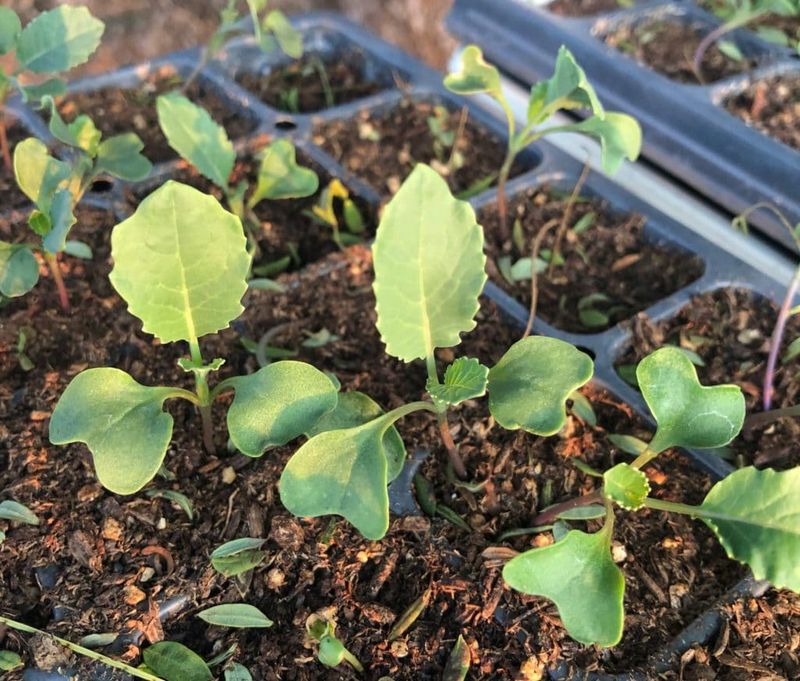
Broccoli is a cool-season crop that needs to be in the ground early enough to form heads before summer heat causes it to bolt and flower prematurely. In Ohio, that means getting transplants in the ground in April, not waiting until May.
Starting from transplants rather than direct sowing is strongly recommended for spring broccoli in Ohio, because direct-sown seeds simply do not have enough time to mature before warm weather takes over.
Start seeds indoors four to six weeks before your intended transplant date, or purchase transplants from a local nursery. Set transplants out in mid to late April, once nighttime temperatures are consistently staying above 28 degrees Fahrenheit.
Broccoli is frost-tolerant and handles temperatures down into the upper 20s, but very young transplants benefit from some protection during hard freezes. In northern Ohio, aim for mid-April transplanting; southern Ohio growers can often go a week earlier.
Choose a planting spot with full sun and well-drained soil. Work compost into the bed before planting to support the heavy feeding broccoli requires.
Space transplants 18 inches apart. Varieties like Waltham 29 and Premium Crop are reliable for Ohio conditions.
Expect heads to form in about 55 to 70 days after transplanting. Once the main head is harvested, side shoots continue producing smaller florets for several more weeks.
10. Green Onions Establish Quickly And Tolerate Cool Spring Conditions
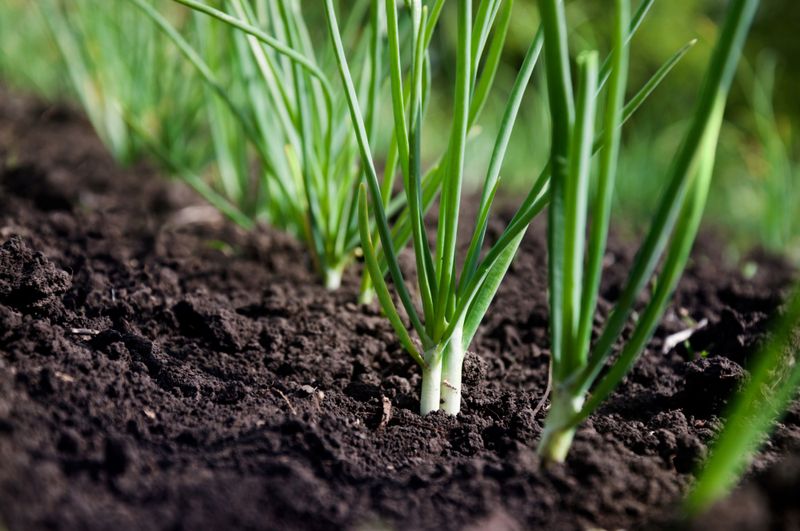
Green onions might be the most underrated April planting in Ohio. They take up almost no space, grow quickly from sets or direct-sown seeds, and tolerate cool spring conditions without any drama.
Whether you tuck them into a raised bed, a container, or a corner of your in-ground garden, they fit just about anywhere and reward you with a harvest in as little as three to four weeks when grown from sets.
Planting from sets, which are small bulbs available at most Ohio garden centers in spring, is the fastest route to harvest. Push sets about one inch deep and two to three inches apart in rows.
For direct sowing from seed, expect a slightly longer time to harvest, around 60 to 70 days. Both methods work well across Ohio in April, since green onions are cold-hardy and handle light frosts without trouble.
Evergreen Hardy White and Parade are two varieties well-suited to Ohio’s spring conditions. Keep the soil consistently moist but not soggy, and make sure your planting spot gets full sun for the best growth.
Harvest by pulling entire plants when the green tops reach six to eight inches tall, or snip leaves as needed and let the bulbs continue growing. Green onions also work well as a companion plant alongside carrots, helping to naturally deter some common garden pests.