Here’s Why You Should Grow California Honeysuckle Along Your Fence
A plain fence can feel like a missed opportunity in a California garden, especially when there is so much potential for color and movement.
California honeysuckle is one of those plants that turns a simple boundary into something far more inviting.
This native vine produces bright, tubular flowers that hummingbirds quickly learn to seek out, adding constant activity right along your fence line.
It is also well adapted to California’s climate, handling dry summers once established and needing far less fuss than many non-native climbers.
With a little support, it weaves its way along wood, wire, or trellis, softening hard edges and creating a more natural look. Choosing a plant that thrives in local conditions makes the whole space easier to manage while still delivering a vibrant, wildlife-friendly display.
1. Why California Honeysuckle Stands Out
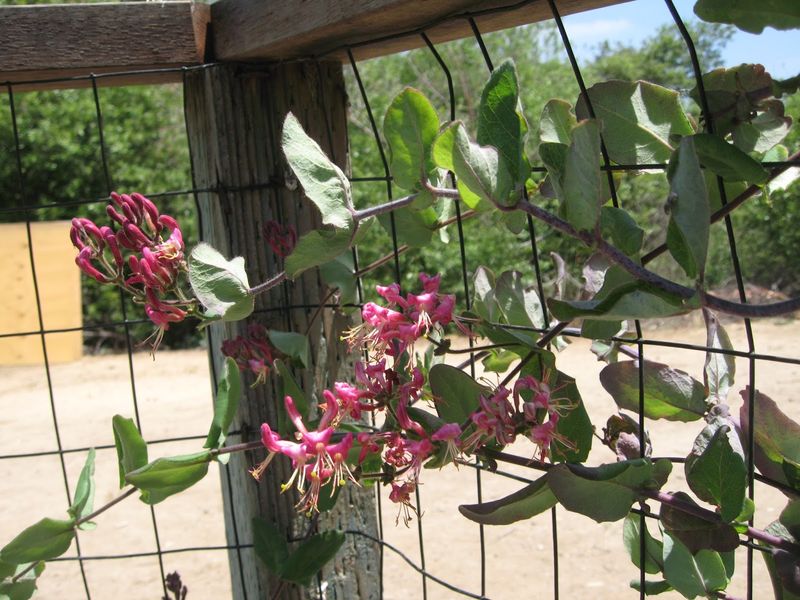
Not every vine earns a spot in a California garden, but this one does. California honeysuckle, or Lonicera hispidula, is a native vine that grows naturally along hillsides, forest edges, and open woodlands throughout the state.
That means it already knows how to thrive here.
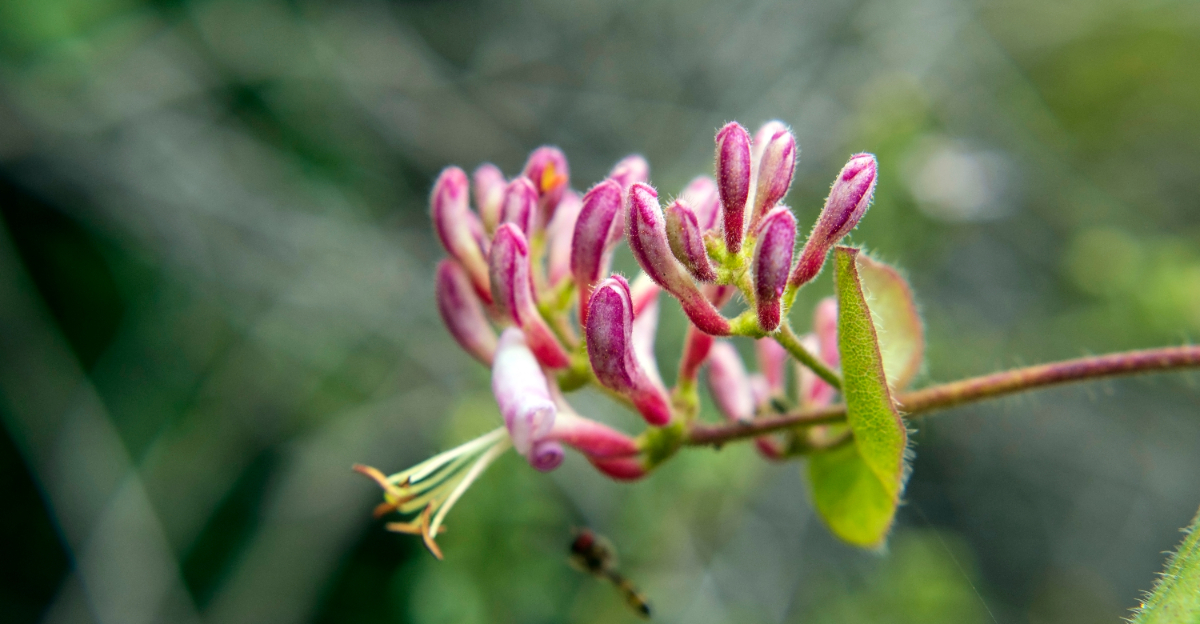
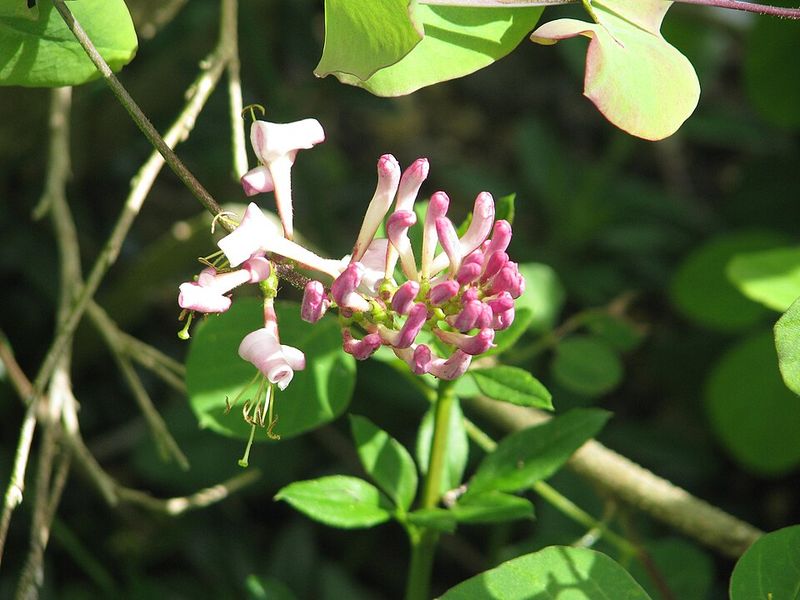
What makes it stand out from other fence vines is its combination of beauty and toughness. It produces soft pink to rosy-purple tubular flowers that bloom in late spring through summer.
Those blooms don’t just look good. They attract hummingbirds, bees, and butterflies, turning your fence into a mini wildlife habitat.
Beyond the flowers, the plant produces small red berries in fall that birds absolutely love. So even after the blooms fade, your fence stays lively and interesting.
The foliage is a rich green, and the vine has a natural, relaxed look that blends well with both rustic and modern outdoor spaces.
Many gardeners in California choose non-native vines without realizing there’s a local option that performs just as well, if not better. California honeysuckle connects your yard to the natural landscape around you.
It belongs here, and that makes all the difference when it comes to long-term success in your garden.
2. Bright Tubular Blooms For Hummingbirds
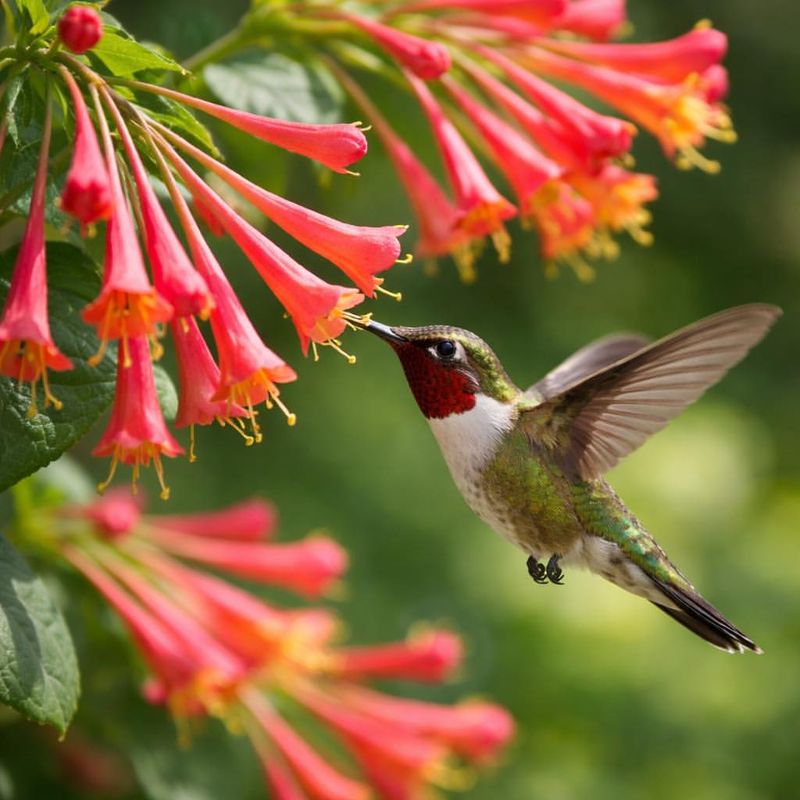
Few things in a garden are as exciting as watching a hummingbird zoom in for a quick drink. Plant California honeysuckle along your fence, and that scene becomes a regular part of your day.
The long, tubular shape of the flowers is practically designed for hummingbirds. Their slender beaks fit perfectly inside each bloom to reach the nectar.
The flowers range from soft pink to deeper rosy-purple, and they appear in clusters along the vine from late spring into summer. In warmer parts of California, blooming can stretch even longer.
The color alone makes the fence pop, especially against a wooden or metal background.
Hummingbirds aren’t the only visitors. Bees and butterflies also stop by regularly, making your yard feel like a buzzing, living space.
If you have kids, this is a great way to get them interested in nature right outside your back door.
One thing worth knowing is that the flowers don’t have a strong fragrance like some other honeysuckle varieties. But what they lack in scent, they more than make up for in visual drama and wildlife activity.
Your California Garden Changes Every Week. Your Plan Should Too.
Gardening in California changes quickly throughout the season. Every Friday you’ll receive a simple weekly plan showing exactly what to plant, prune, fertilize, harvest, and protect so you never miss the right timing.
Once this vine starts blooming on your California fence, you’ll find yourself spending a lot more time outside just watching the show unfold.
3. Perfect For Covering Fences
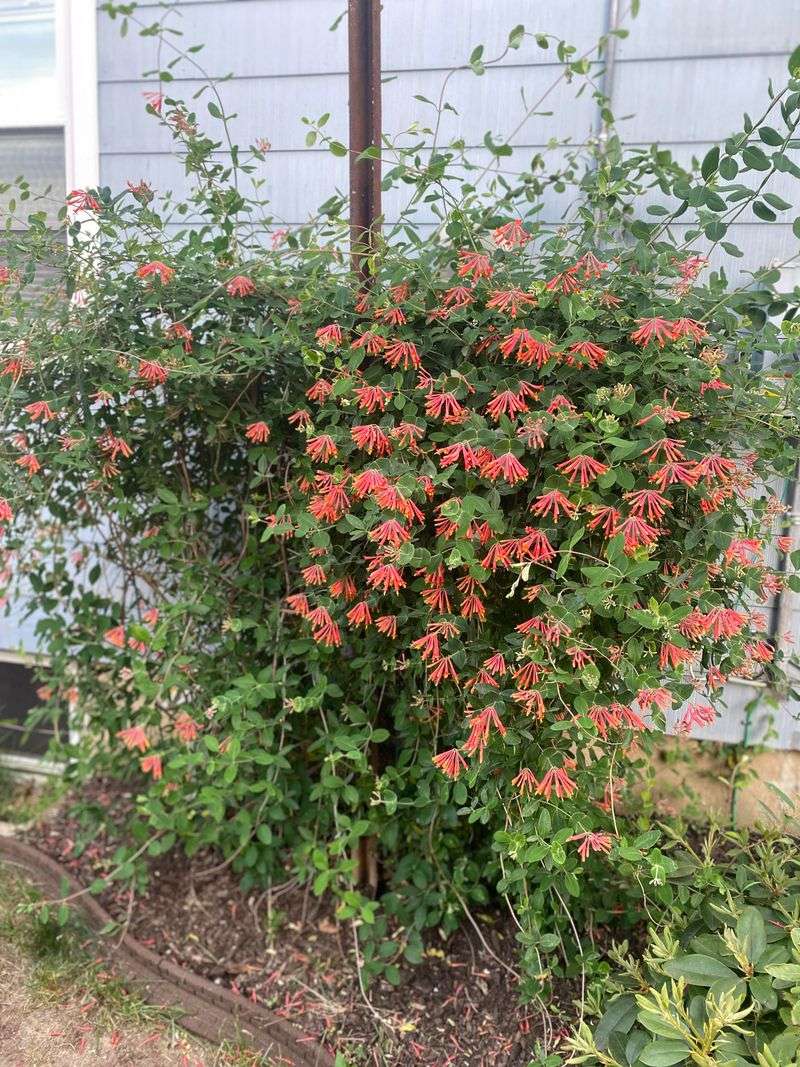
A bare fence can feel cold and uninviting. California honeysuckle changes that fast.
This vine is a natural climber that weaves its way through chain-link, wooden slats, and wire fencing with ease. Within a season or two, your fence can go from plain and boring to lush and full of life.
The dense foliage fills in gaps nicely, creating a soft green wall along your yard’s edge. This is especially useful in California neighborhoods where homes sit close together.
That leafy coverage gives you a natural privacy screen without the cost of installing a taller fence or adding panels.
Planting the vine about six to twelve inches away from the fence gives it room to anchor its stems and spread comfortably. It climbs by twining, so it grabs onto whatever it can reach.
A little guidance early on helps it go in the right direction, but mostly it figures things out on its own.
The result is a fence that looks like it belongs in a garden magazine. Neighbors often stop to ask what that gorgeous vine is, and you’ll be proud to share the answer.
Best of all, the coverage also softens noise from nearby streets, making your California backyard feel like a quieter, more peaceful retreat.
4. Handles Heat And Dry Conditions
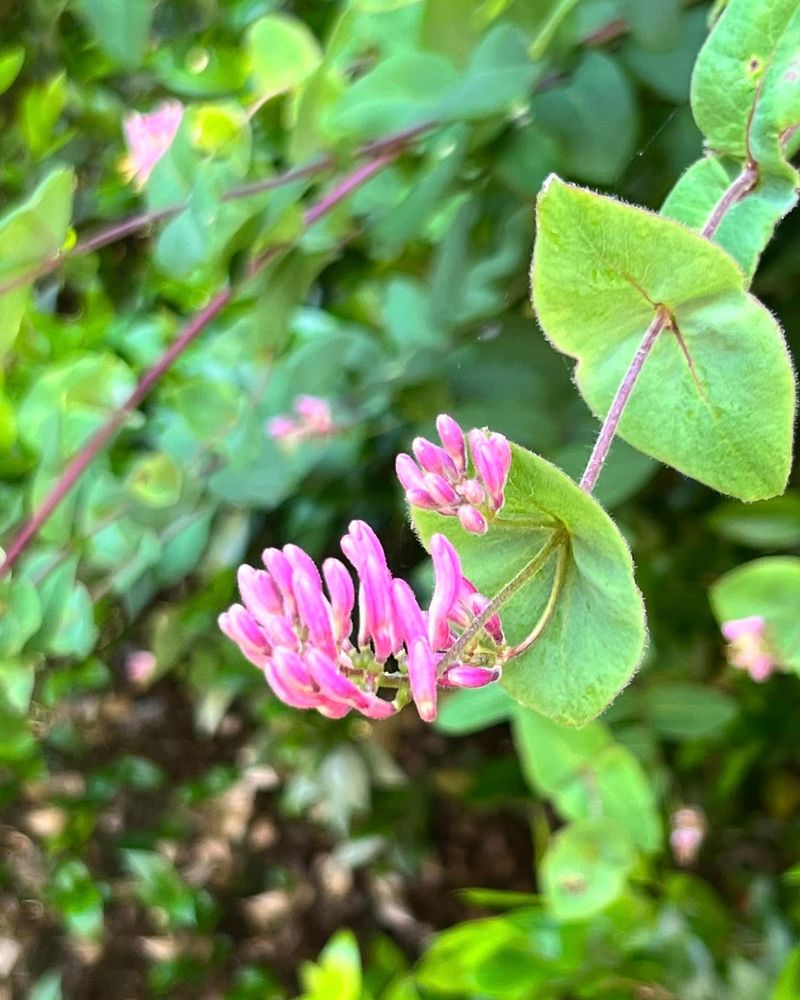
California summers can be brutal. Temperatures climb, rain disappears for months, and many plants struggle to keep going.
California honeysuckle, though, was built for exactly these conditions. It evolved right here in this climate, so it knows how to handle the heat.
Once the plant gets established, usually after the first growing season, it becomes quite drought tolerant. You won’t need to water it every day or stress about missing a week during a heat wave.
Deep watering every couple of weeks during dry spells is usually enough to keep it healthy and blooming.
This drought resilience makes it a smart choice for California gardeners who want a beautiful fence vine without running up their water bill. With water restrictions becoming more common across the state, choosing plants that thrive with less moisture is both practical and responsible.
The plant also handles full sun like a champ. A fence that gets six or more hours of direct sunlight daily is actually ideal.
While it can grow in partial shade, it tends to produce more flowers and denser growth when it gets plenty of light. If your fence faces south or west and bakes in the afternoon sun, don’t worry.
California honeysuckle will settle in and keep growing strong all season long.
5. Fast Growing With Light Support
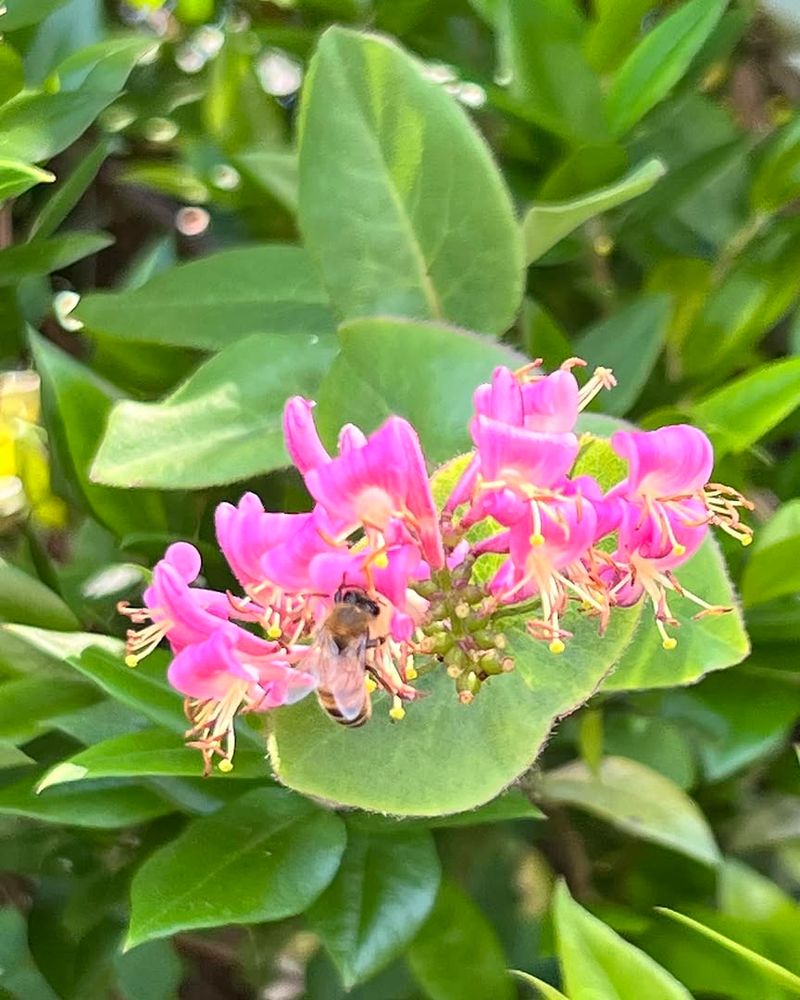
Waiting years for a vine to fill in a fence can feel discouraging. Luckily, California honeysuckle is not a slow mover.
Under good conditions, it can put on several feet of new growth in a single season. That means you’ll start seeing real coverage and flowers much sooner than you might expect.
The vine climbs by twining its stems around whatever support it finds. A chain-link fence works perfectly on its own.
For wooden or smooth fences, adding a simple wire mesh or a few horizontal wires gives the vine something to grab onto. You don’t need anything fancy or expensive.
Even a basic trellis panel attached to the fence does the job well.
Early in the growing season, it helps to gently guide the new stems in the direction you want them to go. After a few weeks, the vine takes over and figures out the rest.
Some light pruning in late winter or early spring helps keep the shape tidy and encourages fresh new growth.
The speed of this vine is one of the things California gardeners love most about it. You plant it, give it a little support, and watch it transform your fence within months.
For anyone who wants fast, beautiful results without a complicated setup, this vine checks every single box on the list.
6. Native And Pollinator Friendly
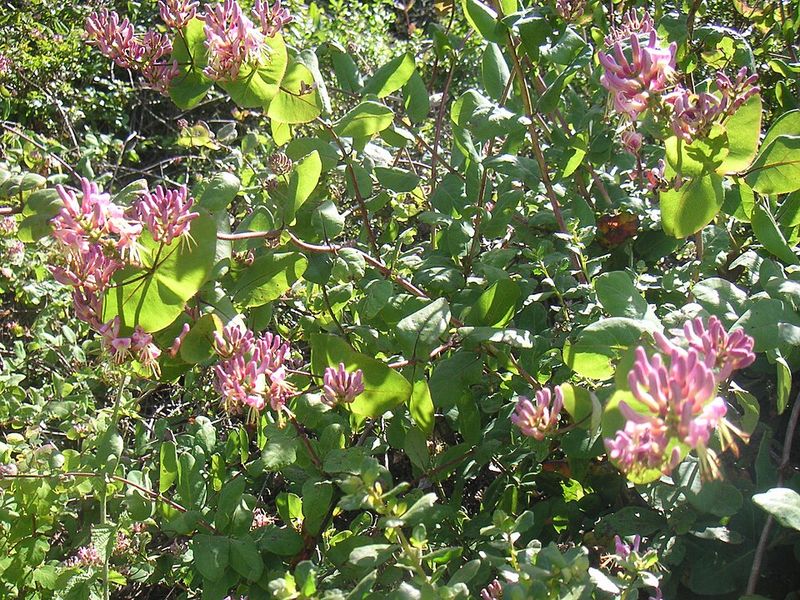
Growing native plants is one of the best things you can do for your local ecosystem, and California honeysuckle is a shining example of why. This vine is native to California and much of the Pacific Coast, which means local wildlife already knows it, uses it, and depends on it.
Pollinators like bees and butterflies are drawn to the flowers throughout the blooming season. Hummingbirds make regular visits too, using the nectar as an important food source.
In fall, the small red berries that follow the flowers attract birds like thrushes and robins. Your fence essentially becomes a food source and shelter spot for local wildlife.
Supporting pollinators matters more than ever right now. Bee populations have been declining across the country, and planting native flowering plants is one of the most direct ways to help.
Every California honeysuckle vine along a fence is a small but meaningful contribution to the health of local ecosystems.
Beyond the environmental benefits, there’s something genuinely satisfying about planting something that gives back. You get a gorgeous fence.
The birds get berries. The bees get nectar.
The butterflies get a landing spot. Everyone wins.
Adding this vine to your California yard means you’re gardening with purpose, and that feels pretty great no matter how big or small your outdoor space is.
7. Low Maintenance Once Established
Some plants need constant attention to stay healthy and looking good. California honeysuckle is not one of them.
After the first season, when you’re helping it settle in with regular watering, this vine becomes remarkably self-sufficient. It’s the kind of plant that rewards patience with very little effort on your end.
Watering deeply every couple of weeks during dry summer months is usually all it needs once it’s established. Fertilizing is rarely necessary if your soil has decent organic matter.
A layer of mulch around the base helps retain moisture and keeps the roots cool during California’s hot summers, which the plant appreciates.
Pruning is the main task you’ll come back to each year. A good trim in late winter or early spring removes any dead or tangled growth and shapes the vine before the new season begins.
This also encourages more flowers, so it’s worth spending thirty minutes on it once a year. That’s honestly not much to ask for a vine this beautiful.
For busy homeowners, new gardeners, or anyone who wants a stunning fence without a complicated care routine, this vine fits the bill perfectly. California honeysuckle proves that you don’t need to work hard to have a yard that looks like you do.
Plant it, give it a season, and let it do what it was naturally born to do.