8 April Lawn Moves That Set Up Ohio Yards For The Season
Ever look at your lawn in early April and wonder if it is about to bounce back or fall flat for the rest of the year? In Ohio, this is the turning point.
Grass starts waking up, soil conditions shift fast, and every decision you make now carries into summer. It is easy to rush in and throw everything at the yard all at once.
Fertilizer, seed, water, mowing. But not every move helps, and timing matters more than effort this time of year.
A few smart steps can strengthen roots, fill in thin spots, and build a lawn that holds up through heat, foot traffic, and dry spells. Get April right, and your lawn does most of the heavy lifting on its own.
Miss the mark, and you may spend months trying to fix problems that started right now.
1. Rake And Remove Debris To Help Grass Green Up Faster
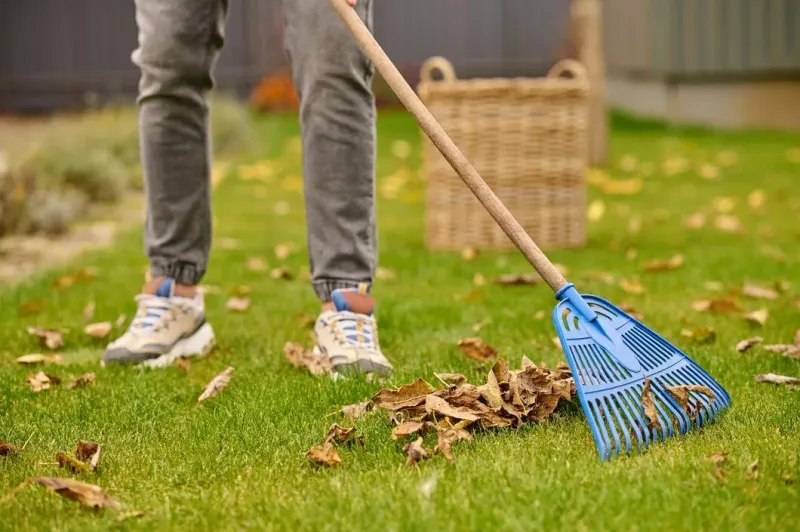
After a long Ohio winter, your lawn is often buried under a layer of matted leaves, withered grass clippings, and compacted debris that blocks sunlight and traps moisture against the soil. That combination creates the perfect setup for snow mold and other fungal issues, especially in northern Ohio where snow lingers longer into spring.
Getting that layer off early gives your grass the airflow and light it needs to green up quickly.
A light raking with a flexible leaf rake is all you need for most yards. Avoid using a stiff metal tine rake aggressively, because cool-season grasses like fescue and bluegrass are still fragile in early April and can be pulled out of the ground if you rake too hard.
Work in one direction with gentle passes rather than digging into the turf.
Focus on low spots and shaded areas first, since those tend to hold the most moisture and compacted debris. Bagging and removing the debris rather than leaving it in piles on the lawn is important, as piles block sunlight and slow green-up.
One light raking session in early April can make a noticeable difference in how quickly your Ohio lawn bounces back.
2. Test Your Soil Early To Fix pH And Nutrient Gaps
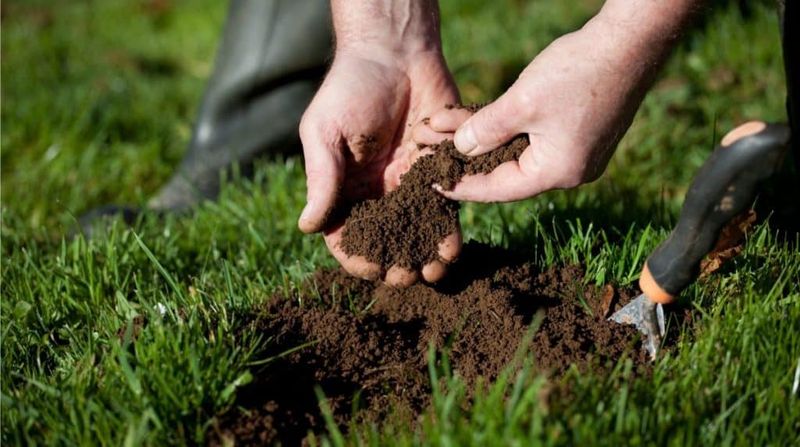
Most Ohio homeowners skip soil testing and go straight to fertilizing, which is a little like taking medicine without knowing what’s actually wrong. Ohio soils vary a lot across the state.
Northern Ohio tends to have heavier clay with higher pH, while some central and southern Ohio areas can run more acidic. Without a test, you’re just guessing, and guessing often means wasting money on nutrients your lawn doesn’t need.
Ohio State University Extension recommends testing soil every two to three years, and spring is one of the best times to do it. You can pick up a test kit from your local extension office or a garden center, and results usually come back within a week or two.
The test will tell you your soil’s pH level and which nutrients like nitrogen, phosphorus, and potassium are low or adequate.
Your Ohio Garden Changes Every Week. Your Plan Should Too.
Gardening in Ohio changes quickly throughout the season. Every Friday you’ll receive a simple weekly plan showing exactly what to plant, prune, fertilize, harvest, and protect so you never miss the right timing.
Most cool-season Ohio grasses prefer a soil pH between 6.0 and 7.0. If your pH is below 6.0, lime is typically recommended to bring it up before fertilizing.
Applying fertilizer to soil with the wrong pH means your grass can’t absorb those nutrients efficiently anyway. Testing first makes every other lawn move you make in April more effective.
3. Apply Pre Emergent At The Right Time To Stop Crabgrass
Crabgrass is one of the most stubborn lawn problems in Ohio, and the only truly effective way to deal with it is to stop it before it sprouts. Pre-emergent herbicides work by creating a chemical barrier in the soil that prevents crabgrass seeds from germinating.
Once crabgrass has already sprouted and you can see it in your lawn, pre-emergent products are no longer useful at all.
Timing this application correctly is everything. Ohio State University Extension guidance points to soil temperature as the key trigger, not the calendar date.
You want to apply pre-emergent when soil temperatures at a two-inch depth are consistently reaching 50 to 55 degrees Fahrenheit. In southern Ohio, that window often opens in late March to early April.
In northern Ohio and areas like Cleveland or Akron, you may not hit that target until mid to late April.
A practical trick many Ohio gardeners use is watching for forsythia shrubs to finish blooming, which roughly lines up with that soil temperature window. Apply the product too early and it breaks down before crabgrass germinates.
Apply it too late and seeds have already sprouted. Watering the product in lightly after application helps activate the barrier and improves results significantly.
4. Overseed Thin Areas Before Weeds Take Over
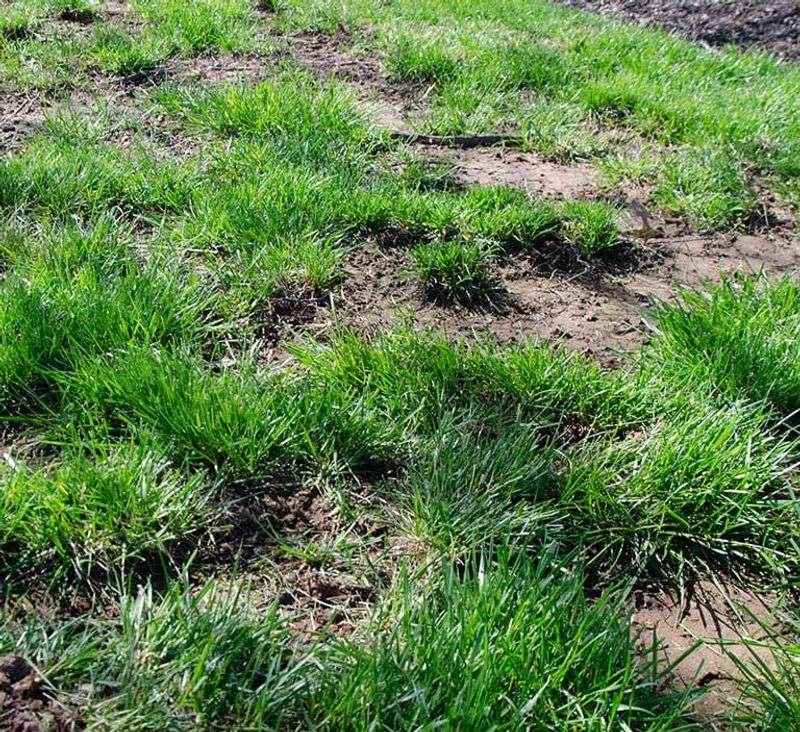
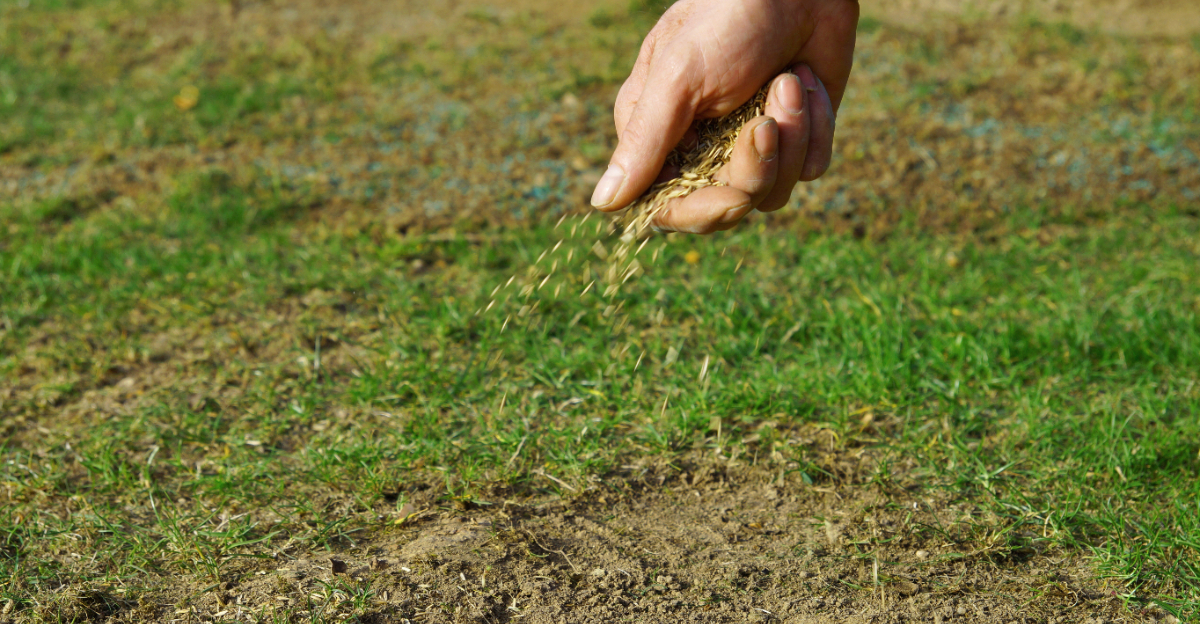
Thin spots in your lawn are basically open invitations for weeds. Once dandelions, clover, and ground ivy move into those bare patches, they are tough to push out later in the season.
Early April is actually a decent window for light overseeding in Ohio, especially if you act before soil temperatures climb too high and before the main flush of weed germination begins.
There is one important conflict to understand before you seed: pre-emergent herbicides and grass seed do not get along. Pre-emergent products prevent germination of all seeds, including the desirable grass seed you are trying to establish.
If you plan to overseed thin areas, you generally need to choose between overseeding and applying pre-emergent in the same spot. Many Ohio lawn pros recommend prioritizing overseeding in the thinnest areas first and skipping pre-emergent in those zones.
For Ohio lawns, tall fescue and Kentucky bluegrass blends are reliable choices for overseeding. Keep newly seeded areas consistently moist until germination, which typically takes seven to twenty-one days depending on soil temperature.
Avoid heavy foot traffic on seeded patches. A light topdressing of compost over the seed helps retain moisture and improves seed-to-soil contact, giving your new grass the best possible start.
5. Aerate Compacted Soil To Improve Air And Water Flow
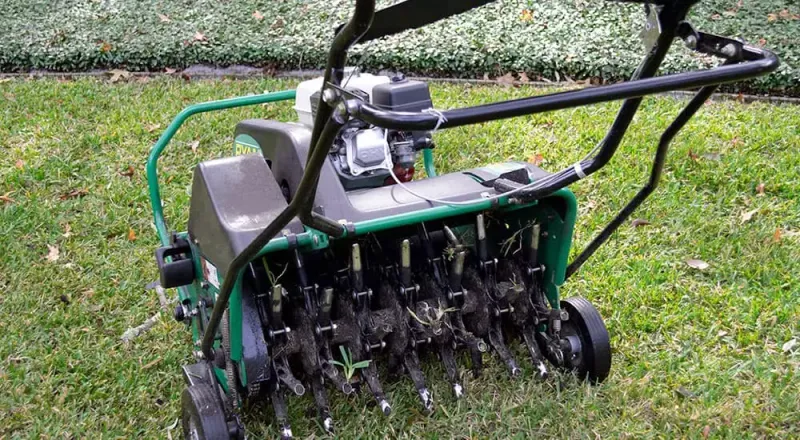
Ohio’s heavy clay soils compact easily, especially in yards that see regular foot traffic or were graded during home construction. Compacted soil pushes back against grass roots, limiting how deep they can grow and how efficiently they absorb water and nutrients.
Aeration punches small holes or pulls out cores of soil to break up that compaction and give roots room to breathe.
Fall is generally the preferred season for aerating cool-season Ohio lawns because the timing aligns with strong root growth. However, if you skipped fall aeration or your yard is noticeably compacted after winter, early spring aeration can still provide real benefits.
The key is to aerate when the soil is moist but not waterlogged, which is common in Ohio after April rain events. Core aeration, which physically removes plugs of soil, is more effective than spike aeration for compacted clay soils.
Leave the pulled soil cores on the lawn surface rather than raking them up. They break down naturally within a couple of weeks and return organic matter to the soil.
Avoid aerating right after applying pre-emergent herbicide, as punching holes through that barrier can reduce its effectiveness. Pairing spring aeration with a soil test and fertilizer application helps maximize the benefits of opening up the soil.
6. Mow High Early To Protect And Strengthen New Growth
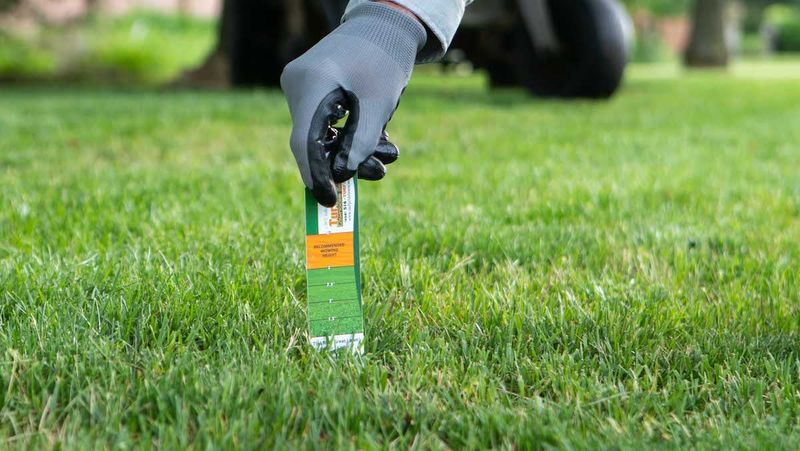
Grabbing the mower and cutting the lawn the moment it starts growing feels satisfying, but how you mow in April matters just as much as when you start. Cool-season grasses in Ohio like tall fescue, Kentucky bluegrass, and perennial ryegrass do their best work when kept at a taller height, generally around three to four inches.
Taller grass blades shade the soil, which slows weed germination and helps the lawn hold onto moisture during dry stretches.
One of the most common spring mistakes Ohio homeowners make is scalping the lawn, cutting it way too short in one pass to get ahead of the growth. Scalping stresses the grass significantly, weakens root systems, and opens up the turf to weed invasion.
Ohio State University Extension consistently recommends following the one-third rule: never remove more than one-third of the grass blade in a single mowing session.
Start your first mow of the season at the same height you plan to maintain through the summer. Make sure your mower blades are sharp before that first cut.
Dull blades tear grass rather than cutting it cleanly, which creates ragged tips that turn brown and leave the lawn more vulnerable to disease. A sharp blade makes a real difference in how healthy and uniform your Ohio lawn looks all season.
7. Water Lightly And Consistently As Growth Picks Up
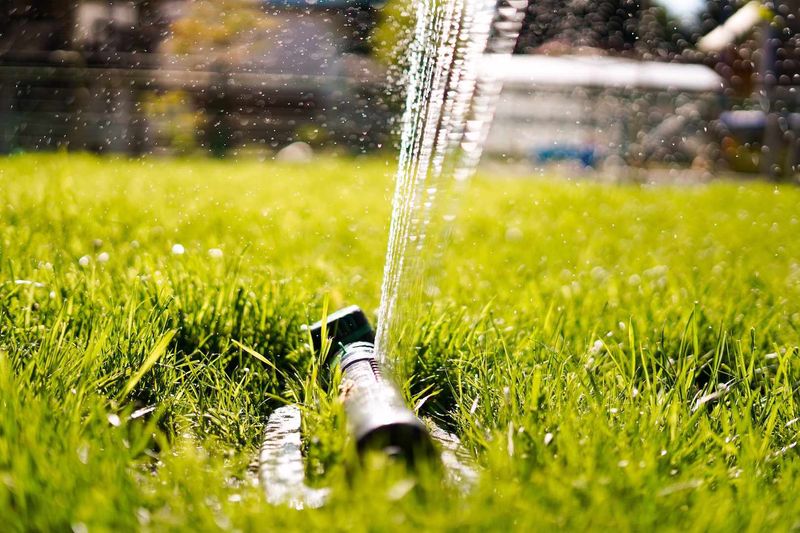
April in Ohio is typically one of the wetter months of the year, and most lawns across the state get a significant portion of their spring moisture needs met by natural rainfall alone. That means overwatering is actually a more common problem in April than underwatering.
Soggy soil encourages shallow root development and creates conditions where fungal diseases like brown patch and pythium can take hold.
The goal in April is to support consistent, moderate moisture rather than drenching the lawn. If rainfall is providing close to an inch per week, you likely do not need to run your irrigation system at all.
Check the soil before watering by pressing a screwdriver into the ground. If it slides in easily to a depth of six inches, the soil has adequate moisture.
If it meets resistance, a light watering session is appropriate.
When you do water, do it in the early morning rather than in the evening. Morning watering gives the grass blades time to dry out during the day, which reduces the risk of disease.
Avoid frequent shallow watering, which trains roots to stay near the surface. Infrequent but deeper watering sessions encourage roots to grow deeper into the Ohio soil, building a stronger and more drought-tolerant lawn heading into summer.
8. Spot And Treat Weeds Instead Of Blanket Spraying The Lawn
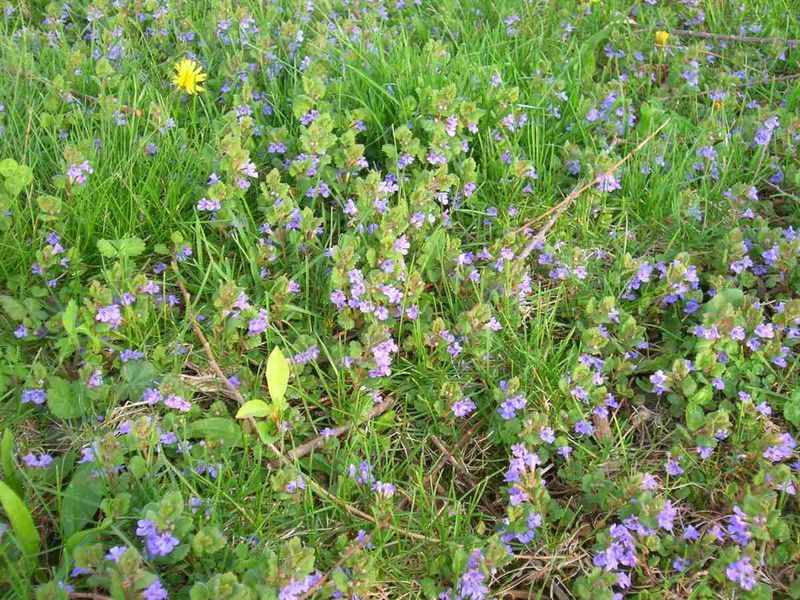
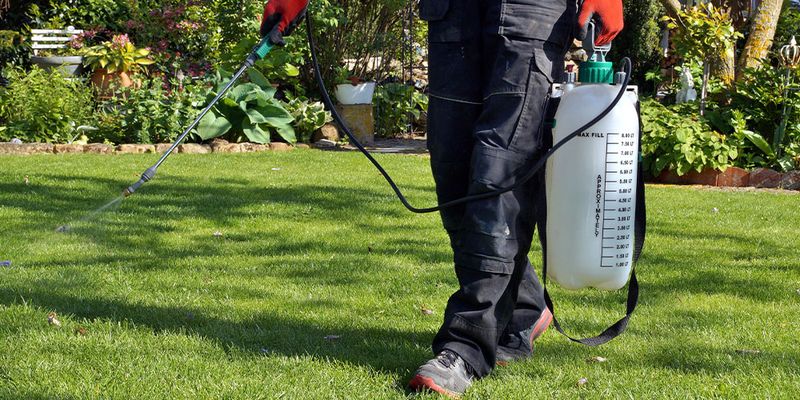
Seeing dandelions and clover pop up across your Ohio lawn in April can feel overwhelming, but reaching for a tank sprayer and covering the whole yard with herbicide is rarely the right call that early in the season. Blanket herbicide applications stress newly emerging cool-season grass, can interfere with overseeding efforts, and often apply far more chemical than the situation actually requires.
Spot treating individual weeds or small weed clusters is more targeted, more cost-effective, and easier on your turf. A ready-to-use broadleaf herbicide in a handheld spray bottle gives you precise control.
Products containing two-four-D, dicamba, or triclopyr are commonly used for broadleaf weeds in Ohio lawns and are available at most garden centers. Always read the label carefully before applying, especially if you have recently seeded any areas, because most post-emergent herbicides should not be used on newly germinated grass.
Timing matters here too. Herbicides work best when weeds are actively growing and temperatures are between 60 and 85 degrees Fahrenheit.
Applying on a calm, dry day prevents drift onto garden beds or nearby plants. Spot treating in April, combined with a healthy and thick lawn, is a sustainable long-term approach that reduces weed pressure without putting unnecessary stress on your Ohio turf.