8 Low-Maintenance Perennials That Thrive In North Carolina With Very Little Care
Keeping a garden looking great does not have to mean spending hours on upkeep every week. In North Carolina, where heat, humidity, and changing weather can make gardening feel like a challenge, choosing the right plants can make all the difference.
Some perennials are built to handle these conditions with very little help, making them perfect for busy gardeners or anyone who wants a simpler approach.
These low maintenance plants come back year after year, often needing just basic care to stay healthy and full.
They can handle dry spells, warm summers, and even a bit of neglect without losing their appeal. From bright blooms to attractive foliage, they bring steady beauty without constant attention.
Once you discover these eight easy going perennials, you can create a garden that looks full and vibrant while giving you more time to simply enjoy it.
1. Tickseed
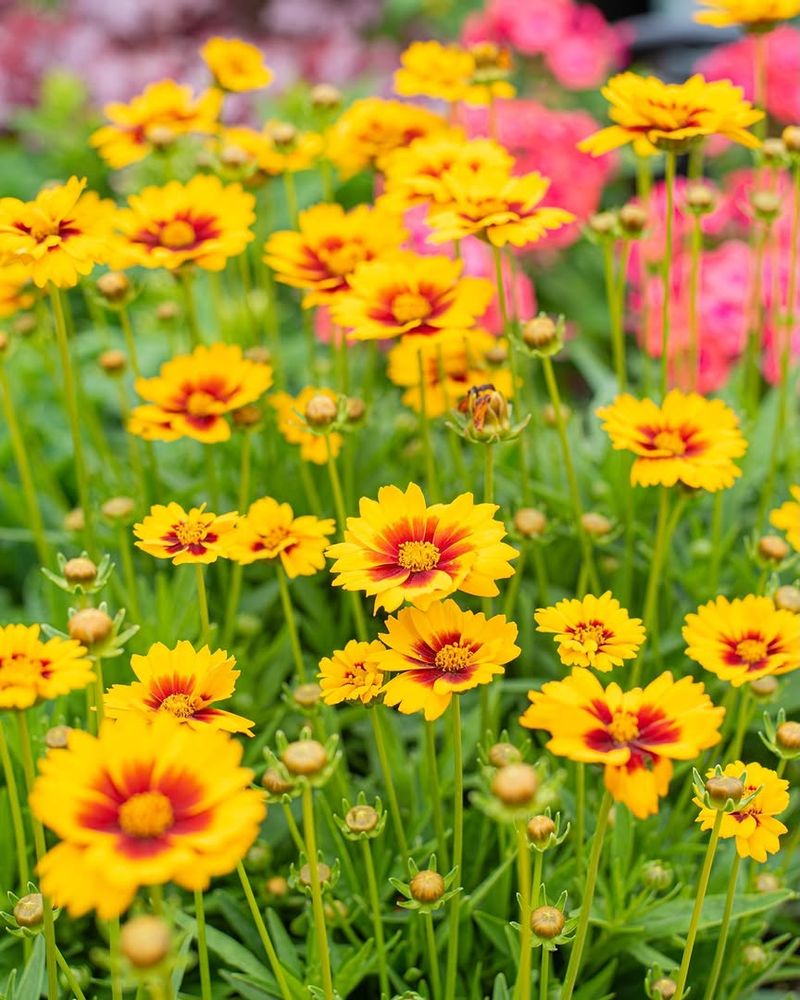
If you have ever driven through North Carolina in late spring and noticed cheerful bursts of yellow lining the roadsides, there is a good chance you were looking at Tickseed.
Coreopsis lanceolata is a native perennial that grows naturally across the state, from the sandy soils of the Coastal Plain to the open fields of the Piedmont.
It blooms heavily and enthusiastically, often covering itself in golden flowers with very little encouragement from the gardener.
Full sun is the main requirement here, and well-drained soil is a must. Unlike some perennials, Tickseed genuinely dislikes heavy, waterlogged clay, so if your yard tends to hold moisture, mix in some compost or plant it on a slight slope to improve drainage.
Sandy or disturbed soils, the kind that challenge most plants, are where this tough native really thrives.
Deadheading spent blooms can push the plant to flower even longer through the season, but skipping that step will not hurt it at all. Tickseed is wonderfully forgiving.
Once established in a North Carolina garden, it spreads slowly and naturally, filling in gaps without becoming invasive.
The bright yellow color pairs beautifully with purple perennials like coneflower or blazing star, giving you a pollinator-friendly color combination that practically takes care of itself all season long.
2. Black-Eyed Susan
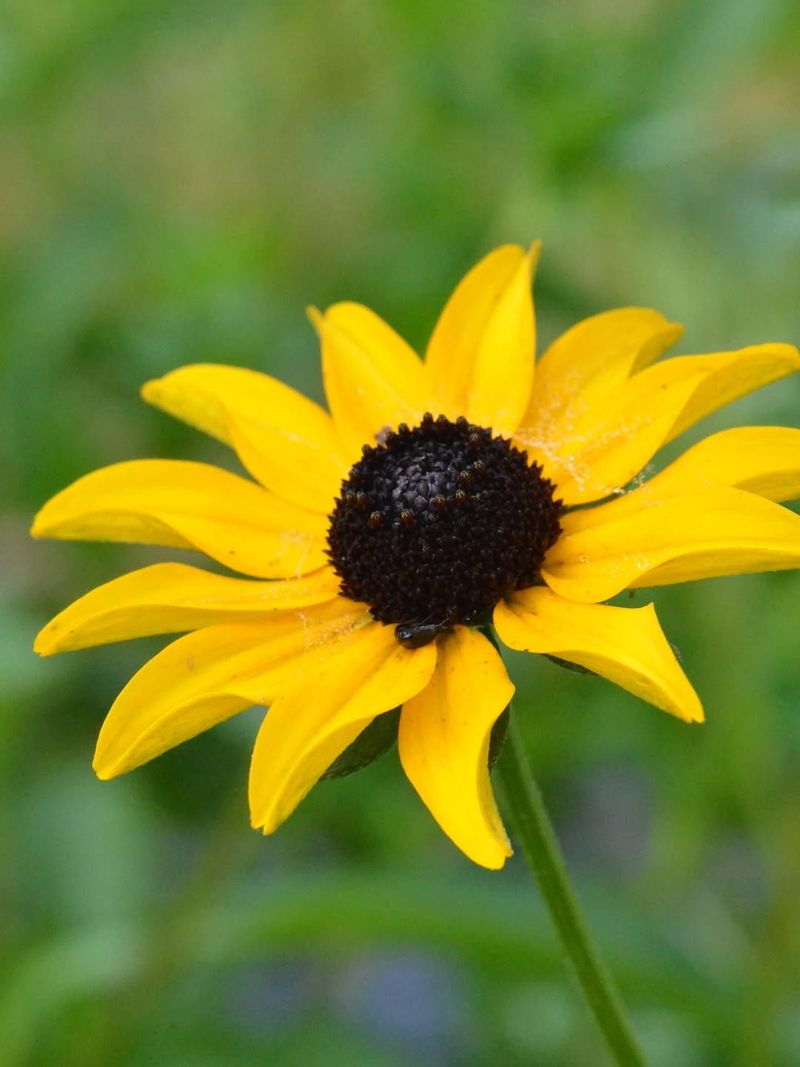
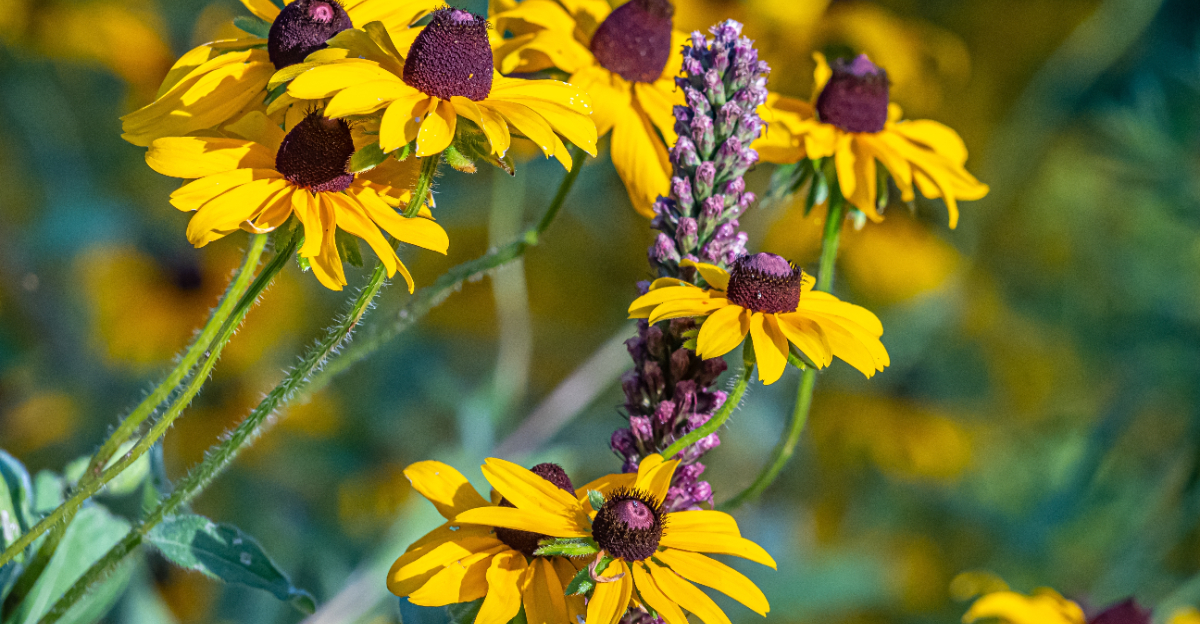
Few flowers say “North Carolina summer” quite like the cheerful Black-Eyed Susan. Rudbeckia hirta is a true native wildflower that has been painting open fields and roadsides across the Piedmont and Coastal Plain with golden yellow blooms for centuries.
Bees, butterflies, and even goldfinches absolutely love this plant, making it one of the best choices for any gardener who wants to support local wildlife without extra effort.
Planting is refreshingly simple. Choose a spot with full sun and average soil, and you are basically done.
Black-Eyed Susan handles clay, poor soil, and even stretches of dry weather without skipping a beat. Water it a little during the first few weeks after planting to help it settle in, and after that, North Carolina’s natural rainfall does most of the work for you.
What really makes this perennial shine is its toughness through the state’s famous humidity and temperature swings. Summer heat that would stress other plants barely phases it.
Your North Carolina Garden Changes Every Week. Your Plan Should Too.
Gardening in North Carolina changes quickly throughout the season. Every Friday you’ll receive a simple weekly plan showing exactly what to plant, prune, fertilize, harvest, and protect so you never miss the right timing.
The blooms keep going from midsummer all the way into fall, giving your garden a long run of color. Leave the seed heads standing through winter and you will attract even more birds to your yard.
It is one of those plants that genuinely rewards you for doing almost nothing at all.
3. Bee Balm
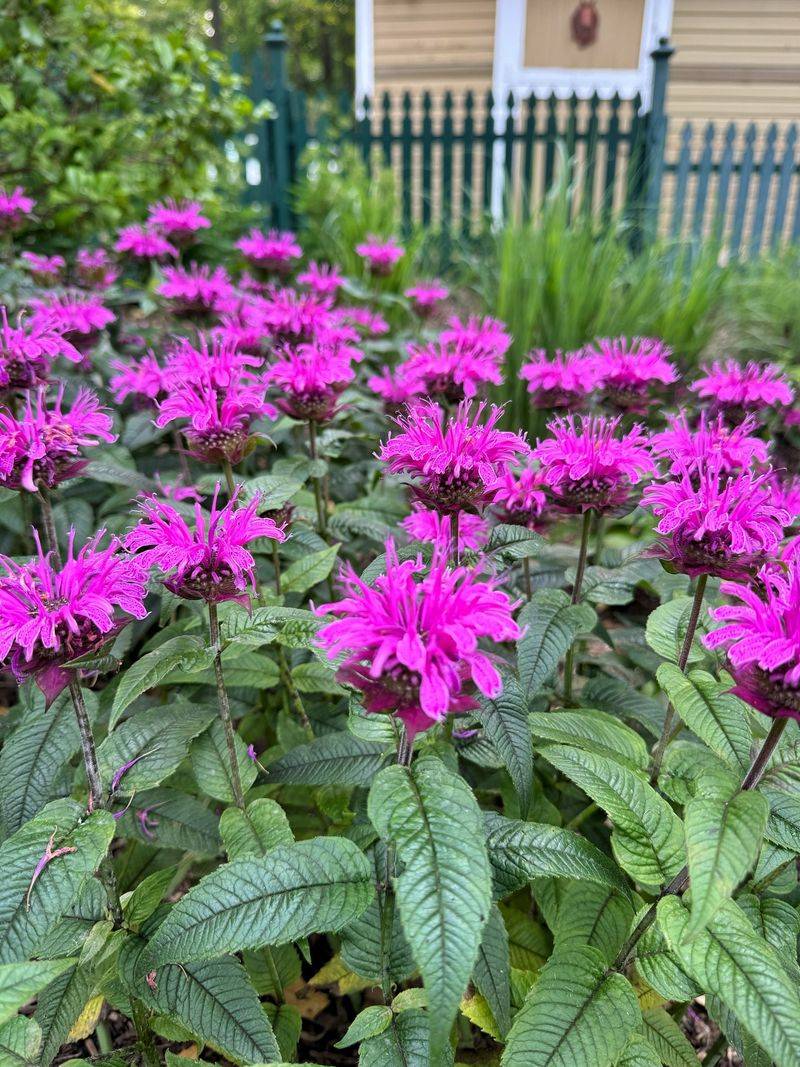
Bee Balm has a personality as bold as its blooms. Monarda fistulosa, also called wild bergamot, is native throughout North Carolina and brings a burst of color to gardens that few other perennials can match.
Hummingbirds zoom in from what feels like miles away, bees pile on eagerly, and butterflies linger long after other visitors have moved on. If wildlife activity in your yard is something you enjoy, this plant delivers it generously.
Plant Bee Balm in full sun to partial shade with average, well-drained soil, and it will reward you for years. One helpful tip for North Carolina gardeners is to space plants generously when planting.
Good airflow between stems reduces the chance of powdery mildew, which can show up during the state’s muggy summer months. Choosing mildew-resistant varieties adds another layer of easy care.
What surprises many first-time growers is how resilient this plant is after summer stress. Even when heat and humidity push it hard, Bee Balm rebounds beautifully, often sending up fresh growth once temperatures ease in late summer.
It tolerates a range of soil types found across North Carolina and spreads slowly over time, gradually filling a bed with fragrant foliage and colorful blooms.
The leaves even carry a pleasant minty scent, which makes working around this plant in the garden a genuinely enjoyable experience.
4. Purple Coneflower
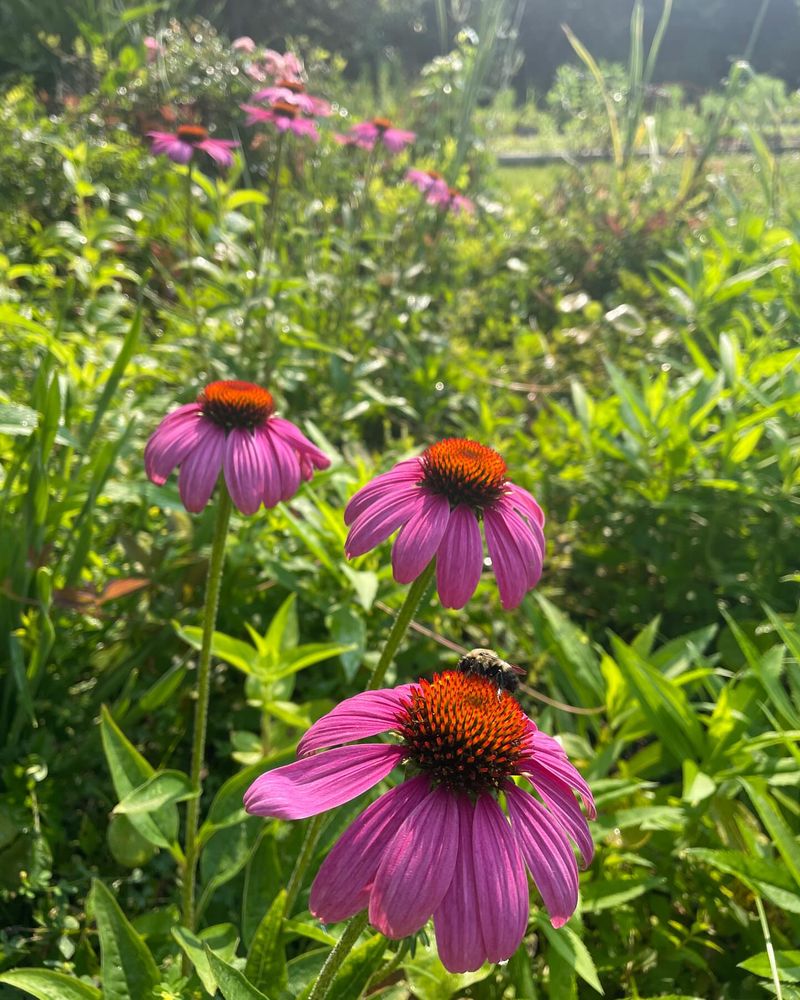
Walk through almost any thriving North Carolina garden in summer and you will likely spot the bold, rosy-purple petals of Echinacea purpurea reaching toward the sky.
Purple Coneflower is native to parts of the state and performs reliably from the mountains all the way down to the coast.
Pollinators go absolutely wild for it, and honestly, watching bees and butterflies work those spiky central cones is entertainment enough on a warm afternoon.
Growing Purple Coneflower is about as low-effort as gardening gets. Plant it in full sun with well-drained soil and step back.
It handles drought, clay soil, and the sticky humidity that North Carolina summers are known for without flinching. Overwatering is actually the one thing to avoid, since soggy roots are the only real threat to an otherwise bulletproof plant.
Here is a fun tip most gardeners overlook: skip the fall cleanup on your coneflowers. Leave those seed heads standing through the colder months and you will see birds, especially goldfinches, visiting your garden well into winter to snack on the seeds.
The plant self-seeds gently, meaning new plants often pop up nearby the following spring with zero effort from you. In North Carolina’s unpredictable climate, that kind of reliable, self-sustaining beauty is truly worth celebrating.
5. Eastern Columbine
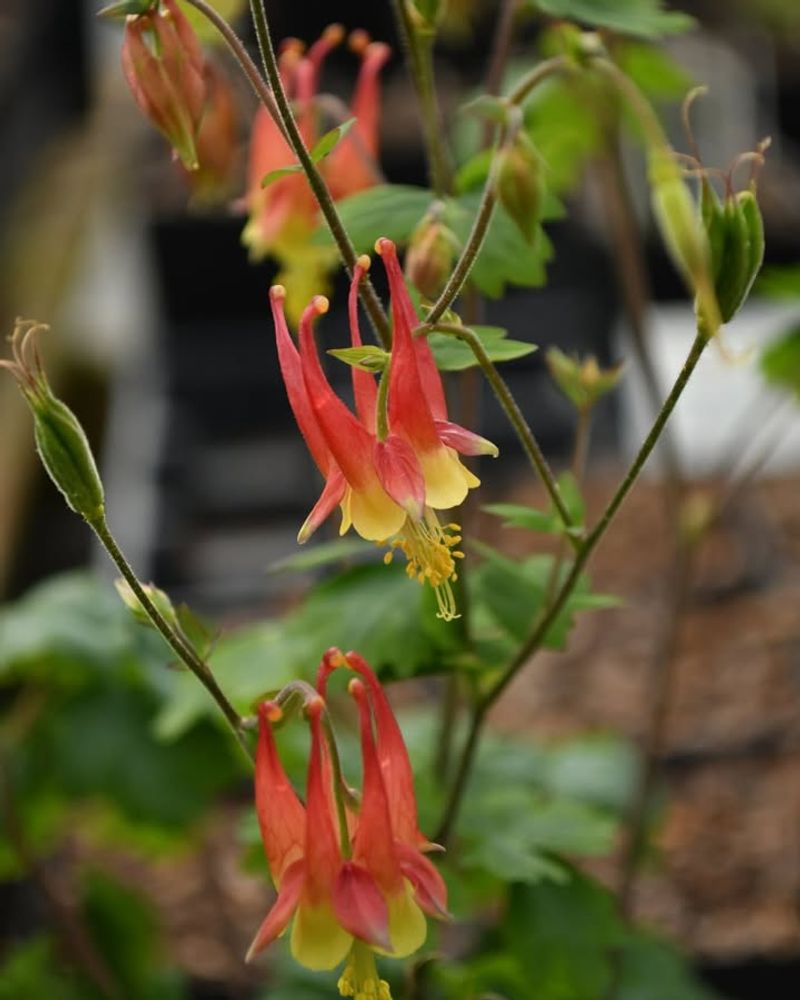
Spring arrives early for Eastern Columbine, and that is a big part of its charm. Aquilegia canadensis pushes up its distinctive red and yellow nodding blooms while many other perennials are still waking up, making it one of the first real color events in a North Carolina garden each year.
Hummingbirds that are just returning from their winter migration head straight for these tubular flowers, turning your yard into a lively early-season feeding stop.
This native woodland perennial grows naturally across the North Carolina mountains and Piedmont, and it thrives in partial shade with well-drained soil. It handles clay reasonably well when you work in a bit of organic matter, like compost or leaf mold, before planting.
A spot under a deciduous tree works beautifully because the plant gets bright spring light before the canopy fills in and then welcomes the cooler shade that summer brings.
Eastern Columbine is a self-seeder, which is one of its most appealing qualities for low-maintenance gardeners. Once you plant it, the colony quietly expands on its own over the years, weaving itself through shady borders with a natural, cottage-garden feel.
The feathery blue-green foliage stays attractive even after blooming ends, adding texture to the garden through summer. For shaded spots in North Carolina where color can be hard to find, this plant is a genuine solution.
6. Goldenrod
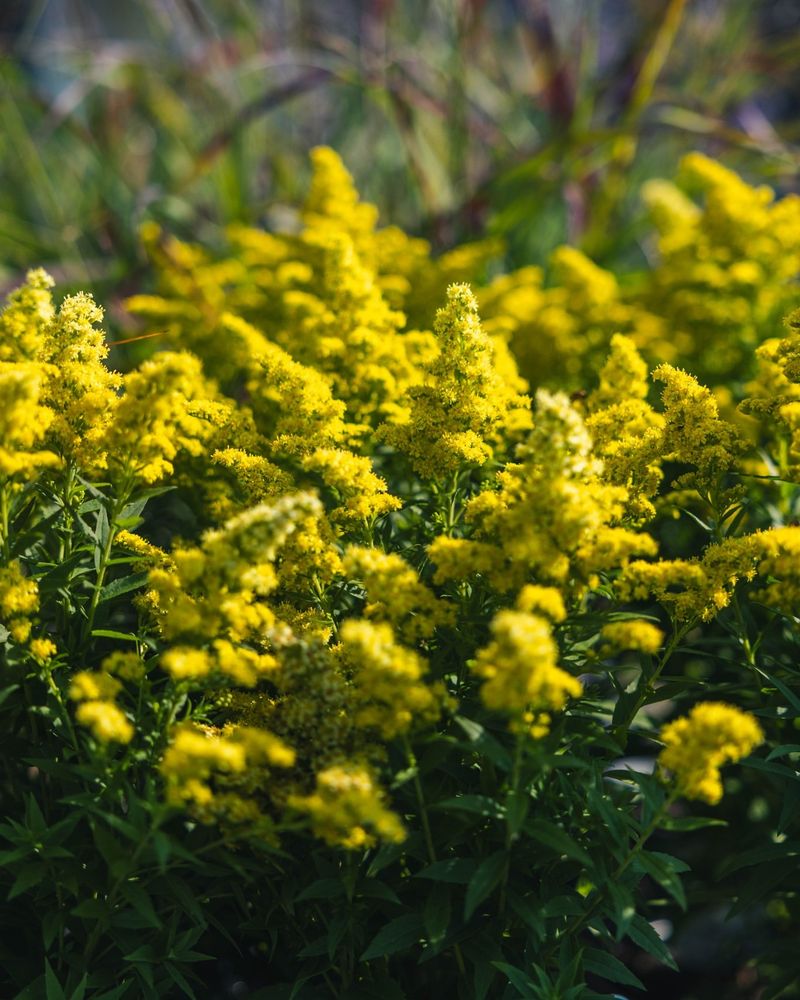
Goldenrod gets an unfair reputation, and it is time to set the record straight. Many people blame it for fall allergies, but the real culprit is ragweed, which blooms at the same time and spreads its pollen through the air.
Goldenrod, on the other hand, relies on insects to carry its pollen, making it one of the most important late-season nectar sources for bees, butterflies, and beneficial insects across North Carolina.
Solidago rugosa is a native species that thrives statewide, from mountain valleys to coastal gardens. It grows happily in full sun to light shade and tolerates clay soil, occasional wet conditions, and the kind of summer neglect that would send less resilient plants into decline.
Average garden soil with decent drainage is ideal, but this plant is remarkably adaptable and rarely complains about less-than-perfect conditions.
The timing of Goldenrod’s bloom is one of its most valuable qualities. When most summer flowers have faded and the garden starts to look tired, Goldenrod explodes with arching plumes of golden yellow right when pollinators need fuel most before cooler weather sets in.
It provides critical late-season support for monarch butterflies passing through North Carolina on their migration south. Planting even a small clump gives your garden an ecological boost that is hard to overstate, all with almost zero maintenance on your part.
7. Blazing Star
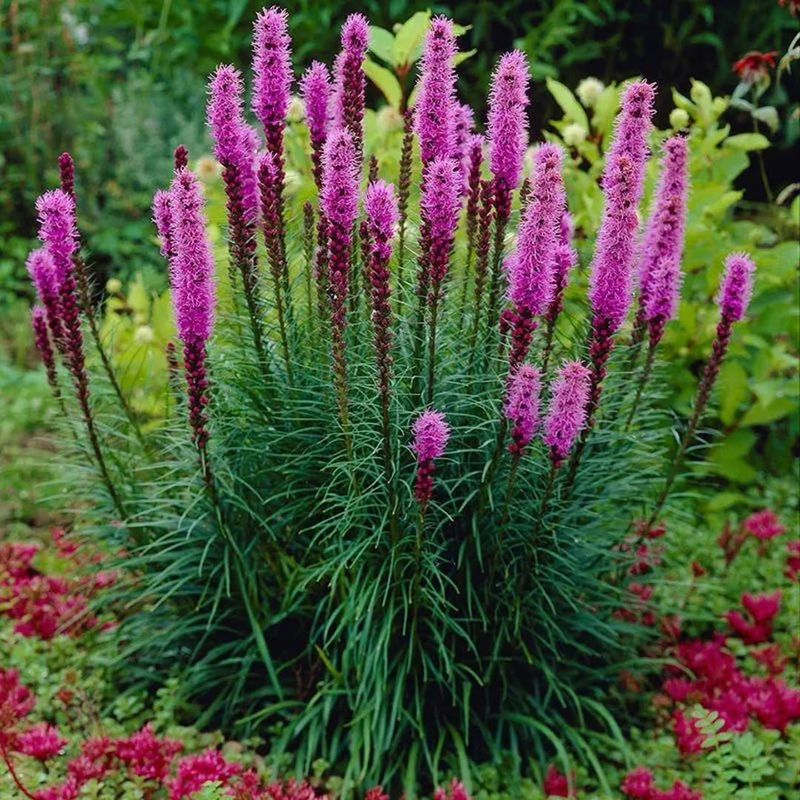
There is something genuinely dramatic about a spike of Blazing Star rising straight up from a garden bed, covered from top to bottom in fluffy purple flowers.
Liatris spicata is native to parts of North Carolina, particularly in moist meadows and open areas, and it brings a vertical energy to the garden that most low-growing perennials simply cannot match.
Monarch butterflies are especially drawn to it, and during late summer migration season in North Carolina, a patch of Blazing Star can become a breathtaking stopping point.
Plant it in full sun with well-drained soil for the best results. If your garden has clay soil, improving drainage with compost before planting makes a real difference.
Once established, Blazing Star handles North Carolina’s seasonal rainfall and summer humidity without any trouble, and it becomes impressively drought-tolerant as its root system matures over time.
One detail that surprises many gardeners is how Blazing Star blooms from the top of the spike downward, which is unusual among flowering plants and gives it a distinctive, eye-catching look as it opens over several weeks.
The blooms dry beautifully on the stalk, adding winter interest long after the growing season ends.
Birds visit the seed heads too, making this plant useful across every season. For North Carolina gardeners who want height, drama, and wildlife value without any fuss, Blazing Star delivers every single year.
8. Green And Gold
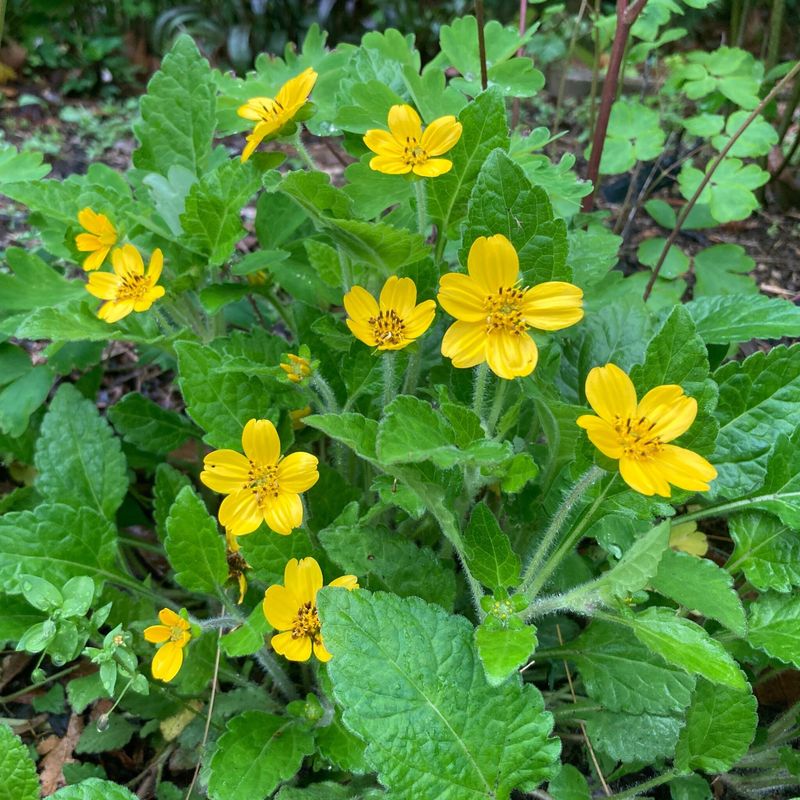
Not every garden is bathed in sunshine, and Green and Gold was practically made for the shady spots that most perennials ignore.
Chrysogonum virginianum is a low-growing native groundcover found throughout North Carolina’s forests, and it brings cheerful little yellow flowers to spaces where little else will bloom.
It spreads steadily but politely, never taking over, just quietly filling in the gaps between tree roots and along shaded pathways.
Partial to full shade suits this plant perfectly, and moist, well-drained soil keeps it looking its best. Mulching with leaf compost mimics the woodland floor conditions where it naturally thrives, helping it retain moisture and stay lush through North Carolina’s warmer months.
Clay soil is not a dealbreaker here, especially when you add organic matter to improve its texture and drainage over time.
What makes Green and Gold especially appealing for busy gardeners is its reliability. Once planted in a suitable shady spot, it essentially takes care of itself, spreading gradually to cover bare soil, suppress weeds, and add year-round texture to the garden floor.
The yellow blooms appear in spring and often continue sporadically through summer, which is impressive for a shade plant.
In a state like North Carolina, where humid summers can make shaded areas feel overgrown and messy, having a tidy, flowering groundcover that genuinely thrives with minimal attention is a small but satisfying victory for any gardener.