Why Every Pennsylvania Yard Should Have This One Native Shrub
Walk through a Pennsylvania neighborhood in late spring, and certain plants seem to stand out more than others. Some yards feel fuller, more settled, and easier on the eyes, even if you can’t immediately explain why or what makes them look that way.
Native shrubs often play a big role in that feeling. They are adapted to local soil, weather, and seasonal changes, which helps them grow more naturally with less effort.
In Pennsylvania, one particular shrub has become especially well known, not just for how it looks, but for how well it fits into the landscape and supports local conditions.
Once it’s established, it starts shaping the space around it in a way that feels both familiar and lasting, almost like it has always been part of the yard while quietly improving the overall look.
1. Mountain Laurel As Pennsylvania’s Iconic Native Shrub
Pennsylvania officially named Mountain Laurel its state flower back in 1933, and honestly, it is easy to see why. Few plants capture the spirit of the Keystone State quite like this one.
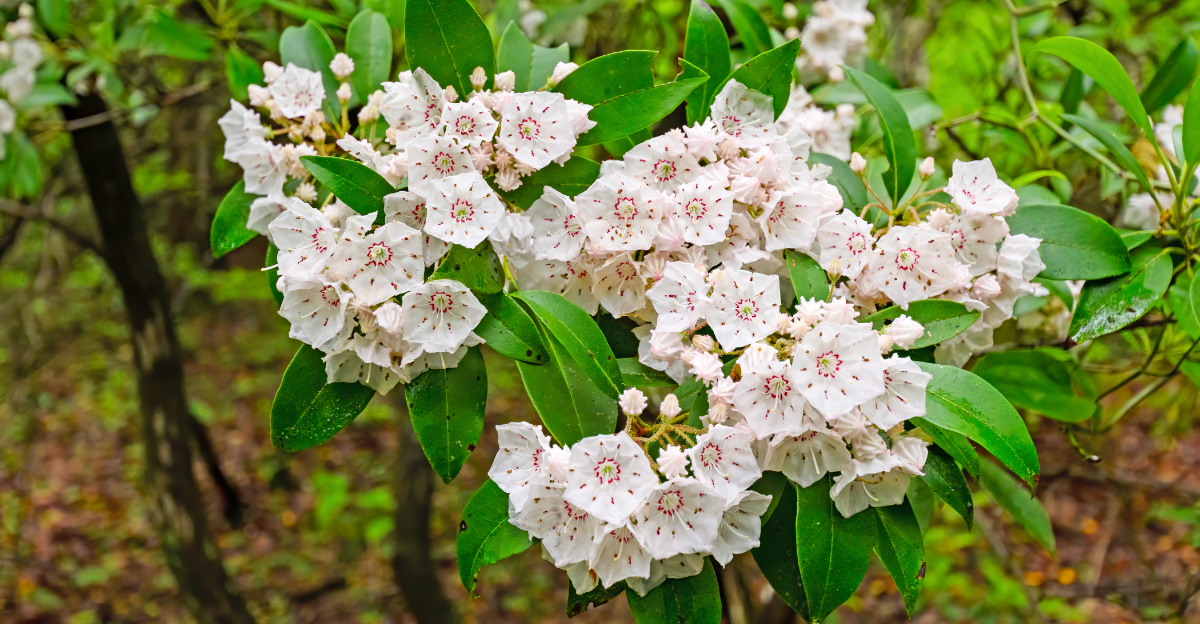
Its distinctive cupped blooms, ranging from soft white to deep rose pink, appear across hillsides and woodland edges every May and June, turning ordinary landscapes into something truly memorable.
Mountain Laurel, known scientifically as Kalmia latifolia, is native to the eastern United States and grows abundantly throughout Pennsylvania’s forests, ridges, and shaded slopes. You will find it thriving naturally in the state’s central and eastern regions, often forming thick, lush understory layers beneath oak and pine trees.
That natural familiarity with the local environment is exactly what makes it such a smart choice for home landscapes.
Planting a native shrub like this connects your yard to the broader Pennsylvania ecosystem. It tells a story rooted in the land itself.
Whether you live near the Pocono Mountains, the Susquehanna Valley, or the rolling farmlands of Chester County, this iconic shrub fits right in. Choosing Mountain Laurel is not just a landscaping decision, it reflects a plant that is closely tied to Pennsylvania’s natural landscapes and growing conditions.
2. A True Native That Fits Pennsylvania Landscapes Naturally
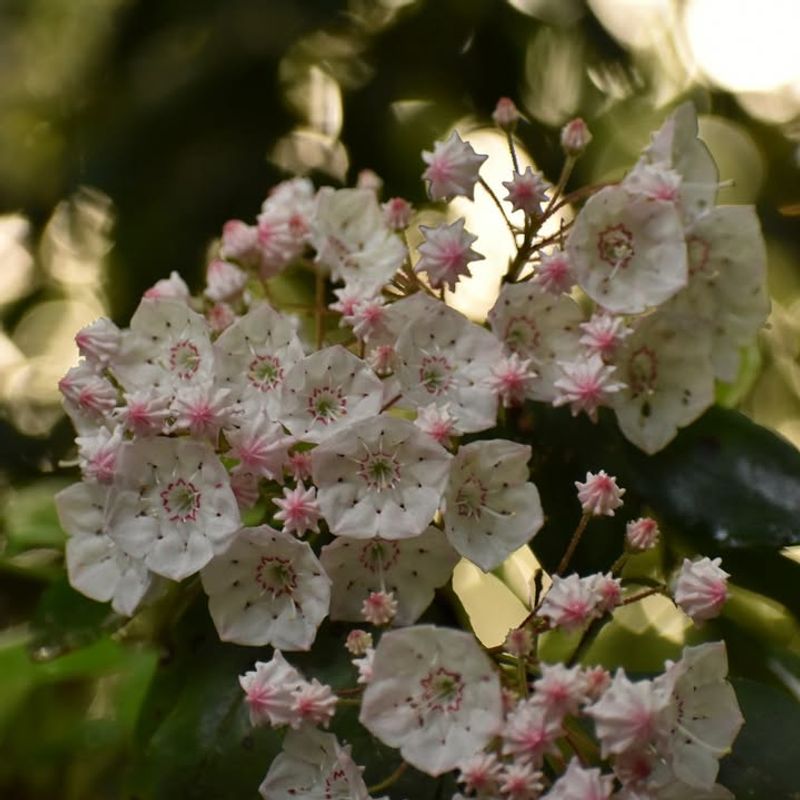
Planting something that actually belongs in your region makes a noticeable difference, and Mountain Laurel proves that point beautifully. Unlike many popular ornamental shrubs sold at garden centers, this plant evolved right alongside Pennsylvania’s native trees, soils, and climate.
That long history of adaptation means it knows exactly how to handle what Pennsylvania throws at it, including cold winters, humid summers, and everything in between.
Non-native shrubs often struggle to establish themselves without extra fertilizers, soil amendments, or heavy watering schedules. Mountain Laurel skips most of that fuss.
Because it is adapted to the region’s conditions, it may establish with less intervention compared to some non-native shrubs, though care is still important during establishment. Once it finds a spot it likes, it tends to stay healthy and grow steadily over the years without constant attention.
Across Pennsylvania, native plant gardening has been gaining popularity as more homeowners recognize the value of working with nature rather than against it. Organizations like the Pennsylvania Horticultural Society and local native plant nurseries actively encourage residents to choose plants like Mountain Laurel for their yards.
Your Pennsylvania Garden Changes Every Week. Your Plan Should Too.
Gardening in Pennsylvania changes quickly throughout the season. Every Friday you’ll receive a simple weekly plan showing exactly what to plant, prune, fertilize, harvest, and protect so you never miss the right timing.
When your garden reflects the natural plant communities that have existed in this region for thousands of years, it creates a sense of place that no imported ornamental can quite replicate. That rootedness is something genuinely worth celebrating in any Pennsylvania yard.
3. Evergreen Foliage That Keeps Yards Looking Full Year Round
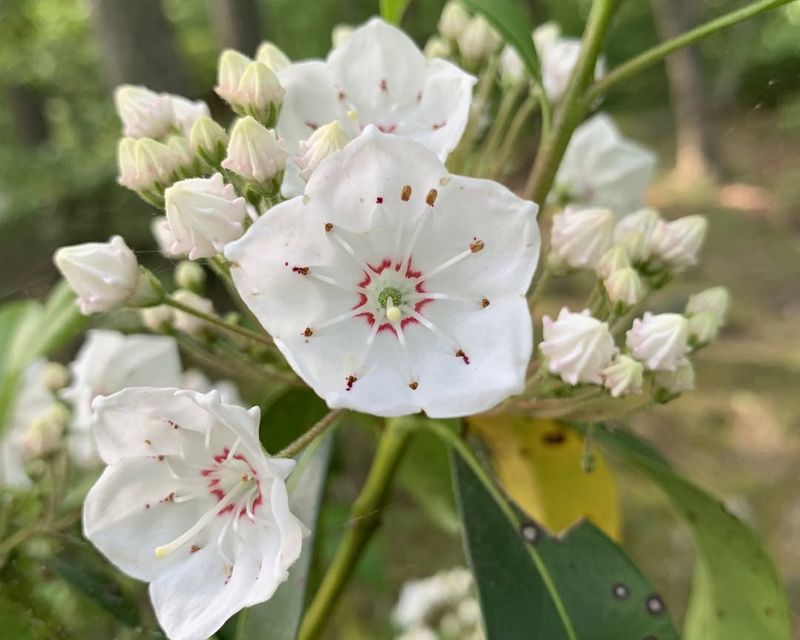
One of the most practical things about Mountain Laurel is something you notice most in the middle of January. While most other shrubs in a Pennsylvania yard have dropped every last leaf and look like bare sticks poking out of frozen ground, Mountain Laurel stays lush, green, and full.
Its thick, glossy leaves hold their deep green color through the coldest months, giving your yard structure and visual life when everything else has gone dormant.
Evergreen foliage is genuinely valuable in Pennsylvania’s climate, where winters can stretch from November well into March. Having a shrub that keeps its leaves means your yard never looks completely empty or neglected during those gray, cold months.
Mountain Laurel creates a reliable backbone in the landscape that other seasonal plants can be arranged around throughout the rest of the year.
Beyond winter appeal, those dark green leaves provide a beautiful contrast to the colorful blooms of spring and the warm tones of fall foliage. The leaves themselves are smooth and slightly leathery, which gives the plant a polished, tidy appearance without requiring any trimming or grooming on your part.
For Pennsylvania homeowners who want year-round structure in the landscape, the evergreen nature of Mountain Laurel is a useful quality, though appearance can vary with site conditions.
4. Unique Spring Blooms That Stand Out In Any Yard
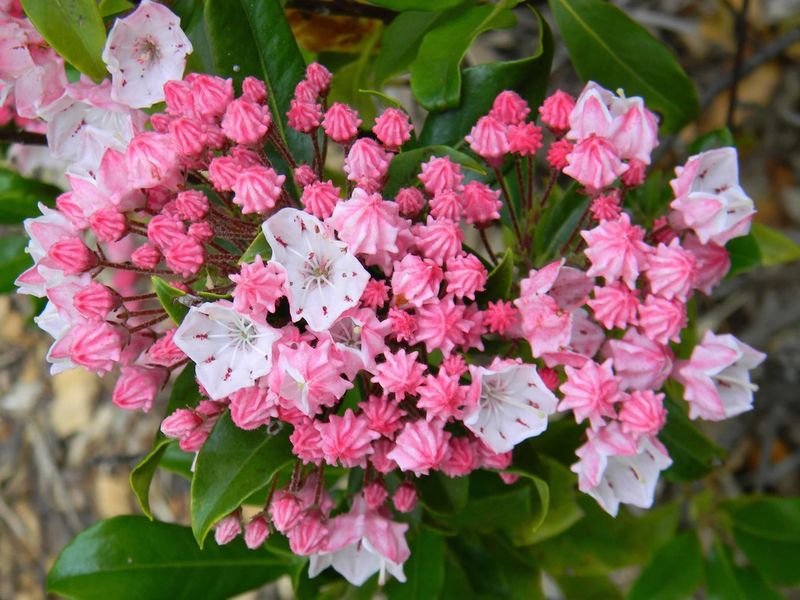
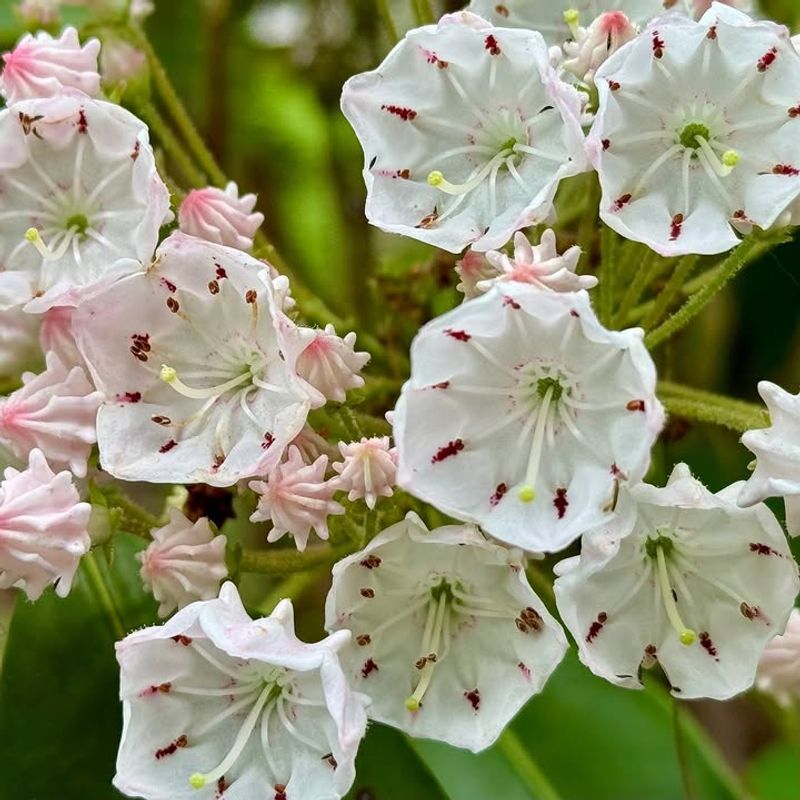
There is something almost architectural about a Mountain Laurel flower. Look closely at one of those small, star-shaped cups and you will notice the intricate pattern of stamens tucked inside, bent back like tiny springs ready to release pollen when a bee lands.
Few native shrubs in Pennsylvania offer this kind of up-close visual complexity, and it makes Mountain Laurel genuinely exciting to observe during bloom season.
Flowering typically happens between late May and mid-June across most of Pennsylvania, though timing can vary slightly depending on elevation and location. The blooms appear in large, showy clusters called corymbs, and a single mature plant can be absolutely covered in flowers during peak bloom.
Colors range from pure white and soft pink to deeper rose shades, and some cultivated varieties offer even more vivid color options for gardeners who want a specific look.
Spring in Pennsylvania is already a beautiful season, with dogwoods, redbuds, and wildflowers all competing for attention. Mountain Laurel joins that chorus right as many of those early bloomers are fading, effectively extending the season of color in your yard by several weeks.
Neighbors and visitors often stop to admire it, and it photographs beautifully whether you are snapping casual pictures or documenting your garden’s progress. Mountain Laurel offers distinctive seasonal interest and can perform well when planted in suitable conditions.
5. Well Suited To Pennsylvania Soil And Woodland Conditions
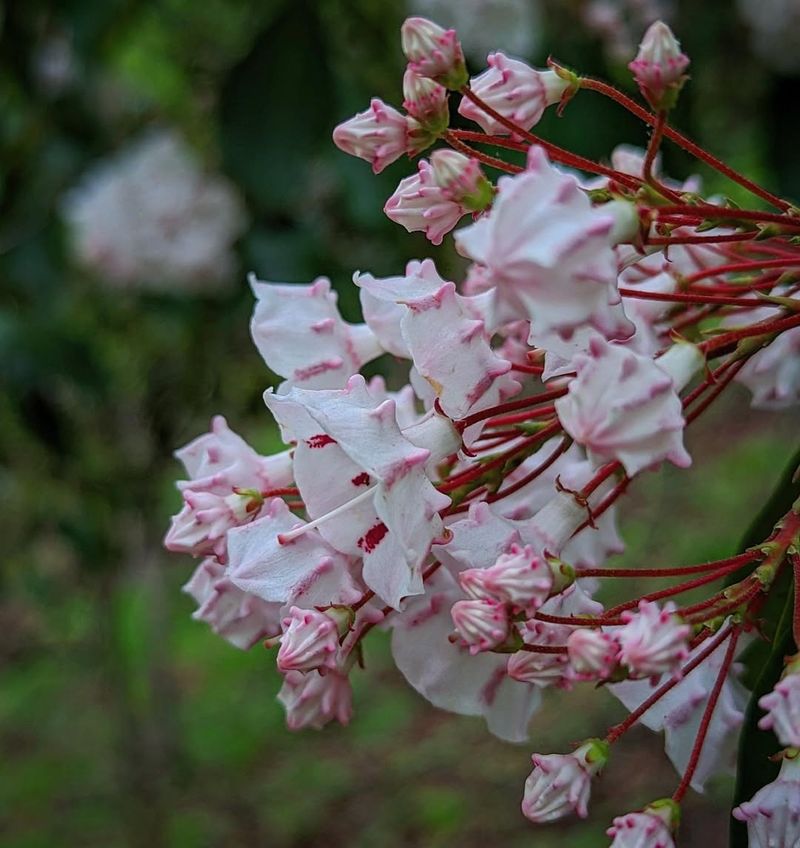
Pennsylvania’s native soils tend to be naturally acidic, especially in the eastern and central parts of the state where sandstone and shale bedrock influence soil chemistry. Many popular garden shrubs actually struggle in these conditions and require lime or other soil treatments to survive.
Mountain Laurel prefers acidic soil, typically in the range of about 4.5 to 6.0, which aligns well with many Pennsylvania soils, though local conditions can vary.
Beyond soil chemistry, Mountain Laurel thrives in the kind of partially shaded, woodland-edge conditions that are incredibly common in Pennsylvania yards. If you have mature trees casting dappled shade, or a property that backs up to a wooded area, you have practically ideal growing conditions for this shrub.
It does not demand full sun like many flowering plants, making it one of the better options for those trickier shaded corners of the yard.
Good drainage is helpful, but Mountain Laurel also tolerates somewhat rocky or sloped ground, which is common across much of Pennsylvania’s hilly terrain. Gardeners in the Poconos, the Laurel Highlands, and the Ridge and Valley region will find this plant especially well adapted to their specific local conditions.
Rather than fighting your yard’s natural character, planting Mountain Laurel means working with it, and that always leads to better long-term results for Pennsylvania homeowners.
6. Low Maintenance Once Established In The Right Spot
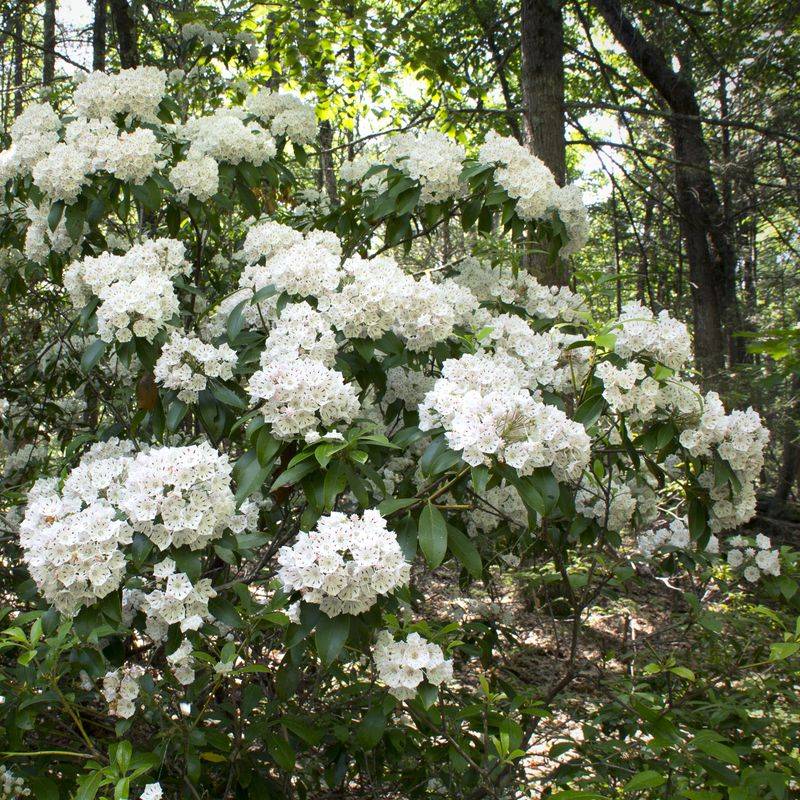
Ask any experienced Pennsylvania gardener what they love most about Mountain Laurel, and low maintenance usually comes up quickly. Getting the plant established does require some patience, since Mountain Laurel grows slowly in its first couple of years.
But once it has settled in and developed a solid root system, it becomes remarkably self-sufficient in a way that many other flowering shrubs simply are not.
Regular deep watering during the first growing season helps the roots get established, and a layer of organic mulch around the base keeps moisture in and competing weeds out. After establishment, supplemental watering needs are usually lower, though additional watering may still be needed during dry periods.
Fertilizing is generally unnecessary if the soil pH is already in the right range, and heavy pruning is almost never required because Mountain Laurel maintains a naturally attractive shape on its own.
Pest and disease problems are relatively uncommon when the shrub is planted in the right conditions. Good air circulation and well-drained soil go a long way toward keeping it healthy year after year.
Removing spent flower clusters after blooming can encourage slightly better flowering the following season, but even that task is completely optional rather than essential. For busy Pennsylvania homeowners who want a beautiful, reliable shrub without dedicating every weekend to garden maintenance, Mountain Laurel is genuinely hard to beat as a long-term landscape investment.
7. Supports Pollinators And Local Ecosystems
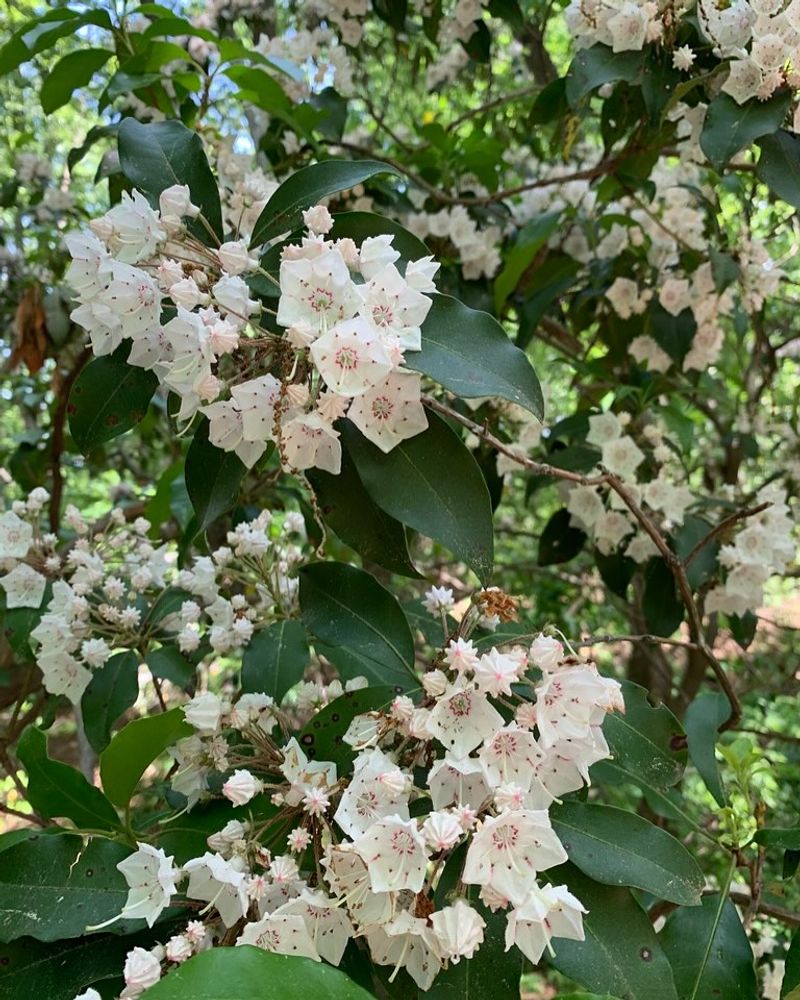
Mountain Laurel has a clever trick built right into its flower structure. Those bent stamens we mentioned earlier are actually a pollination mechanism.
When a bee lands on the flower and disturbs the stamens, they snap forward and dust the bee with pollen, which then gets carried to the next flower. Bumblebees, native bees, and other pollinators have co-evolved with this plant over thousands of years, making it a genuinely important part of Pennsylvania’s ecological web.
Beyond pollinators, Mountain Laurel provides dense cover that small birds and mammals use for shelter and nesting. The thick, layered branches create protected spaces that wildlife relies on, especially during Pennsylvania’s colder months when other vegetation has thinned out.
White-tailed deer tend to avoid it, which is a real bonus for Pennsylvania gardeners who have dealt with browsing damage on other plants.
Supporting native pollinators has broader benefits that reach well beyond your property line. Healthy pollinator populations contribute to the productivity of local farms, community gardens, and natural areas throughout Pennsylvania.
Every yard that includes native plants like Mountain Laurel becomes a small but meaningful habitat patch in a larger network of connected green spaces. Choosing this shrub is a simple, practical way to make your Pennsylvania yard part of something bigger, while still enjoying all the beauty and seasonal interest it brings to your own outdoor space.