The April Planting Rule In Georgia That Keeps Tall Crops From Blocking Sun
Some Georgia gardens look full of promise in April, but a few weeks later, something feels off. Plants that started strong begin to stretch, lean, or slow down, and it is not always clear why.
It is easy to assume it is the soil, the weather, or even the plant choice itself.
But often, the issue starts much earlier, right at planting time, in a way most people do not think twice about.
In Georgia, spring growth moves quickly, and small decisions made early can shape how everything performs once the heat settles in.
When things are set up with a little more intention, the whole garden feels easier to manage and more balanced as the season goes on.
There is a simple planting rule many gardeners overlook, and once it clicks, it changes how everything grows together.
1. The North-Side Planting Rule That Keeps Short Crops In Full Sun
Placement is everything in a Georgia garden, and getting it wrong can cost you an entire season of vegetables.
Tall crops planted on the wrong side of the garden cast long shadows across shorter plants, slowly starving them of the sunlight they need to grow strong and produce well.
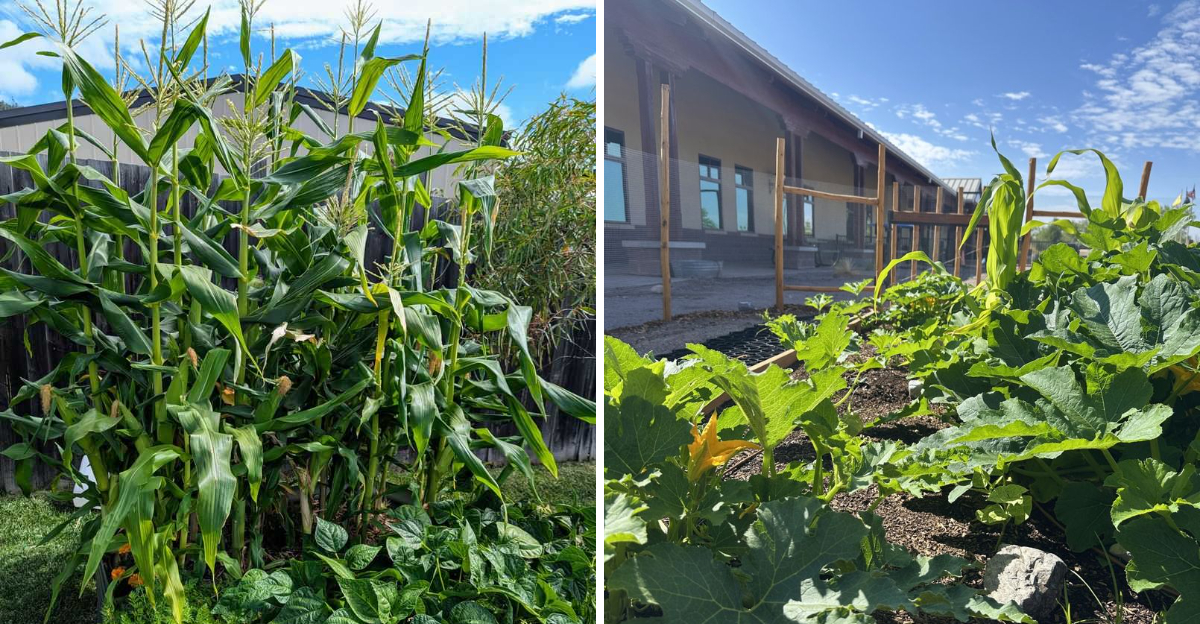
Putting tall plants like corn, okra, and pole beans on the north side of your garden is a simple fix that makes a massive difference. When tall crops grow on the north side, their shadows fall away from the shorter plants rather than over them.
Short crops on the south side stay in open sun from morning to evening without interruption.
Georgia’s sun angle in spring and summer means shadows from tall plants stretch toward the north. Using that natural sun direction to your advantage is exactly what the April planting rule is all about.
You are basically letting the sun do the work of keeping your layout organized.
Crops that once struggled in partial shade suddenly thrive when they finally get the full light they were always meant to receive. A small change in layout at planting time creates a big payoff by harvest season.
Sketching your garden before April arrives helps you commit to this layout before the first seed goes in the ground. Once plants are established, rearranging them is not really an option.
2. Group Tall Crops Together Instead Of Scattering Them
Scattering tall crops randomly across a garden might feel natural, but it creates a patchwork of shade that is almost impossible to manage. One corn plant here, a stalk of okra there, and suddenly your tomatoes and squash are getting blocked from multiple directions at once.
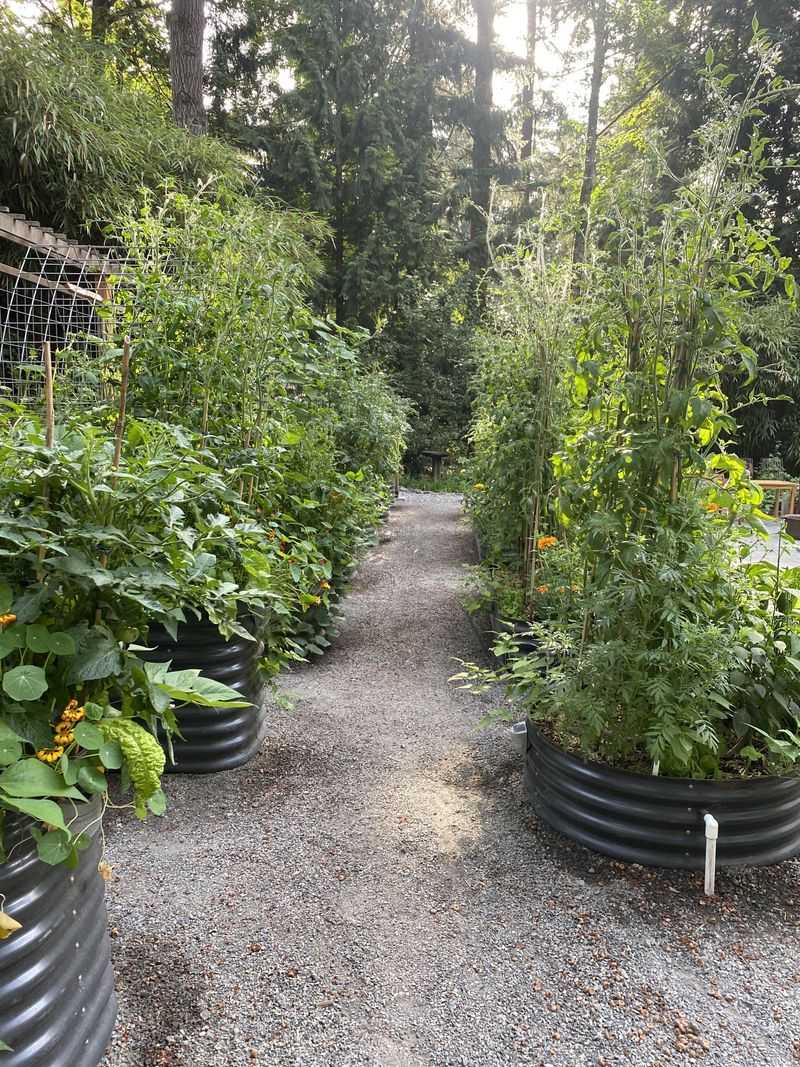
Grouping tall crops together in one dedicated section of your Georgia garden keeps the shade problem contained. Instead of spreading shadows across the whole plot, you end up with one concentrated shady zone and one wide-open sunny zone.
Short crops go in the sunny section, and everyone gets what they need.
April is the right time to think about this because tall crops need to go in the ground while the soil is warming up and conditions are right.
Your Georgia Garden Changes Every Week. Your Plan Should Too.
Gardening in Georgia changes quickly throughout the season. Every Friday you’ll receive a simple weekly plan showing exactly what to plant, prune, fertilize, harvest, and protect so you never miss the right timing.
Waiting too long to decide where your corn block or okra row will live means you might end up planting around already-established shorter crops, which forces you into a bad layout from the start.
Corn especially benefits from being grouped. Planting two or more rows of corn together also improves pollination since corn relies on wind to carry pollen from plant to plant.
Grouped corn blocks produce fuller ears with fewer gaps compared to a single lonely row.
Georgia extension specialists at UGA have long recommended this grouped approach for home vegetable gardens. It keeps your layout clean, your sunlight well distributed, and your harvest far more predictable.
A little planning in April pays off every week through the growing season.
3. Keep Short Crops On The South Side For Maximum Light
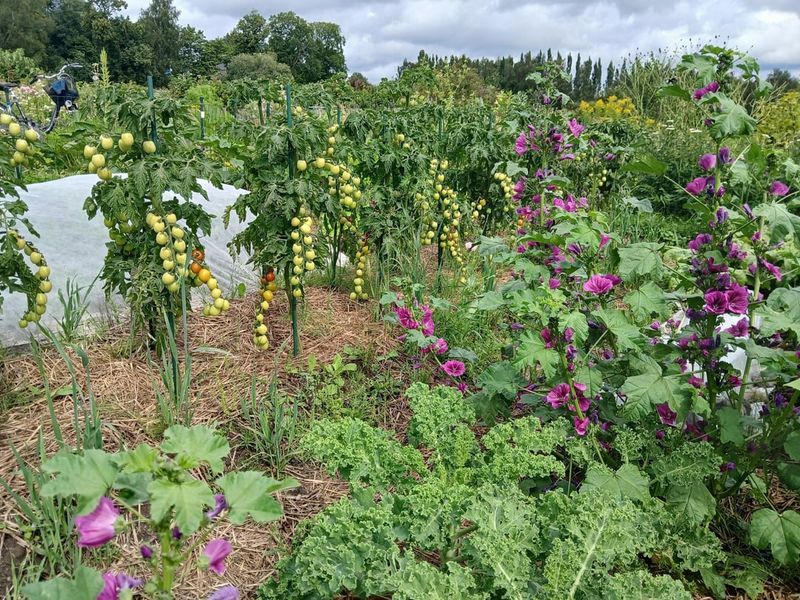
Short crops are sun lovers, plain and simple. Lettuce, carrots, peppers, radishes, and most herbs need consistent direct sunlight to grow the way they should, and placing them on the south side of your garden gives them exactly that.
South-facing garden sections in Georgia receive the most reliable and longest-lasting sunlight throughout the day.
Even as the sun shifts across the sky from east to west, a south-side position keeps shorter plants out of the shadow zone created by taller neighbors.
It is one of those simple gardening decisions that feels almost too easy once you understand the logic behind it.
Gardeners who have spent a few seasons in Georgia quickly learn that the sun angle here is different from northern states. Georgia’s latitude means the sun rides higher in the sky during summer, but the north-to-south shadow rule still holds strong.
Taller plants will always cast their longest shadows toward the north, so shorter crops on the south side stay clear.
Peppers are a perfect example of a crop that rewards you for getting this right. Peppers planted in consistently full sun produce more fruit and ripen faster than those stuck in partial shade.
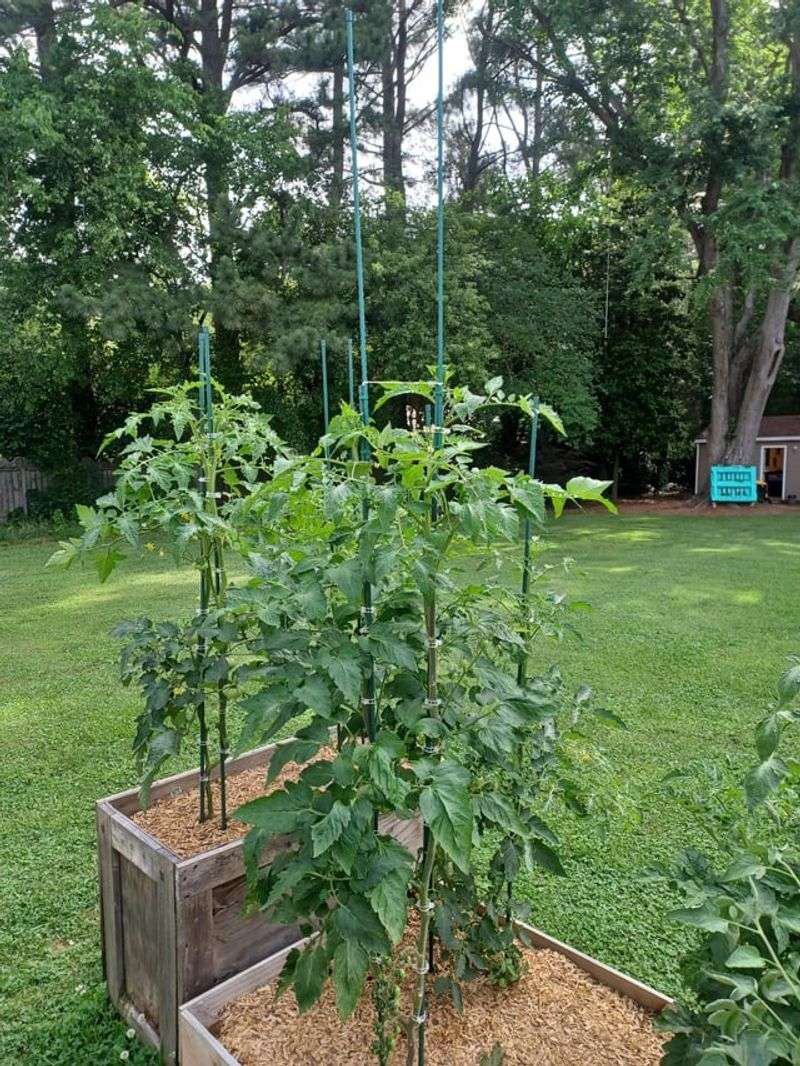
Tomatoes behave the same way, developing better color and flavor when they get uninterrupted light.
Mapping out your south-side section before April planting begins is a habit worth building. Walk your garden on a clear day, notice where the sun falls longest, and mark that as your short-crop zone before anything goes in the ground.
4. Plant Corn In Blocks Instead Of A Single Row
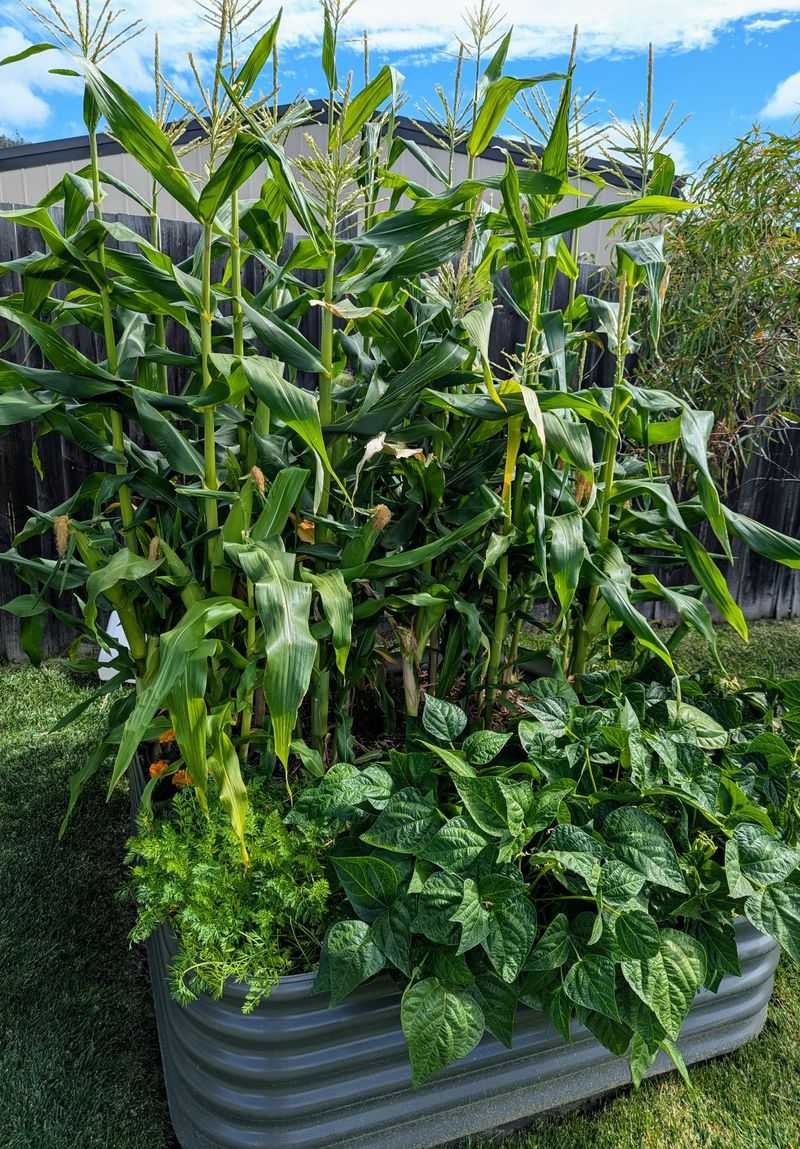
A single row of corn is one of the most common beginner mistakes in Georgia gardens, and it causes two problems at the same time. First, a single row creates a long wall of shade that cuts right across the garden.
Second, pollination suffers badly because corn needs pollen from nearby plants to fill out each ear properly.
Planting corn in a block formation, with at least two or three rows side by side, solves both issues at once. A block of corn concentrates the shade in one area instead of slicing through the whole garden, and the compact layout helps wind carry pollen between plants much more effectively.
Fuller ears with fewer missing kernels are the direct result.
In Georgia, corn goes in during April when soil temperatures are consistently warm enough to support germination. Blocks of corn planted at this time take advantage of spring warmth and get a strong start before summer heat arrives.
Timing the block planting correctly is just as important as the layout itself.
Spacing inside the block matters too. Corn plants need about twelve inches between each plant within the row, with rows spaced roughly thirty inches apart.
Tight enough to encourage good pollination, but not so crowded that airflow suffers and disease pressure increases.
Georgia gardeners who switch from single rows to block planting almost always notice the difference by harvest time. More complete ears, better yields, and a neater garden layout that keeps the sun working in your favor throughout the season.
5. Leave Space Between Rows So Sunlight Reaches Lower Leaves
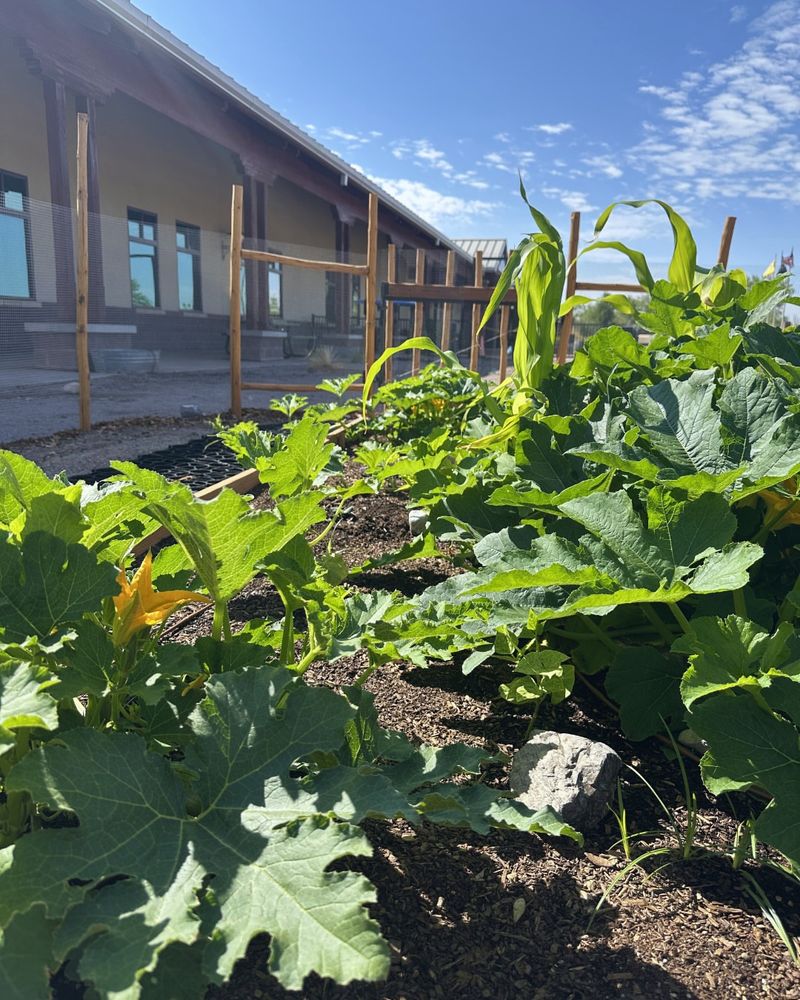
Crowded rows might look productive at first glance, but they create a shading problem that starts from the ground up.
When plants are packed too tightly together, the lower leaves get cut off from sunlight, and those leaves are important for photosynthesis and overall plant health.
Row spacing in a Georgia garden should give sunlight a clear path to reach the base of each plant throughout the day. Wider spacing between rows allows morning and afternoon sun to angle in low and hit leaves that would otherwise be permanently shaded.
Plants that receive light all the way down their stems tend to be stronger, more disease-resistant, and more productive overall.
Okra, corn, and pole beans are the biggest offenders when it comes to shading their own lower growth. These crops grow tall fast, especially in Georgia’s warm April and May conditions.
Getting the row spacing right before they shoot up is far easier than trying to compensate later in the season.
A good rule of thumb is to space rows wide enough that you can walk between them comfortably without brushing against the plants on either side.
That amount of space is usually enough to let sunlight penetrate from the sides during morning and evening hours when the sun sits lower in the sky.
Row spacing also improves air circulation, which reduces the chance of fungal problems in Georgia’s humid summer climate. Giving plants room to breathe keeps the whole garden healthier from April all the way through late summer harvest.
6. Arrange Rows To Prevent Taller Crops From Casting Shade
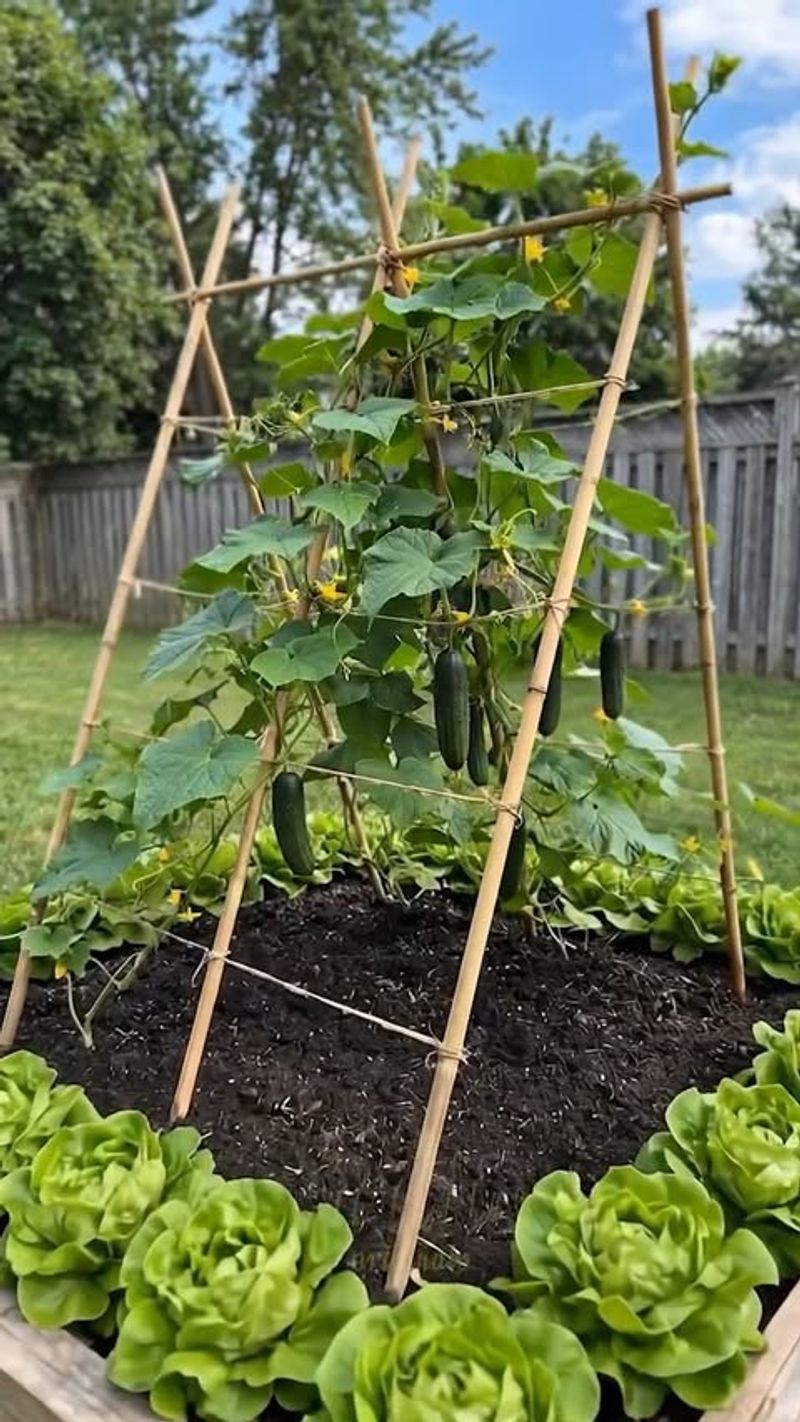
Row direction is a detail that many Georgia gardeners overlook until they notice that half their garden is in shadow by midday. Running rows from north to south instead of east to west is one adjustment that keeps tall crops from blocking sun as the day progresses.
North-to-south row orientation means that as the sun moves from east to west, each plant in a row gets exposed to direct light at some point during the day. East-to-west rows, on the other hand, can leave an entire row permanently shaded by the row directly in front of it.
For tall crops especially, that arrangement can create a solid wall of shade right across the garden.
Georgia’s growing season is long, and the sun angle shifts noticeably between April and August. Designing your row arrangement to work well across the whole season rather than just at planting time takes a little more thought, but it pays off consistently.
Rows that work in April will still be working well in July when crops are at full height.
Thinking about row direction alongside crop height makes the whole layout decision easier. Tall crops running north to south on the north edge of the garden create minimal interference for shorter plants growing in the rows south of them.
Short crops running north to south in their own section get even light distribution throughout the day.
Spending an afternoon in early April walking your garden space and watching how shadows move across it is genuinely useful. Seeing it in real time helps you make smarter row arrangement decisions before a single seed goes in.
7. Plan Spacing Early So Tall Crops Don’t Crowd Out Smaller Plants
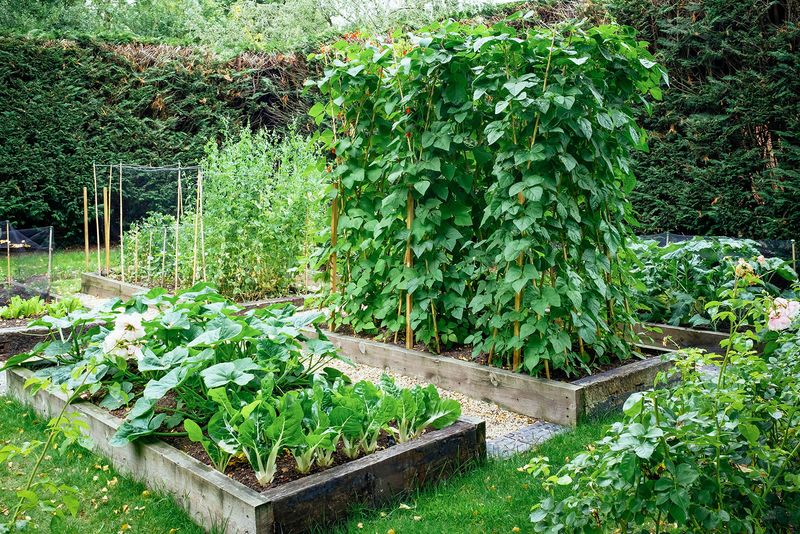
April planning is not just about what to plant — it is about how much room every crop needs before it reaches full size.
Tall crops like okra, pole beans, and corn can grow surprisingly fast in Georgia’s warm spring soil, and they will absolutely crowd out smaller plants if spacing is not decided in advance.
Crowding happens gradually, which makes it easy to miss until the damage is already done. A small okra transplant in April looks harmless next to a row of pepper plants.
By June, that same okra plant can be six feet tall and wide enough to shade three or four pepper plants completely. Planning the distance between them at the start prevents a situation that cannot be fixed mid-season.
Horizontal spread matters just as much as height. Corn stalks develop large leaves that extend outward and can overlap with neighboring rows if spacing is too tight.
Giving tall crops enough lateral room keeps their canopy from reaching over into the short-crop section of the garden.
Writing down your spacing plan before April planting begins is a habit that experienced Georgia gardeners swear by. Even a rough sketch on paper showing which crops go where, and how far apart each section sits, keeps you from making impulsive decisions on planting day that you will regret later.
Seed packets and UGA Extension planting guides both list recommended spacing for common Georgia vegetables.
Using those numbers as a starting point and adjusting slightly for your specific garden size gives you a reliable framework that protects every plant from the start.