8 Warm-Season Annuals You Can Start Planting In Georgia This April
By April, Georgia gardens start shifting into a different rhythm. The cooler days begin to fade, the soil warms up, and planting starts to feel a lot more promising.
It is the moment when empty spots in beds and containers finally start calling for something new.
Some plants handle this transition better than others. While a few still struggle with early changes, others take off as soon as they hit the ground, filling in quickly and bringing steady color as the weeks go on.
This is also when timing makes a noticeable difference. Getting certain plants started now helps them settle in before the stronger heat shows up and changes the pace of everything again.
With the right choices, it becomes easier to keep things looking full and active without constantly reworking the same areas as the season moves forward.
1. Zinnias Can Be Planted In April Once Soil Warms
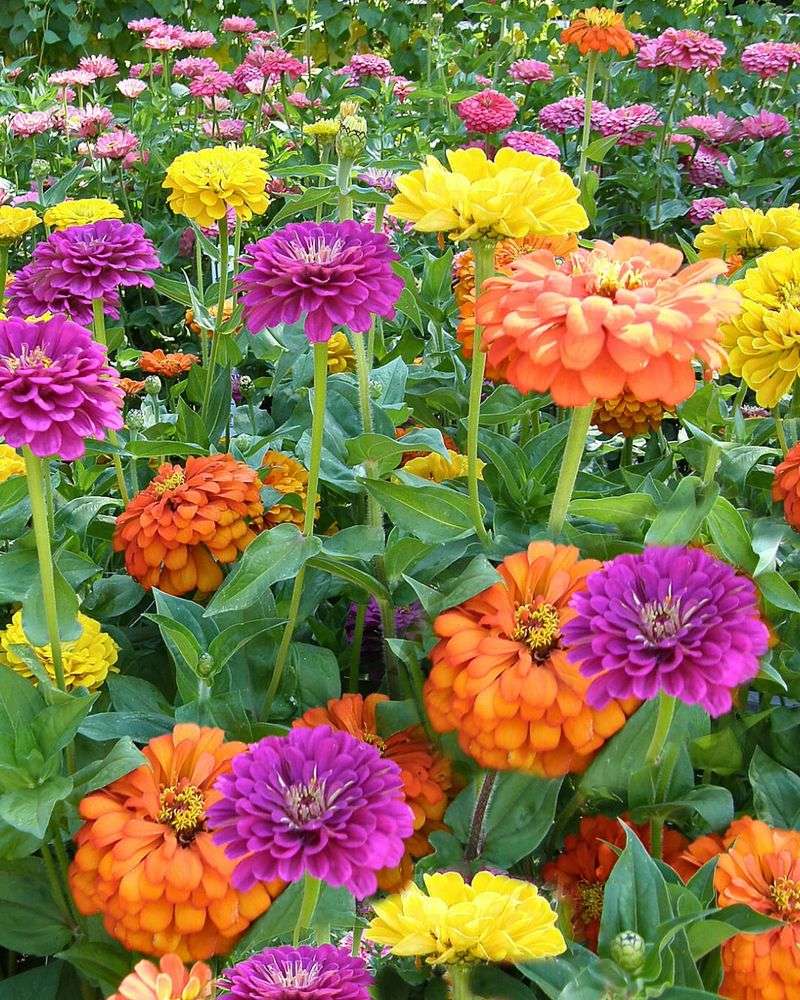
Zinnias are one of the most rewarding flowers you can grow in Georgia, and April is exactly when the timing starts working in your favor. Soil temperature is the key factor here — zinnias want the ground at 60°F or warmer before seeds go in.
Stick a soil thermometer a couple of inches down; if you are gardening in central or south Georgia, you will likely hit that mark by early to mid-April.
Direct seeding is the way to go with zinnias. Skip the transplants if you can, because zinnias do not love having their roots disturbed.
Press seeds about a quarter inch into loose, well-drained soil, water gently, and expect germination in about a week. Thin seedlings to eight to twelve inches apart once they sprout so air can move freely between plants.
Full sun is non-negotiable — at least six hours daily, and more is better. Zinnias planted in partial shade tend to get leggy and produce fewer blooms.
Georgia summers can get brutally hot, but zinnias actually push harder in the heat rather than slowing down. Deadhead spent blooms regularly to keep new flowers coming through August and beyond.
Butterflies and bees will visit constantly, turning your garden into a lively, buzzing spot all season long.
Zinnias take off once the soil warms up, and April is the perfect moment to get seeds in the ground across Georgia.
With full sun and a little space to breathe, they keep blooming strong while drawing in butterflies and bees all season long.
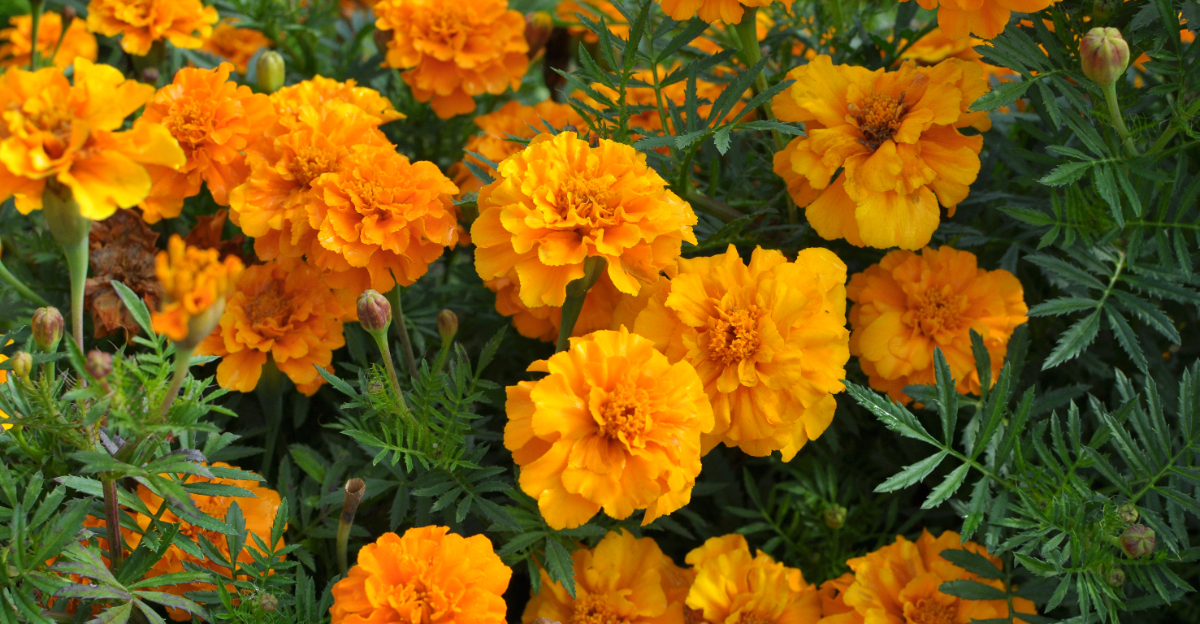
2. Marigolds Grow Quickly From Transplants In Spring
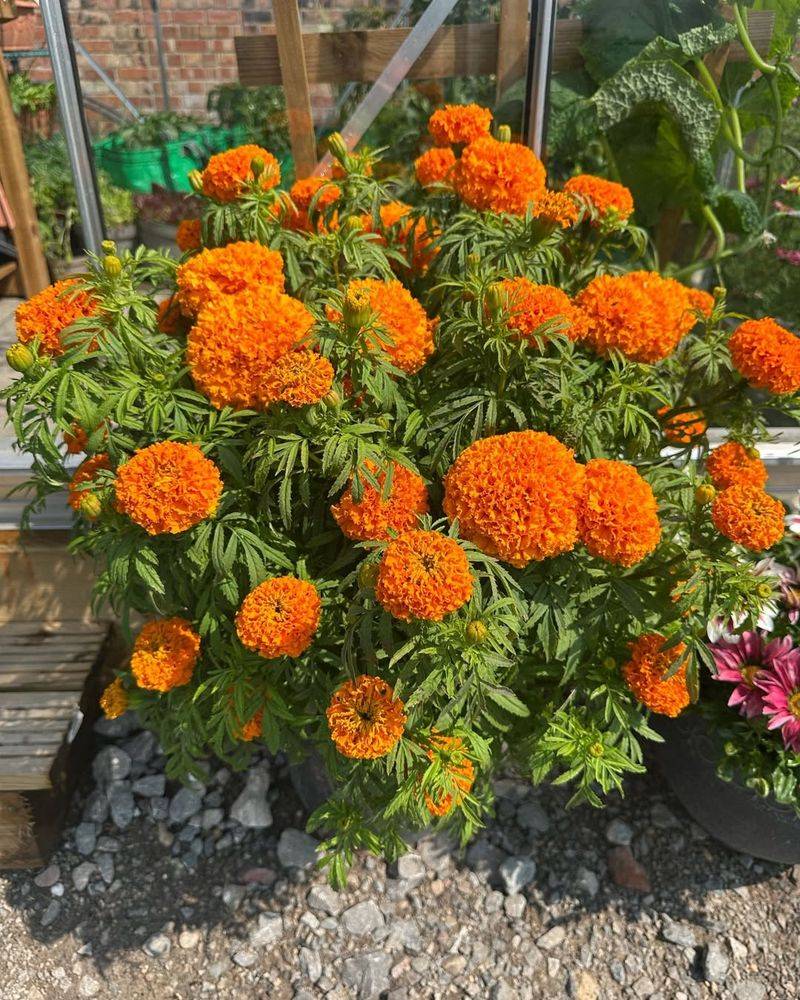
Grab a six-pack of marigold transplants from any garden center right now and you could have blooms within two to three weeks — that kind of fast turnaround is hard to beat in April. Marigolds are tough, cheerful, and incredibly useful in a Georgia garden.
Plant them near tomatoes, peppers, or squash and they help confuse certain pests that would otherwise move straight for your vegetables.
French marigolds stay compact and bushy, making them perfect for border edges or container arrangements. African marigold varieties grow taller and produce bigger blooms, great for cutting and bringing indoors.
Your Georgia Garden Changes Every Week. Your Plan Should Too.
Gardening in Georgia changes quickly throughout the season. Every Friday you’ll receive a simple weekly plan showing exactly what to plant, prune, fertilize, harvest, and protect so you never miss the right timing.
Both types handle Georgia’s spring warming period without complaint, and they get stronger as temperatures rise into summer.
Spacing matters more than people realize. Crowding marigolds leads to poor airflow and fungal problems, especially during Georgia’s humid summer months.
Give French types about eight inches of space and African varieties closer to twelve. Water at the base rather than overhead to keep foliage dry.
Feed with a balanced fertilizer every few weeks to support continuous blooming. Marigolds planted in April in Georgia typically bloom straight through the first cool snap of fall, giving you nearly six months of color from a single planting.
Few other annuals offer that kind of return for the effort you put in.
3. Cosmos Can Be Direct Sown After Frost Risk Passes
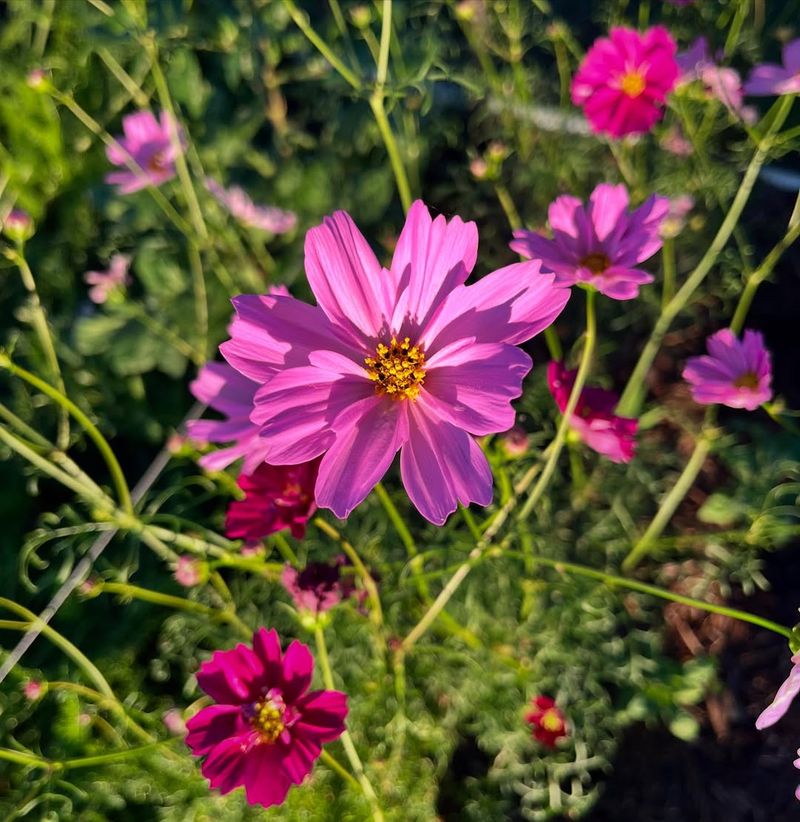
Scatter cosmos seeds across a sunny patch of ground in April and watch what happens — within two weeks, feathery little seedlings pop up like magic. Cosmos are one of the easiest flowers to direct sow in Georgia, and they actually prefer being planted right in the ground rather than started in pots.
Once frost risk drops off in your area, usually by early to mid-April depending on where you are in the state, you are ready to go.
Poor soil is not a problem for cosmos — in fact, overly rich soil causes them to grow huge amounts of foliage with very few flowers. Skip the heavy fertilizing and let them work in average, well-drained ground.
Scratch the seeds lightly into the soil surface and keep the area moist until germination. After that, cosmos are pretty independent and do not need constant attention.
Heights vary by variety, so check the seed packet before planting. Shorter types work well at the front of a bed, while tall varieties like Sensation mix can reach four feet and look stunning at the back of a border.
Cosmos bloom from midsummer through fall in Georgia, attracting butterflies in impressive numbers. Letting a few plants go to seed at the end of the season means you may find volunteer seedlings coming up on their own next spring without doing a thing.
4. Sunflowers Germinate Fast In Warm Spring Soil
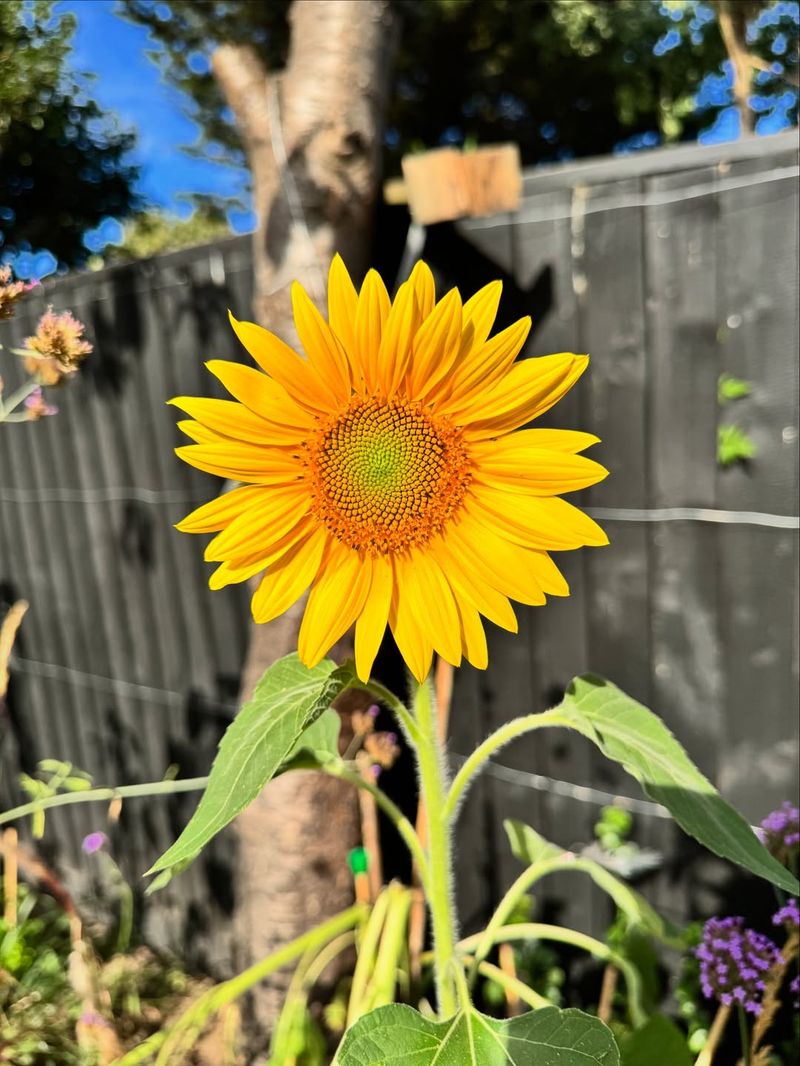
Plant sunflower seeds in Georgia in April and you will be amazed at how fast they respond. Warm soil triggers quick germination — sometimes in as few as five to seven days — and those thick little seedlings push up with real energy.
Choose a spot with full sun and as much open space as possible, because sunflowers do not like competing with nearby plants for light or root room.
Depth matters when planting sunflower seeds. Push each seed about an inch into the soil, water it in well, and step back.
Overwatering at this stage causes more problems than underwatering. Once seedlings are a few inches tall, thin them so each plant has at least twelve inches of breathing room.
Taller varieties like Mammoth need even more space — up to two feet between plants.
Georgia gardeners planting in April can expect blooms by late June or July, depending on the variety. Branching types produce multiple flowers per plant and keep blooming for weeks.
Single-stem varieties produce one large head and finish faster, but the size of those blooms is hard to argue with. Birds, bees, and butterflies all find sunflowers irresistible.
After blooming, leave the seed heads in place if you want to attract goldfinches and other seed-eating birds to your yard through late summer and into early fall.
5. Celosia Handles Rising Temperatures And Early Planting
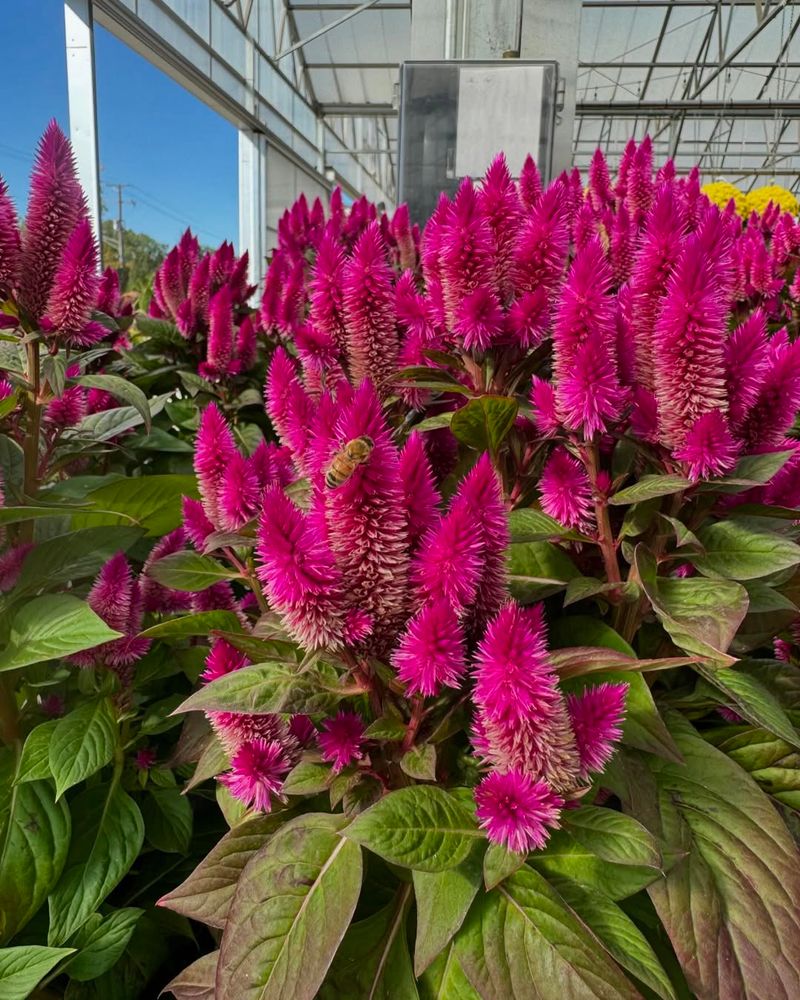
Celosia is one of those flowers that looks almost too exotic to be easy to grow, but it is surprisingly forgiving once you understand what it wants. Warm soil and plenty of sun are the two big requirements — and Georgia in April delivers both.
Soil temperatures above 60°F get seeds germinating reliably, or you can set out transplants from a garden center once nighttime lows stay consistently above 50°F.
There are two main types worth knowing. Plumed celosia produces feathery, flame-shaped blooms in red, orange, yellow, and pink.
Crested celosia, sometimes called cockscomb, has the distinctive brain-like flower head that is instantly recognizable. Both types handle Georgia’s climbing spring temperatures without fuss and actually bloom more intensely as summer heat builds.
Spacing plants about ten to twelve inches apart gives roots room to spread and reduces humidity-related issues between plants. Water consistently but avoid soggy soil — celosia does not appreciate sitting in water for extended periods.
Deadheading encourages more blooms, though some gardeners leave spent flowers in place to collect seeds for next year. Celosia works well in containers, raised beds, or traditional garden borders throughout Georgia.
Cut flowers last well in a vase, sometimes over a week, which makes celosia a practical choice for anyone who enjoys bringing garden blooms indoors through the long Georgia summer season.
6. Portulaca Thrives As Conditions Start Warming Up
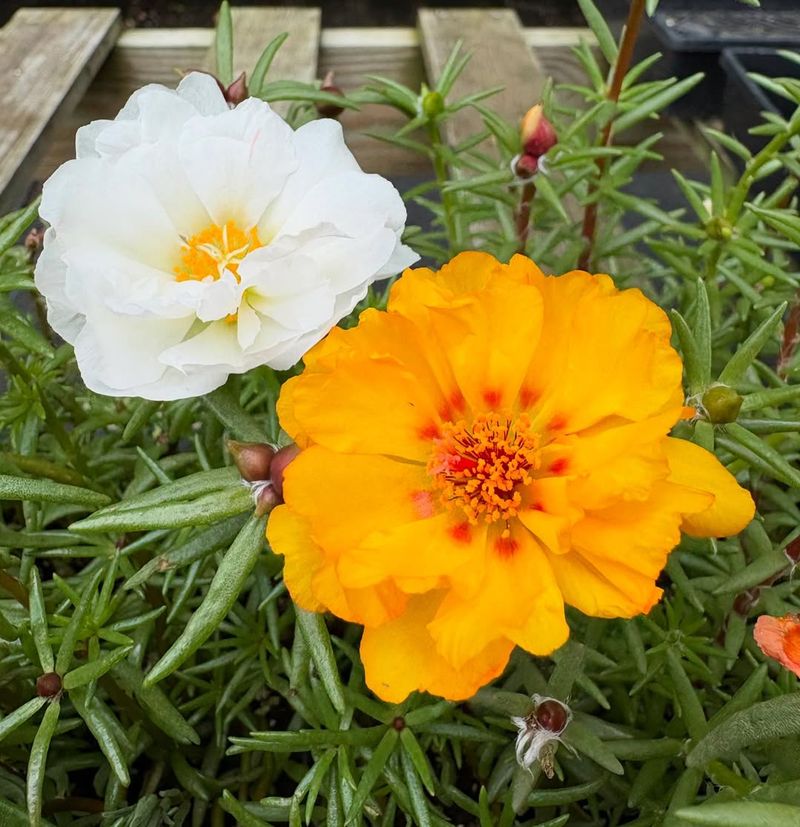
Hot, dry, and sandy — portulaca actually wants the conditions that stress out most other flowers. In Georgia, where summer heat can be relentless and some garden spots get baked by afternoon sun, portulaca fills a role that very few other annuals can handle.
Planting in late April works well across most of Georgia, once the soil has warmed and nights are no longer dropping into the 40s.
Portulaca seeds are tiny, almost dust-like, so mixing them with a small amount of sand before broadcasting helps you get more even coverage. Press seeds gently onto the soil surface without covering them — they need light to germinate.
Germination takes about ten to fourteen days. Transplants from a garden center skip that waiting period and establish quickly in warm April soil.
Sandy or rocky soil that drains fast is where portulaca performs best. Rich, moisture-retaining soil actually causes problems, leading to floppy growth and fewer flowers.
Raised beds with gritty, lean soil or sloped garden areas that drain quickly are ideal spots. Blooms open fully in bright sunlight and close at night or on cloudy days, which surprises people the first time they see it happen.
Colors range from white to deep magenta, with plenty of salmon, yellow, and orange options available. Portulaca spreads gradually and fills gaps in sunny borders beautifully by midsummer.
7. Gomphrena Grows Well Once Nights Stay Mild
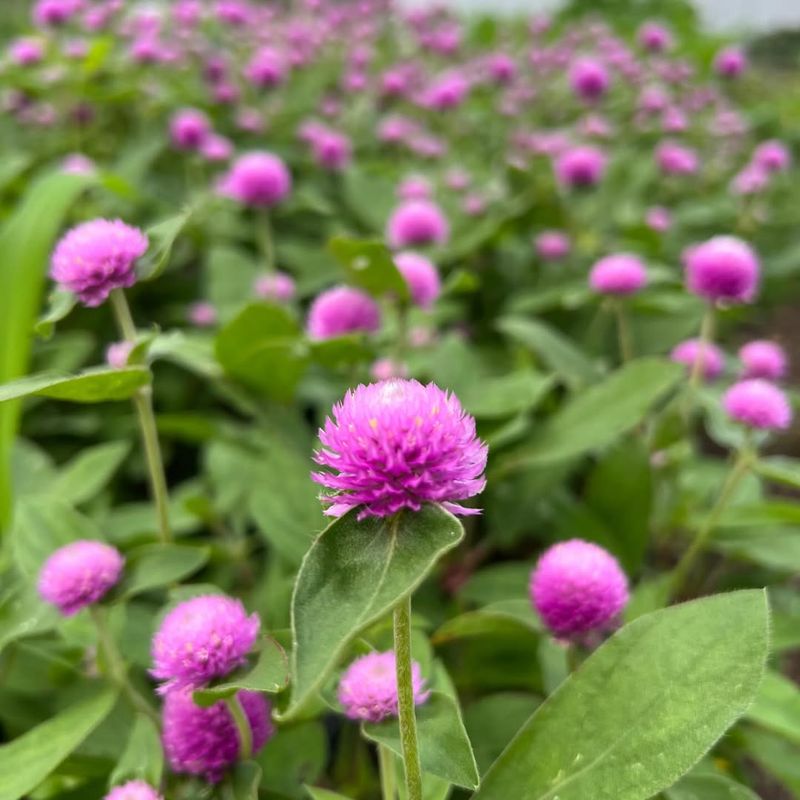
Not enough Georgia gardeners plant gomphrena, and that is a real missed opportunity. Globe-shaped blooms in purple, magenta, pink, white, and orange hold their color for weeks without fading — even in the kind of heat that wilts everything else in the yard by July.
April is the right month to get gomphrena started, particularly in central and south Georgia where nights warm up reliably by mid-month.
Seeds can be direct sown or transplants can go in once nighttime temperatures stay above 50°F. Gomphrena germinates slowly compared to zinnias or sunflowers, sometimes taking two to three weeks, so patience helps.
Transplants from a garden center get you to blooming faster if you want color before summer officially arrives.
Full sun is ideal, but gomphrena handles a bit of afternoon shade better than most warm-season annuals. Average, well-drained soil is plenty — no need to amend heavily before planting.
Space plants about twelve inches apart to give them room to branch out. Water regularly during the first few weeks, then back off once roots are established.
Cut stems for arrangements and the flowers dry beautifully, holding their color for months. Butterflies, especially skippers and swallowtails, visit gomphrena constantly throughout the Georgia summer.
Few annuals offer the combination of heat tolerance, long bloom time, and cut-flower usefulness that gomphrena quietly delivers season after season.
8. Vinca Tolerates Heat And Establishes In Late April
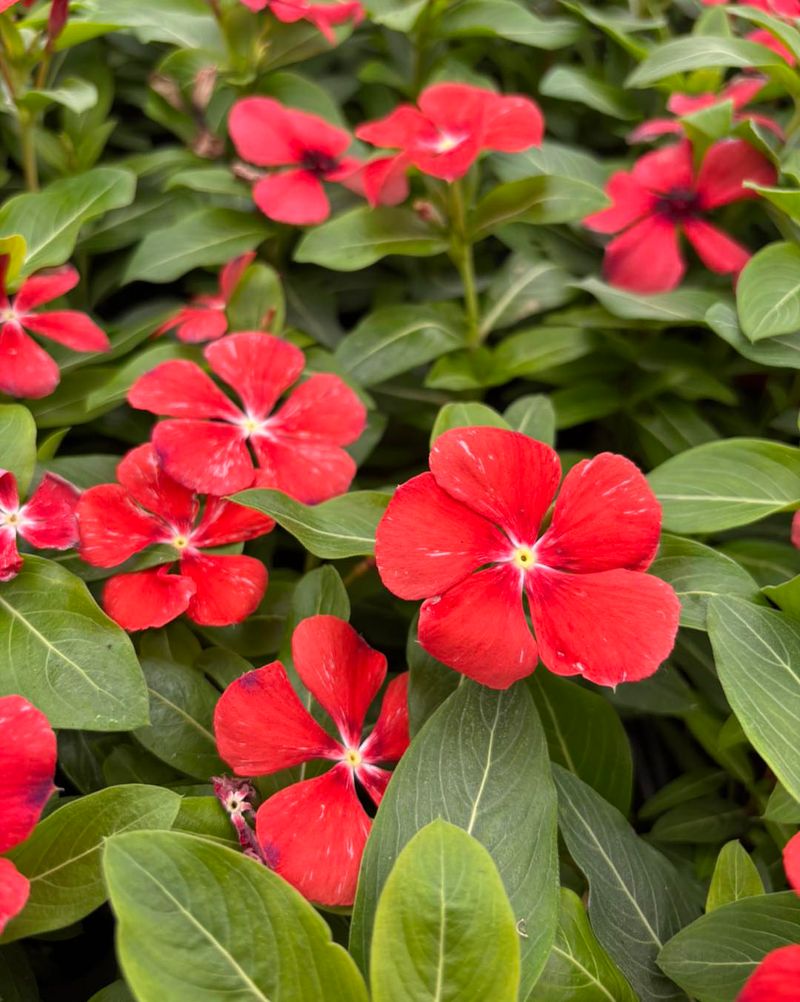
Vinca is one of the best choices for Georgia gardeners who want color without constant babysitting. Late April planting gives vinca time to settle in before the real summer heat arrives, and once roots are comfortable in warm soil, these plants become almost unstoppable.
Transplants are the practical choice here since vinca grown from seed takes a long time to reach blooming size.
Pick up transplants at any garden center in Georgia starting in mid to late April. Look for compact, bushy plants rather than tall, leggy ones — shorter transplants establish faster and bloom more evenly.
Plant in well-drained soil with full to partial sun exposure. Vinca does not appreciate wet feet, so avoid low spots in the yard where water pools after rain.
Colors include white, pink, red, lavender, and bi-color combinations, giving plenty of options for different garden designs. Plants grow eight to eighteen inches tall depending on the variety and spread nicely to fill garden beds without taking over.
Fertilize every three to four weeks with a balanced slow-release fertilizer to support continuous blooming through summer and fall. Vinca shrugs off Georgia’s intense July and August heat in a way that other popular annuals simply cannot match.
Roadside medians and commercial landscapes across Georgia rely on vinca for a reason — it delivers steady color through the toughest part of the season without skipping a beat.