8 Easy Ways To Keep Young Plants Protected From Wildlife In Arizona This April
Arizona gardens can look perfectly calm one day, then suddenly something feels off. A few leaves missing here, a stem snapped there, and those fresh new plants that were just settling in no longer look untouched.
It happens fast, especially in April, when everything is starting to grow and wildlife becomes more active at the same time.
If that sounds familiar, you are not the only one dealing with it. Many gardeners in Arizona put in the effort early in the season, only to see small setbacks appear before plants have a chance to fully establish.
The frustrating part is that it is not always obvious what is causing the damage until it keeps happening.
The good news is that there are simple ways to stay ahead of it and protect what is just getting started, without turning the whole garden into something complicated or hard to manage.
1. Cage Individual Plants Or Entire Plantings
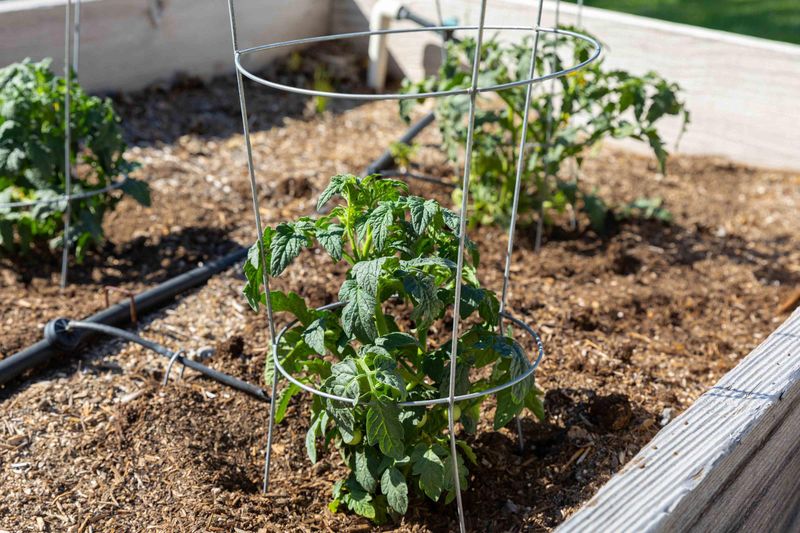
Sometimes the best protection is going straight around the plant itself. Wire cages placed directly over individual seedlings create a physical barrier that most animals simply cannot get past.
You can buy pre-made cages at garden centers, or bend hardware cloth into cylinders yourself for a cheaper option that works just as well.
Caging works especially well for high-value plants like tomatoes, peppers, and young fruit trees that wildlife in Arizona tend to target first. A cage does not have to be fancy.
Even a rough cylinder of hardware cloth staked into the ground will do the job and hold up through the season.
For entire garden beds, you can build a simple box frame from wood or PVC and wrap it in wire mesh on all sides, including the top. Covering the top is important because birds will also peck at tender seedlings, and a cage without a lid only solves half the problem.
Check cages every few days to make sure nothing has pushed under the edges. In Arizona spring gardens, a small gap is all a cottontail needs to get in and do serious damage before you even notice.
Staying consistent with these checks keeps your investment in plants from going to waste.
2. Use Fencing To Keep Rabbits And Javelina Out
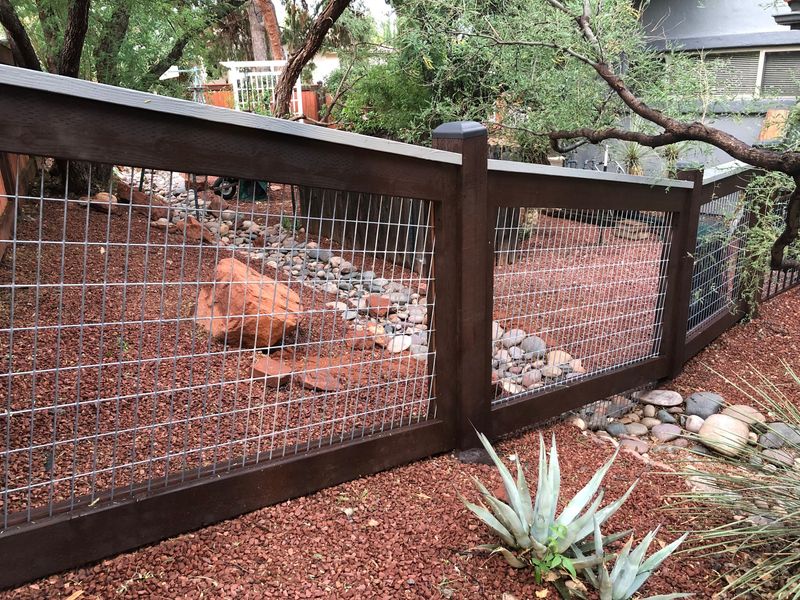
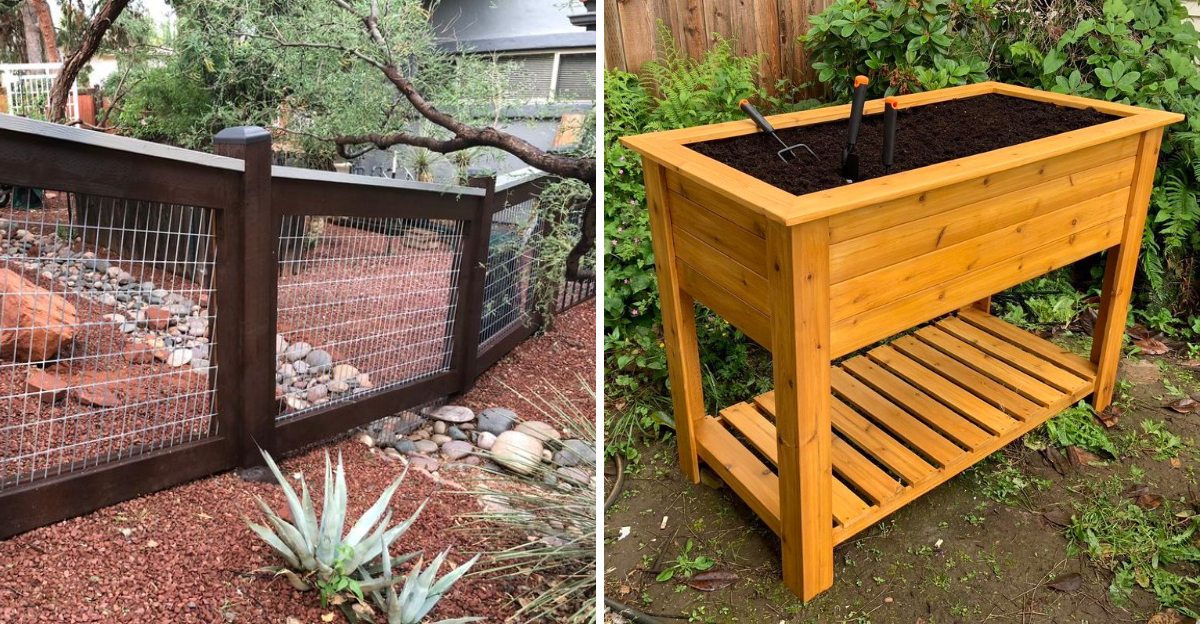
Rabbits and javelina are two of the most common plant-wreckers in Arizona, and a simple fence can stop both in their tracks. Rabbits can squeeze through surprisingly small gaps, so the material you choose really matters.
Half-inch poultry wire is a reliable option for rabbit control, while quarter-inch woven wire works better if ground squirrels are also a problem in your yard.
Fences do not need to be tall to be effective against rabbits. A barrier that stands two to three feet high is usually enough, as long as the bottom edge is secured tightly to the ground.
Javelina are stronger, so make sure posts are staked firmly and the fencing has no weak spots they can push through.
In many Arizona neighborhoods near desert washes or open land, both animals show up regularly during spring. Setting up fencing before you plant is much easier than doing it after damage has already happened.
Your Arizona Garden Changes Every Week. Your Plan Should Too.
Gardening in Arizona changes quickly throughout the season. Every Friday you’ll receive a simple weekly plan showing exactly what to plant, prune, fertilize, harvest, and protect so you never miss the right timing.
Run the fence line a few inches beyond your garden edge so animals cannot lean over and reach plants from outside. Keep it in place until your plants are large enough to handle a little wildlife pressure on their own.
3. Install Bird Netting To Prevent Pecking Damage
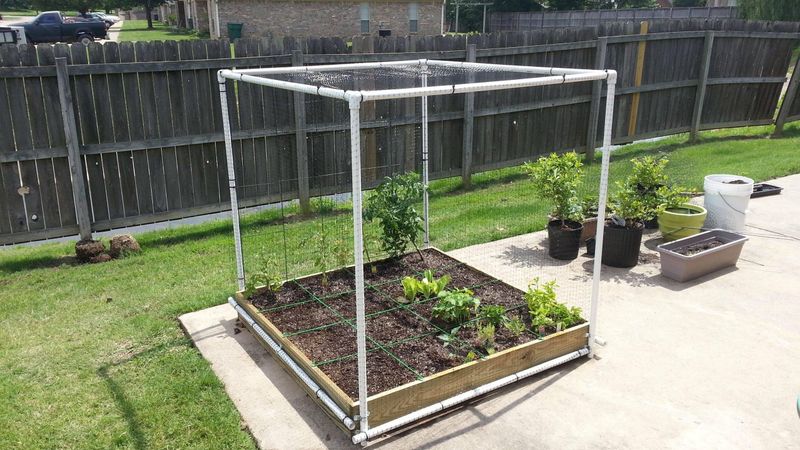
Birds pecking at seedlings might seem like a minor annoyance, but a flock of house sparrows or doves can strip a newly planted bed fast. April in Arizona brings a lot of bird activity, and young plants with soft leaves are easy targets.
Bird netting is one of the most practical solutions because it is lightweight, affordable, and does not block the sunlight your plants need.
Drape netting loosely over the top of your garden bed and secure the edges with stakes, rocks, or landscape staples. Loose netting works better than tight netting because it keeps birds from being able to peck through the mesh to reach leaves below.
Check the edges regularly since birds are surprisingly good at finding loose corners and working their way underneath.
Netting is also useful against squirrels, which are active across many parts of Arizona during spring and love to dig up freshly planted seeds. A layer of netting held a few inches above the soil surface can discourage digging without smothering your seedlings.
Remove the netting once plants are established enough that pecking damage is less of a concern, or switch to a more permanent cage setup if birds remain a persistent problem in your specific yard.
Consistency is what separates a protected garden from a wildlife feeding station.
4. Apply Natural Repellents To Deter Wildlife
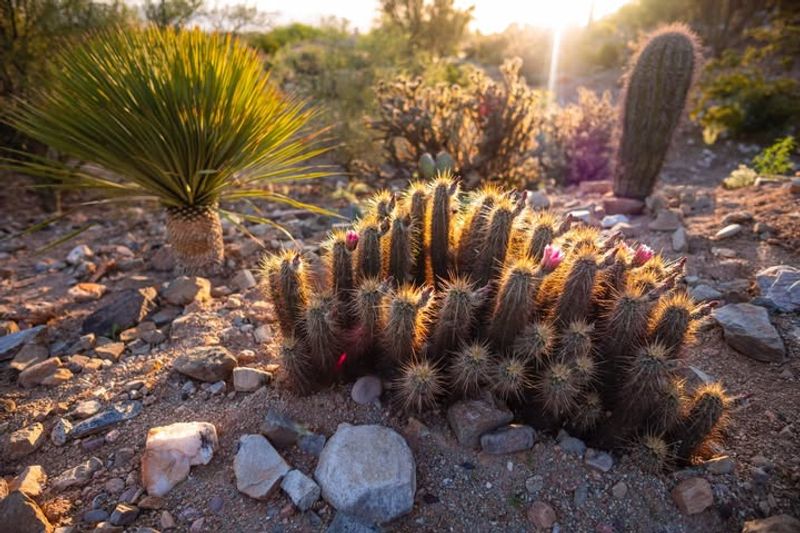
Smell is one of the most powerful tools you have against garden wildlife, and natural repellents use that to your advantage.
Sprays made with capsaicin, the compound that makes hot peppers spicy, are effective against rabbits and javelina when applied directly to plant leaves.
Garlic-based sprays are another solid option and easy to make at home by blending garlic cloves with water and a small amount of dish soap.
Reapplication is the key to making repellents work consistently. Rain, irrigation, and even morning dew can wash sprays off quickly, especially in April when Arizona gardens often get watered frequently.
Plan to reapply every few days, or right after any rain event, to keep the scent strong enough to discourage animals from getting close.
Predator urine products, available at garden centers, can also send a warning signal to prey animals like rabbits and deer. Place these around the perimeter of your garden rather than directly on plants.
Rotating between different types of repellents helps prevent animals from getting used to any single scent. Wildlife in Arizona can be surprisingly adaptable, so mixing strategies keeps them guessing.
Natural repellents work best as part of a broader protection plan rather than as a stand-alone solution, especially in areas where animal pressure is high throughout the spring season.
5. Grow In Raised Beds To Limit Animal Access
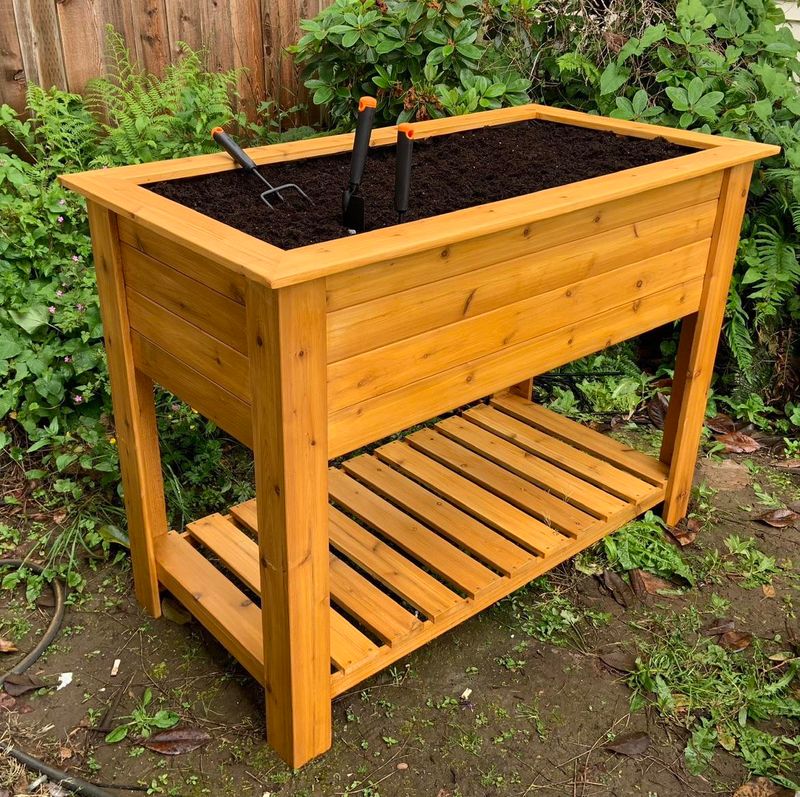
Ground-level gardens are basically an open invitation for wildlife. Raised beds change the situation immediately by putting plants higher up and making it harder for low-to-the-ground animals like rabbits and javelina to reach them.
A bed that stands at least two feet tall stops most cottontails without any additional fencing needed.
Raised beds also give you better control over your soil, drainage, and watering, which makes them a smart choice for Arizona gardeners dealing with caliche layers or rocky ground.
Building with untreated cedar or redwood holds up well in the desert heat, and the structure lasts for years with minimal upkeep.
Filling beds with quality garden soil and compost gives young plants a strong start right from the beginning.
Adding a simple wire mesh bottom to your raised bed before filling it with soil keeps burrowing animals like gophers from tunneling up from below.
In parts of Arizona where pocket gophers are active, this step can save your root vegetables from being pulled down into the ground before you ever see them.
Raised beds also make it much easier to attach bird netting or a lightweight frame over the top when needed.
Combining height with a cover gives you protection from both ground animals and birds, covering most of the wildlife threats you will encounter during an Arizona spring garden season.
6. Use Row Covers To Protect Young Plants
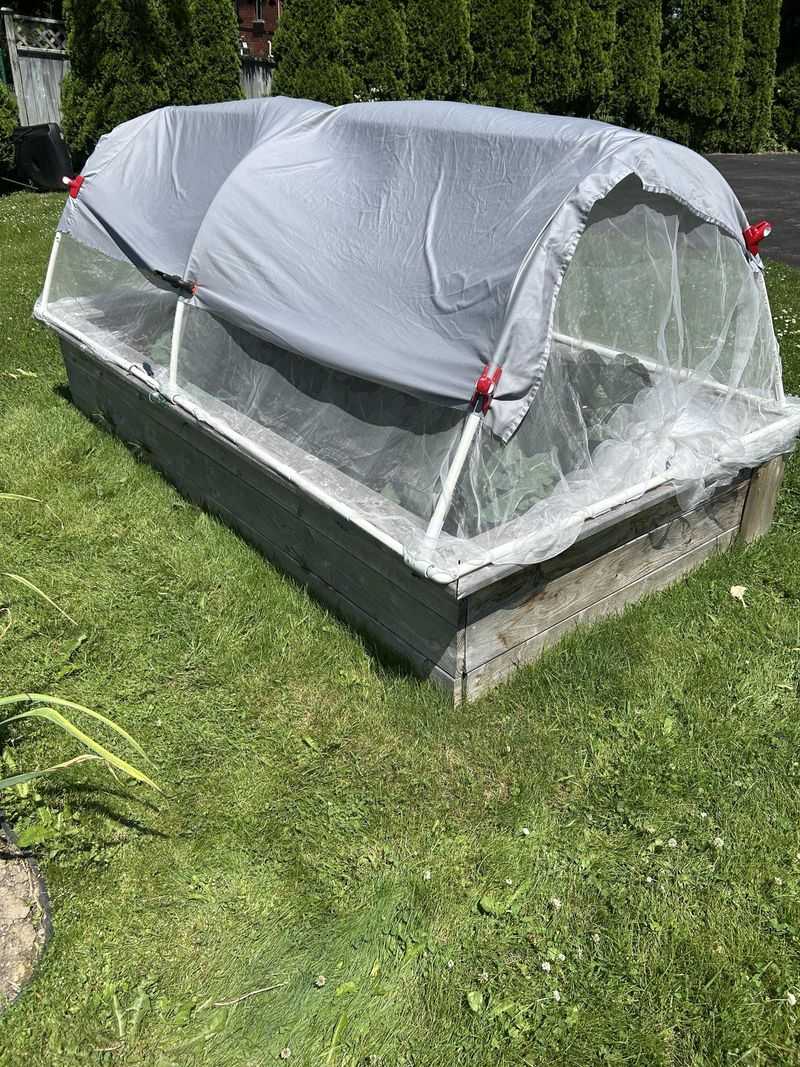
Row covers are one of those tools that pull double duty in an Arizona spring garden. Lightweight fabric covers protect young plants from wildlife while also softening the intensity of the afternoon sun, which can stress new seedlings during warm April days.
They let water and air pass through freely, so plants underneath stay healthy without needing constant removal and replacement.
Securing the edges properly is the part most people skip, and it is exactly where things go wrong. Animals are persistent, and a row cover with loose edges is easy to push aside.
Use landscape staples, soil, or rocks along every edge to hold the fabric down firmly. Check it after windy days since Arizona spring weather can shift quickly and pull covers loose without much warning.
Floating row covers come in different weights, and for April in Arizona, a lighter fabric is usually the better choice. Heavy covers trap too much heat on warm days and can stress plants rather than help them.
A light-grade cover gives you protection without turning your garden bed into an oven. Remove covers during the hottest part of the afternoon if temperatures climb into the nineties, then replace them in the evening.
Staying flexible with how you use row covers makes them far more effective than just leaving them on and hoping for the best all season long.
7. Clear Nearby Shelter That Attracts Wildlife
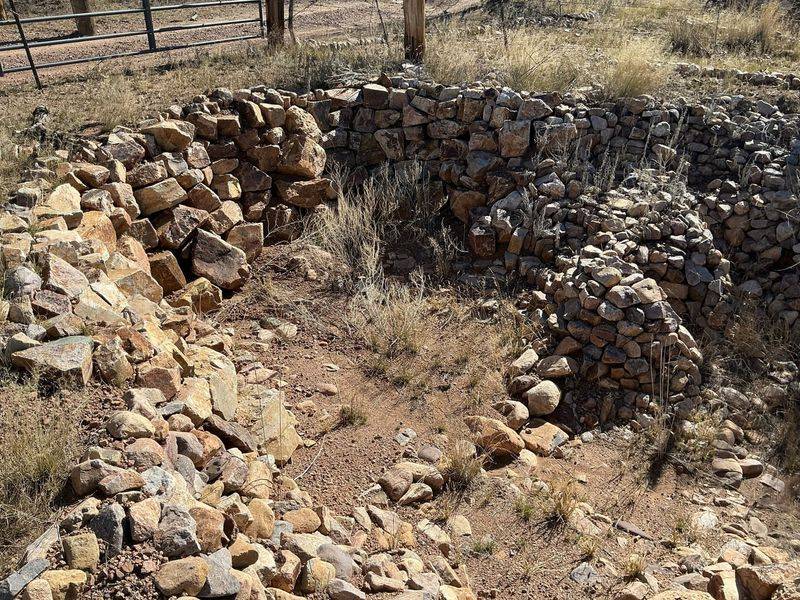
Wildlife does not just show up randomly. Animals come where they feel safe, and cluttered yards with brush piles, wood stacks, and dense shrubs close to garden beds give them exactly the cover they need.
Clearing that shelter away makes your yard feel less inviting, and animals that have nowhere to hide are much less likely to stick around long enough to cause damage.
Walk your yard and look for spots where rabbits or javelina might be resting during the day. Piles of old wood, overgrown shrubs along fences, and gaps under sheds or outbuildings are common hiding places across Arizona properties.
Removing or sealing these spots takes away the sense of security that encourages animals to stay close to your garden.
Keeping grass and weeds trimmed short around the garden perimeter also helps. Tall weeds give small animals like rabbits a travel corridor they use to move back and forth without being exposed.
Cutting that cover down forces them into the open, where they feel vulnerable and tend to move on. In desert neighborhoods near open space or washes, this kind of habitat management makes a real difference during the active spring months.
You are not eliminating wildlife from the area, just making your specific yard a less appealing place for them to settle in and feed.
8. Avoid Water Sources That Draw Animals In
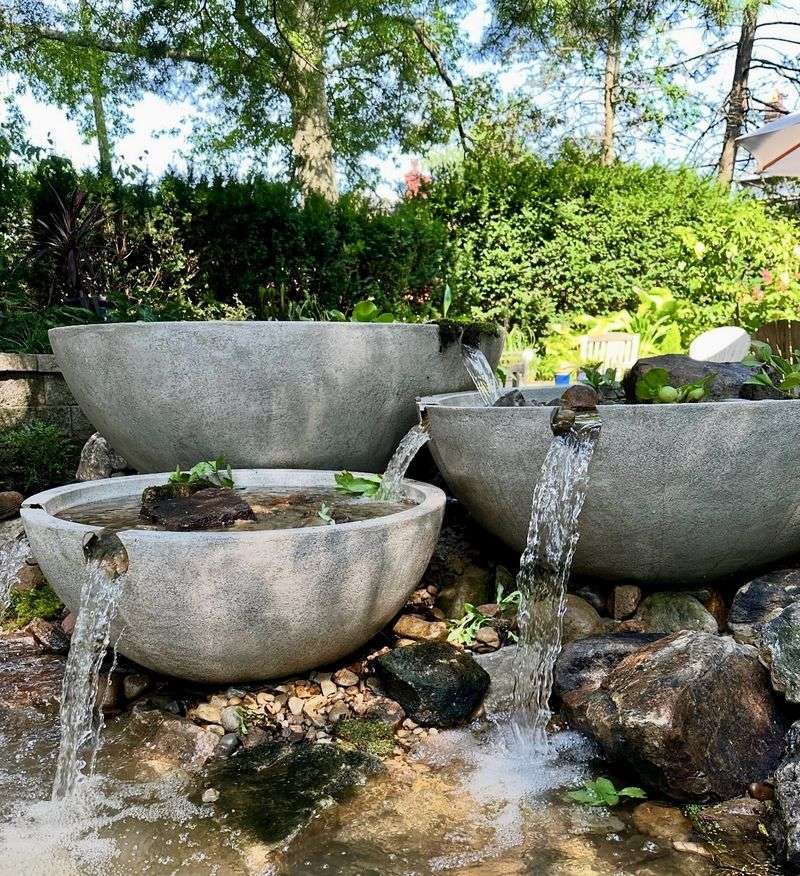
Water is scarce in Arizona, and any reliable source of it will attract wildlife from a surprisingly wide area.
Birdbaths, drip irrigation puddles, pet water bowls left outside, and decorative fountains all act as magnets for animals that then notice your garden plants nearby.
Reducing these water sources, or relocating them far from your garden, cuts down on the foot traffic that leads to plant damage.
Drip irrigation systems are great for water efficiency, but check for leaks or emitters that create standing puddles. Even a small wet patch in the soil can draw in birds, rodents, and javelina that would otherwise pass through without stopping.
Fixing leaks and adjusting emitters to water only at the root zone keeps soil surfaces drier and less attractive to wildlife looking for a drink.
If you enjoy keeping a birdbath or water feature in your yard, place it on the opposite side of your property from the garden. Animals that come for water will usually explore the area around the water source, not the entire yard.
Giving them a reason to stay away from your garden corner is a practical strategy that works quietly in the background.
Across many Arizona communities, managing water access is one of the most underrated steps in keeping a spring garden free from constant wildlife interruptions throughout the season.