4 Shrubs Michigan Gardeners Can Still Prune In April And 4 They Should Leave Alone
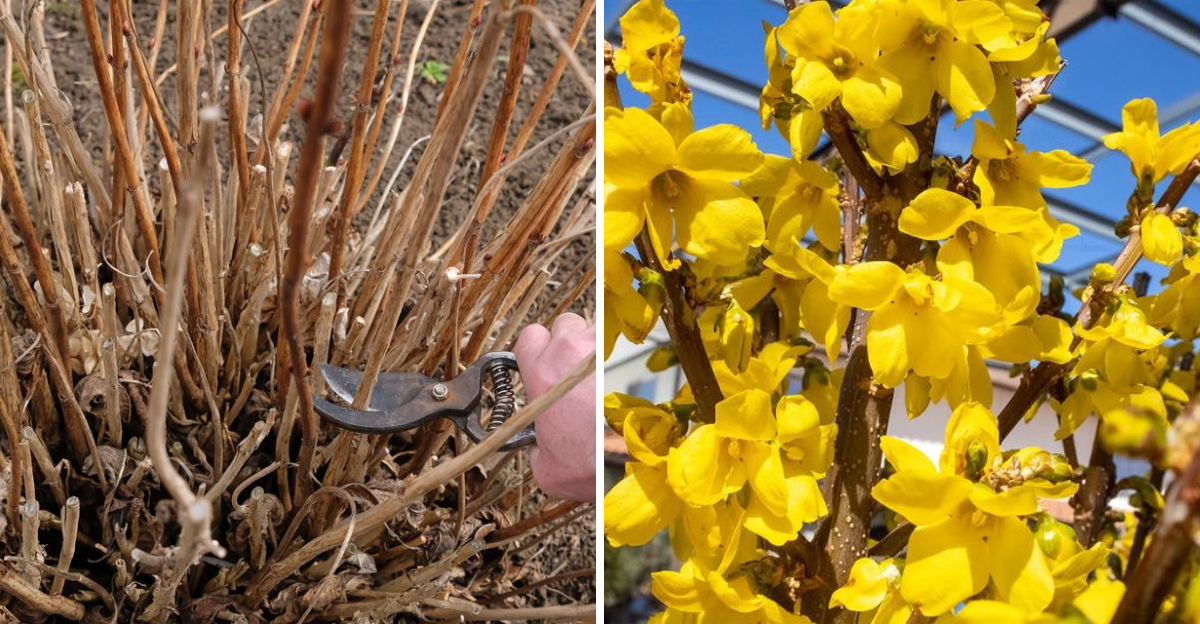
April can feel like the perfect time to get outside and start pruning, especially as Michigan gardens begin to wake up. With buds forming and branches becoming easier to see, many gardeners reach for their pruners, ready to shape everything at once.
But not all shrubs respond well to spring cutting, and timing can make a big difference in how they grow and bloom. Some shrubs benefit from a trim this time of year, helping them stay healthy and encouraging fresh growth.
Others, however, may lose their upcoming blooms or become stressed if pruned too soon. In a state where spring weather can still shift quickly, knowing which is which is especially important.
A few careful choices now can lead to better results throughout the season. Once you know which four shrubs you can prune and which four to leave alone, you can care for your garden with more confidence and avoid common mistakes.
1. Panicle Hydrangea, Prune Away In April
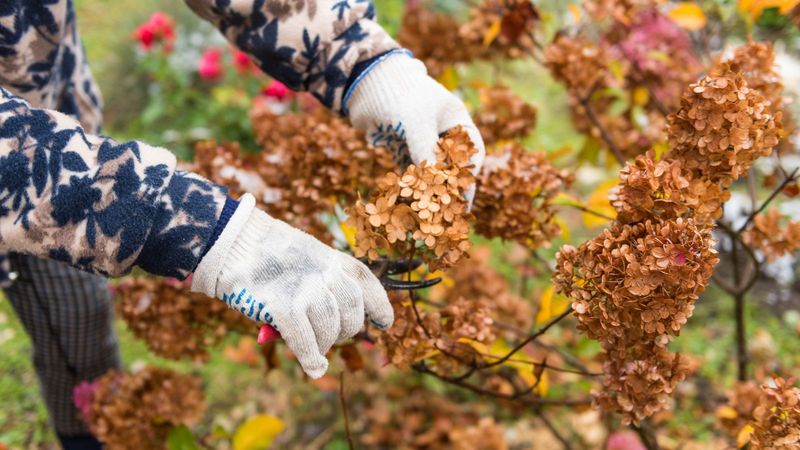
Panicle hydrangea might just be the most forgiving shrub a Michigan gardener can own. Unlike some of its hydrangea cousins, this one blooms on new wood, meaning the flowers you see each summer grow fresh from this season’s branches.
That means pruning in April will not cost you a single bloom. In fact, cutting back panicle hydrangea in early spring actually improves it. Removing weak, crossing, or crowded branches helps the plant push out stronger new growth.
Bigger, more dramatic flower clusters are the reward for anyone willing to pick up the shears before mid-April.
Michigan winters tend to be long and cold, which naturally delays the start of new growth on this shrub. That delay gives you a safe and comfortable pruning window well into early to mid-April across most of the state.
Even gardeners in the Upper Peninsula often have enough time to prune before growth kicks in hard.
Aim to cut stems back by about one-third to one-half of their total height. Always cut just above a healthy pair of buds, and remove any branches that look thin or damaged from winter.
Clean, sharp tools make cleaner cuts and help the shrub recover faster. Panicle hydrangea is tough, reliable, and ready to reward any Michigan gardener who gives it a proper spring trim.
2. Shape Up Summer-Blooming Spirea
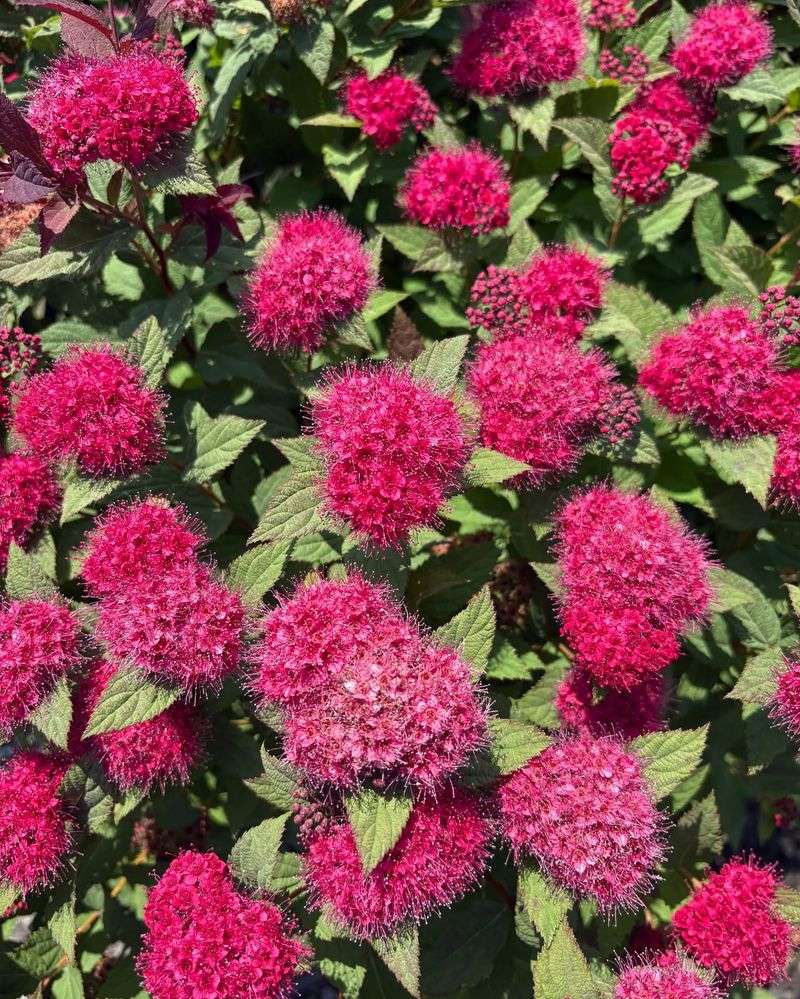
Few shrubs in a Michigan garden offer as much color for as little effort as summer-blooming spirea.
Spiraea japonica, commonly called Japanese spirea, pumps out clusters of pink, red, or white flowers through the summer months, and it does all of that on brand-new growth produced each spring.
That biology is exactly why April pruning is not just safe but genuinely encouraged.
Cutting summer spirea back by one-third or more before new growth fully emerges gives the plant a fresh start. New shoots come in thicker, the plant holds a tighter, more attractive shape, and the flower count goes up noticeably.
Gardeners who skip this step often end up with a woody, open-centered shrub that blooms less with each passing year.
Your Michigan Garden Changes Every Week. Your Plan Should Too.
Gardening in Michigan changes quickly throughout the season. Every Friday you’ll receive a simple weekly plan showing exactly what to plant, prune, fertilize, harvest, and protect so you never miss the right timing.
Michigan’s climate plays nicely into this pruning schedule. Spring tends to arrive gradually across the state, and spirea plants are usually still dormant or just barely leafing out by early April.
That early growth stage is the sweet spot for pruning. You can see the structure of the plant clearly and make cleaner cuts before the leaves get in the way.
Popular varieties like Little Princess, Goldflame, and Magic Carpet all respond beautifully to April pruning in Michigan. Use clean bypass pruners for smaller stems and hedge shears for a more uniform shape.
After pruning, a light layer of compost around the base gives the plant an extra boost heading into the growing season. Summer spirea is one of the easiest wins in any Michigan garden.
3. Smooth Hydrangea, Go Ahead And Cut It Back
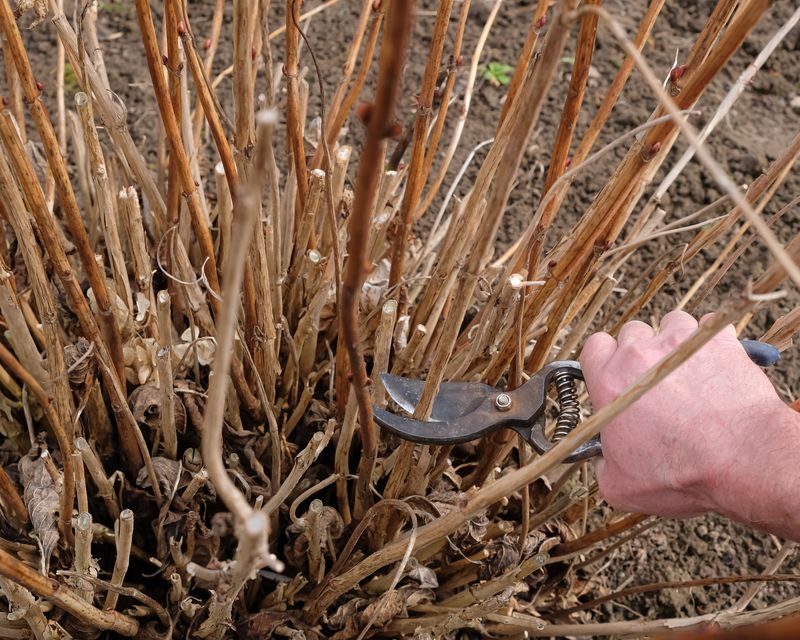
Smooth hydrangea, known botanically as Hydrangea arborescens, is a Michigan garden favorite for good reason. It blooms on new wood every single season, which makes April one of the best months to pull out your pruning shears and get to work.
Waiting too long means the plant starts pushing growth before you get a chance to shape it properly.
What makes this shrub so satisfying to prune is how dramatically it responds. Cutting stems down to about 12 to 18 inches above the ground encourages strong, upright new growth that holds up those famous large white flower heads without flopping over.
Gardeners who skip spring pruning often end up with floppy stems by midsummer.
Michigan’s late winters actually work in your favor here. Dormancy tends to stick around longer in the Great Lakes region, and smooth hydrangea stays fully dormant well into early April across most of the Lower Peninsula.
That extended dormancy gives you a safe and reliable window to prune without risking any new growth.
Popular varieties like Annabelle and Incrediball are especially responsive to hard spring cutbacks. You do not need to be shy about cutting them down low.
The plant will push back vigorously with fresh stems and produce some of the largest blooms of its life. Michigan gardeners who try this once rarely go back to skipping the spring prune.
4. Potentilla Loves A Trim
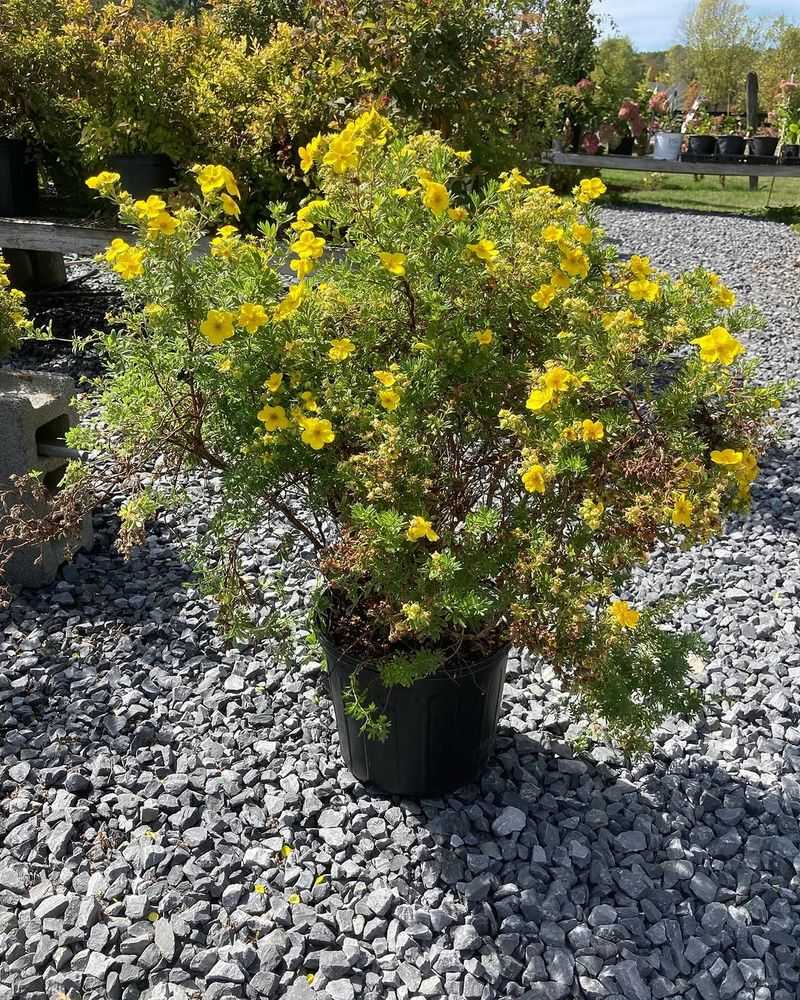
Potentilla, also called shrubby cinquefoil, is one of those quietly reliable plants that Michigan gardeners often overlook. It handles cold winters without complaint, tolerates poor soils, and blooms steadily from early summer all the way into fall.
But even the toughest shrub benefits from a little attention, and April is exactly the right time to give potentilla a proper trim.
Because potentilla blooms on new wood, pruning in early spring does not reduce flowering at all. Removing older, woodier stems encourages fresh growth from the base, which is where the most vigorous blooming happens.
A light overall shaping in April keeps the plant compact and prevents it from becoming a tangled, unproductive mound over time.
Michigan’s cold hardiness zones are actually ideal for potentilla. This shrub is rated hardy to zone 2, meaning it handles even the harshest Upper Peninsula winters without issue.
That cold tolerance also means it stays dormant later in spring, giving gardeners across Michigan a reliable pruning window through most of April before growth accelerates.
When pruning, focus on removing branches that are more than three years old, as these tend to produce fewer flowers. Cut them back to the base or to a strong side branch.
The remaining younger stems will fill in quickly once warm weather arrives. Potentilla varieties like Happy Face Yellow, Goldfinger, and Abbotswood all respond well to this approach.
For any Michigan gardener looking for a tough, cheerful, low-maintenance shrub, potentilla absolutely delivers.
5. When It Come To Bigleaf Hydrangea, Put The Shears Away
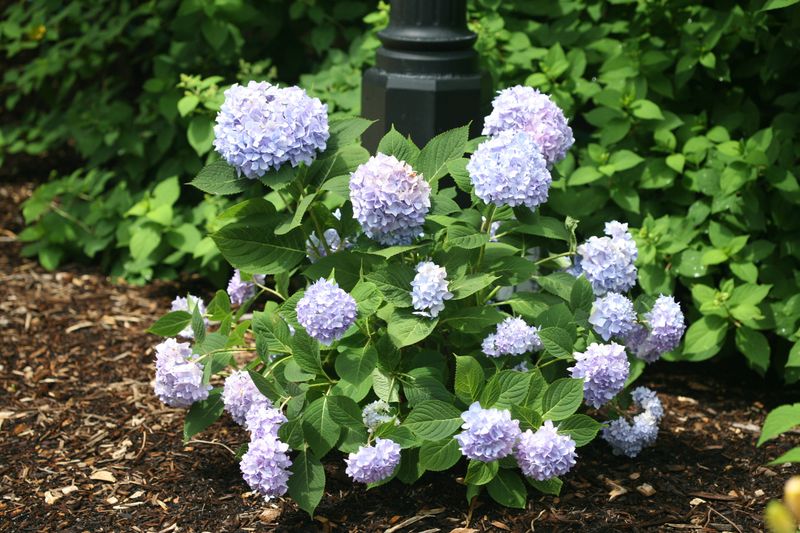
Bigleaf hydrangea is one of the most beloved flowering shrubs in Michigan gardens, and it is also one of the most commonly pruned at exactly the wrong time. Unlike panicle or smooth hydrangea, this species forms its flower buds on old wood from the previous season.
Picking up the shears in April means cutting off every single bud that survived the winter.
Michigan winters are already tough on bigleaf hydrangea. Cold temperatures and freeze-thaw cycles can wipe out a significant portion of the overwintered buds before spring even arrives.
Pruning on top of that in April removes whatever survived, and the result is a full season without flowers. It is one of the most heartbreaking mistakes a Michigan gardener can make.
The right approach is patience. Wait until the shrub fully leafs out, usually by late May in most parts of Michigan, and then assess which branches have no leaves or buds emerging.
Those are the only ones worth removing. Healthy, leafed-out branches should stay exactly as they are, even if the plant looks a bit wild.
Popular varieties like Endless Summer are bred to rebloom on both old and new wood, which gives them a little more flexibility. But even with reblooming types, April pruning in Michigan is risky because it removes the early buds that produce the first flush of color.
Letting bigleaf hydrangea wake up on its own schedule always produces better results in Michigan gardens.
6. With Lilac, Wait Until The Blooms Are Done
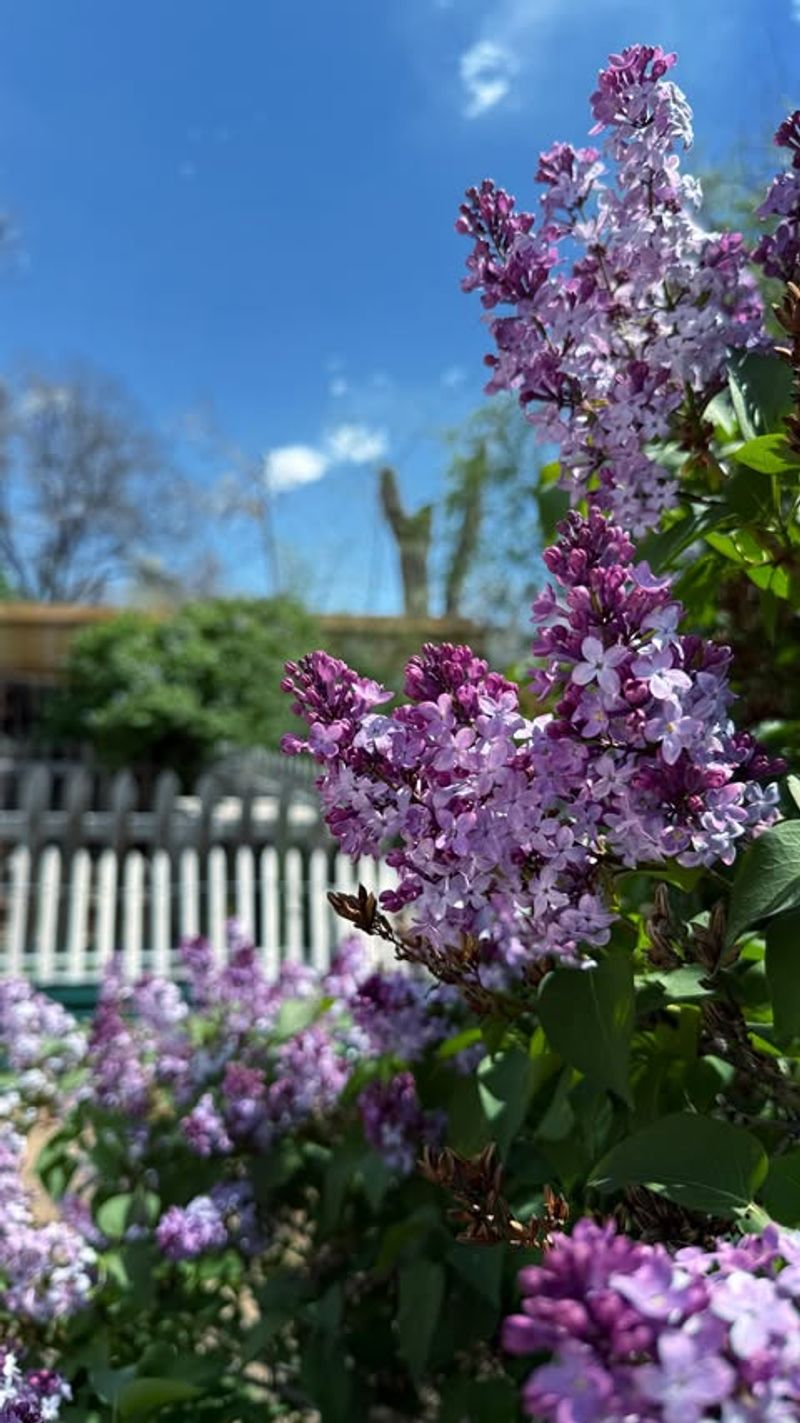
There are few spring experiences in Michigan as memorable as a lilac in full bloom. That rich fragrance drifting across the yard on a warm April afternoon is something Michigan gardeners look forward to all winter long.
But here is the thing: if you prune a lilac in April, you lose that moment entirely for the whole season.
Lilacs set their flower buds the previous summer and carry them through winter on old wood. By the time April rolls around in Michigan, those buds are already fully formed and just days away from opening.
Pruning now strips them all off before you ever get to enjoy a single bloom. It is a frustrating outcome that is completely avoidable.
Bloom timing for lilacs in Michigan typically falls between late April and mid-May, depending on location and the weather that year. The Upper Peninsula tends to bloom later, while southern Michigan often sees flowers open by the last week of April.
The right time to prune is immediately after the flowers fade, while the shrub is still actively growing but has not yet set next year’s buds.
After blooming, remove spent flower clusters and any branches that are crossing, crowded, or older than about ten years. Older stems can be cut back to the base to encourage fresh, vigorous growth from below.
Lilacs are long-lived shrubs that can thrive in Michigan for decades with the right care. Giving them the respect of proper timing is the simplest way to keep them blooming beautifully year after year.
7. Forsythia Is Blooming Now, So Leave It Be
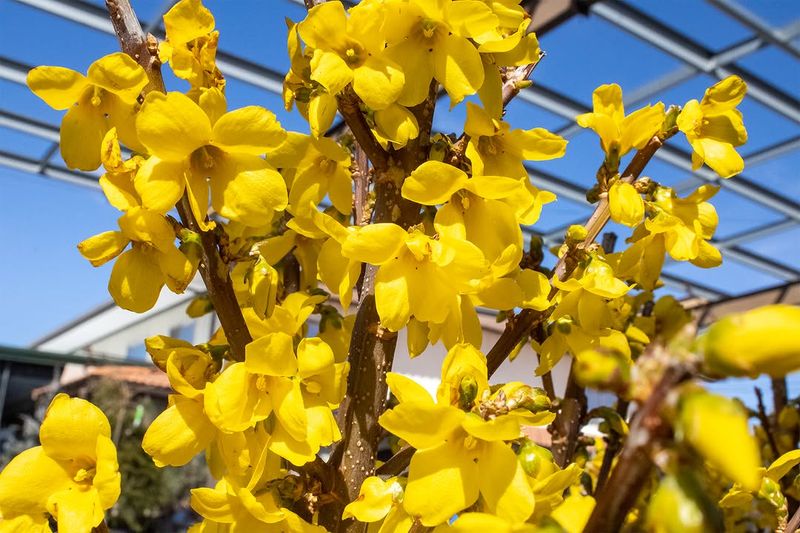
Forsythia is practically the mascot of Michigan spring. Those bright yellow branches lighting up the yard in early April are one of the most cheerful sights after a long winter, and they happen entirely on old wood formed the previous season.
That is exactly why April is the worst possible time to reach for your pruning shears around this shrub.
Pruning forsythia in April, especially before or during flowering, removes the current season’s blooms and can also cut into wood that already holds next year’s buds. The result is a shrub that looks chopped up and produces far fewer flowers the following spring.
Forsythia is forgiving in many ways, but bad pruning timing is one mistake it shows clearly.
Bloom timing for forsythia in Michigan can vary quite a bit. In the southern Lower Peninsula, flowers often open in late March or very early April.
Further north and in the Upper Peninsula, blooming may not happen until mid-April or even later. The safest rule for Michigan gardeners is to wait until every last yellow flower has faded before picking up the shears.
Once blooming finishes, forsythia responds very well to pruning. You can remove about one-third of the oldest stems at the base each year to keep the shrub open and full.
Lightly shaping the outer branches helps maintain a natural arching form without making the plant look stiff or boxy. Patience through April always pays off with a more spectacular display the following spring.
8. Azalea April Pruning Costs You The Whole Show
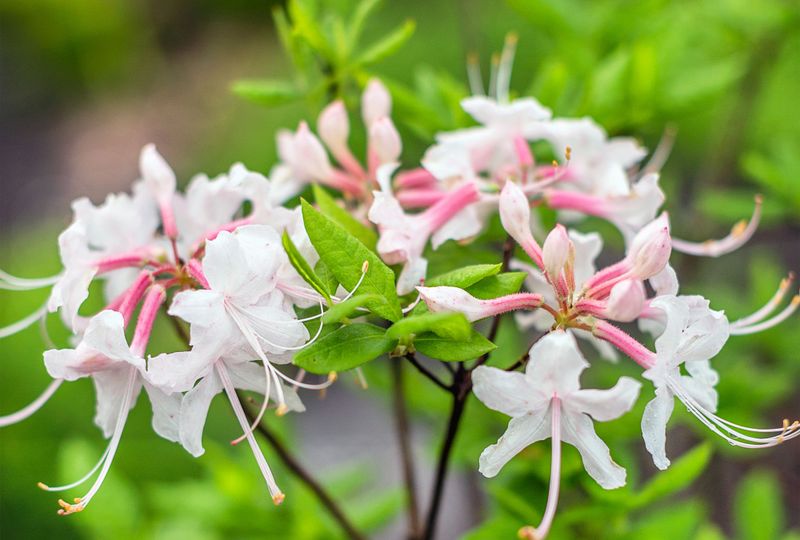
Azaleas have a way of stopping people in their tracks when they bloom. Whether you grow a deciduous native type or an evergreen variety, the spring flower show is absolutely worth protecting, and that means keeping your pruning shears away from azaleas throughout April in Michigan.
These shrubs bloom on old wood, and the buds are already sitting right there, ready to open.
Michigan’s cool springs actually work in an interesting way with azaleas. Cold temperatures slow down bud development, which means those flower buds can stay tightly closed well into April even as the rest of the garden starts waking up.
That delay makes it tempting to assume the plant is dormant and safe to prune, but the buds are very much alive and developing inside.
Cutting into an azalea in April removes those buds before they ever get the chance to open. You end up with a plant that looks pruned but produces no flowers at all for the entire season.
Native deciduous azaleas like Rhododendron prinophyllum, which grow beautifully across Michigan, are especially worth protecting since they bloom only once and put everything into that one annual display.
The right window for azalea pruning in Michigan is shortly after blooming ends, typically in late May or early June. At that point, you can lightly shape the plant, remove any crossing or awkward branches, and encourage a fuller form for next year.
Avoid heavy pruning, as azaleas grow slowly and take time to recover. A little patience in April keeps the bloom show exactly as stunning as it should be.