These Are The 9 Tall Plants That Create Natural Privacy In Pennsylvania
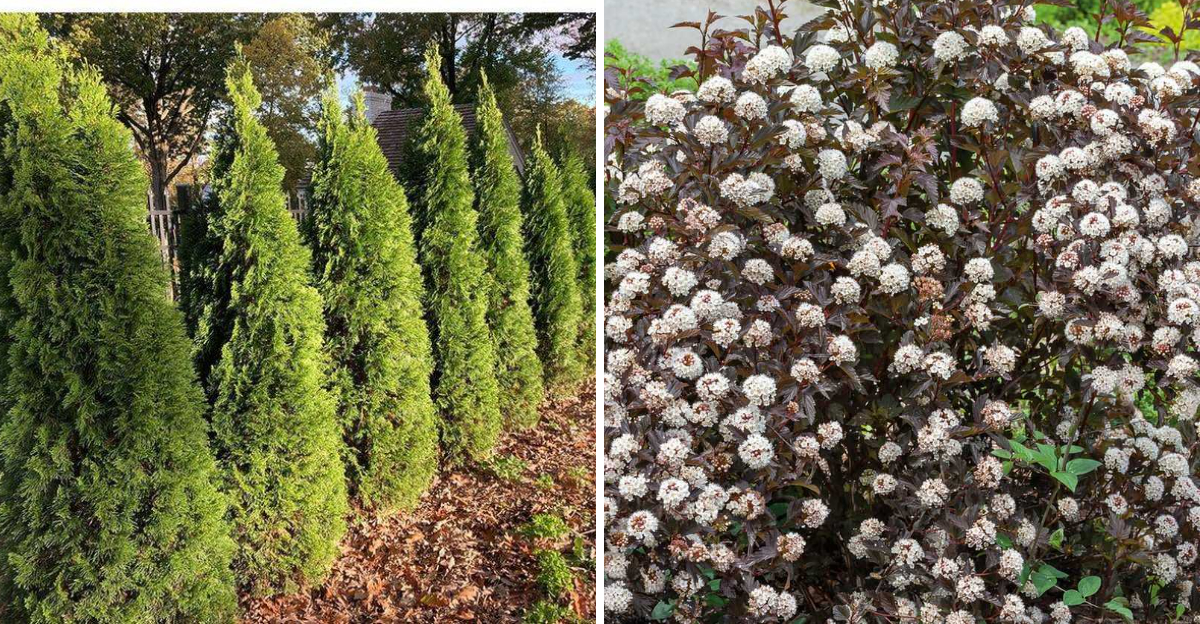
Ever notice how a fence can feel a little too harsh, especially when the rest of your yard is full of life? Across Pennsylvania, more homeowners are trading boards and panels for tall plants that create privacy in a softer, more natural way.
From busy suburban neighborhoods near Philadelphia to quieter spaces in the Pocono Mountains, the right planting can block views, reduce noise, and blend seamlessly into the landscape.
With four distinct seasons to consider, some plants provide year-round coverage while others shift with the seasons.
Pennsylvania offers plenty of reliable options that add privacy, support wildlife, and bring lasting beauty to your yard.
1. Arborvitae Forms A Dense Evergreen Privacy Wall
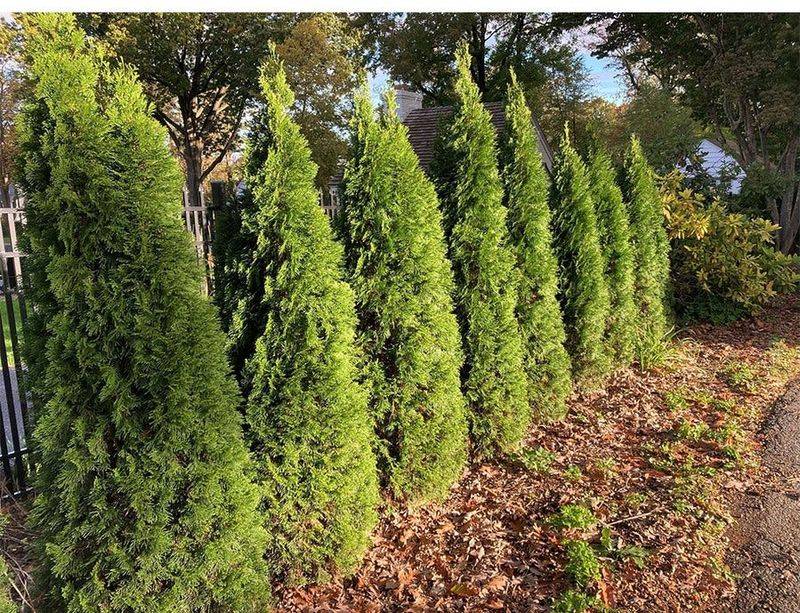
Neighbors moving in a little too close? Arborvitae has been a go-to solution for Pennsylvania homeowners for decades, and there is a very good reason for that.
These narrow, column-shaped evergreens hold their rich green foliage through every season, meaning your privacy does not disappear when the leaves drop in October.
Arborvitae typically reaches between 10 and 15 feet tall at maturity depending on the variety, though some cultivars push higher under the right conditions.
Planted 3 to 4 feet apart, they knit together into a solid wall that blocks sightlines from neighboring yards and passing traffic.
They prefer well-drained soil and at least six hours of sunlight daily, which suits most Pennsylvania yards reasonably well.
One thing to keep in mind is that deer can browse arborvitae heavily during Pennsylvania winters when food is scarce, so using deer repellent or protective wrapping in the first few years can make a real difference.
They respond well to light shaping but rarely need heavy pruning to stay tidy.
For homeowners who want reliable, low-maintenance evergreen screening that starts working quickly, arborvitae is hard to overlook.
2. Eastern Red Cedar Creates A Tough Native Screen
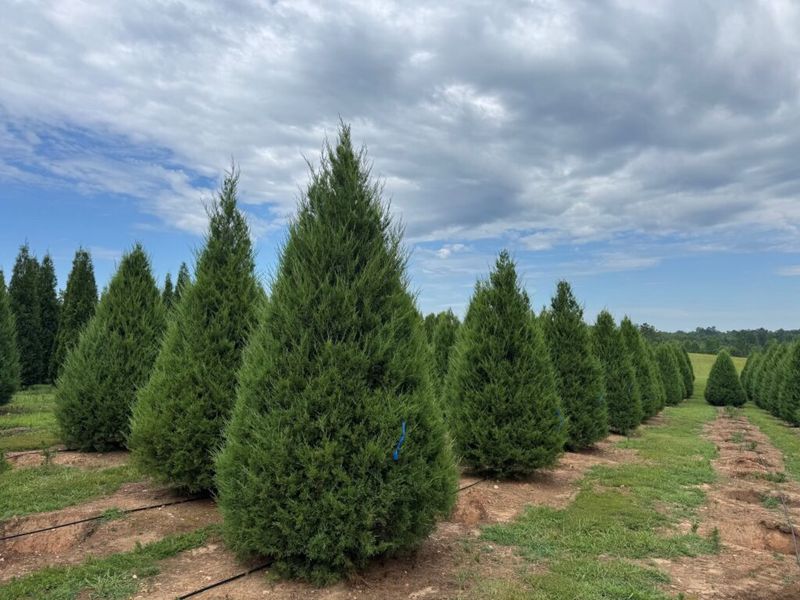
Few trees handle the full range of Pennsylvania growing conditions quite like Eastern Red Cedar.
This rugged native conifer grows across rocky hillsides, open fields, and clay-heavy soils without much complaint, making it one of the most adaptable screening plants available to Pennsylvania gardeners.
Eastern Red Cedar can reach 40 to 50 feet tall at full maturity, though most residential plantings stay considerably shorter depending on spacing and site conditions.
The dense, scale-like foliage stays green year-round and thickens considerably as the tree matures, eventually blocking sightlines quite effectively.
Female trees also produce small, dusty-blue berries that attract cedar waxwings and other native birds throughout the colder months.
Because this tree is native to Pennsylvania, it is well-adapted to local soils and rainfall patterns without needing supplemental irrigation once established. It tolerates dry, rocky conditions that would stress many other evergreens.
Spacing plants 6 to 8 feet apart gives each tree room to develop its natural form while still building a connected screen over time.
For Pennsylvania homeowners who want a tough, wildlife-friendly privacy option that largely takes care of itself, Eastern Red Cedar is a genuinely strong choice.
3. American Holly Adds Year-Round Coverage And Structure
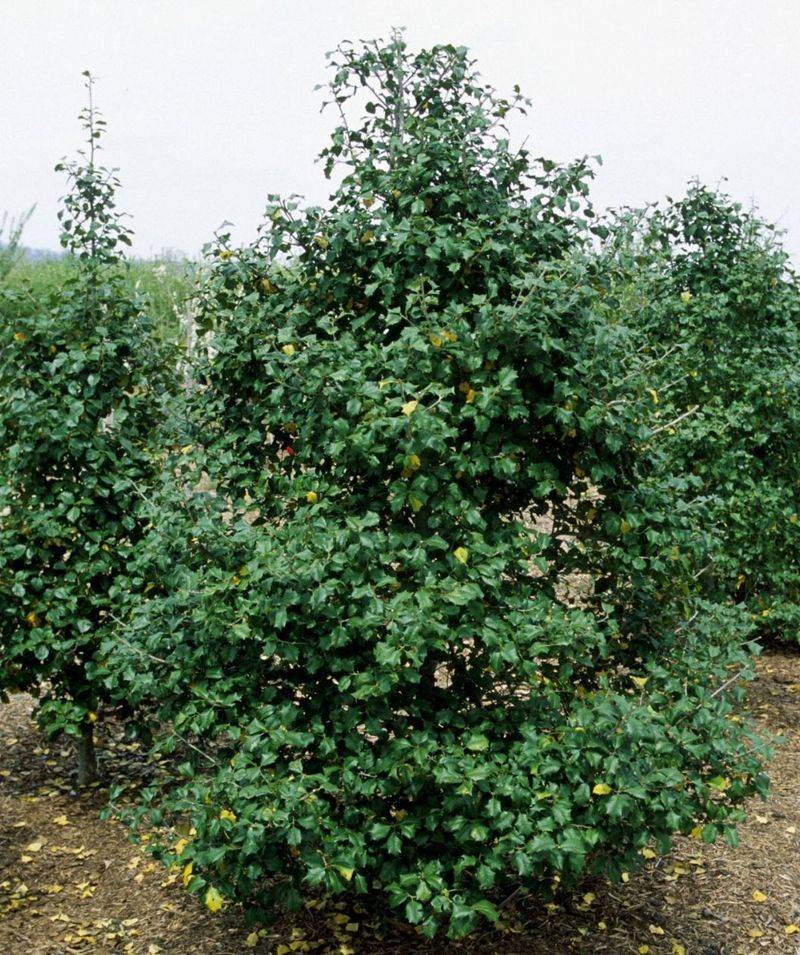
Walk past an American Holly in January and you immediately understand why this native evergreen earns such loyalty from Pennsylvania gardeners.
Your Pennsylvania Garden Changes Every Week. Your Plan Should Too.
Gardening in Pennsylvania changes quickly throughout the season. Every Friday you’ll receive a simple weekly plan showing exactly what to plant, prune, fertilize, harvest, and protect so you never miss the right timing.
The glossy, deep green leaves stay sharp and bold through even the coldest winters, and on female plants, clusters of bright red berries add color at exactly the time of year when most other plants look bare and gray.
American Holly grows 15 to 30 feet tall over time, developing a naturally pyramidal shape that provides solid vertical screening without requiring much pruning to stay attractive.
It handles Pennsylvania winters well, tolerating cold snaps and ice without significant damage.
It grows in full sun to partial shade, which gives homeowners some flexibility when choosing a planting location along a property line or fence row.
One practical note: American Holly is dioecious, meaning you need both a male and a female plant nearby if you want berry production on the female. Even without berries, the evergreen foliage alone makes it a valuable screening plant.
It also supports native birds and pollinators through different seasons. For a structured, wildlife-friendly privacy plant that looks genuinely beautiful in every season, American Holly brings a lot to a Pennsylvania landscape.
4. Green Giant Arborvitae Grows Tall For Larger Spaces
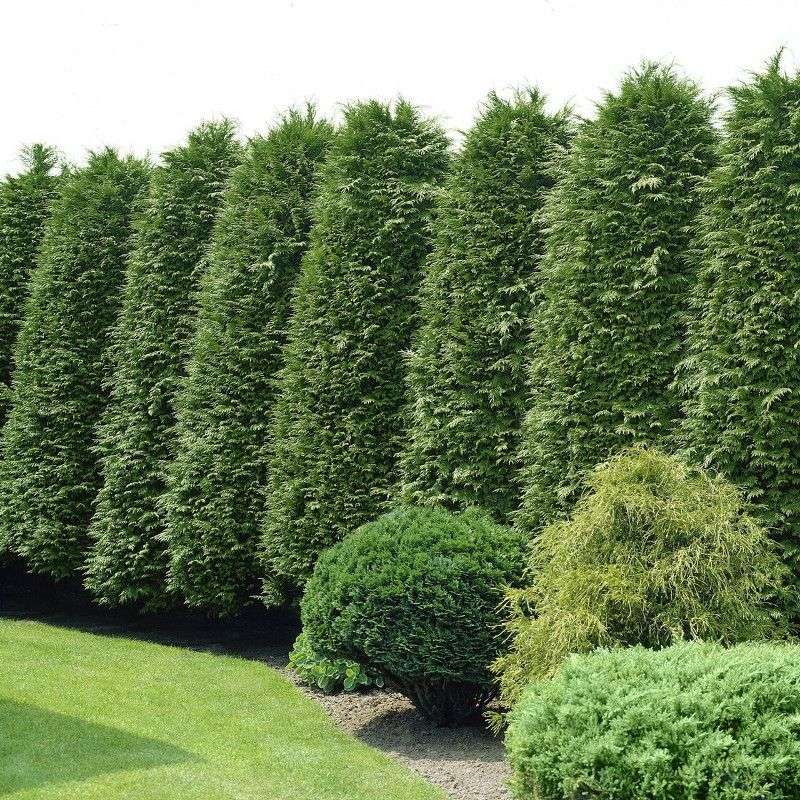
When a standard arborvitae just does not have enough height to do the job, Green Giant steps in with an impressive size that few other evergreens can match in Pennsylvania landscapes.
This fast-growing hybrid can reach 40 to 60 feet tall at full maturity, making it one of the most commanding privacy screens available for larger residential or rural properties.
Green Giant arborvitae grows roughly 3 to 5 feet per year under good conditions, which means a newly planted screen can reach meaningful height within just a few seasons.
The foliage is a rich, dark green that holds its color through Pennsylvania winters without browning or fading, which is a real advantage over some other fast-growing options.
It handles a range of soil types and tolerates heat, humidity, and occasional wet conditions better than many other conifers.
Spacing Green Giant plants 5 to 8 feet apart gives them room to fill out properly while still forming a connected wall over time.
Unlike some arborvitae varieties, Green Giant tends to resist deer browsing more reliably, which matters quite a bit in many parts of Pennsylvania.
For large properties where height and density are both priorities, this tree delivers consistent results season after season.
5. Eastern White Pine Provides Fast Growing Natural Screening
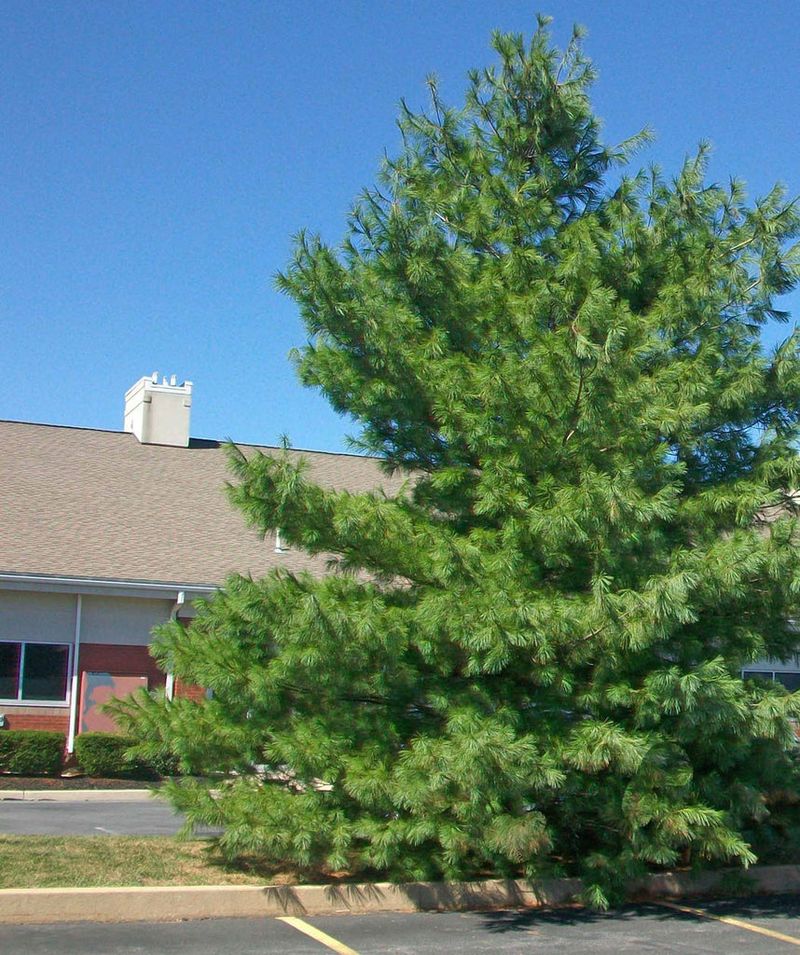
There is something genuinely graceful about Eastern White Pine that sets it apart from the stiffer, more formal evergreens often used for privacy screening in Pennsylvania.
The long, soft blue-green needles give it a feathery, layered appearance that feels more like a natural forest edge than a planted hedge, which suits rural and semi-rural Pennsylvania properties especially well.
Eastern White Pine grows quickly, often adding 2 to 3 feet of height per year when young and well-established. It can eventually reach 50 to 80 feet tall, though most residential plantings are managed at a more practical height.
The dense, tiered branching fills in from the ground up when trees receive adequate sunlight, creating effective screening within a few years of planting.
This tree is native to Pennsylvania and thrives in well-drained, slightly acidic soils that are common across much of the state. It does best in full sun but tolerates light shade better than many other pines.
One consideration is that lower branches can be lost over time as the tree matures and shades itself, so planting in groups or staggered rows helps maintain ground-level coverage.
For fast-growing, naturalistic screening with a soft visual texture, Eastern White Pine is a reliable and beautiful option.
6. River Birch Offers Light, Natural Privacy In Clusters
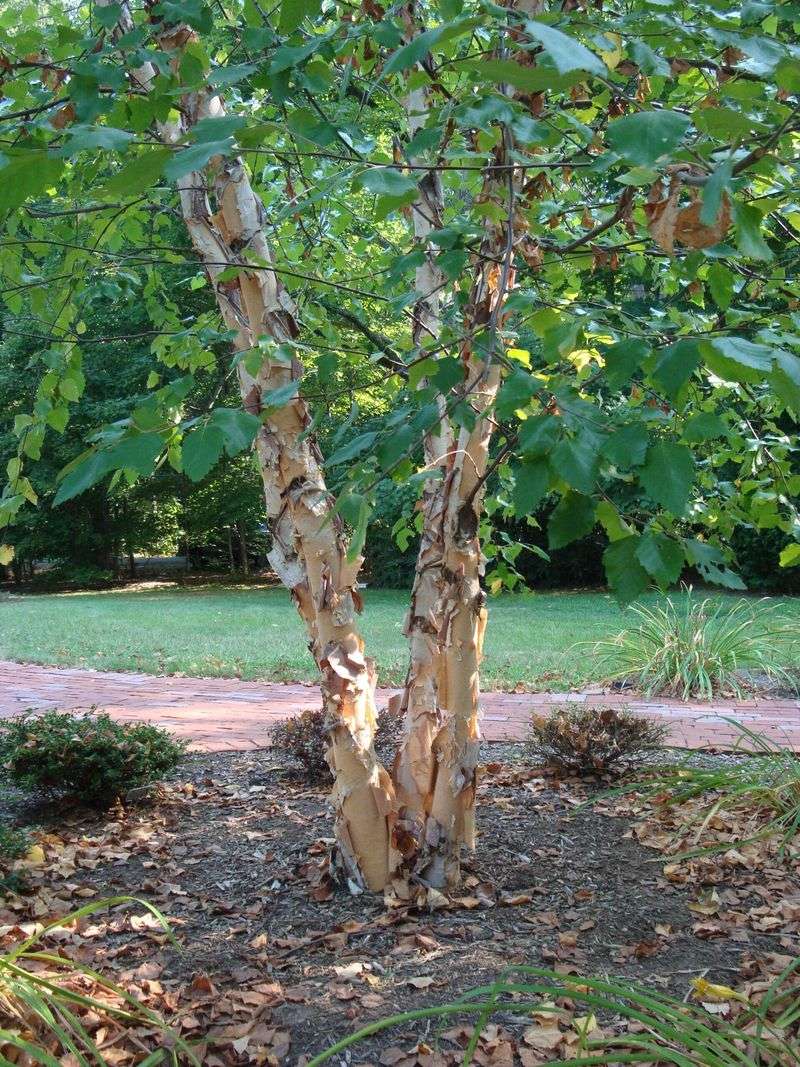
Not every privacy situation calls for a solid wall of green. Sometimes a softer, more natural-feeling screen fits the landscape better, and that is exactly where River Birch shines in Pennsylvania yards.
Planted in clusters of two or three, these multi-stem trees create overlapping canopies that filter views without completely blocking light or airflow.
River Birch is a Pennsylvania native that grows naturally along stream banks and floodplains, which tells you a lot about its preferences.
It handles wet, poorly drained soils far better than most privacy trees, making it an outstanding choice for low spots or areas near water features where other plants might struggle.
In good conditions, it grows 40 to 70 feet tall, though most landscape specimens stay in the 30 to 40 foot range.
The peeling, cinnamon-colored bark is genuinely striking through winter when the tree is leafless, adding visual interest even when the deciduous canopy is gone.
Because River Birch loses its leaves in fall, it works best as a seasonal screen or as part of a layered planting that includes evergreens for year-round coverage.
Its tolerance of wet conditions and its natural beauty make it a practical and attractive addition to many Pennsylvania privacy plantings.
7. Ninebark Fills In Space With Dense Native Growth
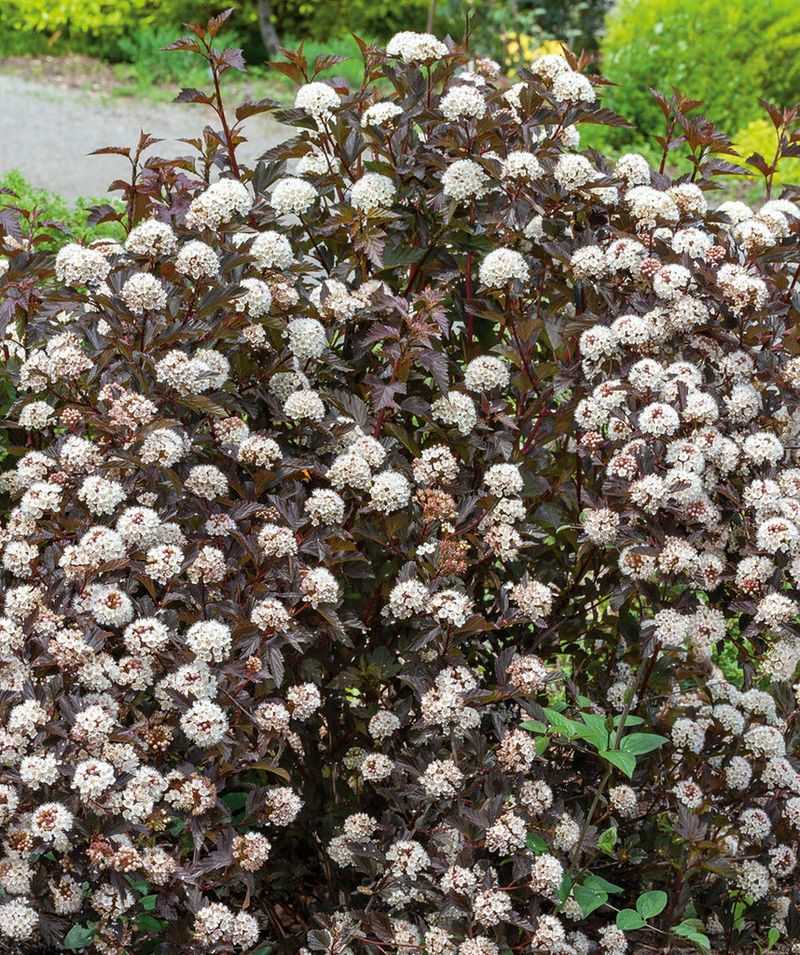
Ninebark does not always get the attention it deserves in Pennsylvania privacy planting conversations, but homeowners who have used it tend to become strong advocates.
This native shrub grows vigorously, fills in quickly, and develops a dense, layered branch structure that creates meaningful screening even without reaching tree-like heights.
Most ninebark varieties grow 6 to 10 feet tall and spread nearly as wide, making them well-suited for massed plantings along property lines or as a naturalistic hedge.
The arching branches create overlapping layers that block sightlines from low angles effectively.
In late spring, the shrub produces clusters of small white or pink flowers that attract pollinators, and the seed heads that follow provide food for birds heading into Pennsylvania winters.
Ninebark is highly adaptable to different soil types and moisture levels, which is one of the reasons it grows so reliably across Pennsylvania’s varied landscapes.
Some popular cultivars feature deep burgundy or golden foliage that adds color contrast to privacy plantings.
It handles hard pruning well if you need to reshape or reduce its size, and it tends to bounce back quickly. For a tough, native shrub that fills space efficiently and supports local wildlife, ninebark earns a solid spot in any Pennsylvania privacy planting plan.
8. Serviceberry Adds Privacy With Multi-Stem Form
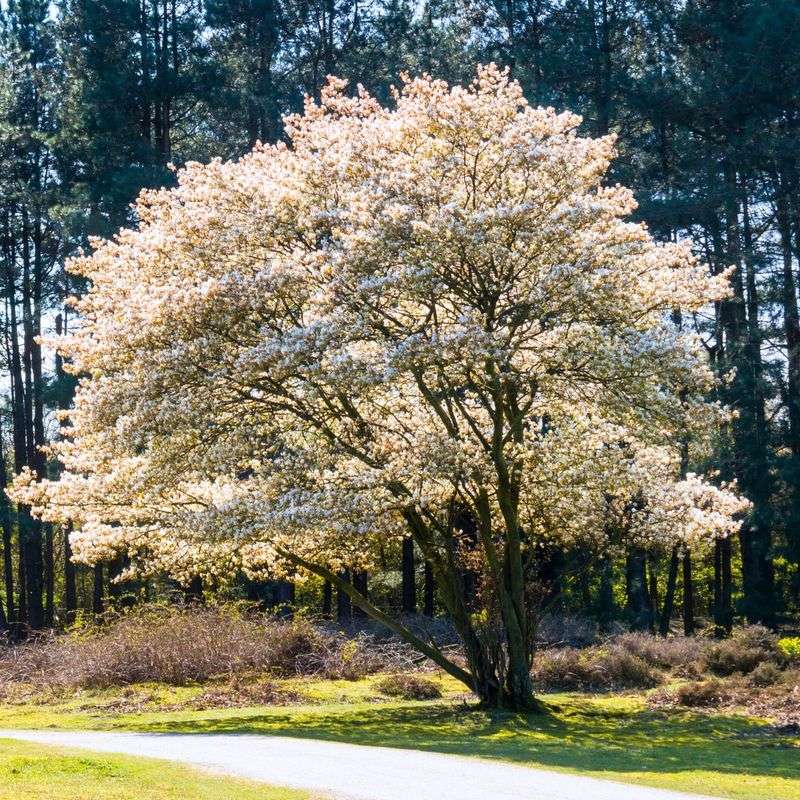
Early spring in Pennsylvania brings one of the most reliable signs that the growing season has arrived – serviceberry bursting into bloom while most other plants are still waking up.
Those soft white flower clusters appear before the leaves fully open, creating a delicate, airy display that makes this native tree one of the most beautiful privacy plants you can grow in the state.
Serviceberry grows in a naturally multi-stem form that creates a broad, layered canopy reaching 15 to 25 feet tall depending on the species and growing conditions.
When planted in groups along a property line, the overlapping canopies build a flowing, naturalistic screen that softens boundaries without looking rigid or formal.
The foliage fills in densely through the summer months, providing solid seasonal privacy.
Because serviceberry is deciduous, it loses its leaves in fall, so it works best as part of a layered planting that includes evergreens for winter coverage.
The small, berry-like fruits that ripen in early summer attract birds reliably, which adds a welcome wildlife dimension to any Pennsylvania yard.
Serviceberry tolerates a range of soil types and handles both sun and partial shade reasonably well. For a multi-season native privacy plant with real visual character, serviceberry brings more to the table than most homeowners expect.
9. Miscanthus Creates A Tall Seasonal Privacy Screen
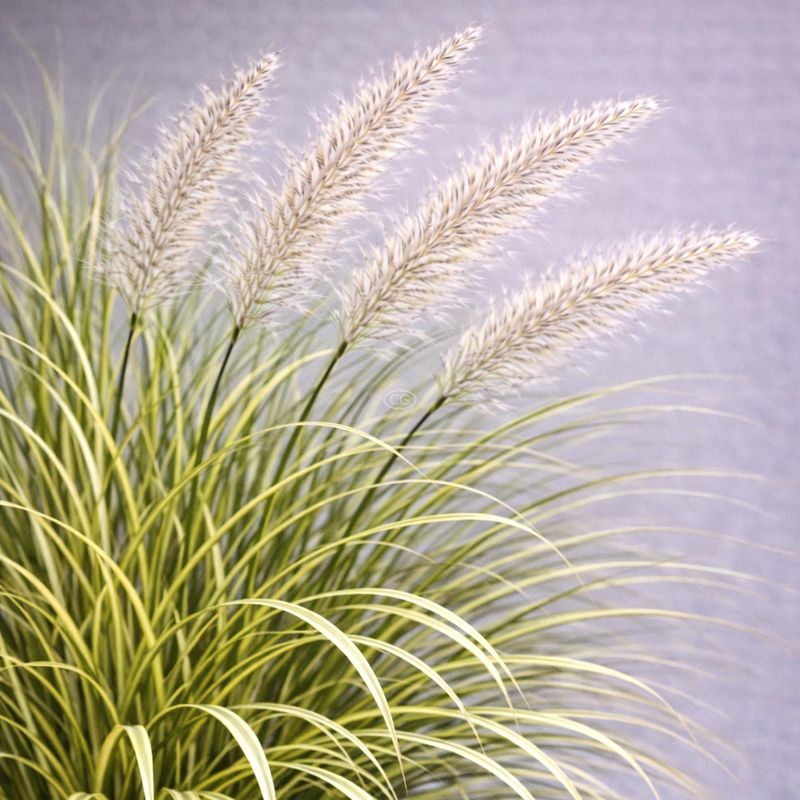
Few ornamental grasses make as bold a statement in a Pennsylvania landscape as Miscanthus.
When planted in a row or mass along a property border, it can reach 6 to 8 feet tall by midsummer, creating a soft, swaying wall of green that provides genuine seasonal screening through the warmest and most-used months of the year.
The feathery plumes that emerge in late summer add a striking, almost meadow-like quality to the planting, and the dried stalks hold their upright form well into winter, offering some continued visual interest even after the growing season ends.
Miscanthus handles Pennsylvania summers with ease, thriving in full sun and tolerating a range of soil types without needing much supplemental care once established.
One important consideration for Pennsylvania gardeners is that some Miscanthus varieties can self-seed and spread in parts of the Mid-Atlantic region.
Choosing well-behaved or sterile cultivars – such as certain selections of Miscanthus sinensis – helps keep the planting under better control and reduces the risk of unwanted spread into surrounding areas.
Because Miscanthus is deciduous, it is most effective as a warm-season screen rather than a year-round solution. Pairing it with evergreen plants nearby helps fill the gap during Pennsylvania’s colder months.