Pennsylvania Guide To Building A Walipini Greenhouse For Year Round Growing
Pennsylvania winters have a way of slowing everything down. Garden beds sit quiet under frost, and even the most dedicated growers find themselves waiting for spring to come back around.
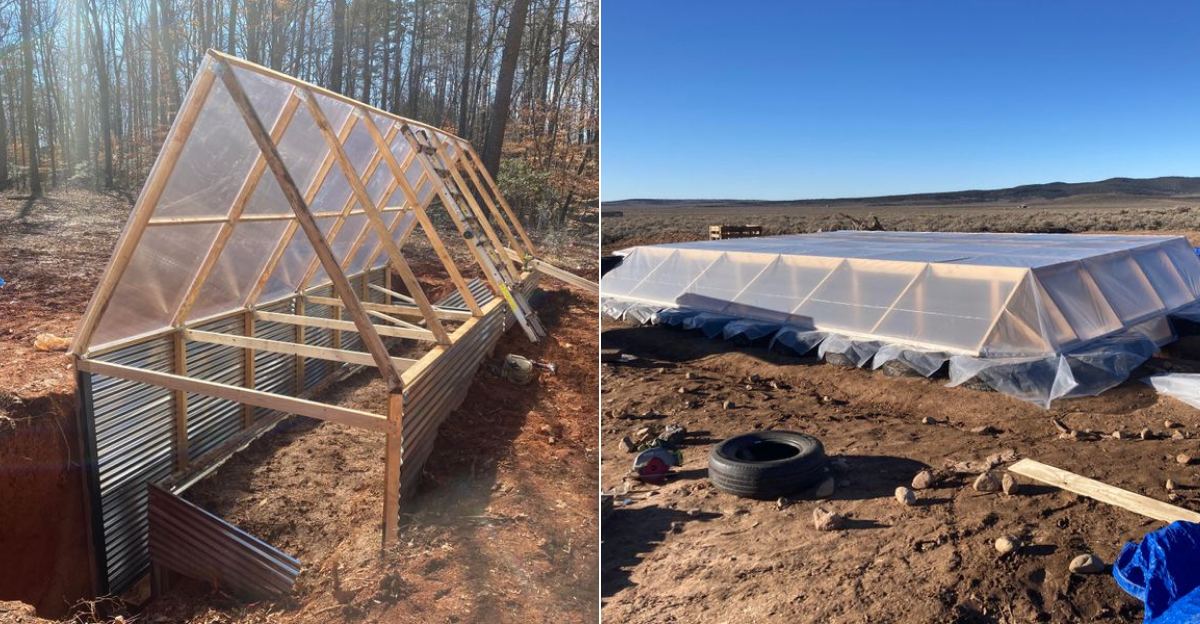
That is where the idea of a walipini greenhouse starts to catch attention. Built partially below ground, this type of structure uses the earth’s natural insulation to hold steady temperatures, even when the air outside turns cold.
In Pennsylvania, where winter lows and sudden freezes can limit what you grow, that added protection can open up entirely new possibilities.
It is not just about growing through winter, but about stretching the entire season in a way that feels practical for a home garden, and once you see how it works, the layout and details begin to matter more than you might expect at first glance.
1. Choosing A Sunny Well Drained Site First
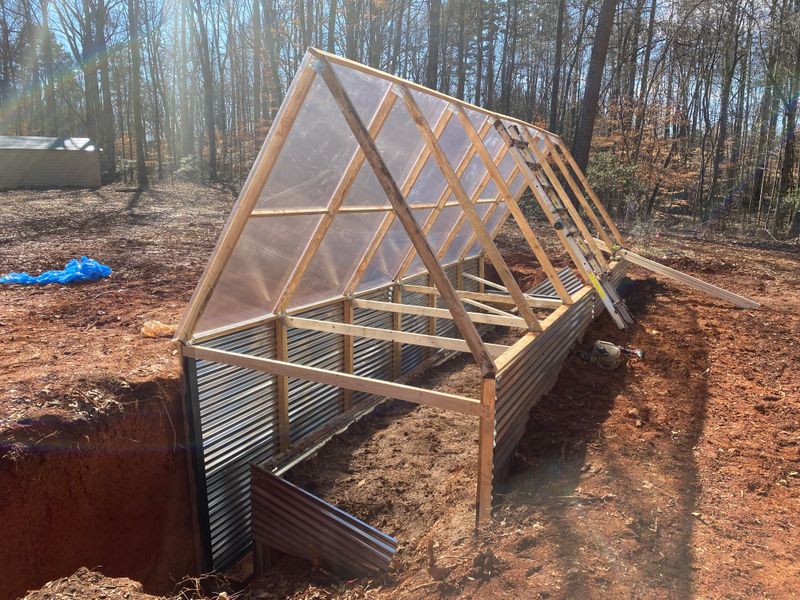
Finding the right spot is honestly half the battle when it comes to building a successful Walipini in Pennsylvania. You want a location that gets as much sunlight as possible throughout the day, especially during those short, gray winter months when every ray of sunshine counts.
South-facing slopes are your best friend here, because they catch the most direct sunlight from morning until late afternoon.
Drainage is just as important as sun exposure. Pennsylvania gets plenty of rain and snowmelt each year, and water that pools around your underground greenhouse can cause serious structural problems over time.
Walk your property after a heavy rain and notice where water flows and where it sits. Avoid those low spots entirely.
Clay-heavy soil, which is common in many parts of Pennsylvania, holds water longer than sandy or loamy soil. If your yard tends to stay soggy after storms, you may need to plan extra drainage solutions before you even break ground.
A slight natural slope helps water move away from your build site naturally.
Look for a spot away from large trees too. Tree roots can invade your pit walls over time, and heavy shade from overhanging branches will reduce the sunlight your plants need.
Roots can also interfere with drainage systems you put in place.
Take time to observe your chosen spot across different times of day and different seasons if possible. A spot that looks sunny in summer might be completely shaded by a neighbor’s barn or tree line come December in Pennsylvania.
Careful site selection saves a lot of headaches later.
2. Checking Pennsylvania Zoning And Permit Rules Before You Build
Before you grab a shovel, spend some time on the phone or at your local county office. Pennsylvania’s zoning rules vary widely from one township to another, and what is perfectly legal in rural Potter County might require special approval in a suburban Chester County neighborhood.
Calling your local zoning board early can save you from a costly mistake.
Most underground structures in Pennsylvania require a building permit, and a Walipini is no exception. You will likely need to submit basic plans showing the dimensions, depth, and materials you plan to use.
Your Pennsylvania Garden Changes Every Week. Your Plan Should Too.
Gardening in Pennsylvania changes quickly throughout the season. Every Friday you’ll receive a simple weekly plan showing exactly what to plant, prune, fertilize, harvest, and protect so you never miss the right timing.
Some counties also require a soil percolation test or an engineering review before approving excavation projects of significant depth.
Homeowners associations, or HOAs, add another layer to consider. Even if your township approves the build, your HOA may have restrictions on visible structures, roofing materials, or modifications to your yard.
Always check both sets of rules before moving forward.
Agricultural zoning can actually work in your favor in Pennsylvania. If your property is zoned for agricultural use, you may face fewer restrictions and lower permit fees for building a greenhouse structure.
Many rural Pennsylvania residents have used this to their advantage when setting up food production systems on their land.
Setback requirements are also something to watch carefully. These rules dictate how far your structure must sit from property lines, roads, and existing buildings.
Getting these details sorted out before construction begins means your Walipini project stays on solid legal ground from start to finish.
3. Sizing The Pit For Light, Access, And Stable Temperatures
Getting the size right from the beginning makes everything else easier. Most Walipini builders in Pennsylvania aim for a pit depth between six and eight feet.
That depth places your growing space below much of the surface temperature fluctuation zone, where soil temperatures tend to stay more stable year-round, often in the range of about 45 to 55 degrees Fahrenheit in many parts of Pennsylvania.
Width matters a lot for light penetration. A pit that is too narrow will end up shaded along the north wall for much of the day, leaving plants struggling for light.
A width of around 12 to 16 feet gives sunlight a good angle to reach most of the growing area during winter months when the sun hangs low in the Pennsylvania sky.
Length is more flexible and depends on how much growing space you need. Many first-time builders start with a pit that is 20 to 30 feet long, which gives enough room for multiple growing beds without becoming overwhelming to manage.
You can always extend later if your gardening ambitions grow.
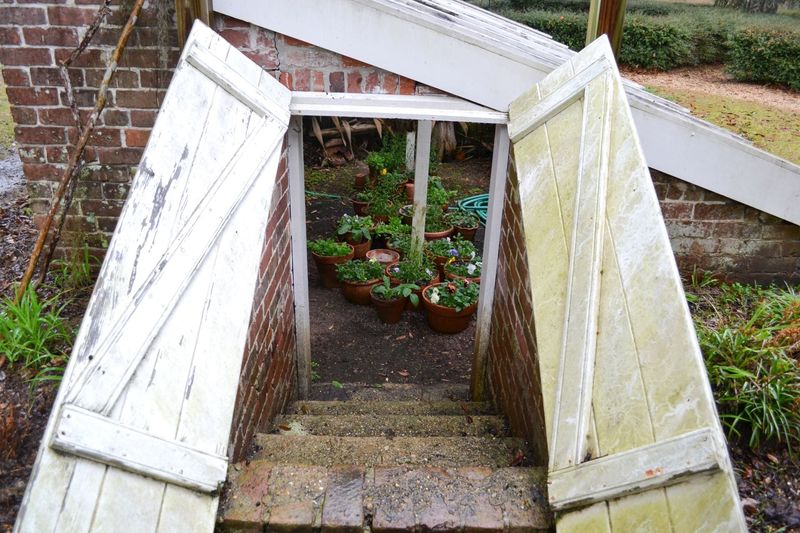
Access is something beginners sometimes overlook until it is too late. Plan for a staircase entry on the north end of the pit so that the stairwell does not block any incoming sunlight.
A wide, comfortable staircase makes hauling soil, tools, and harvested produce much easier on your back.
Stable internal temperatures are the whole point of going underground. A properly designed pit in Pennsylvania can help moderate temperatures and reduce freezing risk, though additional protection or management may still be needed during the coldest winter nights.
4. Digging Above The Water Table And Planning Drainage Early
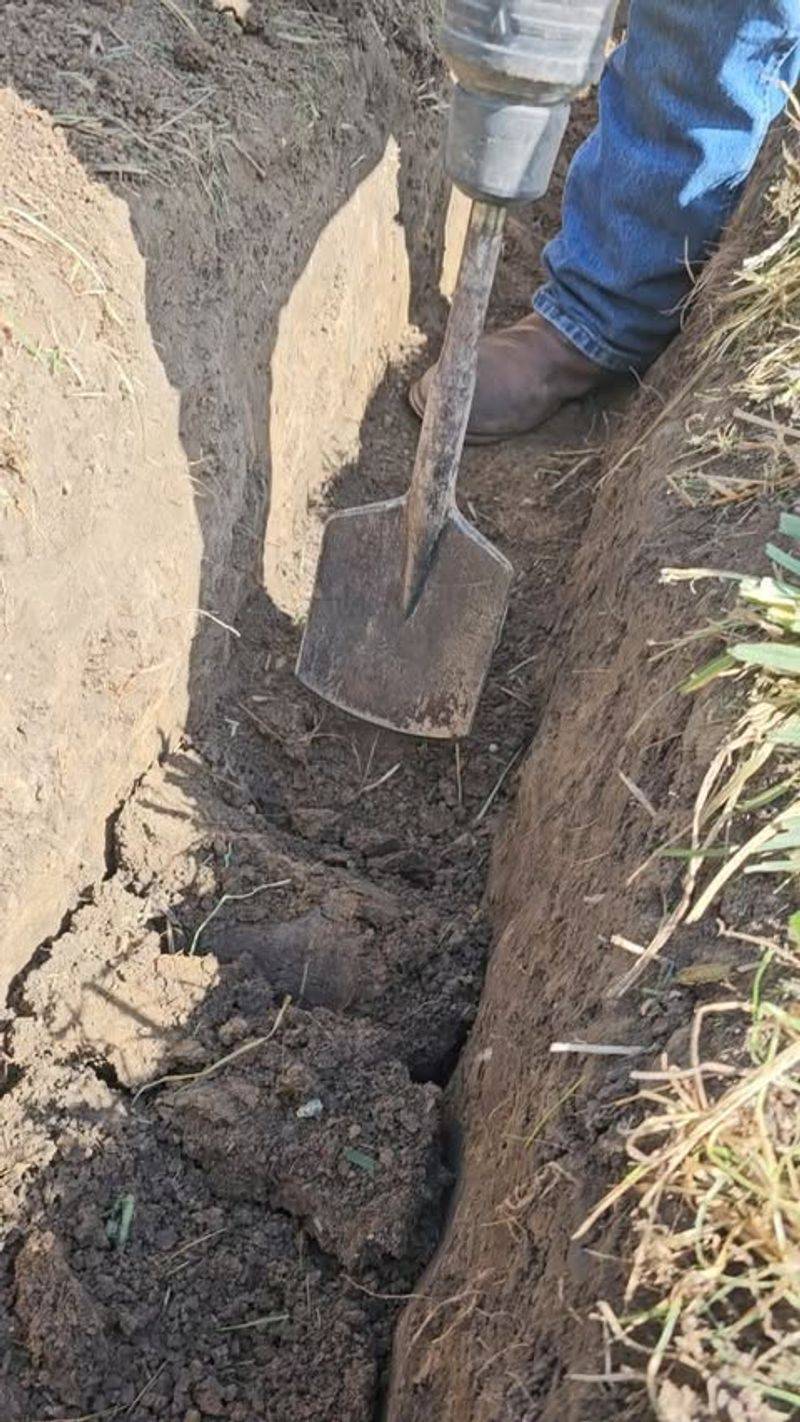
Water management is one of the most critical parts of building a Walipini anywhere in Pennsylvania. The state receives an average of 41 inches of precipitation per year, and much of that soaks into the ground.
If you dig your pit too deep into a high water table zone, you will end up with a flooded greenhouse instead of a productive one.
Before digging, research the water table depth in your specific area. You can contact your local Penn State Extension office for soil and water table information specific to your county.
In some low-lying areas of Pennsylvania near rivers or streams, the water table can be as shallow as three to four feet below the surface, which makes a full-depth Walipini impractical without major drainage engineering.
Gravel drainage layers at the bottom of your pit are a smart and relatively affordable solution. A six-inch layer of crushed stone beneath your growing beds allows water to move down and away from root zones.
Pairing this with a perforated drainage pipe that leads water out to a lower area of your property keeps the pit dry even after heavy rain events.
French drains running along the exterior perimeter of your pit are another popular approach among Pennsylvania Walipini builders. These drains intercept groundwater before it reaches your walls and redirect it safely away from the structure.
Planning all of this before you start digging is much easier than trying to fix drainage problems after your walls are built. A dry pit is a productive pit, and getting drainage right from day one protects your investment for years to come.
5. Building Strong Retaining Walls For Soil Pressure And Safety
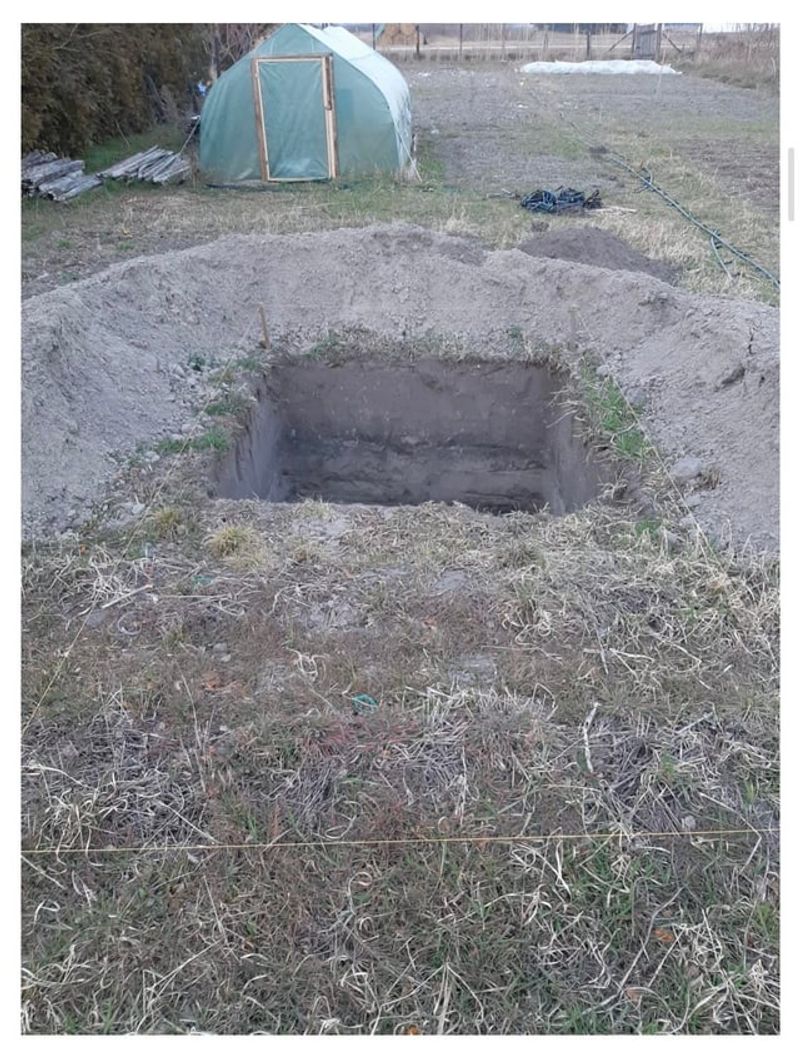
Once your pit is dug, the walls become the backbone of your entire Walipini structure. Soil exerts a surprising amount of lateral pressure against underground walls, especially after rain saturates the ground.
Walls that are not built to handle that pressure can crack, bow inward, or collapse over time, which creates a serious safety hazard and can ruin your growing season.
Concrete blocks are one of the most popular wall materials for Walipini construction in Pennsylvania because they are durable, widely available, and relatively affordable. When reinforced with rebar and filled with concrete, concrete block walls can handle the lateral soil pressure that comes with a six to eight foot deep pit.
Many builders add a waterproof coating on the exterior face of the wall to reduce moisture intrusion.
Earthbag construction is a more budget-friendly alternative that has gained popularity among sustainable builders. Bags filled with a soil and gravel mixture are stacked and tamped down, creating walls with impressive compressive strength.
Earthbag construction has been used successfully in some greenhouse builds, though performance depends on proper design, drainage, and local conditions.
Whatever material you choose, the north wall should be your thickest and most insulated wall. Heat escapes most easily through the north side in Pennsylvania’s climate, so adding rigid foam insulation to the north wall interior can make a noticeable difference in your nighttime temperatures.
Always have your wall design reviewed by a structural engineer or experienced contractor before building. Getting professional eyes on your plan ensures your Walipini stays safe and standing for many growing seasons ahead.
6. Setting The Roof Angle To Capture More Winter Sun
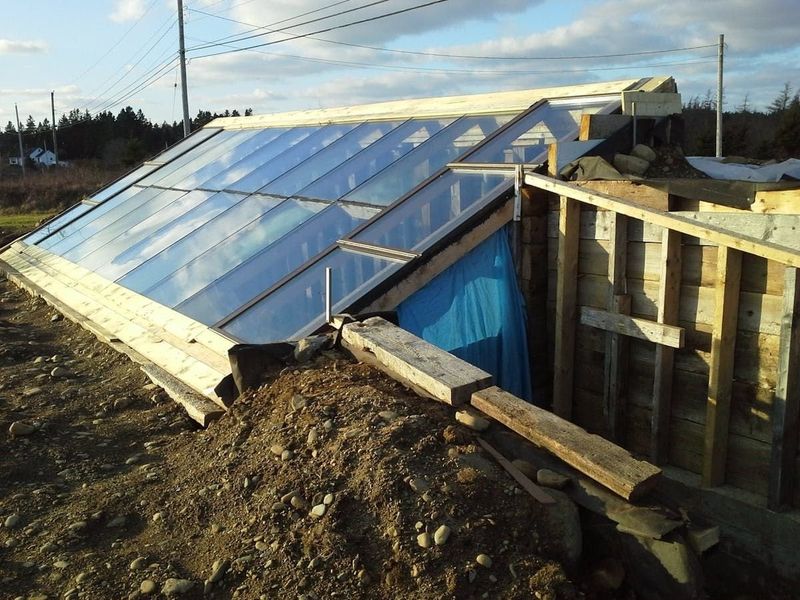
The roof angle on a Walipini is not just a design detail. It is one of the most powerful tools you have for capturing sunlight during Pennsylvania’s cold, low-sun winters.
Getting this angle right can mean the difference between a warm, productive greenhouse and a dim, chilly pit that barely supports plant growth.
A good rule of thumb for Pennsylvania is to set your roof angle between 30 and 45 degrees from horizontal. Pennsylvania sits roughly between 39 and 42 degrees north latitude, which means the winter sun travels low across the southern sky.
A steeper roof angle allows sunlight to hit the glazing more directly rather than bouncing off at a shallow angle.
Some builders use general guidelines, such as adjusting roof angle relative to local latitude, to improve winter sun capture, though the ideal angle can vary based on design goals and site conditions. For most of Pennsylvania, that works out to somewhere around 55 to 60 degrees from horizontal during the shortest days of the year.
Splitting the difference between summer and winter sun angles usually lands you in the 35 to 45 degree range for a fixed roof.
Polycarbonate panels are a popular glazing choice because they are lightweight, durable, and offer good light transmission while providing some insulating value. Twin-wall or triple-wall polycarbonate cuts heat loss compared to single-pane glass and holds up well under Pennsylvania snow loads.
A well-angled roof also helps snow slide off naturally rather than accumulating and blocking light. During heavy Pennsylvania snowstorms, that self-clearing effect keeps your greenhouse receiving light without requiring you to climb up and brush snow off manually.
7. Adding Ventilation To Control Heat, Humidity, And Condensation
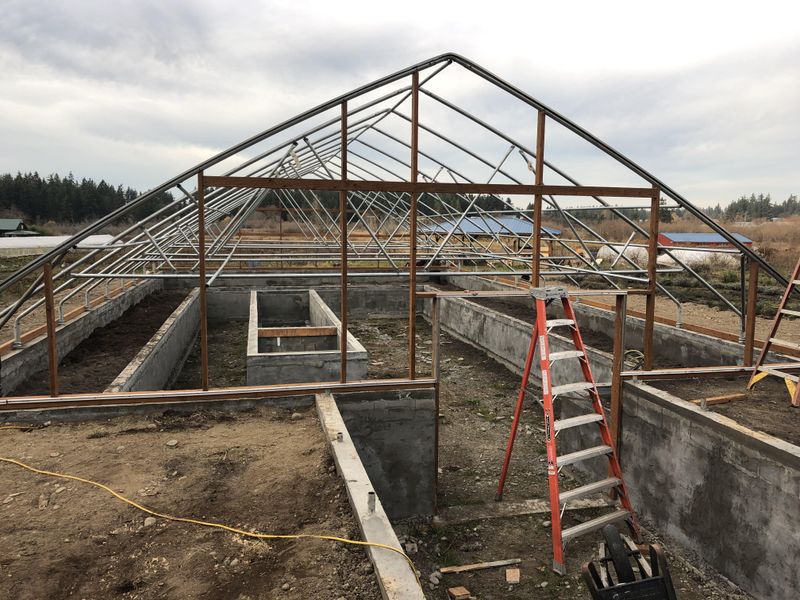
Underground greenhouses can get surprisingly warm on sunny days, even in the middle of a Pennsylvania winter. Without proper ventilation, that heat buildup can stress your plants and encourage the growth of mold and mildew.
A well-ventilated Walipini keeps temperatures comfortable for both plants and the people tending them.
Ridge vents positioned at the highest point of your roof are the most effective for natural airflow. Hot air rises and escapes through the top while cooler, fresh air enters through lower vents or gaps near the base of the structure.
This stack effect works passively without any electrical equipment, which keeps operating costs low.
Humidity is a constant challenge inside any greenhouse, and underground structures are especially prone to moisture buildup. Condensation dripping from the roof onto plants can promote fungal problems that spread quickly in an enclosed space.
Installing gutters or drip channels inside the roof perimeter helps collect and redirect that condensation away from your growing beds.
On warmer Pennsylvania days in spring and fall, natural ventilation alone may not be enough to prevent overheating. Adding a small thermostat-controlled exhaust fan gives you backup cooling capacity without requiring constant monitoring.
These fans kick on automatically when temperatures climb above your set threshold.
Balancing ventilation with heat retention is the real skill. Opening too many vents on a cold Pennsylvania night can send your hard-earned warmth right out of the structure.
Many experienced Walipini growers use adjustable vent covers that can be opened wide on mild days and nearly closed during frigid nights, giving them precise control over their growing environment.
8. Planning For Frost, Snow Load, And Winter Weather
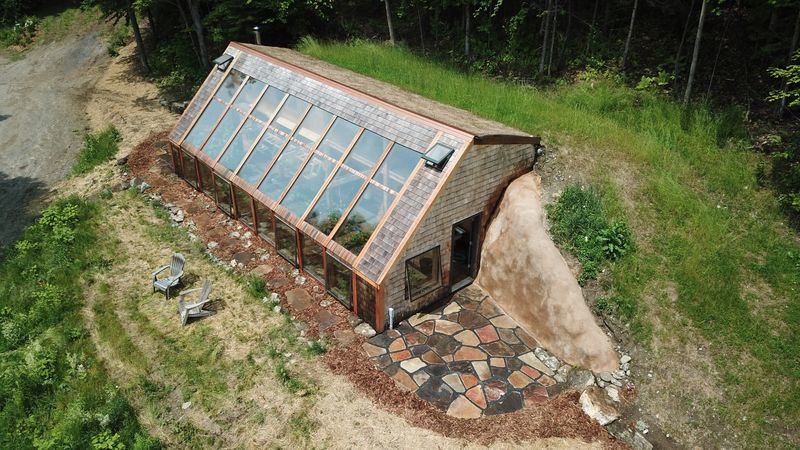
Pennsylvania winters can be unpredictable and demanding. One week might bring a mild stretch of 40-degree days, and the next could drop temperatures well below zero with a foot of snow on the ground.
Building your Walipini to handle the full range of Pennsylvania winter conditions is not optional, it is essential.
Snow load is a structural concern that deserves serious attention. The Pennsylvania State Hazard Mitigation Plan notes that some regions of the state, particularly in the northern highlands and Pocono Mountains area, can receive 80 or more inches of snow in a heavy winter season.
Your roof framing needs to be engineered to support that kind of accumulated weight without sagging or failing.
Polycarbonate or tempered glass panels should be rated for the snow loads typical in your specific Pennsylvania county. Check with your local building department for the ground snow load requirements in your area before finalizing your roof design.
Overbuilding slightly is always smarter than cutting corners on structural capacity.
Frost can also affect the ground around your Walipini even if the interior stays warm. The frost line in Pennsylvania ranges from about 36 inches in the south to over 48 inches in northern counties.
Your foundation footings and drainage pipes should be placed below the frost line to prevent heaving and cracking as the ground freezes and thaws through the season.
Adding thermal mass inside your Walipini, such as water-filled barrels painted black or stone floors, helps buffer against sudden temperature swings. When a cold front rolls through Pennsylvania overnight, that stored heat slowly releases and keeps your plants safe through even the sharpest cold snaps.