What To Plant Near Strawberries In California For Healthier Growth
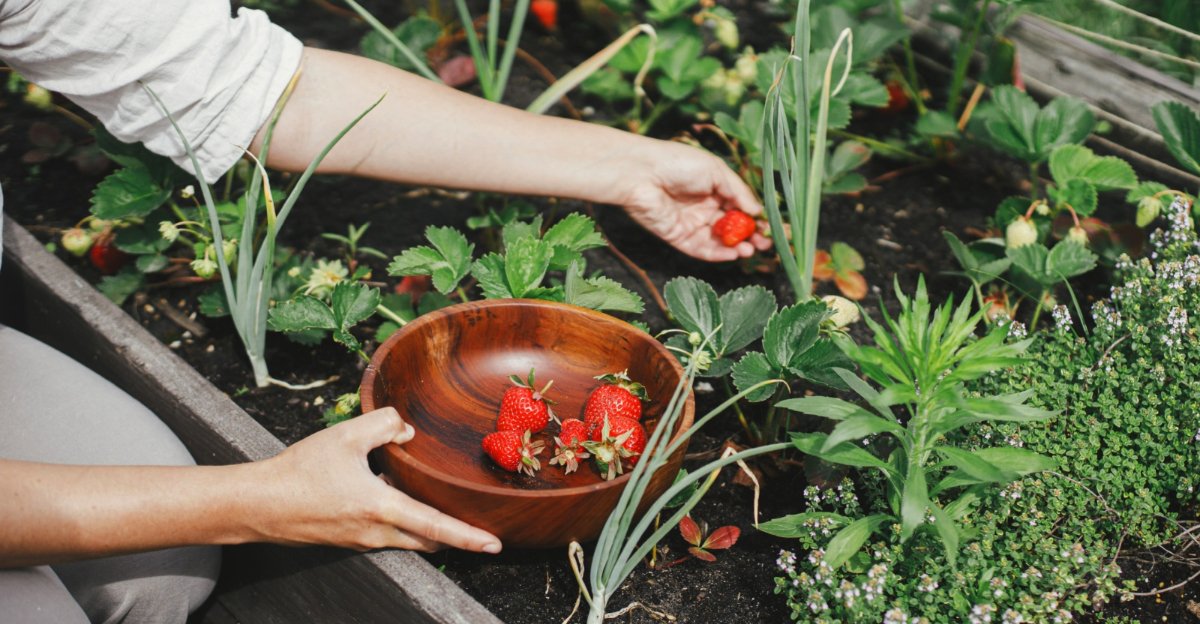
Strawberries can look great one week, then suddenly struggle the next, even when you have been doing everything right. In California, that often comes down to what is growing around them.
A plant that works well in one garden bed might cause subtle issues in another, especially with the state’s mix of coastal fog, inland heat, and shifting soil types.
Small changes in spacing, watering, and nearby crops can influence how well strawberries grow and produce.
Choosing the right companions can help support healthier plants, reduce pest pressure, and make better use of your garden space without adding extra work.
1. Lettuce Fits Easily Between Strawberry Plants Without Competing
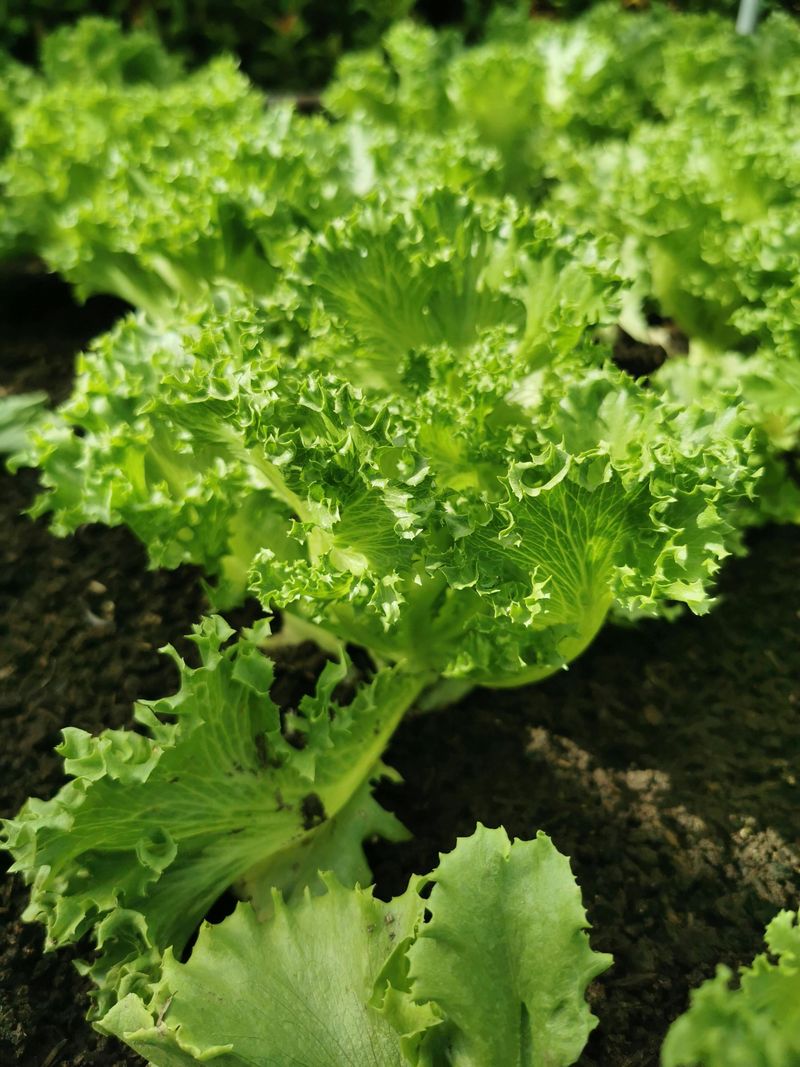
Shallow-rooted and low-growing, lettuce is one of the most practical plants you can tuck into the open spaces between strawberry rows.
Because lettuce roots stay close to the surface rather than spreading deep into the soil, it rarely pulls nutrients away from nearby strawberries.
California gardeners who deal with moisture loss in sandier soils may find that lettuce actually helps hold some ground-level humidity around the base of the plants.
Planting lettuce between strawberry rows also helps shade the soil, which slows down evaporation during California’s warmer spring months.
In coastal regions like Monterey County or Santa Cruz, where strawberries are grown commercially on a large scale, this kind of low-canopy interplanting makes good use of available space without creating competition.
Varieties like butterhead or looseleaf lettuce tend to work especially well because they stay compact and don’t overshadow the strawberry crowns.
The two plants also share similar water needs, which simplifies irrigation management. Both prefer consistent moisture without sitting in waterlogged soil.
Timing matters here – lettuce grows best during cooler parts of the season, which in California often aligns with early spring or fall strawberry production windows.
Sowing lettuce seeds directly between established strawberry plants keeps things tidy and productive throughout the season without needing much extra attention from the gardener.
2. Spinach Grows Quickly During Cooler Strawberry Seasons
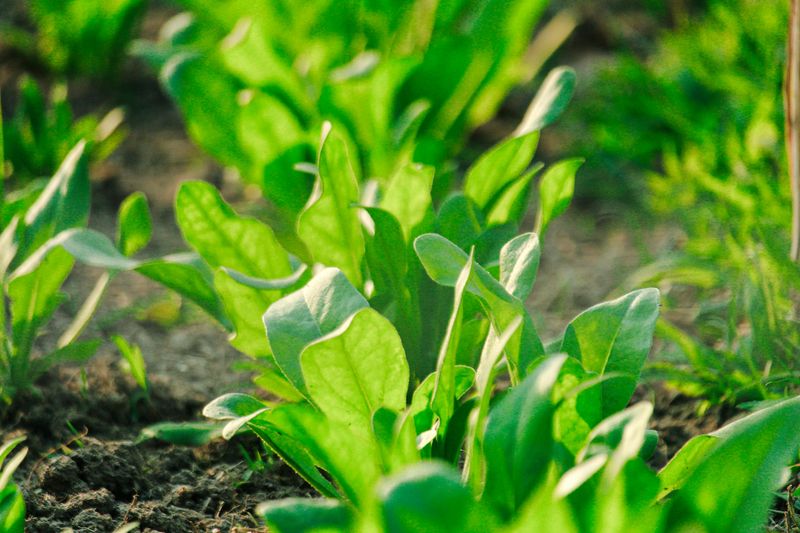
Cool-season gardens in California have a real advantage when it comes to pairing spinach with strawberries.
Spinach germinates and matures relatively fast, often reaching harvest size in about 40 to 50 days, which means it can be planted and picked before the summer heat pushes it to bolt.
In Northern California and along the central coast, this window aligns closely with early strawberry production, making the two crops natural seasonal companions.
Spinach stays low to the ground and develops a modest root system that doesn’t interfere with the spreading runners strawberries produce.
Gardeners growing June-bearing varieties in California can start spinach in late winter and expect a usable harvest before the strawberry season peaks.
This back-to-back timing keeps the bed productive without leaving bare soil exposed, which can dry out quickly in California’s often dry spring conditions.
One practical benefit of spinach is its leaf coverage at ground level. Broad spinach leaves help reduce light reaching the soil surface, which can slow weed germination in between strawberry crowns.
Your California Garden Changes Every Week. Your Plan Should Too.
Gardening in California changes quickly throughout the season. Every Friday you’ll receive a simple weekly plan showing exactly what to plant, prune, fertilize, harvest, and protect so you never miss the right timing.
Keeping weeds down reduces competition for water and nutrients without requiring additional mulch or labor. Spinach prefers well-draining, moderately fertile soil – conditions that also suit strawberries well.
Once temperatures climb above 75 degrees Fahrenheit consistently, it’s a good idea to remove the spinach plants before they bolt and begin to shade or crowd the strawberry crowns.
3. Borage Brings Pollinators That Support Better Fruit Set
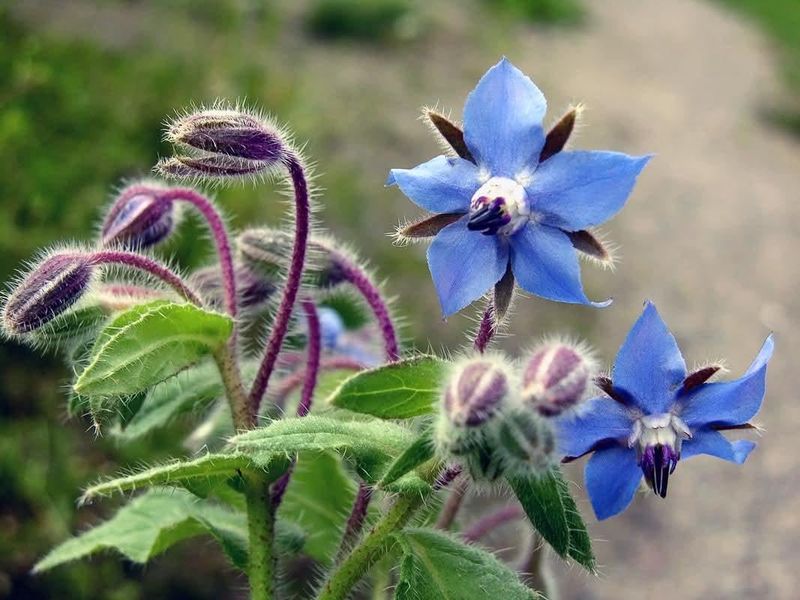
Few plants attract pollinators as reliably as borage, and in a strawberry bed, that kind of activity can make a real difference in how much fruit you end up with. Borage produces small, star-shaped blue flowers that bees find especially appealing.
In California gardens where native bee populations support a significant portion of crop pollination, having borage nearby gives those insects a consistent reason to visit your strawberry bed throughout the season.
Beyond pollinator support, borage has deep taproots that draw up minerals from lower soil layers. Over time, this can enrich the upper soil zone where strawberry roots are most active.
When borage leaves drop and break down, they return those nutrients to the surface – a subtle but useful contribution to overall soil health.
California’s clay-heavy soils in some inland regions can benefit from this kind of natural aeration and mineral cycling that deep-rooted plants help create.
Borage is also a self-seeding annual, which means once you plant it, it tends to come back on its own in subsequent seasons. This makes it a low-maintenance addition to a perennial strawberry bed.
The plant grows moderately tall, so positioning it at the edge or back of the bed prevents it from shading shorter strawberry plants.
Giving borage about 12 to 18 inches of space from strawberry crowns allows both plants to develop without crowding each other unnecessarily.
4. Chives Help Reduce Aphids And Minor Pest Issues
Aphid pressure on strawberries is a common frustration for California home gardeners, particularly during the warmer months when populations can build up quickly on tender new growth.
Chives contain sulfur compounds that many soft-bodied insects find off-putting, and planting them along the edges of a strawberry bed or between rows can help reduce how often aphids settle in.
This isn’t a complete solution on its own, but it adds a layer of natural deterrence that can lower the need for other interventions.
Chives are also incredibly easy to grow in California’s mild climate. They tolerate a wide range of conditions, from the cool coastal marine layer near San Francisco to the warmer, drier conditions of the Inland Empire.
Once established, chives require minimal watering and come back year after year, making them a reliable perennial companion in beds where strawberries are also kept as a perennial planting.
Their compact clumping growth habit means they don’t spread aggressively or compete for space.
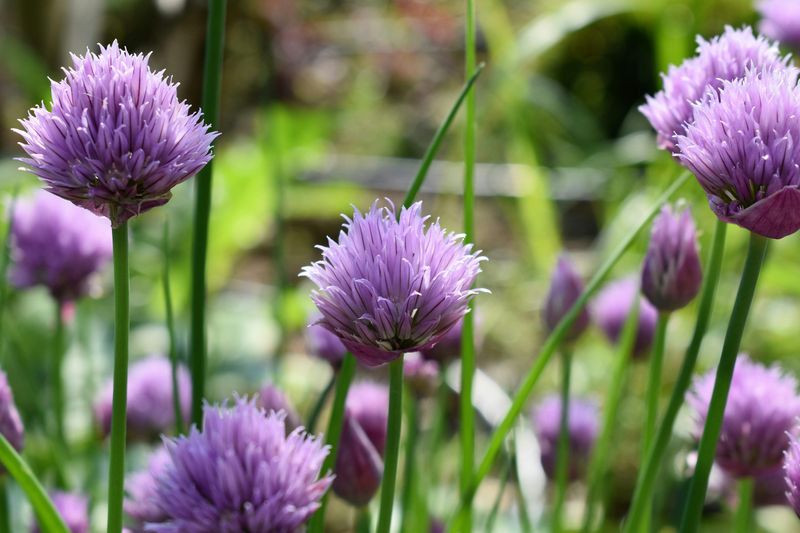
When chives bloom, their round purple flower heads attract beneficial insects including hoverflies and small native bees that also visit strawberry flowers.
Allowing a few chive plants to bloom before cutting them back gives pollinators an extra food source during the growing season.
Spacing chive clumps about 6 to 8 inches from strawberry crowns gives both plants enough room to develop healthy root systems without crowding at the soil level.
5. Garlic Adds A Natural Layer Of Pest Protection
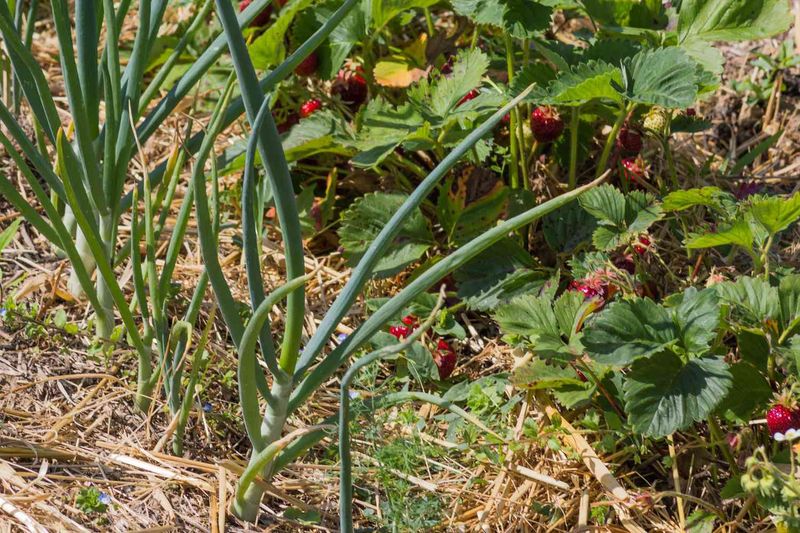
Planting garlic near strawberries is a time-tested approach that many California gardeners rely on, especially in regions where spider mites, aphids, and certain fungal issues tend to show up during the growing season.
Garlic releases sulfur-based compounds both through its roots and into the surrounding air, and these compounds are thought to discourage a range of soft-bodied pests from settling nearby.
The effect isn’t dramatic, but in combination with other good garden practices, it can contribute to a noticeably healthier bed.
In California, garlic is typically planted in the fall and harvested by late spring or early summer, which means its growth cycle overlaps well with the main strawberry season.
Gardeners in the Central Valley and foothill regions often find that fall-planted garlic establishes itself comfortably alongside existing strawberry beds without requiring significant changes to irrigation routines.
Both plants prefer well-draining soil, and garlic’s upright growth means it rarely shades or overcrowds the lower-growing strawberry plants.
Hardneck garlic varieties tend to work especially well in California’s inland growing regions where winters get cold enough to provide the vernalization these types need. Softneck varieties are a better fit for milder coastal areas.
Either way, spacing garlic cloves about 4 to 6 inches from strawberry crowns keeps root competition minimal.
After garlic harvest, the leftover organic matter can be worked lightly into the soil as a natural amendment heading into the next growing cycle.
6. Onions Grow Alongside Strawberries Without Heavy Competition
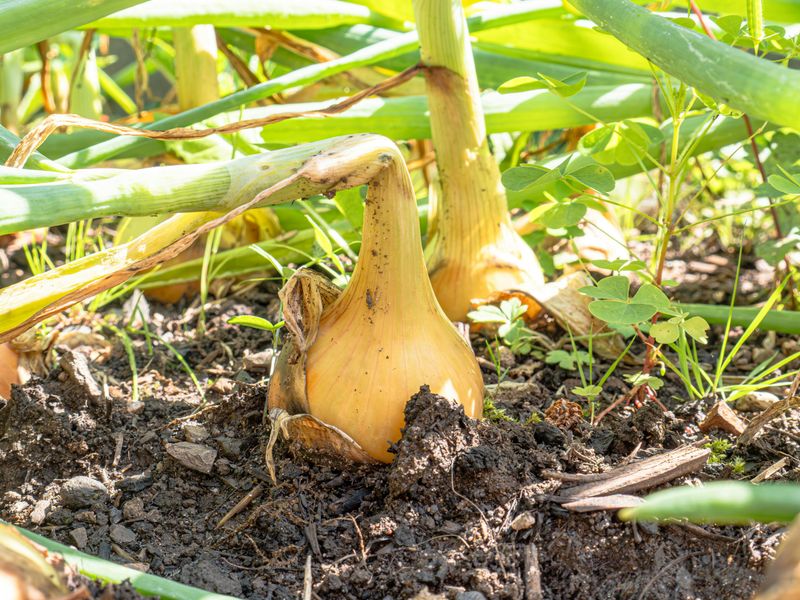
Onions are often overlooked as strawberry companions, but they bring a quiet usefulness to shared garden beds that makes them worth considering.
Like garlic, onions produce sulfur compounds that may help deter certain pests, and their upright growth habit means they take up very little horizontal space.
In California’s diverse growing regions, from the Sacramento Valley to the hills of San Diego County, onions can be planted in fall or early spring and will grow steadily without putting much demand on surrounding soil moisture or fertility.
One practical advantage of growing onions near strawberries is that they don’t produce runners or spread aggressively.
Strawberries already send out a fair number of runners during the growing season, and pairing them with a plant that stays put makes bed management considerably easier.
Short-day onion varieties tend to perform well in Southern California, while intermediate-day types do better in the Central Valley and Northern California growing zones.
Choosing the right variety for your region keeps the planting productive without extra fuss.
Onions prefer similar watering conditions to strawberries – consistent moisture without overwatering. Drip irrigation, which is widely used across California for water conservation, suits both crops well.
Spacing onion sets or transplants about 4 to 6 inches from strawberry crowns helps avoid root crowding.
Harvesting onions as they mature also frees up space in the bed, which gives strawberry plants a bit more room to spread as the season progresses toward peak fruiting.
7. Thyme Creates A Low Growing Living Mulch Around Plants
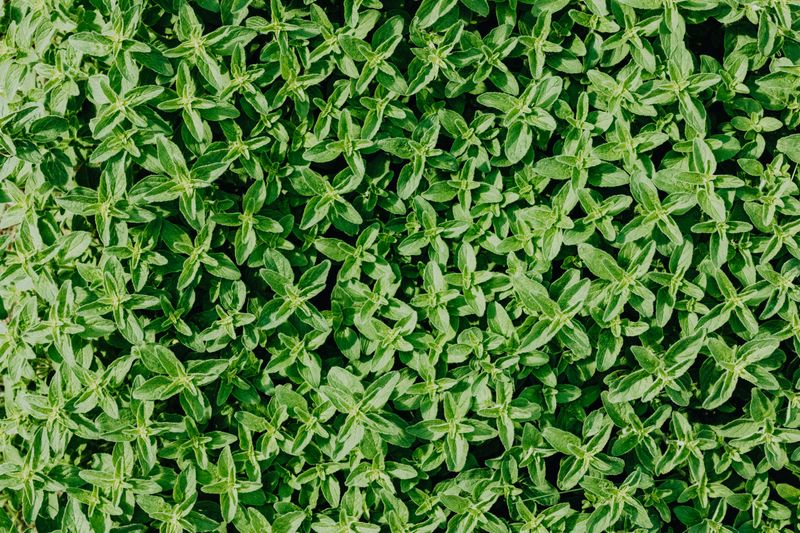
Creeping thyme has a way of filling in the gaps between garden plants that few other herbs can match.
Its low, spreading growth habit means it hugs the soil surface closely, which helps reduce moisture evaporation – a genuine benefit in California’s often dry spring and summer conditions.
For strawberry growers dealing with water restrictions in areas like Southern California or the Central Valley, having a living mulch that also looks attractive and smells wonderful is a practical bonus.
Beyond moisture retention, thyme’s aromatic oils are known to discourage aphids and certain mites from settling nearby.
The scent doesn’t eliminate pest pressure entirely, but it can make the immediate environment less inviting to insects that might otherwise colonize strawberry foliage.
Thyme also attracts hoverflies and small bees, both of which contribute to pollination and help keep pest populations in check by preying on soft-bodied insects like aphids.
Thyme is a drought-tolerant perennial that thrives in California’s Mediterranean-like climate, particularly along the coast and in inland foothills where dry summers are the norm.
It prefers well-draining soil and full sun, which matches strawberry growing requirements well.
Planting thyme about 8 to 10 inches from strawberry crowns gives it room to spread without crowding the strawberry root zone.
As the thyme fills in, it also helps suppress weed germination between rows, reducing the amount of hand-weeding needed throughout the growing season.
8. Marigolds Help Manage Soil Pests And Attract Beneficial Insects
Root-knot nematodes are a persistent problem in many California soils, especially in warmer inland regions where the soil stays warm enough for nematode populations to build up between growing seasons.
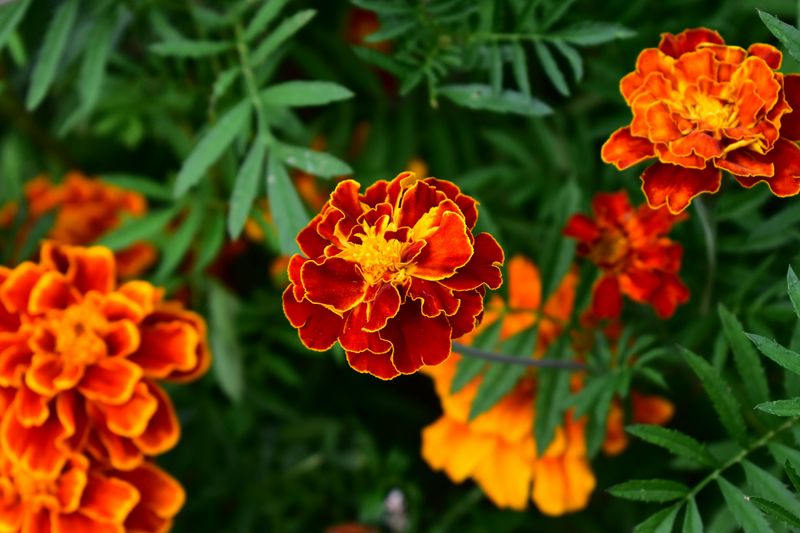
Marigolds, particularly French marigold varieties, are well documented for their ability to suppress nematode populations when planted in or around affected beds.
Their roots release compounds that interfere with nematode development, and planting marigolds as a border around strawberry beds can help reduce this type of soil pest pressure over time.
Marigolds also pull in beneficial insects with their bright, long-lasting blooms.
Hoverflies, parasitic wasps, and several native bee species visit marigold flowers regularly, and these same insects often move into nearby strawberry plants to feed on aphids or assist with pollination.
In California’s warmer growing zones, marigolds bloom from late spring well into fall, providing a sustained source of insect activity throughout the main strawberry fruiting period.
French marigolds stay relatively compact, usually reaching 8 to 12 inches tall, which makes them a tidy border plant that doesn’t shade or crowd neighboring strawberry crowns.
Planting them along the outer edge of the bed rather than directly between plants keeps the strawberry rows accessible for maintenance and harvesting.
Marigolds prefer full sun and moderate water, both of which align well with typical strawberry growing conditions across most of California’s gardening regions throughout the growing season.