Flowering Shrubs That Thrive In North Carolina Without Constant Care
At some point, many North Carolina homeowners start looking at their yard and wondering why it takes so much effort to keep it looking decent.
Watering schedules, trimming, and replacing struggling plants can turn into a regular chore, especially during long stretches of heat.
North Carolina’s climate plays a big role in that. Long stretches of heat, steady humidity, and soil that changes from one area to another can make certain shrubs difficult to manage.
Others settle in, adapt, and keep growing without needing constant attention, even during challenging weather.
Some shrubs handle these conditions without constant watering or frequent trimming. Once they get established, they tend to hold their shape and keep blooming with far less effort.
1. Oakleaf Hydrangea With Bold Seasonal Interest
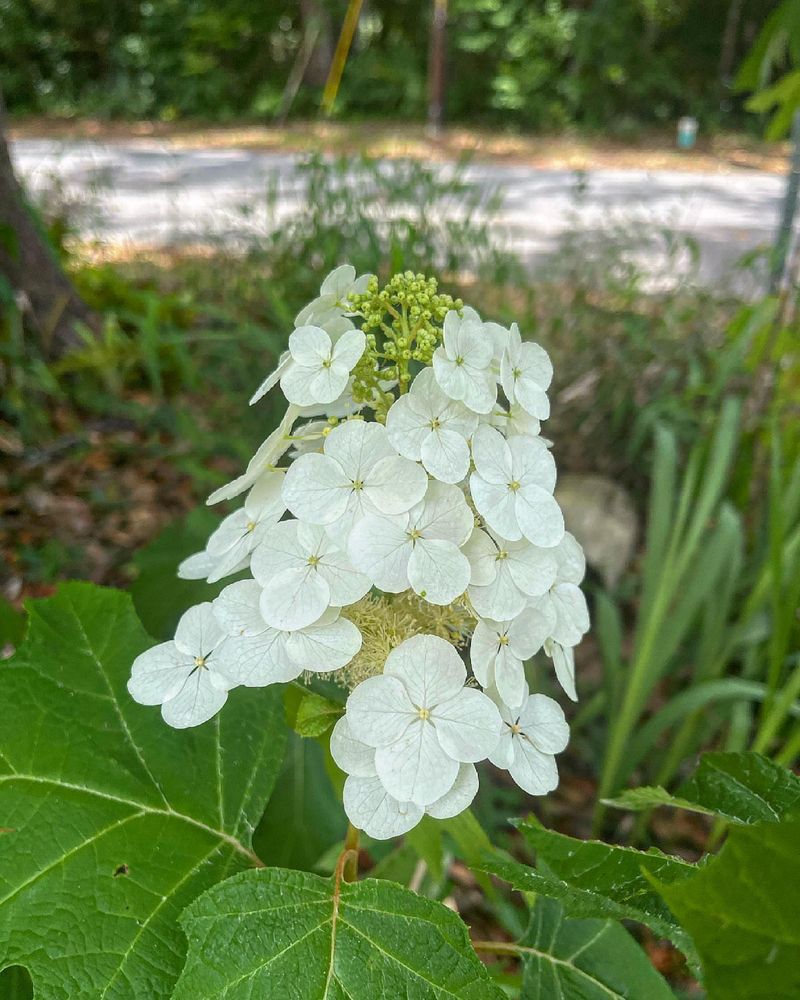
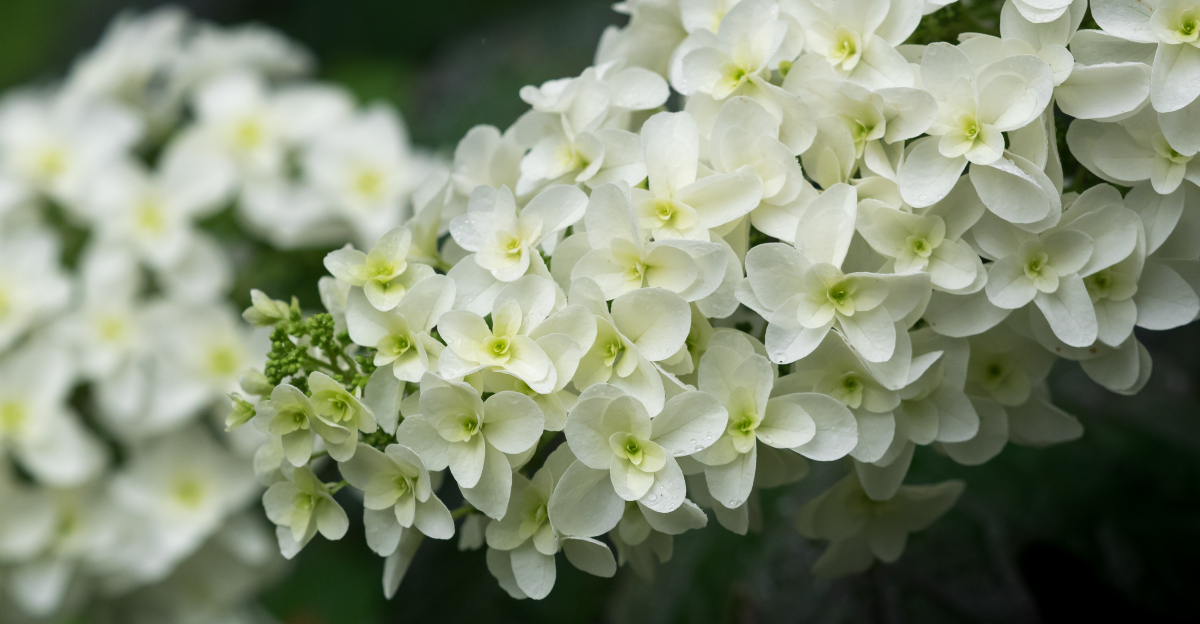
Few shrubs put on a show quite like the Oakleaf Hydrangea. Named for its bold, deeply lobed leaves that look just like oak tree leaves, this native North Carolina beauty produces large, cone-shaped clusters of creamy white flowers every summer.
Those blooms slowly fade to a dusty pink and parchment color as the season changes, giving you months of visual interest without doing a single thing. Even as the flowers age, they continue to hold their shape, adding soft texture to the landscape well into late season.
What makes this shrub especially valuable for North Carolina gardeners is its toughness. Once established, it handles short dry periods reasonably well and does not need rich soil to perform.
Partial shade suits it perfectly, making it a great choice for spots under tall trees where other flowering plants might struggle. It also benefits from a layer of mulch to help retain moisture and protect roots during hotter months.
It also performs best in slightly acidic soil common across many North Carolina landscapes. Good drainage is helpful, especially during periods of heavy rainfall.
Oakleaf Hydrangea blooms on old wood, which means flower buds form during the previous growing season. Pruning should be done right after flowering, if needed, to avoid cutting off next year’s blooms.
In most cases, it needs very little pruning beyond removing dead or damaged wood. The flowers can also be left in place as they dry, adding texture to the garden well into fall.
Leaving the plant mostly untouched often leads to the best overall shape and performance.
Come fall, the leaves turn shades of burgundy, orange, and bronze, so the show never really stops. The peeling, cinnamon-colored bark adds a rustic charm during winter months when most other shrubs go quiet.
Oakleaf Hydrangea grows to about six to eight feet tall and wide, so give it room to spread naturally. Gardeners across North Carolina love it because it rewards patience and neglect equally well, asking for almost nothing in return for its stunning seasonal display.
2. Virginia Sweetspire With Fragrant Summer Blooms
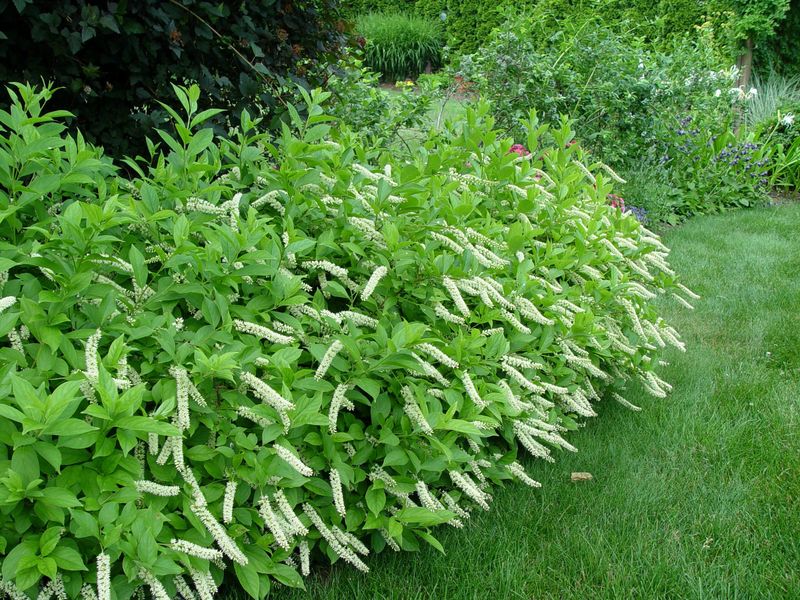
Not every flowering shrub gets the credit it deserves, and Virginia Sweetspire is one of the most underrated gems you can plant in a North Carolina yard. Its arching branches are covered in long, drooping clusters of fragrant white flowers each summer, creating a waterfall effect that draws butterflies and bees from all around the neighborhood.
Your North Carolina Garden Changes Every Week. Your Plan Should Too.
Gardening in North Carolina changes quickly throughout the season. Every Friday you’ll receive a simple weekly plan showing exactly what to plant, prune, fertilize, harvest, and protect so you never miss the right timing.
The sweet scent alone is worth finding a spot for this shrub, especially in areas where you spend time outdoors.
Virginia Sweetspire is incredibly flexible when it comes to growing conditions. It thrives in wet, boggy soil near ponds or streams, but it also handles average garden soil without complaint.
Full sun or partial shade both work just fine, which means you can tuck it into almost any corner of your yard and expect it to perform. It also tolerates periodic flooding better than many flowering shrubs, which makes it especially useful in low-lying areas.
Once established, it can also handle short dry spells, though it looks best with consistent moisture.
One of its most useful traits is its ability to spread slowly by underground suckers, forming natural colonies over time. This makes it a great option for erosion control on slopes or for filling in larger planting areas without needing multiple shrubs.
It can be left to spread naturally or lightly managed to keep a more defined shape, depending on your garden style.
Once the flowers fade, the glossy green leaves take center stage, turning brilliant shades of red, orange, and purple in autumn. Few shrubs in North Carolina deliver such a strong fall color display while also blooming earlier in the year.
It naturally stays compact, usually reaching four to six feet tall, so heavy pruning is rarely needed. Birds often use the dense branching for shelter and protection, adding to its value in a wildlife-friendly landscape.
For homeowners who want beauty with low maintenance demands, Virginia Sweetspire checks many of the right boxes.
3. Carolina Allspice With Spicy Fragrance
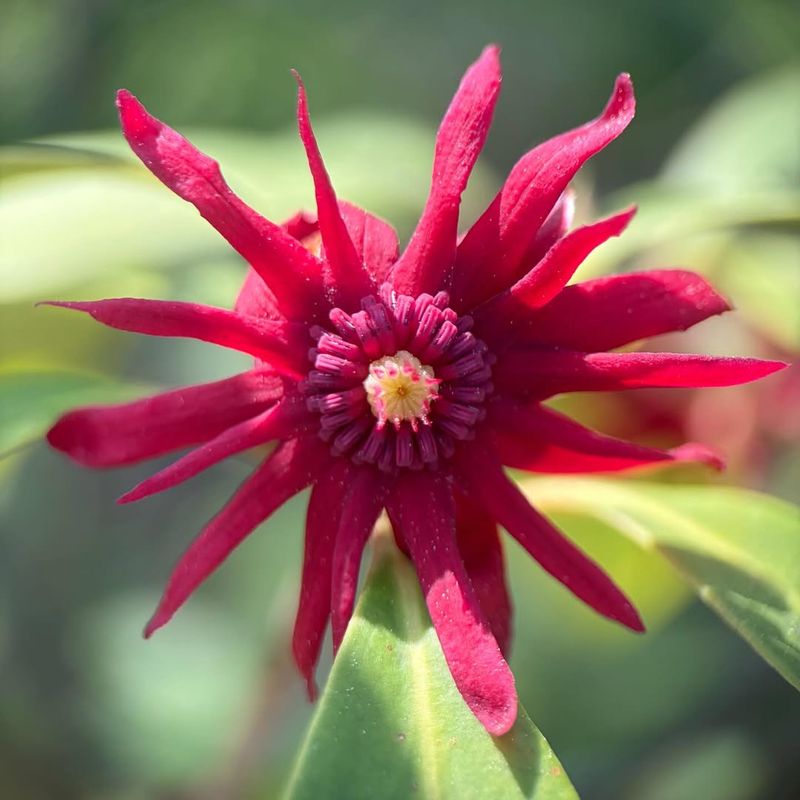
Walk past a Carolina Allspice in bloom and you might stop in your tracks just to figure out where that incredible spicy-sweet fragrance is coming from. Native to the southeastern United States, including North Carolina, this shrub produces unusual, deep burgundy-red flowers in late spring that look unlike anything else in the garden.
The petals are thick and strap-like, giving the blooms an exotic, almost tropical appearance. The fragrance is often compared to a blend of cinnamon, clove, and fruit, making it especially noticeable on warm days when the air is still.
Despite that dramatic look, Carolina Allspice is one of the most easygoing shrubs you can grow. It adapts to full sun or heavy shade and tolerates clay soil, which is common across much of North Carolina.
Once established, it typically needs little supplemental watering during normal rainfall seasons and does not usually require fertilizer to stay healthy. It also tends to be deer-resistant, which is a major advantage in many parts of the state where browsing pressure can be an issue.
The shrub spreads slowly by underground suckers, eventually forming a rounded clump that works beautifully as a natural hedge or woodland border plant. Leaves are large and slightly rough to the touch, releasing a pleasant spicy scent when crushed, which is where the name allspice comes from.
In fall, the foliage can turn soft yellow tones, adding subtle seasonal interest before dropping for winter.
Carolina Allspice is also well-suited for naturalized plantings, especially in woodland gardens where it can grow with minimal interference. It pairs well with other native shrubs and perennials, helping create a layered, habitat-friendly landscape.
Did you know that Native Americans used the bark and roots of this plant for traditional purposes long before European settlers arrived? Growing to about six to nine feet tall, Carolina Allspice brings fragrance, history, and low-maintenance charm to any North Carolina landscape with very little effort required from the gardener.
4. Summersweet With Sweet Summer Fragrance
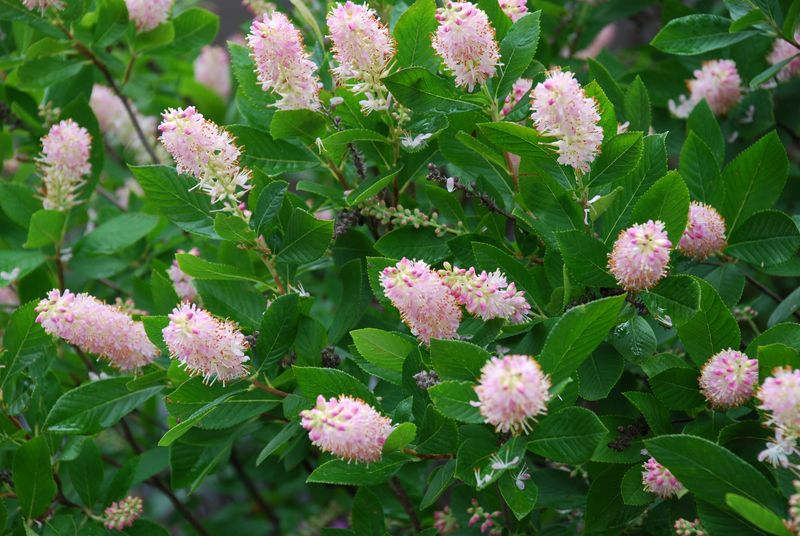
Right in the middle of summer, when most shrubs have already finished blooming and the heat is at its most intense, Summersweet steps up and fills the garden with gorgeous, fragrant flower spikes. Also known by its botanical name Clethra alnifolia, this native North Carolina shrub blooms from mid to late summer in shades of white and soft pink, releasing a honey-like fragrance that drifts across the yard on warm evenings.
The upright flower spikes can last for several weeks, giving you reliable color at a time when many landscapes start to feel tired and faded.
Pollinators go absolutely wild for Summersweet. Bees, butterflies, and hummingbirds are regular visitors throughout the blooming season, turning your garden into a buzzing, fluttering hotspot during the warmest months.
The flowers are especially valuable because they appear during a natural lull when fewer nectar sources are available. For anyone trying to support local wildlife in North Carolina, this shrub is one of the most impactful choices you can make.
Summersweet handles wet soil and partial shade very well, though it performs best with consistent moisture, making it ideal for low spots in the yard or shaded areas near streams and ponds. It grows naturally in moist woodlands across North Carolina, so it already knows how to survive and thrive here without extra help.
It also tolerates clay soils better than many flowering shrubs, which adds to its reliability in different garden settings.
This shrub spreads slowly by suckers, forming a dense, natural-looking colony over time. That growth habit makes it useful for erosion control and for filling in larger planting areas with minimal effort.
It responds well to light pruning if you want to shape it, but it rarely needs heavy maintenance to look good.
The shrub reaches about three to eight feet tall depending on the variety, and many compact cultivars are available for smaller spaces. Fall foliage turns a warm golden yellow, adding one final burst of color before winter.
With fragrance, wildlife value, and adaptability all in one package, Summersweet earns a permanent place in any North Carolina garden.
5. Glossy Abelia With Long Lasting Blooms
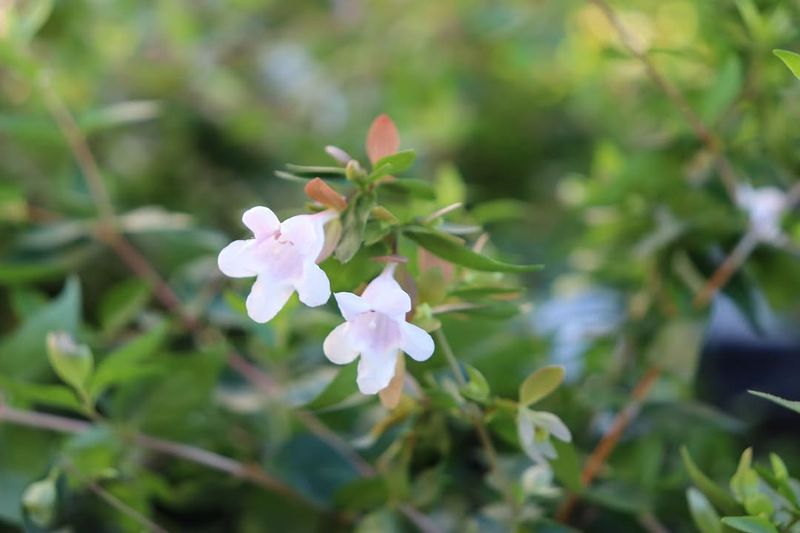
Glossy Abelia has a graceful, fountain-like form that makes it look like it belongs on the cover of a gardening magazine, yet it is one of the most forgiving and easy-to-grow shrubs available to North Carolina gardeners. Its arching branches are lined with small, glossy, dark green leaves that catch the sunlight beautifully, and from late spring all the way through fall, it is covered in tiny, tubular white and pale pink flowers that never seem to stop coming.
That unusually long bloom period is one of Glossy Abelia’s biggest selling points. While other shrubs finish flowering after just a few weeks, Abelia keeps going for months, feeding butterflies and hummingbirds long after the summer rush has faded.
The reddish-bronze sepals that remain after the petals fall add another layer of color interest that carries the shrub well into the cooler months across North Carolina.
Established plants handle drought, heat, and a range of soil types relatively well, making them ideal for busy homeowners who cannot commit to a demanding maintenance routine. Glossy Abelia grows to about three to six feet tall and wide, fitting neatly into foundation plantings, mixed borders, or as a low informal hedge.
A light trim in early spring keeps it tidy if desired, but skipping pruning entirely will not hurt it.
It performs best in full sun to partial shade, with more sun typically leading to heavier flowering and denser growth. In North Carolina’s climate, it holds up well through hot, humid summers and shows good resistance to most common pests and diseases.
In milder parts of the state, it may keep much of its foliage through winter, while in colder areas it can behave more like a semi-evergreen.
New growth often emerges with a reddish tint, adding subtle color contrast against the darker mature leaves. Over time, older branches can be thinned out to encourage fresh growth and maintain a more open, attractive shape.
For reliable, long-season beauty with minimal effort in North Carolina, Glossy Abelia is simply hard to beat.
6. Buttonbush With Unique Round Blooms And Strong Pollinator Appeal
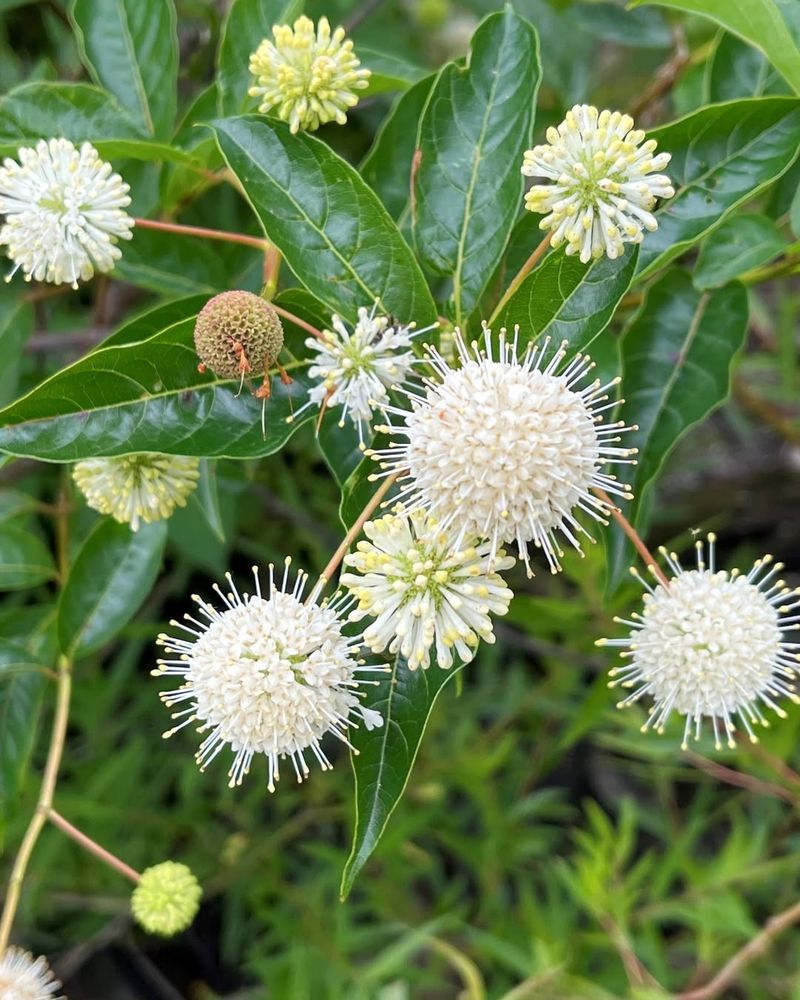
If you have a spot in your yard that stays damp or drains slowly, this is one shrub that will feel right at home. Native to much of North Carolina, this plant naturally grows along streams, ponds, and low areas, which makes it a reliable choice for tricky, moisture-heavy sites where other shrubs struggle.
Buttonbush, known botanically as Cephalanthus occidentalis, stands out for its unusual flowers. In early to mid-summer, it produces round, globe-shaped clusters made up of tiny white tubular blooms.
These distinctive flowers are highly attractive to pollinators, especially bees and butterflies, and can bring steady activity to the garden during the warmer months.
This shrub typically grows between 6 and 12 feet tall and wide, forming a dense, rounded shape over time. It works well as a natural screen, a backdrop planting, or a focal point near water features.
Once established, it requires very little upkeep beyond occasional pruning to maintain size and shape.
Buttonbush grows best in full sun to partial shade and prefers consistently moist soil, though it can handle short dry spells once established. It also tolerates periodic flooding, making it especially useful in rain gardens or along drainage areas.
Its adaptability, combined with strong pollinator value and eye-catching blooms, makes it a dependable, low-maintenance choice for North Carolina gardens.
Beyond its flowers, Buttonbush also produces small, rounded seed heads that persist after blooming and add subtle texture into late summer. These seed structures are not just decorative, they are used by some wildlife species for food.
The plant’s dense branching provides cover for birds and other small animals, especially in areas near water where shelter can be limited.
Buttonbush is especially well-suited for naturalized plantings, where it can grow with minimal intervention and blend into the surrounding landscape. It pairs well with other moisture-loving natives, helping create a layered, habitat-friendly planting.
Because it tolerates pruning, it can be shaped if needed, but it generally looks best when allowed to develop its natural form.