Why Serviceberry Is One Of The Best Native Trees For Ohio Front Yards
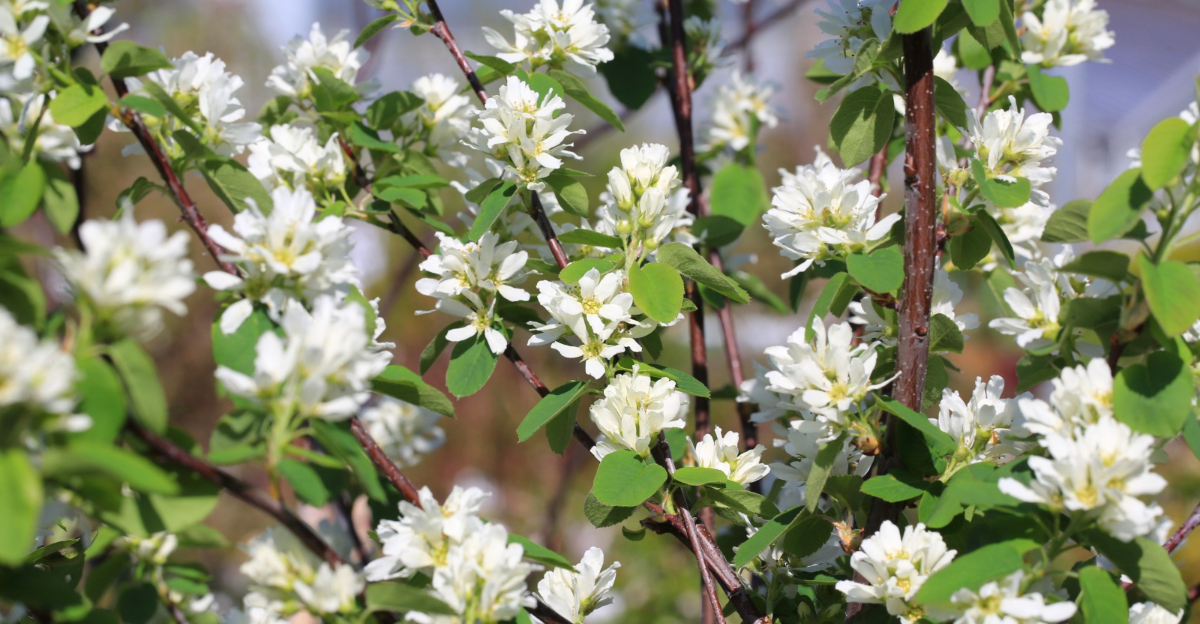
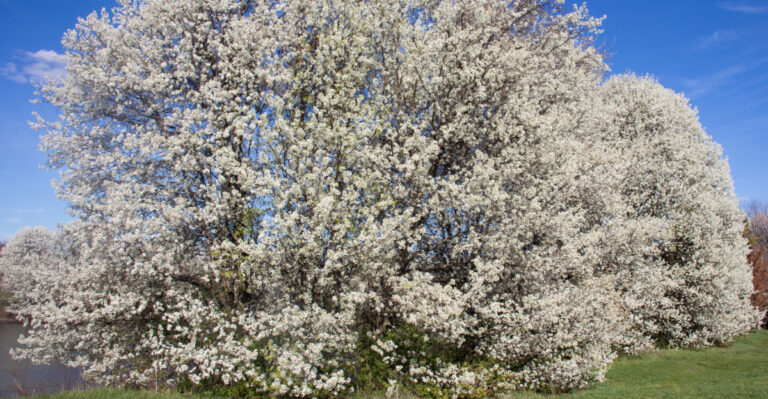
Take a walk through an Ohio neighborhood in spring and one tree tends to stand out before the rest even leaf out. Soft white blooms appear almost overnight, signaling the season has truly arrived.
As more homeowners rethink what belongs in their front yards, the focus has shifted toward trees that can handle Ohio’s shifting weather while still offering year-round appeal.
With cold winters, humid summers, and unpredictable spring swings, not every tree holds up well.
Serviceberry has started to rise to the top for a reason, combining native resilience with multi-season beauty and real value for wildlife, all without demanding much in return.
1. Serviceberry Is Native To Ohio And Well Adapted To Local Conditions
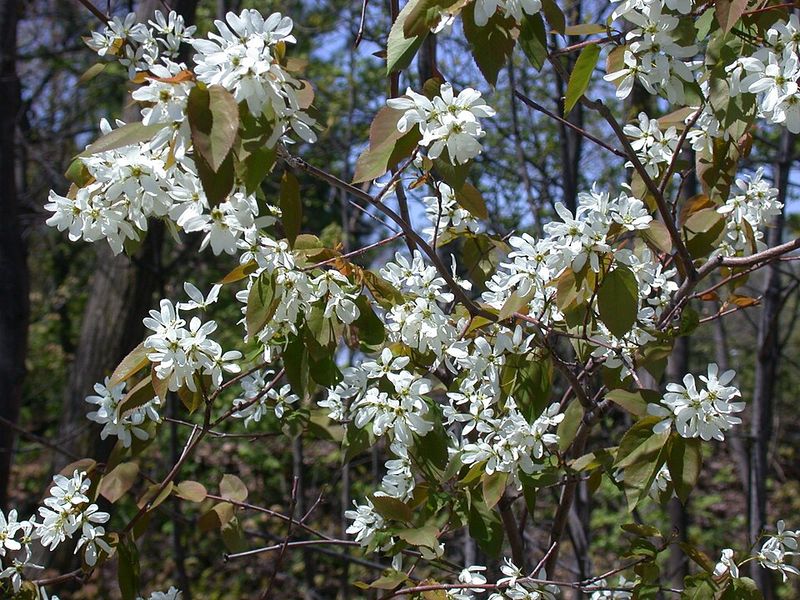
Walk through almost any natural area in Ohio – a woodland edge, a stream bank, a hillside meadow – and there’s a good chance you’ll spot a serviceberry growing quietly among the native plants.
That’s not a coincidence.
Amelanchier species have evolved alongside Ohio’s climate for thousands of years, developing deep roots in the region’s ecological story long before landscaping trends came and went.
Because serviceberry is native to Ohio, it has already figured out how to handle the state’s cold snaps, late frosts, and stretches of summer heat and humidity.
It doesn’t need to “adjust” the way non-native trees often do during their first few years in the ground.
Its root systems, seasonal timing, and overall growth habits are naturally synchronized with Ohio’s rhythms, which gives it a real head start over imported ornamentals.
For front yards specifically, this adaptation matters a lot. A tree that’s well matched to its environment tends to establish faster, experience fewer stress-related problems, and require less intervention from the homeowner.
Serviceberry typically reaches 15 to 25 feet tall at maturity, depending on the species and growing conditions. It grows in full sun to partial shade, which suits a wide range of Ohio front yard orientations.
Planting a tree that genuinely belongs in Ohio’s landscape is one of the smartest decisions a homeowner can make.
2. Early Spring Flowers Support Pollinators Emerging From Winter
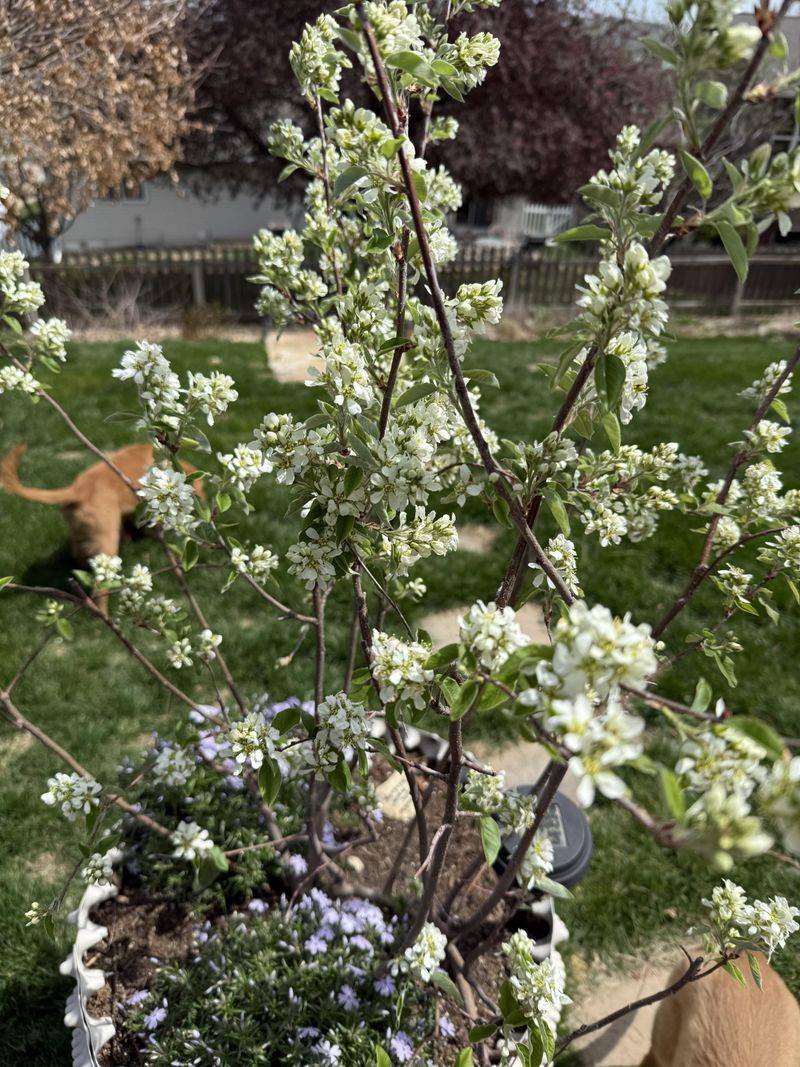
Few sights in an Ohio yard feel as hopeful as serviceberry flowers opening in late March or early April, often before most other trees have even thought about budding.
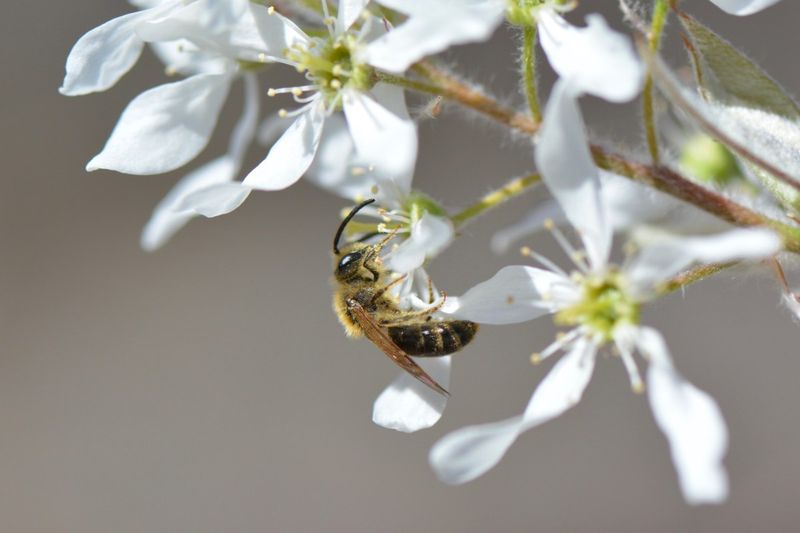
Those clusters of delicate white blossoms aren’t just pretty – they arrive at a moment when native pollinators are desperately searching for early food sources after a long Ohio winter.
Native bees, including mining bees and mason bees, are among the first pollinators to emerge each spring. They need nectar and pollen quickly to build energy and begin nesting.
Serviceberry flowers directly at the right time to meet that need, providing a reliable food source during a window when very few other plants are blooming. That early timing makes it genuinely valuable rather than just decorative.
Honeybees and some early butterfly species also visit serviceberry flowers, adding to the ecological contribution the tree makes every spring.
Your Ohio Garden Changes Every Week. Your Plan Should Too.
Gardening in Ohio changes quickly throughout the season. Every Friday you’ll receive a simple weekly plan showing exactly what to plant, prune, fertilize, harvest, and protect so you never miss the right timing.
For Ohio homeowners who want to support pollinator populations – which have faced real pressure in recent decades – planting a serviceberry in the front yard is a practical, visible way to make a difference.
The bloom period typically lasts one to two weeks, depending on spring temperatures in a given year.
Even a single tree can make a meaningful contribution to the local pollinator community during that critical early-season stretch when food options are still limited across most Ohio neighborhoods.
3. Edible Berries Provide Food For Birds And Backyard Harvests
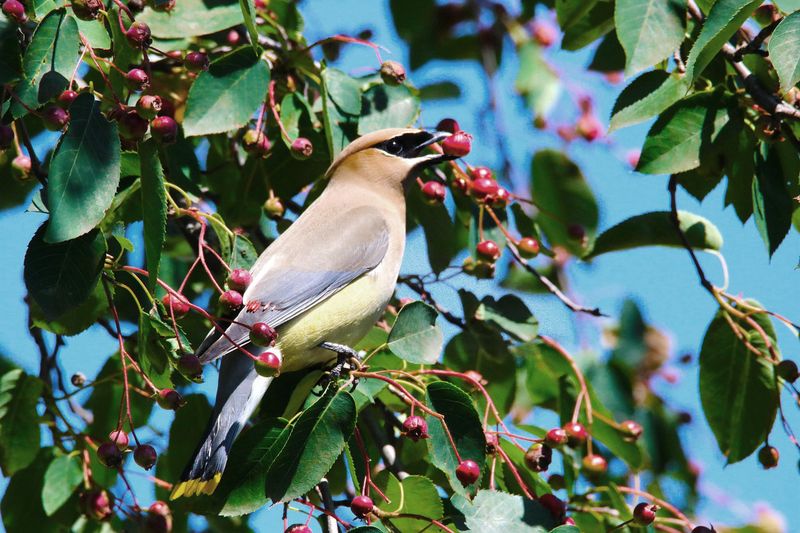
By early June in Ohio, serviceberry trees are loaded with small, round fruits that shift from red to deep purple as they ripen. The timing is almost theatrical – just as spring flowers fade and the tree fills in with green leaves, the berry show begins.
And the audience is enthusiastic.
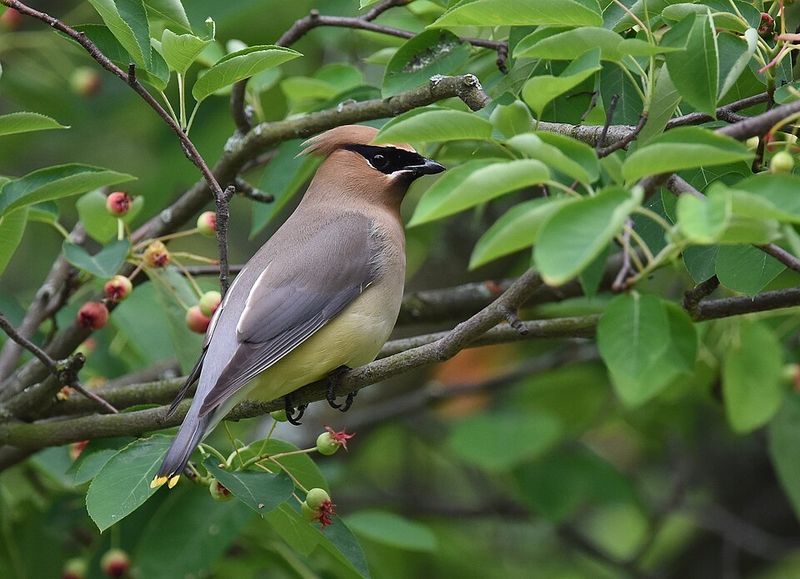
More than 35 bird species are known to feed on serviceberries, including cedar waxwings, robins, Baltimore orioles, and several thrush species.
These birds can descend on a fruiting tree quickly and strip the berries within days, which is actually part of the tree’s seed-dispersal strategy.
For Ohio homeowners who enjoy watching birds from their front porch or window, a serviceberry in bloom and in fruit is one of the most reliably rewarding trees to plant close to the house.
The berries are also edible for people. They taste somewhat like a mild blueberry with a hint of almond, and they can be eaten fresh, baked into pies, or made into jams.
The catch is that birds tend to find the fruit first, so harvesting for the kitchen requires a bit of timing and persistence. Netting the tree temporarily during the ripening period can help homeowners claim a share of the harvest.
Whether the goal is feeding birds or filling a bowl for the kitchen, serviceberry delivers a generous and genuinely useful summer crop in Ohio front yards.
4. Compact Size Works Well In Typical Front Yard Spaces
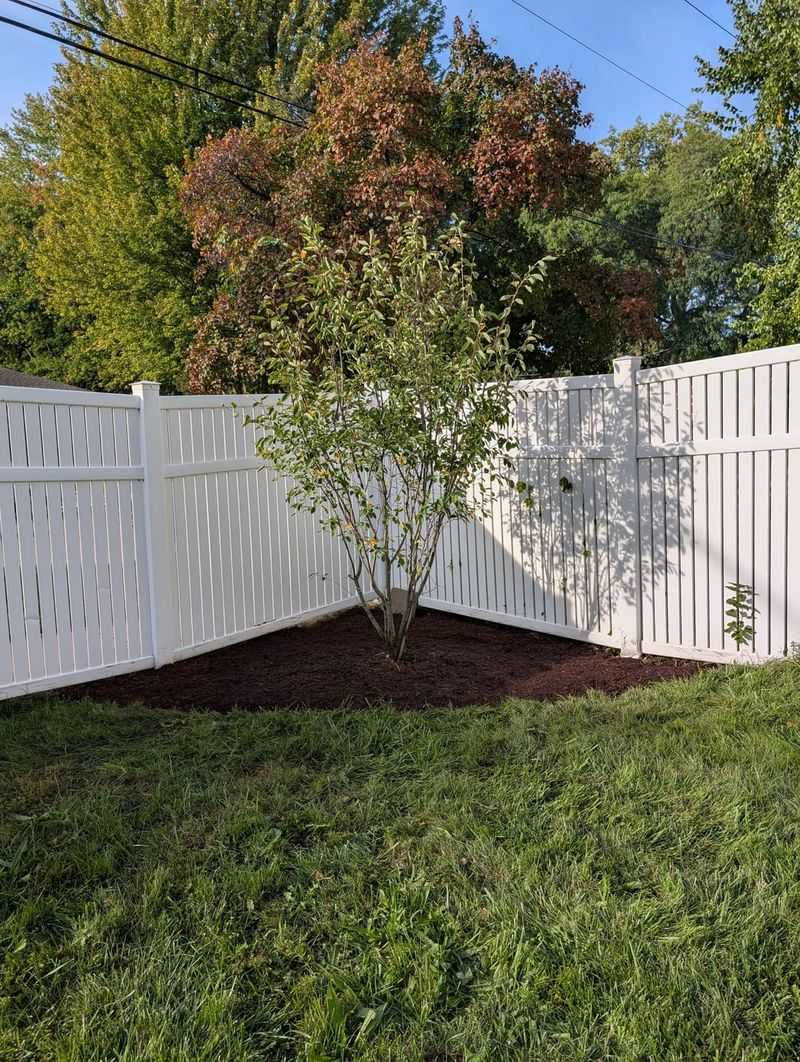
One of the most common mistakes Ohio homeowners make when choosing a front yard tree is underestimating how large it will eventually grow.
A tree that looks manageable at the nursery can become an overwhelming presence near a driveway, sidewalk, or utility line a decade later.
Serviceberry sidesteps that problem naturally because of its modest mature size.
Most serviceberry varieties grown in Ohio reach somewhere between 15 and 25 feet tall, with a spread that roughly matches the height.
That’s large enough to provide meaningful shade and visual presence, but small enough to fit comfortably in a typical residential front yard without threatening structures, power lines, or neighboring properties.
Multi-stemmed shrub forms tend to stay on the smaller end of that range, while single-trunk tree forms may grow closer to the upper limit.
The tree’s naturally graceful, slightly arching branch structure also gives it a refined look that suits residential settings well.
It doesn’t develop the kind of aggressive surface roots that can crack sidewalks, and its canopy tends to stay open enough that it doesn’t completely block light to windows or the street.
For Ohio front yards with limited space – which describes a large percentage of suburban and urban lots across the state – serviceberry offers a size that genuinely fits rather than one that requires constant management to keep under control.
5. Multi Season Interest Adds Value Beyond Spring Bloom
Plenty of ornamental trees look spectacular for two weeks in spring and then fade into the background for the rest of the year.
Serviceberry takes a different approach, cycling through distinct and genuinely attractive phases across all four seasons in Ohio’s climate.
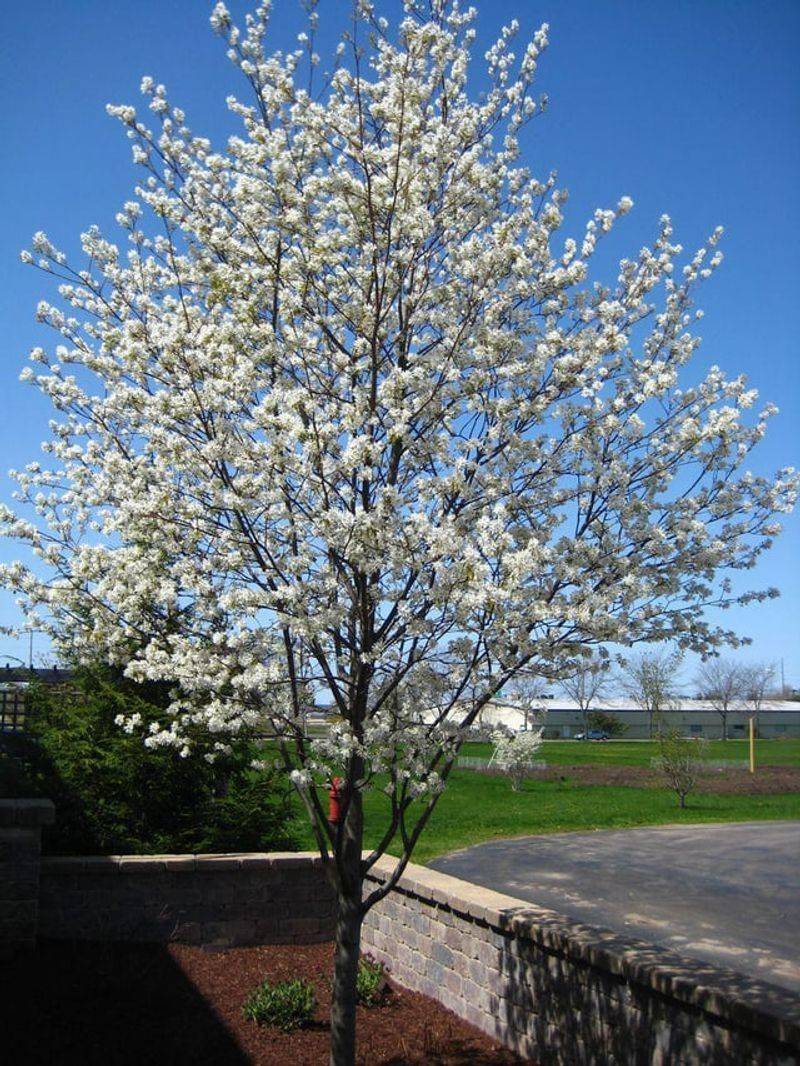
Spring brings those well-known white flower clusters that open before most other trees have leafed out. Summer shifts the focus to the ripening berries and a full canopy of clean green foliage.
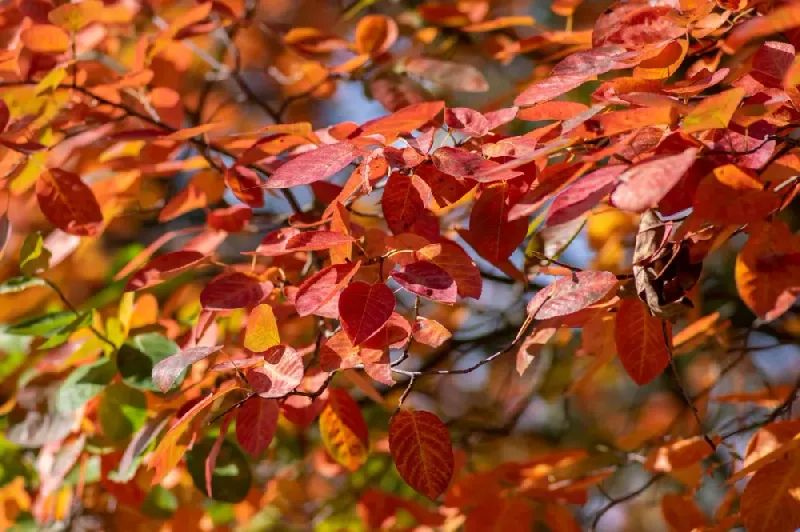
Then fall delivers one of serviceberry’s most underrated features – leaves that turn vivid shades of orange, red, and yellow, creating a warm display that competes respectably with more famous fall-color trees.
Ohio’s autumn color season is a big deal for residents, and serviceberry earns its place in that conversation.
Winter strips things back to the tree’s structural form, and what’s left is genuinely handsome. The smooth, gray-striped bark has a quiet elegance, and the branching pattern catches light in ways that make it worth looking at even when bare.
For homeowners who want a front yard tree that contributes something meaningful in every season – not just during its peak moment – serviceberry is one of the most complete options available in Ohio.
It rewards close attention throughout the year rather than demanding it only once and then disappearing into the scenery.
6. Tolerates A Range Of Ohio Soil Types And Conditions
Ohio’s soils are anything but uniform. Drive across the state and you’ll encounter heavy clay in the western regions, sandy loam in parts of the southeast, rocky glacial deposits in the northeast, and everything in between.
Many trees struggle when they encounter soil conditions that differ from their ideal, but serviceberry handles that variability with notable flexibility.
Serviceberry grows best in moist, well-drained soils with a slightly acidic pH, but it demonstrates a reasonable tolerance for heavier clay soils that are common in many Ohio suburban developments.
It can handle periodic wet conditions better than many ornamental trees, and it also manages reasonably well during dry summer stretches once it’s established.
That combination of wet tolerance and drought adaptability makes it a practical fit for Ohio’s sometimes unpredictable precipitation patterns.
One consideration worth keeping in mind is drainage. Like most trees, serviceberry prefers not to sit in standing water for extended periods.
If a front yard has a consistently waterlogged low spot, amending the planting area or choosing a slightly raised location can help.
For most Ohio homeowners dealing with typical suburban soil conditions – often compacted and clay-heavy from construction activity – serviceberry establishes more reliably than many alternatives.
Loosening the soil at planting time and adding a layer of organic mulch around the base gives it the best possible start in challenging Ohio ground.
7. Low Maintenance Growth Habit Suits Residential Landscapes
Not everyone who plants a tree wants to spend weekends managing it. For Ohio homeowners with busy schedules or limited gardening experience, the appeal of a tree that largely takes care of itself is real and completely reasonable.
Serviceberry fits that description better than most ornamentals commonly sold at Ohio garden centers.
Once established – typically after two to three growing seasons in the ground – serviceberry requires minimal pruning.
The goal of any pruning should be to remove crossing or damaged branches and maintain a pleasing shape, not to aggressively manage size.
Heavy pruning isn’t needed and can actually reduce flowering and fruiting. A light touch every few years is generally enough to keep the tree looking tidy in a residential front yard setting.
Serviceberry also has relatively few serious pest or disease problems in Ohio. Fire blight can occasionally affect the tree, as it does many members of the rose family, and some leaf spot issues may appear during wet summers.
Neither of these is typically severe enough to threaten the tree’s health when it’s planted in a well-suited location with adequate air circulation.
Watering during the first year or two after planting helps establishment considerably, but mature trees in Ohio generally manage seasonal dry spells without requiring supplemental irrigation.
For homeowners who want beauty without demanding upkeep, serviceberry makes a genuinely compelling case.
8. Strong Wildlife Value Supports Local Ecosystems
Yards are more than outdoor living spaces – they’re small pieces of a much larger ecological puzzle.
In Ohio, where natural habitat has been significantly reduced by development over the decades, residential landscapes play a growing role in supporting the wildlife that depends on native plants to survive.
Serviceberry is one of the more impactful native trees a homeowner can choose when wildlife support is part of the goal.
Beyond the pollinators it feeds in spring and the birds it attracts during berry season, serviceberry hosts an impressive number of caterpillar species – estimates suggest well over 100 species of moths and butterflies use it as a larval host plant.
Caterpillars are a critical food source for nesting birds, particularly during the weeks when parent birds are feeding nestlings.
A yard with serviceberry contributes to that food chain in a way that non-native ornamentals simply cannot replicate.
Small mammals also occasionally feed on fallen berries, and the tree’s branching structure provides nesting sites and cover for several bird species.
Ohio’s urban and suburban neighborhoods often feel like wildlife deserts to the animals trying to navigate them, but a front yard planted with even one native tree like serviceberry becomes a genuine resource in that landscape.
The cumulative effect of more Ohio homeowners choosing native trees adds up to something meaningful for the region’s broader ecological health over time.