10 Climbing Plants To Start In April In Georgia For Fences And Trellises
It only takes a few weeks for a bare fence to turn into a wall of green once climbing plants get started in April.
Across Georgia, soil is warming, days are stretching longer, and vines quickly respond by reaching, twining, and filling vertical space.
This is the moment many gardeners take advantage of, using trellises and fences to add height, privacy, and visual interest without giving up valuable ground space.
From compact Atlanta yards to larger rural landscapes, April offers the kind of conditions that help climbers settle in fast and begin transforming the garden early in the season.
1. Pole Beans Climb Fast And Keep Producing
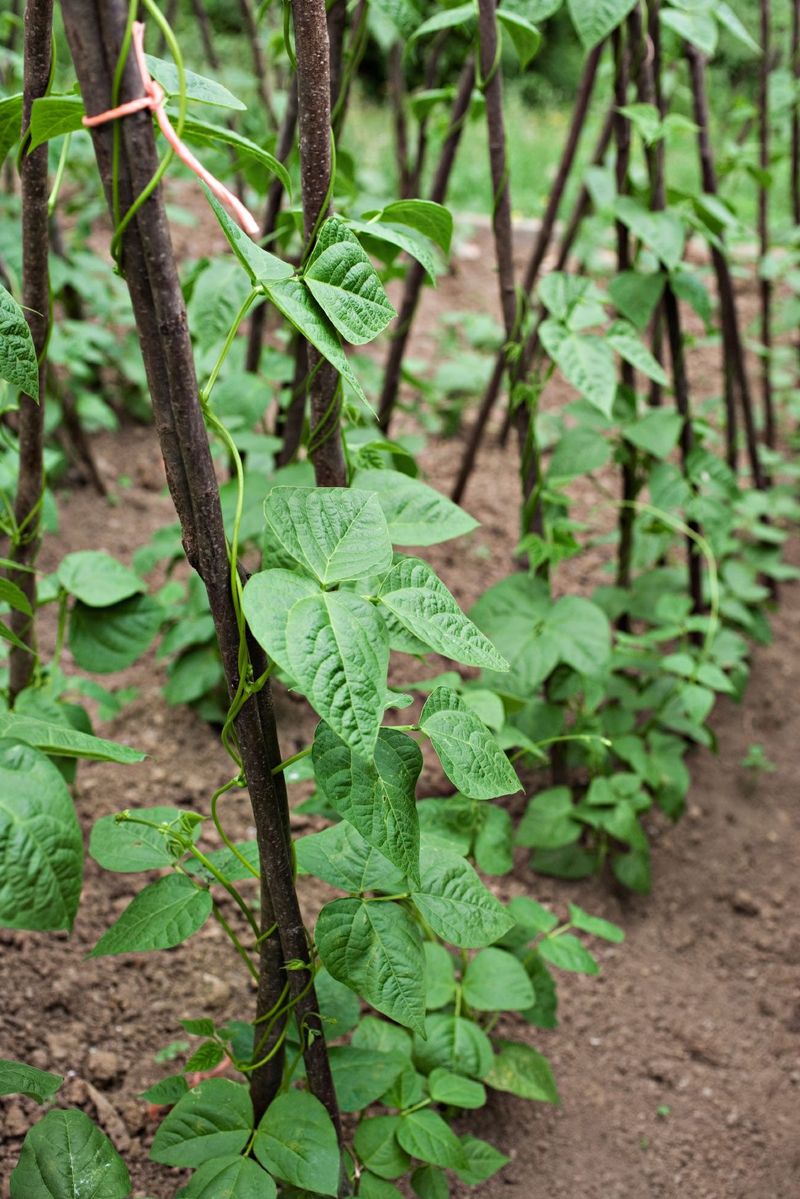
Few vegetables reward a Georgia gardener as quickly or as generously as pole beans. When you plant them in April, the warming soil gets seeds germinating in as little as seven to ten days, and the vines start reaching for support almost immediately.
They grow fast enough that you can actually watch the progress from week to week.
Pole beans need a sturdy trellis, fence, or series of vertical strings to climb. A simple cattle panel or wooden stake system works well.
Space seeds about four to six inches apart at the base of your support, and plant them about one inch deep. They prefer full sun and consistent moisture, especially once pods start forming.
What makes pole beans especially practical in Georgia gardens is that they keep producing throughout the summer as long as you harvest regularly. Unlike bush beans, they stay in production for weeks rather than days.
Varieties like Kentucky Wonder and Blue Lake Pole are reliable performers in Georgia’s climate. Provide about one inch of water per week, and keep an eye out for bean beetles.
Starting in April gives the vines time to climb fully before the hottest summer weeks arrive.
2. Cucumbers Spread Quickly And Fill Trellises With Fruit
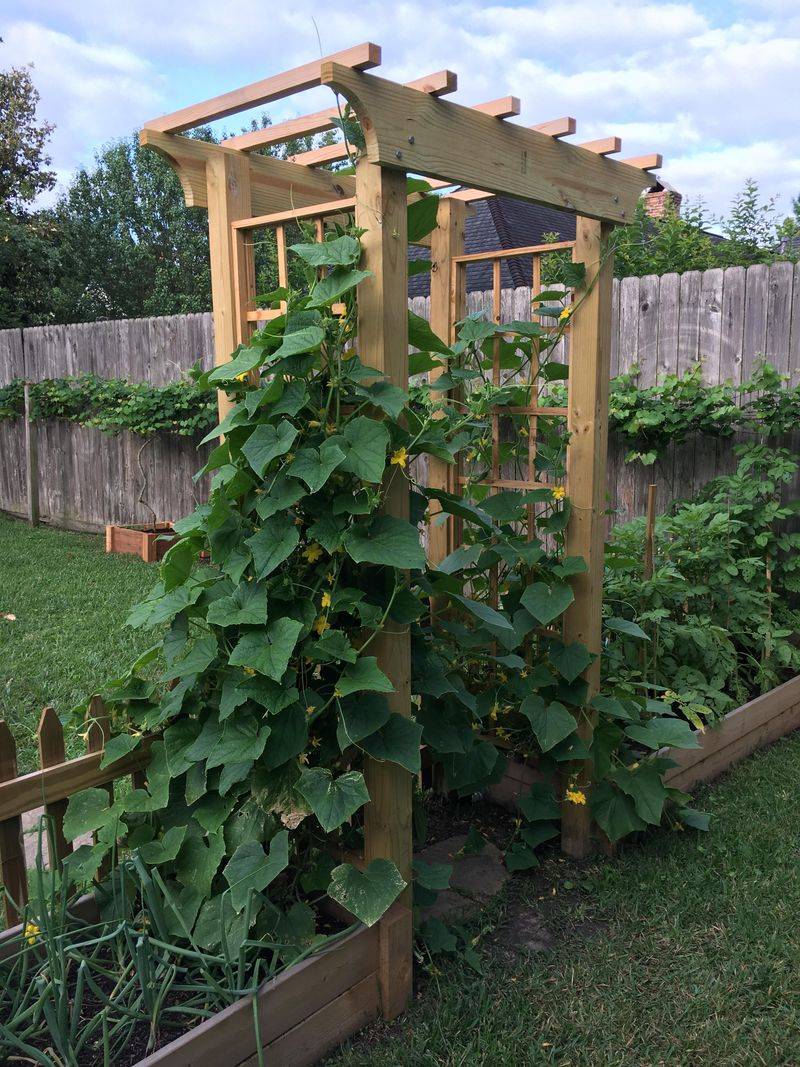
Gardeners who train cucumbers vertically often wonder why they ever grew them any other way. When you give cucumber vines a trellis to climb in April, the fruit hangs straight and clean, air circulation improves, and harvesting becomes much easier.
Georgia’s warm April soil temperatures help seeds sprout quickly and get the vines moving upward within days of germination.
Plant cucumber seeds about one inch deep and six inches apart along the base of a trellis or fence. They need full sun and regular watering, especially as fruit begins to develop.
Drip irrigation or soaker hoses work well because keeping leaves dry reduces the chance of powdery mildew, which can be a problem in Georgia’s humid summers.
Slicing varieties like Straight Eight and Marketmore do well in Georgia gardens, and pickling types like National Pickling are also strong performers.
Cucumbers are heavy feeders, so mixing compost into the soil before planting gives them a solid foundation.
Once vines reach about twelve inches tall, they will naturally begin to grab onto trellis openings. Harvest fruit when it reaches full size but before it turns yellow for the best flavor and continued production through early summer.
Your Georgia Garden Changes Every Week. Your Plan Should Too.
Gardening in Georgia changes quickly throughout the season. Every Friday you’ll receive a simple weekly plan showing exactly what to plant, prune, fertilize, harvest, and protect so you never miss the right timing.
3. Malabar Spinach Thrives In Georgia Heat And Keeps Climbing
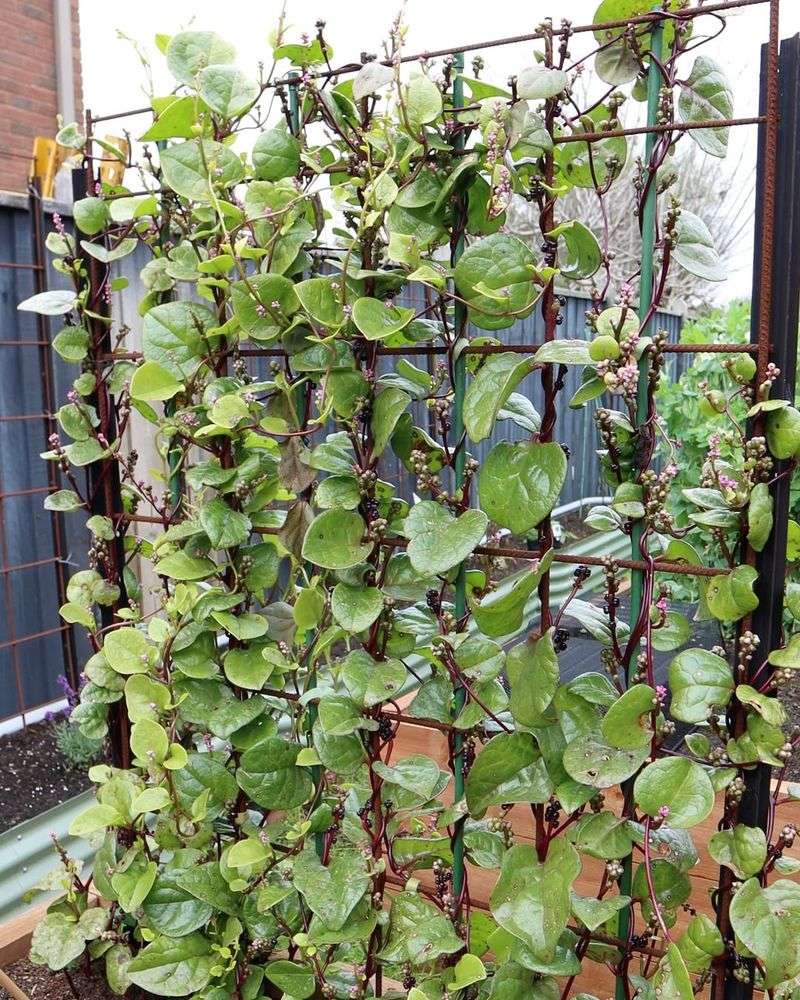
Regular spinach tends to struggle once Georgia’s summer heat arrives, but Malabar spinach does the opposite – it thrives when temperatures climb.
Starting it in April gives the vine time to establish before the hottest weeks hit, and by midsummer it becomes one of the most productive climbers in the garden.
The glossy, dark green leaves are thick, tender, and flavorful when added to salads or cooked dishes.
Malabar spinach is a tropical vine that grows vigorously in Georgia’s long, warm growing season. It prefers full sun and well-drained soil with consistent moisture.
The vines can reach six to ten feet or more, so a sturdy trellis or fence is a good choice for support. Soak seeds overnight before planting to improve germination rates, then plant about half an inch deep.
The stems are often a striking deep purple or bright green depending on the variety, which makes it an attractive plant even beyond its edible value.
Red-stemmed Malabar spinach adds visual interest to a vertical garden while also producing plenty of harvestable leaves.
Heat-tolerant greens like this are valuable for Georgia gardeners looking to extend their leafy vegetable harvest well into summer and early fall.
4. Hyacinth Bean Adds Bold Color And Vigorous Growth
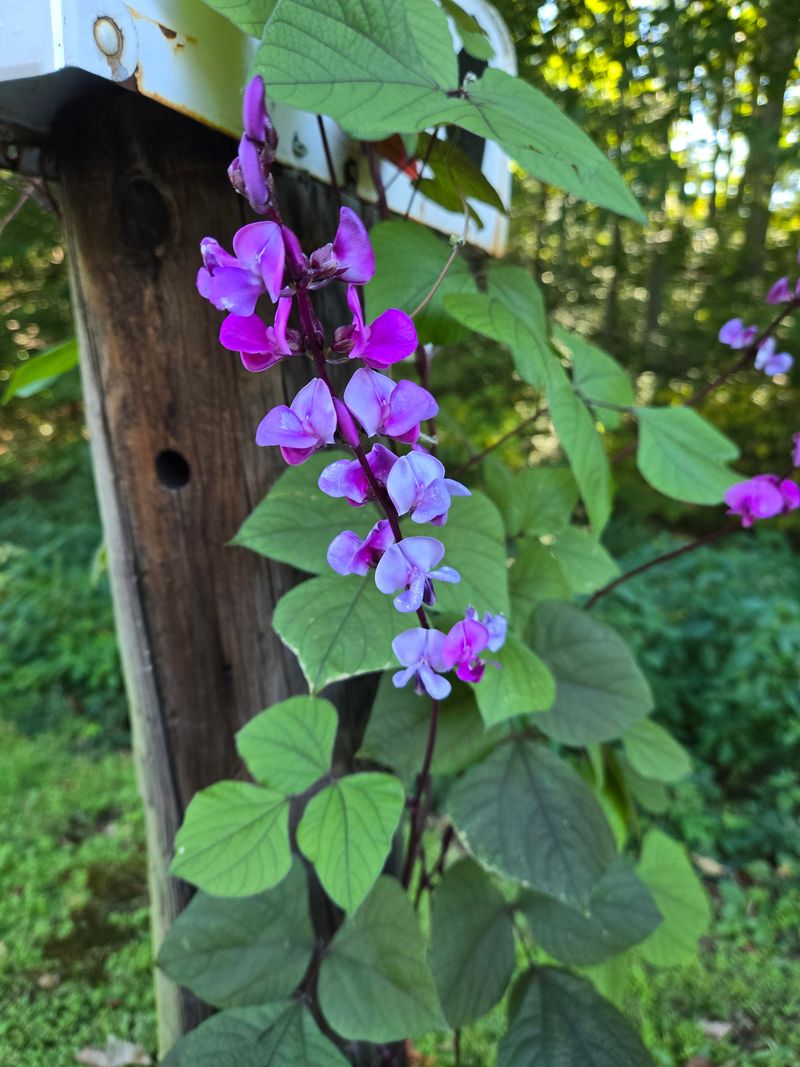
Walk past a fence covered in hyacinth bean vine in midsummer Georgia and you will stop to look twice.
The combination of rose-purple flowers, glossy purple-tinged leaves, and shining purple seed pods creates a display that is hard to match with any other annual climber.
Starting seeds in April, after frost risk has passed in most of Georgia, gives the vine plenty of warm weeks to establish and climb.
Hyacinth bean, also known by its botanical name Lablab purpureus, is a tropical vine that thrives in heat and full sun. It grows quickly once warm temperatures arrive and can reach ten to fifteen feet in a single season.
Plant seeds about one inch deep and six inches apart along a fence or trellis, and expect germination within seven to fourteen days when soil is warm.
The vine climbs by twining, so it wraps itself naturally around wire fences, lattice panels, and trellis strings without much help.
Watering regularly during dry spells keeps growth vigorous and flowering consistent.
Note that the beans are not safe to eat unless properly cooked, so hyacinth bean is grown primarily as an ornamental climber in most Georgia gardens.
Its visual impact from summer through fall makes it a standout choice for vertical spaces.
5. Morning Glory Covers Fences With Bright Summer Blooms
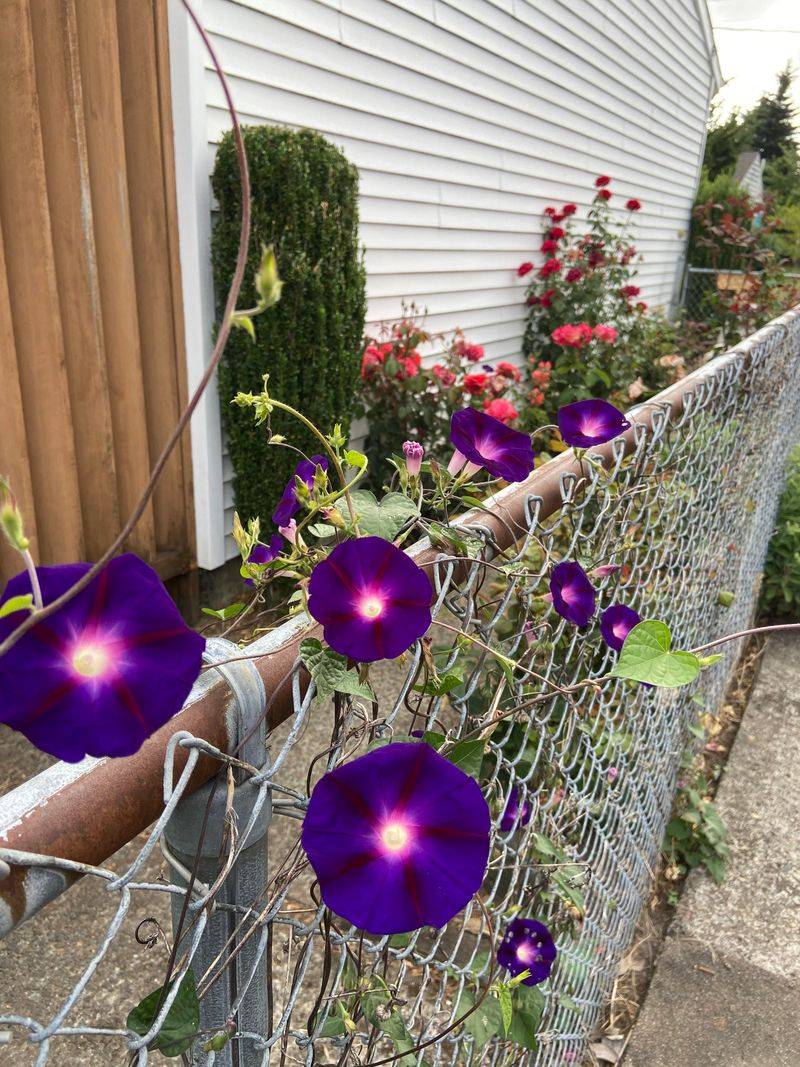
There is something cheerful about walking past a fence draped in morning glory blooms first thing in the morning. The trumpet-shaped flowers open with the sunrise and close by afternoon, creating a daily display that changes with the light.
In Georgia, April is an ideal time to direct-sow morning glory seeds once nighttime temperatures stay consistently above fifty degrees Fahrenheit.
Scratch or nick the hard seed coat with sandpaper before planting, then soak seeds in water for several hours. This simple step speeds up germination noticeably.
Plant seeds about a quarter inch deep and six inches apart along a fence, trellis, or other support structure.
Morning glory vines climb by twining and can reach ten to fifteen feet in a season, filling vertical spaces quickly with lush green foliage and colorful blooms.
Popular varieties for Georgia gardens include Heavenly Blue, Crimson Rambler, and Grandpa Ott’s, each offering slightly different flower colors.
Morning glory prefers full sun and actually blooms more abundantly in average soil rather than heavily fertilized ground.
Too much nitrogen encourages leafy growth at the expense of flowers. Water regularly while plants are young, then ease back once vines are established.
Morning glory can reseed itself in Georgia gardens, so expect some volunteers to appear the following spring.
6. Black-Eyed Susan Vine Brings Cheerful Color To Trellises
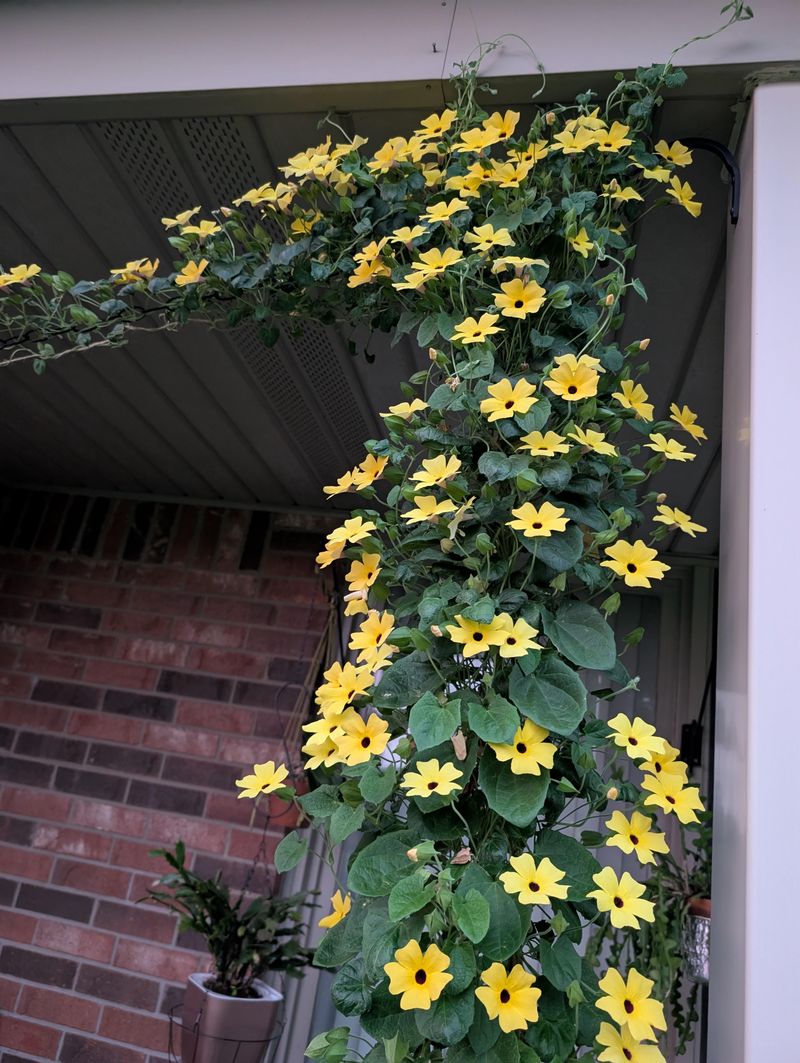
Bright, cheerful, and surprisingly easy to grow, black-eyed Susan vine earns its place on Georgia trellises and fences every summer.
Despite sharing a name with the native wildflower, this vine is actually Thunbergia alata, a tropical annual that produces a steady stream of orange, yellow, or white blooms with a distinctive dark center.
Starting seeds indoors in early April or direct sowing after mid-April works well across most of Georgia.
The vine grows to about five to eight feet, making it a manageable climber for smaller trellises, mailbox posts, or container supports on patios and decks.
It twines naturally and holds on well to wire mesh, wooden lattice, or string supports.
Plant in a spot with full sun to light shade and well-drained soil. In Georgia’s summer heat, some afternoon shade can actually help the vine maintain steady blooming through the hottest months.
Water consistently and feed with a balanced fertilizer every few weeks to keep flowers coming.
Black-eyed Susan vine blooms from late spring through fall in Georgia, providing months of color with relatively little maintenance.
It works especially well in mixed container plantings where it can climb a small trellis while other plants fill in around the base. The cheerful blooms attract butterflies and add a tropical feel to any vertical garden.
7. Moonflower Opens At Night With Large White Blooms
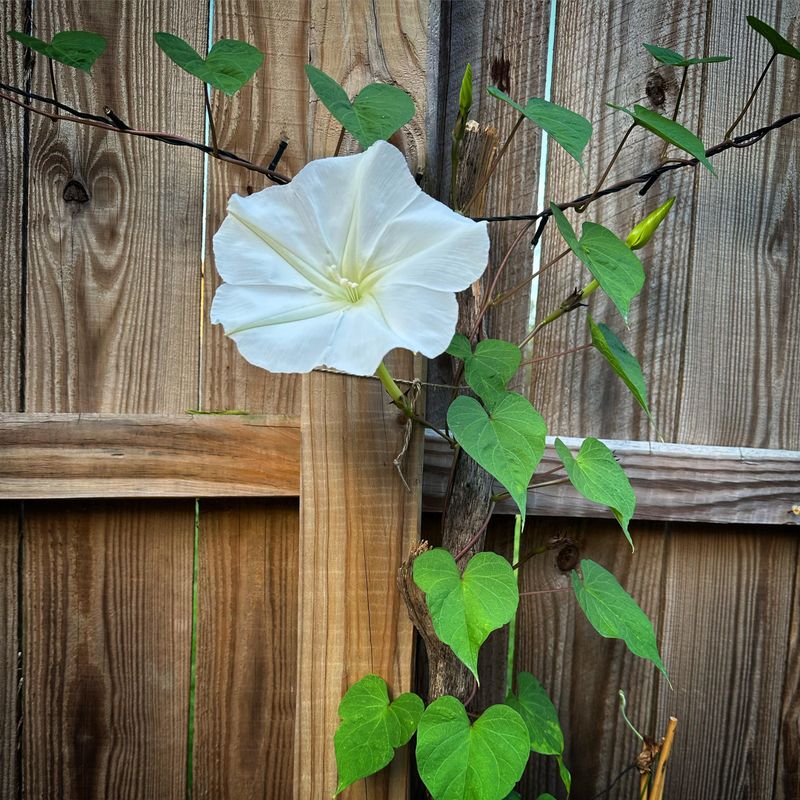
As the sun sets over a Georgia garden in midsummer, moonflower puts on a show that other vines simply cannot match.
The large, brilliant white blooms unfurl in the evening and stay open through the night, releasing a sweet, clean fragrance that drifts across the yard.
Planting seeds in April means the vine will be well established and ready to bloom by the time long summer evenings arrive.
Like morning glory, moonflower seeds have a hard coat that benefits from light scarification and an overnight soak before planting.
Direct sow seeds about half an inch deep in a sunny spot after Georgia’s last frost date, which typically falls in late March to early April depending on your region.
The vines climb by twining and can reach fifteen feet or more in a season, making them well suited for tall fences, arbors, and sturdy trellises.
Moonflower and morning glory are often planted together so that one opens in the morning while the other takes over at night, creating a round-the-clock blooming effect along a fence or trellis.
Both plants are in the same family and have similar care needs.
Give moonflower full sun, average soil, and regular water. The large, heart-shaped leaves are attractive even when the flowers are closed during daylight hours.
8. Passionflower Adds Native Beauty And Pollinator Appeal
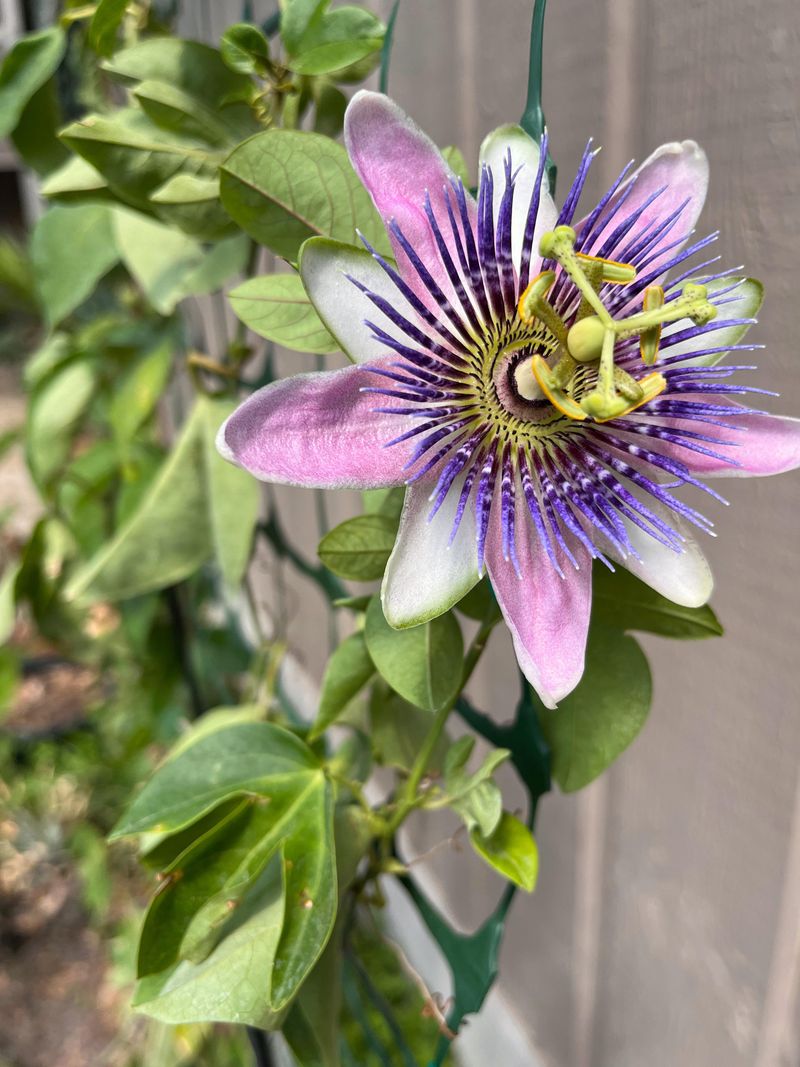
Few climbing plants stop visitors in their tracks the way passionflower does.
The blooms are almost impossibly intricate, with layered petals, a fringe of purple and white filaments, and a central structure that looks like it belongs in a botanical illustration rather than a backyard fence.
Georgia is home to native passionflower species, particularly Passiflora incarnata, which is well adapted to the state’s climate and soils.
April is a good time to plant passionflower vines in Georgia, either from transplants or by direct seeding. Native passionflower spreads by underground runners as well as by seed, so give it room to establish.
It prefers full sun to light shade and tolerates a range of soil types, including the clay-heavy soils common across much of Georgia. Once established, it is notably drought-tolerant.
Passionflower is the host plant for Gulf Fritillary and Zebra Longwing butterfly caterpillars, making it an exceptional choice for pollinator-friendly gardens.
The vine climbs using tendrils and can reach fifteen to thirty feet under favorable conditions.
In late summer, it produces edible fruits called maypops that have a tropical, slightly tart flavor.
Native passionflower is considered a valuable plant for wildlife gardens, and it performs reliably across all regions of Georgia when given adequate sunlight.
9. Trumpet Vine Grows Strong And Attracts Hummingbirds
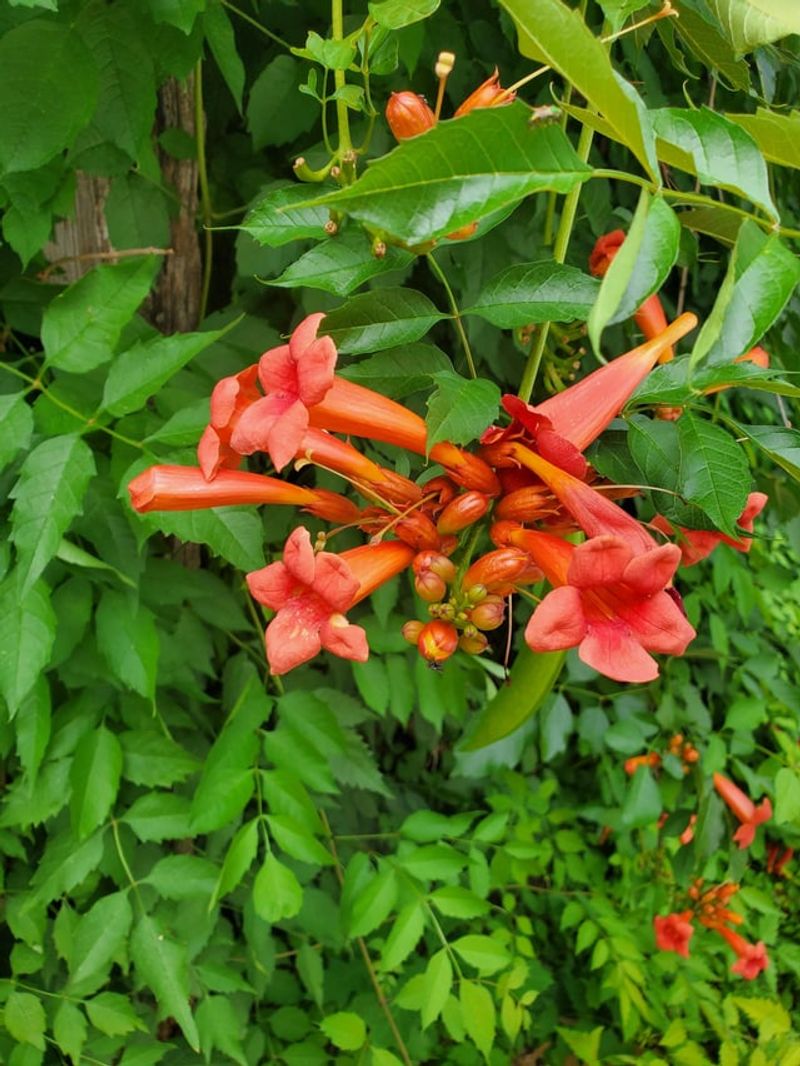
Hummingbirds seem to find trumpet vine before gardeners even get a chance to step back and admire it.
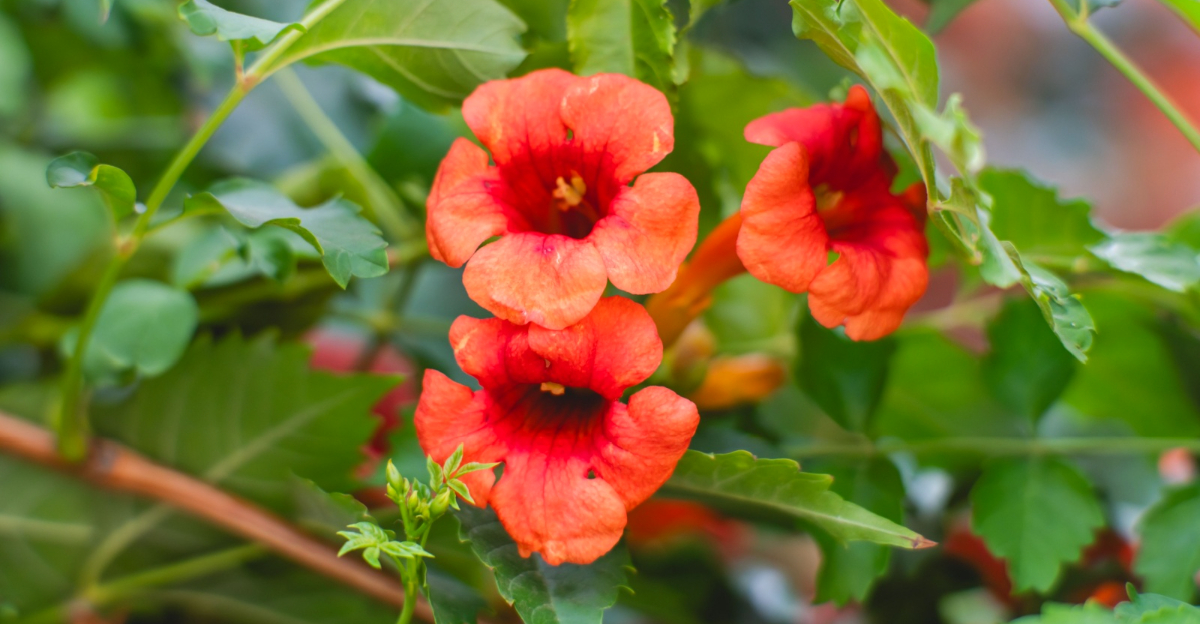
The large, flaring orange-red blooms are practically designed to attract these fast-moving pollinators, and in Georgia, trumpet vine blooms reliably from midsummer into early fall.
Planting in April gives roots time to get established before the vine enters its most vigorous growth phase in the heat of summer.
Trumpet vine, known botanically as Campsis radicans, is native to the eastern United States and grows with exceptional vigor in Georgia.
It climbs using aerial rootlets that grip fences, walls, and trellises firmly.
Because of its aggressive growth habit, it is best planted where it has room to spread and where regular pruning can keep it in bounds. A sturdy fence post, masonry wall, or heavy-gauge trellis is a solid choice for support.
Plant trumpet vine in full sun for the best flowering results.
It tolerates poor soil and dry spells once established, which makes it a low-maintenance option for Georgia gardeners who want reliable coverage and color without constant attention.
Prune it back hard in late winter or early spring to control size and encourage fresh flowering wood.
New growth emerges quickly in Georgia’s warm spring weather, and the vine can cover a large fence section within just a few seasons.
10. Sweet Pea Climbs Early With Fragrant Spring Flowers
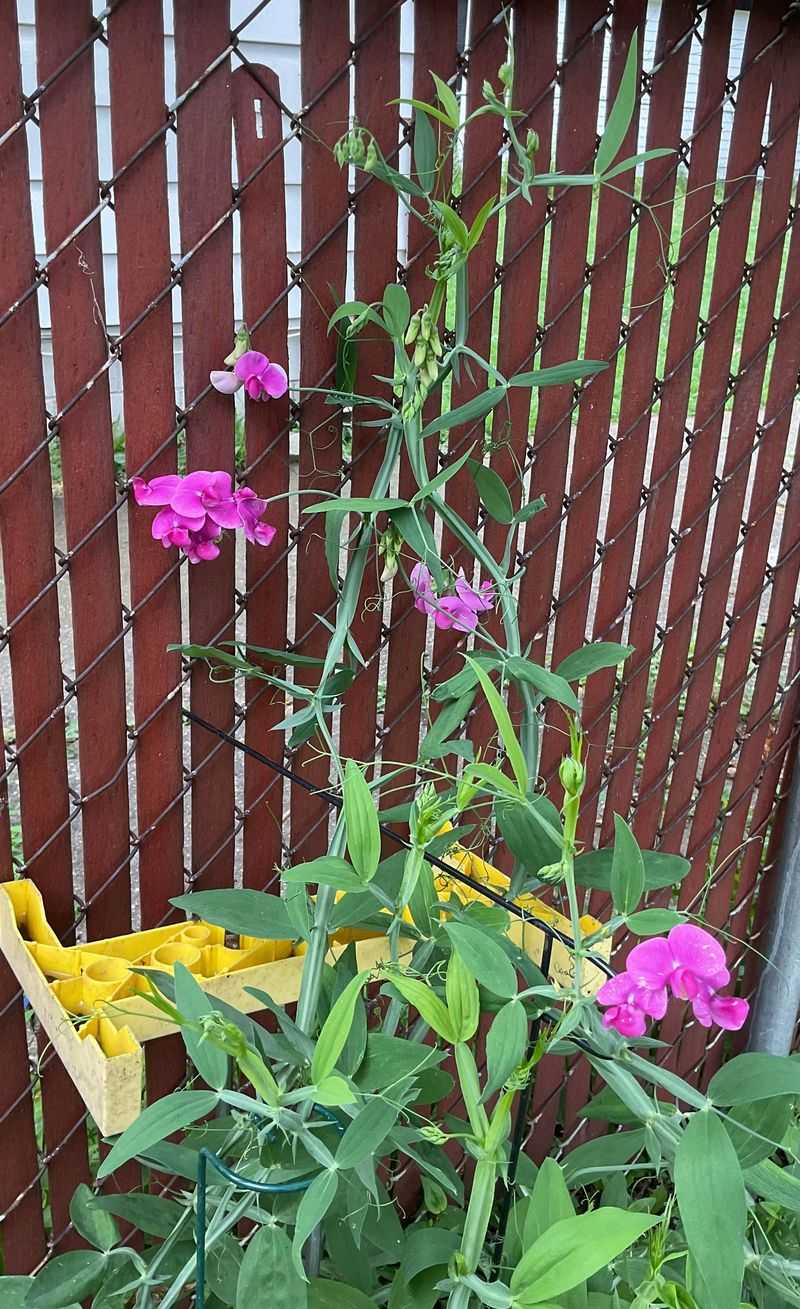
Early April in Georgia brings the kind of mild, cool mornings that sweet peas absolutely love.
Unlike the heat-hungry vines later on this list, sweet peas prefer to establish and bloom before temperatures climb too high.
Planting them in early April across most of Georgia takes advantage of those lingering cool conditions and gives the vines their best shot at a long, productive bloom period.
Sweet peas climb using delicate tendrils that wrap around trellis strings, wire mesh, or thin wooden supports. Provide a trellis at least four to five feet tall, as the vines can reach six feet under good conditions.
Soak seeds overnight before planting to encourage faster germination, then place them about one inch deep and two to three inches apart. They prefer full sun and well-drained, fertile soil with consistent moisture.
The fragrance of sweet pea flowers is one of the most beloved scents in any spring garden, sweet, soft, and distinctly floral. Cutting flowers regularly encourages more blooms and extends the season.
In Georgia, sweet peas typically finish blooming once daytime temperatures settle consistently above eighty degrees Fahrenheit.
Planting in April makes the most of the available cool window.
Varieties like Spencer Mix and Old Spice offer strong fragrance and a wide range of soft pastel colors that look stunning against a white fence or natural wood trellis.