The Low-Maintenance Pennsylvania Ground Cover That Butterflies Can’t Resist
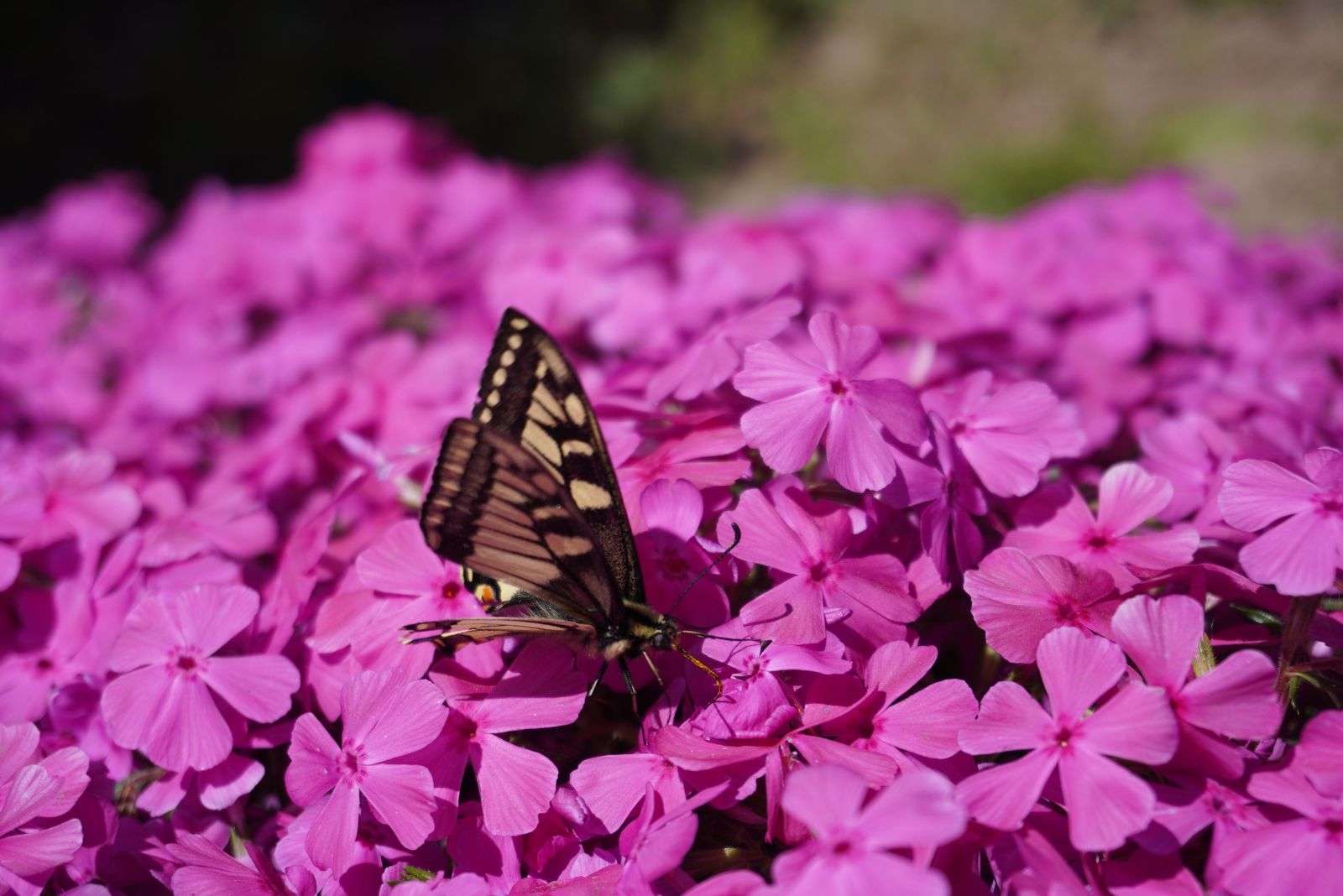
Every spring, there is one ground cover that seems to steal the show in Pennsylvania without asking for much in return. It spills across slopes, borders, and bare patches with a blanket of color that instantly makes the yard feel more alive.
Even better, butterflies cannot seem to stay away from it. For gardeners who want something cheerful, useful, and easy to manage, that is a pretty great combination.
It covers the ground neatly, helps soften tough spots, and adds a bright burst of personality just when the landscape is waking back up.
That easy charm is a big reason so many people keep coming back to it. Once established, it asks for very little, yet still manages to put on a standout performance year after year.
Creeping phlox is especially loved for the way it spreads gently and turns simple areas into eye-catching pockets of spring color. If you want a plant that looks lively, supports pollinators, and does not create extra work, this one more than earns its place.
Why Creeping Phlox Is A Standout In Pennsylvania
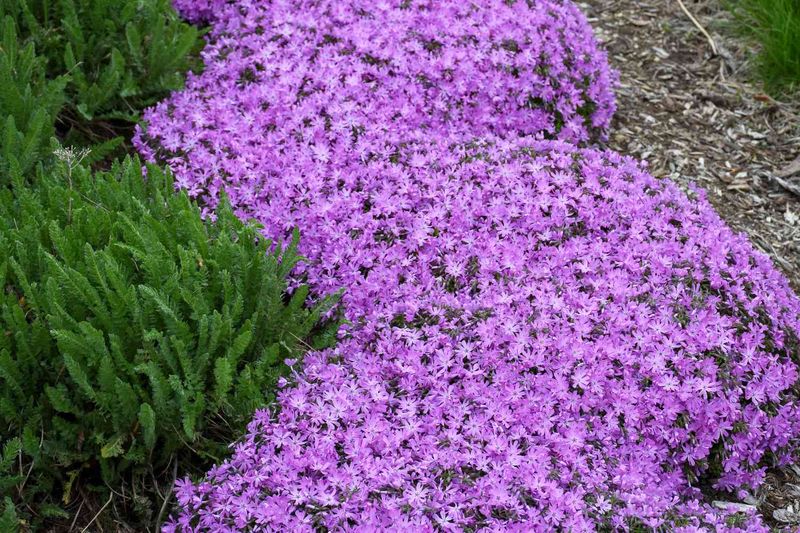
Walk through almost any Pennsylvania neighborhood in April or May, and you will likely spot a carpet of bright pink, purple, or white flowers hugging the ground. That is creeping phlox, and it is one of the most eye-catching spring plants you can grow in this state.
Known by its scientific name Phlox subulata, it forms a low, tight mat that spreads slowly over time and transforms plain garden beds into colorful displays.
What makes it such a strong choice for Pennsylvania is how well it handles the local climate. Winters here can be cold and unpredictable, but creeping phlox handles frost just fine.
It comes back reliably each spring, often looking better than the year before as it fills in more ground.
Gardeners who want a lot of visual impact without a lot of effort find this plant to be a smart pick. It does not grow tall, so there is no need to trim it into shape constantly.
It spreads at a manageable pace, covering the ground neatly without taking over the whole yard. The blooms are dense enough that weeds have a hard time pushing through, which saves time on pulling.
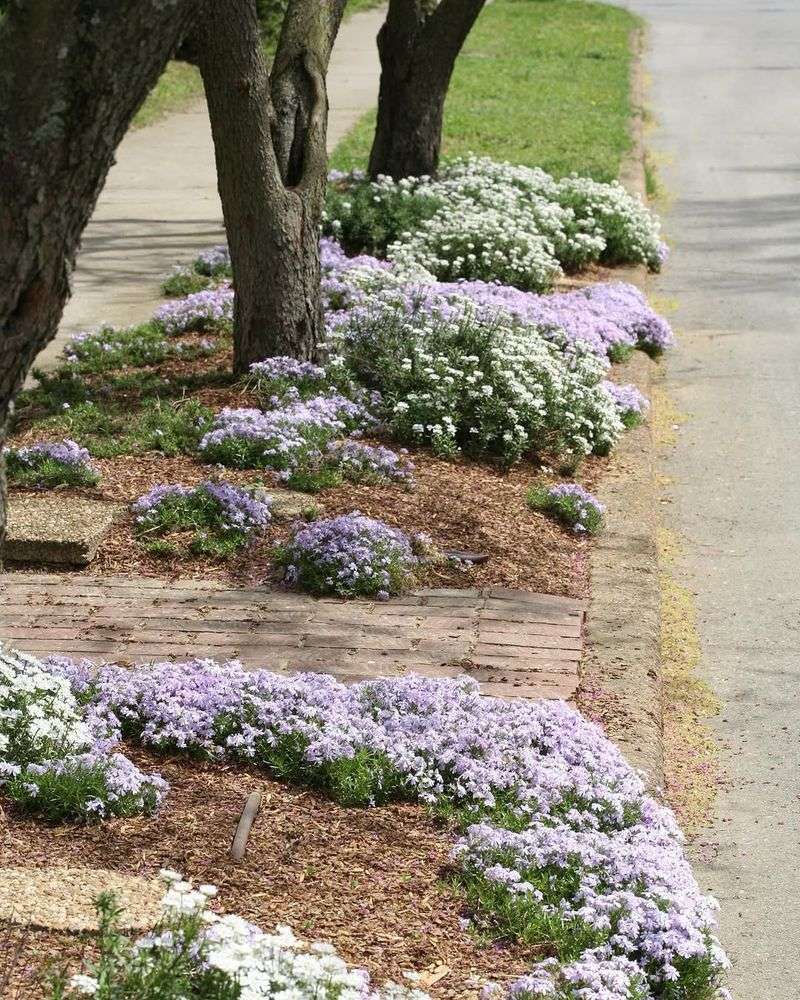
Creeping phlox also comes in several color varieties, so you can mix shades or stick with one look across your garden. Whether you plant it along a walkway, under a tree, or across a sunny bank, the spring display is hard to match.
For Pennsylvania gardeners who want beauty without a big commitment, creeping phlox earns its spot in the ground every single year.
What Makes It So Low-Maintenance
One of the best things about creeping phlox is how little it asks of you once it gets settled in. Most plants need regular watering, feeding, and attention to stay healthy, but creeping phlox is different.
Give it full sun and well-drained soil, and it will do most of the work on its own. Pennsylvania has plenty of spots that fit those needs perfectly. Sunny slopes, rocky hillsides, and sandy borders are exactly the kind of places where this plant thrives.
Your Pennsylvania Garden Changes Every Week. Your Plan Should Too.
Gardening in Pennsylvania changes quickly throughout the season. Every Friday you’ll receive a simple weekly plan showing exactly what to plant, prune, fertilize, harvest, and protect so you never miss the right timing.
It actually prefers soil that is not too rich, which means you do not need to haul in bags of fancy compost or fertilizer to make it happy. Poor soil conditions that would stress other plants are just fine for creeping phlox.
Once established, it can handle periods without rain better than many ground covers. That kind of drought tolerance is a real bonus during Pennsylvania summers when dry spells can hit without warning.
You will not need to run out with a hose every few days to keep it alive. After the flowers fade in late spring, a light trimming is really all it needs to stay looking neat.
Cutting it back by about one-third encourages the plant to stay dense and full rather than getting leggy or sparse.
That one simple task each year makes a noticeable difference in how good the plant looks going into summer. Compared to fussier ground covers that need constant attention, creeping phlox is refreshingly easy.
It rewards low-effort gardeners in Pennsylvania with high-impact results season after season without complaint.
Why Butterflies Love It
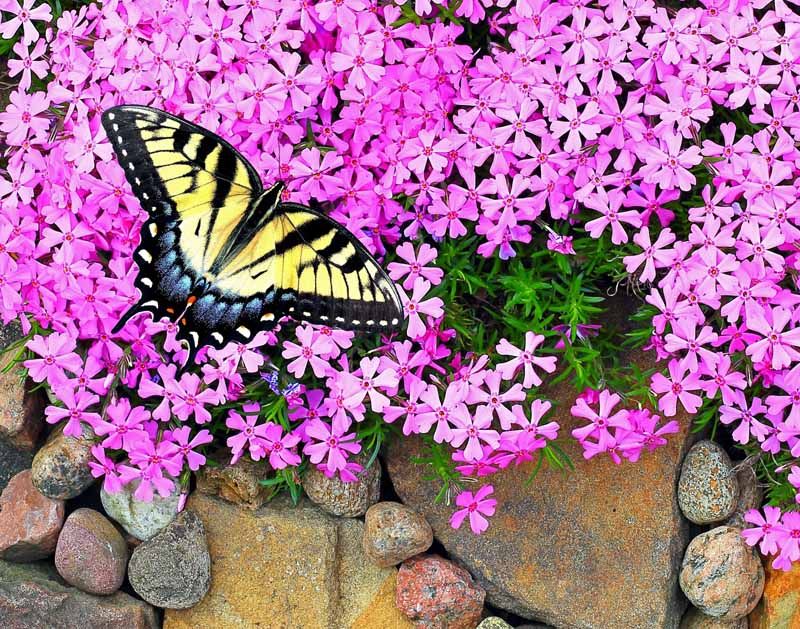
Spring in Pennsylvania brings more than just warm weather. It also brings the first butterflies of the season, and creeping phlox is one of the earliest plants ready to welcome them.
The dense clusters of small, five-petaled flowers produce nectar that pollinators find hard to resist, making your yard a natural rest stop during migration and early foraging.
Butterflies with longer mouthparts, like swallowtails and skippers, are especially drawn to phlox flowers. The shape of the blooms makes it easy for them to reach the nectar inside.
Moths that are active in the evening also visit the flowers, which means the plant supports pollinators around the clock, not just during the day.
Adding creeping phlox to your Pennsylvania landscape is one of the easiest ways to make your yard more pollinator-friendly. You do not need a large garden or a complicated planting plan.
Even a small patch of creeping phlox along a border or near a patio can attract a surprising number of butterfly visitors each spring. Watching them flutter around the blooms is one of the most enjoyable parts of having this plant.
Beyond butterflies, bees and other beneficial insects also visit the flowers regularly. That means creeping phlox supports a whole network of garden life, not just one or two species.
For Pennsylvania homeowners who want to do something good for local wildlife while also keeping their yard looking beautiful, this plant is a practical and rewarding choice. It earns its place not just as a ground cover, but as a true habitat plant.
Where It Works Best In A Pennsylvania Yard
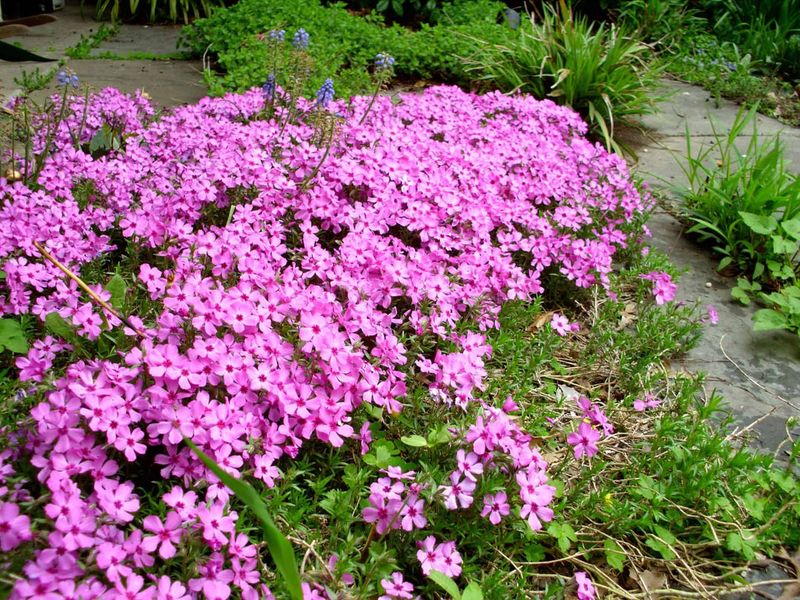
Knowing where to plant something makes a big difference in how well it performs. Creeping phlox is one of those plants that fits naturally into spots other plants struggle with, and Pennsylvania yards are full of exactly those kinds of spaces.
Slopes are one of the best places to use it. Pennsylvania’s hilly terrain means many yards have banks or inclines that are hard to mow and prone to erosion.
Once creeping phlox fills in, its root system holds the soil in place and its dense foliage keeps rain from washing dirt downhill. It handles that job quietly and effectively while still looking great every spring.
Rock gardens are another perfect fit. The plant loves the fast drainage that comes with rocky, gritty soil, and it looks completely at home tucked between stones.
Along retaining walls, it can spill over the edge and create a soft, cascading look that adds charm to an otherwise plain structure.
Border plantings also benefit from creeping phlox. Line it along a garden path or at the front of a perennial bed, and it creates a tidy, colorful edge that marks the space beautifully each spring.
It works especially well in areas where you want a neat carpet of color without the upkeep of mulching or replanting annuals every year.
For Pennsylvania homeowners dealing with bare, awkward spots in the yard, creeping phlox offers a solution that looks intentional and polished.
Plant it where you need coverage, give it good sun and drainage, and let it do what it does naturally. The results speak for themselves every single spring.
How To Keep Creeping Phlox Looking Its Best
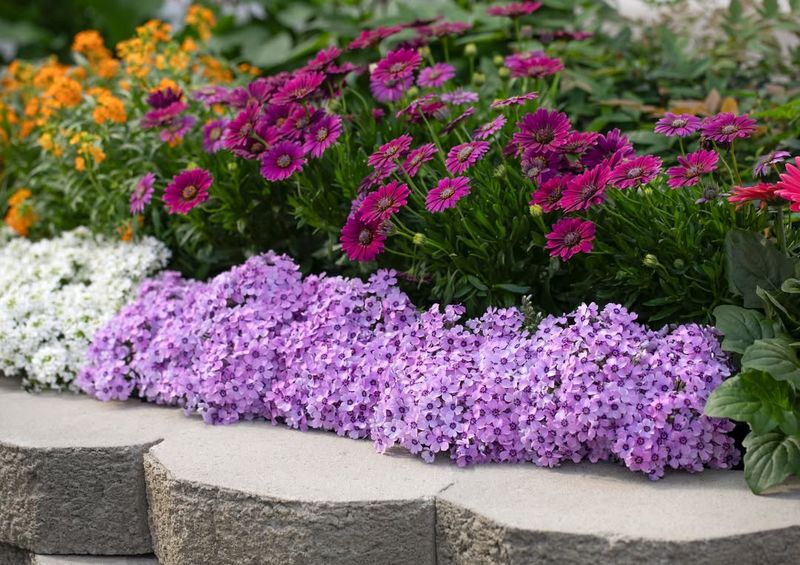
Creeping phlox is low-maintenance, but a little attention goes a long way in keeping it looking sharp. The good news is that what it needs is simple, and most of it only happens once a year.
Getting those basics right means your plants will stay dense, healthy, and attractive through every season.
Air circulation matters more than many people realize. Planting creeping phlox where air moves freely around it helps prevent moisture from sitting on the foliage for too long.
In Pennsylvania, where spring can bring stretches of cloudy, damp weather, good airflow is a smart way to reduce the chance of powdery mildew developing on the leaves. Spacing plants properly and avoiding overly crowded conditions keeps that risk low.
Soil drainage is equally important. Creeping phlox does not like wet feet, and soil that stays soggy after rain can weaken the plant over time.
Raised beds, slopes, and rocky areas naturally offer the drainage this plant prefers. If your yard has heavy clay soil, mixing in some coarse sand or gravel before planting can make a real difference.
After the flowers finish in late spring, trim the plant back by about one-third. Use clean garden shears and cut evenly across the mat.
That simple step encourages fresh, compact growth and helps the plant stay full and bushy rather than thin and sprawling. Skipping the post-bloom trim is the most common reason creeping phlox starts to look ragged over time.
Watch for spider mites during hot, dry Pennsylvania summers. A strong spray of water from a garden hose can knock them off without needing any chemicals. Staying observant keeps small problems from becoming big ones.
Why It’s Worth Planting
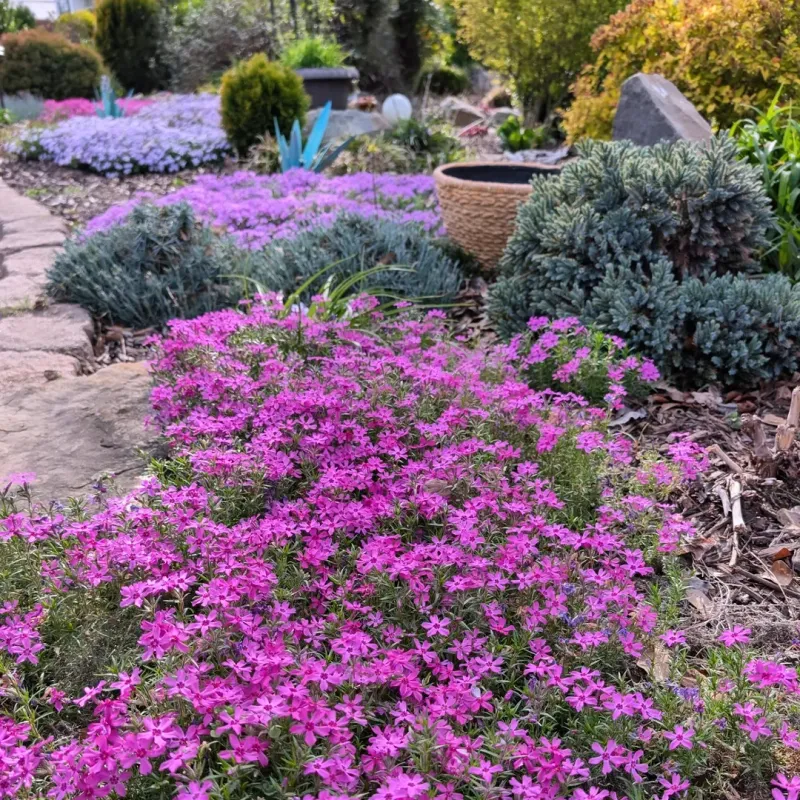
Some plants just earn their spot in the garden. Creeping phlox is one of them. It shows up every spring with a show of color that stops people in their tracks, attracts butterflies that bring the whole yard to life, and then quietly settles back into a neat green mat for the rest of the year.
For Pennsylvania gardeners, that kind of reliable performance is exactly what makes a plant worth keeping.
What really sets creeping phlox apart is the combination it offers. A lot of plants can do one thing well, like cover ground or attract pollinators.
Creeping phlox does both, and it does them without demanding much in return. You do not need to be an experienced gardener to grow it successfully. You just need a sunny spot and decent drainage, and the plant handles the rest.
The butterfly appeal alone is enough reason for many people to plant it. Watching swallowtails and skippers drift from bloom to bloom on a warm April morning in Pennsylvania is one of those simple pleasures that makes having a garden worthwhile.
And knowing that your yard is supporting local pollinators adds an extra layer of satisfaction to the whole experience.
Few spring ground covers deliver this much impact with so little fuss. Creeping phlox is not flashy in a complicated way.
It is straightforward, dependable, and genuinely beautiful. Whether you are a seasoned Pennsylvania gardener or just starting out, adding creeping phlox to your landscape is one of the smartest, most rewarding decisions you can make for your outdoor space this season.