7 April Mistakes Pennsylvania Gardeners Make Every Year And How To Avoid Them
April feels like the month when Pennsylvania gardeners are ready to do everything at once. The weather starts warming up, garden centers look irresistible, and after a long winter, it is hard not to rush outside and start planting, pruning, and cleaning up every corner of the yard.
That excitement is part of the fun, but it also leads to some of the most common garden mistakes of the year. A few wrong moves in April can set plants back, invite problems later, or leave you wondering why the garden never quite took off the way you hoped.
The tricky part is that many of these mistakes seem harmless in the moment. Planting too soon, cutting back the wrong stems, or getting a little too confident with spring weather can all cause trouble fast.
The good news is that most of these slipups are easy to avoid once you know what to watch for.
A little patience and better timing can make a huge difference in how your Pennsylvania garden looks in the months ahead.
1. Planting Too Early
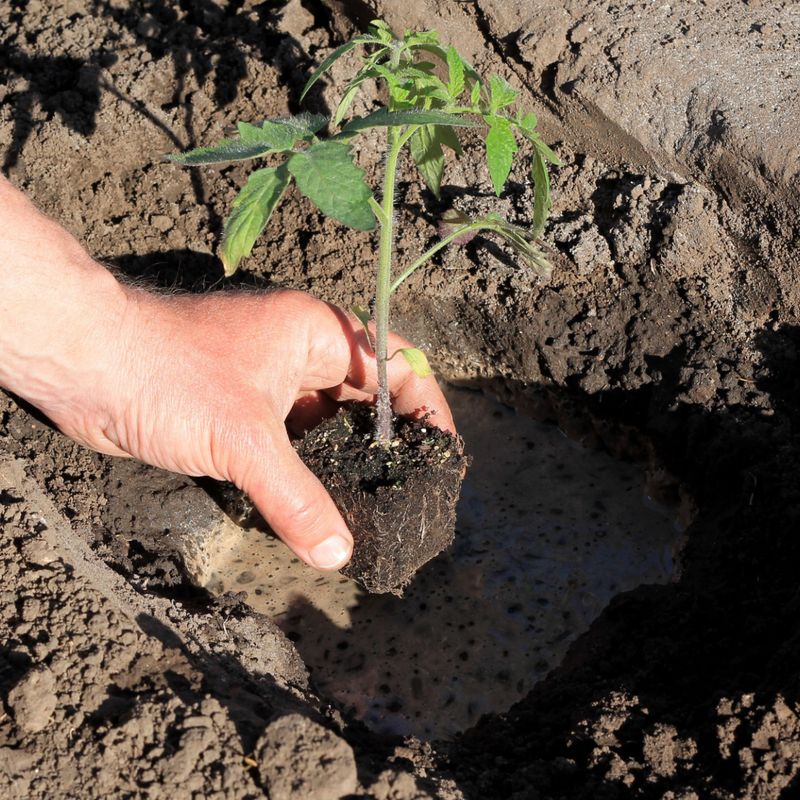
Every April, the same thing happens across Pennsylvania. A few warm, sunny days roll in, and suddenly every gardener is itching to get tomatoes and peppers in the ground. It feels right. It looks right.
But looks can be deceiving, especially in a state where late frosts can sneak in well into May. Pennsylvania’s last frost date varies by region. In Philadelphia, it might fall around mid-April.
But in Erie, Pittsburgh, or the central mountain regions, you could see frost all the way into early May. Planting tender vegetables or warm-season flowers before that date puts your seedlings at serious risk.
A single cold night can set back weeks of careful indoor growing in just a few hours. The smartest move is to check your specific county’s average last frost date before putting anything in the ground. The Penn State Extension website is a fantastic resource for this.
Keep an eye on the 10-day forecast and have row covers or old bedsheets ready to drape over plants if temperatures are expected to drop.
Container gardening gives you a big advantage here. If a cold snap is coming, you can simply bring pots inside overnight.
For in-ground planting, wait until nighttime temperatures stay consistently above 50 degrees Fahrenheit. It might feel like you are losing time, but plants put in the ground at the right moment will catch up fast and outperform those planted too early every single time.
2. Working Wet Soil
Picture this: it is a mild Saturday morning in April, the snow has finally melted, and you are ready to start turning over your garden beds. So you grab a shovel and get to work.
Feels productive, right? Unfortunately, if the soil is still soaking wet, you might be doing more harm than good.
Wet soil compacts easily when you walk on it or dig into it. Those tiny air pockets that roots need to breathe and grow get crushed together, and the damage can last all season long.
Your Pennsylvania Garden Changes Every Week. Your Plan Should Too.
Gardening in Pennsylvania changes quickly throughout the season. Every Friday you’ll receive a simple weekly plan showing exactly what to plant, prune, fertilize, harvest, and protect so you never miss the right timing.
Compacted soil drains poorly, warms up slower, and makes it much harder for young roots to push through. In Pennsylvania, where spring rains and snowmelt can keep soil saturated well into April, this is a very common problem.
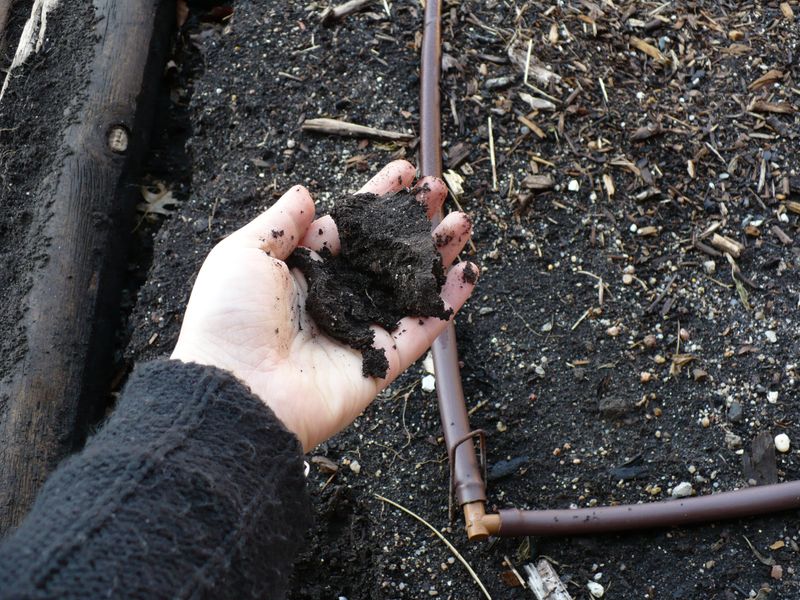
There is a simple test every gardener should use before working their beds. Grab a handful of soil and squeeze it firmly in your fist.
Open your hand. If the clump holds its shape and feels sticky or muddy, the soil is too wet. Wait a few more days. If the clump crumbles apart easily when you poke it, you are good to go.
Raised beds tend to drain faster and are often workable sooner than in-ground plots. If you have them, start there.
For in-ground beds, lay down boards or stepping stones to avoid compressing the soil while you wait. Patience here pays off in a big way later in the season.
3. Skipping Early Weed Control
Weeds do not wait. While you are still planning what to plant this spring, those weeds are already sprouting, spreading roots, and getting comfortable in your garden beds.
April is actually one of the most important months for weed control, and skipping it can make the entire growing season feel like an uphill battle.
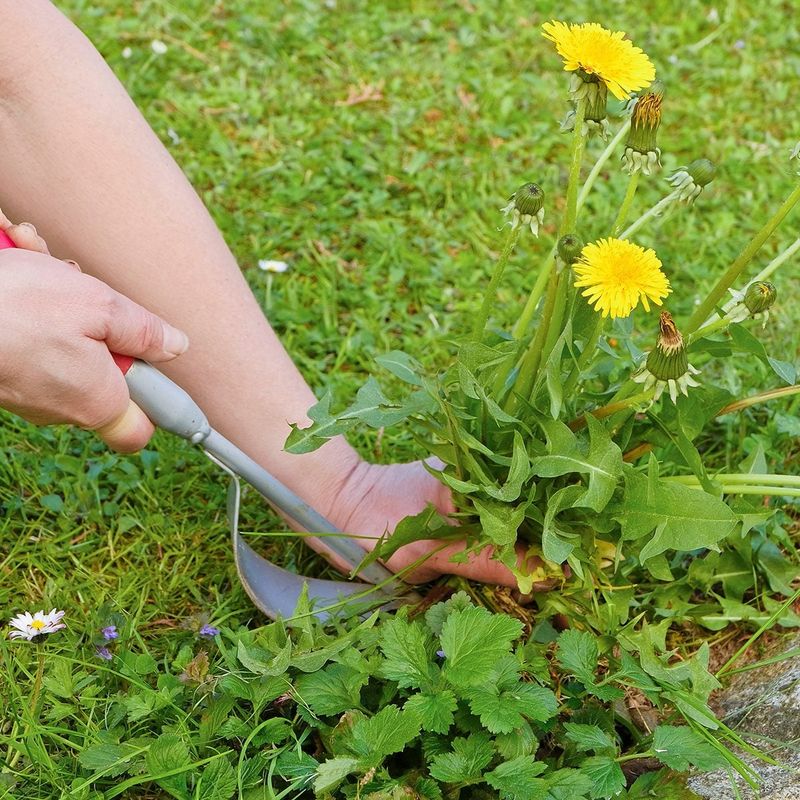
Spring weeds like chickweed, hairy bittercress, and dandelions are some of the fastest-growing plants in Pennsylvania gardens. They love cool, moist soil, and April gives them exactly that.
If you let them go unchecked for even a couple of weeks, they will start competing with your vegetables and flowers for water, sunlight, and nutrients. Some will even go to seed before you notice them, spreading thousands of new weeds across your garden.
The best strategy is to get out there early and pull weeds when they are still small. Young weeds have shallow roots and come out easily by hand or with a hoe.
Once they get established, removal becomes much harder and more time-consuming. A few minutes of weeding every few days in April can save you hours of work in June and July.
After weeding, lay down a two to three inch layer of mulch over your garden beds. Mulch blocks sunlight from reaching weed seeds in the soil, which slows new growth dramatically.
Straw, wood chips, and shredded leaves all work well. This one simple step makes a noticeable difference in how manageable your Pennsylvania garden stays all season long.
4. Pruning At The Wrong Time
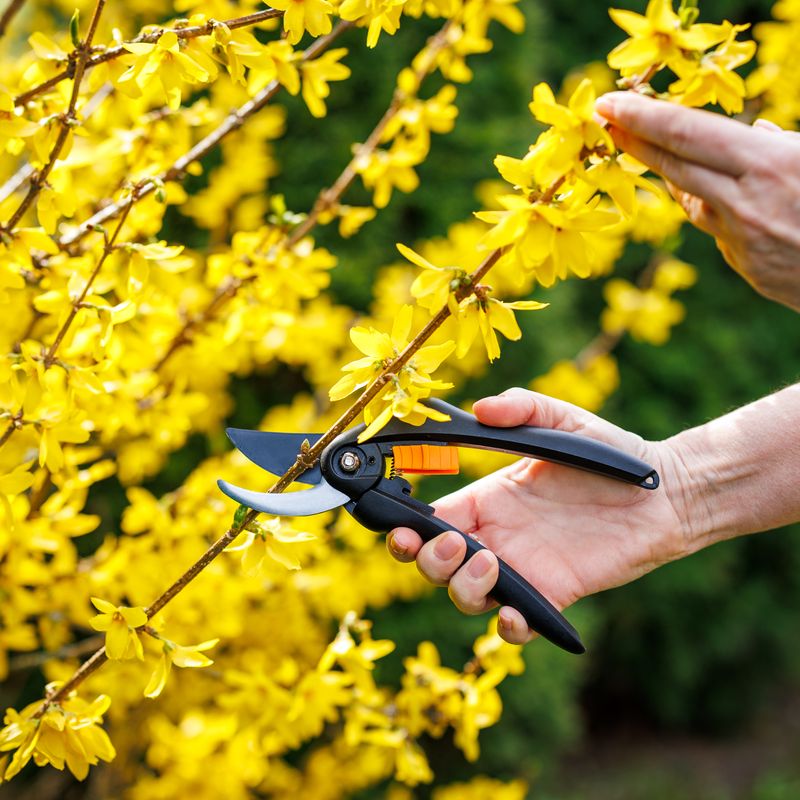
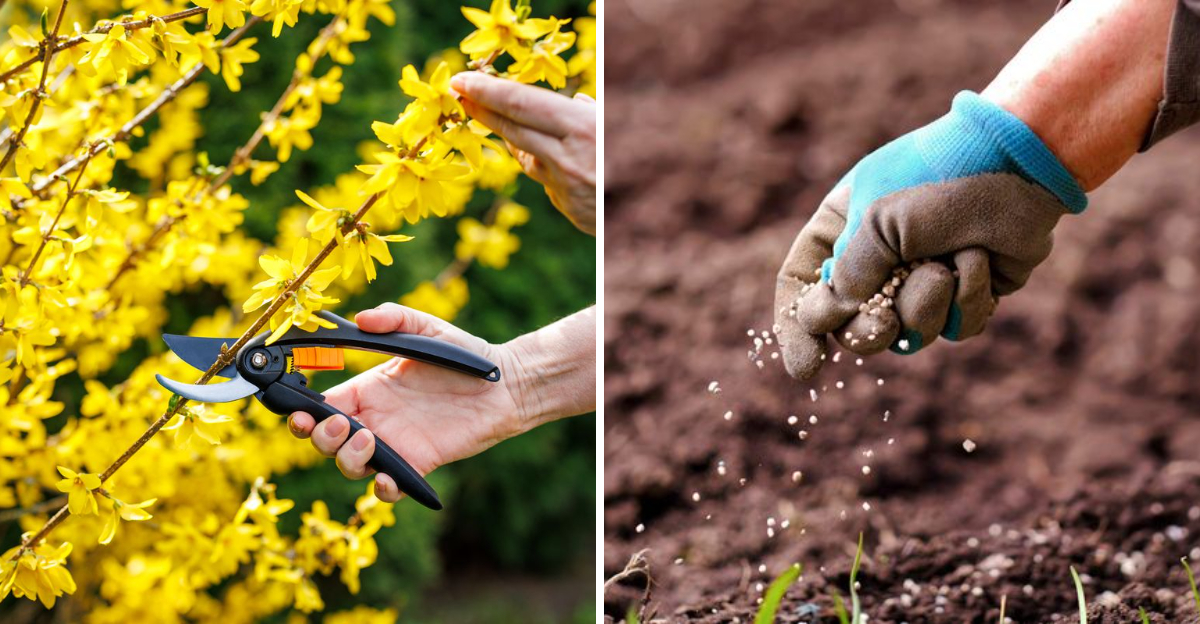
Forsythia bushes explode with bright yellow blooms every spring, and lilacs fill Pennsylvania yards with one of the most beloved fragrances of the season. So why do so many gardeners end up with shrubs full of green leaves but zero flowers?
More often than not, the answer is a well-meaning but poorly timed pruning session in early April.
Spring-blooming shrubs are a special category in the gardening world. Plants like forsythia, lilac, azalea, and rhododendron set their flower buds on old wood, meaning the buds form during the previous summer and fall.
When you prune these shrubs in early spring before they bloom, you are cutting off the very buds that were getting ready to open. The result is a healthy-looking shrub with no blooms at all, and you will have to wait a full year to try again.
The fix is simple but requires a little patience. Wait until your spring-blooming shrubs have fully finished flowering, then prune them right away.
For most Pennsylvania gardens, that window falls somewhere between late April and early June depending on the plant. Pruning immediately after bloom gives the shrub the entire growing season to develop new buds for next year.
Summer-blooming plants like butterfly bush, rose of Sharon, and crape myrtle are a different story. Those bloom on new wood, so early spring is actually the perfect time to cut them back.
Knowing which category your shrubs fall into is one of the most useful bits of gardening knowledge you can have in Pennsylvania.
5. Over-Fertilizing Too Soon
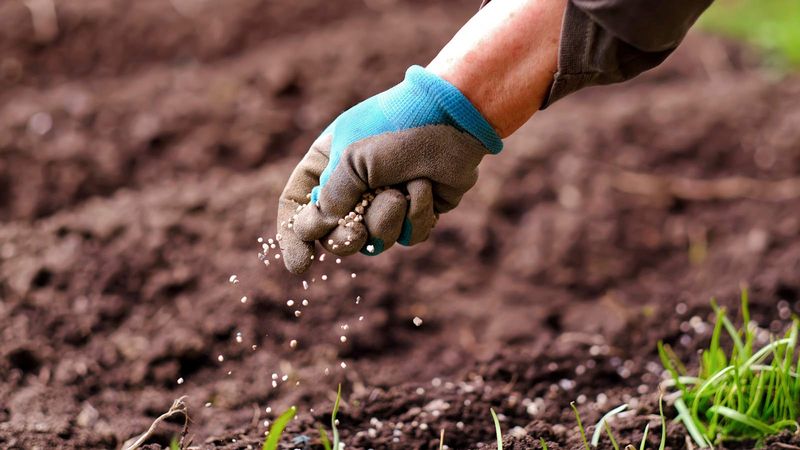
More fertilizer means more growth, right? Not always. One of the sneakiest April mistakes Pennsylvania gardeners make is reaching for the fertilizer bag the moment they spot a few green shoots poking through the soil.
The thinking makes sense on the surface, but the timing can work against you in ways that are not always obvious.
Here is what happens underground in early April. Soil temperatures in Pennsylvania are still pretty cold, often hovering in the low to mid 40s Fahrenheit.
Plant roots are just beginning to wake up from their winter rest. When soil is cold, roots cannot absorb nutrients efficiently.
Fertilizer applied too early often just sits in the soil or washes away with spring rain, contributing to nutrient runoff into local streams and waterways without ever benefiting your plants.
Worse, a sudden burst of nutrients can push plants into fast, weak growth at a time when cold snaps are still possible. That soft new growth is much more vulnerable to late frost damage than growth that developed more gradually under natural conditions.
A smarter approach is to wait until you see steady, consistent green growth across your garden before applying any synthetic fertilizer. For most Pennsylvania gardens, that moment arrives in late April or early May.
In the meantime, spread a layer of finished compost around your plants. Compost releases nutrients slowly and gently as soil temperatures rise, making it a perfect early-season option that feeds plants without the risk of overdoing it.
6. Not Dividing Overgrown Perennials
Hostas that used to be lush and full now look scraggly and crowded. Daylilies that once bloomed generously now produce fewer and fewer flowers each summer.
Sound familiar? If you have perennials in your Pennsylvania garden that seem to be losing their spark, overcrowding is probably the reason, and April is the perfect time to fix it.
Perennials naturally spread outward from their center over the years. As a clump gets bigger, the plants in the middle start competing with each other for water, nutrients, and light.
The oldest growth in the center of the clump often becomes weak or stops producing altogether while the edges stay more vigorous. Left alone too long, the whole plant can decline and struggle to recover on its own.
Dividing perennials in early spring, just as new growth is emerging, gives each division a full growing season to establish itself. Early April is ideal for hostas, daylilies, coneflowers, black-eyed Susans, and many ornamental grasses.
The soil is moist, temperatures are mild, and plants are not yet under the stress of summer heat.
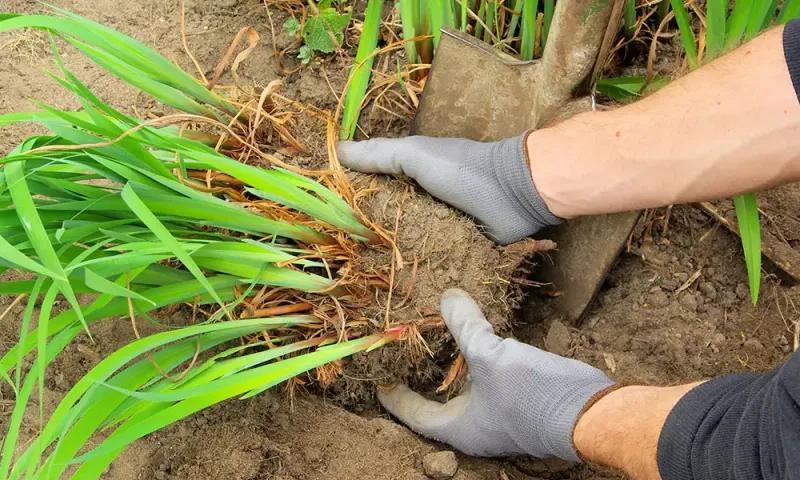
To divide, use a sharp spade or garden fork to dig up the entire clump. Pull or cut it apart into sections, making sure each piece has healthy roots and a few shoots attached.
Replant the divisions at the same depth they were growing before and water them in well. You can use the extra divisions to fill bare spots in your garden or share them with neighbors. Fresh divisions often bloom better than crowded plants within just one season.
7. Forgetting To Check For Pests And Diseases Early
Out of sight, out of mind is a phrase that costs Pennsylvania gardeners a lot of heartache every spring.
April might seem too early to worry about pests and diseases, but many of the most common garden problems actually get their start right now, quietly building up while gardeners are focused on planting plans and soil prep.
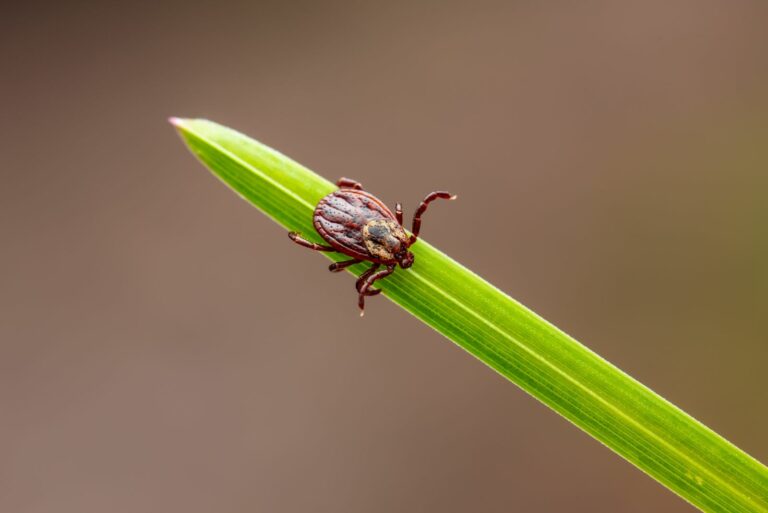
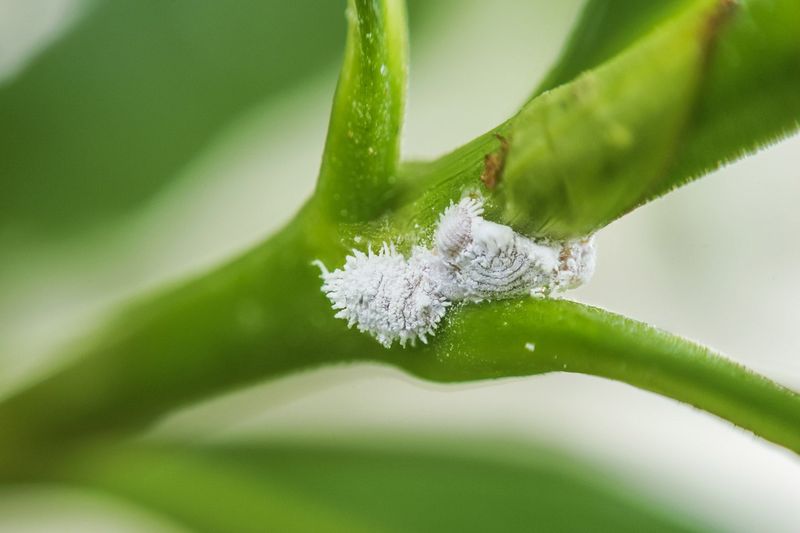
Aphids, for example, can appear on soft new growth as early as mid-April in warmer parts of Pennsylvania. Slugs love the cool, moist conditions of early spring and can shred seedlings overnight.
Fungal diseases like powdery mildew and leaf spot thrive in the damp, cool weather that April brings to the region. The tricky part is that by the time damage becomes obvious, the problem has usually been going on for a while and is much harder to manage.
Making a habit of inspecting your plants every few days in April takes only a few minutes and can catch problems while they are still small. Flip leaves over and look at the undersides, where many insects prefer to hide and lay eggs.
Check stems near the soil line for signs of rot or unusual discoloration. Remove any damaged or spotted leaves right away and dispose of them away from your garden to prevent spreading.
Early action almost always leads to better results than waiting until damage is widespread. In Pennsylvania, where spring humidity and fluctuating temperatures create ideal conditions for both pests and diseases, regular monitoring in April is one of the most valuable habits any gardener can build before the busy growing season takes off.