Native Plants Michigan Gardeners Should Plant In April For Pollinators
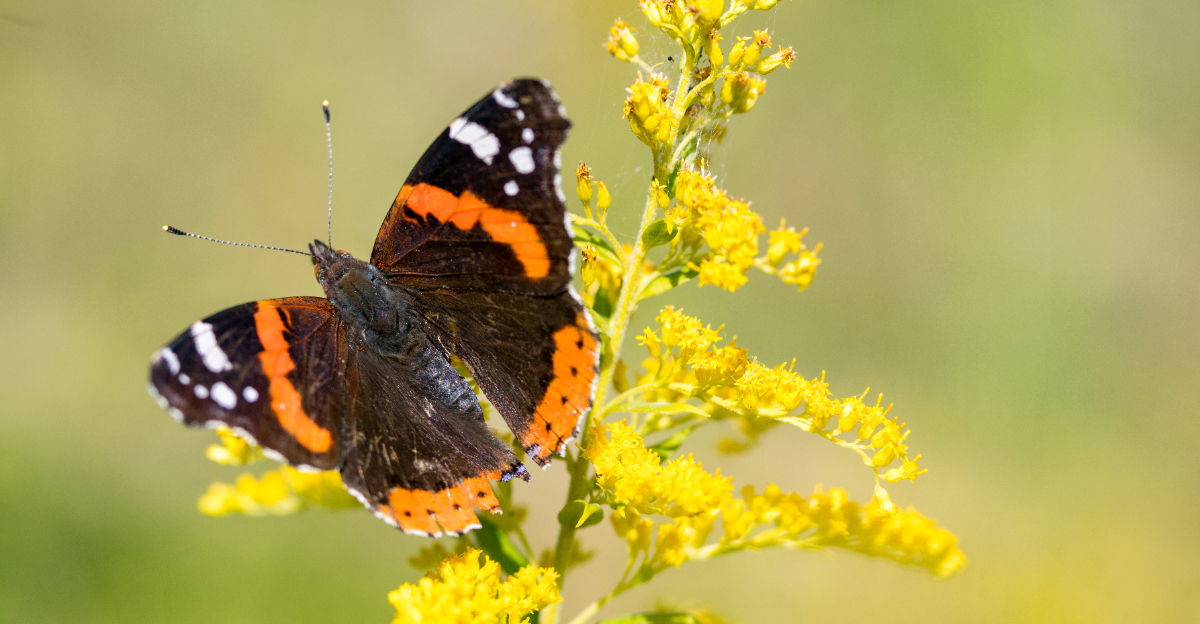
April is a great time for Michigan gardeners to start thinking about how to support pollinators right from the beginning of the season. As temperatures slowly rise, bees, butterflies, and other helpful insects begin to emerge, searching for reliable food sources.
What you plant now can make a real difference in how well they get started. Native plants are especially important during this early window.
Because they are adapted to Michigan’s climate, they tend to establish more easily and provide the nectar and pollen local pollinators depend on. Many of them can handle cool soil and changing spring weather without much trouble.
By choosing the right plants in April, you can create a space that feels alive with activity as the season unfolds. Once you know which native plants to focus on, you can build a garden that supports pollinators while adding lasting beauty to your yard.
1. Wild Columbine
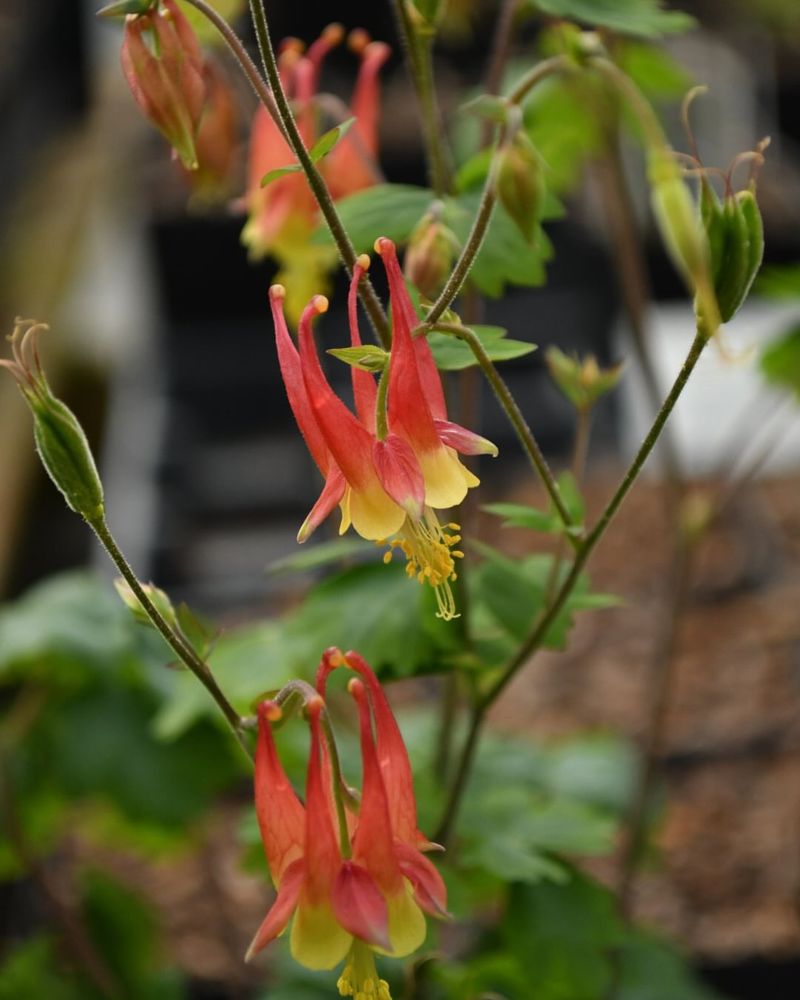
Few flowers turn heads quite like Wild Columbine, with its striking red and yellow blooms dangling like little lanterns from slender stems.
Aquilegia canadensis is a true Michigan native, and April is the ideal time to get it into the ground as soon as the soil becomes workable.
It settles in quickly and rewards you with beautiful blooms as early as May, which is fantastic news for early pollinators waking up from winter.
Hummingbirds absolutely love this plant, and native bees are drawn to its nectar-rich flowers with impressive enthusiasm. Plant Wild Columbine in partial shade with well-drained soil, and you will find it thrives without much fussing.
It handles Michigan’s cool spring temperatures really well, establishing strong roots before the summer heat even arrives.
What makes this plant extra special for Michigan gardeners is how naturally it fits into woodland-style garden beds. It self-seeds gently over time, meaning you could end up with a spreading colony of color without any extra effort.
Wild Columbine works beautifully alongside ferns or other shade-tolerant natives. If you want to attract hummingbirds to your Michigan yard every single spring, this charming plant is one of the best choices you can make starting in April.
2. Golden Alexander
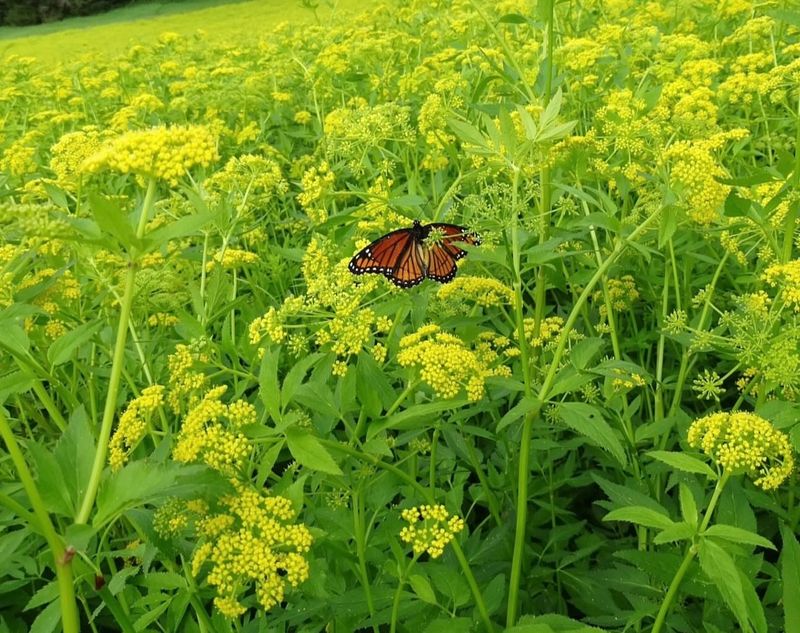
Golden Alexander might just be the most underrated native plant in Michigan, and that is honestly a shame because it is absolutely stunning.
Zizia aurea produces clusters of cheerful yellow flowers that light up the garden in late spring, and pollinators cannot get enough of them.
Native bees and beneficial insects flock to its blooms, making it a powerhouse for anyone building a pollinator-friendly yard in Michigan.
April planting works perfectly for this species because it handles spring moisture and cool temperatures without any complaints. You can grow it in full sun or partial shade, and it performs well in average to moist soil conditions.
That flexibility makes it a great fit for many different Michigan garden settings, from sunny borders to slightly shadier spots near trees.
Beyond its good looks and pollinator value, Golden Alexander is also a host plant for the black swallowtail butterfly caterpillar, which is a genuinely exciting bonus.
Your Michigan Garden Changes Every Week. Your Plan Should Too.
Gardening in Michigan changes quickly throughout the season. Every Friday you’ll receive a simple weekly plan showing exactly what to plant, prune, fertilize, harvest, and protect so you never miss the right timing.
Watching those caterpillars munch away on your plants is a sign that your garden is doing exactly what it should.
Plant Golden Alexander in groups of three or more for the best visual impact and to create a reliable nectar station. Michigan gardeners who add this plant to their spring lineup rarely regret the decision, and neither will the bees visiting your yard all season long.
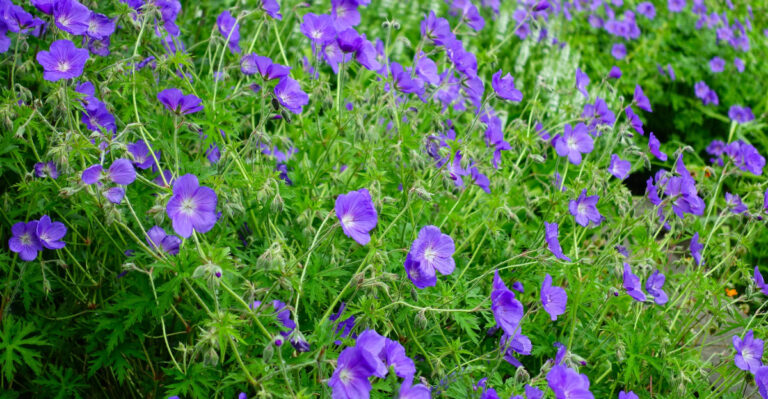
3. Wild Geranium
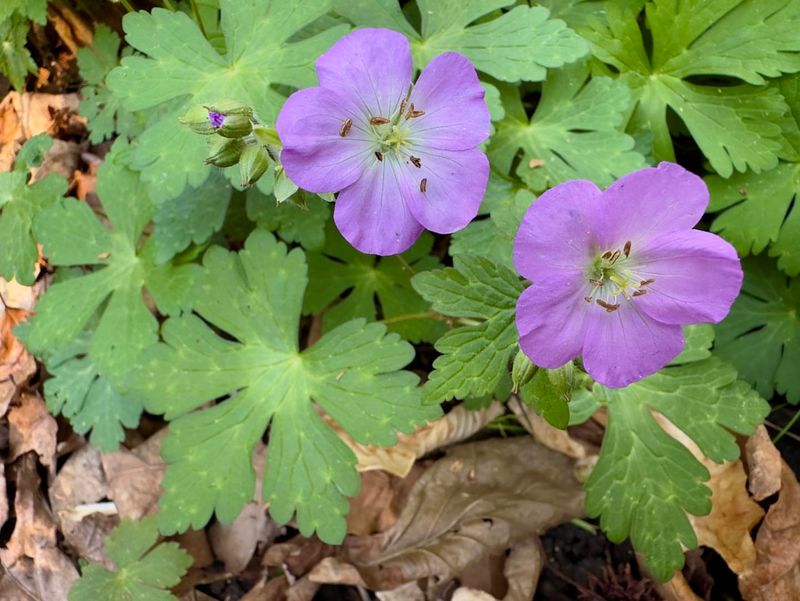
There is something wonderfully old-fashioned about Wild Geranium, the kind of plant that feels like it belongs in a storybook forest.
Geranium maculatum is a native woodland perennial that has grown across Michigan for centuries, and it brings soft pink-purple blooms to the spring garden right when early pollinators need them most.
Bumblebees and mason bees are particularly fond of its open, accessible flowers, making it a smart choice for any pollinator garden.
Planting Wild Geranium in April gives it plenty of time to establish before it blooms, usually in May through June depending on your location in Michigan.
It prefers partial shade and well-drained soil, conditions that match perfectly with the woodland edges and garden borders found throughout the state. Once it settles in, it spreads slowly and gracefully into a lovely, weed-suppressing clump.
Wild Geranium is also surprisingly tough for such a delicate-looking plant. It handles Michigan’s unpredictable spring weather, including late cold snaps, without much stress.
Pair it with Wild Columbine or Jacob’s Ladder for a layered woodland garden that blooms in waves through spring and early summer.
Gardeners across Michigan who want low-maintenance beauty alongside genuine ecological value will find Wild Geranium to be a reliable, rewarding, and genuinely beautiful addition to any shaded corner of the yard.
4. Prairie Smoke
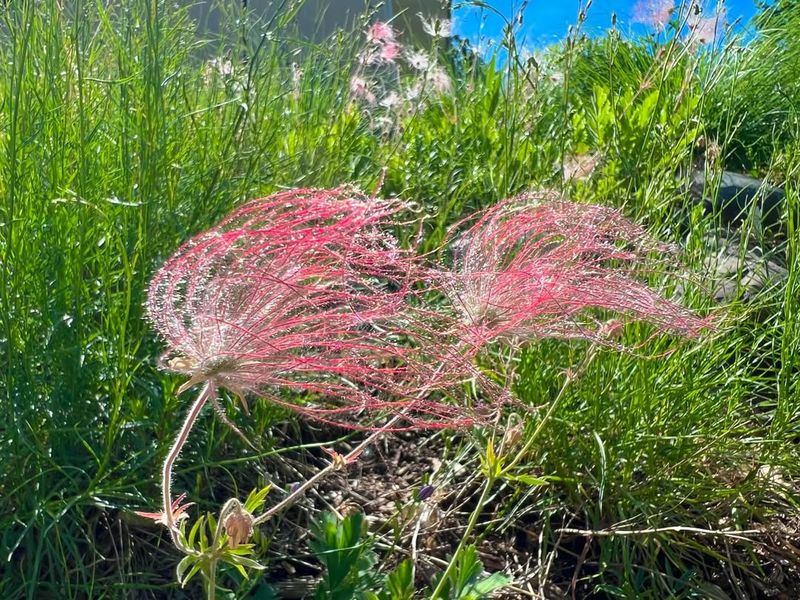
Prairie Smoke earns its poetic name after it finishes blooming, when its wispy, smoky-pink seed plumes rise up and catch the breeze in a way that looks almost magical.
But before that dramatic display, Geum triflorum puts on a charming show of nodding pink flowers in early spring that early bees eagerly visit.
Native to Michigan’s prairies and open areas, this plant brings real character to any sunny garden space.
April is a great time to plant Prairie Smoke because it tolerates the dry conditions and cool temperature swings that are so common during Michigan’s early growing season.
It thrives in full sun with well-drained soil, and sandy or rocky soils are no problem for this tough little native.
Once established, it requires very little water or attention, which makes it perfect for low-maintenance pollinator gardens.
One fun fact about Prairie Smoke is that it is one of the earliest bloomers among Michigan’s native prairie plants, sometimes flowering before most gardeners have even finished planning their spring planting list.
That early bloom time is incredibly valuable for native bees emerging from winter. Plant it along sunny borders, rock gardens, or open meadow-style spaces in Michigan for maximum effect.
Its year-round visual interest, from spring flowers to summer plumes, keeps the garden looking interesting through multiple seasons without any extra effort on your part.
5. Jacob’s Ladder
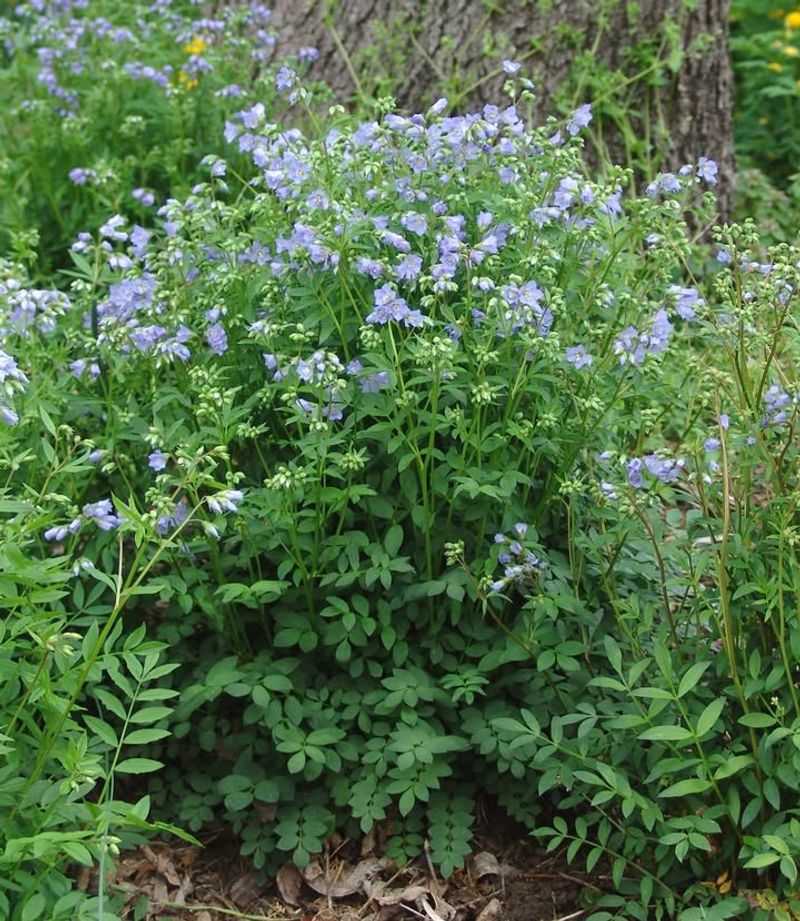
Named for the way its paired leaflets climb the stem like rungs on a ladder, Jacob’s Ladder is one of those plants that charms you twice, once with its unique foliage and again with its lovely blue-purple flowers.
Polemonium reptans is a Michigan native that blooms in mid-spring, filling shaded garden corners with soft color right when native pollinators are actively searching for early nectar sources.
Bees and small butterflies visit its flowers regularly throughout the blooming period.
April planting gives Jacob’s Ladder time to settle into its preferred habitat before the heat of summer arrives. It thrives in partial shade with moist, well-drained soil, which mirrors the woodland and stream-edge environments where it naturally grows across Michigan.
Consistent moisture during establishment helps it develop a strong root system that will support it for many seasons to come.
Jacob’s Ladder is also a fantastic companion plant for other spring natives like Wild Geranium and Wild Columbine, creating a layered understory garden that looks intentional and beautiful.
It tends to self-seed modestly, gradually filling in gaps in the garden without becoming aggressive or overpowering neighboring plants.
Michigan gardeners with shaded yards often struggle to find attractive, pollinator-friendly options, and Jacob’s Ladder fills that gap perfectly. It is the kind of plant that makes visitors stop and ask what it is, which is always a satisfying gardening moment.
6. Blue Flag Iris
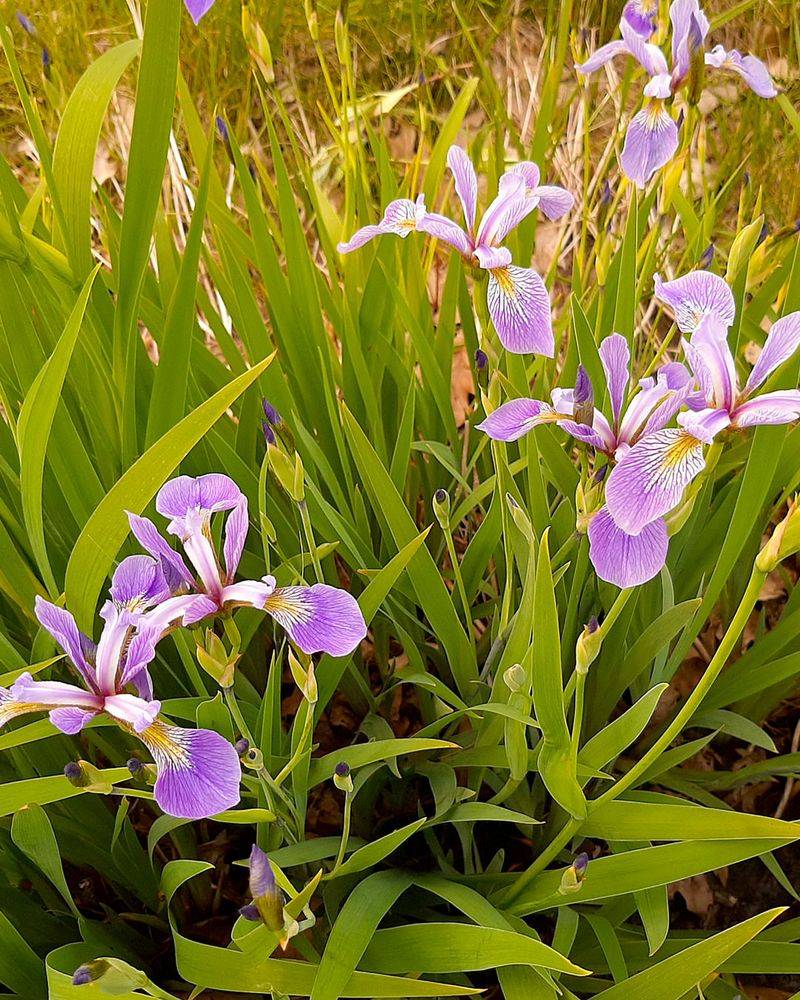
Bold, beautiful, and built for wet feet, Blue Flag Iris is one of Michigan’s most visually striking native plants. Iris versicolor produces gorgeous violet-blue flowers that stand tall above sword-like leaves, creating a dramatic display in moist garden areas every spring.
Bees are major fans of this plant, using its broad petals as landing pads while collecting nectar and pollen in abundance.
Blue Flag Iris is native to Michigan’s wetlands and low-lying areas, so it thrives in full sun to partial shade in consistently moist or even wet soils.
April planting works well because the plant adapts naturally to spring water conditions and the fluctuating moisture levels that are typical across much of Michigan at that time of year.
Rain gardens, pond edges, and low spots in the yard are all ideal locations for this stunning native.
Beyond its beauty, Blue Flag Iris plays a real ecological role in Michigan’s native landscapes. It stabilizes soil along water edges, provides shelter for small insects, and offers reliable nectar to bumblebees and long-tongued native bee species.
It also pairs beautifully with Swamp Milkweed for a wet-garden combination that pollinators absolutely adore. If your yard has a soggy spot that feels like a problem, Blue Flag Iris turns it into a feature.
Plant a small grouping in April and watch that tricky corner transform into one of the most admired spots in your Michigan garden.
7. Early Goldenrod
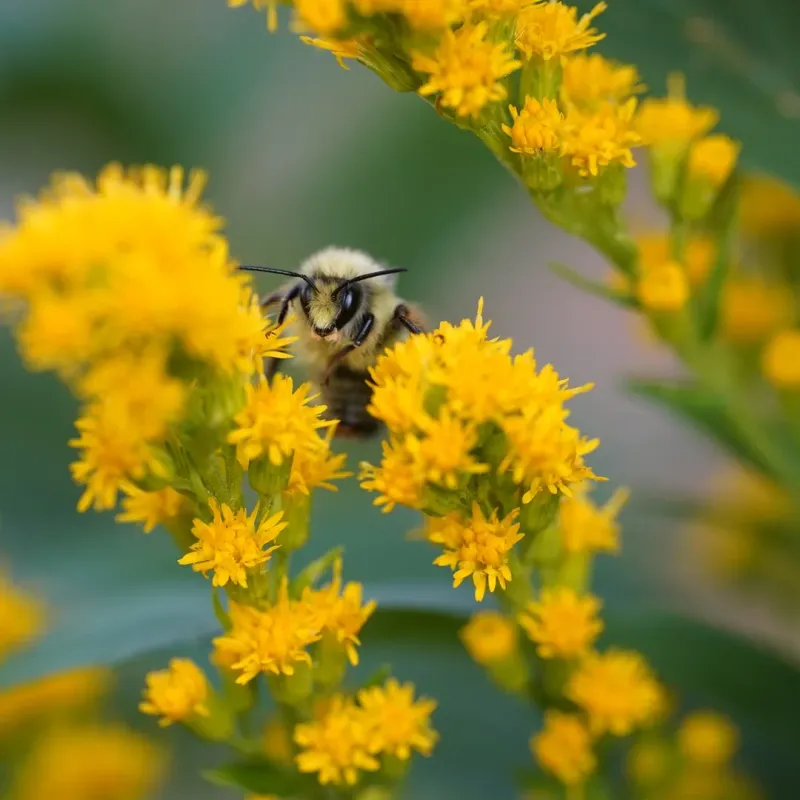
Goldenrod gets a bad reputation it does not deserve, often blamed for hay fever when ragweed is actually the real culprit.
Early Goldenrod, or Solidago juncea, is a Michigan native that supports an enormous variety of pollinators and deserves a place in every naturalistic garden.
Planting it in April gives it a head start on establishing a strong root system, so it can put on a full show of golden-yellow blooms later in the season.
Solidago juncea grows in full sun with well-drained soil, and it handles dry conditions and temperature swings with remarkable ease. That toughness makes it especially well-suited to Michigan’s variable spring and summer weather patterns.
Once established, it spreads moderately through rhizomes, gradually forming a cheerful, wildlife-supporting colony that requires almost no care from the gardener.
What really sets Early Goldenrod apart is how many species it supports. Bees, beetles, butterflies, and even small wasps visit its flowers, making it one of the most ecologically productive plants you can add to a Michigan pollinator garden.
It also provides seeds that songbirds enjoy in fall and winter, extending its value well beyond the blooming season. Pair it with native asters for a classic late-season combination that keeps the garden buzzing into autumn.
Starting it in April in Michigan means you will have a well-rooted, thriving plant ready to deliver all of those benefits right on schedule.
8. Harebell
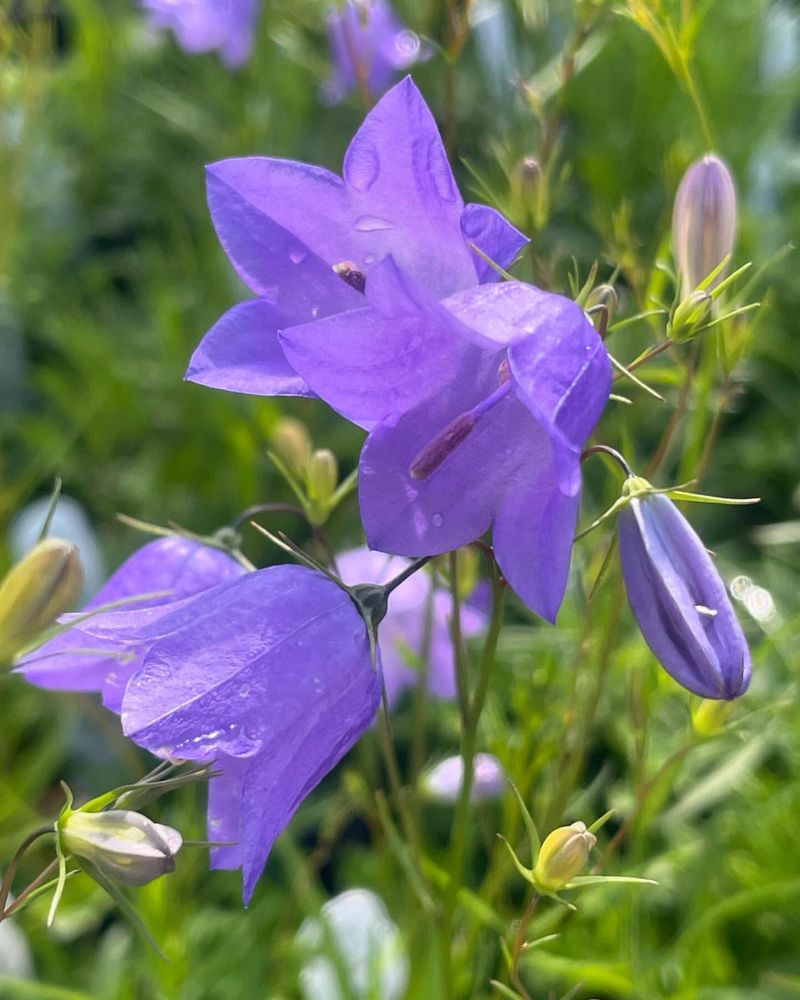
Dainty but surprisingly tough, Harebell is one of those native plants that looks fragile but performs like a champion in challenging conditions.
Campanula rotundifolia produces small, nodding blue-purple bell-shaped flowers on wiry stems, and small native bees find those blooms completely irresistible.
Across Michigan, this plant grows naturally on rocky outcrops, sandy shores, and open meadows, which tells you a lot about how adaptable it really is.
Planting Harebell in April takes full advantage of Michigan’s cooler spring temperatures, which suit this plant perfectly. It thrives in full sun with well-drained soil, and poor or sandy soils are not a problem at all.
In fact, Harebell often performs better in lean soils than in rich, heavily amended garden beds, making it a great option for parts of the yard where other plants struggle to establish.
Harebell has a long blooming season that can stretch from late spring all the way into summer, giving pollinators an extended nectar source over several months.
Small bumblebees and solitary native bees are its most frequent visitors, and watching them navigate those delicate bell-shaped flowers is genuinely delightful.
It works beautifully in rock gardens, along pathways, or in naturalized areas throughout Michigan where a low-growing, low-maintenance native is needed.
For gardeners looking to fill a sunny, dry spot with something both charming and ecologically valuable, Harebell is a wonderful answer.
9. Swamp Milkweed
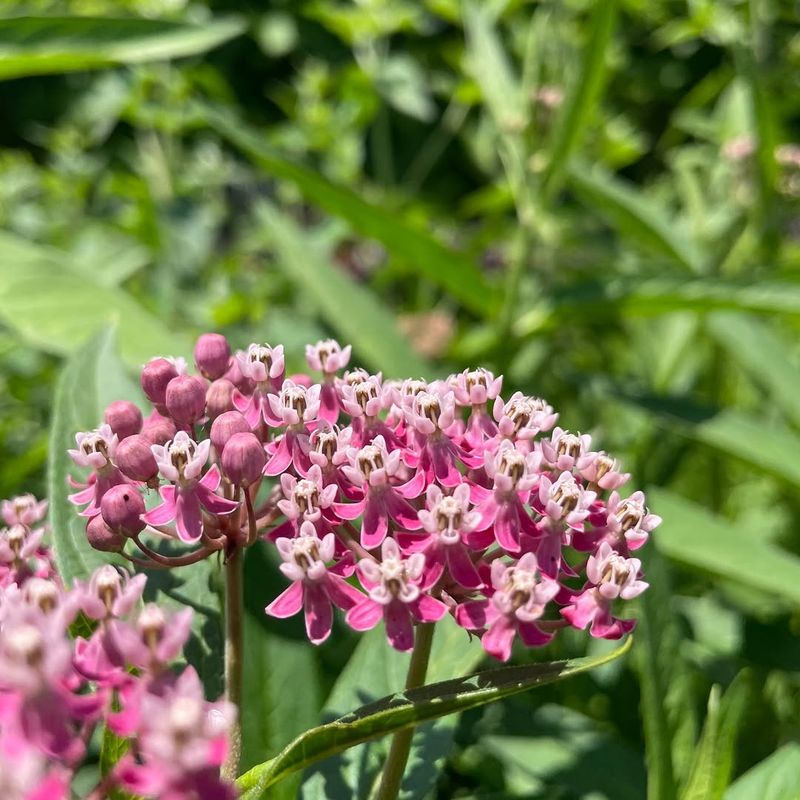
Monarch butterflies have a special relationship with milkweed, and Swamp Milkweed is one of the best milkweed species Michigan gardeners can grow.
Asclepias incarnata produces clusters of rosy-pink flowers that draw in monarchs, bumblebees, and a wide range of other pollinators with impressive consistency.
Starting it in April gives the plant the full growing season it needs to develop into a strong, productive specimen before its summer blooms arrive.
Swamp Milkweed thrives in full sun with consistently moist soil, making it an excellent choice for rain gardens, pond edges, and low areas that stay wet through much of Michigan’s spring and early summer.
Unlike common milkweed, it grows in a more upright, clumping form that fits neatly into garden beds without spreading aggressively.
That well-behaved growth habit makes it much easier to manage in a typical home garden setting.
Beyond monarchs, Swamp Milkweed supports a surprising number of Michigan native insects, including milkweed beetles, aphid predators, and various specialist bee species that rely on milkweed pollen.
Its seed pods split open in fall to release silky seeds that drift on the breeze, adding a beautiful late-season display to the garden.
Pairing it with Blue Flag Iris creates a stunning wet-garden combination that is both gorgeous and incredibly productive for pollinators. Every Michigan garden with even a slightly moist area should have Swamp Milkweed growing in it.
10. Pennsylvania Sedge
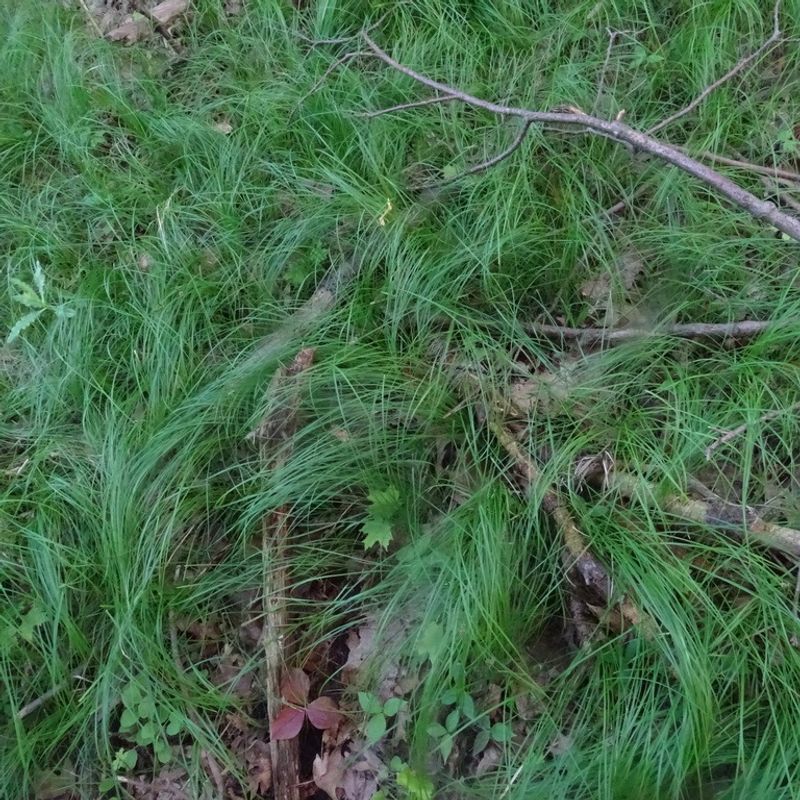
Not every pollinator plant needs a showy flower to pull its weight in the garden, and Pennsylvania Sedge proves that point beautifully.
Carex pensylvanica is a native groundcover sedge that forms soft, arching clumps of fine green foliage in shaded areas across Michigan.
While its flowers are subtle, they provide early-season pollen that is genuinely important for native bees emerging in early spring before many other plants have bloomed.
April planting is ideal for Pennsylvania Sedge because it establishes quickly in cool conditions and starts spreading into a dense, attractive mat before summer arrives.
It grows best in partial shade with dry to average soil, which makes it perfect for the challenging dry-shade spots under trees that frustrate so many Michigan gardeners.
Once established, it needs almost no supplemental watering and handles Michigan’s woodland soil conditions with ease.
Pennsylvania Sedge also provides habitat value that goes beyond just pollinators. Its dense clumps offer shelter for ground-nesting insects and small wildlife, adding another layer of ecological benefit to the garden.
It works wonderfully as a lawn alternative under trees, along shaded pathways, or as a border edging in woodland garden designs. The fine texture and evergreen quality of its foliage keep the garden looking tidy even in winter.
For Michigan gardeners who want a hardworking, low-fuss native that quietly supports pollinators from the very first warm days of spring, Pennsylvania Sedge is an outstanding and often overlooked choice.