7 April Garden Tasks That Help Prevent Plant Damage In Arizona
Plants can look perfectly fine at the start of April, then quickly run into trouble once the heat settles in across Arizona.
One week everything feels manageable, and the next, leaves start to fade, soil dries out faster than expected, and small issues turn into bigger problems.
This is the point in the season where timing starts to matter more than anything else. A few simple actions done now can keep plants steady before stress builds, while skipping them often leads to damage that is harder to fix later.
It is not about doing more work, but about doing the right things at the right moment.
If the goal is to keep plants healthy through the coming heat, there are a handful of tasks that are worth focusing on right now. Getting ahead of those early shifts can make the rest of the season far easier to manage.
1. Check Irrigation Systems Before Temperatures Start Climbing
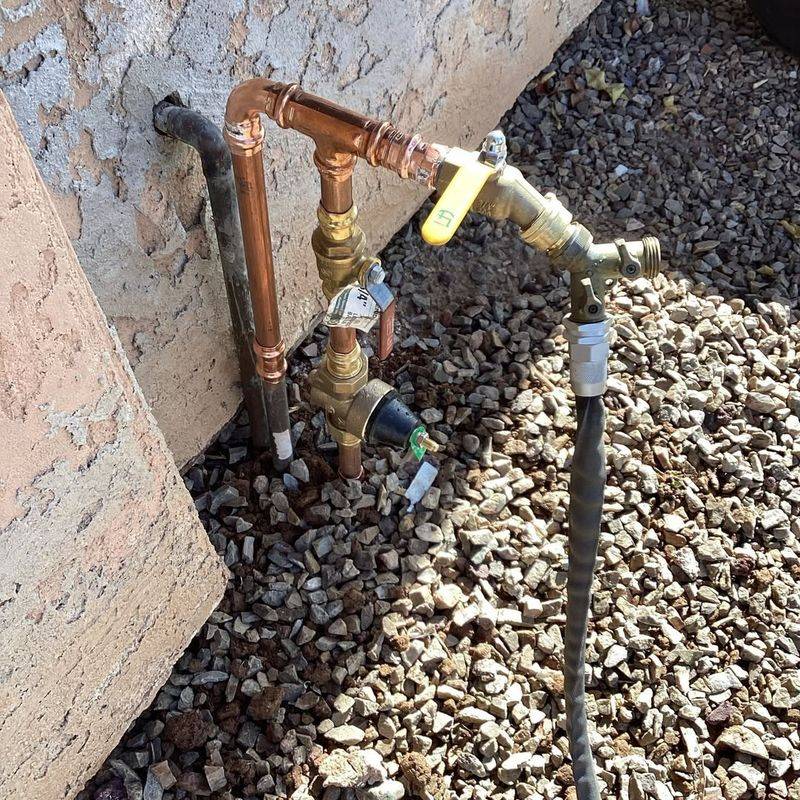
A broken drip emitter in June can quietly end a plant’s summer before you even realize something is wrong. April is the right time to walk your entire irrigation system and check every single line, emitter, and connection before the heat shows up for real.
Start by running each zone manually and watching closely. Look for emitters that are clogged, cracked, or spraying sideways instead of dripping straight down.
Even a small blockage can mean a plant goes weeks without enough water right when it needs it most.
In Arizona, the soil dries out faster than most people expect once May hits. Getting your system dialed in now means you are not scrambling to fix things in 105-degree heat.
Check the timer settings too, because most systems still have winter schedules programmed in that are not nearly enough for spring growth.
If you have a pressure regulator on your system, make sure it is still working correctly. Low pressure causes uneven watering, and high pressure can blow emitters right off the line.
Replacing worn parts now costs almost nothing compared to losing established plants later.
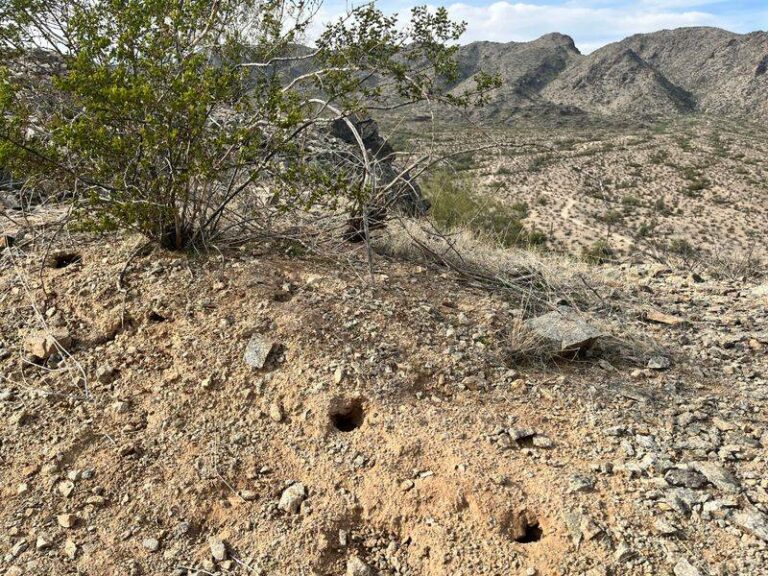
Walk the perimeter of your garden and look for any lines that have shifted, cracked from UV exposure, or been chewed through by critters over winter. Arizona wildlife has a way of finding irrigation tubing.
A quick inspection now keeps your whole system running smoothly and your plants protected all season long.
2. Refresh Mulch To Protect Roots From Drying Out Too Fast
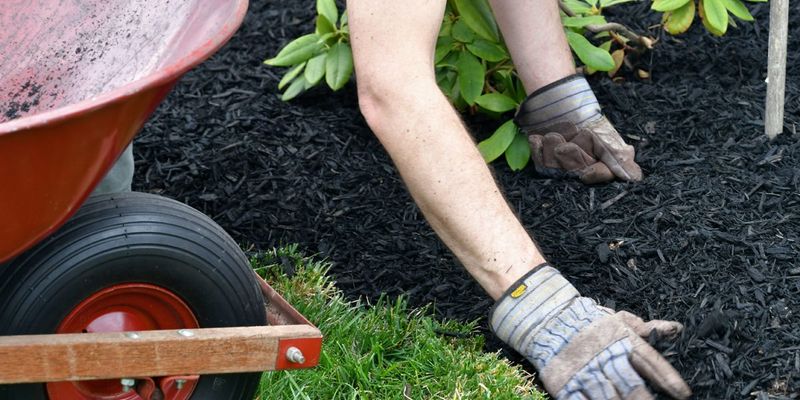
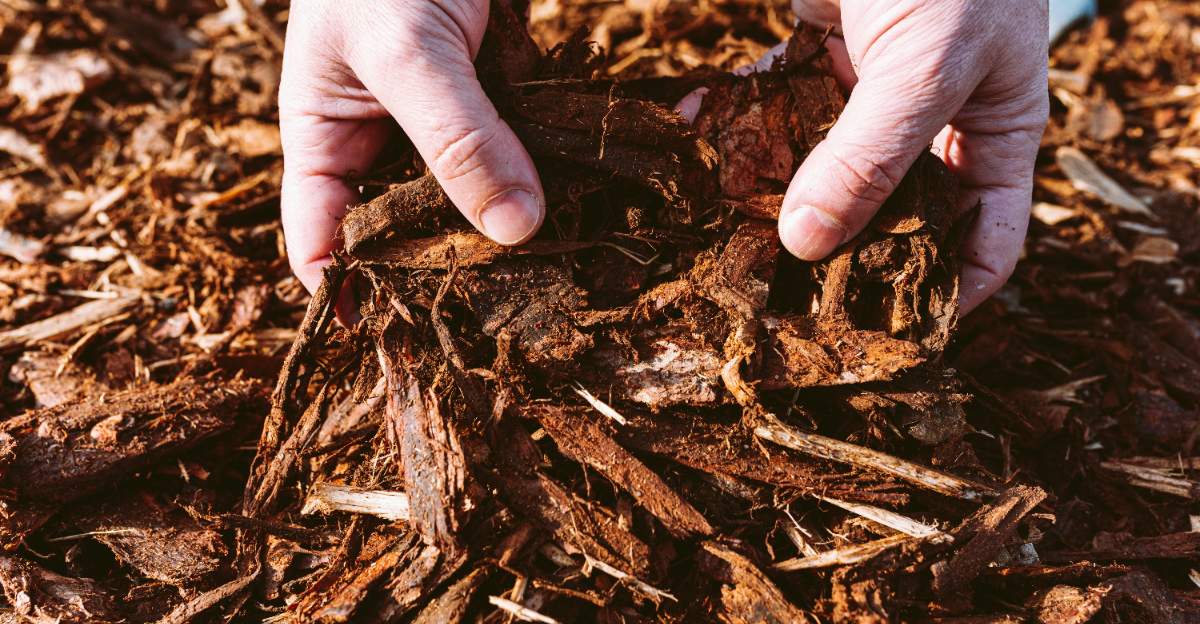
Bare soil in an Arizona garden is basically an open invitation for roots to bake. A fresh layer of mulch is one of the simplest and most effective things you can do in April to keep your plants from stressing out as temperatures rise.
Over winter, mulch breaks down and compacts. What looked like a solid 3-inch layer back in October is probably down to barely an inch now.
Pull back what is left, loosen the soil underneath slightly, then add fresh material on top to bring it back up to 3 or 4 inches.
Your Arizona Garden Changes Every Week. Your Plan Should Too.
Gardening in Arizona changes quickly throughout the season. Every Friday you’ll receive a simple weekly plan showing exactly what to plant, prune, fertilize, harvest, and protect so you never miss the right timing.
Organic mulches like wood chips or shredded bark work really well in the Phoenix and Tucson areas because they slowly improve the soil as they break down.
Avoid piling mulch directly against plant stems or tree trunks, because that traps moisture and can cause rot at the base.
Gravel mulch is popular across Arizona for low-water landscapes, but it does not help the soil the way organic material does. If you use gravel, consider mixing in some organic mulch around the drip zone of plants that need a little more soil support.
Right now, before the soil heats up completely, is the ideal window to refresh your mulch. Once the ground temperature rises sharply, roots are already working harder just to stay stable.
A solid mulch layer applied in April keeps soil moisture steady, moderates temperature swings, and gives your plants a genuine buffer heading into summer.
3. Prune Lightly To Remove Weak Or Damaged Growth
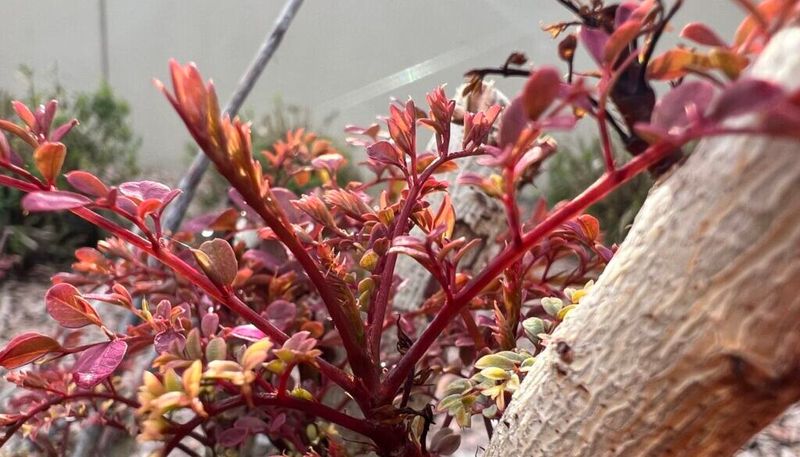
Not everything that survived winter came through in good shape.
Light pruning in April helps redirect a plant’s energy toward strong, healthy new growth. Focus on branches that look shriveled, discolored, or snapped from winter winds.
Cut back to a clean, healthy node and make sure your pruners are sharp so you are not tearing the tissue.
Roses across Arizona benefit a lot from a light April cleanup. Remove any canes that look hollow, blackened, or significantly thinner than the main structure.
Crepe myrtles and other summer-blooming shrubs should also get a quick once-over to clear out anything that did not bounce back with the warmer weather.
Avoid going too heavy with the pruners right now. Hard pruning in spring can stress plants just as they are trying to push new growth.
Light shaping is the goal, not a full renovation. Save major structural cuts for after the plant has finished its summer bloom cycle.
Always clean your pruning tools between plants, especially if you notice any spots that look diseased. Spreading fungal issues from one plant to another is easy to do without realizing it.
A quick wipe with rubbing alcohol takes about five seconds and can save you a lot of headache later. Pruning now sets up a cleaner, stronger plant going into Arizona’s intense summer season.
4. Start Monitoring For Early Pest Activity On New Growth
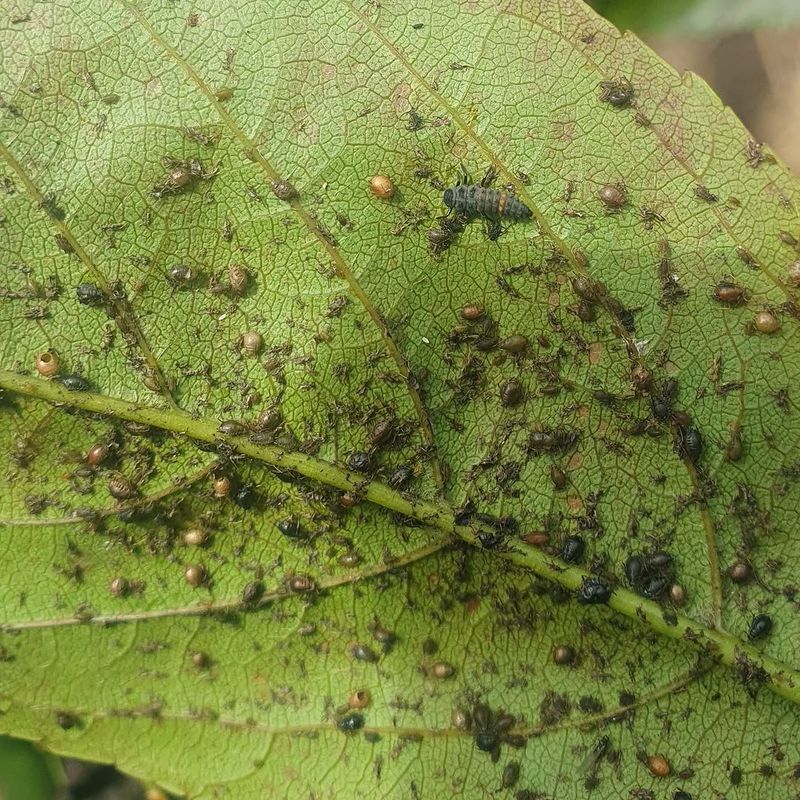
Aphids, thrips, and whiteflies do not wait for an invitation. As soon as new growth starts pushing out in April, pests start showing up, and catching them early makes a massive difference in how much damage they actually cause.
Flip leaves over and look carefully at the undersides where most soft-bodied pests like to cluster. New, tender growth is their favorite target because it is easier to feed on than tougher, mature leaves.
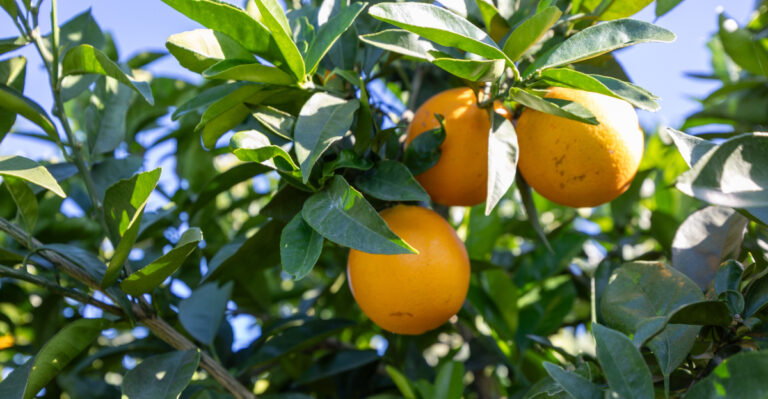
Check roses, citrus, and vegetable plants especially closely since those tend to attract the most pest traffic in Arizona gardens.
Sticky yellow traps placed near vulnerable plants can give you an early warning before populations explode. Seeing a few insects on a trap is useful information.
Seeing dozens means it is time to act before the infestation spreads to other areas of the garden.
A strong blast of water from a hose knocks aphids off plants effectively without any chemicals. For more stubborn infestations, insecticidal soap sprays work well and break down quickly without leaving long-term residue on edible plants.
Neem oil is another option that handles multiple pest types at once.
Beneficial insects like ladybugs and lacewings are natural pest controllers, and Arizona has plenty of them. Avoiding broad-spectrum pesticides in April helps keep those helpful bugs around to do their job.
Building a garden that supports beneficial insects is a long-term strategy that pays off every single season, especially once summer heat pushes pest pressure even higher.
5. Adjust Watering Frequency As Days Become Warmer
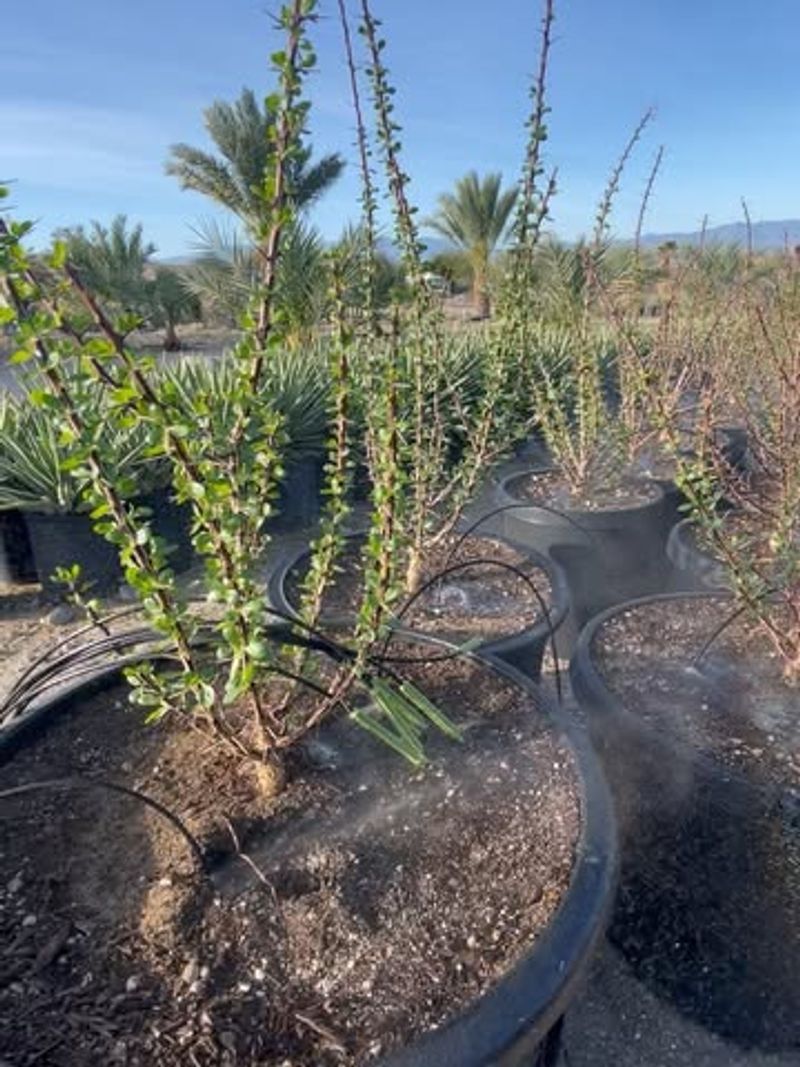
What worked in February is already too little by mid-April. Soil temperatures are rising, evaporation rates are climbing, and plants are actively growing, which means their water needs have shifted significantly since the last time most people adjusted their schedules.
Rather than guessing, stick your finger 2 to 3 inches into the soil near your plants. If it feels dry at that depth, your watering frequency needs to go up.
Most desert-adapted plants in Arizona still need consistent moisture in spring even if they handle dry summers better once they are fully established.
Drip irrigation timers should be bumped up in both duration and frequency starting in early April. A system running three days a week in March may need to run four or five times a week by the end of the month.
Fruit trees, vegetables, and newly planted shrubs are especially sensitive to inconsistent watering right now.
Water in the early morning whenever possible. Afternoon watering in Arizona leads to fast evaporation before the water even reaches the root zone.
Morning watering gives the soil time to absorb moisture before the heat peaks, and it keeps foliage drier through the day, which reduces fungal issues.
Keep a simple garden journal or even just a notes app entry tracking when you adjusted your watering schedule. Looking back at what worked last year can save a lot of guesswork.
Small, consistent adjustments throughout April keep plants stable and well-supported as Arizona summer heat ramps up steadily through May and June.
6. Protect Young Plants From Sudden Sun Exposure
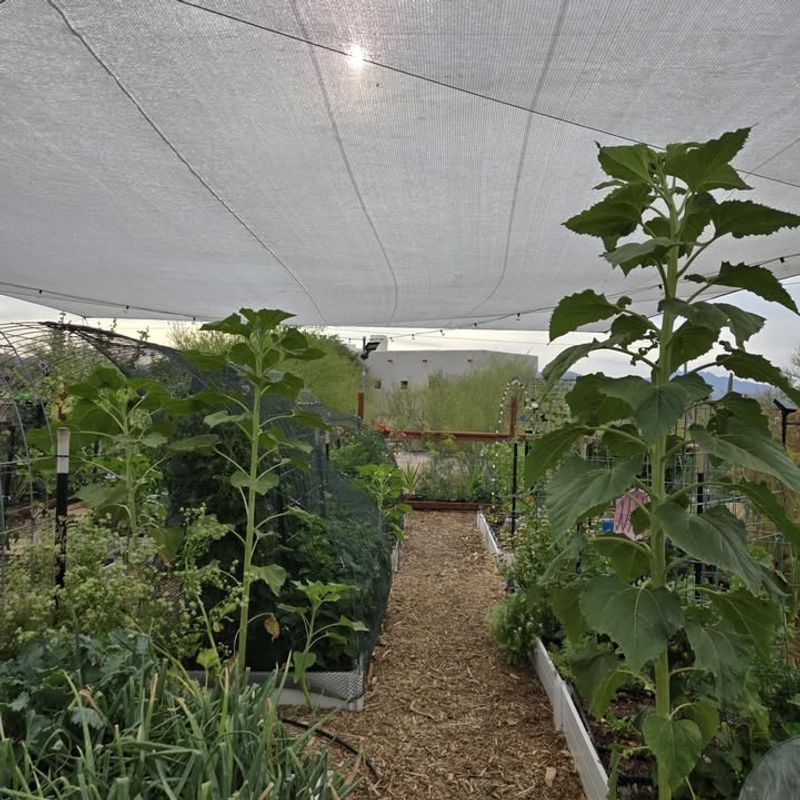
Sunburn on plants is a real thing, and in Arizona it happens faster than most new gardeners expect. Young transplants that spent time in a greenhouse or indoors are especially vulnerable when they first go outside into full desert sun.
Hardening off is the process of gradually introducing plants to outdoor conditions before leaving them fully exposed. Start by placing new transplants in a shaded spot for a few hours each day, then slowly increase their sun exposure over about a week.
Skipping this step can leave leaves bleached, papery, and damaged within a single afternoon.
Shade cloth is worth having on hand in Arizona. A 30 to 40 percent shade cloth draped over young plants during the hottest part of the day, roughly between 11 AM and 3 PM, gives them breathing room while they adjust.
Shade cloth frames are easy to set up and can be reused every season.
Even plants that are well-established can suffer if they are moved from a shadier spot to a sunnier one too quickly. Gradual transitions matter at any stage of growth.
Pay attention to how leaves look after a few sunny days. Pale or yellowing patches on the surface usually signal too much direct light too fast.
Choosing the right planting location from the start helps too. Afternoon shade from a wall, fence, or larger plant can make a significant difference for tender species in the Arizona heat.
Thoughtful placement now prevents a lot of frustrating setbacks once summer temperatures arrive in full force.
7. Inspect Soil Drainage To Prevent Stress From Poor Water Flow
Poor drainage is one of those quiet problems that does not look dramatic until a plant is already in serious trouble. April is a smart time to check how well your soil is actually moving water before the summer irrigation schedule kicks into high gear.
A simple drainage test takes about 30 minutes. Dig a hole roughly 12 inches deep and 12 inches wide, fill it with water, and watch how fast it drains.
If the water is still sitting there an hour later, you have a drainage issue worth addressing. Roots sitting in waterlogged soil suffer just as much as roots in dry soil.
Arizona soils vary a lot depending on where you are. Some areas around Phoenix have caliche layers just below the surface that act like a concrete shelf and stop water from moving down at all.
Breaking through caliche with a digging bar or augering through it before planting makes a real difference for root health.
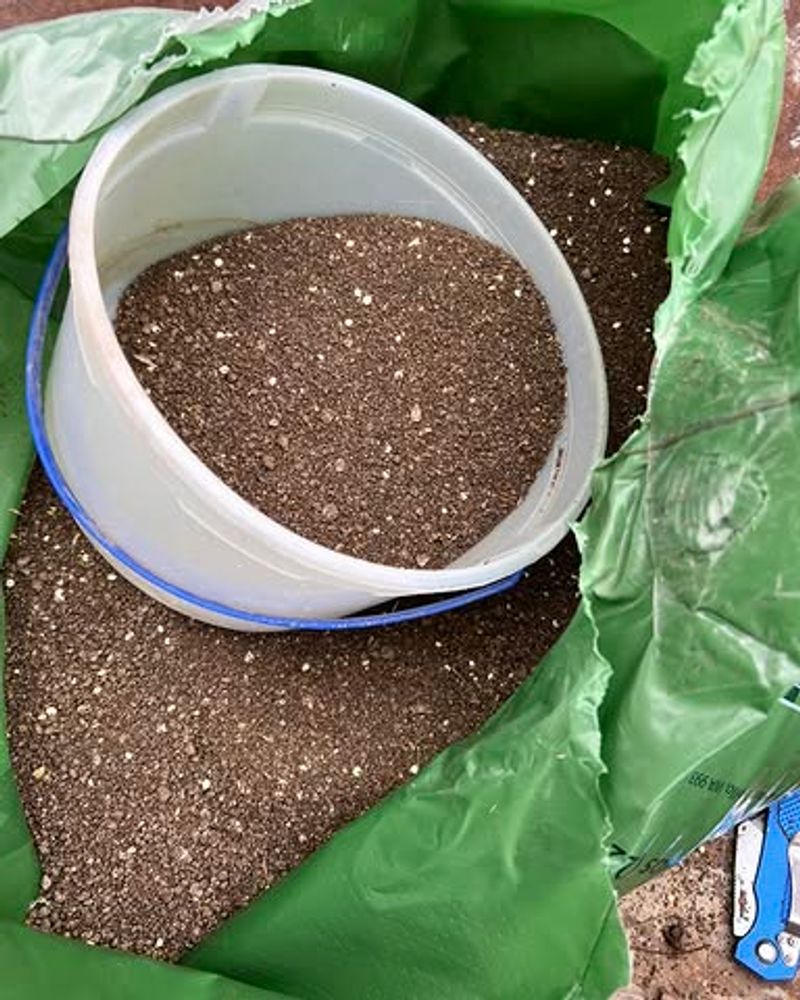
Amending heavy clay or compacted soil with compost improves both drainage and water retention at the same time. Work it into the top 8 to 10 inches of soil in your garden beds rather than just laying it on the surface.
Even a couple of inches of good compost mixed in can noticeably change how water moves through the soil.
Raised beds are another solid option for Arizona gardeners dealing with tough native soil.
Filling raised beds with a quality garden mix gives you full control over drainage from day one, which takes a lot of uncertainty out of growing both vegetables and ornamentals across the state.