7 Reasons Native Trees Are A Better Fit For North Phoenix, Arizona Yards
Some trees look great at the nursery but struggle the moment they face real conditions in North Phoenix, Arizona.
Dry soil, intense sun, and long stretches without rain can wear them down fast, leaving homeowners dealing with constant care, extra watering, and disappointing growth.
That is where native trees stand out without needing much attention. They are already adapted to the heat, the soil, and the way seasons actually play out here, which changes how they grow and how much effort they need over time.
Instead of fighting the environment, they settle into it.
Choosing the right tree from the start can save time, water, and frustration while still giving the yard structure and shade.
Some options handle these conditions far better than others, and the difference becomes obvious once temperatures begin to rise.
1. Native Trees Are Naturally Adapted To Low-Water Conditions
Water bills in North Phoenix are no joke, especially when summer temperatures push past 110 degrees and evaporation happens faster than most people expect.
Non-native trees often demand deep watering two or three times a week just to stay healthy during the hottest months.
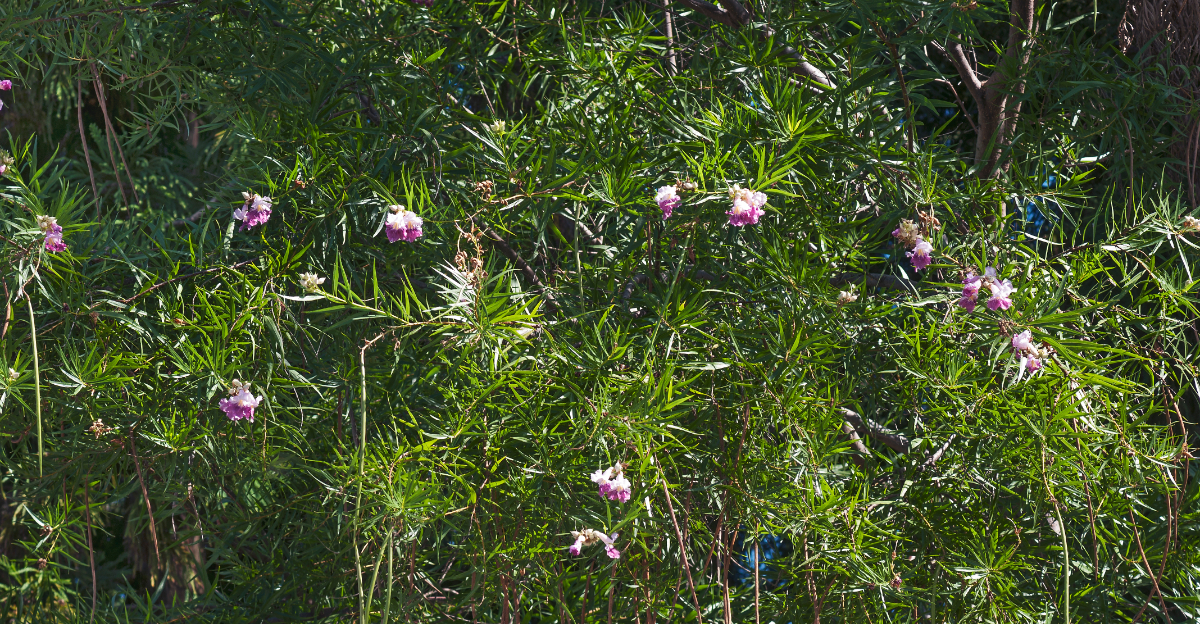
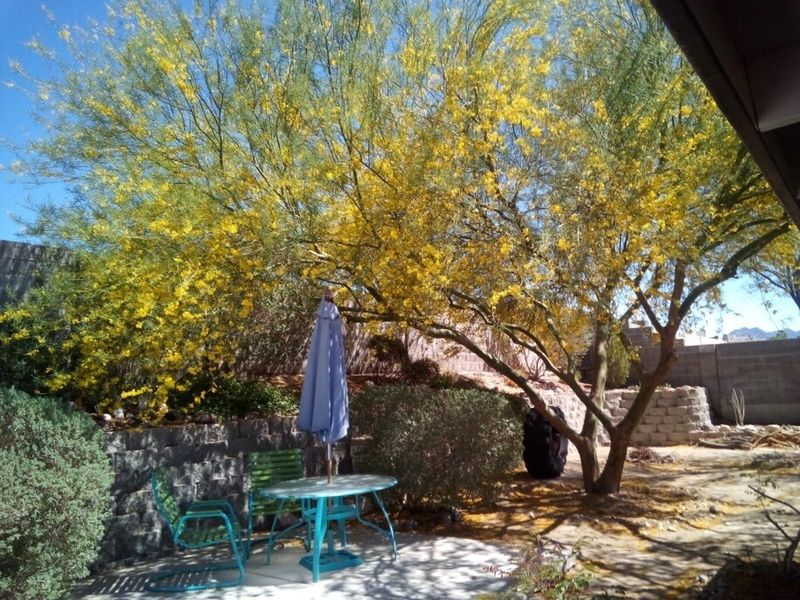
Native trees like the Blue Palo Verde or Desert Willow have root systems built for exactly this kind of environment.
Instead of searching for water near the surface, their roots go deep to find moisture stored far below the dry topsoil. That means even during a stretch of weeks without rain, these trees keep going without you having to drag out the hose every other day.
Younger trees do need some watering while they get settled in during their first couple of seasons, but after that, rainfall handles most of the work on its own.
Homeowners in North Phoenix who have switched to native species often say their water usage drops noticeably within the first full summer. A tree that already knows how to handle desert drought is not fighting against the environment — it is working with it.
Picking the right tree from the start saves you money, saves water, and removes a lot of the stress that comes with trying to keep thirsty plants alive in one of the hottest urban areas in the country.
2. They Handle Extreme Heat Without Extra Protection
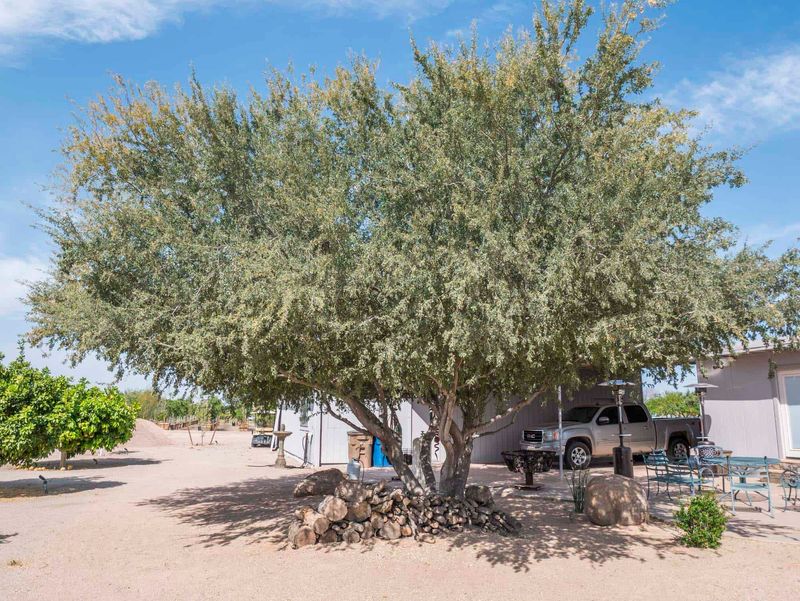
Shade cloth, burlap wraps, and extra mulch piled around struggling trees — these are all signs that a plant is not meant for this climate.
North Phoenix summers do not ease up, and asking a non-native tree to survive weeks of 110-plus-degree heat with full sun exposure is asking a lot. Native trees skip all that drama entirely.
Species like the Ironwood tree have evolved over thousands of years in the Sonoran Desert, and their biology reflects that. Thick bark, small or waxy leaves, and efficient water use are built-in features that help them manage intense solar radiation without shutting down.
You will not find them dropping leaves in panic during a heat spike the way some non-native ornamentals do.
Planting something like a Foothills Palo Verde in a North Phoenix yard means you are putting in a tree that treats summer as its normal operating condition, not a survival challenge.
Your Arizona Garden Changes Every Week. Your Plan Should Too.
Gardening in Arizona changes quickly throughout the season. Every Friday you’ll receive a simple weekly plan showing exactly what to plant, prune, fertilize, harvest, and protect so you never miss the right timing.
Landscapers and homeowners across the Phoenix metro have noticed that native trees stay structurally sound and keep growing even during the peak of July and August.
No sunburn damage on the trunk, no scorched leaf edges, no emergency watering sessions at midnight.
When extreme heat is just another Tuesday in North Phoenix, having a tree that feels the same way makes yard care a whole lot more manageable for everyone involved.
3. Established Roots Improve Stability In Dry, Compact Soil
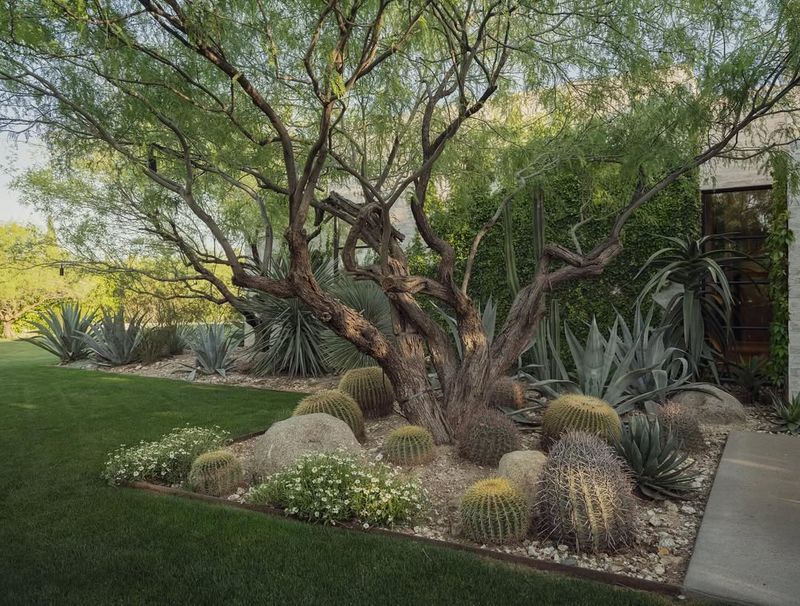
North Phoenix soil is not exactly gardener-friendly. It tends to be caliche-heavy, compacted, and low in organic matter, which makes it tough for shallow-rooted trees to find a secure foothold.
A bad monsoon storm with strong gusts can topple a poorly rooted tree fast, and that is a real safety concern when your tree is sitting near a fence, a vehicle, or your roof.
Native trees like the Velvet Mesquite develop deep, aggressive root systems that push through compacted layers and anchor firmly into the ground over time. That deep root structure does more than just hold the tree upright during wind events.
It also helps break up caliche over time, improving overall soil drainage and making the ground more hospitable for anything else you plant nearby.
A well-rooted native tree in North Phoenix is not going anywhere during monsoon season.
Compared to ornamental trees imported from wetter climates, which often sit with their roots bunched near the surface because they never adapted to push through tough desert soil, native species earn their stability the hard way.
Homeowners who have dealt with fallen trees after a summer storm know how costly and dangerous that situation can be.
Choosing a native species with a proven track record in dry, compact desert soil gives your yard a much stronger foundation and cuts down on the kind of storm damage that turns a landscaping project into an emergency repair job.
4. They Require Less Maintenance Once Fully Established
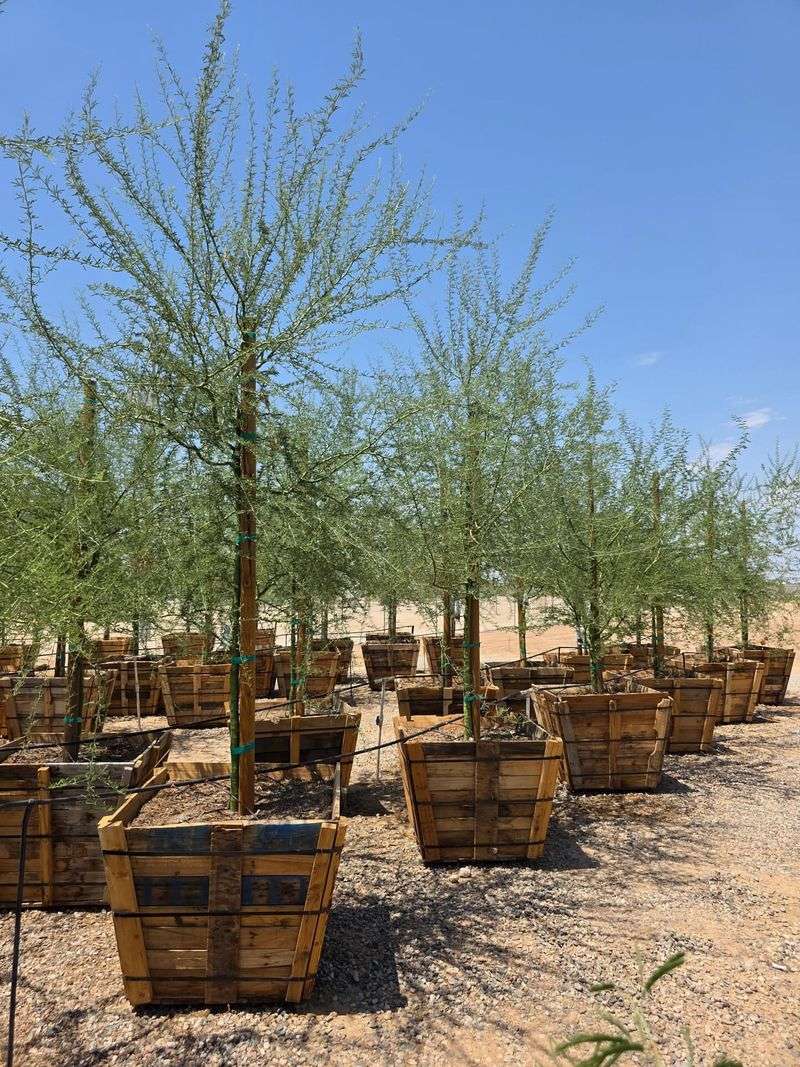
Spending every weekend trimming, spraying, and babysitting a tree that does not want to be in Arizona gets old fast. Non-native trees often need regular fertilizing, pest treatments, and extra pruning just to stay presentable in the desert climate.
Native trees take a different approach entirely — they are built to run lean.
A Blue Palo Verde, for example, does not need monthly fertilizer applications or special soil conditioners to stay healthy in North Phoenix.
Its natural growth cycle lines up with the local seasons, meaning it pushes new growth when conditions favor it and slows down when the heat peaks.
You are not fighting its natural rhythm; you are just watching it do its thing.
Pruning is still a part of the picture, especially when you want to shape the canopy or keep branches away from structures.
But the frequency and intensity of that work is far lower compared to exotic species that constantly push out weak, leggy growth because the climate does not suit them.
Many North Phoenix residents find that after the first couple of growing seasons, a native tree basically takes care of itself with only occasional attention. That frees up weekends for things other than yard maintenance.
Less chemical use, fewer service calls, and no emergency watering during heat waves all add up to a yard that works for you instead of the other way around.
5. Native Species Support Local Wildlife And Pollinators
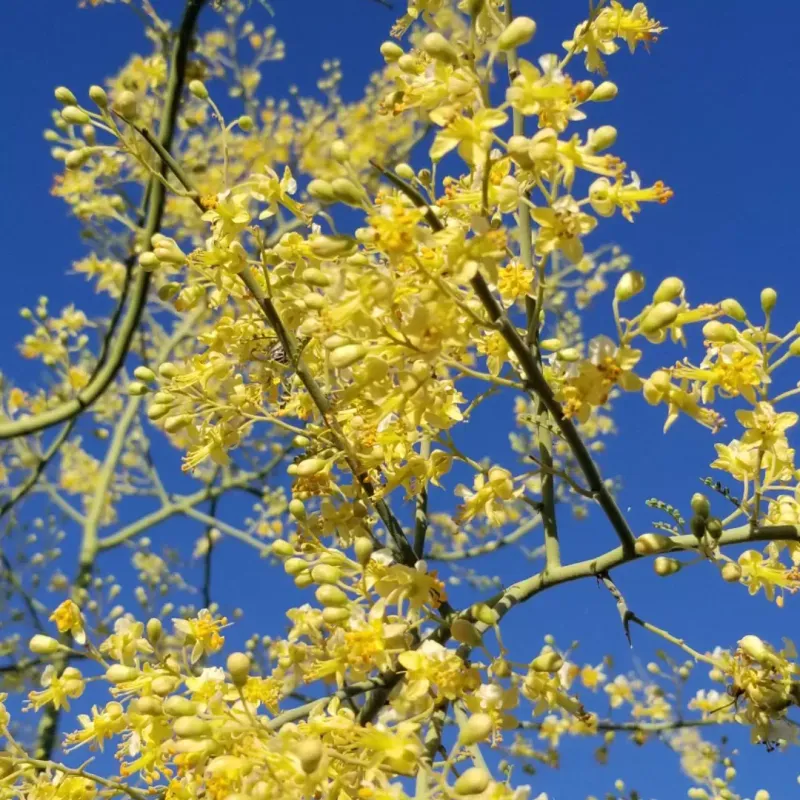
Walk past a blooming Palo Verde in spring and the buzzing is impossible to miss. Native trees are essentially a food source and habitat wrapped into one, and the wildlife in North Phoenix has been relying on them for generations.
When you plant a native species, you are plugging directly into that existing relationship.
Pollinators like native bees, butterflies, and hummingbirds recognize these trees by scent, color, and bloom timing. Non-native ornamentals may look attractive to humans, but local pollinators often pass right by them because they simply do not register as a food source.
Planting a Velvet Mesquite or Desert Willow in your yard gives local bees reliable access to nectar and pollen at exactly the time of year they need it most.
Birds benefit too. Cactus Wrens, Curve-billed Thrashers, and Gila Woodpeckers all use native trees for nesting and foraging across North Phoenix neighborhoods.
Seed pods from Mesquite trees are a critical food source for several bird and small mammal species during dry seasons when other food is scarce. Creating that kind of habitat in your own yard does not take a lot of effort — it just takes choosing the right tree.
A single native tree can quietly support dozens of species without you doing anything extra, and that kind of ecological contribution is something a non-native ornamental simply cannot replicate in this environment.
6. They Are Less Prone To Stress From Sudden Weather Shifts
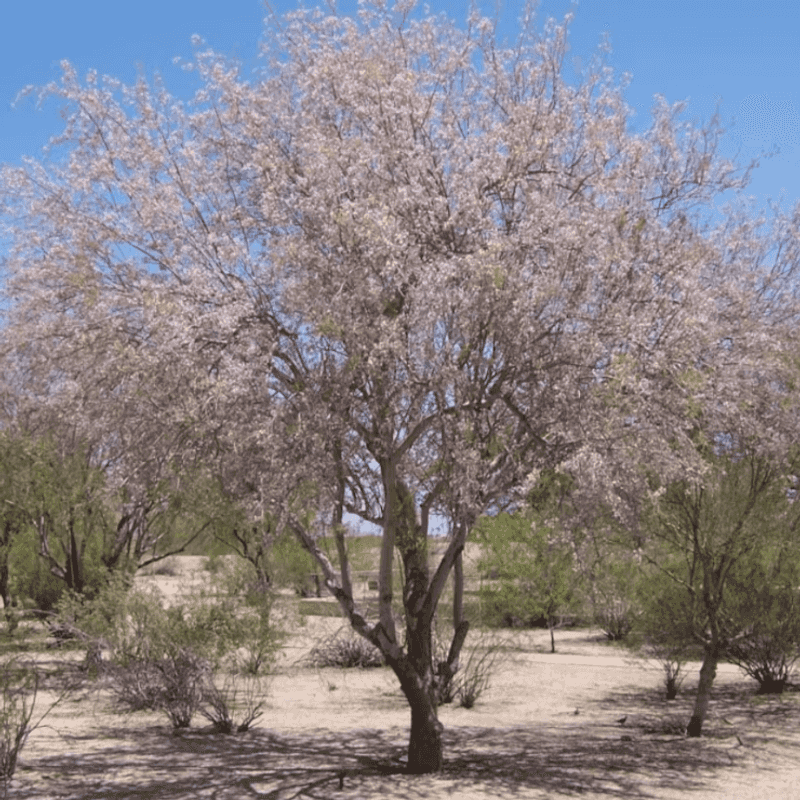
North Phoenix weather does not ease you in gently. You can go from a dry stretch of 108-degree days straight into a violent monsoon with 60-mile-per-hour gusts and two inches of rain in under an hour.
Trees that did not evolve here tend to struggle badly with those kinds of swings.
Non-native species often show signs of stress after sudden temperature drops in late fall or after a particularly intense monsoon soaking following weeks of drought.
Bark splits, root rot from sudden oversaturation, or leaf drop triggered by thermal shock are all common problems with trees that come from more stable climates.
Native trees sidestep most of those issues because their systems are calibrated for exactly this kind of unpredictability.
An Ironwood tree in North Phoenix does not panic when a monsoon dumps two inches of rain in an hour after three dry weeks. Its root system and vascular structure handle the rapid moisture change without going into shock.
Similarly, a brief cold snap in January does not send a Foothills Palo Verde into distress the way it might affect a tropical ornamental tree.
Residents across the Phoenix area have noticed that native trees come through monsoon season looking largely unaffected while non-native neighbors in the same yard show serious damage.
Choosing a tree that already has the biological tools to handle Arizona’s mood swings means fewer surprises and fewer repair costs after every storm rolls through.
7. They Fit Desert Soil Conditions Without Heavy Amendments
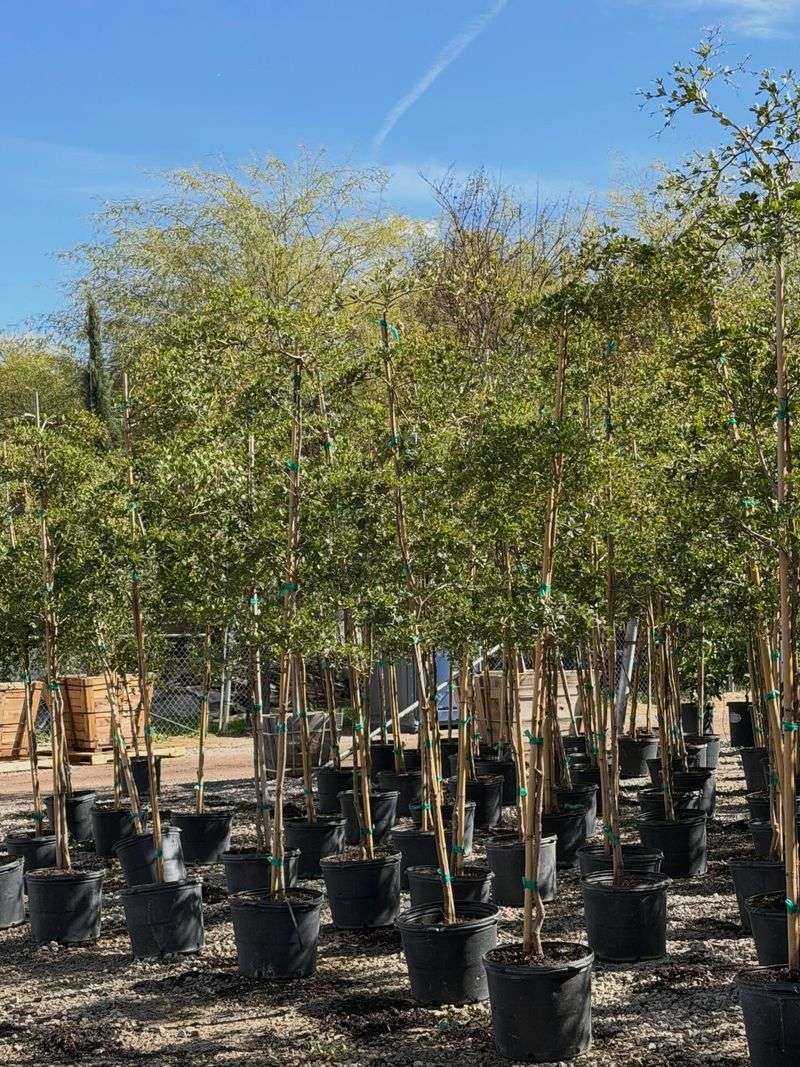
Bags of compost, peat moss, fertilizer blends, soil conditioners — the list of products marketed to fix Arizona dirt is long. Non-native trees often demand all of it just to survive their first year in the ground here.
Native trees skip that whole routine because they already know how to work with what North Phoenix soil actually offers.
Caliche layers, low organic content, and alkaline pH are not problems for a tree like Desert Willow or Blue Palo Verde. These species pulled nutrients from exactly that kind of soil long before irrigation systems existed.
Their roots are efficient at extracting what they need from lean, mineral-heavy desert ground without requiring you to rebuild the soil from scratch every planting season.
Skipping the soil amendment step is not just about saving money at the garden center, though that is a real benefit. It also means the tree does not develop a dependency on artificially enriched soil that cannot be maintained long-term.
A tree planted straight into native North Phoenix soil builds a stronger, more self-sufficient root system than one that grew up in a pampered mix.
Over time, that translates into a tree that is better anchored, more drought-resilient, and less likely to struggle when you miss a feeding cycle.
Choosing a native species means working with the land you actually have instead of spending years and money trying to turn your yard into something the desert never intended it to be.