8 Trees That Should Be Pruned In Georgia This April
Tree growth can change quickly in Georgia once the season moves forward, and branches that looked fine earlier can become a problem before it is even noticed.
New growth starts to push out, older wood stays in place, and the overall shape can turn uneven without much warning.
Some trees respond well to attention during this period, while others can suffer if handled at the wrong time. The difference often comes down to knowing when a cut helps and when it creates more stress.
Ignoring this stage can lead to weak structure, crowded branches, and trees that struggle to stay balanced as growth continues. On the other hand, the right action now can support stronger form and healthier development through the rest of the season.
A few well-timed decisions can keep trees looking clean, steady, and far easier to manage as everything continues to grow.
1. Crape Myrtle Responds Well To Light Spring Pruning
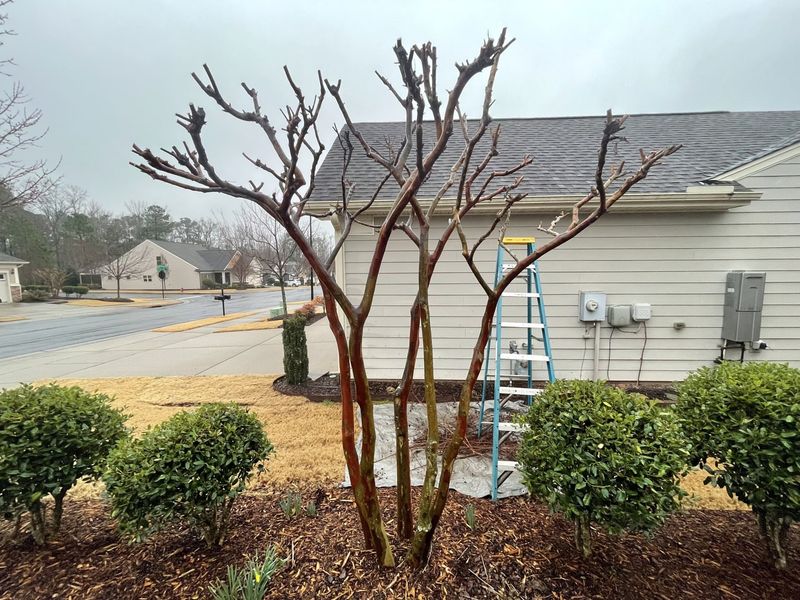
Crape myrtles are everywhere in Georgia, and April is honestly one of the better times to clean them up before summer blooms take over. Right now, you can still see the branch structure clearly, which makes it much easier to spot what needs to go.
Focus on removing the thin, wispy suckers that sprout from the base of the trunk. Those suckers pull energy away from the upper canopy and do nothing useful for the tree.
Clip them as close to the base as possible without leaving a stub.
Crossing branches that rub against each other are also worth removing at this stage. Constant friction creates entry points for pests and disease, especially during Georgia’s humid summers.
Removing them now prevents bigger headaches later.
Keep cuts light and targeted. Crape myrtles do not need heavy pruning to bloom well, and aggressive cutting tends to produce a flush of weak, crowded growth that looks messy by July.
A few strategic snips go a long way.
Sharp, clean tools matter more than most people realize. Wipe your blades with rubbing alcohol between trees to avoid spreading any fungal issues that may already be present in your yard.
Dry weather days are the best time to prune in Georgia so wounds seal faster.
Removing a few of the oldest interior branches can also improve airflow through the canopy, which matters in Georgia’s humid conditions. Better airflow helps reduce moisture buildup that often leads to fungal issues later in the season.
2. Rose Of Sharon Benefits From Early Growth Pruning
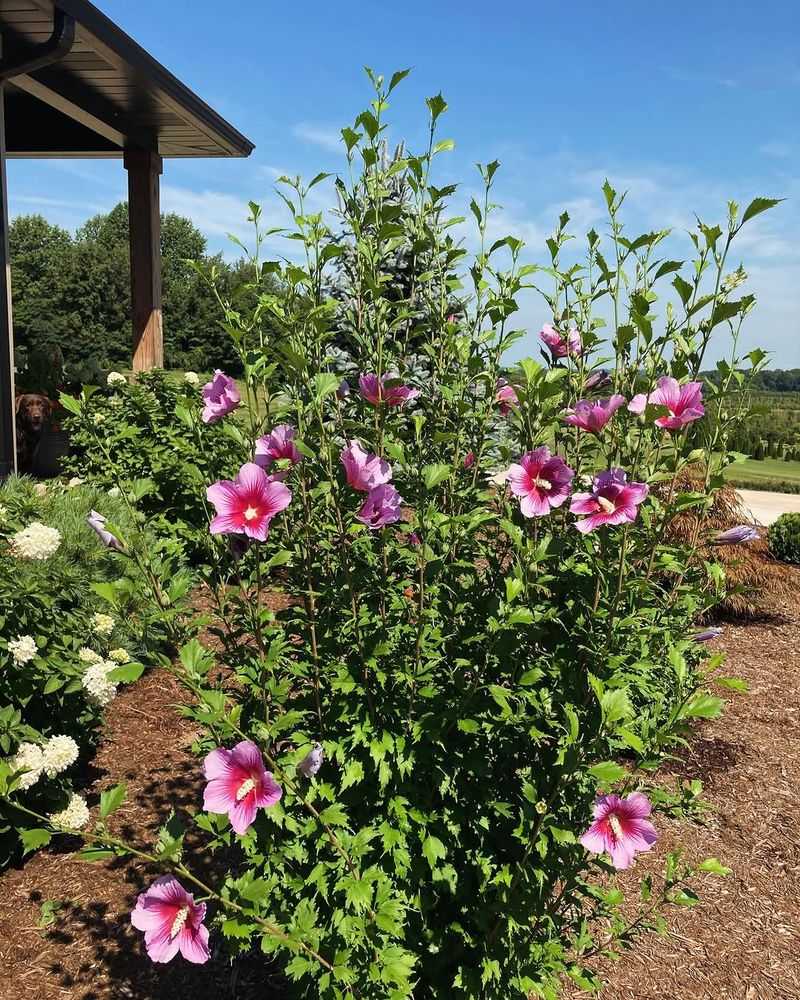
Rose of Sharon sits in an interesting spot between shrub and small tree, and most Georgia gardeners tend to underprune it rather than overdo it. April is the sweet spot for cutting it back before new growth really takes off.
Pruning now shapes the plant while the branch structure is still easy to read. Last year’s seed heads are still visible, and removing them prevents an overwhelming number of seedlings from popping up all over your beds later in the season.
Cut stems back by about one-third to encourage fuller, more compact growth through summer. If you want larger individual blooms rather than a mass of smaller ones, cut back even harder to just two or three buds per stem.
Your Georgia Garden Changes Every Week. Your Plan Should Too.
Gardening in Georgia changes quickly throughout the season. Every Friday you’ll receive a simple weekly plan showing exactly what to plant, prune, fertilize, harvest, and protect so you never miss the right timing.
Both approaches work well depending on what you are going for.
Air circulation through the center of the plant matters a lot in Georgia’s humid climate. Removing a few of the oldest, most crowded stems from the middle lets air move freely and reduces the chance of powdery mildew forming later in summer.
Rose of Sharon blooms on new wood, so spring pruning actually encourages more flower production rather than less.
Waiting too long into May before cutting risks removing growth that already has flower buds developing, so acting in April keeps you ahead of that curve without any guesswork involved.
3. Beautyberry Produces Stronger Growth When Pruned In Spring
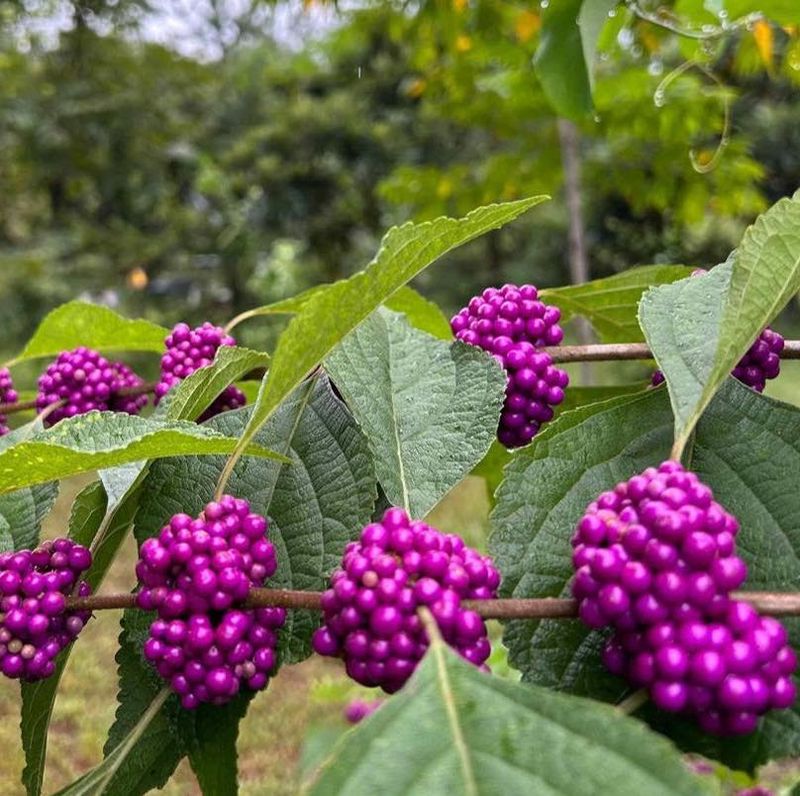
Cut beautyberry hard in April and it rewards you generously by fall. Seriously, this is one of those plants that actually thrives when you are a little aggressive with the pruners rather than timid about it.
Beautyberry blooms and fruits on new wood produced each season, so cutting old stems back to about six to twelve inches from the ground encourages a full flush of vigorous new growth.
That new growth is what carries those brilliant purple berries that make this plant so recognizable across Georgia landscapes in autumn.
Skipping spring pruning leads to a tall, leggy plant with sparse berry clusters on tired old wood. Pruning hard resets the whole plant and produces a much more compact, productive shape by midsummer.
Georgia’s warm springs mean beautyberry recovers quickly after being cut back. Within a few weeks of pruning, you will already see strong new shoots pushing up from the base.
Growth is fast enough that you do not need to worry about the plant looking bare for long.
Beautyberry does not require much fuss beyond that annual spring reset. Clean cuts at a slight angle help water run off the wound instead of sitting on it, which is a simple habit worth building into your routine every April.
4. Dogwood Can Be Lightly Pruned After Flowering Ends
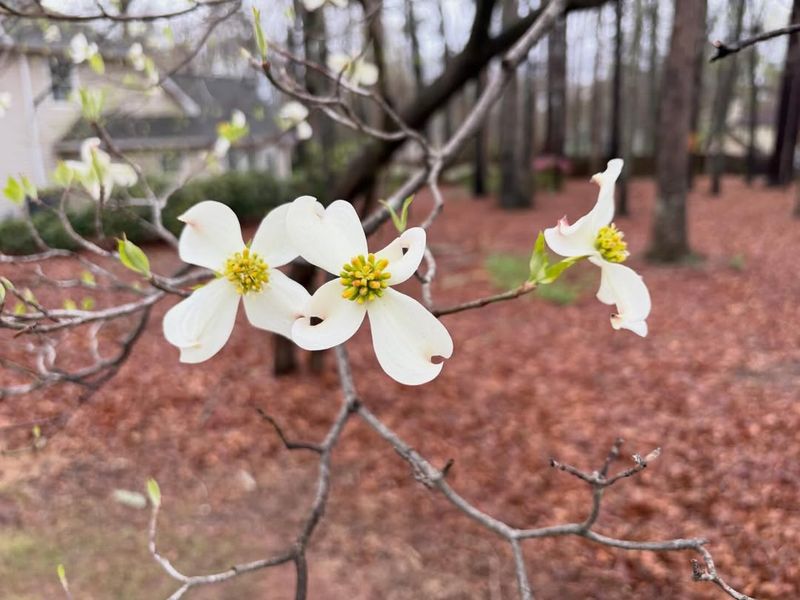
Dogwoods are one of the signature trees of the Georgia spring, and most people are smart enough not to touch them while those white or pink blooms are still showing. Once the flowers fade in late April, though, it is a reasonable time to do some light cleanup.
Look for branches that did not leaf out at all, or ones with brittle, darkened bark that snaps easily when bent. Removing them now while the canopy is filling in helps you see exactly what you are cutting without guessing.
Keep pruning cuts minimal on dogwoods. Heavy cutting stresses these trees more than most, and Georgia’s summer heat does not give them much recovery time before they are dealing with heat and drought pressure.
Less is genuinely better here.
Avoid cutting into large-diameter branches unless there is a clear health reason to do so. Dogwoods seal wounds slowly, and big cuts stay open longer, which creates more opportunity for disease and borers to move in.
Small, clean cuts on branches no thicker than your thumb are the safest approach.
If your dogwood has been showing signs of anthracnose, removing affected branches right after bloom is especially important.
Cleaning up diseased material early reduces the amount of fungal spores that can spread through the canopy during summer rain events common across Georgia.
Make cuts just outside the branch collar so the tree can seal the wound more effectively. Clean tools between cuts to avoid spreading disease through the canopy.
5. Redbud Handles Minor Pruning As New Growth Begins
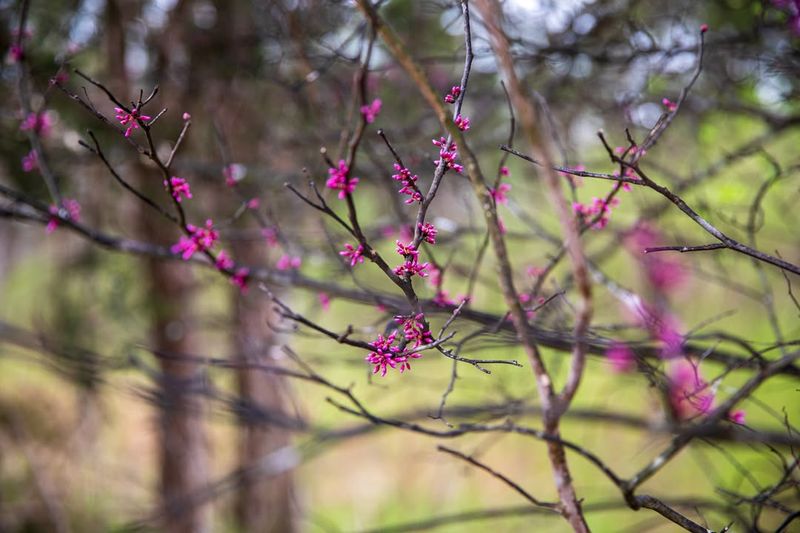
Redbuds put on a jaw-dropping show in early spring, and most Georgia gardeners are rightfully reluctant to do anything to them while those magenta flowers are blazing. Once blooming winds down and leaves begin pushing out, a little light pruning is perfectly fine.
Crossing or rubbing branches are the first priority. Redbuds tend to develop a somewhat irregular branching habit as they age, and removing a branch or two that crowds the center actually improves the tree’s appearance over time rather than disrupting it.
Avoid removing large limbs on a redbud unless absolutely necessary. These trees are not especially fast healers, and large pruning wounds can stay vulnerable for a long time.
Stick to branches you can handle with hand pruners or small loppers.
New growth on a redbud is tender and fast in April across Georgia. Pruning while that growth is just beginning means the tree channels energy into the branches you have kept rather than wasting it on growth you would have removed anyway.
One practical tip worth mentioning: always make your cuts just outside the branch collar, which is that slight swelling where a branch meets the trunk or a larger limb.
Cutting there rather than flush against the trunk gives the tree its best chance at sealing the wound properly before summer stress sets in across Georgia’s warmer regions.
6. Magnolia Needs Careful Pruning Timing For Best Results
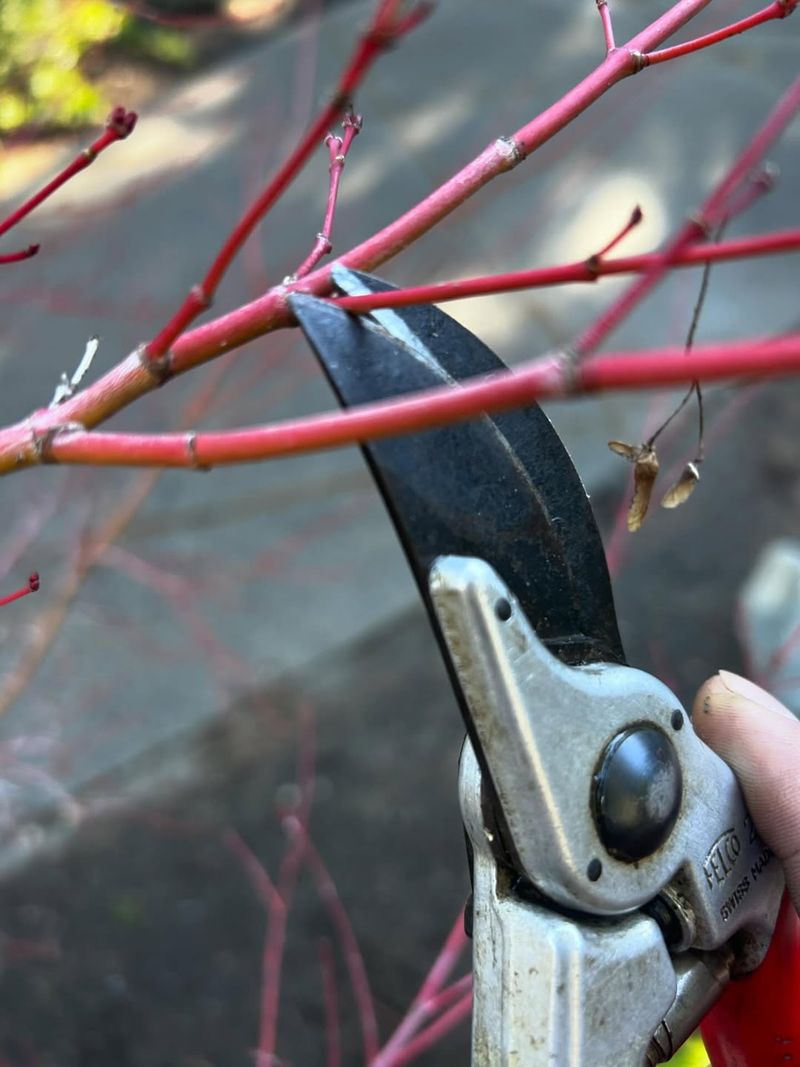
Magnolias have a reputation for being finicky about pruning, and honestly, that reputation is not entirely wrong. Pushing them through heavy cuts tends to backfire, and while very light cleanup in April is fine, shaping is best done after flowering.
Focus only on branches that are clearly out of place, rubbing against the house, or crossing through the center of the canopy in a way that creates long-term structure problems.
Removing those specific branches makes a real difference without putting the tree under unnecessary stress.
Magnolias can be slow to seal pruning cuts, so clean, precise cuts are important.
Avoid removing lower branches just for the sake of lifting the canopy. Those lower limbs are part of what gives a magnolia its character, and removing too many of them changes the whole look of the tree in ways that are hard to reverse quickly.
One thing to watch for is damaged wood tucked inside the canopy. Magnolias often hold onto interior branches that stopped receiving enough light years ago.
Clearing those out improves airflow and reduces the amount of debris that builds up inside the canopy during Georgia’s frequent spring and summer storms rolling through the region.
7. Holly Trees Can Be Pruned Before New Growth Starts
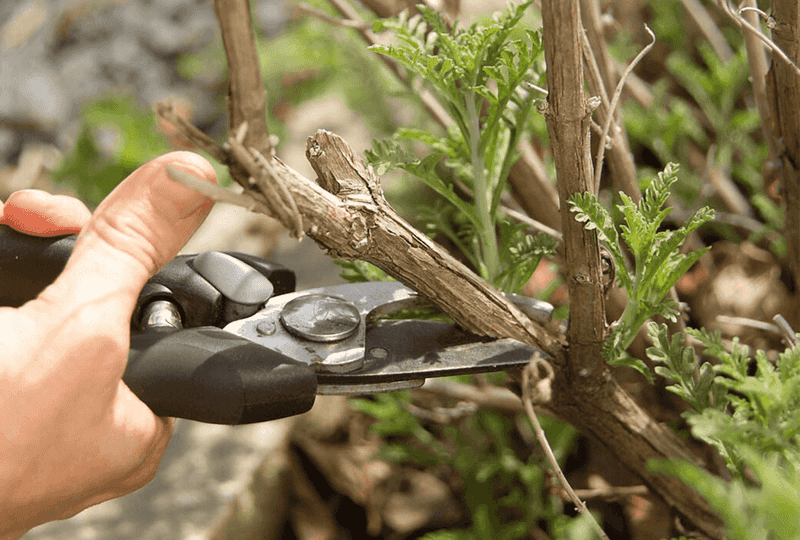
Holly trees are tough and reliable across Georgia, but they can get away from you quickly if you skip a few years of pruning. April, just before new growth flushes out, is an ideal window to bring them back into shape.
Evergreen hollies like American holly hold their old leaves through winter, so the canopy looks full even before spring growth begins.
Pruning now lets you see the branch structure underneath the foliage better than you can in midsummer when everything is dense and leafy.
Shaping cuts made in early April are quickly covered by the flush of new growth that follows, which means the tree fills back in fast and looks natural within a few weeks.
Waiting until May or June to prune means you are cutting off new growth that the tree already invested energy into producing.
Holly branches can suffer cold damage during Georgia’s occasional hard freezes, and damaged sections left in place can become entry points for fungal issues as humidity climbs through spring and summer.
Holly is also a good candidate for light shearing if you are maintaining a formal shape. Use hedge shears for that kind of work, but switch to bypass loppers for any branch thicker than a pencil.
Clean cuts reduce fraying on the wood, which speeds up how quickly the plant seals and moves on from the wound.
8. Serviceberry Responds Well To Early Spring Pruning
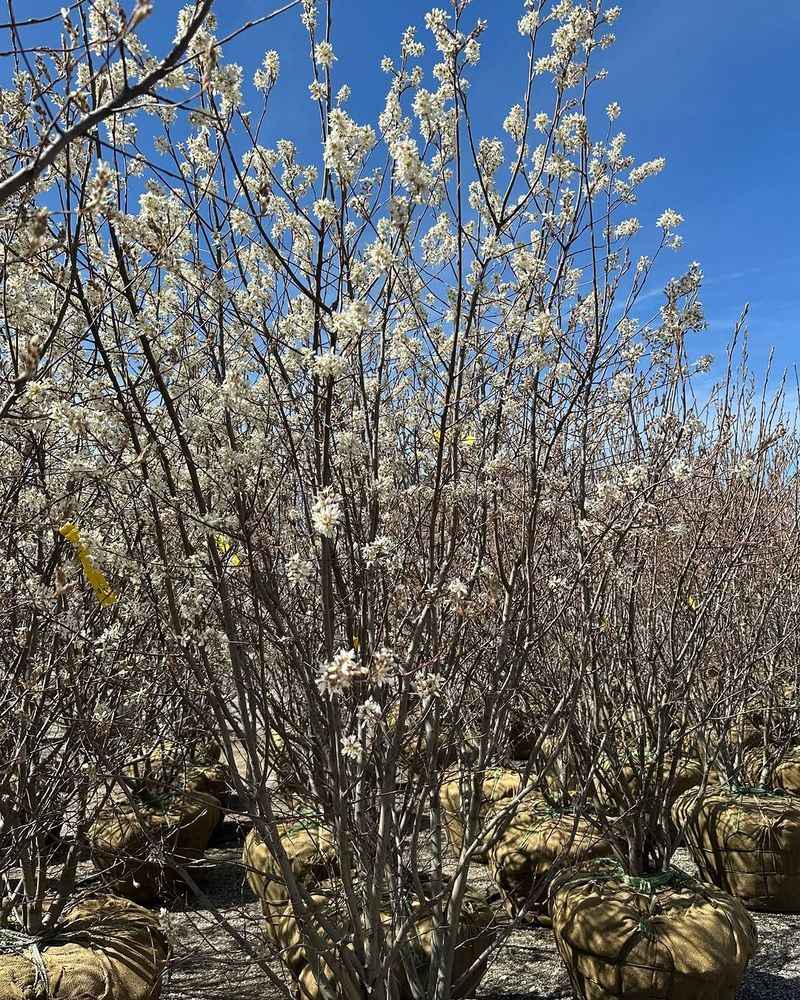
Serviceberry is one of those trees that flies under the radar in Georgia landscapes, but it deserves far more attention than it gets. April pruning helps keep it healthy, well-shaped, and productive for years without much effort.
Right after the white spring flowers fade is an excellent time to assess the branch structure.
Serviceberry often develops multiple stems competing for dominance, and thinning out the weakest or most crowded of those stems early on prevents structural problems from developing as the tree matures.
Remove any branches that cross through the center or angle back toward the trunk. Keeping the canopy open improves light penetration to the lower branches, which matters for both overall tree health and berry production later in the season.
Serviceberry produces fruit on wood from the previous year, so you do not want to go overboard with cutting. Selective thinning rather than aggressive cutback is the right approach here.
Removing roughly ten to fifteen percent of the canopy is usually plenty for a healthy tree.
Georgia’s warm and often humid spring weather means pruning wounds need to close quickly to avoid fungal issues. Pruning in dry weather, using sharp tools, and avoiding cuts larger than necessary all help the tree seal efficiently.
Serviceberry responds noticeably well to proper spring pruning, often producing thicker canopy coverage and better fruit clusters by midsummer compared to trees that go years without any attention.