What Actually Grows Best In Coastal North Carolina Sandy Soil
Gardening along the coast of North Carolina can feel a little tricky at first. The sandy soil drains quickly, does not hold nutrients for long, and can dry out faster than expected.
Plants that thrive in other parts of the state may struggle here, leaving many gardeners wondering what will actually grow well in these conditions. The key is choosing plants that are naturally suited to this type of soil.
Some varieties are built to handle fast drainage, salty air, and shifting moisture levels without constant care. Once established, they can grow strong and stay healthy with much less effort.
From colorful flowers to hardy shrubs and useful edibles, there are more options than you might think. Once you understand what works best in coastal North Carolina soil, you can turn a challenging space into a thriving and beautiful garden.
1. Wax Myrtle
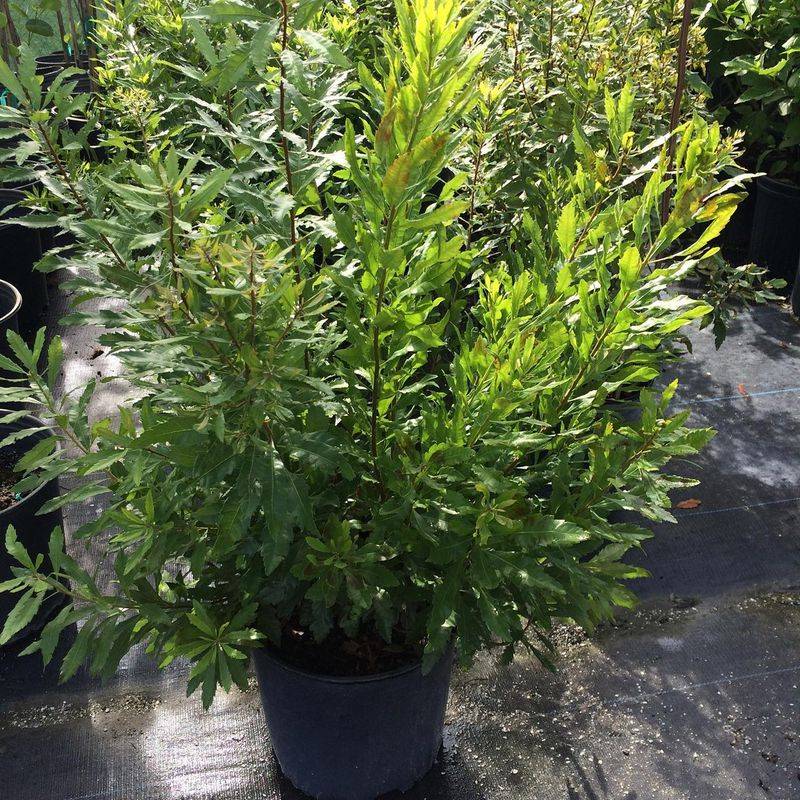
Few shrubs feel as at home along the North Carolina coast as Wax Myrtle. This fast-growing native, known scientifically as Morella cerifera, has been thriving in sandy coastal soils for thousands of years.
It does not need rich soil, extra fertilizer, or careful watering to look its best.
Wax Myrtle handles salt spray, strong coastal winds, and dry sandy ground without skipping a beat. Once established, it is remarkably drought-tolerant, making it one of the most reliable plants for coastal North Carolina gardens.
Its aromatic leaves release a fresh, pleasant scent when brushed, which is a nice bonus for any garden path or border.
Birds absolutely love this plant. The small, waxy, blue-gray berries that appear in fall and winter attract dozens of bird species, turning your yard into a lively wildlife habitat.
Yellow-rumped warblers are especially fond of these berries during their migration through coastal North Carolina.
Plant Wax Myrtle in full sun or partial shade and skip the soil amendments entirely. It naturally grows in the dunes and sandy maritime forests found all along this coastline.
You can grow it as a large shrub or trim it into a small tree shape. Either way, it stays green year-round, acts as a natural windbreak, and looks polished without much maintenance at all.
2. Yaupon Holly
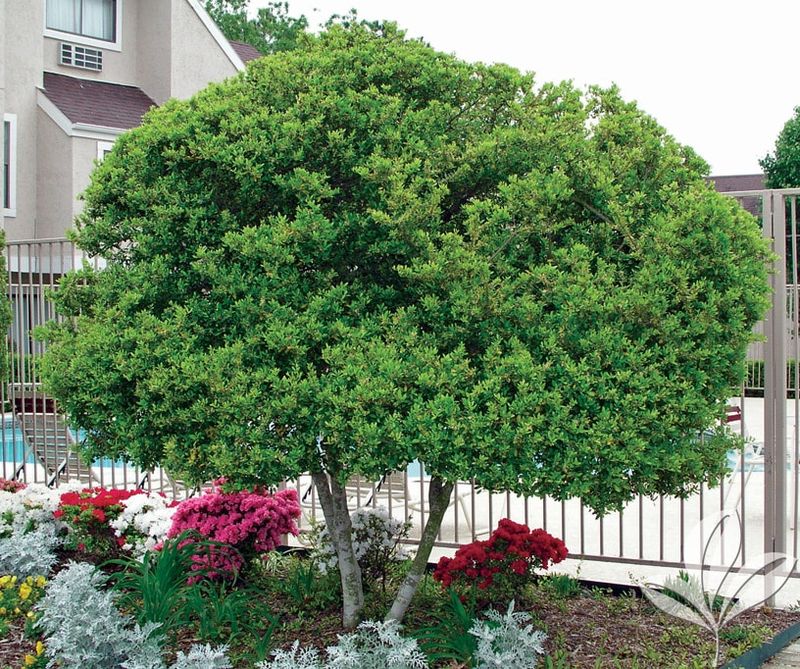
Yaupon Holly might just be the toughest native shrub growing along the North Carolina coastline. Known by its scientific name Ilex vomitoria, this evergreen beauty handles salt spray, sandy soil, and dry spells better than almost anything else you can plant.
It looks polished and full all year long without asking for much in return.
What makes Yaupon Holly so special is its incredible flexibility. You can grow it as a dense privacy hedge, a small tree, or even a sculptural accent plant in a coastal garden.
It naturally forms in maritime forests and sandy edges all across coastal North Carolina, so the environment already feels like home to it.
The bright red berries that appear in fall and winter are a big hit with local birds and add a cheerful pop of color to the landscape during cooler months. Female plants produce the most berries, so planting a male nearby helps with pollination and a bigger berry display.
Your North Carolina Garden Changes Every Week. Your Plan Should Too.
Gardening in North Carolina changes quickly throughout the season. Every Friday you’ll receive a simple weekly plan showing exactly what to plant, prune, fertilize, harvest, and protect so you never miss the right timing.
Yaupon Holly grows in full sun or partial shade and thrives in well-drained sandy soil with zero soil improvement needed. It is also one of the most drought-resistant native shrubs available for this region.
Fun fact: Yaupon is the only plant native to North America that contains caffeine. Indigenous people used it to make a traditional ceremonial tea for centuries before European settlers arrived.
3. Muhly Grass
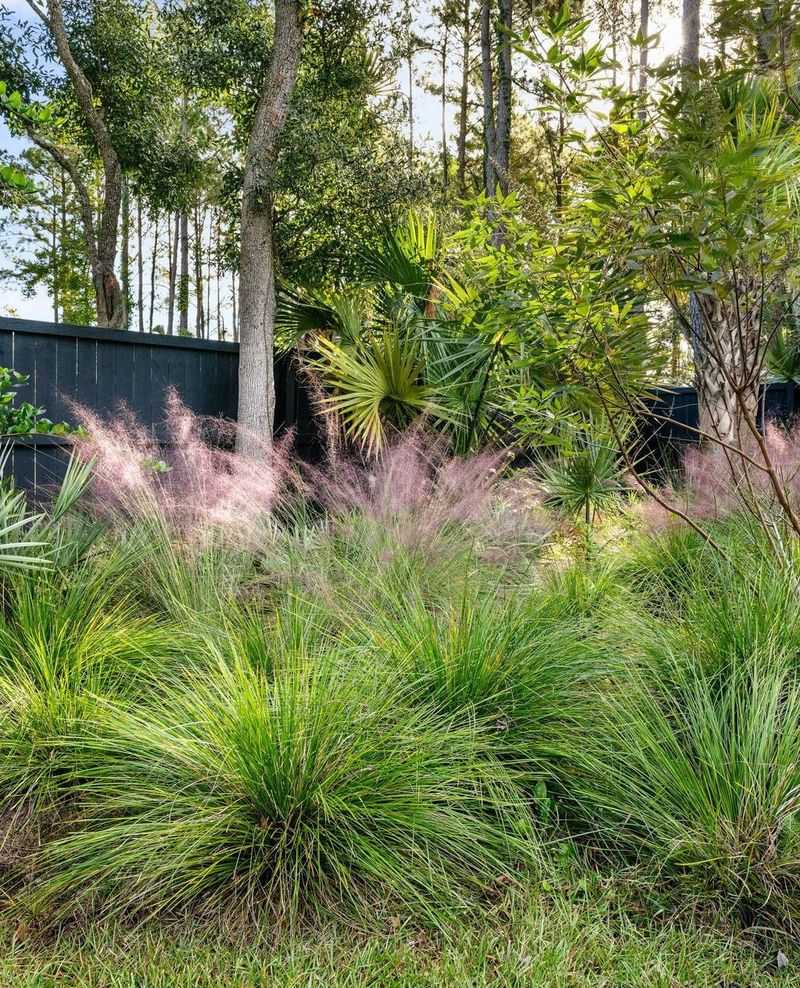
Every fall, Muhly Grass puts on one of the most jaw-dropping shows in the coastal North Carolina garden world. The airy, rose-pink plumes that burst from this native ornamental grass look almost like a pink cloud floating just above the ground.
It is the kind of plant that stops people in their tracks on a walk through the neighborhood.
Muhlenbergia capillaris is perfectly built for the tough conditions found along the North Carolina coast. Sandy, low-nutrient soil is exactly what this grass prefers, and adding fertilizer or rich compost can actually work against it by encouraging floppy growth over those beautiful blooms.
Full sun and sharp drainage are the two main things it needs to perform at its peak.
Outside of its spectacular fall display, Muhly Grass stays a tidy, fine-textured mound of green through spring and summer. It handles heat, humidity, and drought without complaint, which makes it a go-to choice for low-maintenance coastal landscapes.
Once established, it barely needs any attention at all. Plant it in groups for the biggest visual impact, especially near driveways, pathways, or along garden borders where the plumes can catch the coastal breeze and sway beautifully.
This grass is also a favorite among landscape designers working in coastal North Carolina because it adds texture, movement, and seasonal drama to almost any setting with almost zero effort required.
4. Prickly Pear Cactus
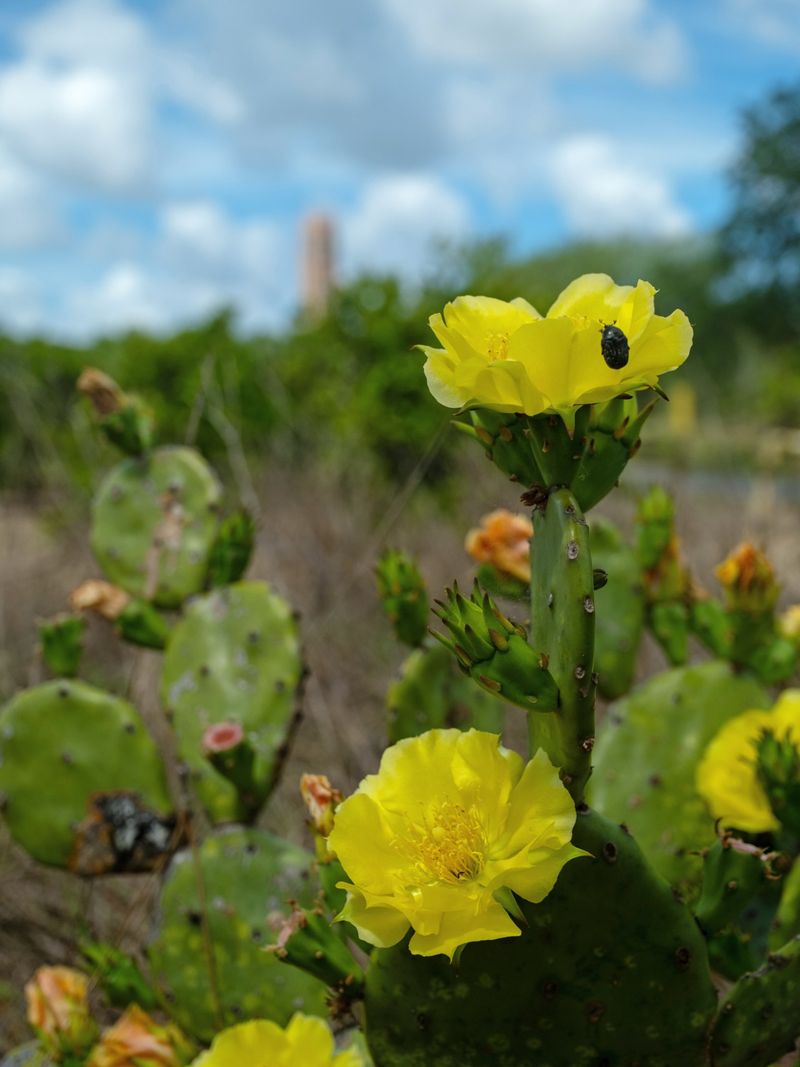
Most people are surprised to learn that a cactus grows naturally along the North Carolina coast, but Opuntia humifusa has been doing exactly that for a very long time.
This native prickly pear thrives in the dry, nutrient-poor sandy soils found on coastal dunes and sandy flats, where most other plants simply cannot get a foothold.
During late spring and early summer, the plant bursts into bloom with large, showy yellow flowers that look almost tropical against the sandy backdrop.
Those flowers later turn into reddish-purple fruits that are edible and popular with birds, small mammals, and even some adventurous human foragers.
It is a surprisingly generous plant for something that looks so tough on the outside. Prickly Pear Cactus needs absolutely nothing extra from you in coastal North Carolina. Full sun and sandy, fast-draining soil are all it asks for.
Adding organic matter or watering too frequently will actually harm it, so the key is to plant it and step back. It handles salt exposure and coastal winds without any fuss.
Use it as a bold accent plant in a rock garden, along a sunny slope, or in a native plant landscape where you want something truly low-maintenance.
The flat green pads store water efficiently, which is why this plant shrugs off summer droughts that would stress other plants. It is one of the most uniquely suited coastal North Carolina natives you can grow.
5. American Beautyberry
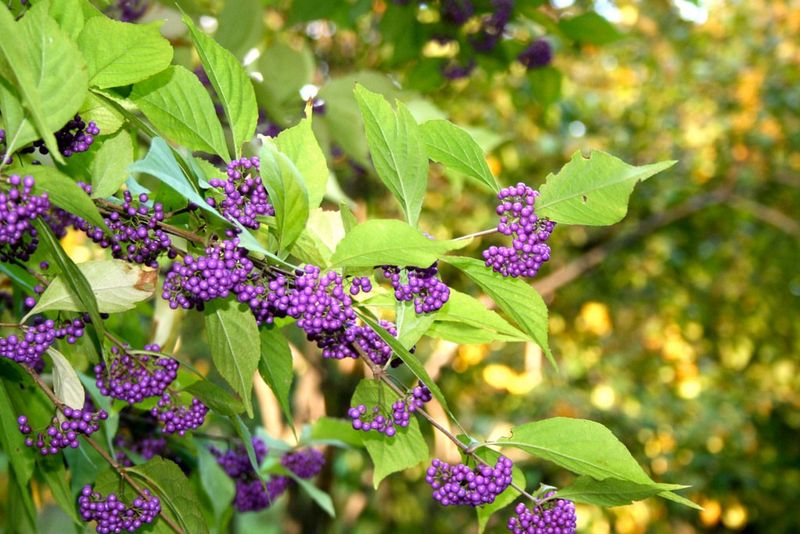
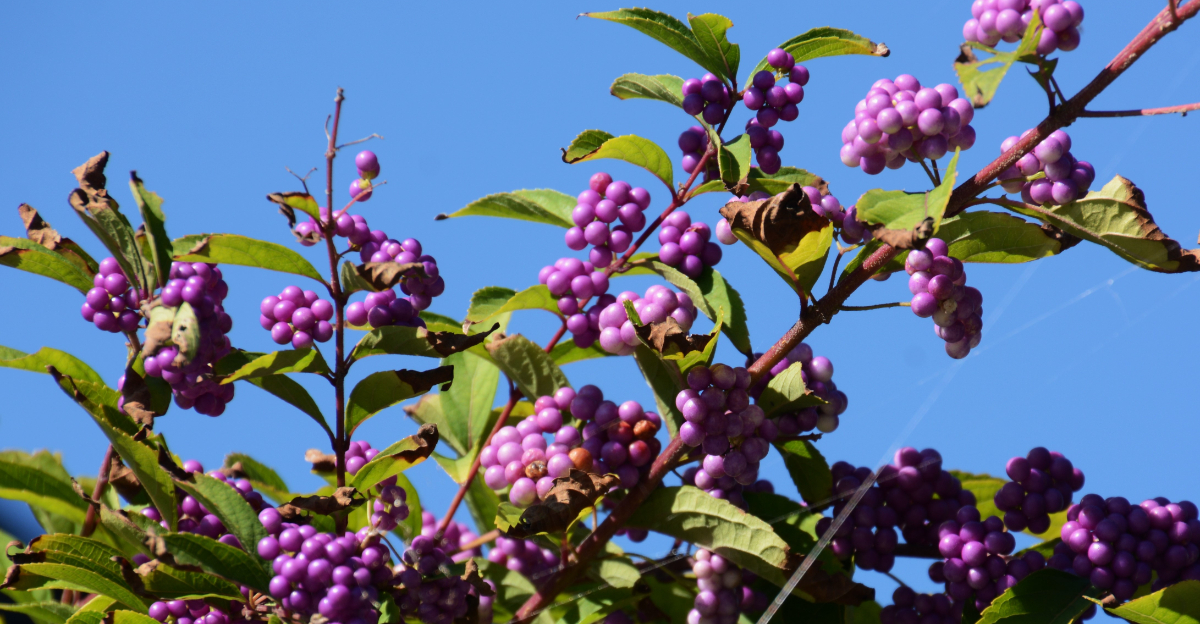
Nothing in the fall garden turns heads quite like American Beautyberry. The clusters of vivid, electric-purple berries that line every stem of Callicarpa americana look almost too bright and bold to be real.
It is one of those plants that first-time visitors to coastal North Carolina gardens always stop to ask about.
Beyond its stunning looks, American Beautyberry is a genuinely tough plant built for the sandy, well-drained soils found along the North Carolina coast.
It grows naturally along woodland edges and disturbed sandy areas throughout this region, which means it already knows how to handle the local conditions without any extra help from you.
Wildlife benefits are a big part of this plant’s appeal. More than 40 species of birds, including mockingbirds, robins, and brown thrashers, feed on the berries in fall and winter.
White-tailed deer also browse the foliage, and the plant bounces back quickly from heavy grazing, which speaks to just how resilient it really is.
Plant American Beautyberry in full sun to partial shade in sandy, well-drained soil. It tolerates drought once established and actually performs better in leaner soils than in rich, heavily amended beds.
Cut it back hard in late winter and it will come back fuller and more floriferous than ever. For coastal North Carolina gardeners who want big seasonal impact with minimal effort, this shrub is an outstanding choice worth every bit of garden space it takes up.
6. Coral Honeysuckle
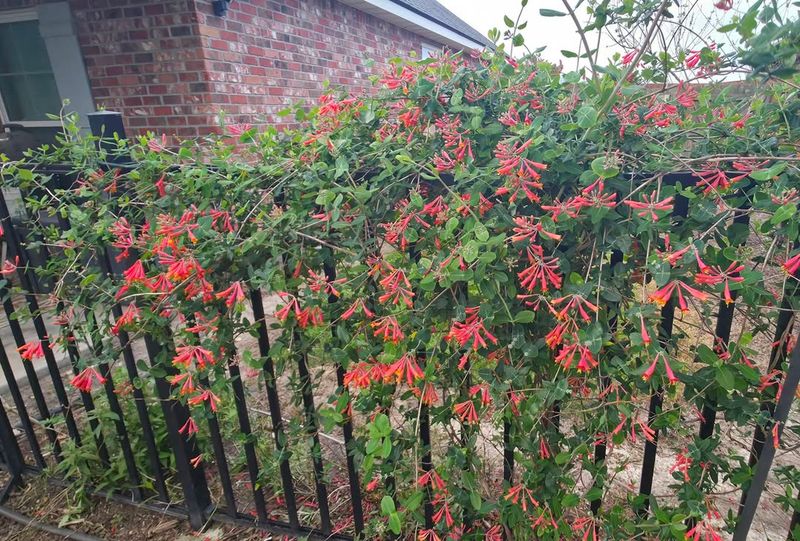
Coral Honeysuckle is the vine that coastal North Carolina gardeners dream about. Unlike its invasive Japanese cousin, Lonicera sempervirens is a well-behaved native that plays nicely with other plants while putting on a spectacular floral show from spring all the way into fall.
The tubular red and orange blooms are practically a hummingbird magnet. Sandy soil and good drainage are exactly what this vine prefers, and the coastal conditions of North Carolina suit it perfectly.
It handles heat, humidity, and drought with ease once it gets established in its spot. You will not need to fuss over it with special fertilizers or frequent watering once the roots settle in.
Training Coral Honeysuckle up a fence, trellis, or arbor gives it the vertical space it loves and turns any garden structure into a living wall of color.
It is semi-evergreen in coastal North Carolina, meaning it holds many of its leaves through mild winters and comes back strong each spring with fresh new growth and flowers.
Ruby-throated hummingbirds, which migrate through coastal North Carolina every spring and fall, are drawn to these flowers like a compass pointing north. Planting Coral Honeysuckle near a window or porch gives you a front-row seat to that incredible wildlife action.
Full sun to partial shade works well, and the plant stays naturally tidy without aggressive pruning. For a vine that gives back as much as it receives, this native is hard to beat anywhere along the North Carolina coast.
7. Eastern Red Cedar
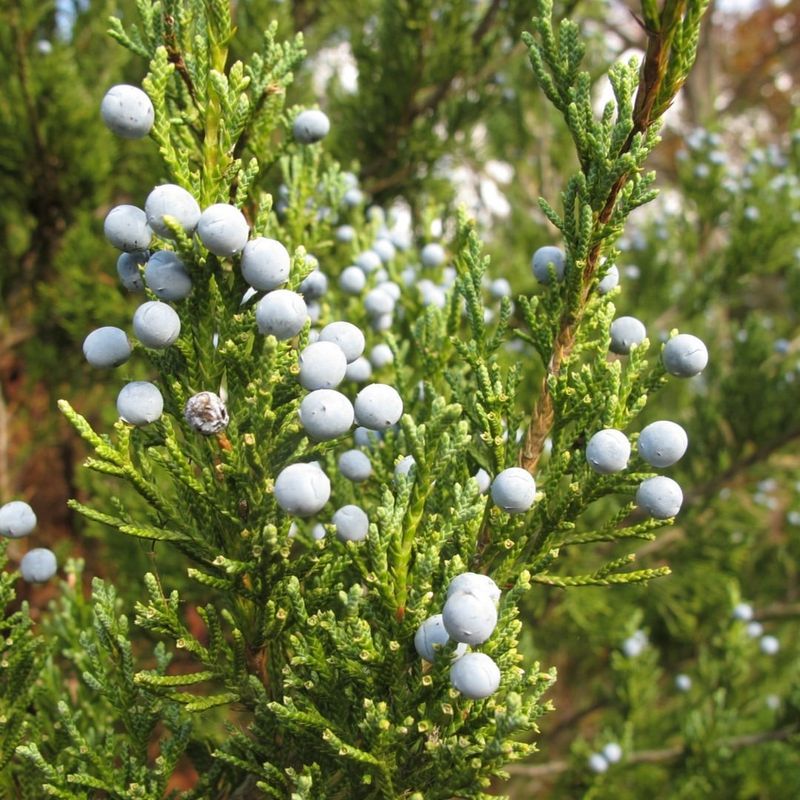
Eastern Red Cedar is one of the most dependable trees you can plant anywhere along the North Carolina coast.
Juniperus virginiana grows naturally in sandy, dry, nutrient-poor soils and handles salt spray and strong coastal winds better than almost any other tree in this region. It is a true survivor built for the coastline.
This native evergreen tree provides year-round structure and greenery in coastal North Carolina landscapes. Its dense, layered foliage acts as a natural windbreak, which is incredibly valuable in areas where strong ocean breezes can stress or damage more delicate plants.
Many coastal homeowners plant rows of Eastern Red Cedar specifically to protect their gardens from wind.
Wildlife value is another major reason to love this tree. The small, blue, berry-like cones that appear in fall are a critical food source for cedar waxwings, bluebirds, and mockingbirds during winter months.
The dense branching also provides excellent nesting and roosting cover for many bird species throughout the year.
Plant Eastern Red Cedar in full sun and skip any soil amendment entirely. It actually prefers lean, sandy, fast-draining soil over rich, heavily fertilized ground.
This tree grows at a moderate pace and eventually reaches 40 to 50 feet tall, but it can also be kept smaller with periodic trimming.
For coastal North Carolina gardeners who want a low-maintenance, wildlife-friendly, wind-resistant tree that looks great all year, Eastern Red Cedar is one of the very best choices available in the region.
8. Blanket Flower
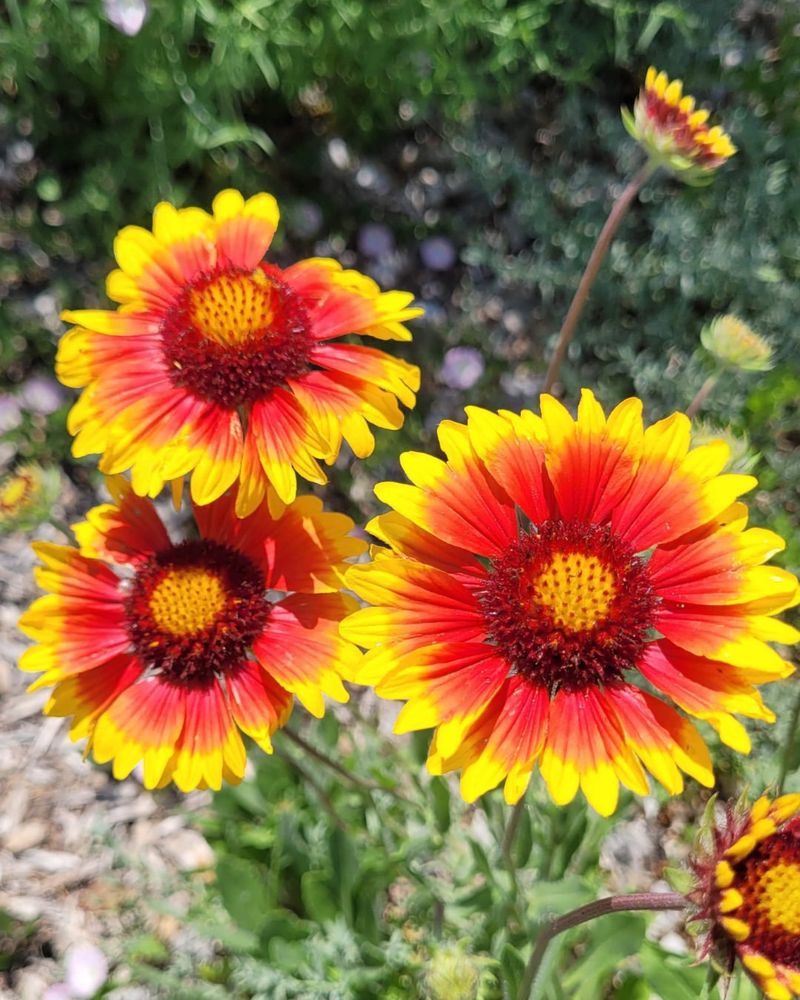
If you want a plant that laughs at sandy, infertile coastal soil and responds by blooming its heart out all summer long, Blanket Flower is your answer.
Gaillardia pulchella is a native wildflower that thrives in exactly the kind of dry, low-fertility, fast-draining sandy conditions found all along the North Carolina coastline.
Rich soil actually makes it bloom less, which is a fun twist for most gardeners to discover.
The flowers are absolutely stunning. Bold rings of red, orange, and yellow petals surround a deep burgundy center, creating a warm, fiery display that brings color to coastal gardens from late spring through the first frost.
Few native wildflowers match Blanket Flower for sheer duration of bloom in this region.
Pollinators go wild for these blooms. Bees, butterflies, and other beneficial insects visit constantly throughout the blooming season, making Blanket Flower a fantastic choice for anyone trying to support local pollinator populations along the North Carolina coast.
The seed heads that follow the flowers also attract small songbirds like finches and sparrows.
Full sun and well-drained sandy soil are the two non-negotiable requirements for this plant. Avoid watering too frequently once it is established, and never add compost or fertilizer to the planting area.
Blanket Flower naturally reseeds itself in sandy coastal gardens, which means a single plant can slowly spread into a cheerful colony of color with almost no effort from you at all.
9. Seaside Goldenrod
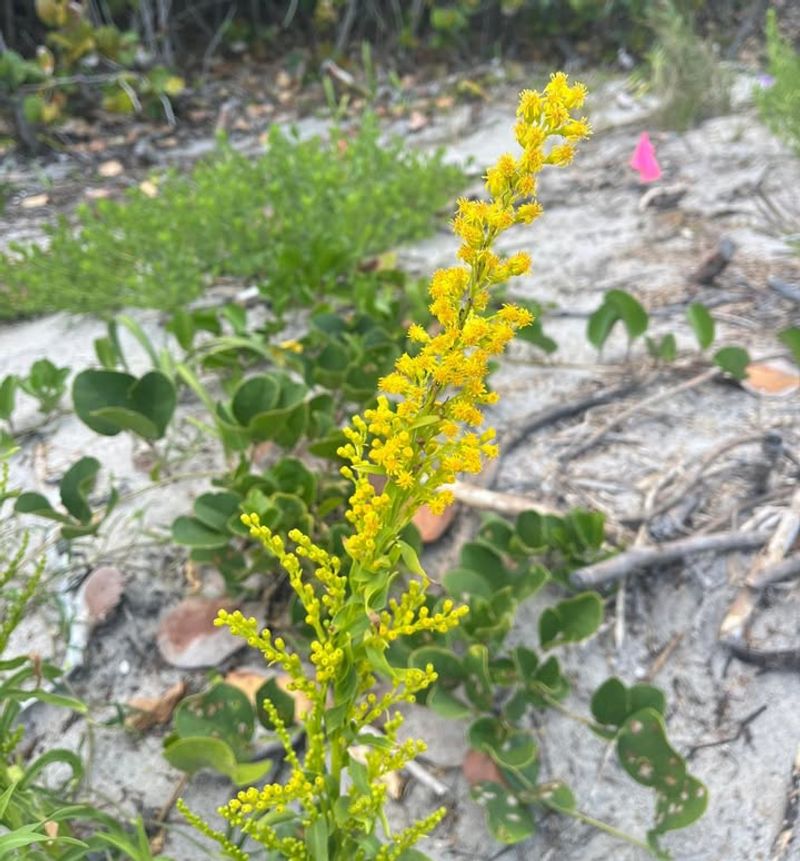
When fall arrives along the North Carolina coast, Seaside Goldenrod lights up the dunes and sandy edges with brilliant golden-yellow flower plumes that practically glow in the autumn sunshine.
Solidago sempervirens is a native perennial that evolved specifically for coastal environments, which makes it one of the most naturally suited plants for sandy soil gardens in this entire region.
Salt spray, drought, poor sandy soil, and strong coastal winds are all conditions that Seaside Goldenrod handles without any visible stress. It blooms from late summer through fall, filling a seasonal gap when many other plants have already finished their display.
That late-season color is incredibly valuable in a coastal North Carolina garden design.
Pollinators flock to the golden blooms in huge numbers. Monarch butterflies, which migrate through coastal North Carolina every fall on their way south, are especially attracted to Seaside Goldenrod as a critical nectar source during their long journey.
Planting it along your garden edge can turn your yard into an important stopover habitat for these remarkable insects.
Plant Seaside Goldenrod in full sun with well-drained sandy soil and give it room to spread. It grows naturally in colonies along dunes and coastal edges, so it appreciates a bit of space to establish itself comfortably.
Once settled in, it spreads slowly by rhizomes and reseeds gently into surrounding sandy areas. No fertilizer, no soil amendment, and no extra watering needed.
It is genuinely one of the easiest and most rewarding natives for any coastal North Carolina sandy soil garden.