What North Carolina Gardeners Should Plant In April For Summer Color
April is when North Carolina gardens start to come alive, and it is the perfect time to plan for a yard full of summer color.
With warmer days settling in and the risk of cold weather fading in many areas, gardeners have a great opportunity to get plants established before the heat arrives.
What you choose to plant now can shape how your garden looks for months to come. Some flowers and plants need this early start to grow strong and produce their best blooms when summer reaches its peak.
Getting them in the ground at the right time helps them handle rising temperatures and longer days with ease. Across the state, planting in April gives you a head start on a bright and lively display.
Once you know which plants to focus on, you can create a garden that stays colorful, full, and eye catching all season long.
1. Black-Eyed Susan
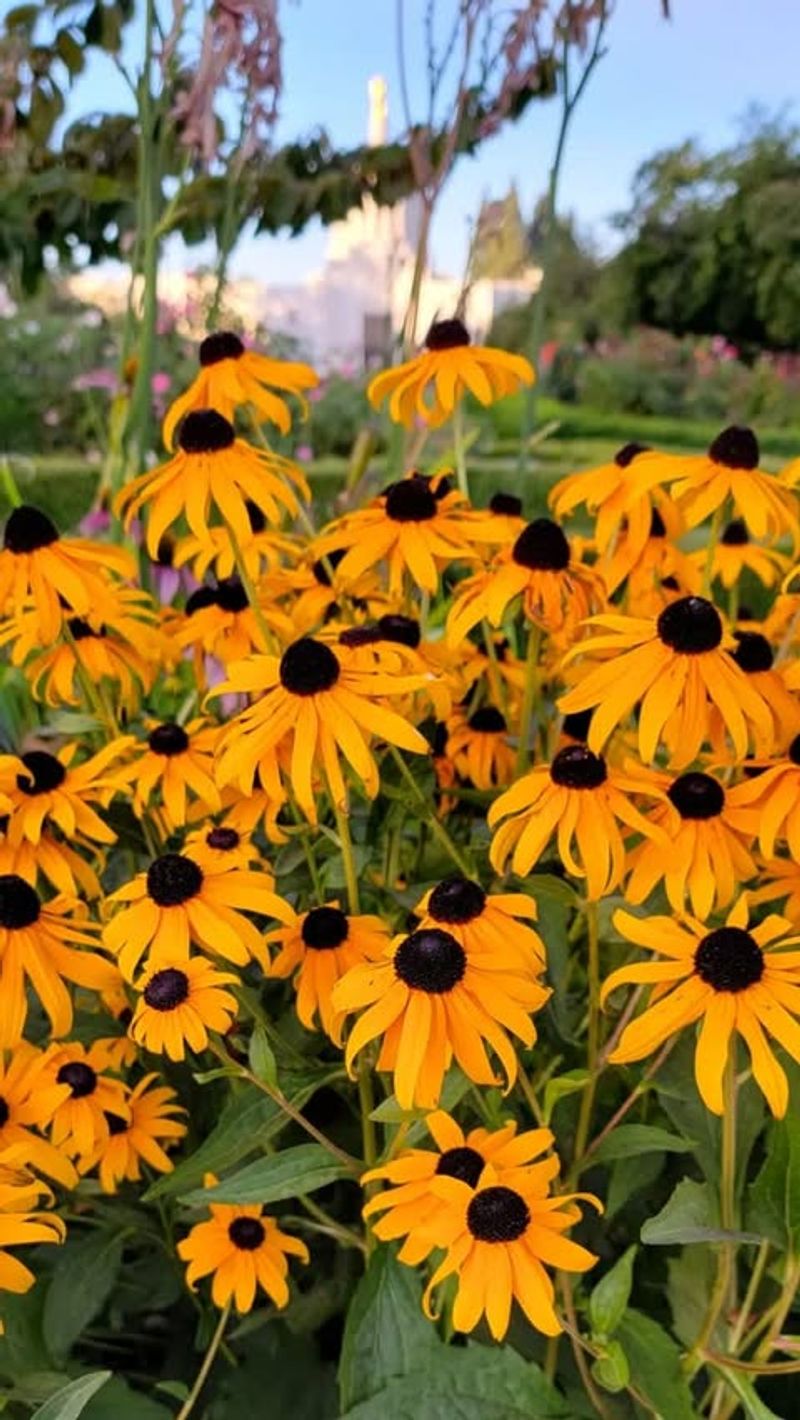
Few flowers capture the spirit of a North Carolina summer quite like the cheerful Black-Eyed Susan. With its golden-yellow petals and rich brown center, Rudbeckia hirta is one of those plants that just makes a garden feel alive and full of energy.
Plant it in April and you give it the perfect head start before the heat of July arrives. Black-Eyed Susans love full sun and do not mind poor or clay-heavy soil at all.
That makes them a fantastic fit for the tough conditions found across the Piedmont and Coastal Plain regions of North Carolina.
Once established, they handle drought like a champ and keep blooming even through long stretches without rain.
You can grow them as annuals or perennials depending on your variety, and both options work beautifully in garden beds, borders, and wildflower mixes. They also attract butterflies and bees, so your whole garden benefits from having them around.
Deadhead spent blooms regularly to keep the flowers coming strong through the entire summer season.
Spacing plants about 18 inches apart gives good airflow and helps prevent disease. These tough, low-maintenance beauties are a true North Carolina classic that never disappoints.
2. Tickseed
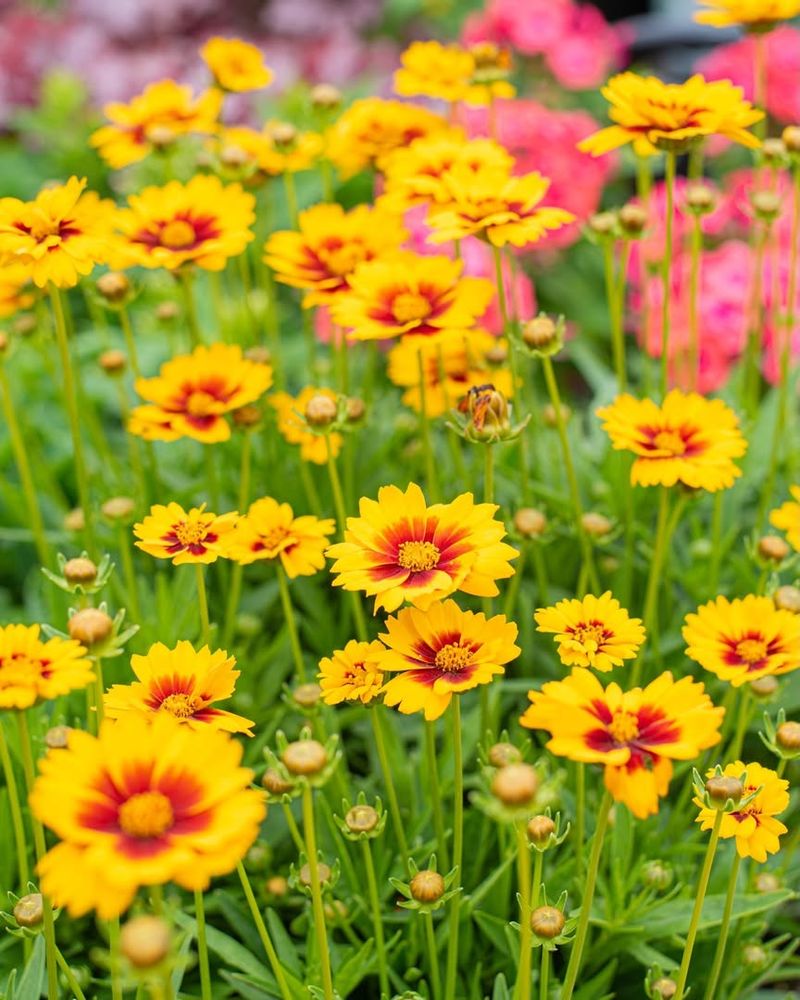
Tickseed might have an unusual name, but the flowers are anything but ordinary. Coreopsis lanceolata produces a stunning display of bright, daisy-like yellow blooms that start showing up in late spring and carry right on into summer without much fuss.
For North Carolina gardeners who want color without constant attention, this plant is a total winner.
It thrives in full sun and prefers well-drained soil, which is why it does so well in the sandy and dry soils common to North Carolina’s Coastal Plain. Even in areas with poor or disturbed soil, Tickseed finds a way to flourish.
That adaptability is a big reason why it has become such a popular choice for roadsides, meadow plantings, and home gardens across the state.
Planting in April gives Tickseed a comfortable window to establish before temperatures climb. Water it regularly during the first few weeks, and then step back because it handles dry spells on its own once settled in.
Your North Carolina Garden Changes Every Week. Your Plan Should Too.
Gardening in North Carolina changes quickly throughout the season. Every Friday you’ll receive a simple weekly plan showing exactly what to plant, prune, fertilize, harvest, and protect so you never miss the right timing.
You will barely need to touch it after that, and yet the blooms just keep coming. Did you know Tickseed is the official state wildflower of Florida? Its popularity stretches across the Southeast for good reason.
Pair it with Black-Eyed Susans or Purple Coneflower for a stunning, low-maintenance summer garden in North Carolina that practically takes care of itself.
3. Bee Balm
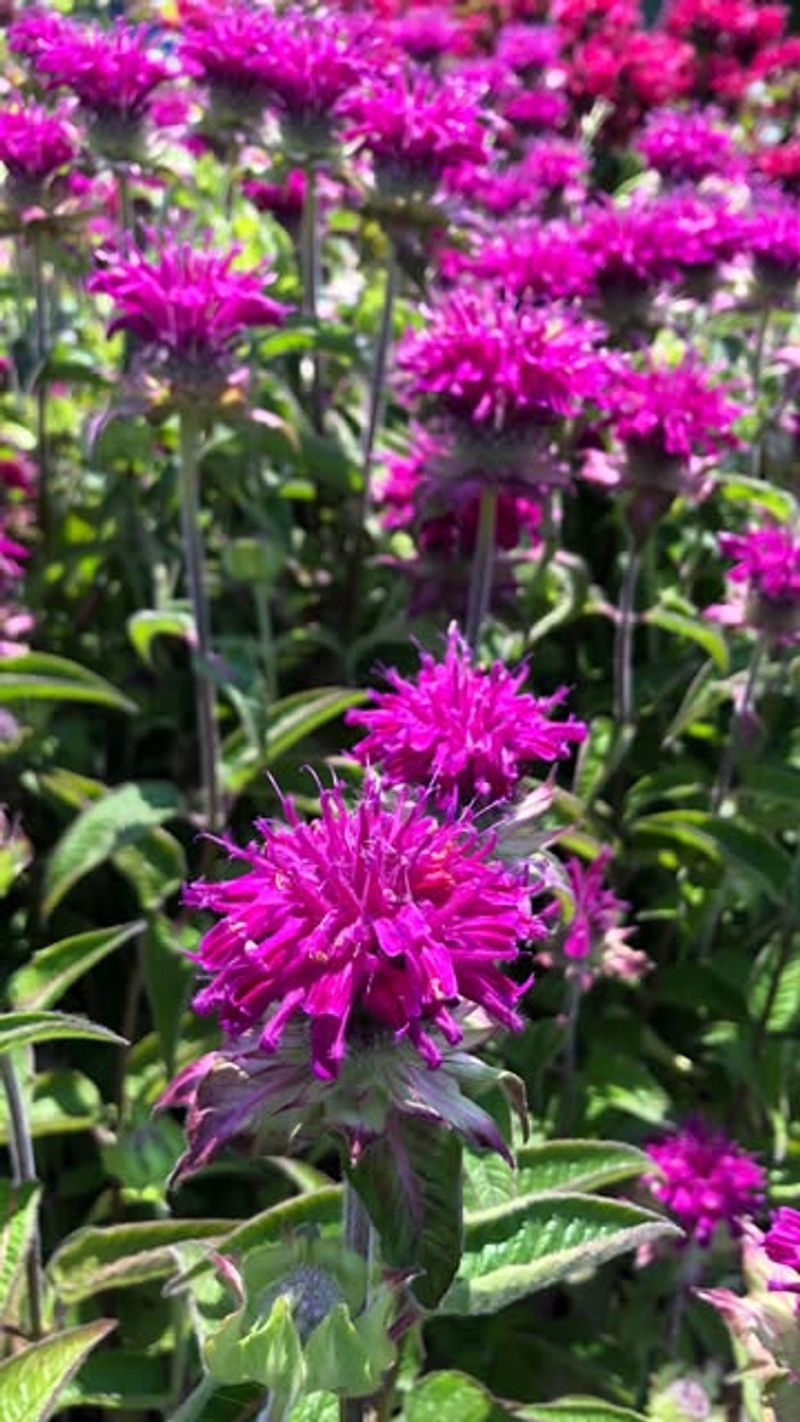
Bee Balm brings a wild, festive energy to any garden. Monarda fistulosa produces shaggy, tube-shaped blooms in shades of lavender, pink, and red that hummingbirds and bumblebees simply cannot resist.
Planting in April sets this perennial up for a strong flowering season that peaks right in the thick of a North Carolina summer.
One thing gardeners appreciate about Bee Balm is its toughness. It tolerates the heat and bounces back well after periods of stress, which matters a lot when summer temperatures in North Carolina climb into the 90s.
The key to keeping it healthy is good airflow around the plants, which reduces powdery mildew, a common challenge in the state’s humid climate.
Full sun to partial sun works well, and spacing plants at least 18 to 24 inches apart makes a real difference in keeping foliage clean and healthy through the season.
Bee Balm also has a wonderful lemony fragrance when you brush against the leaves, adding a sensory bonus to its already impressive visual appeal.
North Carolina’s seasonal rainfall patterns suit this plant nicely, especially in the Piedmont and Mountain regions where moisture is more consistent.
Cut plants back after the first flush of blooms to encourage a second wave of flowers later in the summer. It is a true pollinator magnet that earns its spot in any garden.
4. Purple Coneflower
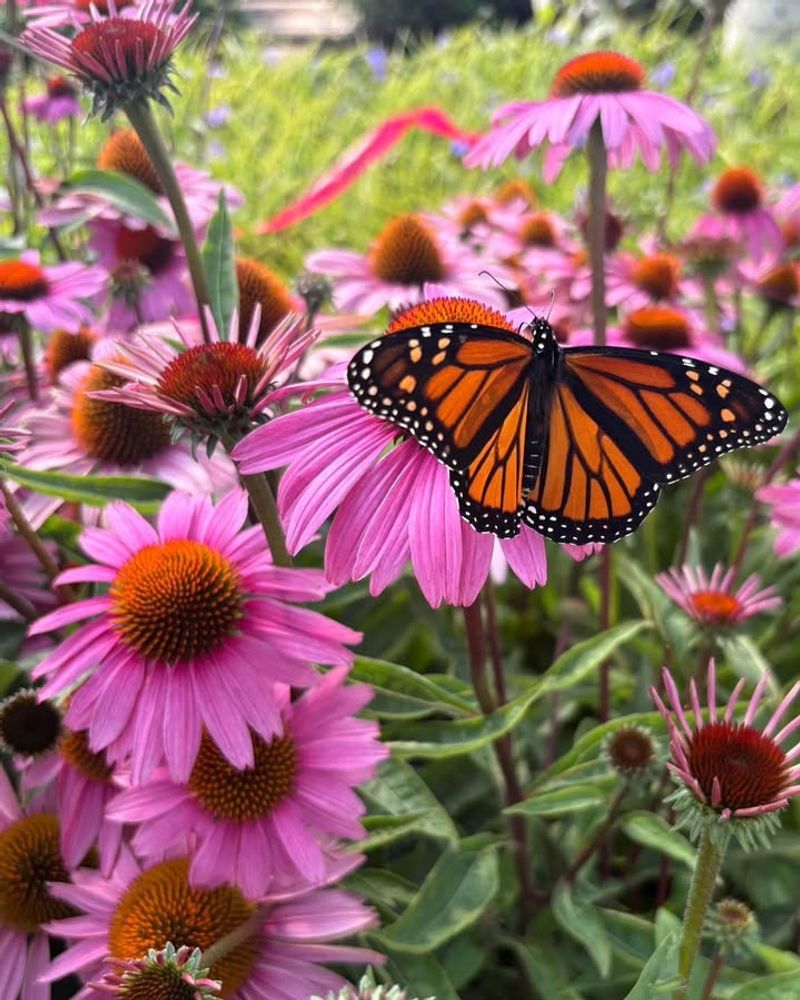
Purple Coneflower is the kind of plant that makes neighbors stop and ask what it is. Echinacea purpurea produces bold, rosy-purple blooms with raised, spiky centers that stand tall and proud through the hottest months of a North Carolina summer.
Planting in April gives the roots time to settle into warm soil before the real heat arrives.
One of the best things about this plant is how well it handles North Carolina humidity. Many flowering perennials struggle when the air gets thick and muggy, but Purple Coneflower shrugs it right off.
It also bounces back well after periods of summer drought, making it a reliable performer across the Piedmont and beyond.
Full sun is ideal, and well-drained soil keeps the roots happy. It tolerates clay soil too, as long as water does not pool around the base after heavy rain.
Pollinators absolutely love this plant. Bees, butterflies, and even goldfinches visit regularly, making it one of the most wildlife-friendly choices for any North Carolina garden.
Plant Purple Coneflower in groups of three or more for the most visual impact. It returns year after year with minimal effort, rewarding you with more blooms each season as the clumps slowly fill in and grow stronger over time.
5. Garden Phlox
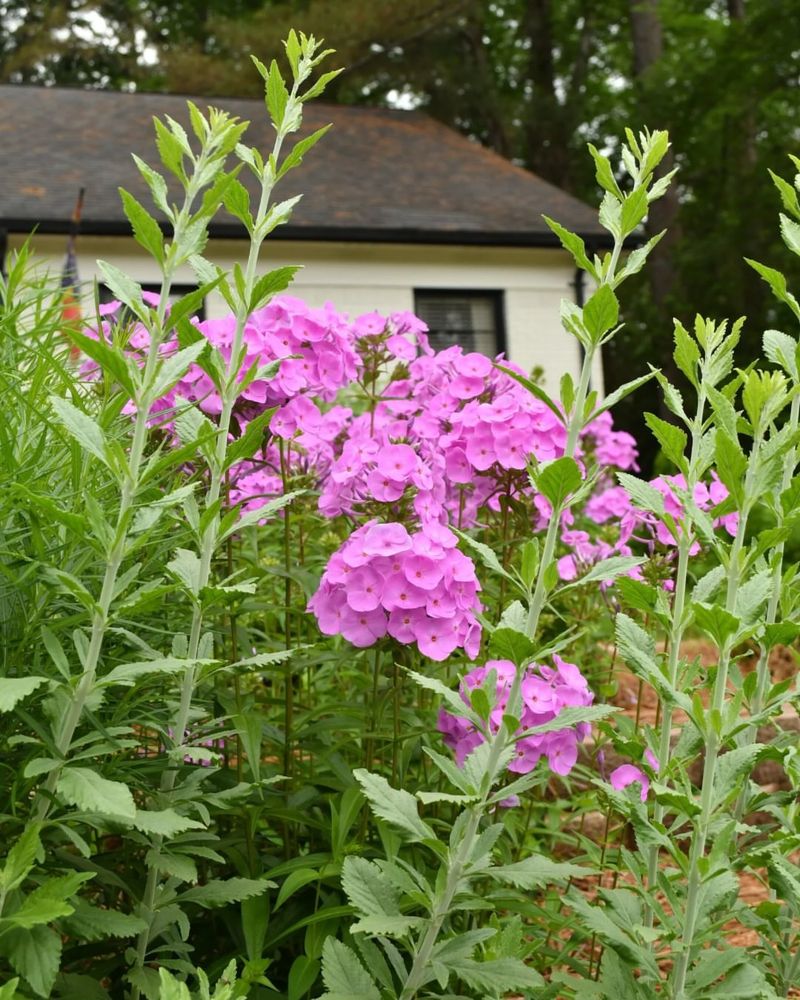
Garden Phlox is one of summer’s most fragrant and show-stopping perennials. Phlox paniculata produces large, dome-shaped clusters of blooms in shades of pink, purple, white, and red that fill the garden with color from mid to late summer.
Plant it in April in North Carolina and it will reward you with a spectacular display just when you need it most.
Fragrance is one of Phlox’s best qualities. On a warm evening in a North Carolina garden, the sweet scent drifting from a stand of Garden Phlox is something you will never forget.
It also attracts swallowtail butterflies and hummingbirds, giving the garden a lively, buzzing atmosphere throughout the season.
Full sun is the sweet spot for Garden Phlox, and well-drained soil keeps the roots comfortable. Good airflow between plants is important because North Carolina’s humidity can encourage powdery mildew on older varieties.
Newer mildew-resistant varieties like ‘David’ and ‘Robert Poore’ perform especially well in the Piedmont region and are worth seeking out at your local nursery.
Water at the base of the plant rather than overhead to keep foliage dry and healthy. Deadheading spent flower clusters encourages fresh blooms to follow.
With the right variety and a little care, Garden Phlox becomes one of the most reliable and rewarding plants in any North Carolina summer garden.
6. Blanket Flower
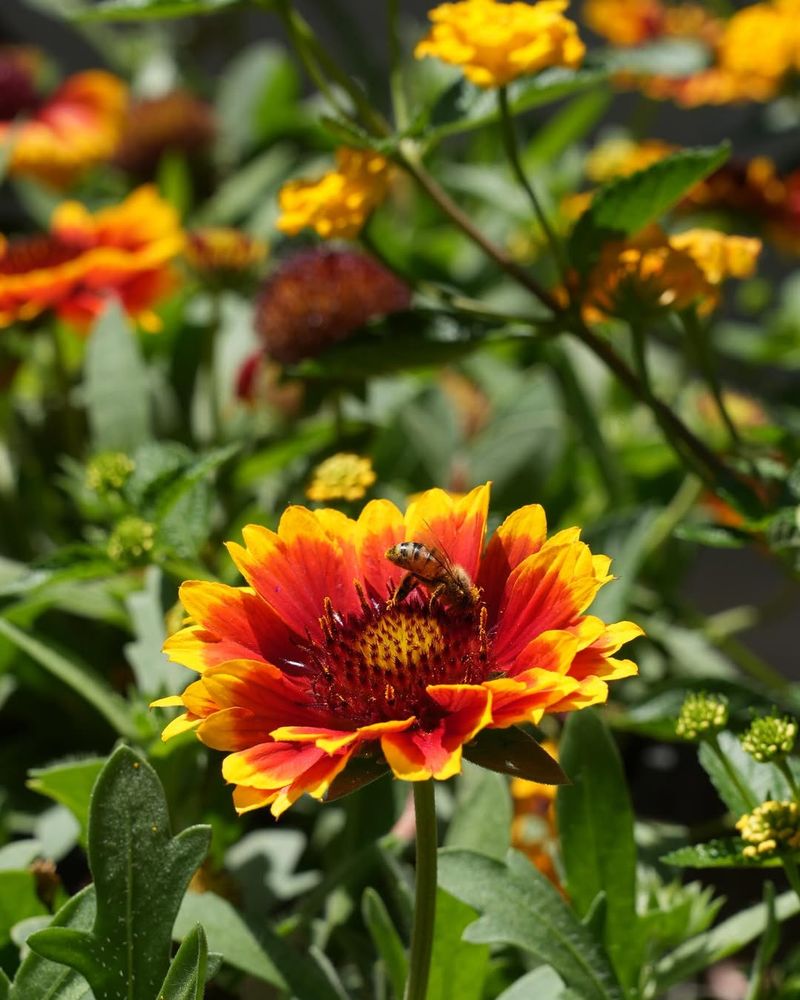
Blanket Flower looks like it was painted by hand. Gaillardia pulchella produces stunning blooms in fiery combinations of red, orange, and yellow that genuinely look like something out of a sunset.
This native wildflower thrives in tough conditions, making it one of the most dependable choices for North Carolina gardeners who want bold summer color without a lot of work.
Sandy, poor soil? No problem. Blanket Flower actually prefers lean, well-drained conditions and will struggle in rich, heavy soils that stay wet.
That is exactly why it performs so beautifully along North Carolina’s coastal areas, where sandy soils and high temperatures would challenge many other plants. Plant it in April and it will hit its stride right as summer heats up.
Full sun is a must for the best bloom performance. Give it at least six hours of direct sunlight daily and keep watering minimal once it is established.
Overwatering is the most common mistake gardeners make with this plant, so trust it to handle dry spells on its own after the first few weeks of settling in.
Blanket Flower blooms continuously from early summer all the way into fall with regular deadheading. It also self-seeds modestly, so you may find cheerful little seedlings popping up nearby the following spring.
For a low-maintenance, high-impact summer display in North Carolina, Blanket Flower is hard to beat.
7. Lantana
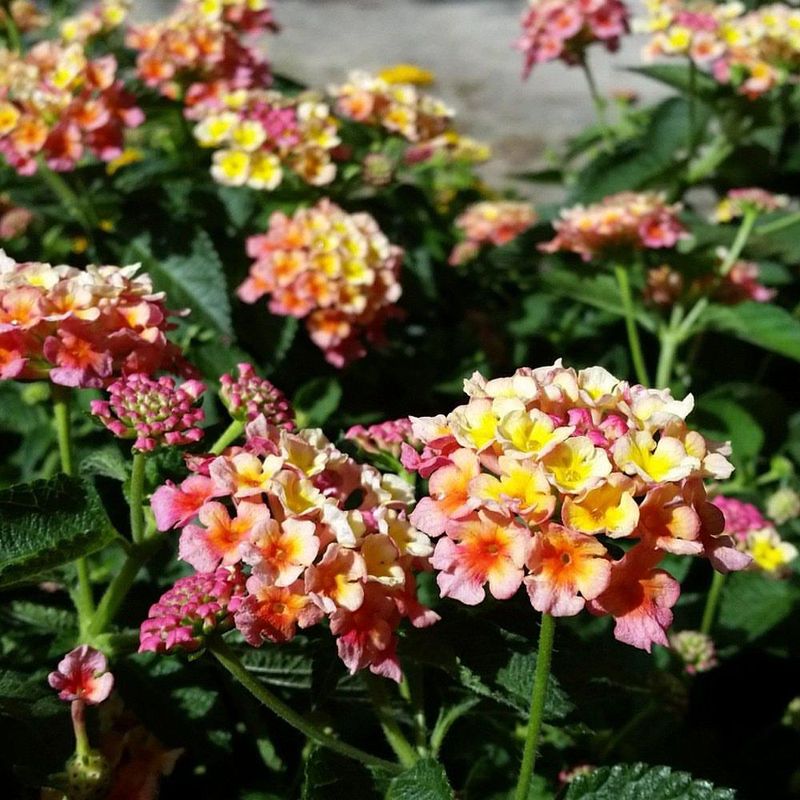
Lantana is one of those plants that simply refuses to slow down in the summer heat. Lantana involucrata, the native species suited to warm regions, produces tight clusters of small flowers in cheerful shades of yellow, white, and orange that bloom continuously from spring all the way through the end of summer.
For North Carolina gardeners in the Coastal Plain and warmer zones, this plant is a seasonal powerhouse.
Heat and humidity do not bother Lantana at all. In fact, the hotter it gets, the more it seems to thrive.
Once established, it handles dry periods with ease and keeps pushing out fresh blooms without missing a beat. Butterflies and bees flock to it in impressive numbers, turning any sunny garden spot into a lively wildlife hub throughout the season.
Plant it in full sun with well-drained soil for the best results. April planting gives roots time to settle before the peak heat of July and August arrives.
Avoid overwatering, especially in sandy coastal soils, because Lantana is built for drier conditions and does not appreciate soggy roots. Trim plants back lightly mid-season to keep them tidy and encourage a fresh flush of blooms.
Lantana pairs beautifully with Blanket Flower and Tickseed in a sunny border, creating a vibrant, low-maintenance combination that delivers color all summer long across North Carolina’s warmest growing regions.
8. Blazing Star
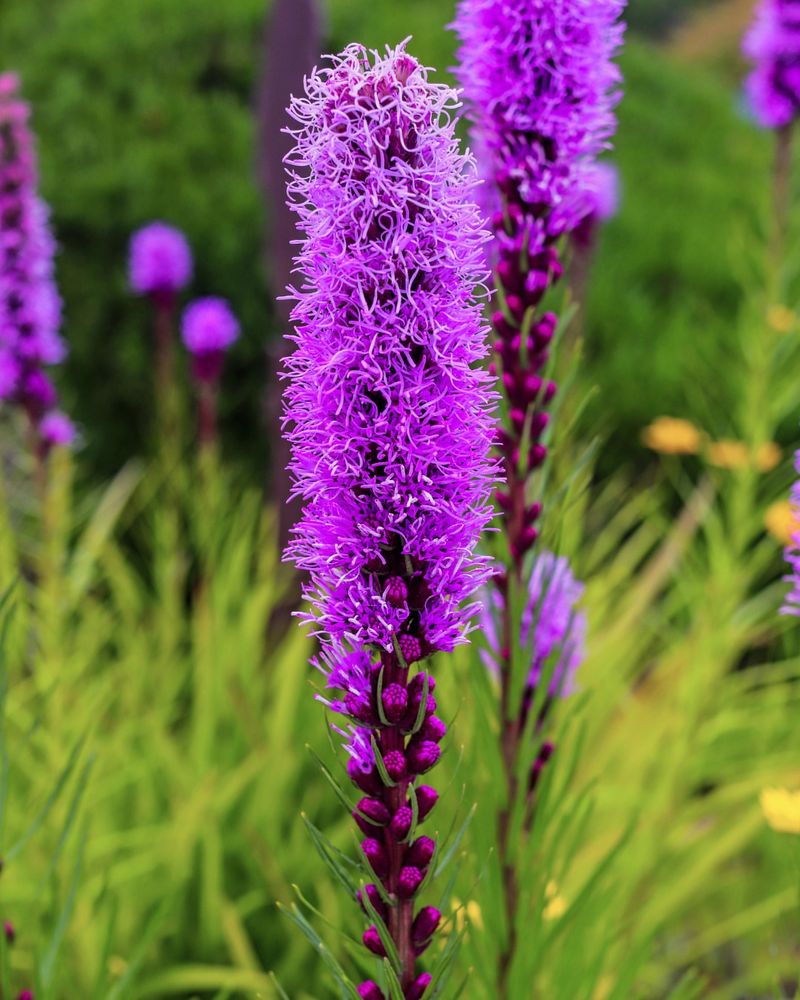
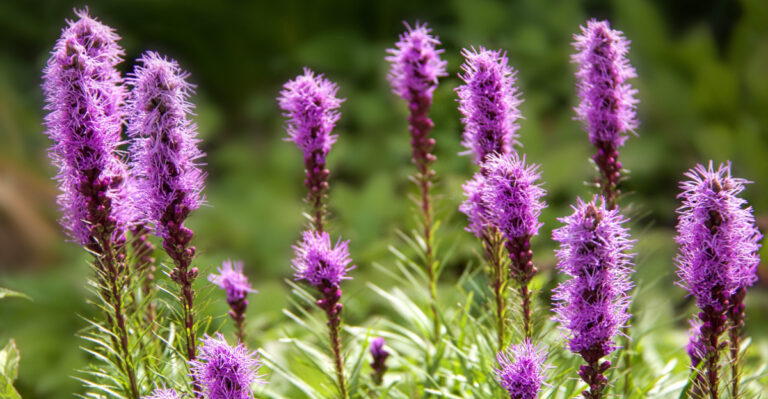
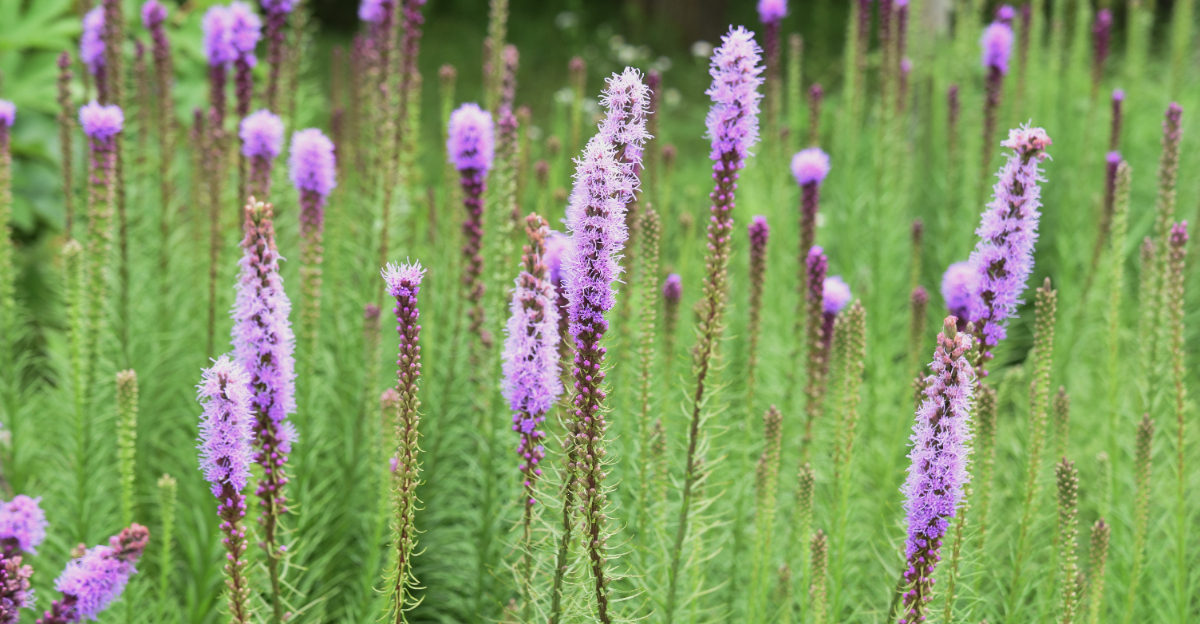
Blazing Star earns its dramatic name every single summer. Liatris spicata sends up tall, feathery spikes of bright purple blooms that rise like torches above the garden, creating a striking vertical accent that few other perennials can match.
Planting in April in North Carolina gives the corms time to root well before summer brings the heat and humidity.
What makes Blazing Star so special is how it blooms from the top of the spike downward, which is the opposite of most flowering plants. That unusual trait keeps the display looking fresh and interesting for several weeks rather than all fading at once.
Monarch butterflies and swallowtails are especially drawn to it, making it one of the most pollinator-friendly plants you can add to a North Carolina garden.
Full sun and well-drained soil are the main requirements. Liatris handles clay soils reasonably well as long as water does not sit around the roots for extended periods.
It is also naturally drought-tolerant once established, which suits North Carolina’s sometimes unpredictable summer rainfall patterns across the Piedmont and Coastal Plain.
Plant corms about three to four inches deep and six inches apart for a full, lush display. No staking is needed for most standard varieties.
Blazing Star also makes an excellent cut flower, so you can bring some of that gorgeous summer color indoors and enjoy it up close all season long.