What North Carolina Gardeners Should Cut Back In April And What To Leave Alone
April is when many North Carolina gardens start to fill in with new growth, making it tempting to grab your pruners and tidy everything at once. With warmer days and fresh leaves appearing, it feels like the right time to cut things back and shape your plants.
But this is also when timing matters most, and not everything should be trimmed just yet. Some plants benefit from a spring cut, helping them grow fuller and stay healthy through the season.
Others are already setting buds or preparing to bloom, and cutting them now can affect how they perform later on. With North Carolina’s mix of mild weather and sudden temperature shifts, knowing the difference is key.
A few careful choices in April can lead to stronger growth and better blooms. Once you know what to cut back and what to leave alone, you can care for your garden with more confidence and avoid common mistakes.
1. Panicle Hydrangea
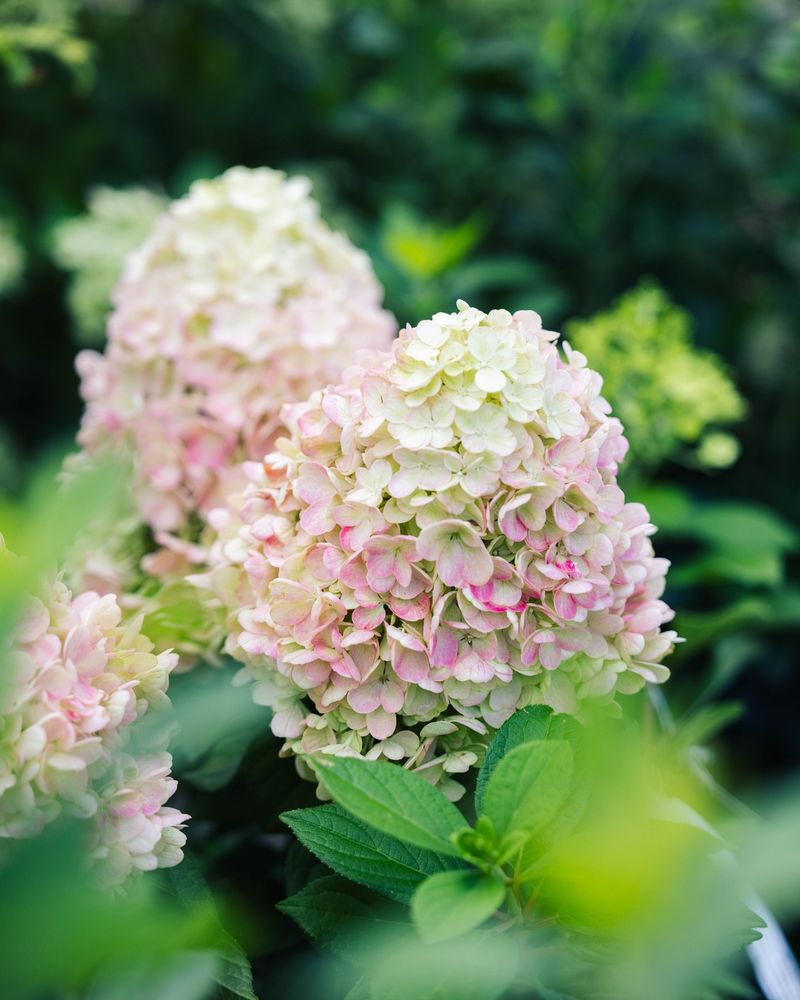
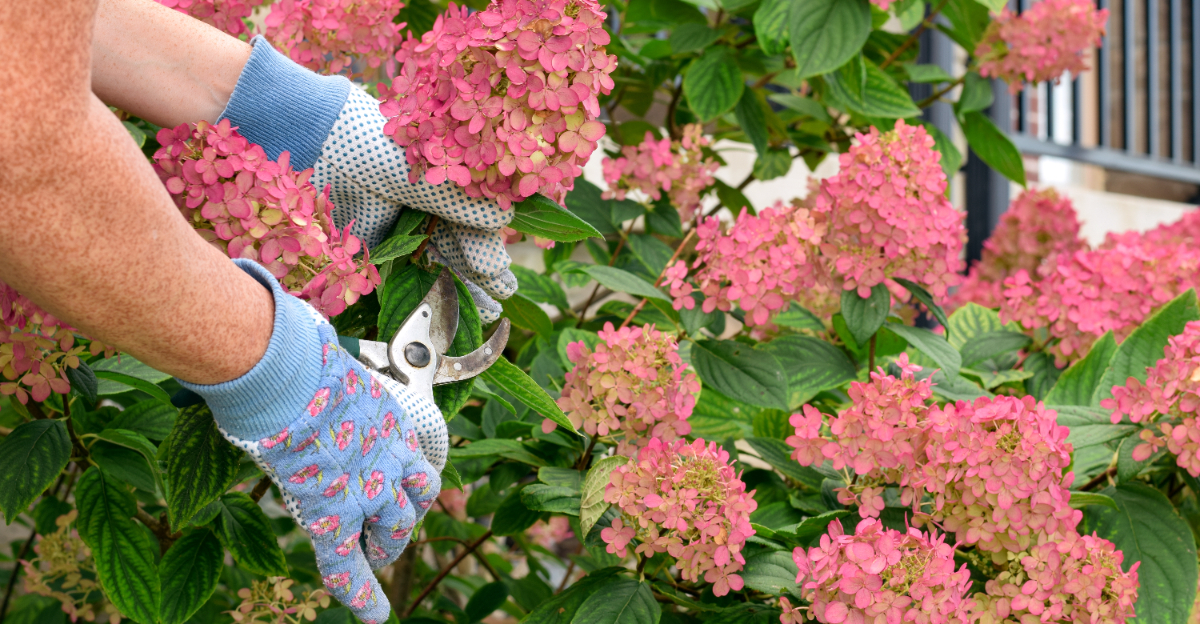
Few shrubs reward a good spring pruning quite like the panicle hydrangea. Unlike some of its cousins, this one blooms on new wood, meaning the flowers you see in summer grow from the fresh shoots that push out after pruning.
That is great news for gardeners across North Carolina who want more control over their plants.
April is the sweet spot for cutting this shrub back. Temperatures in the Piedmont region of North Carolina warm up quickly this time of year, and that warmth pushes new growth fast after a good trim.
Aim to cut stems back by about one-third to one-half, removing any weak or crossing branches along the way.
Do not be shy about pruning here. The harder you cut, the larger the flower clusters tend to grow.
Gardeners in North Carolina often report blooms the size of footballs when they prune consistently each spring. Use clean, sharp shears and make your cuts just above a healthy bud.
Within a few weeks, you will see strong new shoots filling in beautifully, setting the stage for a stunning summer display that neighbors will definitely notice and admire throughout the season.
2. Smooth Hydrangea
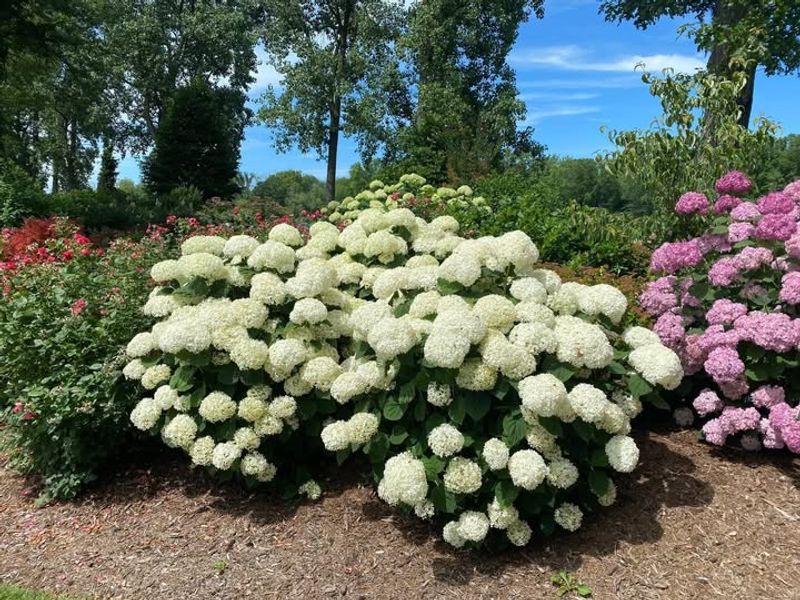
Smooth hydrangea, often sold under the popular variety name Annabelle, is a North Carolina garden favorite for good reason. It produces massive, rounded white blooms that feel almost magical against a green summer backdrop.
And the best part? You can cut it back hard every single April without any worry. This plant blooms entirely on new wood, so spring pruning does not hurt its flower production at all. In fact, it helps.
Cutting stems down to about 12 to 18 inches in early April encourages the plant to push out strong, upright new growth that can actually support those heavy flower heads without flopping over in summer rain.
North Carolina gardeners benefit from the state’s long growing season here. After a good April pruning, smooth hydrangeas have plenty of warm weeks ahead to regrow and bloom fully before summer heat peaks.
Without pruning, old woody stems tend to get weak and floppy over time. Regular cutting keeps the plant compact, tidy, and incredibly productive.
Your North Carolina Garden Changes Every Week. Your Plan Should Too.
Gardening in North Carolina changes quickly throughout the season. Every Friday you’ll receive a simple weekly plan showing exactly what to plant, prune, fertilize, harvest, and protect so you never miss the right timing.
Grab your pruning shears on a mild April morning, cut everything back cleanly, and then stand back as this tough, cheerful shrub does exactly what it does best, growing big, blooming bold, and making your North Carolina yard look incredible all season long.
3. Butterfly Bush
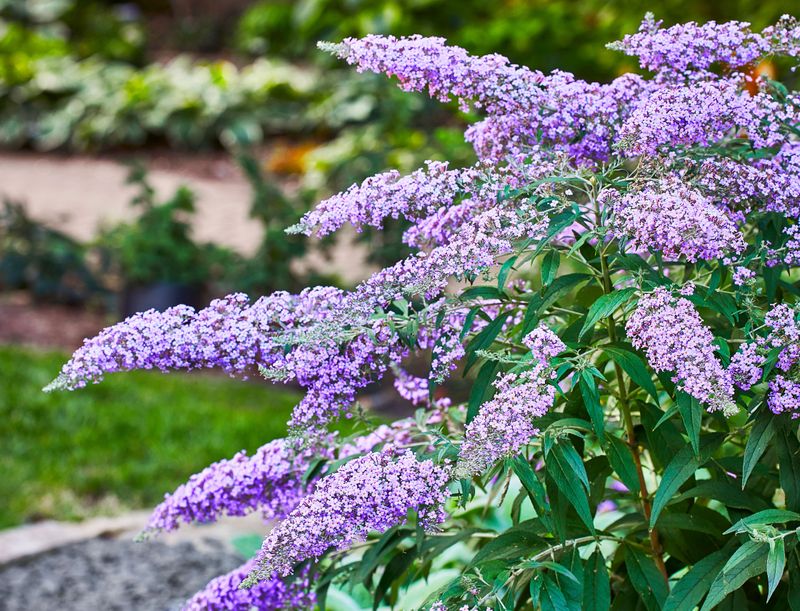
Walk past a butterfly bush in full bloom and you will immediately understand the name. Long, fragrant flower spikes in shades of purple, pink, and white attract butterflies by the dozens, making it one of the most visually exciting shrubs in any North Carolina yard.
April is exactly the right time to cut it back hard and set it up for its best summer show.
Butterfly bush blooms on new wood, so pruning in early April is not just safe, it is actually necessary for peak performance. Cut stems down to about 12 to 24 inches from the ground.
This might feel drastic the first time you do it, but the plant responds with vigorous, bushy new growth that produces far more flower spikes than an unpruned, overgrown shrub ever would.
North Carolina’s heat and humidity are perfect for this plant’s rapid spring regrowth. Warm temperatures after pruning push new shoots out quickly, and by midsummer, the bush is full and loaded with blooms.
One thing to keep in mind is that this species can spread on its own in some areas, so removing spent flower heads before seeds form is a smart habit.
With a little management, butterfly bush is an absolute showstopper in any North Carolina garden from summer straight through early fall.
4. Crape Myrtle
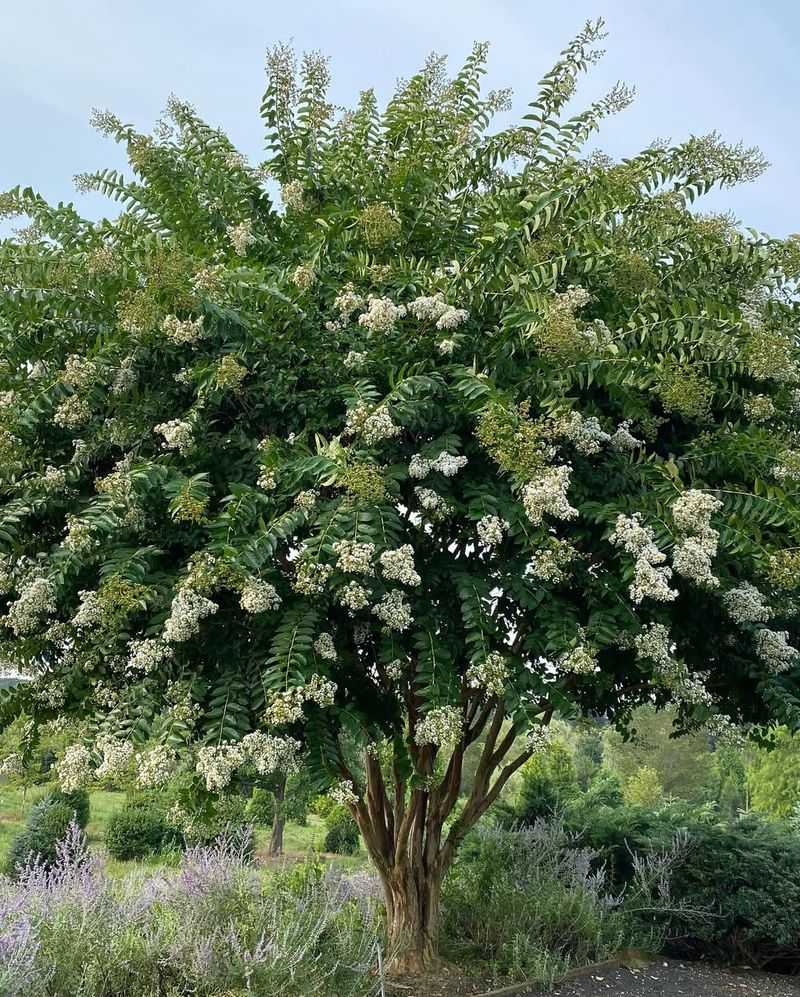
Crape myrtles are practically synonymous with summer in North Carolina. Their bright clusters of flowers in red, pink, white, and lavender light up neighborhoods from July through September, making them one of the most beloved ornamental trees in the entire state.
Getting the spring pruning right makes all the difference in how well they perform.
April is a good time for light, thoughtful pruning on crape myrtles. The goal is not to hack them down to ugly stumps, which is a common and unfortunate mistake seen all over North Carolina.
Instead, focus on removing crossing branches, any twiggy growth from the base, and branches that rub against each other. This opens up the canopy, improves airflow, and gives the tree a natural, graceful shape.
Since crape myrtles bloom on new growth, spring warmth quickly drives fresh shoots after light pruning, setting up a strong flowering season. Heavy cutting, sometimes called crape murder, actually weakens the tree over time and produces knobby, unattractive regrowth.
Stick to selective, purposeful cuts with sharp tools and let the tree’s natural form shine. North Carolina’s warm spring temperatures mean new growth appears fast, so your properly pruned crape myrtle will look full and healthy well before the summer heat truly kicks in and the blooms open wide.
5. Bigleaf Hydrangea
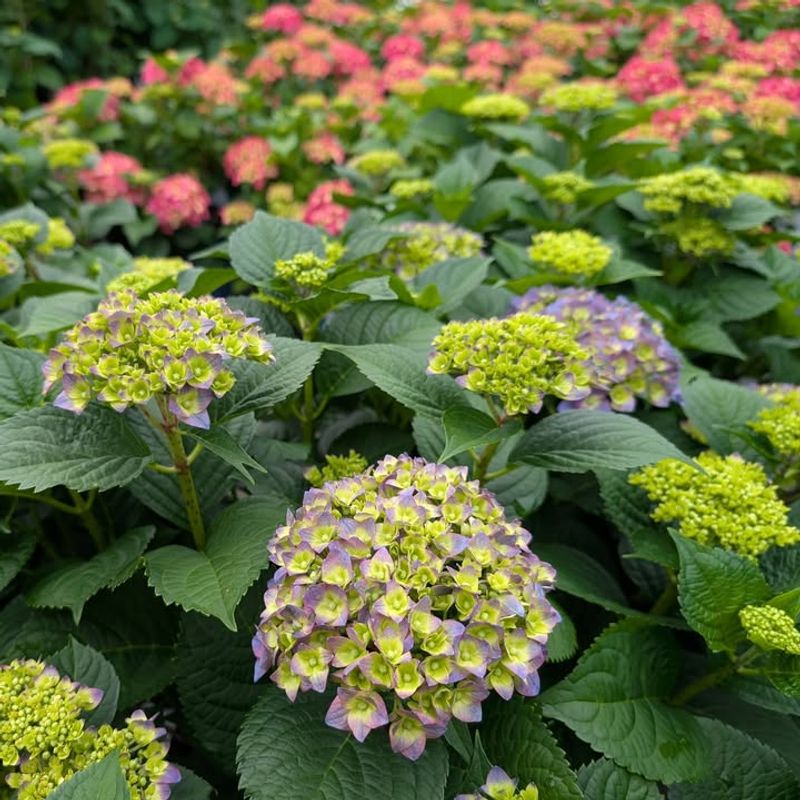
Bigleaf hydrangea is the one that makes people stop their cars. Those big, round mophead blooms in shades of pink, blue, and purple are absolutely gorgeous, and they are extremely popular in North Carolina yards and gardens.
But here is the critical thing every gardener needs to know: do not touch this one in April.
Unlike panicle and smooth hydrangeas, bigleaf hydrangea sets its flower buds on old wood from the previous season. Every single one of those buds is already sitting on the stems right now in April, quietly waiting for warmth to push them open.
If you cut those stems back, you are removing the buds and the blooms along with them. You will end up with a healthy green shrub and zero flowers for the entire summer.
North Carolina gardeners already face the challenge of late spring frosts that can sometimes damage bigleaf hydrangea buds, especially in the mountains and upper Piedmont. Pruning in April on top of that risk is just not worth it.
If you spot stems that look clearly damaged after leaves emerge, go ahead and remove just those. Otherwise, step away from the shears and let this beautiful shrub do its thing.
Your patience will be rewarded with stunning blooms that make the whole yard feel like something out of a magazine.
6. Azalea
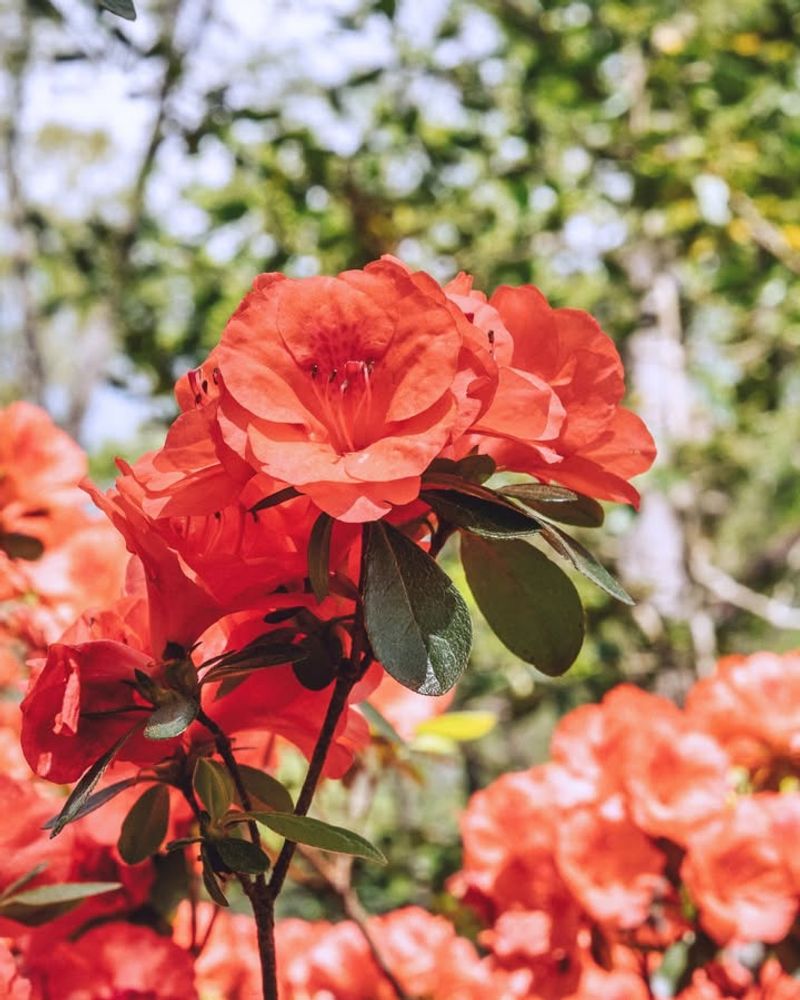
Spring in North Carolina would not feel the same without azaleas. These shrubs put on one of the most brilliant floral displays of the entire year, covering themselves in waves of pink, red, white, and coral blooms that seem almost too beautiful to be real.
The key to keeping that show going year after year is knowing when not to prune. Azaleas bloom on old wood, meaning the flower buds formed on last year’s growth.
By April, those buds are already swelling and opening, especially in the warmer Coastal Plain region of North Carolina where azaleas often bloom early and enthusiastically. Pruning now would cut away the very buds you have been waiting all year to see open.
The right time to prune azaleas is immediately after they finish blooming, usually late April into May depending on your location in North Carolina. That timing gives the plant the entire growing season to set new buds for next spring.
April pruning, on the other hand, gives you nothing but regret and a shrub full of leaves without a single flower. Let them bloom freely this month, enjoy every colorful day of it, and then pull out your shears once the last petal falls.
Your azaleas, and your whole neighborhood, will thank you for the patience.
7. Oakleaf Hydrangea
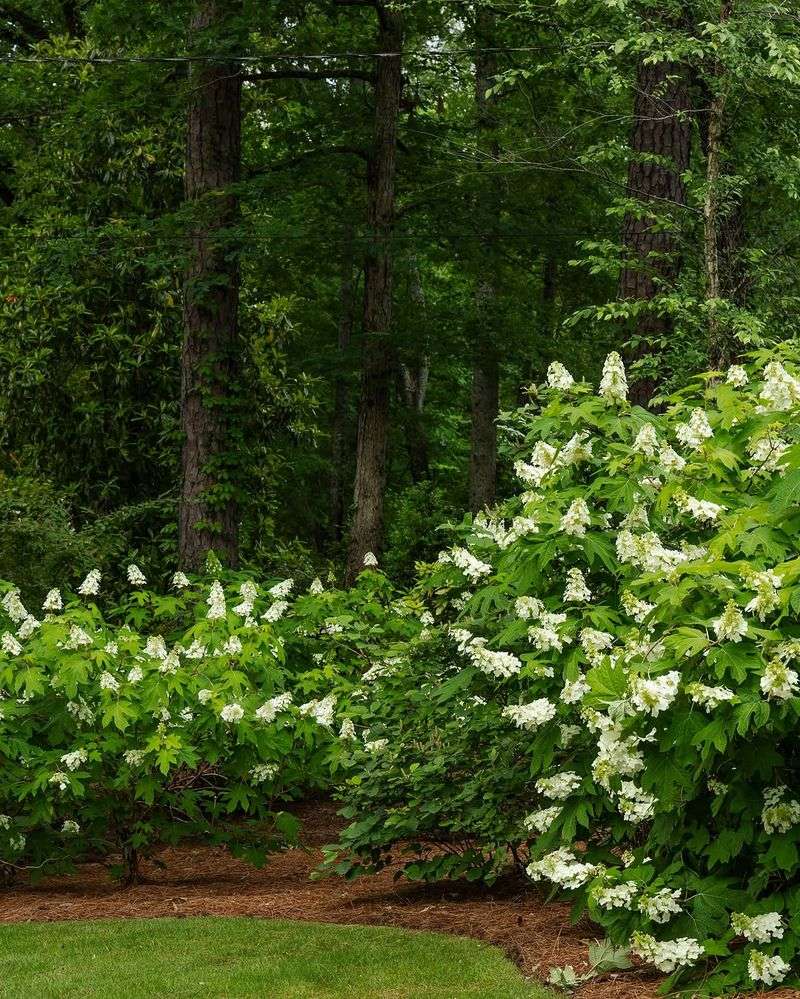
There is something wonderfully wild and native about the oakleaf hydrangea. Named for its distinctive lobed leaves that look just like oak tree foliage, this shrub is actually native to the southeastern United States, making it a natural fit for North Carolina gardens.
It handles heat, humidity, and even some drought far better than most hydrangeas, and it puts on a breathtaking multi-season show.
In April, though, the oakleaf hydrangea needs to be left completely alone. Just like bigleaf hydrangea, it blooms on old wood, setting its flower buds during the previous growing season.
Those buds are already developing right now, hidden inside the swelling branch tips, ready to burst into those gorgeous white cone-shaped flower clusters that gardeners across North Carolina love so much.
Cutting back an oakleaf hydrangea in April means removing those developing buds and losing the entire season’s bloom. There is simply no benefit to pruning it now.
If the plant needs shaping or size reduction, wait until after it finishes flowering, which usually happens in early to midsummer depending on your spot in North Carolina. After blooming, the plant still offers beautiful peeling bark, rich fall foliage color, and winter interest.
Every season has something to offer with this native gem, so let April be its time to shine undisturbed.
8. Gardenia
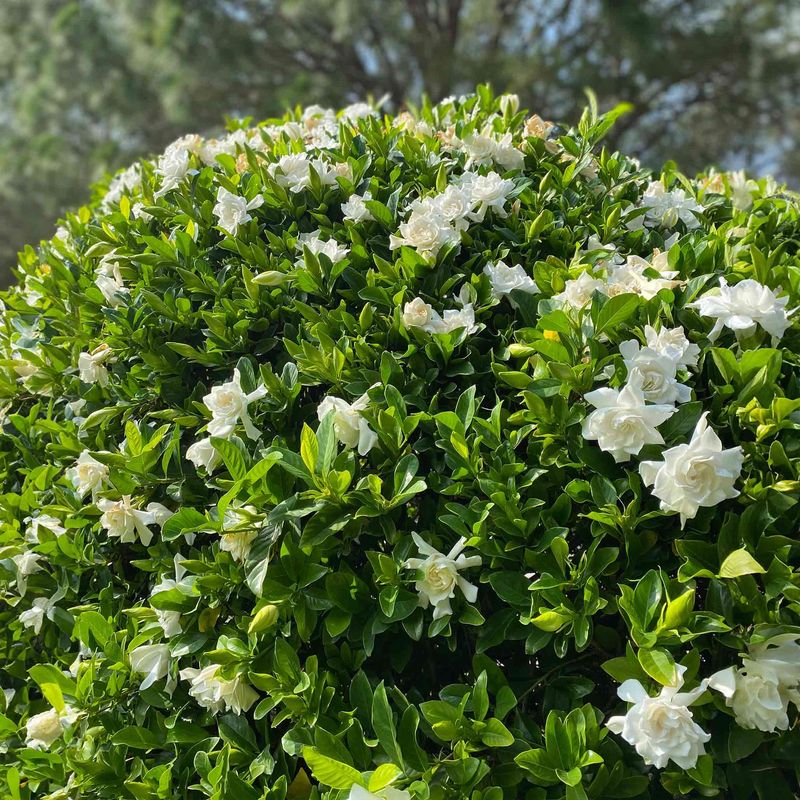
Few flowers in the gardening world carry as much sensory magic as the gardenia. The moment one of those creamy white blooms opens, the fragrance fills the entire yard with something rich, sweet, and completely unforgettable.
Gardenias are a classic choice for North Carolina gardens, thriving in the state’s warm, humid summers and mild winters, especially in the central and coastal regions.
April is absolutely not the time to prune a gardenia. This plant sets its flower buds on old wood, and by April, those buds are actively developing in response to the warming temperatures across North Carolina.
Reaching for the shears now means cutting away the buds just before they open, robbing you of those incredible blooms and that legendary fragrance for the whole season.
Gardenias can be sensitive plants, and unnecessary stress in spring can also affect their overall health and leaf quality.
The smart move is to simply enjoy watching them grow through April and into late spring as the buds swell and the first white flowers begin to open.
Once the blooming period wraps up, usually by early summer, that is your window to lightly shape the plant if needed.
North Carolina’s warm spring weather triggers fast bud development, so trust the process, keep the shears away, and get ready for one of the most fragrant rewards your garden has to offer this year.