6 Fast Growing Pink Flowers That Add Easy Color To North Carolina Gardens And Containers
Adding color to your garden does not have to take all season. In North Carolina, where warm weather helps plants grow quickly, the right flowers can fill in spaces fast and bring bright, cheerful color before you know it.
Pink blooms, in particular, can soften a space while still standing out in beds, borders, and containers. Fast growing flowers are perfect when you want quick results without a lot of waiting.
They can brighten up empty spots, refresh tired areas, and create a full look in a short amount of time. Many of them also handle the state’s heat and humidity better than slower growing options.
Whether you are working with a small patio or a larger yard, these plants make it easy to add lasting color. Once you discover these six fast growing pink flowers, you can create a lively, eye catching display with very little effort.
1. Garden Phlox
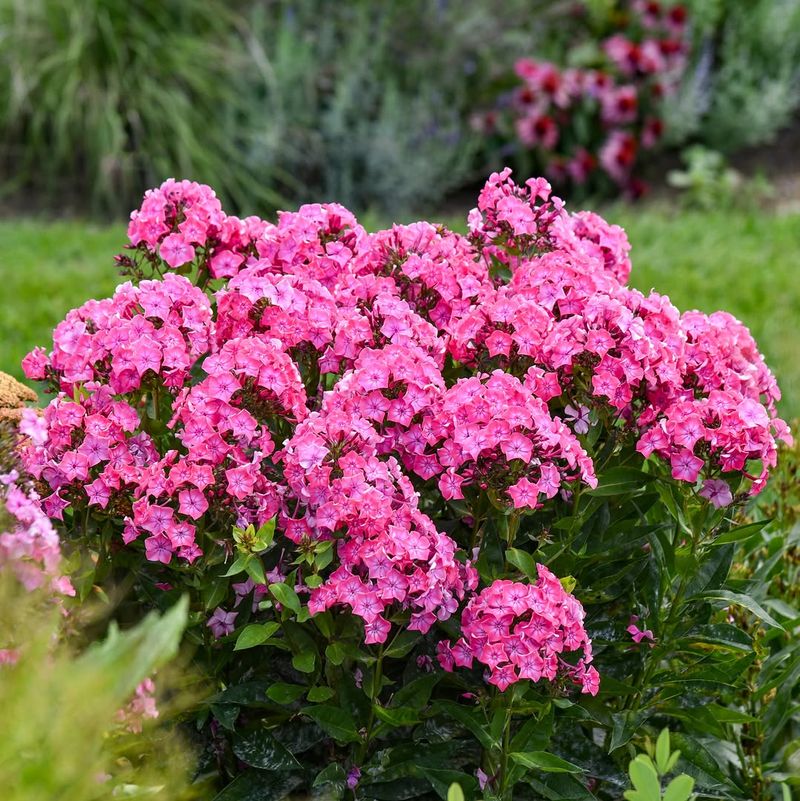
Few perennials deliver a summer color punch quite like Garden Phlox. Phlox paniculata sends up tall, full clusters of pink blooms by early to mid-summer, and once it gets going, it fills a garden bed fast.
The flowers are fragrant, showy, and hard to miss from across the yard. In North Carolina, especially across the Piedmont region, Garden Phlox really shines because it handles heat and humidity better than many other perennials.
Spacing your plants about 18 inches apart improves airflow and reduces powdery mildew, which is a common issue in humid climates. Good air circulation makes a huge difference in keeping plants healthy all season long.
Plant Garden Phlox in full sun with well-drained soil, and water at the base rather than overhead to keep the foliage dry. It grows well in large containers too, as long as you use a quality potting mix and water consistently.
Taller varieties can reach up to four feet, making them a bold backdrop in any garden design.
Deadheading spent blooms encourages the plant to keep producing fresh flowers through late summer. Once established, Garden Phlox comes back every year, giving you reliable pink color without replanting.
North Carolina gardeners who want low-effort, high-reward perennials will absolutely love this one.
2. Zinnia
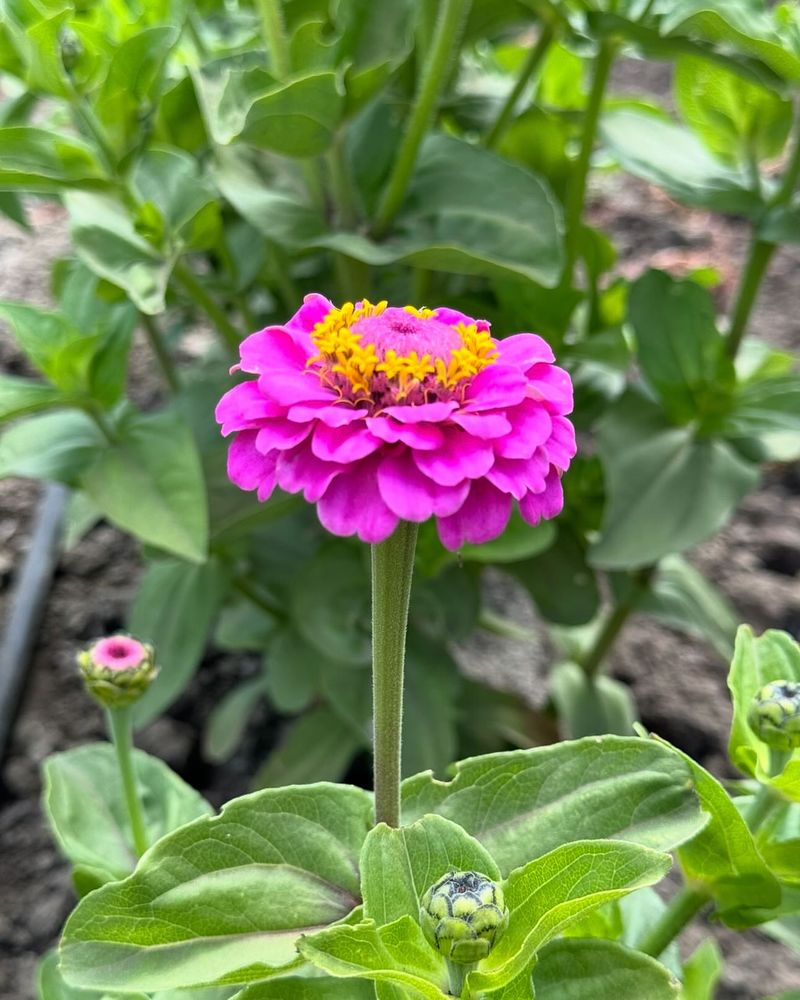
Want color fast? Zinnia elegans is probably the quickest path to a garden packed with bright pink blooms.
Sow seeds directly into the soil in late April or early May in North Carolina, and you can expect flowers in as little as six to eight weeks. That kind of speed is hard to beat anywhere in the gardening world.
Zinnias absolutely love the hot, sunny summers that North Carolina is known for. They thrive in well-drained soil with plenty of direct sunlight, and they ask for very little in return.
Even beginner gardeners in the Coastal Plain or the Piedmont can grow zinnias successfully with minimal fuss or experience.
One of the best things about zinnias is how well they perform in containers. Use a large pot with drainage holes, fill it with quality potting mix, and place it somewhere that gets at least six hours of sun daily.
Your North Carolina Garden Changes Every Week. Your Plan Should Too.
Gardening in North Carolina changes quickly throughout the season. Every Friday you’ll receive a simple weekly plan showing exactly what to plant, prune, fertilize, harvest, and protect so you never miss the right timing.
Water regularly but avoid soggy soil, since zinnias prefer things a little on the drier side between waterings.
Pinching off spent flowers keeps new blooms coming all the way through fall. Zinnias also attract butterflies and bees, so your garden becomes a little pollinator hotspot.
Pink zinnia varieties like “Benary’s Giant Rose” are especially stunning and widely available at North Carolina nurseries and garden centers throughout the spring season.
3. Moss Rose
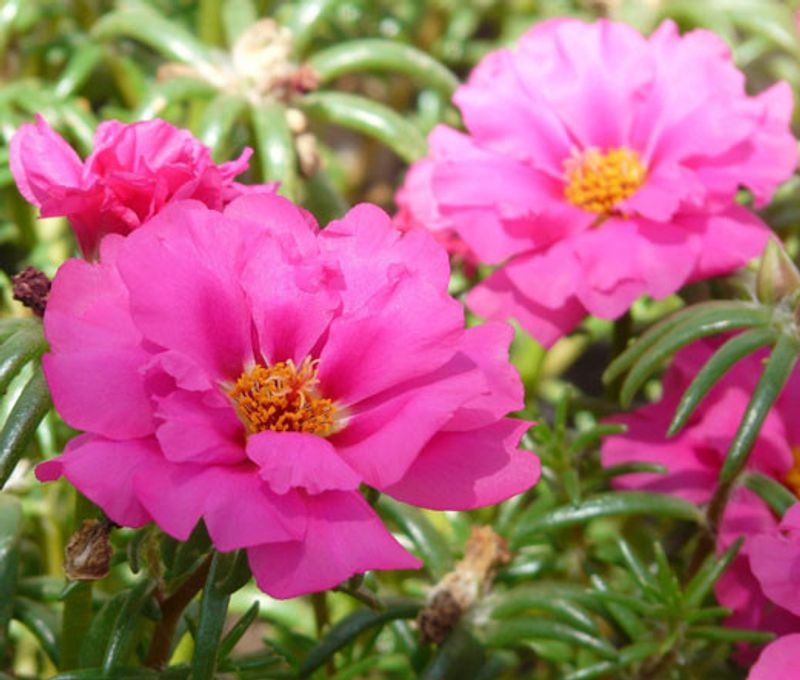
Tough, cheerful, and surprisingly beautiful, Moss Rose is the flower that thrives where others struggle. Portulaca grandiflora spreads quickly along the ground, covering borders and containers with silky pink blooms that open wide in full sunshine.
It has a playful, carefree look that instantly makes any garden feel relaxed and colorful. North Carolina’s coastal areas are practically made for Moss Rose. Sandy, well-drained soil and hot, dry conditions are exactly what this plant craves.
While other flowers wilt during a summer dry spell, Moss Rose keeps right on blooming without missing a beat. Its succulent-like leaves store water, giving it serious drought tolerance that most annuals simply do not have.
Plant Moss Rose in a spot with full sun and excellent drainage. It performs beautifully in window boxes, hanging baskets, and shallow containers where water drains freely.
Avoid heavy clay soils or spots that stay wet after rain, since too much moisture can cause root problems fairly quickly.
Seeds can be direct-sown after the last frost in spring, or you can find transplants at most North Carolina garden centers by mid-April. Plants spread naturally and fill in gaps without much help.
The blooms close at night and reopen each morning, which gives your containers a fresh new look every single day throughout the entire warm season.
4. Petunia
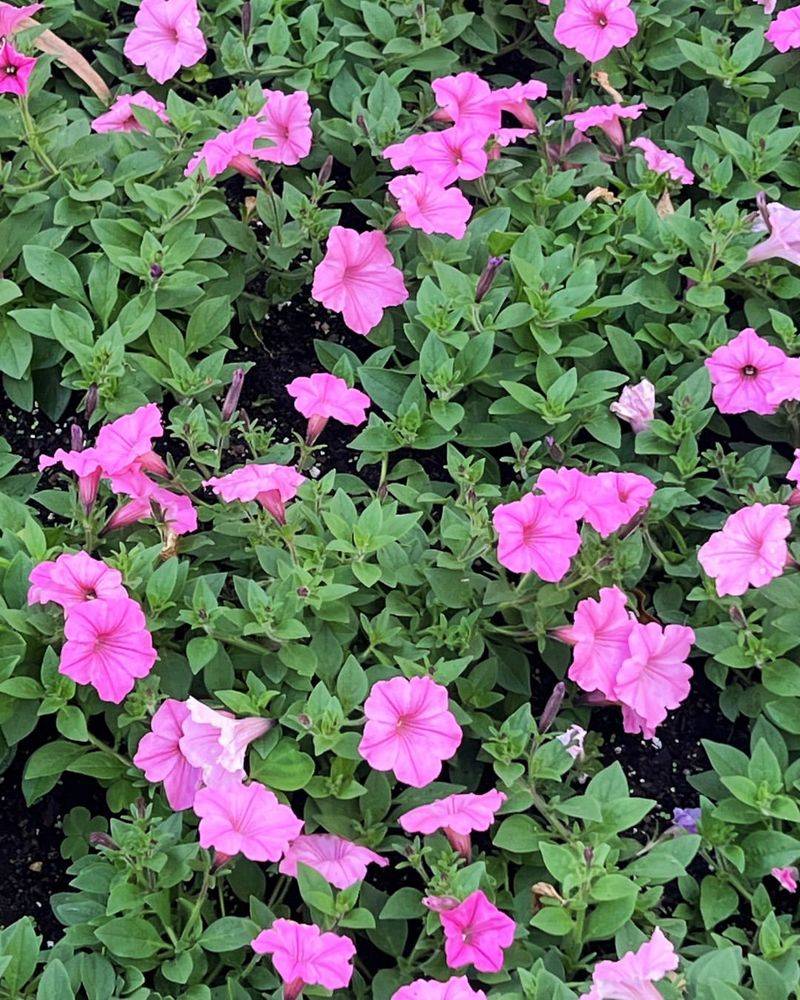
Petunias are the ultimate crowd-pleasers of the container gardening world. Petunia x hybrida produces non-stop pink blooms from spring straight through summer, and newer varieties have been specially bred to handle the heat and humidity that North Carolina summers bring.
Plant one hanging basket and suddenly your porch looks like something out of a garden magazine.
Full sun is the key to getting the most out of petunias. Give them at least six hours of direct light each day, and they will reward you with thick, colorful blooms that practically spill over the edges of any pot or planter.
Use a well-draining potting mix and fertilize every two weeks to keep the flowers coming strong all season long.
Wave and Supertunia varieties are especially popular across North Carolina because they tolerate summer heat better than older types. These trailing varieties look incredible in window boxes, raised beds, and large containers on patios or decks.
Even a single pot of pink petunias can completely transform a dull outdoor corner into something bright and inviting.
Deadheading regularly or giving plants a light trim mid-summer encourages fresh new growth and prevents leggy, tired-looking stems. Water petunias at the base and avoid soaking the foliage to reduce the chance of disease.
With just a little attention, petunias deliver some of the most reliable and vibrant pink color in all of North Carolina gardening.
5. Dianthus
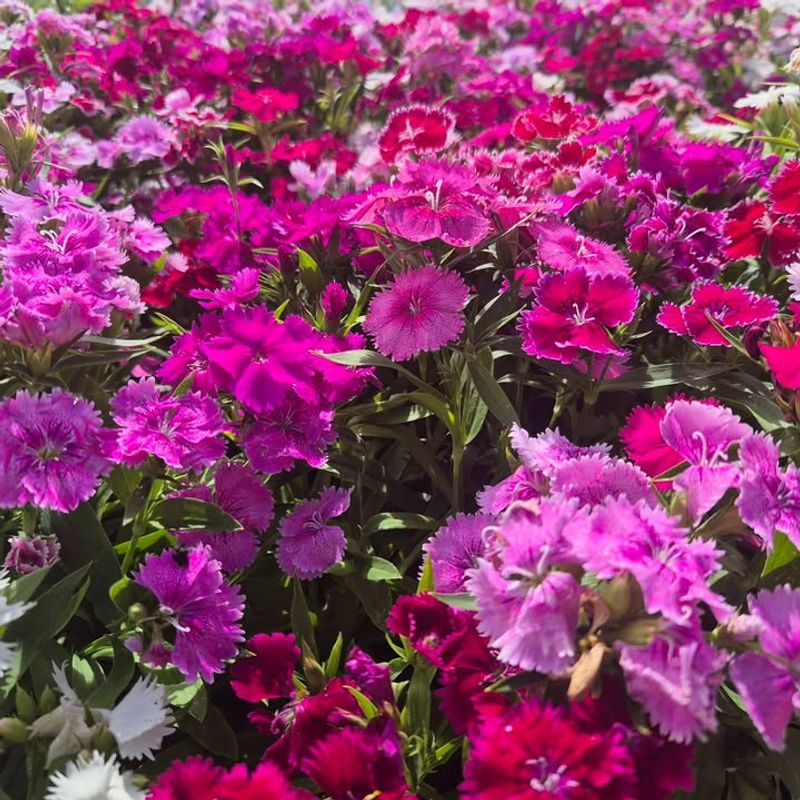
Before the summer heat even arrives in North Carolina, Dianthus is already putting on a show.
Dianthus chinensis, commonly called China Pink, bursts into bloom during the cool days of spring and fills garden beds and containers with bright, fringed pink flowers that have a light, spicy fragrance.
It is one of the earliest sources of pink color you can count on each year. Spring conditions across North Carolina are almost ideal for Dianthus. Mild temperatures, moderate rainfall, and plenty of sunshine help these plants establish quickly and bloom heavily.
Plant them in full sun with well-drained soil, and they will reward you with weeks of cheerful color before summer fully takes over the calendar.
Dianthus works really well as a border plant or a front-of-container filler. Its compact size, usually staying under 12 inches tall, makes it easy to pair with taller plants behind it.
The contrast of bright pink blooms against green foliage creates a clean, polished look that works in both formal and casual garden styles.
Deadhead regularly to extend the bloom period as long as possible. In North Carolina, some Dianthus varieties even rebloom in fall when temperatures cool back down, giving you two seasons of color from one planting.
Did you know Dianthus has been cultivated for over 2,000 years and was a favorite in ancient Greek gardens? That kind of staying power says a lot about this reliable little flower.
6. Pentas
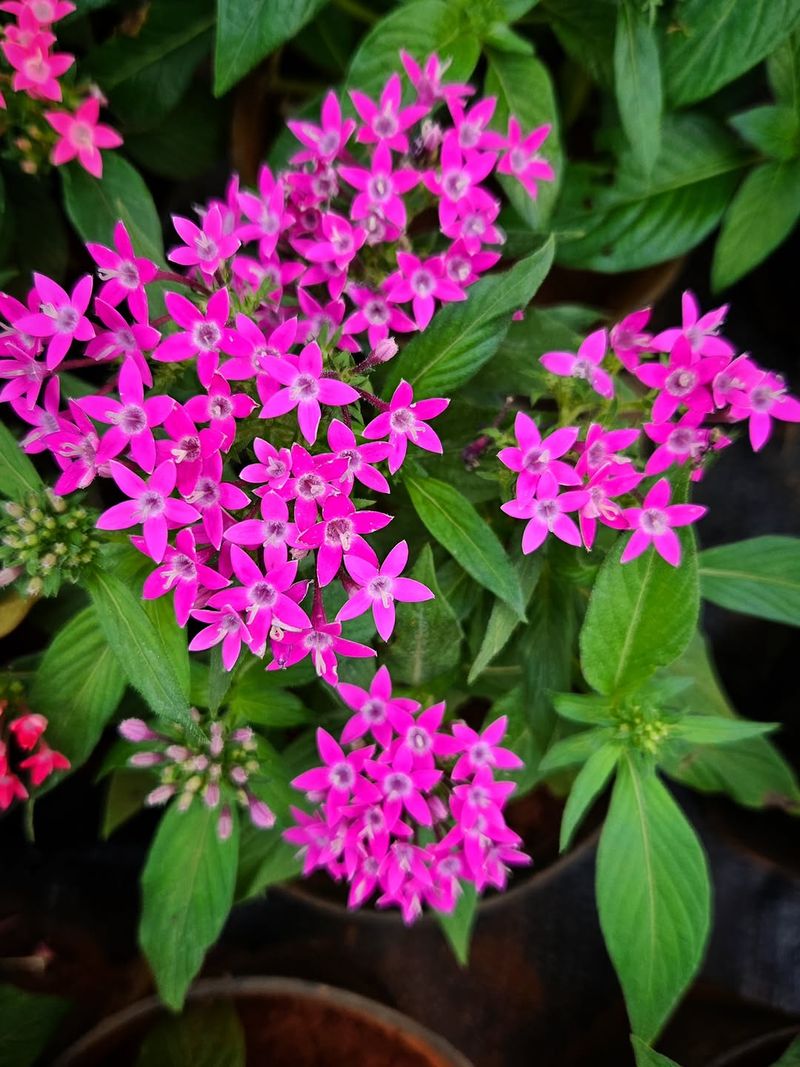
If you want a flower that pulls double duty as a color provider and a pollinator magnet, Pentas is your answer. Pentas lanceolata produces tight, rounded clusters of star-shaped pink flowers that bloom continuously once warm weather settles in.
Butterflies and hummingbirds absolutely cannot resist them, which makes every Pentas plant feel like its own little wildlife sanctuary.
North Carolina’s Coastal Plain is especially well-suited for Pentas because this plant thrives in heat and humidity without complaint. Once temperatures warm up and stay warm, Pentas takes off fast and keeps producing fresh blooms all the way through fall.
Plant it after the last frost, give it full sun, and watch it grow into a full, lush mound of color within just a few weeks.
Pentas works beautifully in both garden beds and containers. In pots, it pairs well with trailing plants like sweet potato vine or creeping Jenny for a layered, full look.
Use well-drained potting mix and water consistently, but avoid letting the roots sit in standing water for extended periods of time.
Fertilize every few weeks during the growing season to keep blooms coming strong. Unlike some summer flowers that slow down in peak heat, Pentas actually gets better as temperatures climb higher.
For North Carolina gardeners who want easy, heat-loving pink color that also supports local pollinators, Pentas is one of the smartest choices you can put in your garden this season.