8 Herbs For California Gardens That Fight Pests Naturally
Anyone who has gardened in California for a while knows how quickly pests can show up. One day everything looks healthy, and the next, leaves are chewed, curled, or covered in tiny insects.
Reaching for sprays is one option, but many gardeners are starting to look for simpler, plant-based solutions.
Certain herbs naturally help keep unwanted bugs in check while still fitting right into a productive garden. They grow well in California’s warm, dry summers and can be tucked into beds, borders, or containers without much extra effort.
It’s a practical way to make your garden work a little smarter instead of harder. The herbs coming up are known for their pest-fighting qualities and can play a helpful role in keeping plants looking strong.
1. Basil Helping Keep Pests Away Naturally
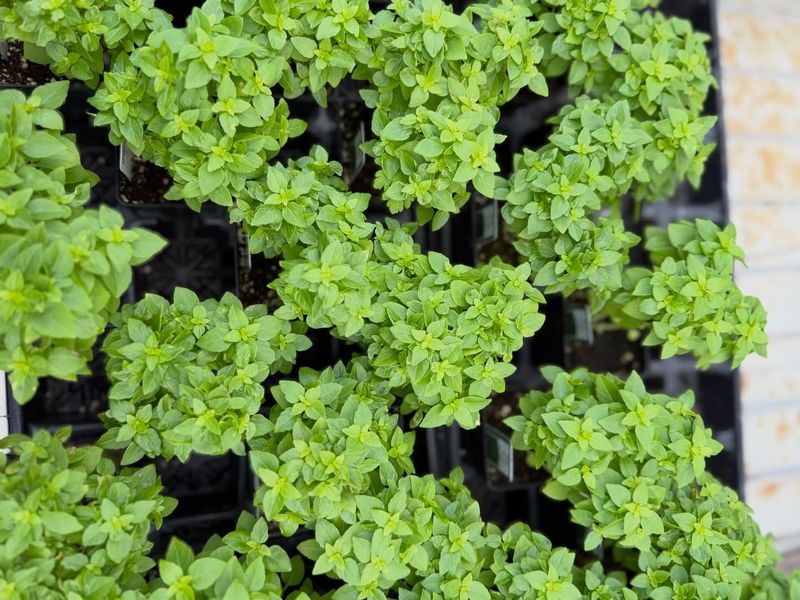
Few plants pull double duty quite like basil. Not only does it add bold, fresh flavor to your favorite recipes, but it also works quietly in the background to protect nearby plants from some of the most annoying garden pests around.
Aphids, whiteflies, and mosquitoes all tend to avoid basil because of the strong oils found in its leaves.
In California gardens, basil thrives in warm, sunny spots and pairs especially well with tomatoes and peppers. Planting basil nearby is said to enhance the flavor of tomatoes while keeping whiteflies and aphids from setting up camp.
Many California gardeners swear by this classic companion planting combination, and it is easy to see why.
Basil grows best in well-drained soil with plenty of sunlight, making it a perfect fit for the Golden State’s long growing season. Water it at the base rather than overhead to keep the leaves dry and healthy.
Pinch off any flowers as soon as they appear to encourage the plant to keep producing lush, fragrant leaves throughout the season.
One fun thing about basil is that you can also rub a fresh leaf on your skin to keep mosquitoes away during those warm California evenings outdoors. It works as a mild natural repellent that smells much better than commercial bug sprays.
With so many benefits packed into one plant, basil deserves a permanent spot in every California garden.
2. Lavender Repelling Unwanted Garden Visitors With Strong Oils
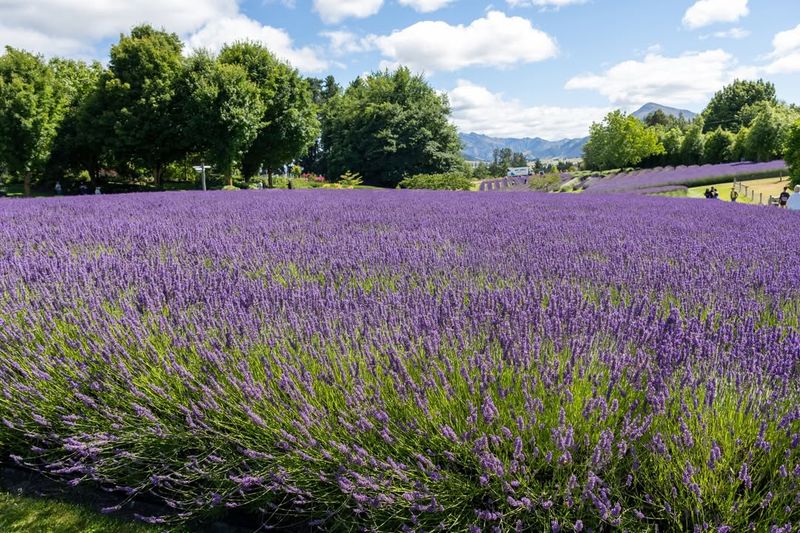
Walk past a lavender plant in full bloom and you will instantly understand why people love it so much. That sweet, calming fragrance that humans find so relaxing is actually quite the opposite for moths, fleas, flies, and mosquitoes.
These pests find lavender’s scent overwhelming and will go out of their way to avoid it.
California is one of the best places in the country to grow lavender. The state’s warm, dry climate closely mirrors the Mediterranean conditions where lavender naturally thrives.
Once established, lavender is incredibly drought-tolerant, which is a major bonus for California gardeners dealing with water restrictions or dry summers.
Plant lavender along garden borders, near outdoor seating areas, or tucked between vegetable rows to create a fragrant pest barrier. It works especially well near doorways and windows, helping to keep flies and mosquitoes from wandering indoors.
Your California Garden Changes Every Week. Your Plan Should Too.
Gardening in California changes quickly throughout the season. Every Friday you’ll receive a simple weekly plan showing exactly what to plant, prune, fertilize, harvest, and protect so you never miss the right timing.
Southern California gardens in particular benefit from lavender’s ability to handle intense heat without complaint.
Did you know that dried lavender bundles have been used for centuries to keep moths away from clothing and linens? Ancient Egyptians and Romans both valued lavender for this very reason.
Placing dried lavender near your garden shed or storage areas can help protect seeds and gardening supplies from insects as well. Beyond pest control, lavender attracts pollinators like bees and butterflies, making your California garden even more vibrant and productive throughout the growing season.
3. Rosemary Keeping Pests At Bay In Hot, Dry Beds
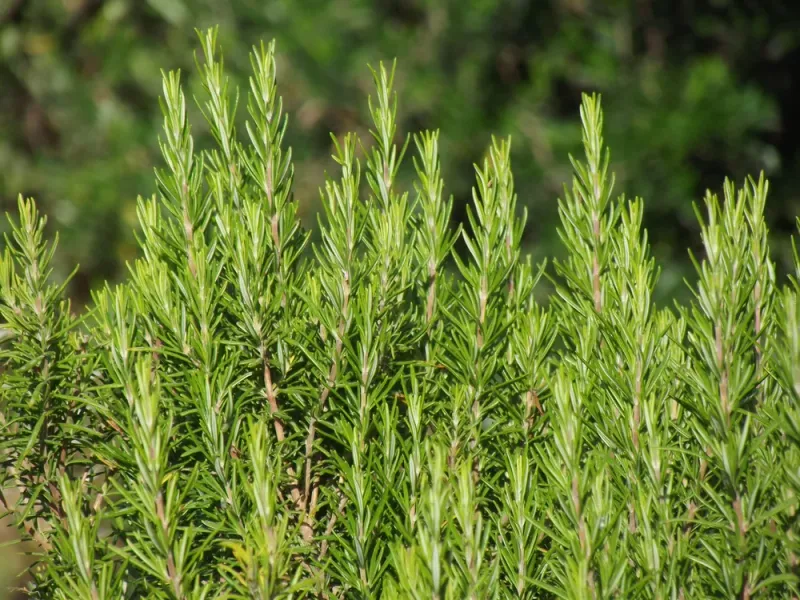
One of those herbs that looks beautiful, smells incredible, and asks for almost nothing in return. Its tough, woody stems and needle-like leaves are packed with aromatic oils that cabbage moths, bean beetles, and carrot flies find completely unbearable.
For California gardeners growing brassicas or root vegetables, rosemary is a must-have companion plant.
One of the best things about rosemary in California is how well it handles the heat. It loves full sun and dry conditions, making it practically tailor-made for gardens in Southern California, the Central Valley, and other warm, arid regions of the state.
Once established, rosemary rarely needs extra watering, which makes it an eco-friendly choice during drought years.
Try planting rosemary near your bean plants, cabbage, or carrots to take advantage of its natural pest-deterring properties. The aromatic oils it releases into the air act as a kind of invisible shield, confusing insects and masking the scent of nearby vegetables.
Some gardeners also crush a few rosemary sprigs and scatter them around the base of vulnerable plants for extra protection.
Beyond pest control, rosemary adds tremendous value to a California garden by attracting beneficial pollinators and providing fresh herbs for cooking year-round. It can grow into a substantial shrub if left unpruned, so give it some space to spread out.
Regular trimming keeps it tidy and also provides you with a steady supply of fragrant, flavorful sprigs for the kitchen.
4. Thyme Acting As A Low-Growing Natural Barrier
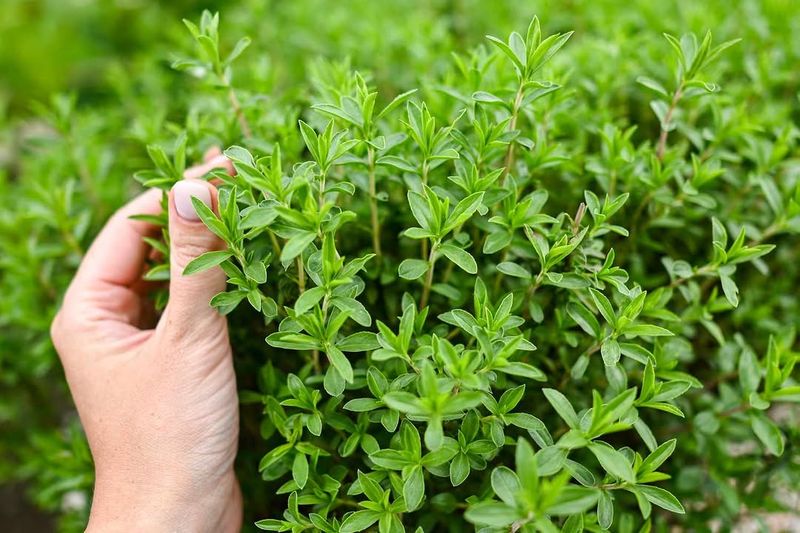
Compact, hardy, and surprisingly powerful, thyme is one of the most underrated pest-fighting herbs you can grow in a California garden. Its strong, earthy aroma is highly effective at confusing and repelling cabbage worms, whiteflies, and tomato hornworms, all of which can do serious damage to vegetable gardens if left unchecked.
Thyme is a low-growing herb that works beautifully as a ground cover or border plant. In California, it thrives in full sun and well-drained soil, and it handles dry conditions with ease.
Planting thyme along the edges of your vegetable beds creates a fragrant border that bugs are reluctant to cross. It also looks lovely cascading over raised bed walls or garden pathways.
Companion planting thyme near tomatoes, brassicas, and eggplants is a popular strategy among California gardeners. The strong scent it releases disrupts the ability of pests to locate their preferred host plants, which means fewer bugs munching on your vegetables.
Some gardeners also brew thyme tea and use it as a natural spray on plant leaves for added protection.
Thyme has a rich history dating back thousands of years. Ancient Greeks burned thyme as incense to purify their homes, believing it had powerful protective properties.
Today, gardeners across California are rediscovering that same protective power, only now it is being put to work outdoors rather than indoors. For a low-maintenance, high-reward addition to your garden, thyme is tough to beat.
5. Mint Driving Away Pests With Its Strong Scent
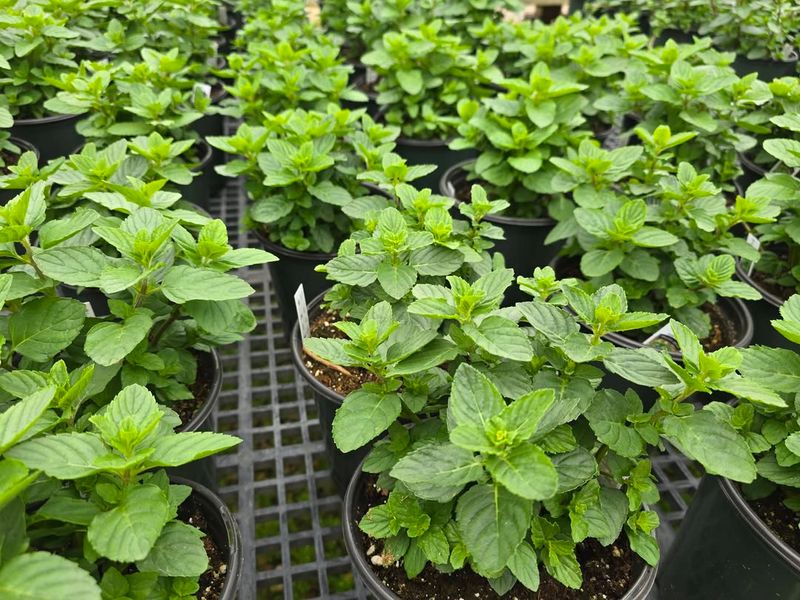
The confident herb that practically announces its presence the moment you brush against it. That sharp, refreshing scent that people love in teas and cocktails is absolutely despised by ants, aphids, cabbage moths, and even rodents.
In California gardens, mint is one of the most effective natural pest barriers you can grow, especially around vegetable beds and compost areas.
There is one important thing every California gardener should know before planting mint: it spreads aggressively. Left unchecked, mint will take over a garden bed in a single season.
The smartest approach is to grow mint in pots or containers and then place those containers strategically around your garden. This way, you get all the pest-repelling benefits without letting it crowd out your other plants.
Peppermint and spearmint are both excellent choices for California’s climate. They prefer partial shade in hotter inland areas but can handle more sun near the coast.
Keep the soil consistently moist and you will have a thriving mint plant that provides fresh leaves for cooking and pest control all season long.
Placing a potted mint plant near your garden entrance or along the edge of a patio can help keep ants and flies at bay during outdoor gatherings. Crushing a few leaves and scattering them around ant trails is another quick and effective trick.
With so many practical uses, mint earns its spot in California gardens without question.
6. Chives Helping Deter Pests Around Nearby Plants
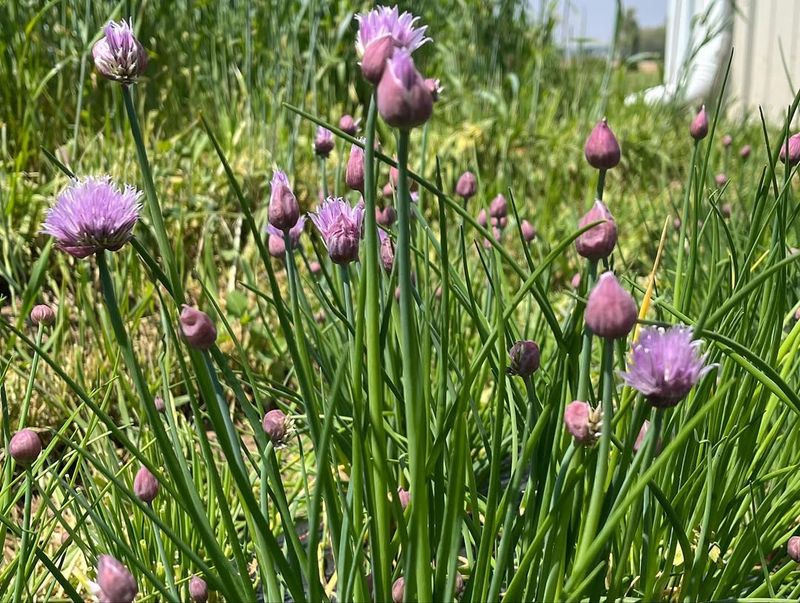
Slender, cheerful, and surprisingly tough, chives are a wonderful addition to any California garden. Most people think of chives as a garnish for baked potatoes or salads, but they are also remarkably effective at keeping carrot rust flies, Japanese beetles, and aphids away from nearby plants.
Their mild onion scent is pleasant to humans but highly off-putting to a wide range of garden pests.
Chives are especially effective when planted near carrots and roses. The strong sulfur compounds they release into the soil and air help mask the scent of carrots from rust flies, which are notorious for attacking carrot crops.
Planted near rose bushes, chives help deter aphids, which can otherwise wreak havoc on rose blooms throughout California’s long growing season.
Growing chives in California is genuinely easy. They adapt well to a range of soil types, prefer full sun, and only need moderate watering.
Once established, chives are quite forgiving and will come back year after year with minimal effort. Dividing the clumps every couple of years keeps them healthy and productive.
The pretty purple globe flowers that chives produce in spring are not just decorative. They are edible and attract beneficial pollinators like bees to your garden.
Letting a few chive plants flower before trimming them back gives local pollinators an early-season food source, which benefits your entire garden ecosystem. For a plant that gives so much with so little effort, chives are a California garden essential.
7. Sage Naturally Repelling Common Garden Pests
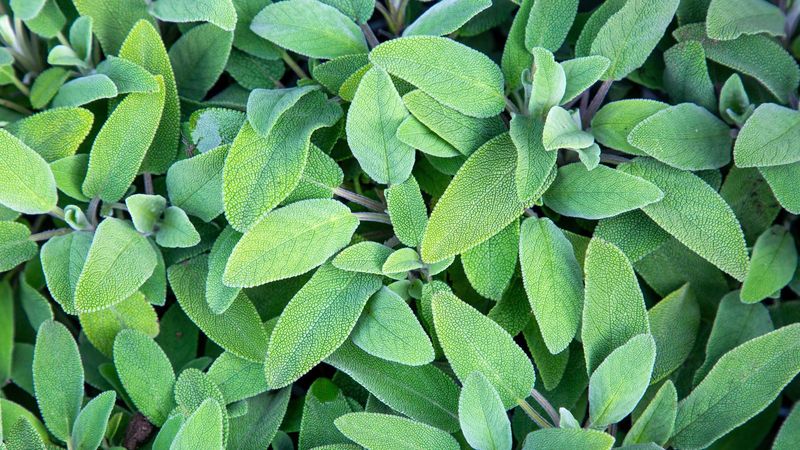
There is something wonderfully old-fashioned about sage. It has been used for centuries in cooking, medicine, and even spiritual practices, but in a California garden, its most valuable role might just be keeping pests away.
Sage produces a pungent, earthy scent that carrot flies and cabbage moths find deeply unpleasant, making it a reliable protector for brassicas and root vegetables.
Sage is beautifully suited to California’s climate. It loves hot, dry conditions and well-drained soil, which means it fits right in across much of the state, from the sun-baked gardens of the Inland Empire to the coastal hills of the Bay Area.
Once established, sage is highly drought-tolerant and rarely needs much attention beyond occasional pruning to keep it from getting too woody.
Plant sage near your cabbage, broccoli, cauliflower, or carrots to take advantage of its pest-deterring properties. The strong volatile oils it releases into the surrounding air act as a natural warning signal that sends many insects looking elsewhere for food.
Some California gardeners also dry sage leaves and crumble them around the base of plants for added protection during peak pest season.
One delightful quirk of sage is that it attracts hummingbirds, especially when it flowers. California is home to several hummingbird species, and watching them visit a blooming sage plant is one of the small joys of gardening in this state.
Between its pest-fighting abilities and its wildlife appeal, sage is a plant that truly earns its place in any California garden.
8. Oregano Using Its Strong Aroma To Discourage Pests
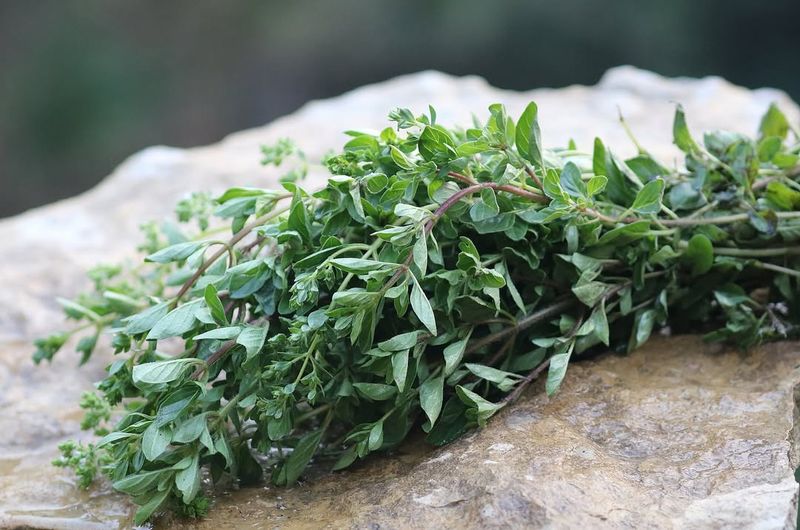
Oregano might be best known as the herb that makes pizza smell amazing, but California gardeners have discovered it has a much bigger role to play outside the kitchen. Its strong, spicy aroma is a natural deterrent for a surprising number of garden pests, including aphids, spider mites, and cabbage loopers.
Tucking oregano into your vegetable beds is one of the easiest ways to add a layer of natural pest protection.
In California’s warm climate, oregano is practically unstoppable. It thrives in full sun with minimal water, making it one of the most low-maintenance herbs you can grow in the state.
Whether you are gardening in the hot Central Valley or along the milder Northern California coast, oregano adapts well and grows vigorously with very little fuss.
Planting oregano as a ground cover between vegetable rows is a smart strategy that many experienced California gardeners use. As it spreads, it releases its pest-repelling oils into the surrounding soil and air, creating a protective zone around nearby crops.
It also helps suppress weeds, which is an added bonus for busy gardeners looking to reduce maintenance time.
Oregano flowers in late spring and summer, producing small clusters of white or pink blossoms that pollinators absolutely love. Bees and beneficial insects flock to oregano blooms, which helps improve pollination rates for your vegetables and fruits.
Letting a portion of your oregano plant flower each season creates a thriving, balanced garden ecosystem that naturally keeps harmful pests in check throughout California’s long growing season.